
Rescuing Greasy Cookies: Reduce Oiliness in Every Bite

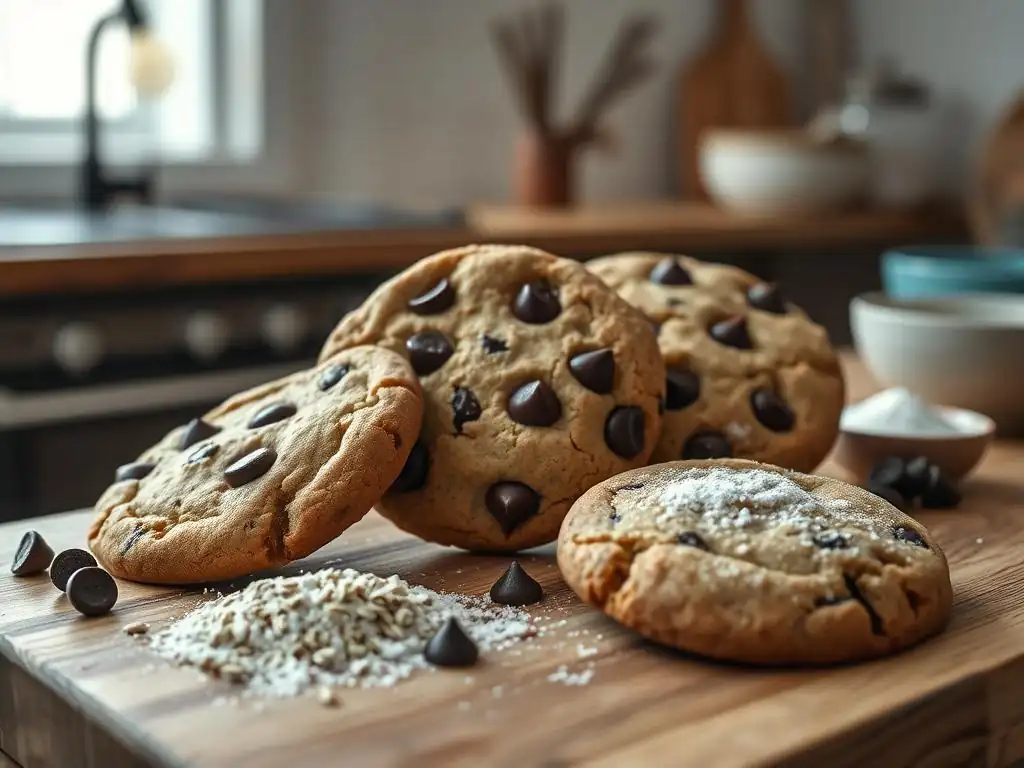
Welcome to BakeWithEase, your haven for delicious baking adventures! Ever wondered how to reduce oily cookies and achieve that perfect, melt-in-your-mouth texture without the grease? You're in the right place! Dive in to uncover simple yet effective tips and tricks that will transform your baking and leave you craving more. Let's turn those greasy mishaps into delightful triumphs!
Fats, like butter and oil, are fundamental to achieving desirable cookie texture, but they are also primary culprits when trying to reduce oily cookies. These lipids provide tenderness by coating flour particles, preventing excessive gluten development, which would otherwise result in tough cookies. They also contribute to the cookie's spread during baking; as the fat melts, it causes the dough to flatten.
However, an excessive amount of fat relative to other ingredients will lead to a greasy texture and excessive spreading, sometimes causing cookies to merge into one large, oily sheet. The type of fat also matters – butter, with its water content, creates steam for lift and chewiness, while liquid oils lead to a more uniform, sometimes greasier, crumb and increased spread. Understanding this delicate balance is key to controlling texture and avoiding that unwanted oily bite.
Beyond fats, other ingredients play crucial roles in shaping cookie texture. Sugar, for instance, not only sweetens but also contributes to tenderness, spread, and browning (Maillard reaction and caramelization). Different types of sugar yield different textures; granulated sugar encourages spread and crispness, while brown sugar adds moisture, chewiness, and a richer flavor. Flour provides structure; its protein content (gluten) determines how much structure is formed.
All-purpose flour is standard, but using lower-protein pastry flour can yield a more tender cookie, while higher-protein bread flour can make them tougher. Eggs bind ingredients, add moisture, and contribute to richness and structure. The ratio and interaction of these ingredients, particularly the fat-to-flour and fat-to-sugar ratios, are critical in determining whether a cookie is crispy, chewy, soft, or unfortunately, oily. Mastering these relationships is the first step in learning how to reduce oily cookies effectively.
Frequently Asked Questions
You can usually tell by the texture of the dough. If it's excessively shiny, greasy to the touch, or leaves an oily residue on your hands, it likely has too much fat. This is a sign to adjust your ingredient ratios before proceeding.
The most common culprits are using too much butter or shortening in the recipe, or using ingredients that are naturally high in fat, like certain types of nuts. Also, improper measuring can contribute to the issue.
Unfortunately, you can't completely remove the oil after baking. However, you can try blotting them with a paper towel to absorb some excess oil. Consider adjusting the recipe next time to reduce the fat content.
Yes, different fats have different properties. Using butter that is too soft or melted can contribute to oiliness. Some bakers prefer to use a combination of butter and shortening for a better texture and to control oiliness.
What are some specific ingredient substitutions I can make to reduce oiliness?
Try reducing the amount of butter or shortening by 10-20%. You can also substitute some of the fat with applesauce or mashed banana. Careful substitutions can significantly improve your cookie's texture.
The quest for the perfect cookie—crisp edges, chewy centers, and delightfully not greasy—is a journey many bakers undertake. This article has explored the science behind oily cookies, delving into the common culprits and offering practical solutions to achieve that ideal texture. From understanding the role of fat in baking to mastering techniques like chilling dough and adjusting baking times, we've uncovered the secrets to rescuing those greasy cookies and transforming them into delectable treats.
The pursuit of the perfect cookie transcends mere culinary skill; it's a reflection of our desire for control and mastery over the seemingly simple act of baking. The subtle nuances of texture and taste, the delicate balance of ingredients—these are details that resonate deeply with both seasoned bakers and enthusiastic beginners. Baking is at once child's play and adult joy. And love, of course.
This sentiment perfectly encapsulates the emotional connection we forge with our baking, and the frustration that arises when our creations don't quite meet our expectations. This article aims to bridge that gap, providing the knowledge and confidence to achieve baking success.
Now, consider your own baking experiences. Have you ever wrestled with an overly oily batch of cookies? Remember the feeling of disappointment, and then the satisfaction of finally achieving that perfect texture? I encourage you to apply the techniques discussed in this article to your next baking adventure.
Experiment with different fats, chill your dough meticulously, and pay close attention to baking times. Embrace the process, learn from your mistakes, and savor the sweet reward of perfectly baked, less-oily cookies. The journey to baking mastery is a continuous one, filled with both challenges and triumphs—and the taste of success is always worth the effort.
Thanks for taking the time to explore our tips on rescuing those overly oily cookies! We hope you gained some valuable insights into achieving the perfect cookie texture. Now it's time to put your newfound knowledge into action.
- Prioritize your favorite recipe: Try making one of your go-to recipes using our suggested oil reduction techniques and see the difference! This is your chance to perfect those beloved cookies.
- Share your results: Show us your before-and-after photos on social media—we'd love to see your perfectly crisp cookies! Use #BakeWithEaseRescue.
- Challenge yourself: Experiment with different flour types and baking techniques to further refine your cookie expertise. What unexpected results can you achieve?
Ready to bake a batch of flawlessly crisp cookies? What innovative oil-reduction method will you try first?