
Quick Fixes for Cookies That Won’t Brown Evenly

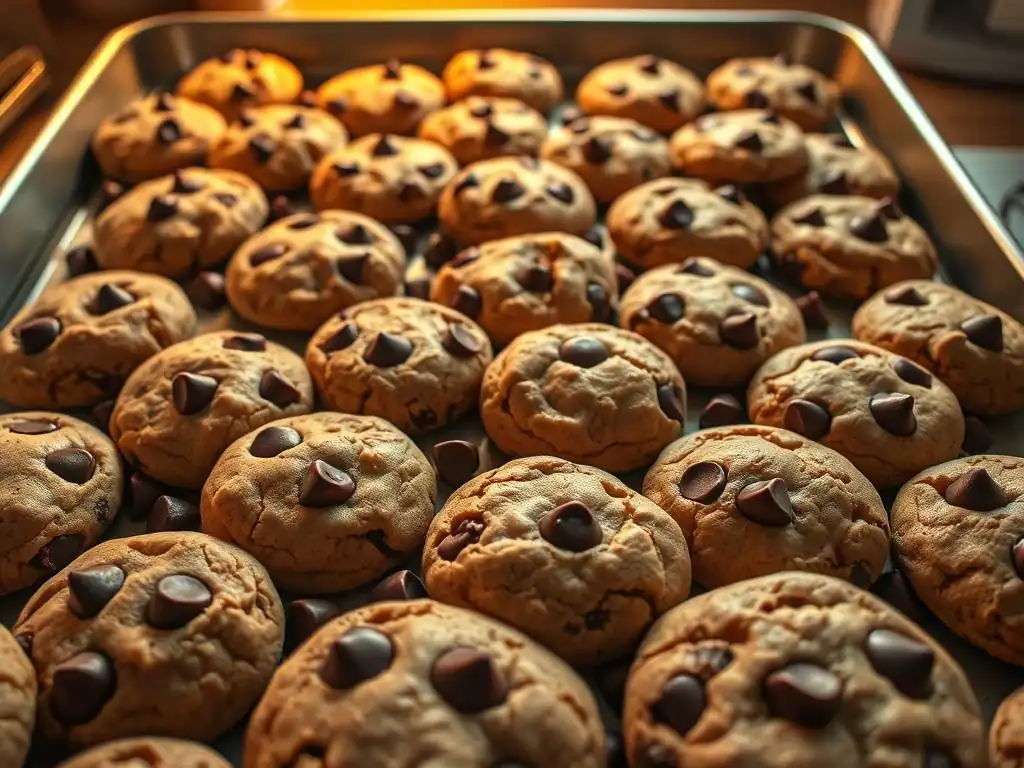
Welcome to BakeWithEase, your trusted guide to baking bliss! Ever wondered why your chocolate chip cookies aren't browning evenly? It's a common baking frustration, but don't despair! This article dives into quick fixes and simple techniques to achieve perfectly golden-brown cookies every time. Discover the secrets to consistent baking and unlock the potential of your next batch. Curious to know more? Let's get baking!
- Troubleshooting Unevenly Browned Cookies
- Understanding Uneven Cookie Browning
- Troubleshooting Uneven Cookie Browning: Solutions
- Preventing Uneven Cookie Browning
- Advanced Techniques for Achieving Perfectly Browned Cookies
- Conclusion: Achieving Perfect Cookie Browning
- Frequently Asked Questions
- Final Reflection: The Quest for the Perfect Brown
- Unlock Perfectly Brown Cookies: It's Easier Than You Think!
Unevenly browned cookies are a common frustration for bakers, often resulting in some cookies being perfectly golden while others remain pale or even burnt on the same sheet. The root cause is rarely a single issue but rather a combination of factors related to oven performance, baking technique, and even the cookie dough itself. Identifying the specific culprits requires a bit of detective work, often starting with observing where on the baking sheet the browning is inconsistent.
Are the cookies at the back browner than the front? Are the edges darker than the centers? These visual cues provide valuable clues to pinpoint the problem.
For example, if your batch of classic chocolate chip cookies consistently shows darker edges and lighter centers, it might indicate an issue with dough thickness or oven temperature being slightly too high, causing the outside to set and brown before the heat fully penetrates the center. Conversely, if cookies on one side of the baking sheet are significantly browner than those on the other, it strongly suggests uneven heat distribution within the oven chamber itself. Understanding these patterns is the first step toward diagnosing and fixing the issue of unevenly browned chocolate chip cookies or any other cookie variety.
Several key factors play a significant role in how evenly cookies brown. Oven temperature accuracy and consistency are paramount; an oven that runs hot or cold, or has significant temperature fluctuations, will invariably lead to uneven results. The type and color of your baking sheet also matter greatly; dark, non-stick pans absorb more heat than light-colored aluminum ones, leading to faster and often darker browning.
Furthermore, the composition and preparation of the cookie dough itself are critical. Variations in cookie size, thickness, and shape can cause smaller or thinner cookies to brown much faster than larger or thicker ones. The moisture content and sugar distribution within the dough also influence browning; areas with more surface moisture or concentrated sugar will brown more quickly due to caramelization and the Maillard reaction. Evenly portioning and shaping dough is essential for achieving uniform baking and consistent browning across the entire batch.
Solution 1: Oven Temperature Inconsistencies
Calibrating Your Oven
Oven thermostats can become inaccurate over time, leading to the internal temperature being significantly different from the setting you select. This discrepancy is a primary reason for uneven baking and browning. To check if your oven needs calibration, you can use a simple oven thermometer placed in the center of the oven rack.
Set the oven to a common baking temperature, like 350°F (175°C), and let it preheat for at least 20-30 minutes. Observe the thermometer reading over another 15-20 minutes; if it consistently reads higher or lower than the set temperature by more than 15-20°F (about 8-11°C), calibration may be necessary.
Many modern ovens have a built-in calibration setting that allows you to adjust the thermostat up or down by a certain number of degrees. Consult your oven's manual for specific instructions on how to access and use this feature. If your oven doesn't have this feature or the discrepancy is large, a professional appliance technician can often recalibrate it for you. Proper calibration ensures that when you set your oven to 350°F, it actually is 350°F, providing a more consistent environment for even cookie browning.
Utilizing an Oven Thermometer
Even if your oven is calibrated, using a separate, inexpensive oven thermometer is highly recommended for consistent results. These thermometers provide a real-time reading of the actual air temperature inside your oven, which can fluctuate throughout the baking cycle. Place the thermometer on the oven rack next to where you bake your cookies. This allows you to monitor the temperature and ensure it remains stable and accurate during the entire baking time.
Monitoring the temperature with an external thermometer helps you identify if the oven is cycling correctly (heating up and cooling down) or if there are significant temperature swings. If you notice large fluctuations, you may need to adjust your baking strategy, perhaps by extending the preheating time or slightly adjusting the baking temperature or time to compensate. This simple tool is invaluable for achieving reliably even browning, especially when dealing with finicky recipes or older ovens.
Solution 2: Baking Sheet Material
Choosing the Right Baking Sheets
The type and color of your baking sheets significantly impact how heat is transferred to the cookies, directly affecting browning. Light-colored, heavy-gauge aluminum baking sheets with a rimmed edge are generally considered the best choice for even baking. These sheets reflect heat, preventing the bottom of the cookies from browning too quickly while the tops catch up. They heat up evenly and provide a consistent surface for the dough.
In contrast, dark-colored or non-stick baking sheets absorb more radiant heat, causing cookies to brown faster and often darker on the bottom. While convenient for easy release, they can contribute to uneven browning, particularly if the oven has hot spots or the dough has varying thickness. If using dark sheets, you may need to reduce the oven temperature by about 25°F (about 15°C) and/or shorten the baking time to prevent over-browning on the bottom while the top remains undercooked or unevenly browned.
Rotating Baking Sheets
Even in a well-calibrated oven with good baking sheets, heat distribution is rarely perfectly uniform. Hot spots and cooler areas can exist. To counteract this and promote even browning, especially with unevenly browned chocolate chip cookies, rotating your baking sheet halfway through the baking time is a highly effective technique. This involves carefully opening the oven door, using oven mitts to turn the baking sheet 180 degrees (so the side facing the back is now facing the front), and quickly closing the door to minimize heat loss.
For example, if your cookies typically brown faster at the back of the oven, rotating the sheet ensures the front half of the cookies gets equal exposure to the hotter zone. This simple step helps every cookie on the sheet bake at roughly the same rate, significantly reducing the likelihood of some being perfectly golden while others are still pale or becoming too dark. It's a quick fix that yields noticeable improvement in the uniformity of your finished cookies.
Ensuring Uniform Cookie Dough Size and Shape
Inconsistent cookie dough portions are a major contributor to uneven browning. Larger or thicker cookies take longer to bake and brown than smaller or thinner ones. To achieve consistently baked and evenly browned cookies, it's crucial to make each cookie the same size and shape. Using a cookie scoop (available in various sizes, such as a 1.5-tablespoon scoop for standard cookies) is an excellent way to portion dough uniformly.
After scooping, gently rolling the dough into balls or slightly flattening them (depending on the recipe's desired outcome) helps ensure even thickness. Avoid irregular shapes or dough balls that are significantly different in mass. If you're working with dough that spreads a lot, spacing them evenly apart (typically 2 inches or about 5 cm) on the baking sheet is also important so they don't merge and create large, uneven masses that bake inconsistently.
Addressing Cookie Dough Moisture Content
The moisture content within your cookie dough directly impacts its texture and how it browns. Dough that is too dry may brown too quickly on the surface before the inside is fully cooked, while dough that is too wet might spread excessively and bake unevenly. Inconsistent moisture distribution within a single batch of dough can also lead to patches that brown differently. This can happen if ingredients aren't mixed thoroughly or if parts of the dough are exposed to air and dry out before baking.
Ensuring all ingredients, especially wet and dry components, are properly incorporated during mixing helps create a homogenous dough with consistent moisture levels throughout. If working with a dough that needs to be chilled, cover it tightly with plastic wrap to prevent the surface from drying out, which could lead to uneven browning on the edges. For doughs that seem excessively wet or dry based on the recipe's description, slight adjustments to flour or liquid content (within reason and based on experience) might be necessary, but thorough mixing is key for consistency.
Solution 4: Oven Hot Spots
Minimizing Hot Spots: Rack Placement and Baking Stone Use
Oven hot spots are areas within the oven cavity that are significantly hotter than others, often due to the location of the heating element or poor air circulation. These hot spots cause cookies placed in those areas to brown much faster than those elsewhere on the same rack or in the oven. Identifying hot spots often comes through trial and error and observing where your cookies consistently over-brown. Common hot spots are near the back or sides of the oven.
To minimize the impact of hot spots, strategic rack placement is essential. In most ovens, the middle rack provides the most even heat distribution. Avoid baking cookies on the very top or bottom racks unless specifically instructed by a recipe, as these areas are usually closer to heating elements and prone to more intense heat.
For persistent hot spot issues, some bakers use a ceramic baking stone or steel placed on a rack below the cookie sheet. This stone absorbs and radiates heat, helping to stabilize the temperature and create a more even heating environment above it, potentially reducing the severity of hot spots affecting your cookies.
Impact of Different Sugars
Sugar is a critical ingredient for achieving that desirable golden-brown color in cookies. The type of sugar used significantly affects the browning process. Granulated white sugar primarily contributes to spread and crispness, browning through caramelization at high temperatures (around 320°F or 160°C).
Brown sugar, however, contains molasses, which not only adds moisture and chewiness but also lowers the temperature at which browning occurs due to the presence of fructose and glucose from the molasses. This means doughs with a higher proportion of brown sugar will generally brown more readily and achieve a deeper color than those made primarily with white sugar.
Unevenly browned chocolate chip cookies, which often use a mix of white and brown sugar, can sometimes suffer from inconsistent browning if the sugar ratio isn't balanced or if the sugars aren't fully dissolved and distributed. Understanding the browning properties of each sugar helps in troubleshooting; if cookies are browning too quickly on the edges but staying pale in the center, it might relate to the sugar content and heat distribution. Adjusting the sugar ratio slightly or ensuring proper mixing can help regulate browning speed.
Ensuring Even Sugar Distribution
For cookies to brown evenly, the sugar must be evenly distributed throughout the dough. If sugar is clumped in certain areas or not fully mixed in, those areas will brown faster and darker than areas with less sugar. This is particularly important when creaming butter and sugar at the beginning of many cookie recipes. Proper creaming incorporates air, creates a smooth texture, and helps dissolve and distribute the sugar crystals evenly.
Mixing the dry ingredients (including sugar if it's added with the dry) thoroughly before combining them with the wet ingredients also helps prevent pockets of concentrated sugar. When adding mix-ins like chocolate chips or nuts, ensure they are folded in evenly without overmixing, which could develop gluten and lead to tougher cookies, but also without leaving areas of plain dough devoid of sugar and other browning agents. A well-mixed dough with evenly distributed sugar is foundational for achieving uniform color and texture.
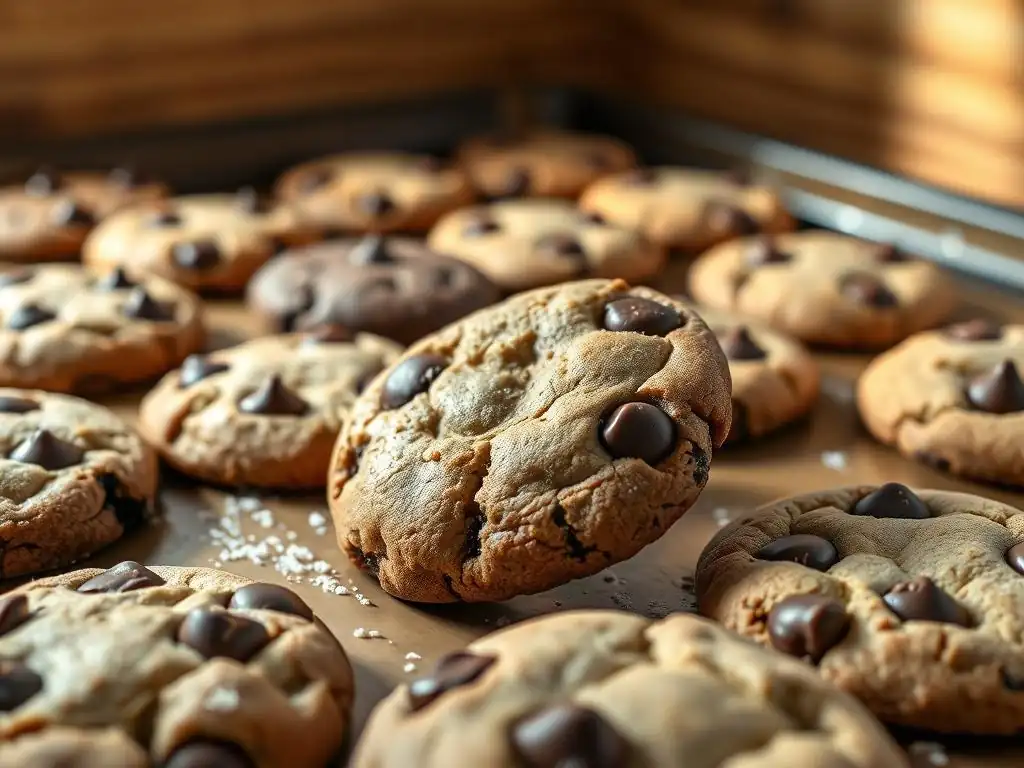
Achieving consistent, evenly browned cookies batch after batch involves establishing a routine and paying attention to details. Always start with a properly preheated oven; give it ample time to reach and stabilize at the set temperature, often 15-20 minutes after the preheat indicator turns on. Use an oven thermometer to verify the temperature. Prepare your baking sheets correctly – lining with parchment paper or silicone mats promotes even heat distribution and prevents sticking better than greasing alone, and also makes cleanup easier.
Ensure your cookie dough is uniform in size and shape, using a scoop for accuracy. Space cookies evenly on the baking sheet, leaving enough room for spread (typically 2 inches or 5 cm) to allow heat to circulate around each cookie. Avoid overcrowding the baking sheet, as this can lower the surface temperature and lead to steaming rather than baking and browning. Bake only one sheet of cookies at a time on the middle oven rack for the most reliable results.
Adjusting Baking Time for Better Browning
Even with all the right preparations, you may need to slightly adjust baking time based on your specific oven and desired level of browning. Cookie recipes provide a time range (e.g., 8-12 minutes) because ovens vary. Begin checking your cookies at the lower end of the suggested time. Look for visual cues: the edges should be set and lightly golden, and the centers should look slightly less glossy but not raw.
If cookies on your sheet are browning unevenly despite other efforts, rotating the baking sheet halfway through the baking time is crucial, as mentioned earlier. If one area consistently browns faster, you might even try placing slightly larger or thicker dough portions in that spot on subsequent batches, or conversely, slightly smaller ones in cooler spots. Ultimately, learning your oven's quirks and adjusting baking time and position based on observation is key to consistently achieving perfectly and evenly browned cookies.
Using Convection Ovens
Convection ovens use a fan to circulate hot air, which results in faster and more even cooking and browning compared to conventional ovens. The circulating air helps eliminate hot spots and ensures that the surface of the cookies is exposed to consistent heat, leading to more uniform browning across the entire sheet. This can be particularly beneficial for troubleshooting unevenly browned chocolate chip cookies.
When using a convection oven for cookies, it's generally recommended to reduce the baking temperature by 25°F (about 15°C) from the conventional oven temperature specified in the recipe. The baking time may also be slightly shorter. Start checking cookies a few minutes earlier than you would in a conventional oven. The forced air can sometimes cause lighter items like parchment paper to shift, so ensure it's well-weighted by the dough. Experimenting with temperature and time is necessary to find the optimal settings for your specific convection oven and cookie recipe, but the result is often superior uniformity in browning.
Chilling cookie dough before baking is a simple step that can dramatically improve texture, flavor, and importantly, browning consistency. Chilling solidifies the fat (butter), which causes the cookies to spread less during baking. Less spread means thicker cookies that bake more evenly from edge to center. The cold dough also takes longer to heat up in the oven, allowing the edges and bottom to set and brown gradually while the interior cooks through.
Furthermore, chilling allows the moisture in the dough to redistribute more evenly, hydrating the flour and sugar crystals. This leads to a more uniform dough structure and ensures that sugar and other browning agents are dispersed consistently, preventing patchy or uneven browning. A chill time of at least 30 minutes is often beneficial, but many recipes benefit from several hours or even overnight chilling for optimal results, including better flavor development and more predictable, even browning.
Frequently Asked Questions
Uneven browning can be due to an uneven oven temperature, differences in cookie size, or the placement of the baking sheet within the oven. Hot spots in your oven are a common culprit.
How can I test if my oven temperature is accurate?
Use an oven thermometer to check the actual temperature against the set temperature. Many ovens are off by as much as 25 degrees, which significantly impacts baking. Regular calibration is recommended.
Employ a cookie scoop or a kitchen scale to portion out dough for uniform size and shape. This ensures even baking and avoids some cookies browning faster than others due to size differences.
Yes, rotating the baking sheet halfway through the baking time helps to compensate for uneven heat distribution in the oven. This allows all cookies to be exposed to similar heat levels, promoting consistent browning.
Does the type of baking sheet I use affect browning?
Yes, baking sheets that are dark or non-stick tend to bake faster and can lead to over-browning on the bottom. Lighter-colored baking sheets generally promote more even browning overall.
Final Reflection: The Quest for the Perfect Brown
The seemingly simple act of baking a chocolate chip cookie holds a surprising depth of complexity, especially when faced with the frustrating reality of uneven browning. A perfectly browned cookie, with its crisp edges and chewy center, is a testament to baking precision, but achieving this culinary nirvana can be elusive. This article explored several quick fixes to tackle this common baking woe, highlighting the importance of understanding the science behind the browning process.
The pursuit of the perfect cookie transcends mere culinary skill; it's a reflection of our desire for control and mastery over seemingly simple processes. The uneven browning of a cookie can feel like a personal failure, a small imperfection that mars an otherwise enjoyable experience. Perfection is not attainable, but if we chase perfection we can catch excellence.
– Vince Lombardi. This quote, while not directly about cookies, speaks to the larger truth that the journey towards improvement, even in baking, is more valuable than achieving flawless results every time. The techniques discussed here offer a path toward that excellence, allowing bakers to refine their skills and approach each batch with renewed confidence.
So, the next time you encounter a batch of unevenly browned cookies, remember the lessons learned here. Don't be discouraged! Instead, view it as an opportunity for growth, a chance to experiment with different techniques, and to ultimately achieve that golden-brown perfection you crave. Take the time to understand your oven, adjust your baking sheet, and embrace the iterative nature of baking. The journey to the perfect cookie is a rewarding one, filled with delicious discoveries and the sweet satisfaction of a job well done.
Thanks for taking the time to explore the secrets of evenly browned cookies! You've now got the knowledge to bake batches of delicious, golden-brown treats. Ready to put your new skills to the test?
- Bake a test batch today! Try out one of the quick fixes from the article and see the difference for yourself. Note down your results – you might discover your new favorite baking trick!
- Share your cookie success (or even your baking struggles!) in the comments below. Let's build a supportive baking community!
- Explore our other baking tips and tricks on BakeWithEase.com – we’ve got plenty more where that came from!
What's your favorite tip for achieving perfectly browned cookies? Let's discuss!