
Your Essential Glossary of Baking Sugars and Sweeteners: Know Your Sweets

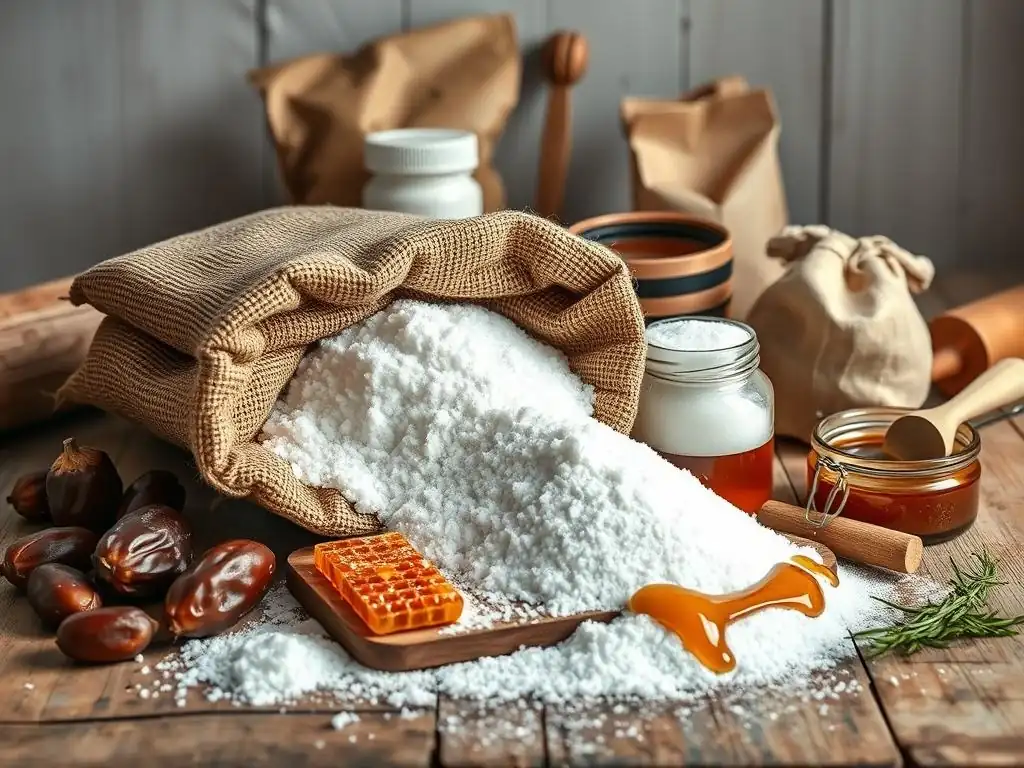
Welcome to BakeWithEase, your culinary companion in the world of baking! Ever wondered if that seemingly simple bag of sugar holds more secrets than you thought? Unlock the mysteries of your pantry as we delve into our essential Baking Sugar Types Guide, a must-read for every baker looking to elevate their creations. Discover the subtle differences and unique applications of each sweetener, and prepare to transform your baking from good to extraordinary. Ready to sweeten your knowledge?
- Your Essential Glossary of Baking Sugars and Sweeteners
- Understanding Baking Sugar Types
- Granulated Sugar: The Baker's Staple
- Caster Sugar (Superfine Sugar): For Delicate Baking
- Powdered Sugar (Icing Sugar): The Finishing Touch
- Brown Sugar: Adding Depth and Molasses Flavor
- Muscovado Sugar: Intense Molasses Richness
- Turbinado Sugar (Raw Sugar): A Crunchy Topping
- Liquid Sweeteners in Baking
- Alternative Sweeteners for Baking
- Sugar Substitutions in Baking
- Storing Baking Sugars and Sweeteners
- Frequently Asked Questions
- Final Reflection: Unlocking the Sweet Science of Baking
- Unlock Your Baking Potential: Master the Sweetness!
Your Essential Glossary of Baking Sugars and Sweeteners
Understanding Baking Sugar Types
Navigating the world of baking requires a solid understanding of its fundamental ingredients, and sugar is undeniably one of the most critical. Far from being a simple sweetener, sugar plays multiple roles in baking, influencing texture, moisture, color, and even shelf life. Different types of sugar behave distinctively when heated and mixed with other ingredients, making the choice of sugar crucial for achieving the desired outcome in your baked goods. This baking sugar types guide will walk you through the most common varieties you'll encounter, explaining their unique properties and best uses.
Knowing the specific characteristics of each sugar is key to successful baking. For instance, the size of the sugar crystals affects how they interact with fats during creaming and how they dissolve in batters. The presence or absence of molasses impacts flavor, moisture, and color development. Even the manufacturing process, from refining levels to added ingredients, contributes to a sugar's performance. Mastering these distinctions, as detailed in this comprehensive baking sugar types guide, empowers you to select the perfect sweetener for every recipe, ensuring delicious and consistent results.
Granulated Sugar: The Baker's Staple
What is Granulated Sugar?
Granulated sugar, often simply called "sugar" or "white sugar," is the most common sweetener used in baking worldwide. It is a highly refined form of sucrose, typically derived from sugarcane or sugar beets. The refining process removes molasses and impurities, resulting in small, uniform crystals. These crystals measure approximately 0.5 millimeters in size. This standard crystal size is essential for many baking processes, such as creaming with butter, where the sharp edges of the crystals cut into the fat, creating tiny air pockets that contribute to leavening and texture.
Chemically, granulated sugar is almost pure sucrose (usually 99.9% or higher). This purity means it provides a clean sweetness without imparting other flavors. Its consistent composition ensures reliable results in a wide range of recipes. While it's a primary energy source for yeast in bread making, its main role in cakes, cookies, and pastries is to provide sweetness, structure through the formation of a crystalline matrix upon cooling, moisture retention, and browning via caramelization and the Maillard reaction at higher temperatures.
Baking with Granulated Sugar
Granulated sugar is incredibly versatile and forms the backbone of countless baking recipes. In cookie doughs, creaming butter and granulated sugar together is a foundational step, responsible for incorporating air and contributing to the cookie's spread and crispness. A typical ratio might be equal parts butter and sugar by weight or volume, but this varies significantly by recipe type. For example, a classic chocolate chip cookie recipe might use roughly 1 cup (200g) of granulated sugar alongside brown sugar to achieve a balance of crisp edges and chewy centers.
In cakes and muffins, granulated sugar contributes to the tender crumb by interfering with gluten development. It also attracts and holds moisture, helping to keep baked goods from drying out quickly. When heated, granulated sugar melts and then caramelizes, creating desirable golden-brown crusts on cakes and breads.
For instance, a simple vanilla cake batter often contains granulated sugar creamed with fat and eggs before flour is added; this process is critical for the cake's final volume and texture. Without granulated sugar, many classic baking techniques, like the creaming method, would not be possible, highlighting its essential role in this baking sugar types guide.
Caster Sugar (Superfine Sugar): For Delicate Baking
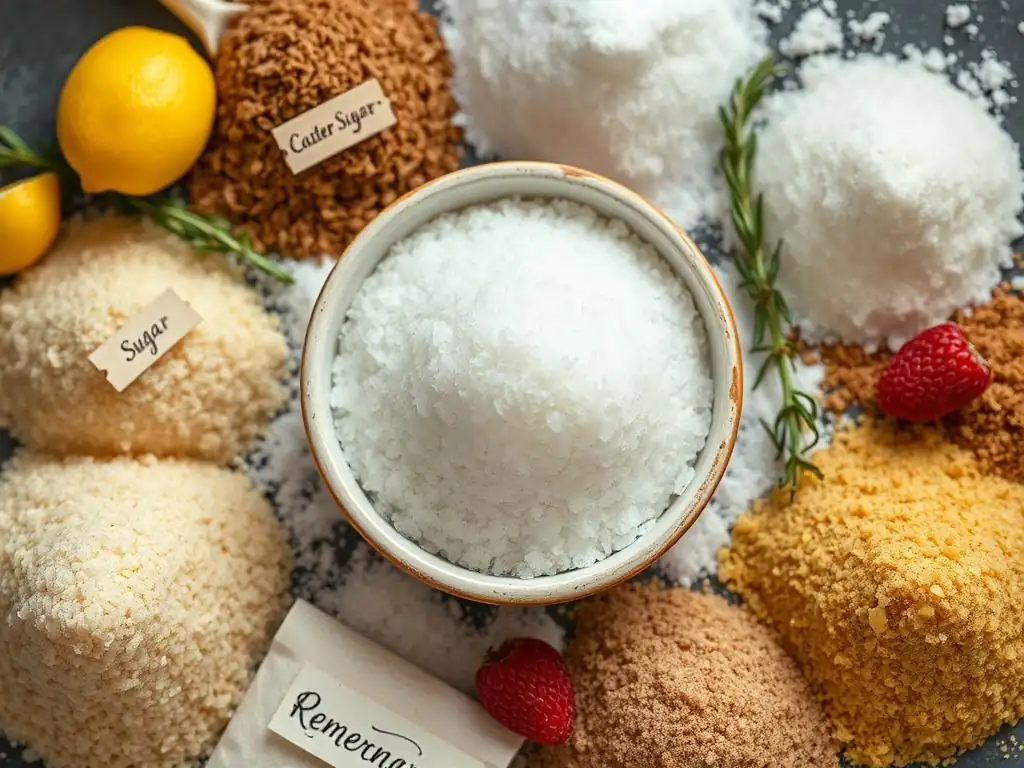
Caster Sugar vs. Granulated Sugar
Caster sugar, also known as superfine sugar in some regions (like the US), is essentially granulated sugar that has been ground to a finer consistency. The crystals are significantly smaller than standard granulated sugar, typically ranging from 0.2 to 0.35 millimeters. While both are pure sucrose, this difference in particle size has a noticeable impact on their behavior in baking. Granulated sugar crystals are larger and dissolve slower, which can sometimes leave a slightly gritty texture if not fully dissolved, especially in quick-mixing batters or cold preparations.
In contrast, caster sugar's smaller crystals dissolve much more quickly. This makes it ideal for recipes where you want a smooth texture without prolonged mixing, such as meringues, soufflés, and delicate sponge cakes. The rapid dissolution also reduces the risk of overmixing batters just to incorporate the sugar, which can lead to tougher results due to excess gluten development. While you can sometimes substitute caster for granulated sugar (usually 1:1 by weight), the finer crystals pack more densely, so substituting by volume might require slightly less caster sugar for the same sweetness level.
Recipes Perfect for Caster Sugar
Caster sugar shines in recipes where a fine, even texture and quick dissolution are paramount. Meringues are a prime example; beating egg whites with caster sugar allows the sugar to dissolve smoothly into the foam, stabilizing the structure without leaving grainy pockets that can cause weeping.
A classic French meringue might use a 2:1 ratio of caster sugar to egg whites by weight. Similarly, in delicate sponge cakes like genoise, where eggs are whipped with sugar for volume before flour is folded in, caster sugar's ability to dissolve quickly into the aerated egg mixture is crucial for a light and airy crumb.
It's also preferred for sweetening cold liquids or preparations, such as whipped cream, cocktails, or salad dressings, because it dissolves almost instantly. For delicate custards or panna cotta, using caster sugar ensures a silky-smooth finish without any residual graininess. While a comprehensive baking sugar types guide covers many varieties, caster sugar holds a special place for its ability to create refined textures in specific applications.
Powdered Sugar (Icing Sugar): The Finishing Touch
How Powdered Sugar is Made
Powdered sugar, also commonly known as confectioners' sugar or icing sugar, is produced by grinding granulated sugar into an extremely fine powder. To prevent the fine particles from clumping together due to moisture absorption, a small amount of anti-caking agent is typically added during the milling process. The most common anti-caking agent is cornstarch, usually making up about 3% of the total weight, though tapioca starch or tricalcium phosphate are sometimes used. This addition means powdered sugar is not pure sucrose like granulated or caster sugar.
The milling process reduces the sugar crystals to an incredibly small size, resulting in a soft, fluffy texture. This fine consistency is what gives powdered sugar its unique properties for dusting and creating smooth icings and glazes. The presence of starch also slightly affects its behavior when heated compared to pure sugar, though its primary use is in applications where it doesn't undergo significant heating. Understanding this composition is part of a complete baking sugar types guide.
Baking Applications of Powdered Sugar
Powdered sugar is most famously used for frostings, glazes, and dusting baked goods. Its fine texture allows it to dissolve easily into liquids, creating smooth, pourable glazes for cakes and doughnuts or creamy, spreadable buttercreams. A standard American buttercream recipe often uses a ratio of about 2 parts powdered sugar to 1 part butter by weight, plus a liquid like milk or cream. When whisked, the fine sugar particles combine with the fat and liquid to form a stable emulsion with a smooth consistency.
Beyond icings, powdered sugar is perfect for dusting cakes, cookies, and pastries, providing a simple yet elegant finish. Its ability to absorb a small amount of surface moisture helps it adhere to baked goods. While less common in batters, some delicate cookies or shortbread recipes might incorporate a small amount of powdered sugar for a tender texture, as the starch can interfere with gluten development. It's also essential for making royal icing, used for decorating cookies and cakes, where its fine texture and starch content contribute to the icing's structure and hardening properties.
Brown Sugar: Adding Depth and Molasses Flavor
Light vs. Dark Brown Sugar
Brown sugar is essentially granulated sugar with molasses added back in. The amount of molasses determines whether it's classified as light or dark brown sugar. Light brown sugar typically contains about 3.5% molasses by weight, while dark brown sugar contains a higher percentage, often around 6.5%. This difference in molasses content significantly impacts both the flavor and moisture level of the sugar.
Light brown sugar has a milder caramel flavor and is slightly less moist than its dark counterpart. It's the more commonly used variety in many everyday baking recipes. Dark brown sugar boasts a more intense, deeper molasses flavor and is noticeably stickier due to its higher moisture content. This richer flavor profile makes dark brown sugar excellent for recipes where you want a pronounced caramel or toffee note. Both types contain small, irregularly shaped crystals coated in a film of molasses, which gives them their characteristic color and moist texture compared to granulated sugar.
Brown Sugar in Baking
Brown sugar brings more than just sweetness to baked goods; it contributes moisture, chewiness, and a distinct flavor profile. The molasses content in brown sugar holds onto moisture, resulting in softer, moister baked goods that stay fresh longer. This is why brown sugar is a staple in chewy cookies, moist cakes, and sticky buns. For instance, using a mix of granulated and brown sugar in a chocolate chip cookie recipe (perhaps 1:1 ratio by weight) is key to achieving that desirable contrast between crisp edges (from granulated sugar) and a soft, chewy center (from brown sugar).
The molasses also imparts complex caramel and toffee notes, enhancing the overall flavor profile of dishes like gingerbread, fruitcakes, and barbecue sauces (yes, it's used in savory applications too!). When heated, brown sugar caramelizes more readily than white sugar due to the presence of molasses. This contributes to richer color and flavor development during baking. Understanding the moisture and flavor contributions is vital when choosing between light and dark brown sugar or when considering substitutions in your baking sugar types guide.
Muscovado Sugar: Intense Molasses Richness
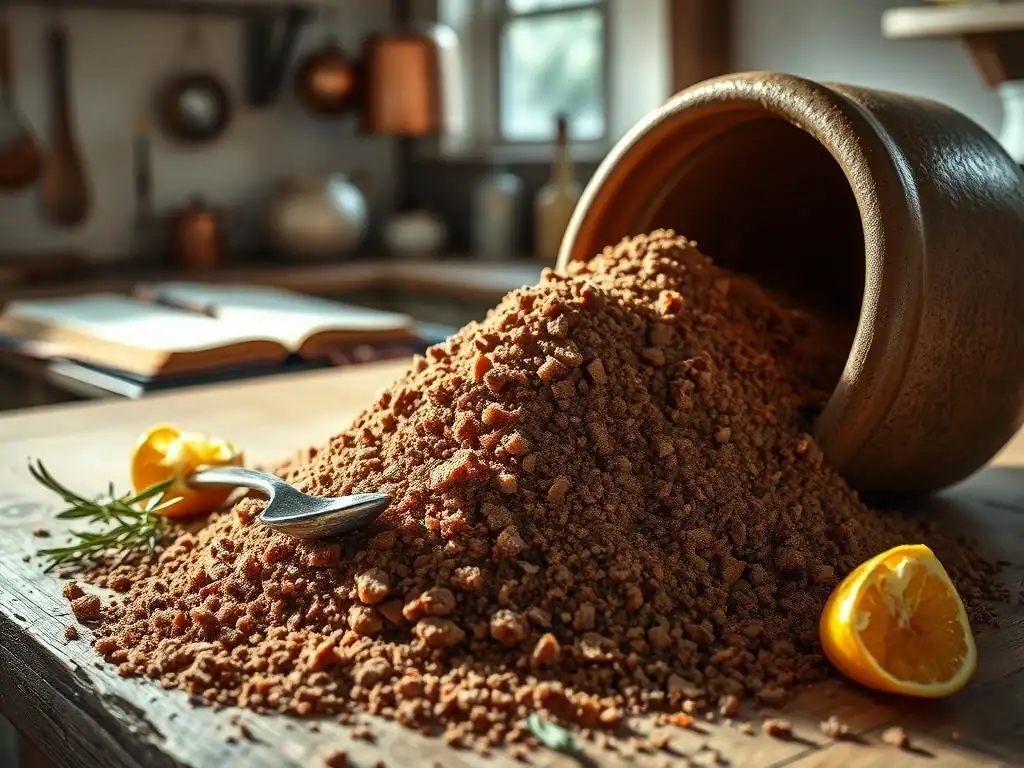
Muscovado Sugar: Characteristics
Muscovado sugar, also known as Barbados sugar, is an unrefined or partially refined cane sugar that retains a much higher molasses content than regular brown sugar. Unlike brown sugar, which is often made by adding molasses back to refined white sugar, muscovado is produced by boiling down sugarcane juice and drying it without removing all the molasses. This process results in a sugar with a very dark color, a sticky texture, and a strong, complex flavor profile with notes of toffee, coffee, and even a hint of smoke or licorice depending on the specific batch.
The crystals of muscovado sugar are typically larger and more irregular than brown sugar, and the sugar feels moist and sometimes slightly gritty or sandy due to the concentrated molasses. It comes in light and dark varieties, with dark muscovado having the most intense flavor and highest molasses content. Its pronounced flavor makes it a specialty sugar, prized by bakers and cooks looking to add deep, resonant notes to their creations.
Using Muscovado Sugar in Baked Goods
Muscovado sugar is best used in recipes where its strong, distinctive flavor can shine and is desired as part of the final taste. It is particularly excellent in rich, moist baked goods like gingerbread, fruitcakes, brownies, and dark chocolate cookies. Its high moisture content also contributes to a wonderfully soft and chewy texture in these items. For example, substituting muscovado sugar for some or all of the brown sugar in a rich brownie recipe will yield a deeper, more complex chocolate flavor with fudgier results.
Due to its strong flavor, muscovado isn't always a direct substitute for light brown or granulated sugar in every recipe, especially those with delicate flavors. However, in robust recipes, it can elevate the outcome significantly. It works well in glazes and sauces where its toffee notes are a welcome addition. While it's a less common entry in a basic baking sugar types guide, muscovado is a favorite among those seeking to add depth and character to their bakes.
Turbinado Sugar (Raw Sugar): A Crunchy Topping
Turbinado Sugar: Processing and Appearance
Turbinado sugar, often labeled as "raw sugar," is a type of partially processed cane sugar. It is produced by pressing sugarcane juice, heating it, and spinning it in a turbine (hence "turbinado") to remove most of the surface molasses. Unlike fully refined white sugar, it retains some of the natural molasses, giving it a light brown color and a distinct, slightly caramel flavor. The crystals are larger and coarser than granulated sugar, resembling coarse sand or small pebbles.
Despite being called "raw sugar," it's not truly raw as it undergoes heating during processing. It's less processed than white sugar but more processed than muscovado. The large, free-flowing crystals are its defining characteristic, making it unsuitable for applications requiring sugar to dissolve completely into a batter or dough. Its primary appeal lies in its texture and subtle flavor.
Adding Texture with Turbinado Sugar
Turbinado sugar's large, crunchy crystals make it an excellent finishing sugar rather than an ingredient to be incorporated within a bake. It's commonly sprinkled on top of muffins, scones, cookies, and breads before baking. The crystals hold their shape and texture through the baking process, providing a delightful crunch and sparkle. For example, adding a sprinkle of turbinado sugar to the tops of blueberry muffins or sugar cookies provides a satisfying textural contrast to the soft interior.
It can also be used to rim cocktail glasses or add texture to crumble toppings for pies and crisps. While it sweetens, its main contribution is textural and visual. A comprehensive baking sugar types guide wouldn't be complete without mentioning turbinado for its unique role in adding a professional-looking, crunchy finish to baked goods. It's not ideal for creaming or dissolving in batters, but it excels as a decorative and textural element.
Liquid Sweeteners in Baking
Liquid sweeteners like honey, maple syrup, molasses, and corn syrup offer unique flavors, textures, and moisture levels that can significantly impact baked goods. Unlike granulated sugars, they introduce liquid into the recipe, which requires adjustments to other liquid ingredients to maintain proper hydration balance. Their varying viscosity and sugar composition (e.g., fructose vs. glucose vs. sucrose) also affect sweetness perception, browning, and how they interfere with crystallization.
Using liquid sweeteners often results in moister, chewier baked goods. They also tend to promote browning due to their fructose content (honey, corn syrup) or inherent color (molasses, dark maple syrup). However, their distinct flavors can overpower delicate recipes, so choosing the right liquid sweetener depends on the desired outcome. This part of the baking sugar types guide explores the most common ones.
Honey: Natural Sweetness and Flavor
Honey is a natural sweetener produced by bees from flower nectar. It's primarily composed of fructose and glucose, making it sweeter than sucrose (granulated sugar) by volume. Honey also contains water, enzymes, minerals, and vitamins, and its specific flavor and color vary widely depending on the nectar source (e.g., clover, wildflower, buckwheat). Light-colored honey tends to have a milder flavor, while darker honey is more robust.
In baking, honey contributes moisture, tenderness, and a distinct floral or earthy flavor. Its high fructose content helps keep baked goods moist and contributes to faster, darker browning than sucrose. It also has acidic properties, which can react with baking soda to help with leavening. Substituting honey for granulated sugar requires reducing other liquids in the recipe, often by about 1/4 cup for every cup of honey used, and sometimes adding a pinch of baking soda to counteract its acidity and aid leavening. Its use can lead to a slightly chewier texture and a longer shelf life.
Maple Syrup: Baking with Maple Flavor
Pure maple syrup, derived from the sap of maple trees, is another natural liquid sweetener with a characteristic flavor ranging from delicate to robust depending on its grade. It's primarily composed of sucrose and water, though it also contains minerals and antioxidants. Like honey, its moisture content means it can't be substituted 1:1 for granulated sugar without recipe adjustments.
Baking with maple syrup imparts its signature flavor and contributes moisture and a slightly different texture compared to granulated sugar. It works wonderfully in recipes where the maple flavor is desired, such as pancakes, waffles, or baked goods like maple-walnut muffins or pecan pie. Substituting maple syrup for granulated sugar often involves reducing other liquids and potentially slightly increasing flour to absorb the extra moisture. Its sweetness level is similar to granulated sugar by weight but less dense by volume.
Molasses: Deep, Rich Flavor
Molasses is a byproduct of the sugar refining process. Sugarcane or sugar beet juice is boiled down to crystallize sugar, and the remaining syrup is molasses. It varies in color and intensity depending on the number of times it has been boiled. Light molasses is from the first boiling, dark molasses from the second, and blackstrap molasses from the third, being the darkest and most bitter. Molasses is rich in minerals like iron and calcium and has a distinctive, robust, slightly bitter flavor.
In baking, molasses is essential for traditional recipes like gingerbread, certain cookies, and brown bread, where its strong flavor and dark color are desired. It also contributes significant moisture, resulting in soft, chewy textures. Blackstrap molasses is rarely used as the primary sweetener due to its bitterness but is sometimes added in small amounts for its nutritional value or intense flavor. Molasses also reacts with baking soda, providing leavening power, which is why many recipes using molasses also call for baking soda.
Corn Syrup: Its Role in Baking
Corn syrup is a liquid sweetener made from the starch of corn. It's primarily composed of glucose. Unlike sucrose, glucose is less prone to crystallizing, which is corn syrup's main advantage in baking and confectionery. Light corn syrup is clear and has a mild sweetness, while dark corn syrup contains added caramel color and flavor. High-fructose corn syrup (HFCS) is a different product with a higher fructose content, not typically used in home baking recipes that simply call for "corn syrup."
In baking, corn syrup is often used in candies, glazes, and sauces to prevent sugar crystallization, resulting in smooth textures (e.g., in fudge or caramel). In baked goods, it contributes moisture, tenderness, and helps achieve a desirable chewy texture in things like pecan pie filling or certain cookies. It also promotes browning. While it doesn't add much flavor (especially light corn syrup), its functional properties related to texture and crystallization make it a valuable ingredient in specific applications mentioned in this baking sugar types guide.
Alternative Sweeteners for Baking
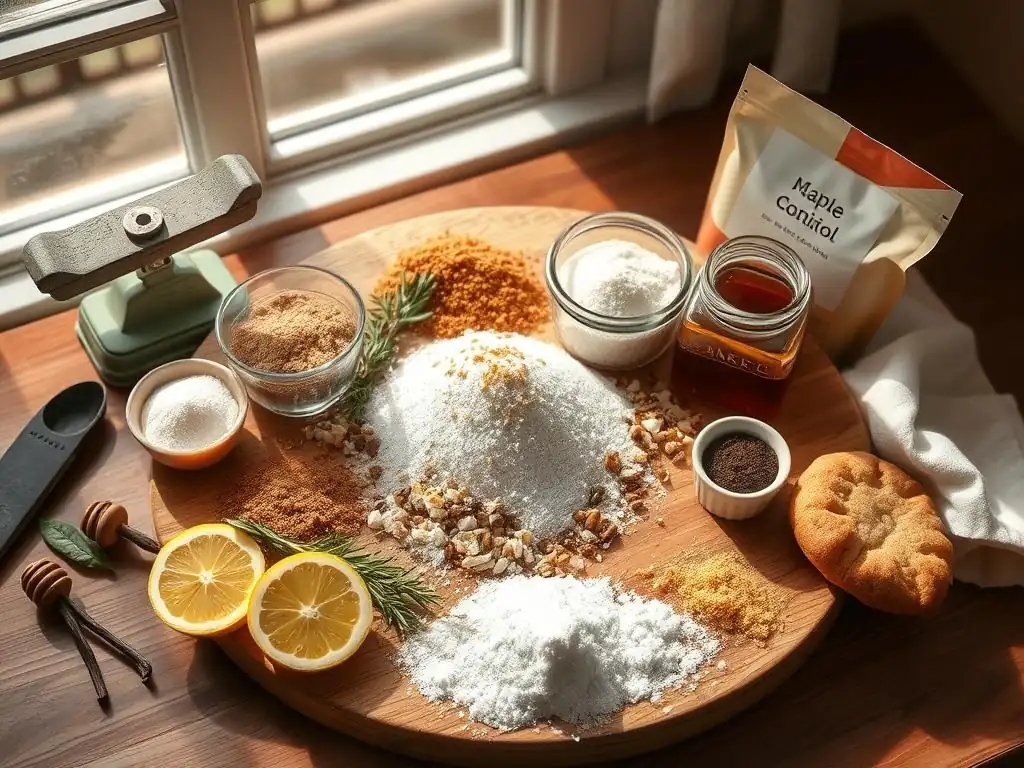
As dietary preferences and health considerations evolve, so does the interest in alternative sweeteners. These options provide sweetness without the calories or glycemic impact of traditional sugars. However, substituting sugar with alternatives in baking is complex because sugar does more than just sweeten. It provides structure, moisture, browning, and contributes to texture. Alternative sweeteners often lack these functional properties, requiring additional ingredients or recipe modifications to achieve comparable results.
Common alternative sweeteners fall into categories like sugar alcohols (erythritol, xylitol), natural high-intensity sweeteners (stevia, monk fruit), and artificial sweeteners (aspartame, sucralose). Each has a different sweetness profile, impact on digestion, and behavior when heated, making a simple 1:1 substitution challenging. This section of the baking sugar types guide touches upon a few popular options used in baking.
Stevia: Baking with Stevia
Stevia is a natural, calorie-free sweetener derived from the leaves of the Stevia rebaudiana plant. Its sweet compounds, called steviol glycosides, are significantly sweeter than sugar – often 200-400 times sweeter. Stevia is available in various forms, including liquid extracts and powders, sometimes blended with other sweeteners or bulking agents (like erythritol) to make measuring easier for baking applications.
Baking with stevia requires careful consideration. Because it's so potent, only a tiny amount is needed for sweetness, which means it doesn't provide the bulk that sugar does. This lack of bulk affects the structure, volume, and texture of baked goods. Recipes designed specifically for stevia often include ingredients like applesauce, yogurt, or additional flour to compensate for the missing volume and moisture. Stevia can also sometimes impart a slightly bitter or licorice-like aftertaste, especially when used in large quantities or baked at high temperatures. It doesn't contribute to browning or caramelization.
Erythritol: Sugar Alcohol Applications
Erythritol is a sugar alcohol that occurs naturally in some fruits and fermented foods. It has about 60-70% of the sweetness of sugar but contains significantly fewer calories (around 0.2 calories per gram compared to sugar's 4 calories per gram). It's often used in "sugar-free" or "keto" baking. Erythritol is unique among sugar alcohols because it is largely absorbed in the small intestine and excreted, making it less likely to cause digestive upset than xylitol or sorbitol for most people.
In baking, erythritol provides bulk and sweetness, making it a more functional substitute than high-intensity sweeteners alone. It can be used in larger quantities than stevia or monk fruit, sometimes substituted close to a 1:1 ratio by volume with sugar, although it is less sweet. A common issue with erythritol is that it doesn't dissolve as readily as sugar and can recrystallize upon cooling, leading to a gritty texture in baked goods, especially cookies or candies.
It also doesn't brown like sugar and can have a cooling sensation in the mouth. It's often blended with other sweeteners to mitigate these issues.
Monk Fruit Sweetener: A Natural Substitute
Monk fruit sweetener is derived from the extract of the monk fruit, a small melon native to Southeast Asia. Like stevia, the sweet compounds (mogrosides) are intensely sweet, up to 150-200 times sweeter than sugar. Monk fruit sweetener is available in pure extract form or, more commonly for baking, blended with bulking agents like erythritol or dextrose to make it easier to measure and provide some volume.
Baking with monk fruit sweetener presents challenges similar to stevia, mainly related to providing bulk and functional properties. When used in pure form, it needs to be combined with other ingredients to replace the volume of sugar. Blended versions offer better substitution potential but still may not perform exactly like sugar. Monk fruit sweeteners generally have a clean sweetness profile compared to some stevia products, with less aftertaste, though some users report a slight fruity note. It does not contribute to browning or caramelization, requiring adjustments to baking time or temperature, or the addition of ingredients that promote browning.
Sugar Substitutions in Baking
Substituting one type of sugar for another, or using alternative sweeteners, is one of the trickiest areas in baking. While it might seem simple to swap out sweeteners, each type interacts differently with other ingredients, impacting everything from moisture and spread to leavening and browning. A successful substitution often requires more than just a 1:1 volume or weight swap; it necessitates understanding the function of the original sugar in the specific recipe.
This part of the baking sugar types guide highlights the complexities involved. For instance, replacing brown sugar with granulated sugar in a cookie recipe will likely result in a crispier, less chewy cookie because you're losing the moisture and molasses contributed by the brown sugar. Similarly, substituting a liquid sweetener like honey for granulated sugar introduces extra moisture, requiring a reduction in other liquids to prevent the baked good from becoming too dense or wet.
Converting Recipes: Granulated Sugar Substitutions
When substituting granulated sugar with other sugars, consider its primary role in the recipe. If it's providing sweetness and contributing to structure (like in a cake), substituting with a sugar that has similar crystal size and moisture content is easiest. For instance, caster sugar can often be substituted 1:1 by weight for granulated sugar in many recipes, particularly delicate cakes or meringues, to achieve a finer texture. However, substituting by volume might require slightly less caster sugar due to its density.
Swapping granulated sugar for brown sugar (or vice versa) will alter the texture and flavor. If substituting brown sugar for granulated sugar in a cookie, expect a chewier, moister cookie with a molasses note. If substituting granulated for brown sugar, the cookie will be crisper and less moist.
A general guideline is that 1 cup (200g) of granulated sugar can sometimes be replaced with 1 cup, packed (220g), of brown sugar, but results will differ. For recipes where browning is crucial, substituting with sugars that brown less readily (like some alternative sweeteners) will require adjustments or acceptance of a paler result. This baking sugar types guide emphasizes that experimentation is often needed.
Factors to Consider When Substituting
Successful sugar substitution hinges on understanding several key factors:
- Sweetness Level: Not all sweeteners are equally sweet. You might need more or less of a substitute to achieve the desired sweetness.
- Moisture Content: Liquid sweeteners and brown/muscovado sugars add moisture. Granulated, caster, and powdered sugars are relatively dry. Adjust other liquids accordingly.
- Texture: Crystal size and moisture content affect texture. Substituting fine sugar for coarse sugar, or moist for dry, will change the outcome (e.g., chewiness, crispness, crumb).
- Browning: Sugars caramelize and participate in the Maillard reaction. Substitutes that don't brown well will result in paler baked goods.
- Flavor: Each sugar type has a distinct flavor profile. Consider if the substitute's flavor complements or clashes with the other ingredients.
- Functional Properties: Does the sugar contribute to leavening (reacting with baking soda), preventing crystallization (corn syrup), or providing structure? The substitute must account for these roles.
Using a detailed baking sugar types guide helps, but ultimately, substituting requires careful consideration of the recipe's intended outcome and the properties of the chosen substitute. For best results, especially with alternative sweeteners, it's often advisable to use recipes specifically developed for that sweetener.
Storing Baking Sugars and Sweeteners
Proper storage is essential for keeping your baking sugars and sweeteners in optimal condition, ensuring they are ready to use when you need them and preventing common issues like clumping or hardening. Different types of sugar have different storage needs, largely depending on their moisture content and crystal size. Protecting them from moisture, air, and pests is key to maintaining their quality and extending their shelf life.
While most sugars have a very long shelf life if stored correctly (often considered indefinite from a safety standpoint because they don't support microbial growth), their texture and usability can degrade over time if exposed to the elements. This final section of our baking sugar types guide provides practical tips for keeping your sweet pantry staples in prime condition.
Best Practices for Sugar Storage
The general rule for storing most dry sugars like granulated, caster, and powdered sugar is to keep them in a cool, dry place away from direct sunlight and strong odors. An airtight container is crucial. This prevents them from absorbing moisture from the air, which can lead to clumping, or drying out if they are already moist (like brown sugar). Glass jars, plastic containers with tight-fitting lids, or even heavy-duty resealable bags work well.
- Granulated Sugar: Store in an airtight container in a pantry. It's very stable.
- Caster Sugar: Same as granulated, but protect it from humidity to prevent clumping due to its finer size.
- Powdered Sugar: Store in an airtight container. The cornstarch helps prevent clumping, but humidity can still cause it. Sifting might be needed before use if clumps form.
- Brown Sugar & Muscovado Sugar: These are the most prone to hardening because they lose moisture. Always store in a truly airtight container. Some people add a marshmallow, a slice of bread, or a terracotta disk (soaked in water) to the container to help maintain moisture, though the terracotta disk is the most recommended long-term solution.
Liquid sweeteners like honey, maple syrup, molasses, and corn syrup should also be stored in airtight containers in a cool, dark place. Refrigeration is generally not necessary for these unless specified on the packaging (some specific blends might recommend it). Honey can crystallize over time, but this is natural and doesn't mean it's gone bad; it can be reliquefied by gently warming the container in warm water.
Preventing Sugar Clumping
Clumping in dry sugars, particularly granulated and caster sugar, is almost always caused by exposure to moisture and then drying out. The sugar crystals dissolve slightly when exposed to humidity and then stick together as the air dries or cools. Powdered sugar clumps because the fine particles pack together and absorb ambient moisture, despite the added starch.
To prevent clumping:
- Use airtight containers: This is the most effective method to control moisture exchange.
- Avoid storing near heat or moisture sources: Don't keep sugar next to the oven, dishwasher, or sink.
- For brown/muscovado sugar hardening: As mentioned, adding a moisture source like a terracotta disk is key. If it's already hardened, place the hardened sugar in a bowl with a damp paper towel over it, seal tightly, and let it sit overnight; it should soften. Microwaving a small amount briefly (10-20 seconds) can also soften it for immediate use, but be cautious not to melt it.
Following these simple storage practices ensures that your baking sugar types are always in the best condition for your next baking adventure, making this baking sugar types guide even more useful from pantry to plate.
Frequently Asked Questions
What is the most common type of sugar used in baking?
The most common type is granulated sugar, also known as table sugar. It's used in a wide variety of recipes due to its versatility and consistent results.
What is the difference between brown sugar and granulated sugar?
Brown sugar contains molasses, which gives it its characteristic color and flavor. This moisture content also affects the texture and chewiness of baked goods.
Can I substitute honey for sugar in baking recipes?
Yes, but you'll need to adjust the liquid content of the recipe. Honey adds moisture and a distinct flavor. It's generally recommended to reduce other liquids by about ¼ cup for every cup of honey.
What is powdered sugar and when is it typically used?
Powdered sugar, also called confectioners' sugar, is finely ground granulated sugar with added cornstarch. It's primarily used for frostings, icings, and dusting.
What are some sugar alternatives suitable for baking?
Besides honey, options include maple syrup, agave nectar, and certain sugar substitutes like stevia or erythritol. Remember that they can all affect the texture and taste of your final product.
Final Reflection: Unlocking the Sweet Science of Baking
Understanding the nuances of different baking sugars is not merely a culinary curiosity; it's the key to unlocking consistent, delicious results. The seemingly simple act of choosing a sweetener profoundly impacts texture, flavor, and the overall success of your baked goods. This guide has explored the diverse world of sugars and sweeteners, from the familiar granulated sugar to the more specialized options like honey and maple syrup. Mastering this knowledge elevates baking from a simple task to a true art form.
The impact of sugar on our culture is undeniable, extending far beyond the kitchen. It's woven into our celebrations, traditions, and even our comfort foods. The subtle differences between sugars—the delicate caramel notes of brown sugar, the subtle sweetness of agave, the crispness imparted by powdered sugar—all contribute to the rich tapestry of culinary experiences we enjoy. Baking is at once child's play and adult joy. And love, of course.
This quote perfectly captures the emotional connection we have with baking, and understanding the ingredients only deepens that connection.
Now, armed with this expanded knowledge of baking sugars, I invite you to experiment! Don't be afraid to swap out one sweetener for another, to explore the subtle differences in taste and texture. Each substitution offers a unique opportunity for culinary discovery. The journey of mastering baking is a continuous one, filled with delightful surprises and delicious rewards. Embrace the process, savor the results, and most importantly, enjoy the sweet journey of baking!
Unlock Your Baking Potential: Master the Sweetness!
Thanks for diving into the world of baking sugars with us! You've now got the knowledge to elevate your baking game with the perfect sweetness. Ready to put your newfound expertise into practice?
- Bake your dream recipe: Choose a favorite recipe and experiment with different sugars based on what you've learned. See how the texture and flavor change!
- Share your sweet success: Post a photo of your creation on social media and tag us @BakeWithEase – we'd love to see what you've baked!
- Deep dive further: Explore our other resources on BakeWithEase.com for more in-depth articles on baking techniques and recipes.
What unexpected flavor combinations will you explore with your newfound sugar knowledge?