
Ingredient Spotlight: Psyllium Husk in Vegan Baking


Welcome to BakeWithEase!
Ever wondered how to achieve that perfect texture in your vegan baked goods? Let's unlock the secret! This article dives deep into the power of a seemingly unassuming ingredient: psyllium husk. Discover how this natural fiber transforms your vegan baking, providing the binding and structure often missing without eggs or gluten. Intrigued? Prepare to revolutionize your recipes!
- Ingredient Spotlight: Apple Cider Vinegar in Vegan Baking - BakeWithEase
- Understanding Apple Cider Vinegar for Vegan Baking
- The Benefits of Apple Cider Vinegar in Plant-Based Baking
- How to Use Apple Cider Vinegar in Vegan Baking: A Guide
- Vegan Baking with Apple Cider Vinegar: Recipe Adaptations and Tips
- Apple Cider Vinegar vs. Other Vegan Baking Leavening Agents
- Delicious Vegan Recipes Featuring Apple Cider Vinegar
- Storing and Handling Apple Cider Vinegar for Optimal Baking Results
- Where to Buy Apple Cider Vinegar for Vegan Baking
- Conclusion: Mastering Vegan Baking with Apple Cider Vinegar
- Frequently Asked Questions
- Final Reflection: The Humble Psyllium Husk, A Vegan Baking Revolution
- Unleash the Power of Psyllium: Bake Amazing Vegan Treats!
Ingredient Spotlight: Apple Cider Vinegar in Vegan Baking - BakeWithEase
Understanding Apple Cider Vinegar for Vegan Baking
What is Apple Cider Vinegar? A Baker's Introduction
Apple cider vinegar (ACV) is a type of vinegar made from fermented apple juice. It goes through a two-step fermentation process: first, yeasts convert sugars in the apple juice into alcohol, and then bacteria convert the alcohol into acetic acid. It's this acetic acid component, typically making up about 5% of the liquid, that is particularly valuable in vegan baking. While often lauded for health benefits, in the kitchen, especially in baking, its power comes from its acidity.
You can find apple cider vinegar in various forms, including filtered and unfiltered (often containing the cloudy "mother" culture). For baking purposes, the key is the consistent acidity level, usually around 5%. Both filtered and unfiltered varieties work effectively as an acidic agent, though some bakers prefer unfiltered believing it might offer a slightly more complex flavor profile, although this subtle difference is often lost in a baked good.
Why Use Apple Cider Vinegar in Vegan Recipes? Leavening and Flavor
One of the primary challenges in vegan baking is achieving adequate leavening without using eggs, which provide structure and lift in traditional recipes. This is where apple cider vinegar shines. When combined with baking soda (sodium bicarbonate), which is an alkaline ingredient, ACV triggers a chemical reaction that produces carbon dioxide gas. This gas creates bubbles within the batter or dough, causing it to rise and resulting in a lighter, airier texture. This reaction is a cornerstone of successful leavening in many vegan baking applications.
Beyond its crucial role in leavening, apple cider vinegar also contributes subtly to the flavor profile of baked goods. A small amount of ACV can help balance the sweetness in a recipe, preventing it from being overly sugary or one-dimensional. Its slight tang can brighten flavors, particularly in recipes that are rich or dense.
While you might worry about a vinegar taste, the acetic acid reacts with the baking soda, neutralizing much of the acidity and resulting in a neutral-to-slightly-tangy note that often enhances, rather than detracts from, the overall flavor. Using apple cider vinegar in vegan recipes is a simple yet effective way to improve both texture and taste.
The Benefits of Apple Cider Vinegar in Plant-Based Baking
Enhanced Leavening in Vegan Cakes and Breads
As previously mentioned, the reaction between apple cider vinegar and baking soda is a powerful leavening agent, crucial for achieving lift in vegan cakes, muffins, quick breads, and even some yeast breads where it can help activate yeast or provide additional lift. The chemical formula is essentially CH₃COOH (Acetic Acid) + NaHCO₃ (Sodium Bicarbonate) → NaCH₃COO (Sodium Acetate) + H₂O (Water) + CO₂ (Carbon Dioxide). It's the CO₂ gas that expands when heated, creating the rise.
In recipes that might otherwise be dense due to the absence of eggs or dairy, incorporating apple cider vinegar for vegan baking provides that essential boost. For instance, adding 1 tablespoon of ACV to a recipe containing 1 teaspoon of baking soda can produce a significant volume of carbon dioxide, resulting in a noticeably lighter crumb structure compared to using baking soda alone or relying solely on baking powder. This makes using apple cider vinegar in vegan baking a go-to technique for achieving tender and fluffy results.
Balancing Sweetness: Apple Cider Vinegar as a Flavor Enhancer
A common issue in vegan baking is the potential for recipes to taste overly sweet, especially when relying on ingredients like fruit purées or generous amounts of sugar for moisture and structure. Apple cider vinegar, even in small quantities, introduces a touch of acidity that cuts through this sweetness. This acidity doesn't necessarily make the final product taste sour, but rather adds complexity and balance to the flavor profile.
Think of a rich vegan chocolate cake or a sweet banana bread. A tablespoon of apple cider vinegar can brighten the deep flavors of cocoa or the sweetness of banana, making the overall taste more dynamic and less cloying. This subtle enhancement is a valuable benefit of incorporating apple cider vinegar in vegan recipes, demonstrating its role is not just functional but also contributes positively to taste.
Extending Shelf Life with Apple Cider Vinegar's Preservative Qualities
While its primary roles in vegan baking are leavening and flavor balancing, the acidity of apple cider vinegar can also offer a minor benefit in terms of preservation. The lower pH environment created by the addition of vinegar can slightly inhibit the growth of certain molds and bacteria that cause spoilage. This effect is not as potent as commercial preservatives, but it can contribute modestly to extending the freshness of baked goods.
For example, a vegan muffin or quick bread made with apple cider vinegar might stay fresh for slightly longer at room temperature compared to an identical recipe without it. This is a secondary benefit of using apple cider vinegar in vegan baking, contributing to the overall quality and usability of your plant-based treats.
How to Use Apple Cider Vinegar in Vegan Baking: A Guide
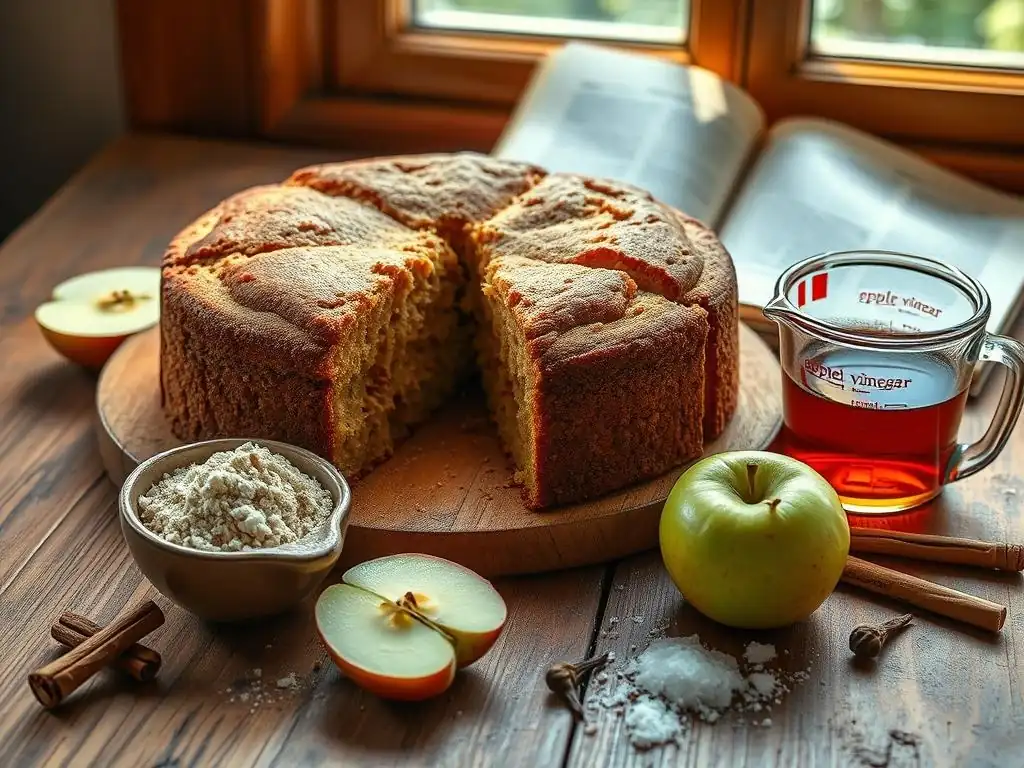
Apple Cider Vinegar and Baking Soda Ratio: The Key to Leavening
The effectiveness of apple cider vinegar as a leavening agent in vegan baking hinges on its reaction with baking soda. A widely accepted starting ratio is 1 tablespoon of apple cider vinegar for every 1 teaspoon of baking soda called for in a recipe. This ratio ensures sufficient acid is available to react with the base, producing a robust release of carbon dioxide gas. It's crucial to use this combination when the recipe specifically relies on baking soda for leavening and lacks another strong acidic ingredient like lemon juice, buttermilk (which is acidic), or molasses.
However, this ratio can sometimes be adjusted slightly depending on other ingredients in the recipe that might be acidic or alkaline. For instance, if a recipe already includes acidic components like cocoa powder, brown sugar, or certain fruits, you might need slightly less added acid from the ACV, or the reaction might be buffered by these ingredients.
Conversely, ingredients like natural cocoa powder or certain leavening agents might require the full amount of ACV to ensure a complete reaction with the baking soda. Always consider the recipe as a whole, but the 1 tbsp ACV to 1 tsp baking soda rule is an excellent guideline for using apple cider vinegar in vegan baking.
Incorporating Apple Cider Vinegar into Vegan Batters and Doughs
Timing is key when adding apple cider vinegar to your vegan batters or doughs to maximize its leavening power. The reaction with baking soda begins immediately upon contact. Therefore, it's best to add the apple cider vinegar towards the end of mixing, usually combined with the wet ingredients just before they are mixed into the dry ingredients. Some recipes even instruct you to combine the ACV with the plant-based milk and let it curdle for a few minutes (mimicking buttermilk), then add this mixture to the dry ingredients along with any other wet components.
Once the wet and dry ingredients are combined and the apple cider vinegar interacts with the baking soda, mix the batter or dough gently until just combined. Avoid overmixing, as this can develop gluten unnecessarily in wheat-based recipes or deflate the precious air bubbles created by the leavening reaction. Get the mixture into its baking vessel quickly and into the preheated oven to capture as much rise as possible. This ensures the carbon dioxide gas expands in the heat, lifting your baked goods beautifully.
Understanding the Impact on Gluten-Free Vegan Baking
Using apple cider vinegar in vegan baking is particularly beneficial for gluten-free recipes. Gluten provides structure and elasticity in traditional baked goods, trapping leavening gases and contributing to texture. In gluten-free baking, alternative flours often lack this inherent structure, making it more challenging to achieve a light and airy result. Leavening becomes even more critical to compensate for the lack of gluten network.
The vigorous reaction between ACV and baking soda provides a significant source of lift that is independent of gluten development. This means it can effectively aerate gluten-free batters, helping to create a less dense and more palatable texture. While ACV doesn't provide the binding or structural support that gluten offers, its leavening contribution is invaluable in overcoming the common challenge of heavy, gummy textures in gluten-free vegan baking. It's an essential tool for improving the crumb structure in many gluten-free vegan recipes.
Vegan Baking with Apple Cider Vinegar: Recipe Adaptations and Tips
Using Apple Cider Vinegar to Replace Eggs in Vegan Baking
It's important to clarify that apple cider vinegar primarily serves as a leavening aid in vegan baking and doesn't directly replace the full function of eggs. Eggs perform multiple roles: binding, leavening, moisture, richness, and structure. While ACV + baking soda effectively replaces the chemical leavening aspect that eggs can contribute (especially in recipes where eggs are whipped for air), it doesn't provide the binding or richness.
Therefore, when adapting a recipe or using apple cider vinegar in vegan baking, you will typically need other ingredients to fulfill the egg's other roles. For binding and moisture, common vegan substitutes include flax eggs (1 tbsp flax meal + 3 tbsp water per egg), chia eggs, applesauce, mashed banana, or commercial egg replacers. ACV works alongside these binders to ensure the necessary lift, making the final product light and tender rather than heavy and flat.
Tips for Avoiding an Overpowering Vinegar Taste
While the reaction with baking soda neutralizes much of apple cider vinegar's acidity, sometimes a subtle tang can linger, especially if too much is used or if the recipe's other flavors are very mild. To avoid an overpowering vinegar taste when using apple cider vinegar in vegan recipes, ensure you are using the correct ratio of ACV to baking soda – typically 1 tablespoon to 1 teaspoon. This ratio helps ensure a complete reaction, minimizing residual acidity.
Also, consider the other flavors in your recipe. Stronger flavors like cocoa, coffee, vanilla, or spices like cinnamon and nutmeg can easily mask any faint vinegar note. If you are making a very delicately flavored cake or biscuit, use the minimum effective amount of ACV required for leavening. Adding the ACV with the wet ingredients right before combining with the dry ingredients also helps ensure the reaction happens within the batter, distributing the neutralized products evenly.
Troubleshooting Common Apple Cider Vinegar Baking Issues [e.g., tanginess, texture]
Encountering issues when using apple cider vinegar in vegan baking is part of the learning process. If your baked goods have a noticeable tang, the most likely culprits are using too much ACV relative to the baking soda, or uneven mixing that didn't allow the reaction to complete throughout the batter. Double-check your measurements and ensure you mix the batter just until the wet and dry ingredients are combined, distributing the leavening agents evenly.
If your baked goods are dense or don't rise sufficiently despite using ACV and baking soda, consider a few possibilities. First, check the freshness of your baking soda – it can lose potency over time. Test it by adding a little vinegar or lemon juice; it should bubble vigorously.
Second, ensure you are not overmixing the batter, which can deflate the bubbles. Third, make sure your oven is properly preheated, as the heat helps expand the CO₂ gas for maximum lift. Finally, confirm you added the ACV at the right stage, ideally just before baking, to prevent the leavening reaction from finishing before the heat can set the structure.
Apple Cider Vinegar vs. Other Vegan Baking Leavening Agents

Apple Cider Vinegar vs. Baking Powder: A Comparison
While both are used for leavening in vegan baking, apple cider vinegar (used with baking soda) and baking powder work differently. Baking powder is a complete leavening system; it contains both an acid (like cream of tartar or sodium aluminum sulfate) and a base (baking soda). It often provides a "double-acting" lift: a small reaction when mixed with liquid, and a second, more vigorous reaction when exposed to heat in the oven.
Apple cider vinegar, on the other hand, provides only the acid component and requires the addition of baking soda (the base) to create the leavening reaction. Using ACV with baking soda is often a more powerful and immediate reaction than baking powder alone, especially useful in recipes that lack other acidic ingredients to activate baking soda. This pairing provides a reliable and strong source of lift, making using apple cider vinegar in vegan baking a distinct technique from relying solely on baking powder.
Apple Cider Vinegar vs. Lemon Juice: Which is Best for Your Recipe?
Both apple cider vinegar and lemon juice are acidic ingredients commonly used in vegan baking to react with baking soda. They function similarly in terms of chemical leavening. The choice between them often comes down to flavor. Lemon juice has a distinct, bright citrus flavor that is desirable in certain recipes, like lemon poppy seed muffins or light-flavored cakes.
Apple cider vinegar has a milder, slightly fruitier, and less intrusive tang than lemon juice. This makes it a more versatile choice for recipes where a citrus flavor isn't desired, such as chocolate cakes, spice breads, or biscuits. While both are effective acids for leavening, using apple cider vinegar in vegan baking is often preferred when you want the lift without adding a specific fruity or citrus note to the final product.
Other Vegan Leavening Agents and When to Use Them
Beyond the ACV + baking soda combination and baking powder, other ingredients contribute to the texture and lift in vegan baked goods, though often in different ways.
- Flax Eggs/Chia Eggs: Primarily function as binders and provide moisture, contributing little to chemical leavening. Used to replace the binding action of eggs.
- Mashed Banana/Applesauce: Add moisture and some binding, can contribute slightly to density, but don't provide significant lift.
- Aquafaba (chickpea brine): Can be whipped to create foams, mimicking egg whites for meringues, mousses, or lighter cakes. Provides significant lift through aeration.
- Commercial Egg Replacers: Vary in composition; some provide binding, others leavening, or a combination. Follow package instructions.
Understanding how apple cider vinegar fits into this spectrum – primarily as a powerful chemical leavener when paired with baking soda – helps you choose the right combination of ingredients for optimal texture in your vegan baking adventures.
Delicious Vegan Recipes Featuring Apple Cider Vinegar
Vegan Chocolate Cake Recipe with Apple Cider Vinegar
A classic application for apple cider vinegar in vegan baking is in rich chocolate cakes. The acidity reacts with baking soda to provide essential lift, creating a moist and tender crumb. A typical recipe might call for 1 to 1.5 teaspoons of baking soda and 1 tablespoon of apple cider vinegar mixed into the wet ingredients. The ACV also helps to enhance the depth of the chocolate flavor, preventing the cake from tasting flat or overly sweet.
For example, in a standard 8x8 inch vegan chocolate cake, you might use 1.5 cups all-purpose flour, 1 cup sugar, 1/3 cup cocoa powder, 1 teaspoon baking soda, 1/2 teaspoon baking powder, 1/4 teaspoon salt (dry ingredients). Wet ingredients could include 1 cup plant-based milk, 1/3 cup vegetable oil, 1 teaspoon vanilla extract, and 1 tablespoon apple cider vinegar. Combining the wet with the dry, including the ACV, creates a bubbly batter that bakes into a wonderfully light and rich cake.
Vegan Buttermilk Biscuits Recipe with Apple Cider Vinegar
Achieving flaky, tender vegan biscuits often relies on creating a reaction similar to traditional buttermilk biscuits. In vegan baking, you can mimic buttermilk by combining plant-based milk with an acid like apple cider vinegar. Typically, 1 tablespoon of ACV stirred into 1 cup of plant-based milk and left for 5-10 minutes will curdle and thicken, acting like buttermilk.
This "vegan buttermilk" is then used in the biscuit dough along with baking soda and often baking powder. The acidity from the ACV reacts with the baking soda, providing lift and contributing to the tender texture. For instance, a recipe might use 2 cups of flour, 1 teaspoon baking soda, 1 teaspoon baking powder, 1/2 teaspoon salt, cut-in vegan butter, and the 1 cup of vegan buttermilk made with ACV. The reaction helps create light, layered biscuits perfect for splitting and serving.
Vegan Banana Bread Recipe Using Apple Cider Vinegar for Moisture
While mashed bananas provide moisture and binding in vegan banana bread, apple cider vinegar can still play a valuable role. By adding about 1 teaspoon of baking soda and 1 tablespoon of ACV, you introduce significant leavening that prevents the bread from becoming too dense, a common issue when using large amounts of fruit. The reaction creates air pockets, resulting in a lighter loaf.
Furthermore, the acidity can subtly enhance the sweet banana flavor and prevent it from tasting one-dimensional. The ACV helps ensure the baking soda is fully activated, contributing to a reliable rise and a moist, tender crumb throughout the loaf. Using apple cider vinegar in vegan baking like banana bread proves its versatility beyond just cakes.
Storing and Handling Apple Cider Vinegar for Optimal Baking Results
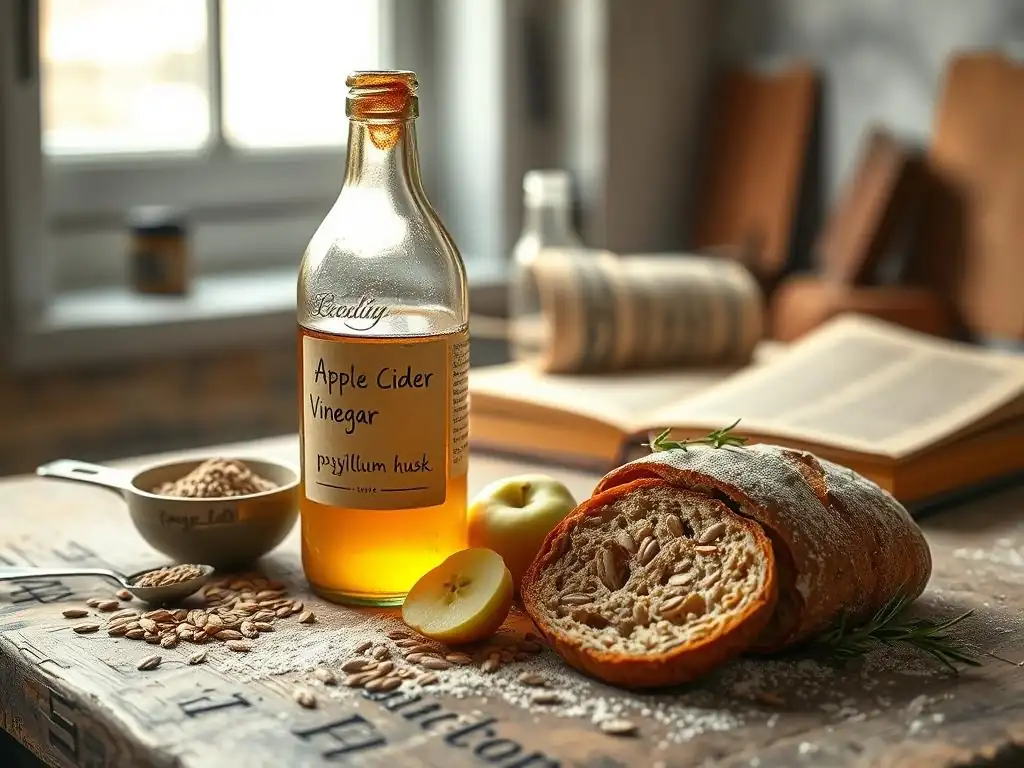
Choosing the Right Type of Apple Cider Vinegar (Raw, Unfiltered)
When selecting apple cider vinegar for vegan baking, you'll encounter both filtered and unfiltered varieties. Unfiltered ACV, often labeled "raw" and containing the cloudy "mother," is popular for its perceived health benefits due to probiotic bacteria. For baking purposes, however, the presence of the mother or whether it's raw typically doesn't significantly impact the chemical reaction that causes leavening. The key factor is the acidity level, which is consistently around 5% in most standard ACVs.
Therefore, while raw, unfiltered apple cider vinegar works perfectly well and is a great choice if you use it for other purposes, a standard filtered apple cider vinegar will perform just as effectively as an acid source for reacting with baking soda in your vegan baking recipes. Choose based on availability, preference, or cost, but ensure it's standard vinegar (around 5% acidity) rather than a diluted version.
Understanding Apple Cider Vinegar's Acidity and Impact on Recipes
The effectiveness of apple cider vinegar in vegan baking is directly tied to its acidity, primarily the acetic acid content, which is typically standardized at around 5%. This consistent acidity level makes it a reliable ingredient for predicting the outcome of its reaction with baking soda. Knowing the approximate acidity helps ensure that the correct ratio of acid to base is used for optimal leavening.
Using too little ACV might result in some unreacted baking soda, leading to a soapy or metallic taste and poor rise. Using too much ACV can result in a noticeable tang in the final product, although the reaction with baking soda neutralizes a significant portion of the acid. Understanding that ACV provides a strong, consistent source of acid allows bakers to confidently incorporate it into recipes to achieve reliable leavening and balanced flavors. Proper storage in a cool, dark place also helps maintain its acidity over time.
Where to Buy Apple Cider Vinegar for Vegan Baking
Finding Quality Apple Cider Vinegar Online and in Stores
Apple cider vinegar is a widely available pantry staple, making it easy to source for your vegan baking needs. You can find it in most major supermarkets, often in the vinegar or condiments aisle. Look for both conventional and organic options. Health food stores are another excellent place to find a variety of brands, including many raw and unfiltered options.
Online retailers also offer a vast selection of apple cider vinegar, allowing you to compare prices and types easily. When buying, consider reputable brands known for quality. While specific "baking" ACV isn't a category, choosing a product with a clear ingredient list (just fermented apples/cider and water) and a stated acidity level (usually 5%) ensures you're getting a reliable product for your recipes.
Considering Organic and Unpasteurized Options
For those prioritizing organic ingredients, organic apple cider vinegar is readily available. Organic options are made from organically grown apples, processed without synthetic pesticides or fertilizers. Unpasteurized apple cider vinegar, which contains the "mother," is also a popular choice, particularly among health-conscious consumers.
While the organic or unpasteurized nature doesn't significantly alter the leavening power for vegan baking (as the acetic acid content is the key), choosing these options aligns with a preference for less processed or organically sourced ingredients. Ultimately, any standard apple cider vinegar with approximately 5% acidity will function effectively in your vegan baking recipes, so choose the type that best fits your preferences and budget.
Conclusion: Mastering Vegan Baking with Apple Cider Vinegar
Embrace the Versatility of Apple Cider Vinegar in Your Vegan Baking Journey
Apple cider vinegar is a remarkably versatile and effective ingredient in the world of plant-based baking. Its primary function as a reliable acidic agent, when paired with baking soda, provides essential leavening that is often missing in egg-free recipes. This chemical reaction is key to achieving light, fluffy cakes, tender muffins, and well-risen quick breads. But its utility doesn't stop there; it also subtly enhances flavors by balancing sweetness and can even contribute slightly to extending shelf life.
By understanding the science behind its interaction with baking soda, mastering the correct ratios, and learning how to incorporate it effectively, you can significantly improve the texture and flavor of your vegan baked goods. From classic chocolate cakes to flaky biscuits, using apple cider vinegar in vegan baking opens up a world of possibilities, helping you create delicious, satisfying treats every time. Don't hesitate to experiment with this pantry staple and discover its full potential in your own kitchen.
Frequently Asked Questions
How does psyllium husk help in vegan baking?
Psyllium husk acts as a binder and thickening agent in vegan recipes. It mimics the role of gluten or eggs, providing structure and preventing baked goods from crumbling.
How much psyllium husk should I use in my vegan recipes?
The amount varies, but a general guideline is to use about 1-2 teaspoons of psyllium husk powder per cup of flour. Always hydrate the psyllium husk with water before adding it to your recipe.
Can I substitute psyllium husk with other ingredients in vegan baking?
While other binders exist, psyllium husk is unique in its water-absorbing capabilities. Flaxseed meal or chia seeds can be alternatives, but may alter the texture and flavor slightly.
What kind of psyllium husk should I use: whole or powder?
Psyllium husk powder is generally preferred for baking because it mixes more easily and provides a smoother texture. Whole husks can be used, but require longer hydration and may result in a coarser final product.
Where can I buy psyllium husk?
Psyllium husk is widely available in the health food section of most grocery stores, as well as in bulk food stores and online retailers specializing in baking ingredients.
Final Reflection: The Humble Psyllium Husk, A Vegan Baking Revolution
The versatility and effectiveness of psyllium husk in vegan baking are not just a niche trend; they represent a significant advancement in creating delicious and texture-rich plant-based alternatives. This humble ingredient, often overlooked, provides a powerful solution to many challenges faced by vegan bakers, allowing for the creation of breads, cakes, and other baked goods that rival their traditional counterparts in both taste and texture. Its ability to bind, thicken, and add elasticity opens up a world of possibilities for those seeking cruelty-free culinary experiences.
The impact of psyllium husk extends beyond simply improving vegan recipes; it reflects a broader shift towards sustainable and ethical food choices. Its accessibility and affordability make it a powerful tool for democratizing access to delicious and healthy vegan baking. This ingredient empowers home bakers to experiment and innovate, pushing the boundaries of what's possible in the plant-based culinary world. The best way to find yourself is to lose yourself in the service of others,
– Mahatma Gandhi. This resonates deeply, as psyllium husk, a simple ingredient, serves to elevate the experience of vegan baking, ultimately serving a growing community of conscious consumers.
Now, consider your own baking journey. What new creations will you bring to life with the knowledge you've gained about psyllium husk? Will you experiment with different recipes, pushing your own culinary boundaries? Perhaps you'll even develop your own signature vegan treat, sharing your passion and expertise with others. Embrace the possibilities, explore the potential, and let the humble psyllium husk be your guide on this exciting culinary adventure. The world of vegan baking awaits your innovative touch.
Unleash the Power of Psyllium: Bake Amazing Vegan Treats!
Thanks for exploring the amazing world of psyllium husk in vegan baking! You've now learned how this incredible ingredient can elevate your creations. Ready to put your new knowledge into practice?
- Bake your first psyllium-powered recipe today! Experiment with a simple muffin or cookie recipe – the results will surprise you.
- Share your baking journey and inspire others by posting your creations on social media. Use #BakeWithEasePsyllium to connect with our community!
- Consider exploring other ways to use psyllium husk – from smoothies to healthy snacks. Its versatility is truly remarkable!
What delicious vegan treat will you create with psyllium husk first? Let us know in the comments below!