
Cake Pan Showdown: Round vs Square for Your Next Celebration

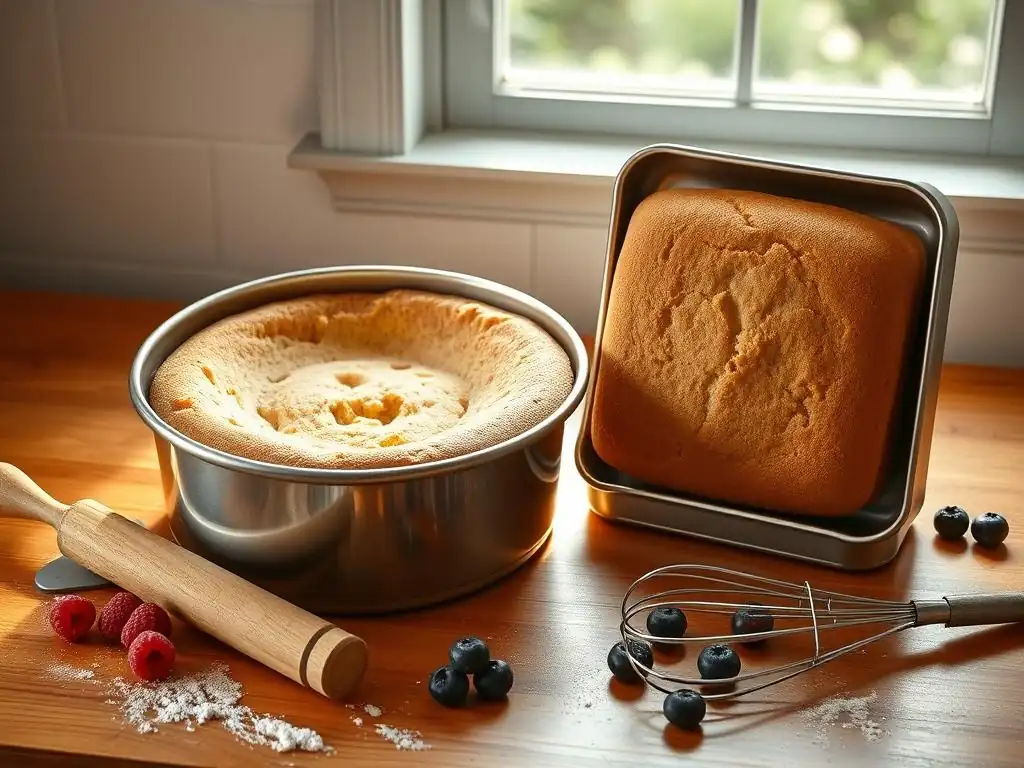
Welcome to BakeWithEase, your haven for unlocking baking brilliance! Ever wondered if the shape of your pan truly impacts your cake? Get ready to dive deep into the delicious debate surrounding round cake pan dimensions and their square counterparts. Discover the secrets to perfectly proportioned cakes and elevate your baking game. Let's unravel this tasty mystery and find the perfect pan for your next celebration!
- Cake Pan Showdown: Bundt vs. Tube for Your Next Angel Food Cake
- BakeWithEase's Guide to Choosing the Right Cake Pan Shape
- Bundt Cake Pans: Decorative Elegance and Even Baking
- Tube Cake Pans: Light and Airy Cakes with Height
- Bundt Cake Pan Dimensions vs. Tube Cake Pan Dimensions: A Direct Comparison
- Choosing the Right Cake Pan for Your Celebration
- Tips for Perfect Cakes with Any Pan Shape
- Conclusion: Bundt or Tube - The Best Cake Pan for You
-
Frequently Asked Questions
- What are the most common round cake pan dimensions and when should I use them?
- How does the diameter of a round cake pan affect the baking time?
- What is the relationship between round cake pan dimensions and the amount of batter required?
- Can I substitute one round cake pan size for another, and what adjustments should I make?
- Where can I find reliable information about round cake pan dimensions and their impact on baking?
- Final Reflection: The Sweet Geometry of Celebration
- Unleash Your Inner Baker: Which Pan Will You Choose?
Cake Pan Showdown: Bundt vs. Tube for Your Next Angel Food Cake
BakeWithEase's Guide to Choosing the Right Cake Pan Shape
Introduction to Bundt and Tube Cake Pans
When embarking on a baking project, the pan you choose is just as critical as the ingredients you measure. Two distinctive pan shapes often cause confusion, yet serve specific purposes beautifully: the Bundt pan and the tube pan. While both feature a central core or 'tube', their designs and intended uses differ significantly, impacting everything from bake time to final presentation. The Bundt pan, with its fluted sides and decorative shape, is a modern invention inspired by a traditional European cake mold, designed to create visually stunning cakes without the need for elaborate frosting.
Tube pans, on the other hand, are typically simpler in design, often with straight, tall sides and sometimes a removable bottom. Their primary function is less about decoration and more about providing structural support and even heat distribution for delicate, airy cakes like angel food or chiffon. The central tube in both pan types plays a crucial role in ensuring the cake bakes evenly from the center outwards, preventing the dreaded raw middle that can plague large, dense cakes baked in standard pans. Understanding the unique characteristics of each pan is the first step to achieving baking success.
Why Cake Pan Shape Matters: Impact on Baking
The shape of your cake pan profoundly influences how heat transfers to the batter, which in turn affects the cake's rise, texture, and crust development. A pan's material, color, and shape all play a role in the baking process. Pans with a central tube, like Bundt and tube pans, facilitate better heat circulation to the center of the cake mass. This is particularly important for recipes with a higher volume of batter or those relying on leavening agents that require even, consistent heat to perform optimally.
Furthermore, the pan's shape dictates the cake's structural integrity as it bakes and cools. Tall, straight-sided tube pans, for instance, provide the necessary vertical support for tall, light cakes, and their design often aids in cooling the cake upside down to prevent collapse.
Bundt pans, with their intricate patterns, distribute batter in thinner sections around the central tube, promoting faster and more even baking compared to a solid mass of batter of the same volume in a standard round or square pan. Choosing the right pan shape ensures your cake not only bakes correctly but also achieves the desired height and texture.
Bundt Cake Pans: Decorative Elegance and Even Baking
Advantages of Using Bundt Cake Pans
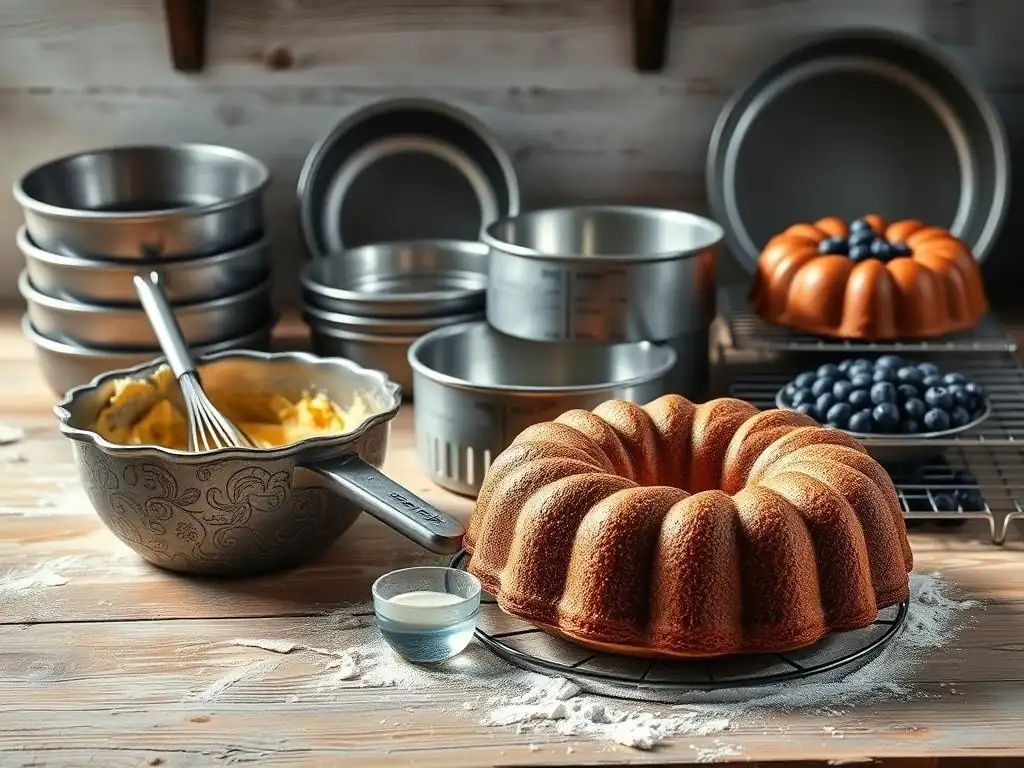
Bundt pans offer a delightful combination of form and function, bringing unique benefits to the home baker. Their most obvious advantage lies in their inherent decorative quality. The fluted patterns and designs molded into the pan create a beautiful, finished cake straight out of the oven, often requiring little more than a simple glaze or dusting of powdered sugar for a stunning presentation. This saves time and effort compared to frosting and decorating a multi-layered cake, making Bundt pans perfect for when you want an impressive dessert with minimal fuss.
Beyond aesthetics, the central tube and the distribution of batter in a ring promote remarkably even baking. Heat reaches the center of the cake more efficiently through the tube, reducing the risk of uncooked spots. This design is particularly effective for denser cake batters that might otherwise bake unevenly in a standard pan. The consistent heat circulation helps develop a uniform crumb structure and ensures the cake bakes through without over-browning the edges.
Unique Designs and Presentation
The hallmark of a Bundt cake is its distinctive ring shape and often intricate exterior pattern. From swirling waves and deep ridges to sharp geometric angles, Bundt pans come in a vast array of designs, each imparting its unique character to the finished cake. This allows bakers to create visually impressive desserts that look professionally made with minimal effort. A simple lemon glaze pooling in the crevices or a dusting of cocoa powder can transform a plain batter into a showstopping centerpiece for any occasion.
The inherent beauty of the Bundt shape means that the cake itself becomes the primary decoration. This is ideal for bakers who prefer not to spend time on elaborate frosting techniques or for cakes where the flavor and texture of the cake itself are meant to be the star. The decorative possibilities are limited only by the pan design and simple toppings, making the Bundt pan a favorite for potlucks, holidays, and everyday baking alike.
Even Heat Distribution in Bundt Pans
The central tube is the unsung hero of the Bundt pan, facilitating even heat distribution that is crucial for successful baking, especially for larger or denser cakes. As the oven heats, air circulates through the center tube, providing a direct heat source to the middle of the batter ring. This complementary heating from both the outer edge and the inner core ensures that the entire cake bakes simultaneously and at a consistent rate.
This even heat distribution minimizes the risk of the cake's outer edges drying out or burning before the center is cooked through. It promotes a more uniform rise and a consistent texture throughout the cake, preventing dense, uncooked spots in the middle. While standard round cake pan dimensions might require adjusting bake times for larger diameters or taller cakes to prevent a raw center, the Bundt pan's design inherently addresses this challenge for its specific shape and typical capacities.
Bundt Cake Pan Dimensions and Common Sizes
Bundt pans are typically measured by their volume capacity rather than traditional linear dimensions like diameter and height, which are common measurements for standard round or square pans. The most prevalent size is the 10-cup Bundt pan, which is suitable for most standard cake recipes that use a box mix or a scratch recipe calling for roughly 6 cups of batter. This size usually has an outer diameter of around 9-10 inches and stands about 3.5-4 inches tall, with a central tube diameter varying by design.
Other common Bundt pan sizes include 12-cup pans, ideal for larger gatherings or recipes specifically developed for this volume, and smaller 6-cup or individual mini Bundt pans. Understanding the capacity is key to selecting the correct pan for a recipe, as using a pan that is too small will result in overflow, while a pan that is too large can lead to a thin, dry cake. While standard round cake pan dimensions like 8x2 inches or 9x3 inches relate directly to the cake's final footprint and height, Bundt pan capacity guides how much batter the pan can hold effectively.
Standard Bundt Cake Pan Sizes: Capacity and Uses
The standard 10-cup Bundt pan is the workhorse of the Bundt world, perfectly sized for most pound cakes, coffee cakes, and other batters designed for this shape. A typical scratch recipe yielding about 6 cups of batter fits comfortably, leaving enough room for the cake to rise without spilling over the top edge, which is usually about 80% full before baking. This size is versatile enough for most everyday baking needs.
For larger recipes or when using two standard box cake mixes, a 12-cup Bundt pan is a better choice. These pans offer extra volume to accommodate more batter, preventing spillage and ensuring the cake bakes within the intended structure. Mini Bundt pans, often holding about 1/2 to 1 cup of batter each, are fantastic for individual servings, creating charming small cakes perfect for parties or gifts. Knowing the capacity ensures your batter has the right environment to bake properly.
Finding the Right Bundt Cake Pan Size for Your Recipe
Selecting the correct Bundt pan size for a recipe is crucial for success. Recipes specifically written for Bundt pans will usually specify the required capacity, most commonly 10 or 12 cups. If adapting a recipe not originally intended for a Bundt pan, such as a standard loaf cake or sheet cake recipe, you'll need to estimate the batter volume. A good rule of thumb is that a standard box cake mix yields roughly 5-6 cups of batter, fitting well into a 10-cup Bundt pan.
Scratch recipes can vary, but measuring your batter before pouring is the most accurate method. Fill the Bundt pan no more than two-thirds to three-quarters full to allow for rise. If you have excess batter, bake it as cupcakes or mini loaves. Unlike working with standard round cake pan dimensions where you match recipe yield to pan area and depth, Bundt pan selection is primarily about matching batter volume to pan capacity to prevent overflow and ensure proper baking.
While Bundt pans offer aesthetic appeal and even baking, they do come with their own set of challenges. One of the most common frustrations bakers face is removing the cake cleanly from the pan, especially with intricate designs. The detailed patterns, while beautiful, create more surfaces and tight corners where the cake is prone to sticking, potentially leading to pieces breaking off or the cake being damaged during inversion.
Another potential disadvantage is the difficulty in cleaning pans with very complex designs. Batter can get stuck in deep crevices, requiring extra effort and specific tools to ensure the pan is thoroughly clean before its next use. While the decorative nature is a major plus, it is also the source of these practical difficulties, requiring careful preparation and handling to mitigate the risks of sticking and damage.
Difficulty Removing Cakes Intact
Successfully releasing a cake from a Bundt pan requires careful preparation and patience. The intricate patterns, while lovely, increase the surface area and provide many opportunities for the cake to cling to the metal. If the pan is not greased and floured meticulously, or if the cake is not cooled for the correct amount of time before attempting removal, parts of the cake are likely to stick and tear, ruining the beautiful shape.
Even with proper preparation, the weight and structure of some denser cakes can make them fragile when inverted from a Bundt pan. Gentle tapping and allowing gravity to work are key, but success is never guaranteed, especially with very delicate batters or pans with exceptionally detailed designs. This potential for breakage is a significant drawback for some bakers.
Potential for Sticking in Intricate Designs
The more elaborate the Bundt pan design, the higher the potential for sticking. Deep undercuts, sharp angles, and narrow channels in the mold can trap cake batter and cooked cake, making clean release a challenge. Residual moisture or tiny bits of leftover cake from previous bakes can also exacerbate sticking issues in these detailed areas.
Effective greasing and flouring (or using a baking spray containing flour) is paramount. Ensuring every nook and cranny is coated is essential. Some bakers even use a pastry brush to work the shortening or butter into the details before adding flour. However, even the best preparation can sometimes fail if the pan has microscopic scratches or imperfections where cake can catch.
Tube Cake Pans: Light and Airy Cakes with Height
Advantages of Using Tube Cake Pans
Tube pans, often recognized as the traditional pan for angel food cake, possess distinct advantages tailored for specific types of batters. Their tall, straight, ungreased sides are designed to allow delicate batters, like those found in angel food or chiffon cakes which rely on egg whites for leavening, to literally "climb" as they bake. This promotes maximum rise and results in a significantly taller cake than could be achieved in a standard pan.
The central tube in a tube pan, much like in a Bundt pan, facilitates even heat distribution to the center of the large cake mass. This ensures that the entire cake bakes through at a relatively consistent rate, preventing the top and edges from drying out before the middle is cooked. This even heat is crucial for the delicate structure of egg white-based cakes, helping them set properly and maintain their airy texture.
Optimal for Angel Food and Chiffon Cakes
Tube pans are the undisputed champions for baking angel food and chiffon cakes. These recipes contain large amounts of whipped egg whites for leavening and have very light, airy batters. The tall, straight sides of the tube pan provide the necessary structure for these cakes to rise dramatically, clinging to the ungreased surface as they expand.
The central tube ensures that the heat penetrates the center of the cake quickly, allowing the egg white structure to set evenly throughout. Baking these types of cakes in a standard pan without a tube would likely result in a cake that doesn't rise as high and might have a dense or uncooked center, as the heat would struggle to reach the middle of the large batter volume efficiently.
Encourages Maximum Rise and Volume
The design of a tube pan is engineered to maximize cake rise and volume, particularly for batters that are light and airy. The tall, straight sides provide a surface for the batter to grip and climb as it expands in the oven. Unlike greased pans where the batter might slip down the sides, the ungreased surface of a tube pan allows the delicate protein structure of the cake to adhere, pulling the cake upwards as it bakes.
The central tube also contributes to maximum volume by ensuring the center bakes and sets along with the edges. This uniform setting provides internal support, preventing the cake from collapsing on itself during baking or cooling. The result is a tall, impressive cake with a light, tender crumb, showcasing the full potential of the leavening agents used.
Tube Cake Pan Dimensions and Common Sizes
Tube pans, while simpler in shape than Bundt pans, also come in various sizes, primarily defined by their diameter and height. A very common size for a standard angel food cake recipe is a 9 or 10-inch diameter pan with a height of 4 inches or more. The significant height is a key characteristic, providing ample room for the substantial rise of angel food or chiffon batters.
The diameter of the central tube also varies, typically being around 3-4 inches. This central opening is crucial for heat circulation. While standard round cake pan dimensions focus on diameter and a more modest height (often 2 or 3 inches), tube pan dimensions emphasize both diameter and a much greater height to accommodate the unique rising needs of specific cake types.
Typical Tube Cake Pan Sizes: Height and Diameter
The most frequently used tube pan size is a 9-inch or 10-inch diameter pan standing 4 inches or taller. These dimensions are specifically suited for standard angel food cake recipes which yield a large volume of very light batter. The generous height is essential to contain the dramatic rise and provide the necessary support structure.
Smaller tube pans, perhaps 7 or 8 inches in diameter but still tall, are also available for smaller recipes or individual servings. The diameter of the central tube is also a dimension to note, as a wider tube allows for even better heat penetration to the center. Unlike standard round cake pan dimensions which are often just diameter and height, tube pan dimensions highlight the need for significant height to achieve optimal results with specific cake types.
Achieving Consistent Results with Tube Cake Pans
Consistent success with tube pans, especially for angel food cake, relies on a few key practices. Firstly, the pan sides and tube should never be greased for angel food or chiffon cakes; the batter needs to cling to the sides to rise. Secondly, filling the pan correctly (usually no more than 2/3 to 3/4 full) is important to prevent overflow while allowing for maximum rise.
Finally, the cooling method is critical – tube cakes are almost always cooled upside down. This prevents the delicate, airy structure from collapsing under its own weight as it cools. By following these specific techniques, bakers can consistently achieve the tall, light, and airy cakes that tube pans are designed to produce, demonstrating that pan dimensions and usage techniques are intertwined for specific cake types.
Despite their advantages for specific cake types, tube pans have limitations. The most notable is the required inverted cooling method, which can be slightly cumbersome as you need to find a way to suspend the pan upside down, usually on the pan's "feet" (if it has them) or over the neck of a bottle. Skipping this step will likely result in a compressed, shorter cake.
Another disadvantage is the pan's lack of inherent decorative appeal compared to a Bundt pan. Tube pans produce a simple ring-shaped cake with straight sides. While you can frost or decorate the cake after removal, the pan itself doesn't contribute to the final visual design in the way a Bundt pan does. This makes them less suitable if the pan itself is intended to provide the cake's decorative finish.
Requires Specific Cooling Method (Inverted)
A critical step when baking cakes in a tube pan, particularly angel food or chiffon, is cooling the cake upside down immediately after removing it from the oven. This is because the delicate, airy structure of these cakes is not strong enough to support its own weight while hot. Inverting the pan allows the cake to stretch and set while gravity pulls it away from the pan bottom, preventing it from collapsing and becoming dense.
Most tube pans have small "feet" around the rim to elevate the pan when inverted, allowing air circulation. If your pan lacks these feet, you'll need to invert it over the neck of a bottle or funnel to keep the cake suspended. This extra step, while necessary for success, adds a minor complexity compared to cooling cakes in standard pans right-side up on a wire rack.
Limited Decorative Options Compared to Bundt Pans
Unlike the Bundt pan, which produces a cake with an instantly decorative shape and pattern, the tube pan yields a simple ring with smooth, straight sides. The pan itself offers no visual flair to the finished product. This means that if you desire a visually striking cake, you will need to apply frosting, glazes, or other decorations after the cake has cooled and been removed from the pan.
While a simply glazed or powdered sugar-dusted tube cake can still be appealing, it lacks the inherent elegance and intricate detail that comes directly from a Bundt pan's mold. If effortless presentation is a high priority, a tube pan might not be the best choice compared to a Bundt, which does the decorating for you.
Bundt Cake Pan Dimensions vs. Tube Cake Pan Dimensions: A Direct Comparison
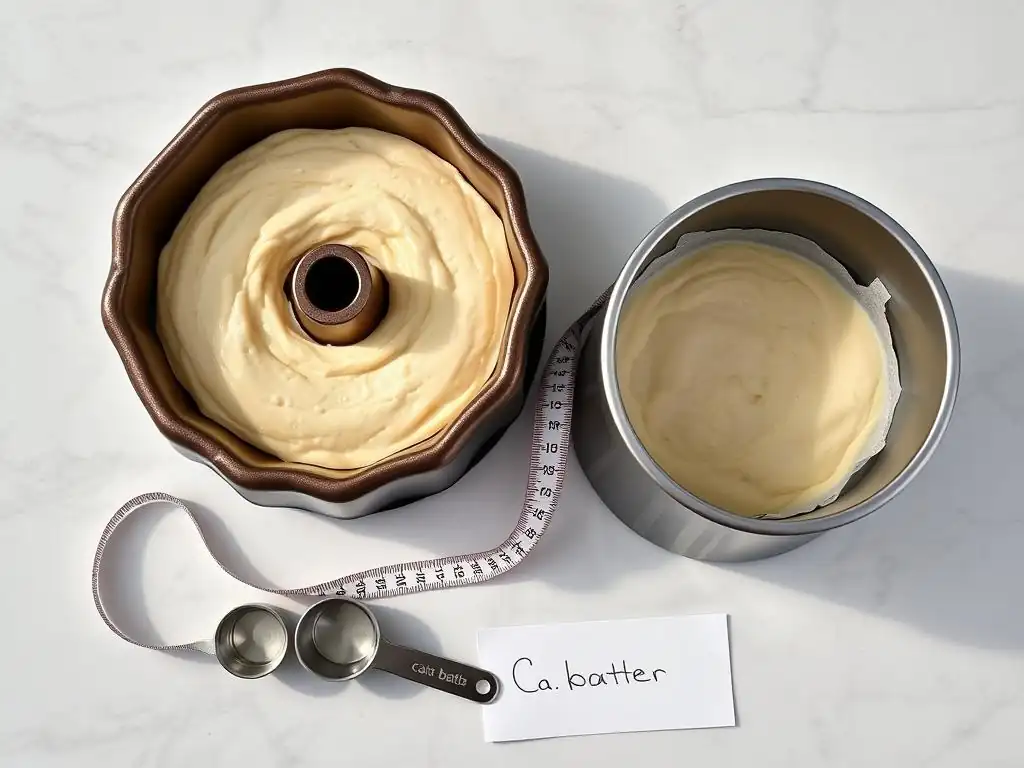
When comparing Bundt and tube pans, their dimensions are key indicators of their different functions. Bundt pan dimensions are often described by volume capacity (like 10 or 12 cups), reflecting their use for denser batters where total volume is a primary concern. Their shape is wide and relatively shallow compared to their diameter, with the decorative fluting. Tube pan dimensions, conversely, focus heavily on diameter and significant height (like 9x4 inches or 10x4+ inches), highlighting their purpose for tall, airy cakes that need vertical support to rise.
Comparing these to standard round cake pan dimensions (e.g., 8x2 inches, 9x3 inches) reveals the specialization of Bundt and tube pans. Standard round pans are versatile for many cake types but lack the central tube and the extreme height/decorative molding of the specialized pans. The central core diameter is also a crucial dimension unique to both Bundt and tube pans, directly impacting heat distribution to the cake's center, a feature absent in solid-bottom round pans.
Comparing Center Core Diameter and Height
The dimensions of the central tube itself differ between Bundt and tube pans and influence their performance. Tube pans designed for angel food often have a wider central tube relative to the pan's diameter, typically 3-4 inches across, and the tube extends the full height of the very tall pan (4 inches or more). This wide, tall tube maximizes heat exposure to the center of the light batter and provides a sturdy structure for the cake to cling to as it rises and cools inverted.
Bundt pan central tubes can vary more widely in diameter and height depending on the overall pan design and volume. While they also provide heat distribution, their primary role might be less about providing a surface for batter to climb and more about ensuring even baking in the denser batter that Bundt pans typically handle. The height of the tube matches the height of the pan walls, which are generally shorter than those of a tube pan.
Which Shape Promotes Better Air Circulation?
Both Bundt and tube pans utilize the central tube to improve air circulation and heat distribution compared to solid-bottom pans of similar volume. However, the design nuances favor slightly different outcomes. The open structure of the tube pan, with its straight sides and usually wider central tube relative to the pan's diameter, facilitates excellent vertical heat flow and allows air to circulate freely around the cake during inverted cooling, which is essential for airy cakes.
Bundt pans, with their often more complex exterior shapes and sometimes narrower central tubes, still provide crucial heat to the center but might not offer the same level of unrestricted air circulation during cooling depending on the pan design and how it rests when inverted. For achieving maximum height and an exceptionally light crumb through specific cooling, the tube pan's design is optimized for superior air circulation around the delicate cake structure.
Adapting Recipes Between Bundt and Tube Pans
While both pans have a central tube, swapping recipes between a Bundt and a tube pan is not always straightforward and requires careful consideration. Recipes specifically developed for one type of pan leverage its unique characteristics – the ungreased sides and tall structure of a tube pan for angel food, or the decorative shape and slightly different heat distribution pattern of a Bundt for denser cakes. Simply pouring a Bundt recipe into a tube pan or vice versa can lead to unexpected results.
The key differences in pan dimensions, material (tube pans are often aluminum, Bundt pans can be aluminum, non-stick, or cast iron), and the intended batter type mean adjustments are usually necessary. Factors like bake time, oven temperature, and pan preparation (greased vs. ungreased) are specific to the pan type the recipe was designed for. Understanding these differences is vital before attempting any pan substitutions.
Recipe Adaptation Considerations: Bundt to Tube
Adapting a recipe written for a Bundt pan to a tube pan requires paying close attention to batter type and volume. Bundt pan recipes are typically for denser cakes (pound cake, coffee cake). While you can bake these in a tube pan, you won't get the decorative shape, and you must grease and flour the tube pan sides, unlike when baking angel food. The bake time might also need adjustment as the heat distribution, while similar due to the tube, can differ slightly between the two pan types.
Consider the volume: a 10-cup Bundt pan holds a specific amount of batter. Ensure your tube pan has a comparable volume capacity, keeping in mind that tube pans are taller. While standard round cake pan dimensions might require calculating batter volume based on pan area and height, adapting between Bundt and Tube relies more on matching overall capacity and adjusting for the slight differences in how the pan interacts with the batter and heat.
Recipe Adaptation Considerations: Tube to Bundt
Attempting to bake a recipe specifically designed for a tube pan, like angel food or chiffon cake, in a Bundt pan is generally not recommended. These light, airy batters rely on clinging to the tall, straight, ungreased sides of a tube pan to achieve their signature height and texture. Bundt pans have shorter, often sloped, and greased sides (as they are used for denser cakes that need easy release), which would prevent the batter from climbing properly.
The delicate structure of angel food cake also requires the specific inverted cooling method facilitated by the tube pan's design; a Bundt pan, especially one with intricate details, might not allow for proper suspension or could damage the cake upon removal even if it did bake somewhat successfully. Stick to tube pans for these specialized, airy cakes to ensure the best results.
Choosing the Right Cake Pan for Your Celebration
Factors to Consider: Recipe Requirements and Desired Outcome
Selecting the ideal cake pan for your celebration hinges on two main factors: the specific requirements of your recipe and the desired final outcome for your cake. Is the recipe designed for a light, airy cake that needs to climb tall? A tube pan is likely your best bet. Is it a denser batter meant to hold a decorative shape? A Bundt pan is probably the way to go. Consider the cake's texture, structure, and intended height.
Beyond the recipe, think about presentation. Do you want a cake that is inherently decorative straight from the pan? The Bundt excels here. Are you planning on elaborate frosting or decoration where the base shape is less important? Then a tube pan providing a tall, simple canvas might work, if the recipe is suitable. Also, consider the number of servings needed, which ties back to the pan's volume capacity – remember that Bundt pan dimensions are often listed by volume, while tube pan dimensions are typically diameter and height.
Bundt Cake Pans for Showstopping Desserts and Gatherings
Bundt pans are the perfect choice when you want to create a visually stunning cake with minimal decorating effort, making them ideal for celebrations, holidays, and gatherings. Their beautiful molded shapes turn a simple cake into a centerpiece. Pound cakes, coffee cakes, and even some loaf cake recipes can be adapted to Bundt pans, offering a wide range of flavors and textures in a festive form.
- Consider a classic lemon pound cake in a detailed Bundt pan for a spring brunch.
- A chocolate Bundt cake with a ganache drizzle is always a hit for birthdays.
- Spice cakes or gingerbread in a festive-shaped Bundt pan are perfect for the holidays.
The ease of presentation makes the Bundt pan a go-to for busy hosts who still want to impress.
Tube Cake Pans for Light and Airy Angel Food Cakes
When your celebration calls for a light, cloud-like cake, the tube pan is indispensable. It is specifically designed to support the unique baking and cooling needs of angel food and chiffon cakes. If the recipe relies heavily on whipped egg whites for leavening and aims for a tall, delicate crumb, you need a tube pan.
- An angel food cake with fresh berries and whipped cream is a classic, light dessert perfect for summer celebrations.
- A chiffon cake, which has added egg yolks and oil for richness while remaining airy, also benefits from the tube pan's structure.
While the pan doesn't offer decorative flair, the resulting cake's height and texture are its own impressive features, providing a delightful contrast to richer, denser desserts.
Tips for Perfect Cakes with Any Pan Shape
Preparing Your Cake Pan: Avoiding Sticking
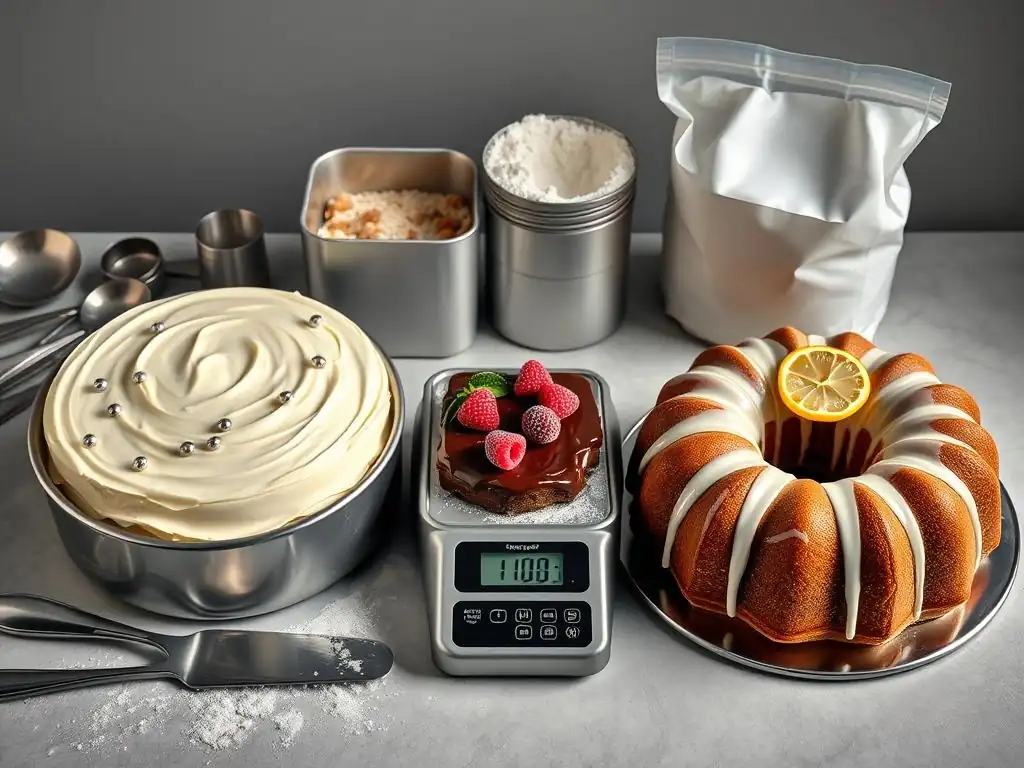
Proper pan preparation is the first line of defense against sticking, regardless of whether you're using a Bundt or a tube pan (for non-angel food recipes). For most cakes baked in Bundt pans or dense cakes in tube pans, greasing and flouring is essential. Use softened butter or shortening to coat every interior surface, including the central tube and all crevices in Bundt pans. Then, add a few tablespoons of flour, shake it around to coat the grease, and tap out the excess.
Alternatively, a baking spray containing flour is a convenient option, but ensure you get full coverage, especially in detailed Bundt pans. For angel food or chiffon cakes in tube pans, remember: do not grease the pan. The batter needs to grip the ungreased sides to rise properly. Always check your specific recipe's instructions on pan preparation.
Achieving Even Baking: Temperature and Pan Placement
Ensuring even baking is crucial for any cake. Always preheat your oven fully before putting the cake in; an oven thermometer can verify accuracy. Placing the pan in the center of the oven rack allows heat to circulate evenly around it. Avoid placing the pan too close to the heating elements or oven walls, which can cause uneven browning or hot spots.
If baking multiple cakes, ensure there is enough space between pans for air circulation. Avoid opening the oven door frequently during baking, as this causes temperature fluctuations. Rotating the pan halfway through the bake time can help promote evenness, especially if you know your oven has hot spots. Consistent temperature and proper placement are key to a uniformly baked cake.
Cooling and Removing Cakes from Bundt and Tube Pans
The cooling process is just as vital as baking for successful cake removal, especially with Bundt and tube pans. For Bundt cakes, let the cake cool in the pan on a wire rack for the time specified in the recipe (usually 10-20 minutes). This allows the cake structure to firm up slightly before attempting removal. Cooling too long in the pan can cause it to stick, while cooling too little means it might break. After the initial cooling, invert the pan onto the wire rack to release the cake and let it cool completely.
For tube cakes (like angel food), invert the pan immediately after removing it from the oven. Suspend it using the pan's feet or over a bottle and let it cool completely upside down. This prevents the tall, delicate cake from collapsing. Once fully cooled, use a thin offset spatula or knife to carefully loosen the cake from the sides and center tube before removing the bottom (if it's a removable-bottom pan).
Conclusion: Bundt or Tube - The Best Cake Pan for You
Summarizing the Pros and Cons of Each Shape
In the showdown between Bundt and tube pans, there's no single "winner"; the best pan depends entirely on the cake you want to bake. Bundt pans are fantastic for creating beautiful, decorative cakes with minimal frosting, ideal for denser batters like pound cakes and coffee cakes. Their advantage lies in aesthetic appeal and good heat distribution for these batter types, though they can pose challenges with sticking and removal due to intricate designs.
Tube pans, conversely, are specialized tools primarily for achieving maximum height and an airy texture in delicate, egg white-leavened cakes like angel food and chiffon. Their tall, ungreased sides and central tube are perfectly suited for these specific batters and their unique cooling needs. Their disadvantage is a lack of inherent decoration and the requirement for inverted cooling. Understanding these distinct pros and cons helps guide your choice.
Enhance Your Baking with Bundt or Tube Pans
Whether you choose a Bundt or a tube pan for your next baking project, each offers a unique way to enhance your skills and the cakes you create. A Bundt pan can elevate a simple recipe into a visually impressive dessert, perfect for celebrations where presentation matters. Experimenting with different Bundt pan designs can add variety and flair to your baking repertoire.
A tube pan allows you to master the art of baking incredibly light and tall cakes, opening up a world of delicate desserts like classic angel food with fresh fruit. Adding either or both of these specialized pans to your collection expands your baking possibilities significantly. While standard round cake pan dimensions are versatile, incorporating Bundt or tube pans lets you tackle recipes designed for their unique shapes and functions, ultimately leading to more successful and exciting baking adventures.
Frequently Asked Questions
What are the most common round cake pan dimensions and when should I use them?
Common dimensions include 6-inch, 8-inch, and 9-inch diameters. Use smaller pans for taller cakes and larger pans for wider, shallower cakes. Consider the number of servings needed.
How does the diameter of a round cake pan affect the baking time?
Larger diameter pans generally require shorter baking times because the batter is spread thinner. Smaller diameter pans bake for longer to ensure the center is fully cooked without burning the edges.
What is the relationship between round cake pan dimensions and the amount of batter required?
Larger round cake pans require more batter to achieve the desired cake height. Smaller pans will need less batter to avoid overflowing. Refer to the recipe for specific pan size recommendations.
Can I substitute one round cake pan size for another, and what adjustments should I make?
Yes, but you'll need to adjust the baking time and possibly the batter amount. Use a cake pan conversion chart to determine the equivalent volume and adjust accordingly. Monitor the cake closely.
Where can I find reliable information about round cake pan dimensions and their impact on baking?
BakeWithEase.com offers simple recipes, techniques, and tips for bakers of all levels. Explore pastries, breads, cakes, cookies, and more with step-by-step guides and easy-to-find ingredients.
Final Reflection: The Sweet Geometry of Celebration
The seemingly simple choice between a round and square cake pan profoundly impacts the final product, extending far beyond mere aesthetics. From the ease of frosting to the ultimate visual impact on your celebratory table, the dimensions of your cake pan are a crucial, often overlooked, element in baking success. This seemingly small detail holds the key to unlocking a truly memorable dessert.
The enduring appeal of cake, a symbol of joy and shared moments, is inextricably linked to the vessel in which it's created. The perfect cake, whether round or square, becomes a canvas for creativity and a testament to the baker's skill. The debate between round and square transcends mere practicality; it speaks to our inherent desire for both classic elegance and modern innovation. A cake is a celebration, a symbol of joy and togetherness. The perfect shape is the one that best reflects the spirit of the occasion.
– Unknown. This quote perfectly encapsulates the emotional connection we have with baking, and how even the choice of pan can contribute to the overall experience.
So, as you embark on your next baking adventure, consider the geometry of your cake pan. Don't just bake a cake; craft an experience. Remember the insights gained from this "Cake Pan Showdown," and let the dimensions of your chosen pan guide you towards creating a dessert that is not only delicious but also visually stunning and deeply meaningful. Let the shape of your cake reflect the unique character of your celebration, and let the joy of baking fill your kitchen with warmth and sweet success.
Unleash Your Inner Baker: Which Pan Will You Choose?
Thanks for joining us on this delicious journey into the world of cake pans! We hope you now feel more confident in choosing the perfect pan for your next baking adventure. Ready to put your new knowledge to the test?
- Bake your dream cake! Grab your chosen pan (round or square – the choice is yours!) and whip up that amazing recipe you’ve been eyeing. We’d love to see the results!
- Share your baking triumph! Post a picture of your masterpiece on social media and tag us – let's celebrate together!
- Explore more baking tips: Dive deeper into our archive of helpful guides and recipes to expand your baking skills.
So, which pan will reign supreme in your kitchen? What delicious creation will you bake first?