
Achieving Fudgy Brownies: Chocolate Secrets Revealed

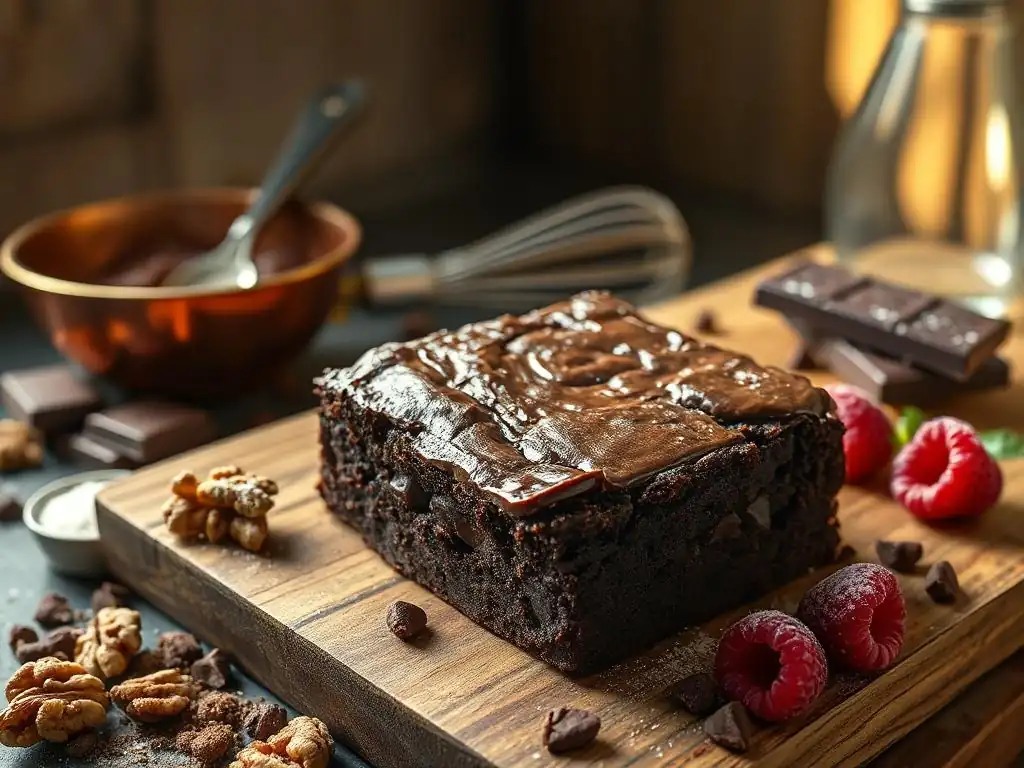
Welcome to BakeWithEase, your haven for baking mastery!
Ever wondered what the real secrets are to achieving perfectly fudgy brownies? We're diving deep into the chocolatey depths, uncovering techniques and tips that will transform your baking game. Get ready to unlock the fudgy brownie recipe secrets that will have everyone begging for more – your journey to brownie perfection starts now...
- Mastering Fudgy Brownies: A Comprehensive Guide
- Understanding the Science of Fudgy Brownies
- Ingredient Selection and Techniques for Optimal Results
- Step-by-Step Baking Guide for Fudgy Brownies
- Troubleshooting Common Brownie Issues
- Enhancing Your Fudgy Brownies: Flavor Variations
- Storing and Serving for Maximum Enjoyment
- Advanced Techniques & Pro Tips
-
Frequently Asked Questions
- What is the most important secret to achieving fudgy brownies?
- How does the type of chocolate impact the fudginess of brownies?
- What role does underbaking play in achieving fudgy brownies?
- Can I substitute ingredients to make the brownies healthier without sacrificing the fudgy texture?
- What's the best way to store fudgy brownies to maintain their texture?
- Final Reflection: The Enduring Allure of the Perfect Fudgy Brownie
- Unlock Your Inner Brownie Master!
Mastering Fudgy Brownies: A Comprehensive Guide
Understanding the Science of Fudgy Brownies
The Moisture Balance: Key to Fudgy Texture
Achieving that signature dense, moist, and chewy interior in fudgy brownies hinges significantly on the moisture balance. Unlike cake recipes that strive for a light, airy crumb, fudgy brownies intentionally contain a higher ratio of wet ingredients (like butter, eggs, and melted chocolate) to dry ingredients (flour and cocoa powder). This deliberate imbalance limits the development of gluten, which is the protein network that provides structure and elasticity, resulting in a less rigid, more tender texture.
Furthermore, the presence of ample moisture ensures the baked brownie remains dense and doesn't dry out during cooling. Ingredients like sugar and fat play vital roles in holding onto this moisture. A well-formulated fudgy brownies recipe secrets often involve minimizing flour and maximizing rich, moist components, leading to that desirable gooey center and rich mouthfeel that defines a perfect fudgy brownie.
Sugar's Role in Chewiness and Moisture Retention
Sugar is far more than just a sweetener in fudgy brownies; it's a critical structural component. Its hygroscopic nature means it attracts and retains moisture from the air and other ingredients, directly contributing to the brownie's moistness over time. This is particularly true for brown sugar, thanks to the molasses it contains.
Beyond moisture, sugar inhibits gluten development by competing with flour for liquid. This interference helps create a tender crumb. When baked, sugar also melts and then recrystallizes as the brownie cools, which is a key factor in developing that slightly chewy texture that complements the fudginess. The type and amount of sugar significantly impact the final chewiness and how well the brownies retain their moisture.
Fat's Contribution to Richness and Tenderness
Fat, primarily in the form of butter and melted chocolate, is indispensable for fudgy brownies. It coats the flour particles, effectively shortening the gluten strands and preventing the formation of a strong gluten network, which is essential for a tender, almost melt-in-your-mouth texture. The more fat relative to flour, the more tender the result.
Fat also carries flavor compounds, enhancing the richness of the chocolate. Using high-quality butter and chocolate contributes significantly to both the depth of flavor and the luxurious, dense texture characteristic of fudgy brownies. It also contributes to the overall moisture content, ensuring the brownies stay moist and delicious for longer.
Ingredient Selection and Techniques for Optimal Results
Choosing the Right Chocolate: Quality Matters
The quality and type of chocolate are arguably the most crucial factors in a truly exceptional fudgy brownie. Using real chocolate, whether bars, wafers, or chips designed for melting, provides a depth of flavor and richness that cocoa powder alone cannot replicate. The cocoa butter content in real chocolate is key to the fudgy texture and smooth mouthfeel. Compound chocolate (often labeled "baking chips" without specifying cocoa percentage) contains vegetable oils instead of cocoa butter and will not yield the same rich, fudgy result.
One of the fundamental fudgy brownies recipe secrets is selecting chocolate with a cocoa percentage that suits your taste. A higher percentage (like bittersweet) offers intense chocolate flavor, while a lower percentage (semisweet) results in a sweeter brownie.
Bittersweet vs. Semisweet Chocolate: Flavor Profiles
Bittersweet chocolate typically contains 70-85% cocoa solids. This higher percentage provides a deep, intense, less sweet chocolate flavor. Using bittersweet chocolate results in a more sophisticated, less sugary brownie, allowing the pure chocolate taste to shine. It also contributes more cocoa butter, enhancing fudginess.
Semisweet chocolate generally contains 35-60% cocoa solids. It is sweeter than bittersweet and offers a classic, approachable chocolate flavor. Using semisweet chocolate yields a sweeter brownie with a familiar taste profile. Many fudgy brownie recipes combine both bittersweet and semisweet chocolate or use one type depending on the desired sweetness and intensity.
Cocoa Powder Types: Dutch-Processed vs. Natural
Cocoa powder adds significant chocolate flavor but contains no cocoa butter. For fudgy brownies recipe secrets focused on texture, it's often used in conjunction with melted chocolate. Natural cocoa powder is acidic and reacts with baking soda, providing lift. It has a sharp, fruity chocolate flavor.
Dutch-processed cocoa powder has been treated with an alkali to neutralize its acidity. It has a darker color, a smoother, less acidic flavor, and does not react with baking soda (it needs baking powder or eggs for lift). Because fudgy brownies often use minimal leavening, either type can work, but Dutch-processed is often preferred for its rich color and mellow flavor that complements the melted chocolate.
Mastering the Double Boiler Method for Chocolate
Melting chocolate gently is essential to preserve its texture and prevent it from seizing. The double boiler method uses indirect heat from simmering water to melt the chocolate evenly and slowly. Place chopped chocolate or wafers in a heatproof bowl set over a saucepan with about an inch or two of simmering (not boiling) water. Ensure the bottom of the bowl does not touch the water. Stir occasionally until smooth and completely melted.
This gentle method prevents the chocolate from overheating, which can cause it to burn or seize. It's a cornerstone technique in many fudgy brownies recipe secrets involving melted chocolate.
Preventing Chocolate Seizing: Temperature Control
Chocolate seizing occurs when it comes into contact with even a tiny amount of liquid (like water or steam) while melting, causing it to instantly turn into a thick, grainy, unworkable paste. This is because the sugar particles in the chocolate clump together when exposed to moisture without enough fat to coat them.
To prevent seizing when melting chocolate using a double boiler, ensure no water or steam comes into contact with the chocolate. Use a bowl that fits snugly over the saucepan to create a seal. Wipe down the bottom of the bowl before placing it over the water. Maintain a gentle simmer, not a rolling boil, to control steam. Melt chocolate to an ideal temperature, typically around 105-115°F (40-46°C) for dark/semisweet chocolate.
The Importance of Brown Sugar: Molasses Magic
Brown sugar is a powerhouse ingredient in fudgy brownies, contributing significantly to both texture and flavor. Its key component is molasses, which is naturally hygroscopic, meaning it attracts and holds moisture better than granulated sugar. This property is vital for maintaining the brownie's moistness and contributing to that desirable fudgy texture over several days.
The molasses also adds a subtle caramel or toffee note, which enhances the overall depth of the chocolate flavor. Using a higher proportion of brown sugar to granulated sugar is one of the simple fudgy brownies recipe secrets that guarantees a chewier, more moist result.
Light Brown vs. Dark Brown Sugar: Impact on Flavor
The difference between light and dark brown sugar lies in their molasses content. Light brown sugar contains less molasses (typically around 3.5% by weight), offering a milder caramel flavor and slightly less moisture retention compared to its darker counterpart.
Dark brown sugar contains more molasses (typically around 6.5% by weight). This higher molasses content results in a deeper, more intense caramel flavor and contributes more significantly to chewiness and moisture. For a truly rich, chewy fudgy brownie, dark brown sugar is often preferred or used in combination with light brown or granulated sugar.
Eggs: Binding Agents and Emulsifiers
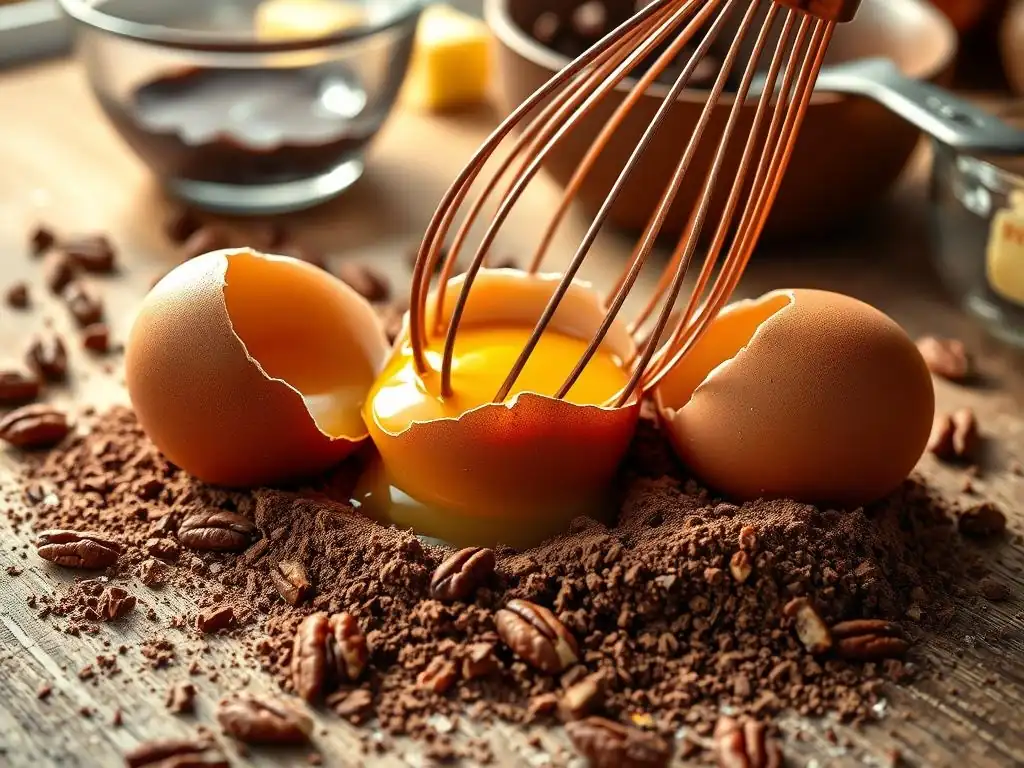
Eggs serve multiple critical functions in fudgy brownies. They act as binding agents, holding the batter together as it bakes. They also contribute to the structure through the coagulation of proteins during heating. Eggs also add richness and moisture.
Furthermore, egg yolks are natural emulsifiers, helping to create a smooth, cohesive batter by preventing the fat and liquid from separating. A common fudgy brownies recipe secret for extra richness and fudginess is to add an extra egg yolk without the white, increasing the fat and emulsifier content relative to protein and liquid.
Egg Size Matters: Adjusting for Consistency
Most standard baking recipes, including those for fudgy brownies, assume the use of large eggs, which weigh approximately 50-57 grams (about 1.75-2 ounces) each in their shell. Using a different size can alter the moisture content and structure of the brownie. For example, using medium eggs might result in a slightly drier or less rich brownie, while using extra-large eggs could potentially make the batter too wet or the texture too soft.
If your recipe calls for large eggs and you only have a different size, you might need to adjust the quantity or other ingredients slightly to maintain the intended consistency. For instance, if using medium eggs, you might consider adding one extra egg if the recipe only calls for two or three, particularly if seeking maximum fudginess.
Flour: Minimizing Gluten Development
Flour provides structure to baked goods, but too much flour or too much gluten development can result in a cakey, rather than fudgy, brownie. Fudgy brownie recipes typically use less flour compared to cake recipes with similar amounts of wet ingredients. The goal is to add just enough flour to bind the ingredients without creating a strong, elastic gluten network.
Mixing technique is also crucial; gentle mixing, just until the dry ingredients are incorporated, minimizes gluten development. Overmixing is a common pitfall that leads to cakey brownies.
Using Cake Flour for a Tender Crumb
Cake flour has a lower protein content (typically 8-10%) compared to all-purpose flour (typically 10-12%). Less protein means less potential for gluten development. Substituting some or all of the all-purpose flour with cake flour can contribute to a more tender, delicate crumb in your fudgy brownies.
While not strictly necessary for fudginess (which relies more on the fat/sugar/moisture ratio), using cake flour can enhance the softness of the non-fudgy parts of the brownie matrix, complementing the dense, rich interior. If using cake flour, you might need to use slightly more by weight or volume than all-purpose flour, as it is finer and less dense.
Step-by-Step Baking Guide for Fudgy Brownies
Pan Preparation: Achieving Clean Edges
Proper pan preparation is key not only for easy removal but also for achieving those desirable clean, sharp edges on your fudgy brownies. The best method is typically lining the pan with parchment paper. Cut two strips of parchment paper slightly wider than the pan dimensions. Place one strip in the pan so it covers the bottom and extends up two opposite sides, creating an overhang. Place the second strip perpendicular to the first, covering the remaining bottom area and extending up the other two sides with an overhang.
This parchment sling allows you to lift the cooled brownies easily out of the pan before cutting. Lightly greasing the pan first helps the parchment stick smoothly. This simple step is one of the practical fudgy brownies recipe secrets for perfect presentation.
Mixing the Batter: Avoiding Overmixing
Mixing the batter for fudgy brownies requires a delicate touch. The goal is to combine the ingredients thoroughly but without developing excess gluten. After incorporating the wet ingredients (melted chocolate, butter, sugar, eggs), the dry ingredients (flour, cocoa powder, salt, leavening if any) are added. Use a spatula or a wooden spoon and mix just until the dry streaks disappear.
Do not use an electric mixer on a high speed once the flour is added. Overmixing activates the gluten in the flour, leading to a tougher, more cake-like texture instead of the desired fudgy density. A slightly lumpy batter is preferable to an overmixed smooth one.
Baking Time and Temperature: Finding the Sweet Spot
Finding the correct baking time and temperature is perhaps the most critical step for achieving fudgy brownies. Most recipes recommend a moderate temperature, typically between 325°F (160°C) and 350°F (175°C). Lower temperatures over a longer time can sometimes yield a more evenly baked, fudgy interior, while slightly higher temperatures might create a crispier top.
The baking time will vary significantly depending on your oven, the pan size, and the thickness of the batter. A standard 8x8 inch pan might take 30-40 minutes at 350°F. The key is to slightly underbake the brownies. They should look set around the edges but still appear slightly moist and perhaps a bit wobbly in the very center.
The Skewer Test: Identifying Doneness
The traditional "clean skewer" test used for cakes is not the indicator of doneness for fudgy brownies. If a skewer or toothpick inserted into the center comes out completely clean, you've likely overbaked them, resulting in a cakey texture.
For fudgy brownies, the skewer should come out with moist crumbs attached, maybe even a few streaks of melted chocolate, but no wet batter. The edges should be set and pulling away slightly from the pan. This indicates that the brownies are baked enough to hold together but still retain maximum moisture and fudginess in the center.
Cooling and Cutting: Maintaining Fudgy Integrity
Patience is a virtue when it comes to cooling fudgy brownies. It is absolutely essential to let them cool completely in the pan before attempting to cut them. As they cool, the internal temperature drops, and the structure sets, allowing the fats and sugars to firm up and create that dense, fudgy texture. Cutting warm brownies will result in a gooey, messy outcome that crumbles easily.
Once completely cool (this can take 2-3 hours, or even longer), use the parchment paper overhang to lift the entire slab out of the pan. Place it on a cutting board. For the cleanest cuts, use a large, sharp knife, wiping the blade clean with a damp cloth between each cut. Chilling the brownies in the refrigerator for 30-60 minutes before cutting can make this process even easier and yield exceptionally clean edges, revealing one of the simplest fudgy brownies recipe secrets for perfect slices.
Troubleshooting Common Brownie Issues
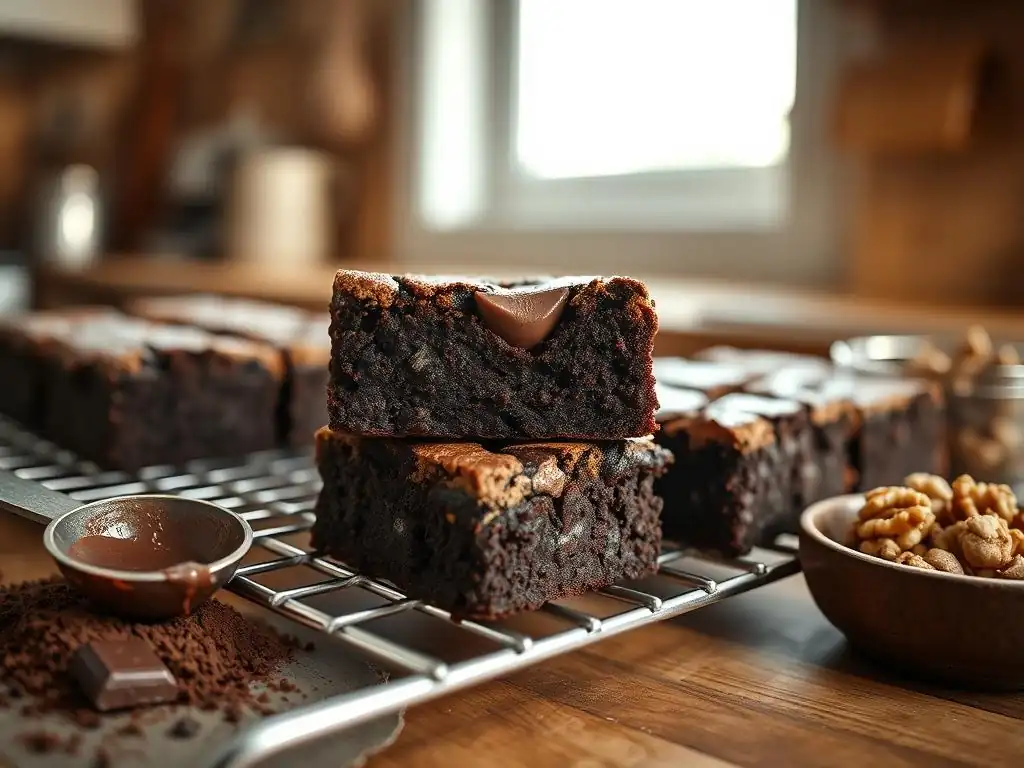
Why Are My Brownies Cakey? Overcoming Dryness
A cakey texture is the nemesis of fudgy brownies. This usually happens for several reasons:
- Too much flour: The ratio of dry to wet ingredients is too high.
- Overmixing: Developing too much gluten by mixing vigorously after adding flour.
- Overbaking: Leaving them in the oven too long, drying out the moisture.
- Too little fat or sugar: These ingredients contribute moisture and tenderness.
To fix this, ensure your recipe has a good fat/sugar to flour ratio. Measure ingredients accurately, preferably by weight for flour. Mix only until just combined. And most importantly, use the skewer test correctly and pull the brownies from the oven when they are slightly underbaked.
Brownies Too Dense? Achieving the Right Texture
While fudgy brownies are dense, they shouldn't feel heavy or leaden like a brick. If your brownies are too dense, it might be due to an imbalance of ingredients or improper mixing. Too much melted chocolate without enough eggs or leavening (if the recipe calls for it) can contribute to excessive density.
Ensure you are creaming butter and sugar properly (if the recipe specifies), as this incorporates air. Also, while you don't want to overmix after adding flour, ensure all ingredients are fully incorporated initially. Sometimes, simply adjusting the ratio of chocolate/fat to flour/eggs can help achieve a better balance of fudginess and structure.
Preventing a Cracked Top: Even Baking Techniques
A cracked or overly dry top can detract from the appearance of fudgy brownies. This is often caused by the surface baking and setting faster than the interior, or by the batter rising too quickly and then falling slightly. Common culprits include:
- Oven hot spots: Uneven oven temperature.
- Baking at too high a temperature: The surface sets too fast.
- Overbaking: Drying out the top layer.
Using an oven thermometer to verify your oven's actual temperature is a good step. If the top consistently cracks, try reducing the oven temperature by 25°F (about 15°C) and baking for a few extra minutes. Ensuring the batter is spread evenly in the pan also helps promote even baking.
Enhancing Your Fudgy Brownies: Flavor Variations
Incorporating Nuts and Chocolate Chunks
Adding mix-ins is a fantastic way to elevate your fudgy brownies. Toasted nuts like walnuts or pecans provide a satisfying crunch and nutty flavor that pairs wonderfully with chocolate. Stir them in gently at the end of mixing, just before pouring the batter into the pan.
Extra chocolate chunks (milk, white, or different percentages of dark) melt into pockets of gooey chocolate within the fudgy matrix, adding bursts of intense flavor and varying textures. About 1/2 cup to 1 cup of mix-ins per standard 8x8 or 9x13 inch pan is usually a good starting point.
Experimenting with Coffee and Spices
Coffee is a classic pairing with chocolate as it enhances and deepens the chocolate flavor without necessarily adding a coffee taste. Adding a teaspoon or two of espresso powder (not instant coffee granules) to the dry ingredients can significantly boost the chocolate notes in your fudgy brownies.
Warming spices can also add complexity. A pinch of cinnamon, a dash of cayenne pepper for a hint of heat, or even a subtle touch of cardamom can transform the flavor profile. Add these spices along with the dry ingredients.
Swirling in Caramel and Peanut Butter
For an extra layer of indulgence, consider swirling other delicious elements into your fudgy brownie batter. Dollops of dulce de leche, caramel sauce, or creamy peanut butter can be added to the top of the batter once it's in the pan.
Use a knife or skewer to gently swirl the additions through the batter, creating beautiful patterns and pockets of flavor. Don't over-swirl, or the distinct flavors will blend too much. This technique adds moisture, richness, and a delightful contrast to the chocolate.
Storing and Serving for Maximum Enjoyment
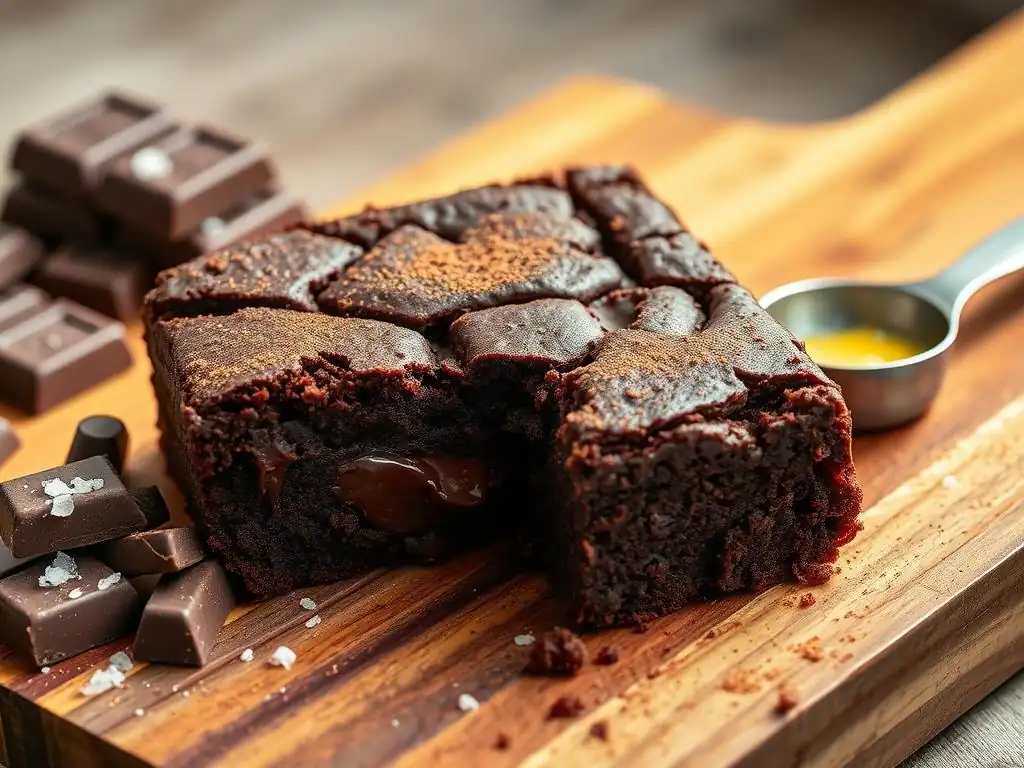
Maintaining Freshness and Fudgy Texture
Proper storage is key to keeping your fudgy brownies moist and delicious. Once completely cooled and cut, store them in an airtight container at room temperature. Layering them between sheets of parchment or wax paper can prevent sticking. They will typically stay fresh and fudgy for 3-4 days at room temperature.
For longer storage, you can refrigerate them for up to a week or freeze them for several months. Freezing individual portions wrapped tightly in plastic wrap and then placed in a freezer bag is convenient. Thaw frozen brownies at room temperature or gently warm them before serving. Chilling fudgy brownies in the refrigerator actually enhances their density and chewiness for many people.
Serving Suggestions: Pairings and Presentation
Fudgy brownies are delightful on their own, but they can be elevated with simple serving suggestions. Serve them at room temperature for optimal fudginess, or gently warm them in a microwave for a few seconds to bring back that gooey center.
Consider pairing a warm brownie with a scoop of vanilla bean ice cream or a dollop of whipped cream. A sprinkle of flaky sea salt just before serving enhances the chocolate flavor beautifully. For presentation, a dusting of cocoa powder or powdered sugar can add a professional touch.
Advanced Techniques & Pro Tips
For those looking to delve deeper into fudgy brownies recipe secrets, consider blooming your cocoa powder. If using natural cocoa, whisk it with hot liquid (like melted butter or a bit of hot water or coffee) before adding it to the batter. This process helps release more flavor compounds, resulting in a richer chocolate taste.
Experiment with different types of fat. While butter is standard for flavor, some recipes use a portion of vegetable oil. Oil is 100% fat (butter is about 80-85% fat and the rest water/milk solids) and liquid at room temperature, which can contribute to a slightly more moist and tender crumb.
Finally, if you bake at high altitudes (typically above 3,000 feet), you might need to make adjustments to your recipe. High altitude can cause baked goods to rise and dry out faster. Common adjustments include slightly reducing sugar, reducing leavening (though minimal in fudgy brownies), increasing liquid, or slightly increasing flour. Research high-altitude baking guides for specific recommendations tailored to your elevation.
Frequently Asked Questions
What is the most important secret to achieving fudgy brownies?
The most crucial secret is using a higher ratio of fat (butter or oil) to flour. This ensures a dense, moist, and fudgy texture.
How does the type of chocolate impact the fudginess of brownies?
Using high-quality chocolate, especially dark chocolate with a higher cocoa percentage, intensifies the chocolate flavor and contributes to a richer, fudgier result.
What role does underbaking play in achieving fudgy brownies?
Underbaking slightly is key to fudgy brownies. The center should be slightly soft when you take them out, as they will continue to set as they cool.
Can I substitute ingredients to make the brownies healthier without sacrificing the fudgy texture?
While some substitutions are possible, drastically altering the fat content can compromise the fudgy texture. Consider reducing sugar slightly or using applesauce to replace some butter, but do so cautiously.
What's the best way to store fudgy brownies to maintain their texture?
Store them in an airtight container at room temperature. This helps to prevent them from drying out and maintains their deliciously fudgy consistency.
Final Reflection: The Enduring Allure of the Perfect Fudgy Brownie
The quest for the ultimate fudgy brownie transcends mere baking; it's a journey into the heart of chocolate indulgence and the power of precise technique. From understanding the crucial role of fat content to mastering the art of the perfect bake, this exploration has revealed that the seemingly simple brownie holds a wealth of secrets waiting to be unlocked. The pursuit of that ideal texture, that rich, intensely chocolatey flavor, is a testament to our enduring love affair with this classic treat.
The impact of the perfect brownie recipe extends far beyond the kitchen. It's a shared experience, a symbol of comfort and celebration, a delicious connection between people. A brownie is a little bit of heaven on earth.
This simple sentiment speaks volumes about the emotional resonance of this seemingly humble dessert. It's a reminder that even in the pursuit of culinary perfection, the most important ingredient is often the joy and connection we share through the process and the final product. The legacy of the brownie, passed down through generations with slight variations and personal touches, speaks to its enduring power in our cultural landscape.
Now, I invite you to take what you've learned and embark on your own brownie adventure. Don't be afraid to experiment, to tweak the ratios, to add your own personal touch. The true secret to achieving the perfect fudgy brownie isn't just in following a recipe, but in understanding the principles behind it, and in the passion you bring to the process. Embrace the imperfections, celebrate the successes, and most importantly, savor the delicious results. The journey to the perfect brownie is as rewarding as the destination itself.
Unlock Your Inner Brownie Master!
Thanks for joining us on this delicious journey into fudgy brownie perfection! We hope you've picked up some invaluable tips and tricks to elevate your baking game. Now it's time to put your new knowledge into practice.
- Bake a batch of your own incredible brownies, using your newfound expertise. Don't be afraid to experiment with different variations – you might discover your new signature recipe!
- Share your brownie creations on social media and tag us @BakeWithEase – we'd love to see your fudgy masterpieces!
- Challenge a friend to a brownie bake-off and see who can achieve the ultimate fudgy texture.
So, what decadent flavor will you add to your next batch of brownies?