
Baking with Cake Flour: Secrets for Light and Tender Results

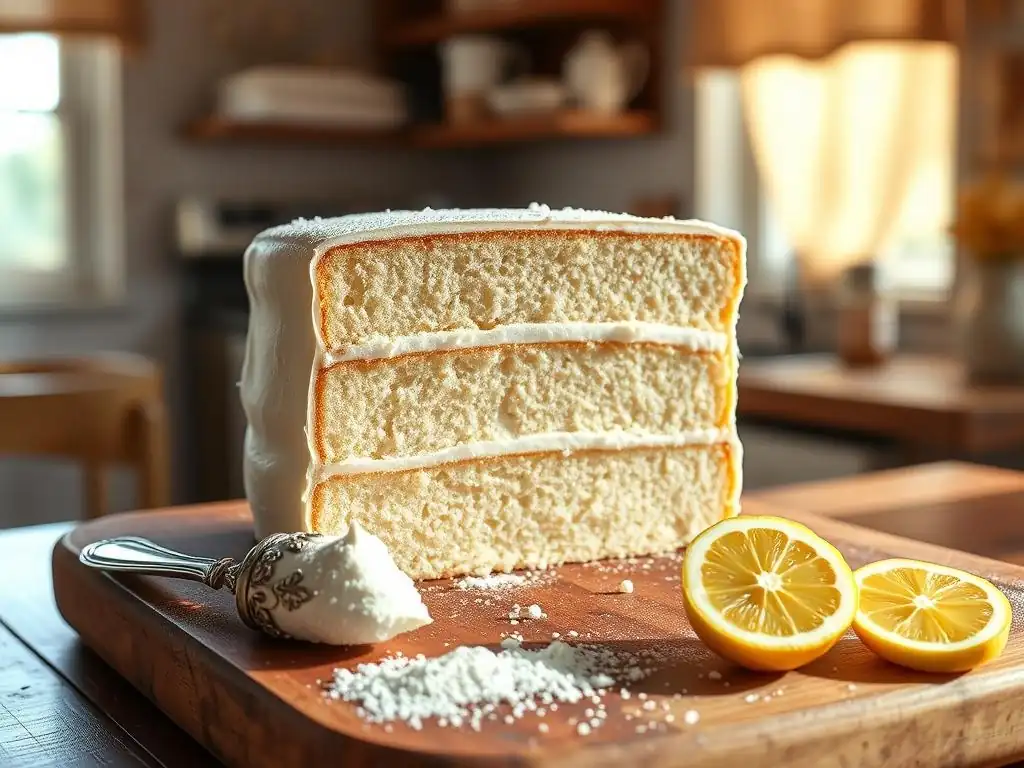
Welcome to BakeWithEase, your kitchen companion for baking adventures! Ever wondered what the secret is to achieving that perfectly light and tender cake everyone raves about? Unlock the secrets to baking with cake flour and discover how this simple ingredient can transform your cakes from ordinary to extraordinary. Let's dive in and explore the magic of cake flour and learn how to create a light and tender cake recipe that will impress every time!
- Baking with Cake Flour: Secrets for Light and Tender Results | BakeWithEase
- Understanding Cake Flour: The Key to a Light and Tender Cake Recipe
- Achieving the Perfect Light and Tender Cake: Baking Techniques
- Cake Flour Recipes: Mastering Light and Tender Baking
- Troubleshooting Common Issues When Baking with Cake Flour
- Beyond Cakes: Other Uses for Cake Flour
- Storing Cake Flour Properly for Optimal Results
- Conclusion: Elevate Your Baking with Cake Flour for Light and Tender Delights
-
Frequently Asked Questions
- What is cake flour, and how does it differ from all-purpose flour?
- Can I substitute all-purpose flour for cake flour in a light and tender cake recipe?
- What are some tips for achieving a light and tender cake using cake flour?
- Besides cake flour, what other factors contribute to a light and tender cake?
- Where can I find a reliable light and tender cake recipe using cake flour?
- Final Reflection: The Enduring Allure of a Light and Tender Cake
- Unlock the Secrets to Fluffy Cakes!
Baking with Cake Flour: Secrets for Light and Tender Results | BakeWithEase
Baking a cake that is truly light and tender is a goal for many home bakers. While various factors contribute to this desired texture, the type of flour you use plays a fundamental role. Specifically, cake flour is often the secret ingredient that elevates a good cake to a truly exceptional one, delivering that delicate crumb and soft texture that defines a perfect light and tender cake recipe.
Understanding Cake Flour: The Key to a Light and Tender Cake Recipe
Achieving a wonderfully soft and fine-crumbed cake starts with understanding your ingredients. Cake flour is not just a finer version of all-purpose flour; it possesses unique characteristics that make it ideal for certain types of baked goods, especially those aiming for a very tender structure. Its specific composition directly impacts gluten development, which is crucial for the texture of your final product, making it indispensable for many a light and tender cake recipe.
What is Cake Flour and Why Use It?
Cake flour is a finely milled flour derived from soft wheat. Its defining characteristic is its low protein content, typically ranging from 7% to 8%. This is significantly lower than the 10% to 12% protein found in most all-purpose flours. The lower protein means less gluten will develop when the flour is mixed with liquid. Gluten provides structure and elasticity, which is great for bread but can make cakes tough or chewy if overdeveloped.
Using cake flour minimizes gluten formation, resulting in a softer, more tender crumb structure. Furthermore, cake flour is often bleached, a process that not only whitens the flour but also changes the starch molecules, allowing them to absorb more liquid and sugar. This increased absorption capacity contributes to a moist cake and helps distribute fat evenly, further inhibiting gluten development and ensuring a delicate texture, key to any light and tender cake recipe.
Cake Flour vs. All-Purpose Flour: Key Differences Explained
The primary difference between cake flour and all-purpose flour lies in their protein content and milling process. As mentioned, cake flour has a protein content of 7-8%, while all-purpose flour is 10-12%. This percentage dictates the potential for gluten development. Imagine gluten as tiny elastic bands; fewer bands (lower protein) mean a more relaxed, tender structure, while more bands (higher protein) create a stronger, chewier structure.
Additionally, cake flour is milled to a much finer consistency than all-purpose flour. This finer texture allows it to blend more smoothly and evenly into batters. While you can sometimes substitute cake flour for all-purpose (often needing to adjust quantities or add cornstarch to simulate its properties), using genuine cake flour is essential when the recipe specifically calls for it, especially when the goal is that signature melt-in-your-mouth texture characteristic of a truly light and tender cake recipe.
The Science Behind Cake Flour's Tenderizing Effect
The tenderizing power of cake flour is rooted in its low protein content and the effects of the bleaching process. With less protein available, significantly less gluten develops when the batter is mixed. This means the cake's structure relies more on the leavening agents (baking powder, baking soda, eggs) and the support from fat and sugar, rather than a strong gluten network. The result is a delicate crumb that breaks apart easily, giving that tender feel.
The bleaching process, often done with chlorine, doesn't just whiten the flour; it also weakens the proteins slightly and, more importantly, modifies the starch. The chlorinated starch gains an increased ability to absorb liquids and fats. This extra absorption helps keep the cake moist and further inhibits gluten development by coating the protein molecules, preventing them from linking up. This scientific interaction is why cake flour is the go-to choice for achieving that sought-after light and tender cake recipe result.
Achieving the Perfect Light and Tender Cake: Baking Techniques
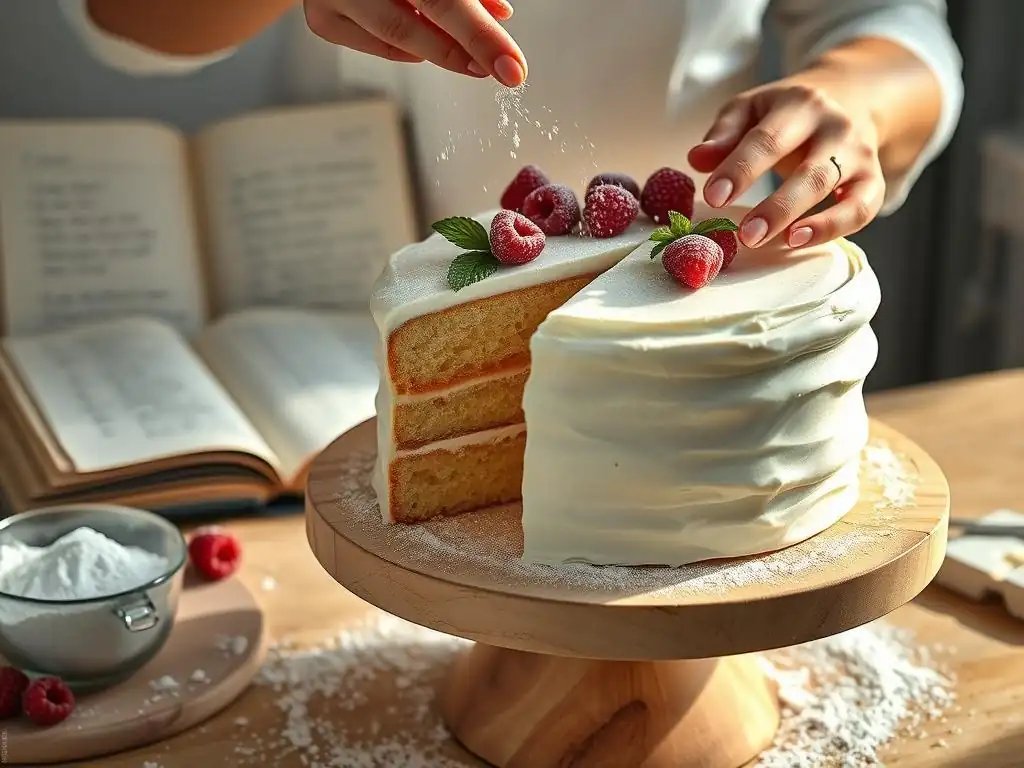
Simply using cake flour isn't a magic bullet; proper technique is paramount. Even with the right flour, incorrect mixing, measuring, or baking can lead to a less-than-ideal outcome. Mastering a few key techniques will ensure you harness the full potential of cake flour to achieve that perfect light and tender cake recipe you're dreaming of.
Measuring Cake Flour Accurately: Tips and Tricks
Accurate measurement is critical when working with any flour, but especially cake flour due to its fine texture. The 'scoop and level' method is generally recommended: gently fluff the flour in its container, then lightly spoon it into your measuring cup until it overflows. Finally, level off the excess with a straight edge, like a knife or spatula. Do not scoop the flour directly from the bag with the measuring cup, as this can compact it, leading to significantly more flour by weight than intended, resulting in a dry or dense cake instead of a light and tender one.
For the most consistent results, weighing your ingredients is always the superior method. A standard cup of sifted cake flour weighs approximately 100-105 grams (around 3.5 to 3.7 ounces). Using a kitchen scale eliminates the variability of volume measurements caused by compaction. This precision ensures the correct flour-to-liquid-to-fat ratio, which is fundamental for developing a truly light and tender cake recipe.
Mixing Techniques for Optimal Cake Flour Results
The way you mix your batter profoundly affects the final texture, particularly when using cake flour. The goal is to hydrate the ingredients and distribute the leavening evenly without overdeveloping the minimal gluten present. The creaming method, where butter and sugar are beaten together until light and fluffy, is excellent for incorporating air and creating a tender crumb.
When adding dry and wet ingredients, the 'alternating method' (adding dry ingredients in portions, alternating with liquid ingredients, starting and ending with dry) is often used. Mix just until combined after each addition. Overmixing is the enemy of a light and tender cake recipe when using cake flour. Excessive mixing develops gluten, even with low-protein flour, leading to a tougher texture. Gentle folding, especially after adding the last of the dry ingredients or any delicate additions like whipped egg whites, helps maintain aeration and prevents toughening.
Oven Temperature and Baking Time for Light and Tender Cakes
Baking temperature and time are crucial for proper cake structure and moisture retention. Most light and tender cake recipes using cake flour bake best in an oven preheated to a moderate temperature, typically between 325°F and 350°F (160°C to 175°C). Baking at too high a temperature can cause the cake to rise too quickly and then collapse, or form a tough crust before the inside is cooked.
Consistent, even heat ensures the cake rises properly and cooks through at a steady pace, allowing the structure to set without drying out. Baking time varies depending on the cake's size, shape, and the specific recipe, but a standard 9-inch round cake might take 30-40 minutes.
Rely on visual cues (golden brown edges, pulling away from the pan slightly) and the toothpick test (inserted into the center should come out clean) rather than strictly adhering to a timer. Overbaking is a common culprit for dry cakes, so err on the side of caution once the cake looks nearly done to preserve that light and tender texture.
Cake Flour Recipes: Mastering Light and Tender Baking
Cake flour truly shines in recipes where a delicate, fine crumb is paramount. While it can enhance the texture of many baked goods, certain classic recipes exemplify its unique capabilities. Exploring these recipes is the best way to understand how cake flour contributes to that signature light and tender cake recipe result.
Classic Vanilla Cake Recipe with Cake Flour
A classic vanilla cake is the perfect canvas to experience the benefits of cake flour. When made with cake flour, the crumb is noticeably finer, softer, and more delicate than one made with all-purpose flour. The subtle flavor of vanilla is allowed to shine without being masked by a denser, chewier texture.
This type of light and tender cake recipe often uses the creaming method, where butter and sugar are beaten extensively to incorporate air, followed by alternating additions of dry ingredients (including the sifted cake flour) and liquid. The fine particles of the cake flour integrate smoothly, contributing to a velvety batter that bakes up into a cake with a beautiful, even structure. It's the standard for many celebration cakes precisely because of this desirable texture.
Light and Tender Chocolate Cake Recipe Using Cake Flour
Chocolate cakes can sometimes be prone to dryness or a slightly coarse texture, but using cake flour can help achieve a remarkably moist and tender result. The low protein content prevents the cocoa powder from contributing to excessive toughness, and the altered starch in the cake flour helps the cake retain moisture beautifully.
Recipes for a light and tender chocolate cake using cake flour often incorporate ingredients like buttermilk or sour cream, which are acidic and further tenderize the crumb while adding moisture. The combination of these wet ingredients with the fine, low-protein cake flour results in a chocolate cake that is rich in flavor yet surprisingly delicate in texture, a truly satisfying rendition of a light and tender cake recipe.
Angel Food Cake: The Ultimate Cake Flour Creation
Angel food cake is perhaps the most iconic example of a cake that must use cake flour. Its structure relies entirely on the leavening power of whipped egg whites and the delicate support provided by sugar and cake flour, with no fat or chemical leaveners. The goal is an incredibly airy, cloud-like texture.
Cake flour's low protein is absolutely essential here because any significant gluten development would weigh down the delicate egg white foam, resulting in a dense, rubbery cake rather than the ethereal, light and tender structure it's known for. The fine milling also helps the flour incorporate smoothly into the fragile egg white mixture without deflating it, making angel food cake the quintessential light and tender cake recipe showcasing cake flour's unique properties.
Troubleshooting Common Issues When Baking with Cake Flour
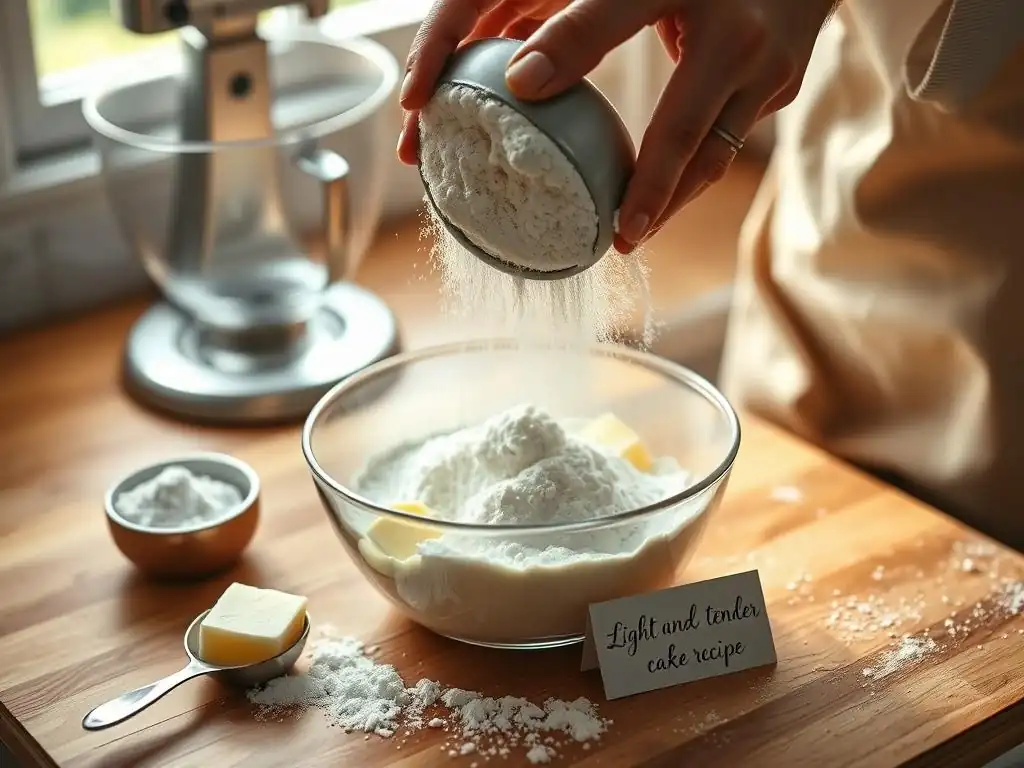
Even with cake flour, baking isn't always without its challenges. Understanding potential pitfalls and how to address them is key to consistently achieving a perfect light and tender cake recipe.
Dry Cake Problems and Solutions
A cake made with cake flour can still turn out dry, often due to overbaking or incorrect ingredient ratios. If your cake is dry, consider these possibilities:
- Overbaking: The most common cause. Check the cake several minutes before the recipe suggests. Use the toothpick test. Remember, residual heat continues to cook the cake slightly after it's removed from the oven.
- Too Much Flour: Even slight over-measurement (especially by volume) can throw off the balance. Ensure you are using the scoop and level method or, ideally, weighing your cake flour.
- Insufficient Liquid or Fat: Double-check the recipe proportions. Ensure you haven't accidentally reduced fat or liquid.
To remedy a dry cake:
- Adjust baking time in the future.
- Always measure flour accurately, preferably by weight.
- Ensure all liquid and fat ingredients are measured correctly.
Dense Cake Issues and How to Fix Them
A dense cake, particularly when using cake flour intended for lightness, usually points to issues with mixing or leavening.
- Overmixing: As discussed, excessive mixing develops gluten, making the cake tough and dense. Mix only until ingredients are just combined.
- Inactive Leavening: Baking powder or baking soda that is old or improperly stored loses its effectiveness. Test your leaveners for freshness.
- Incorrect Oven Temperature: An oven that is too cool won't provide the necessary heat for the cake to rise properly, leading to a dense texture. Use an oven thermometer to verify accuracy.
To fix dense cakes:
- Adopt gentle mixing techniques; fold instead of beat once flour is added.
- Ensure your baking powder/soda is fresh (test baking powder by adding a spoonful to hot water; it should bubble vigorously. Test baking soda by adding a spoonful to vinegar; it should fizz).
- Calibrate your oven temperature.
Common Mistakes to Avoid When Using Cake Flour
Avoiding these common errors will significantly increase your chances of baking a successful light and tender cake recipe:
- Directly substituting all-purpose flour: While possible in some recipes with adjustments, a 1:1 substitution will likely result in a tougher cake.
- Not sifting the cake flour: Cake flour is very fine and can compact easily. Sifting aerates it and removes any lumps, ensuring it incorporates smoothly into the batter.
- Ignoring recipe instructions: Pay close attention to mixing times, temperatures, and ingredient order specified in the recipe, especially for delicate cakes like Angel Food.
- Improper storage: Cake flour can absorb odors and moisture. Store it correctly to maintain its quality.
[ ] Measure cake flour accurately, preferably by weight.
[ ] Avoid overmixing the batter after adding dry ingredients.
[ ] Verify oven temperature accuracy.
[ ] Check leavening agents for freshness.
[ ] Sift cake flour before using.
Beyond Cakes: Other Uses for Cake Flour
While its name suggests otherwise, cake flour isn't only for cakes! Its low protein and fine texture make it a valuable ingredient in other baked goods where a tender, delicate crumb is desired. Experimenting with cake flour in different recipes can elevate your baking repertoire beyond just a light and tender cake recipe.
Making Light and Tender Muffins with Cake Flour
Using cake flour in muffins can transform their texture from dense and slightly coarse to wonderfully light and tender. Standard muffin recipes often use all-purpose flour, resulting in a sturdier crumb. Substituting some or all of the all-purpose flour with cake flour introduces a softer structure.
For instance, a recipe calling for 2 cups of all-purpose flour might benefit from using 1 cup of all-purpose and 1 cup of cake flour, or even substituting all 2 cups with cake flour (adjusting liquid slightly if needed, as cake flour absorbs more). The result is a muffin that is moist and has a delicate, fine crumb that is simply delightful, offering a lighter alternative to traditional muffin textures.
Creating Delicate Pastries with Cake Flour
Cake flour can also be a secret weapon in certain pastry applications where tenderness is key. While strong flour is needed for flaky puff pastry, cake flour can contribute to incredibly tender pie crusts or delicate biscuits.
In a pie crust, replacing a small portion of the all-purpose flour with cake flour can reduce gluten development, leading to a more tender, less chewy crust. For biscuits, a mix of all-purpose and cake flour results in lighter, fluffier biscuits compared to using only higher-protein flour. The fine texture also helps distribute fat more evenly, contributing to tenderness.
While most cookie recipes rely on all-purpose flour for structure and chew, a touch of cake flour can subtly alter the texture, especially in cookies meant to be soft and delicate.
For example, in a soft sugar cookie or a tender shortbread, substituting a small amount of the all-purpose flour with cake flour can reduce the overall gluten formation, resulting in a cookie with a more tender bite and a finer crumb. This isn't suitable for chewy cookies like classic chocolate chip, but for those aiming for melt-in-your-mouth tenderness, cake flour can make a noticeable difference.
Storing Cake Flour Properly for Optimal Results
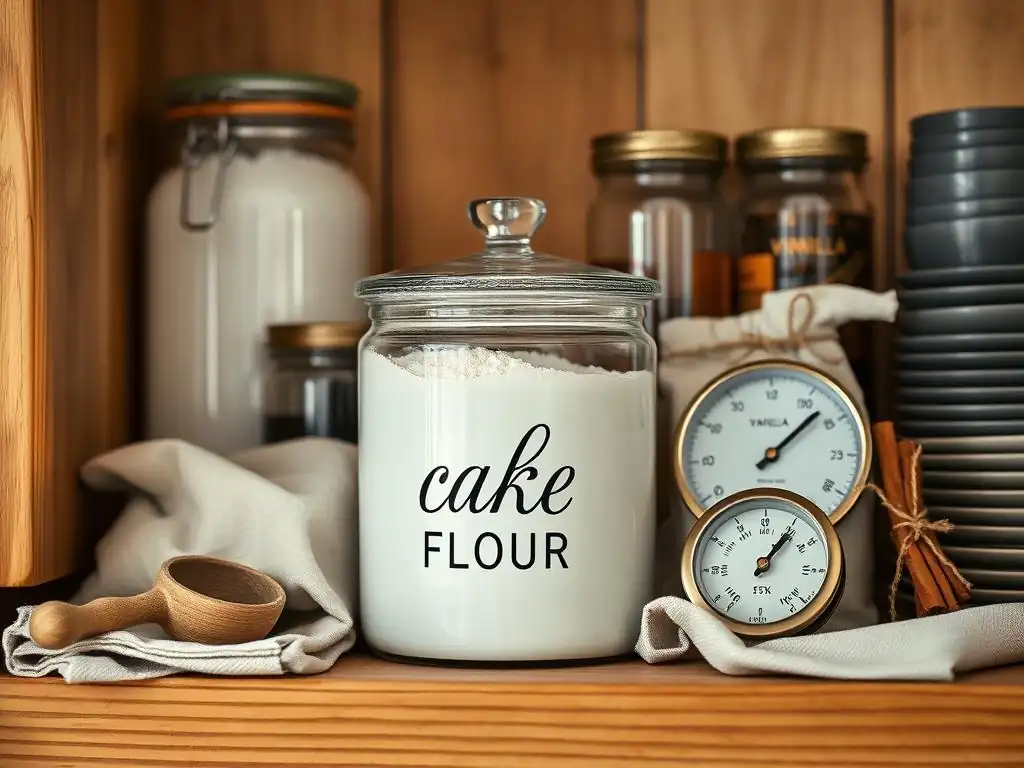
Like all flours, cake flour's quality can degrade over time if not stored correctly. Improper storage can lead to staleness, absorption of off-odors, or even spoilage, which will negatively impact the outcome of your light and tender cake recipe efforts. Proper storage ensures your flour remains fresh and performs as expected.
Best Practices for Long-Term Storage
To keep your cake flour fresh for as long as possible, transfer it from the paper bag it often comes in to an airtight container immediately after opening. Materials like plastic, glass, or metal containers with tight-fitting lids work well. This protects the flour from moisture, air, light, and pantry pests.
Store the airtight container in a cool, dry, dark place, such as a pantry or cupboard away from the oven or direct sunlight. Heat and humidity accelerate spoilage. For longer storage (beyond a few months), consider keeping the flour in the refrigerator or freezer. In the refrigerator, it can last up to a year, and in the freezer, even longer. If storing in the fridge or freezer, allow the flour to come to room temperature before using it in a recipe, as cold flour can affect mixing and baking.
Identifying Spoiled Cake Flour
Even with proper storage, flour doesn't last forever. The typical shelf life for cake flour stored properly at room temperature is about 6-12 months. In the refrigerator or freezer, it can last longer.
Signs that your cake flour has gone bad include:
- Off Odor: Fresh flour has a neutral, slightly sweet smell. Spoiled flour might smell musty, rancid, or sour. If it smells unpleasant, it's best to discard it.
- Discoloration: While cake flour is very white, significant yellowing or graying can indicate spoilage.
- Presence of Pests: Any signs of insects or larvae mean the flour is no longer safe to use.
Using spoiled flour will not only affect the flavor of your baked goods but can also compromise their texture and rise. When in doubt, it's always better to use fresh flour to ensure the best possible results for your light and tender cake recipe.
Conclusion: Elevate Your Baking with Cake Flour for Light and Tender Delights
Mastering the use of cake flour is a significant step towards achieving baking perfection, especially when your goal is that coveted light and tender cake recipe. Its low protein content and fine texture are specifically designed to minimize gluten development, resulting in cakes and other baked goods with an incredibly soft, delicate crumb.
By understanding what cake flour is, how it differs from other flours, and employing proper techniques for measuring, mixing, and baking, you can unlock its full potential. From classic vanilla and chocolate cakes to airy angel food and even lighter muffins and pastries, cake flour is an essential ingredient for anyone serious about creating baked goods with a truly tender texture. Pay attention to storage, troubleshoot common issues, and practice your techniques, and you'll consistently bake delightful, light, and tender treats that impress every time.
Frequently Asked Questions
What is cake flour, and how does it differ from all-purpose flour?
Cake flour is a low-protein flour specifically milled to create cakes with a delicate crumb and tender texture. All-purpose flour has a higher protein content, leading to a denser result.
Can I substitute all-purpose flour for cake flour in a light and tender cake recipe?
While possible, it's generally not recommended. You'll need to reduce the amount of all-purpose flour and potentially add cornstarch to mimic cake flour's lower gluten development. The texture won't be exactly the same.
What are some tips for achieving a light and tender cake using cake flour?
Avoid overmixing the batter, as this develops gluten, counteracting the cake flour's purpose. Also, ensure your ingredients are at room temperature for better emulsification and a more even bake.
Besides cake flour, what other factors contribute to a light and tender cake?
Proper creaming of butter and sugar is crucial for incorporating air. Also, using a leavening agent like baking powder ensures the cake rises properly and maintains its lightness.
Where can I find a reliable light and tender cake recipe using cake flour?
BakeWithEase.com offers a variety of simple and delicious light and tender cake recipes specifically designed to utilize cake flour for optimal results. You'll find step-by-step guides for easy baking.
Final Reflection: The Enduring Allure of a Light and Tender Cake
The pursuit of the perfect light and tender cake transcends mere culinary skill; it's a quest for a sensory experience that evokes joy and comfort. This article has explored the crucial role of cake flour in achieving that ethereal texture, delving into its unique properties and demonstrating how its lower protein content contributes to a crumb that melts in your mouth. Understanding these nuances is not just about following a recipe; it's about unlocking the potential for truly exceptional baking.
The impact of a perfectly baked cake extends far beyond the individual slice. It's a symbol of celebration, comfort, and connection, a tradition passed down through generations. A cake is a celebration of life, a symbol of joy, and a testament to the power of simple ingredients transformed into something extraordinary.
This sentiment resonates deeply, as the act of baking itself, particularly when striving for that elusive lightness and tenderness, becomes a meditative process, a mindful connection to both the ingredients and the outcome. The pursuit of this ideal continues to shape baking trends and inspire countless home bakers.
Now, consider your own baking journey. Have you ever experienced the sheer delight of biting into a cake so light it practically floats on your tongue? Remember that feeling, and let it inspire you to experiment with cake flour.
Don't be afraid to try different recipes, to adjust techniques, and to embrace the learning process. The reward – a cake that is not only delicious but also a testament to your skill and dedication – is well worth the effort. So, go forth and bake, and may your cakes always be light, tender, and filled with the joy of creation.
Unlock the Secrets to Fluffy Cakes!
Thanks for joining us on this baking adventure! You've just learned how cake flour can elevate your baking to a whole new level of light and tender perfection. Ready to put your new knowledge into practice?
- Bake your dream cake: Try out one of the recipes we mentioned, substituting cake flour for all-purpose. Note the difference in texture and share your results!
- Experiment with different recipes: See how cake flour transforms your favorite recipes—from cupcakes to layer cakes. What new creations will you discover?
- Share your baking journey: Post a picture of your cake on social media and tag us – let's celebrate your baking success together!
What amazing cake will you create with your newfound cake flour expertise?