
Demystifying Flour: A Simple Guide for Every Baker

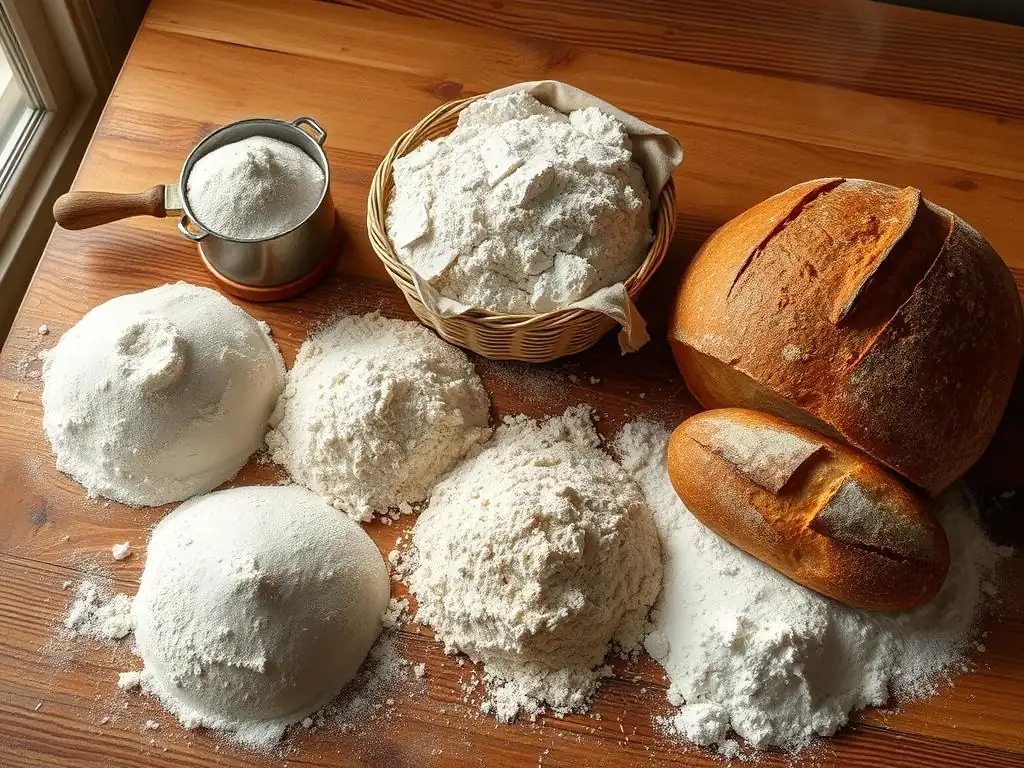
Welcome to BakeWithEase, your friendly guide to the wonderful world of baking! Are you ready to elevate your sourdough game? Demystifying the secrets behind the perfect loaf starts with understanding your flour. Dive in to discover the best flour for sourdough bread and unlock the key to creating tangy, crusty perfection, one delicious bite at a time. Curious to know the difference a specific type of flour can make? Let's get baking!
- Mastering Bread Baking: A Guide to Flour Selection
- Understanding Flour's Role in Bread Baking
- Best Flour for Artisan Bread: A Detailed Look
- Top Flour Choices for Artisan Bread: Reviews and Comparisons
- Gluten Development: The Key to Bread Structure
- Beyond Artisan Bread: Other Flour Applications
- Gluten Development: The Key to Bread Structure
- Beyond Artisan Bread: Other Flour Applications
- Flour Storage: Maintaining Freshness and Quality
- Troubleshooting Bread Baking Issues Related to Flour
- Experimenting with Flour Blends for Unique Breads
- Resources for Further Learning About Bread Flour
- Conclusion: Choosing the Right Flour for Exceptional Bread
-
Frequently Asked Questions
- What type of flour is generally considered the best for making sourdough bread?
- Can I use all-purpose flour to make sourdough bread, and what are the potential drawbacks?
- What is the importance of protein content in flour when baking sourdough?
- Are there any specific brands of flour that are recommended for sourdough baking?
- Besides flour, what other factors significantly impact the quality of sourdough bread?
- Final Reflection: The Humble Flour, the Mighty Loaf
- Unleash Your Inner Baker: Flour Power Awaits!
Mastering Bread Baking: A Guide to Flour Selection
Understanding Flour's Role in Bread Baking
Why Flour Choice Impacts Bread Quality
Flour is the foundational ingredient in almost every bread recipe, and its characteristics profoundly influence the final loaf. The type of grain, how it's milled, and its protein content all play critical roles in determining the dough's behavior, the bread's texture, volume, and even its crust and crumb. For instance, a flour with high protein will develop strong gluten networks, essential for trapping gases produced by yeast or sourdough starter, resulting in a well-risen, airy loaf.
Conversely, a low-protein flour might lead to a dense, flat bread. Choosing the right flour isn't just about following a recipe; it's about understanding how flour interacts with other ingredients and fermentation to achieve the desired outcome.
The protein content, specifically gluten-forming proteins like gliadin and glutenin, is a primary factor. When flour is mixed with liquid and kneaded, these proteins bond to form gluten, a stretchy, elastic network. This network gives dough its structure, allowing it to stretch and hold its shape as it expands during proofing and baking.
Different bread types require different gluten strengths; a chewy baguette needs more gluten development than a tender challah. Furthermore, the milling process affects particle size and germ/bran inclusion, impacting hydration needs, fermentation speed, and flavor profile. For bakers seeking the best flour for sourdough bread, understanding these nuances is key to achieving that perfect tangy, open-crumbed loaf.
Exploring Different Wheat Flour Types for Bread
Wheat flour is the most common base for bread, but the term "wheat flour" encompasses a wide range of types, each with unique properties. All-purpose flour, typically containing 10-12% protein, is versatile but may not always provide the robust structure needed for artisan breads like sourdough or crusty baguettes. Bread flour, specifically milled for baking bread, boasts a higher protein content, usually 12-14%, making it ideal for strong gluten development and high-volume loaves.
Whole wheat flour includes the bran, germ, and endosperm of the wheat kernel, offering more fiber, nutrients, and a distinct nutty flavor. Its protein content can vary but the bran can interfere with gluten development, often requiring longer kneading or higher hydration.
Beyond these common types, ancient grains like spelt, einkorn, and rye also produce flours suitable for bread, each contributing unique flavors and textures. Spelt flour, an ancient relative of wheat, has a slightly lower gluten content than modern wheat and imparts a nutty, slightly sweet flavor. Einkorn, one of the oldest cultivated forms of wheat, has a different gluten structure that is weaker but highly extensible, resulting in denser loaves with a rich, complex taste.
Rye flour, particularly popular in Northern and Eastern Europe, has very little gluten; its structure comes primarily from pentosans, leading to dense, moist loaves often associated with sourdough rye breads. Selecting the appropriate wheat flour type or blend is a crucial step towards mastering bread baking.
Best Flour for Artisan Bread: A Detailed Look
Defining Characteristics of Ideal Artisan Bread Flour
Artisan bread, often characterized by its rustic crust, open crumb structure, and complex flavor, demands a flour that can support these qualities. The ideal flour for artisan bread typically possesses a high protein content, generally in the 12-14% range.
This ensures robust gluten development, creating the strong, elastic network necessary to trap fermentation gases and produce a well-risen loaf with a desirable open crumb (alveoli). Furthermore, the flour's absorption rate is important; artisan bread doughs often have high hydration levels (70% or more water relative to flour weight), and the flour must be able to absorb this liquid effectively without becoming a sticky, unmanageable mess.
Beyond protein and absorption, the flour's ash content (a measure of the mineral content, related to how much of the outer layers of the grain are included) and enzymatic activity also play roles. Higher ash content flours, often labeled as Type 85 or Type 110 in some systems, contribute more flavor and nutrients but can impact gluten strength.
Balanced enzymatic activity is crucial for breaking down starches into sugars, which feed the yeast or sourdough starter and contribute to crust browning and flavor development. For many bakers, finding the best flour for sourdough bread means selecting a flour that strikes the right balance of high protein, good absorption, and favorable enzymatic characteristics to support the long fermentation times typical of sourdough.
High-Protein Flour: Building Structure in Artisan Bread
High-protein flour is paramount for achieving the characteristic structure of artisan bread. Flours with protein levels of 12% or higher, such as dedicated bread flour, contain higher concentrations of gluten-forming proteins (gliadin and glutenin). When hydrated and kneaded or folded, these proteins link together to form a strong, elastic gluten network.
This network acts like a balloon within the dough, capturing the carbon dioxide produced by yeast or sourdough starter during fermentation. A well-developed gluten structure allows the dough to expand significantly during proofing and oven spring, leading to a light, airy crumb with large, irregular holes – a hallmark of artisan loaves.
Consider the difference between using an 11% protein all-purpose flour and a 13% protein bread flour in the same sourdough recipe. The bread flour will typically yield a dough that is easier to handle, more elastic, and holds its shape better during proofing. During baking, the stronger gluten network can withstand the rapid expansion in the hot oven, resulting in greater oven spring and a more open crumb structure.
While it's possible to make bread with lower protein flour, achieving a truly open, airy crumb often requires techniques like autolyse or stretch-and-folds to compensate for the weaker protein structure. Therefore, for bakers aiming for classic artisan results, especially when making sourdough, a high-protein flour is often the best starting point.
Top Flour Choices for Artisan Bread: Reviews and Comparisons
Bread Flour: A Versatile Foundation
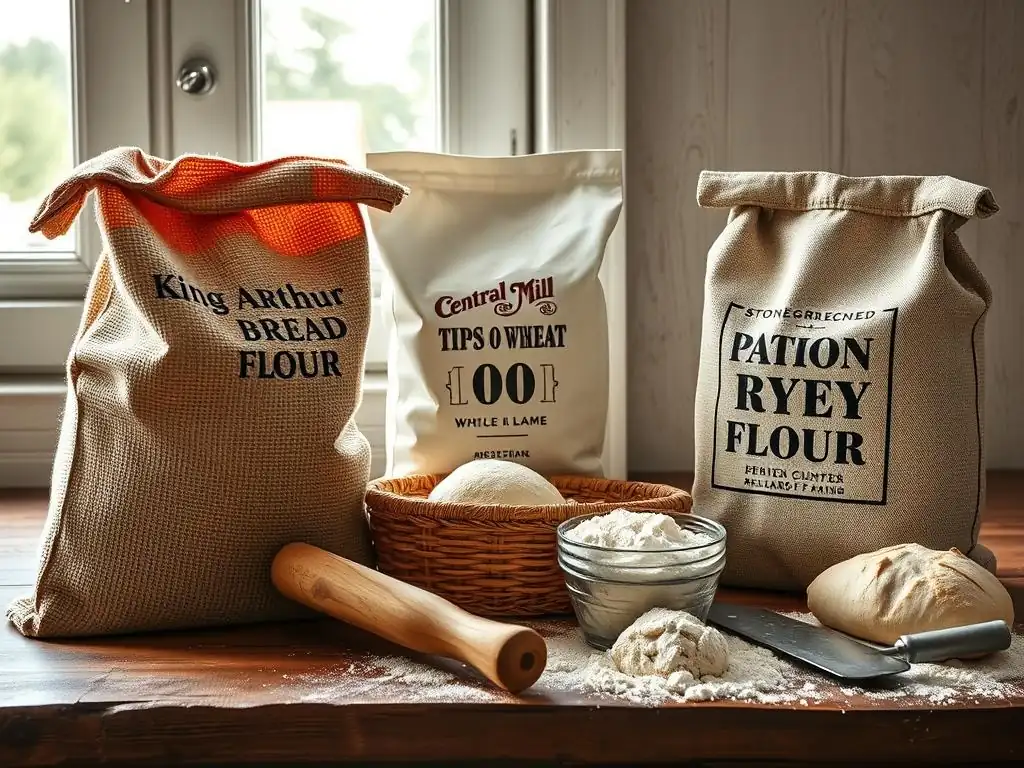
Bread flour is specifically milled from hard wheat varieties, resulting in a higher protein content, typically ranging from 12% to 14%. This elevated protein level is crucial for developing strong gluten, which is essential for the structure and volume of yeast-leavened breads. The robust gluten network in bread flour allows dough to stretch and expand without tearing, capturing fermentation gases effectively.
This leads to a well-risen loaf with a satisfying chew and often a more open crumb structure compared to bread made with lower-protein flours. It's a go-to choice for many bakers tackling recipes for sandwich loaves, rolls, and especially artisan breads like baguettes and sourdough.
Its versatility makes bread flour a staple for anyone serious about baking yeast-leavened goods. While protein content is a key factor, the quality of the protein and the milling process also matter. Different brands of bread flour can vary slightly in absorption and performance.
For instance, some brands might absorb more water than others, requiring minor adjustments to recipes. Its reliability and consistent performance in developing strong dough make it an excellent foundation, though some bakers might blend it with other flours to achieve specific flavor or texture profiles, particularly when seeking the best flour for sourdough bread with unique characteristics.
Whole Wheat Flour: Enhancing Flavor and Nutrition
Whole wheat flour is produced by grinding the entire wheat kernel, including the bran, germ, and endosperm. This inclusion of all parts of the grain contributes significantly more fiber, vitamins, and minerals compared to refined white flours. Nutritionally, it's a powerhouse, but its impact on bread texture is substantial.
The presence of bran and germ adds a rich, nutty, and sometimes slightly bitter flavor, which is highly prized in many rustic and whole grain breads. However, the sharp edges of the bran particles can interfere with the formation and development of the gluten network, potentially resulting in a denser loaf with less volume if used as 100% of the flour.
To mitigate the impact on gluten while still benefiting from whole wheat's flavor and nutrition, bakers often use it in combination with bread flour or all-purpose flour. Blending 20-50% whole wheat with strong white flour allows for better gluten development while still imparting the characteristic whole grain taste and color.
When using 100% whole wheat, techniques like extended autolyse (soaking the flour and water before adding other ingredients) or incorporating a tangzhong or yudane (cooked flour paste) can help improve hydration and soften the bran, leading to a softer crumb and better rise. For sourdough bakers looking to add depth and nutrition, incorporating whole wheat flour is a popular strategy.
Einkorn Flour: An Ancient Grain Option
Einkorn is considered one of the oldest cultivated wheat varieties, dating back thousands of years. Using einkorn flour introduces a unique flavor profile to bread – often described as rich, nutty, and slightly sweet, with hints of butterscotch. Nutritionally, einkorn boasts higher levels of protein, antioxidants, and minerals like zinc and iron compared to modern wheat.
However, its gluten structure is different; while it contains gluten, the protein composition (particularly a higher ratio of gliadin to glutenin) results in a weaker network that is less elastic and more extensible than modern wheat gluten. This means dough made with 100% einkorn flour can be stickier and less able to hold its shape and trap gases as effectively as dough made with strong modern wheat flour.
Baking with einkorn flour requires some adjustments. It tends to absorb liquids more slowly initially but can become quite sticky if over-hydrated. Recipes often call for lower hydration levels or specific techniques like using a stand mixer or working with wet hands.
Because its gluten is weaker, einkorn bread typically results in a denser crumb compared to loaves made with high-protein bread flour. However, the unique flavor and nutritional benefits make it a worthwhile flour to experiment with, either on its own for specific types of bread or blended with stronger flours to add complexity to loaves like sourdough. For bakers exploring ancient grains, einkorn offers a fascinating glimpse into historical baking and a distinct taste experience.
King Arthur Baking Company Flour: Pros and Cons
King Arthur Baking Company is a well-regarded name in the baking community, known for its high-quality flours. Their Unbleached Bread Flour is a popular choice, typically boasting a consistent protein content around 12.7%. This reliability is a significant 'pro'; bakers can trust that they will get consistent results loaf after loaf, which is invaluable when developing recipes or striving for repeatable success, especially with sensitive processes like sourdough baking.
Their flours are also unbleached and contain no bromates, appealing to bakers who prefer fewer additives. The quality of the wheat and milling process generally leads to good absorption and strong gluten development, making it an excellent choice for high-hydration artisan doughs and producing good oven spring and crumb structure.
However, there are potential 'cons'. King Arthur flours are generally more expensive than commodity flours found in conventional grocery stores. For high-volume bakers or those on a tight budget, this cost difference can be a factor.
While widely available in the US, access might be limited in other regions. Some bakers might find the protein content, while high, isn't quite as robust as some specialized artisan bread flours (which can reach 13-14%+ protein), potentially requiring slight adjustments for extremely high-hydration doughs or specific sourdough techniques aiming for maximum oven spring. Despite these minor points, King Arthur's commitment to quality makes their flours a solid, dependable option for many bakers seeking the best flour for sourdough bread and other artisan loaves.
Central Milling Flour: Pros and Cons
Central Milling is a favorite among professional bakers and serious home enthusiasts, particularly those focused on artisan and sourdough bread. They offer a wide range of flours, including many organic and specialty options milled from diverse wheat varieties. A major 'pro' is the exceptional quality and consistency of their flours.
Their High Mountain Organic All-Purpose Flour, for instance, has a protein content often around 11.5%, performing more like a strong bread flour from other companies, while their bread flours often exceed 13% protein, providing outstanding gluten development and structure for high-hydration doughs. Their flours are known for excellent absorption and fermentation characteristics, crucial for long, slow sourdough ferments, and they contribute to superior flavor due to the quality of the grains and milling process.
The primary 'con' for Central Milling is accessibility and price. While they have expanded their retail presence, their flours are not as widely available as national brands like King Arthur and are often found in specialty stores or require online ordering, which adds shipping costs. This makes them a more expensive option.
Their extensive range can also be overwhelming for beginners; understanding the nuances between their various bread and artisan flours might require some research. Despite being less convenient and more costly, for bakers prioritizing peak performance, flavor, and seeking the best flour for sourdough bread, Central Milling's quality often justifies the extra effort and expense, delivering results that are hard to match with more common flours.
Gluten Development: The Key to Bread Structure
Achieving Optimal Gluten Strength for Bread Rise
Achieving optimal gluten strength is fundamental to successful bread baking, especially for loaves that require significant rise and structure, like artisan breads and sourdough. Gluten develops when the proteins gliadin and glutenin in flour are hydrated and manipulated through processes like mixing, kneading, or folding.
As these proteins link together, they form a viscoelastic network that provides the dough with elasticity (the ability to spring back) and extensibility (the ability to stretch without breaking). This network is what traps the carbon dioxide gas produced by yeast or sourdough starter, allowing the dough to inflate during proofing and expand dramatically during oven spring.
The level of gluten development required depends on the type of bread. A light, airy loaf like ciabatta or a well-risen sourdough demands substantial gluten development, often achieved through vigorous kneading or multiple sets of stretch-and-folds over several hours. A soft sandwich bread might require less intensive kneading.
Factors influencing gluten development include the flour's protein content (higher protein = stronger potential gluten), hydration level (sufficient water is needed for the proteins to bond), and mixing/kneading time. Under-developed gluten results in a dense, low-volume loaf, while over-developed gluten can make the dough tight and difficult to work with, potentially leading to a tough texture. Finding the sweet spot is key to achieving the desired crumb structure and rise.
Techniques for Assessing Flour Gluten Potential
Bakers can use several techniques to assess the gluten potential of a flour and the development of their dough. A simple method for evaluating flour is the "chew test" or "wash test," although these are more for understanding protein content than gluten potential in baking. A more practical method is the windowpane test during kneading. Take a small piece of dough and gently stretch it between your fingers. If the dough can be stretched thin enough to see light through it without tearing, it indicates sufficient gluten development. If it tears easily, it needs more mixing or folding.
Another approach involves observing the dough's behavior during bulk fermentation and proofing. A dough with good gluten development will hold its shape reasonably well, especially after folding, and will show significant volume increase. It will also exhibit surface tension.
For high-hydration doughs, assessing the dough's strength during stretch-and-folds is crucial; a well-developed dough will become progressively smoother, more elastic, and resist tearing with each set of folds. Experienced bakers also learn to judge gluten development by feel – a properly kneaded or folded dough will feel alive, smooth, and elastic. Understanding these tactile and visual cues is vital for adapting techniques based on the specific flour being used, helping bakers determine the best flour for sourdough bread recipes and how to handle it.
Beyond Artisan Bread: Other Flour Applications
All-Purpose Flour: Bread's Versatile Cousin
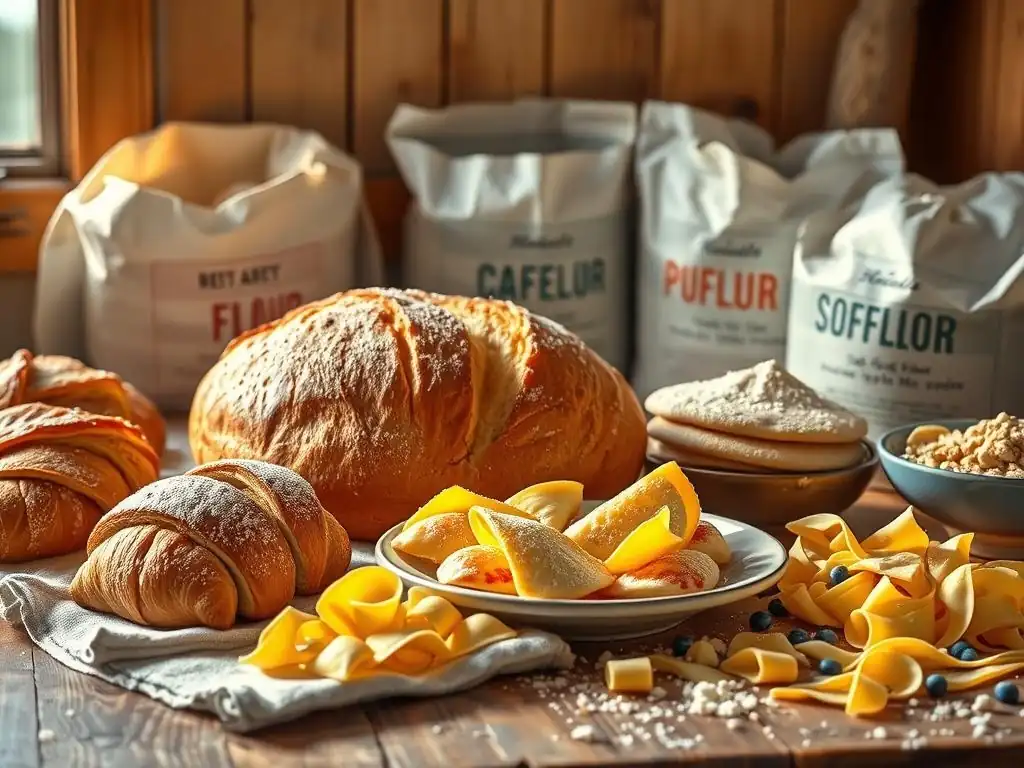
All-purpose flour, often simply labeled "AP flour," is a blend of hard and soft wheat flours, designed to be suitable for a wide range of baking applications, from cakes and cookies to muffins and, yes, some breads. It typically has a moderate protein content, usually between 10% and 12%.
This makes it versatile, but it doesn't provide the same level of structural support as dedicated bread flour. While you can make bread with all-purpose flour, especially simpler recipes like quick breads or softer yeast breads, it generally results in a loaf with less volume and a tighter crumb compared to one made with higher-protein bread flour.
Despite its limitations for achieving truly open-crumbed artisan loaves, all-purpose flour remains a staple for many home bakers due to its accessibility and utility. It works well for recipes where a tender crumb is desired, such as brioche or challah, or for enriched doughs where eggs and butter also contribute to structure.
It can also be used in blends with higher-protein flours to achieve a specific texture or protein percentage. For bakers just starting out or baking a variety of goods, all-purpose flour is a convenient option, though those focused on mastering crusty loaves or seeking the best flour for sourdough bread might find themselves reaching for bread flour more often.
Semolina Flour: For Pasta and Some Breads
Semolina flour is a coarse flour milled from durum wheat, a particularly hard variety of wheat with a high protein content (often 13% or more). It is most famously used for making pasta, where its high protein and unique gluten structure contribute to pasta's firm texture and ability to hold its shape when cooked. However, semolina is also used in bread baking, particularly in Mediterranean regions like Italy. Semolina bread, often made from 100% semolina or a blend with bread flour, has a distinctive pale yellow color, a slightly sweet, nutty flavor, and a rustic crust.
When used in bread, semolina contributes to a hearty texture and a slightly different crumb structure than bread made solely with common bread flour. Its coarse grind means it absorbs water differently and can require higher hydration. While high in protein, the gluten in durum wheat behaves differently than that in common wheat, sometimes resulting in a denser crumb if not handled properly.
Recipes often involve soaking the semolina or using a preferment (like a poolish or biga) to ensure adequate hydration and gluten development. Adding a percentage of fine semolina (sometimes called semola rimacinata) to white bread flour can enhance flavor, color, and crust crispness, offering an interesting variation for bakers exploring different bread styles.
Spelt Flour: A Nutty Alternative
Spelt (Triticum spelta) is an ancient grain, a subspecies of wheat, that has seen a resurgence in popularity. Spelt flour offers a distinct, mildly nutty and slightly sweet flavor profile compared to modern wheat. Nutritionally, it's comparable to modern wheat, providing fiber and nutrients. While spelt contains gluten, its structure is different and generally more fragile or water-soluble than the gluten in modern hard wheat. This means spelt doughs tend to be less elastic and can become sticky or lose structure if overmixed or over-proofed.
Baking with 100% spelt flour often results in denser loaves with a fine, tender crumb, as the gluten network doesn't trap gas quite as effectively as strong wheat flour. Spelt doughs usually require shorter kneading times and gentle handling.
Many bakers find success using spelt flour in blends, typically replacing 20-50% of the total flour in a recipe with spelt to add its unique flavor and nutritional benefits while relying on the stronger gluten of modern wheat flour for structure. For bakers looking to experiment with ancient grains and add a pleasant, mild flavor to their loaves, including sourdough, spelt flour is an excellent alternative to explore.
Gluten Development: The Key to Bread Structure
Achieving Optimal Gluten Strength for Bread Rise
As discussed previously, gluten development is the backbone of bread structure, especially in yeast-leavened and sourdough loaves. The goal is to create a strong yet extensible network that can contain the gases produced during fermentation and expand gracefully during baking. For many artisan breads, this means aiming for a high level of gluten development, often achieved through methods like intensive kneading, stretch-and-folds, or using a stand mixer with a dough hook. The ideal dough will feel smooth, elastic, and capable of holding its shape while remaining pliable.
Consider a high-hydration sourdough dough made with 75% hydration. Initial mixing might result in a shaggy, loose mass. Through a series of 4-6 sets of stretch-and-folds performed over 2-3 hours during the bulk fermentation, the dough transforms.
With each fold, the gluten strands align and strengthen. By the final fold, the dough is cohesive, elastic, and has significant surface tension, indicating strong gluten development ready to support the long fermentation and achieve excellent oven spring. Techniques like autolyse (mixing flour and water and letting it rest before adding starter/yeast and salt) can also kickstart gluten development and improve dough handling, particularly with high-protein flours or those containing whole grains.
Techniques for Assessing Flour Gluten Potential
Beyond the windowpane test, bakers can develop an intuitive sense for a flour's gluten potential and the dough's development. Observing how the dough behaves during bulk fermentation provides clues. A dough with good potential and development will show significant bubbling and will gain volume steadily. When gently poked, it should spring back slowly, indicating both elasticity and extensibility. If it springs back immediately, it might be underdeveloped or too tight; if the indentation remains, it might be over-proofed or have weak gluten.
Another indicator is how easily the dough shapes during pre-shaping and final shaping. A dough with well-developed gluten will hold its tension and shape effectively without becoming sticky or tearing. For bakers experimenting with different flours or seeking the best flour for sourdough bread, paying close attention to how the dough feels and behaves throughout the process – from initial hydration through shaping – provides invaluable information about the flour's characteristics and the success of gluten development techniques applied. Keeping a baking journal to note observations about different flours can help refine your approach over time.
Beyond Artisan Bread: Other Flour Applications
All-Purpose Flour: Bread's Versatile Cousin
All-purpose flour's moderate protein content (10-12%) makes it a jack-of-all-trades in the kitchen. While it may not build the strongest gluten network for super-airy artisan loaves compared to bread flour, it performs admirably in softer bread recipes like dinner rolls, sandwich loaves made with a tangzhong, or enriched doughs such as brioche or cinnamon rolls. In these applications, the goal isn't always maximum volume or an open crumb; tenderness and a fine, even texture are often more desirable, which AP flour can provide.
Furthermore, all-purpose flour is often the standard flour called for in many general baking recipes, from quick breads like banana bread to muffins, scones, cookies, and cakes. Its balanced protein level allows it to perform well in recipes that require some structure (like cookies that hold their shape) but not excessive gluten development (like tender cakes or biscuits). For a home baker who bakes a variety of items, keeping a bag of reliable all-purpose flour on hand is practical, though understanding its limitations for certain bread styles is important.
Semolina Flour: For Pasta and Some Breads
Semolina, milled from hard durum wheat, is renowned for its role in pasta making, providing the necessary structure to hold shape during boiling. Its high protein content (often 13%+) contributes to this. In bread baking, particularly in Southern Italy and other Mediterranean regions, semolina flour is used to create loaves with a unique character. Pane di Altamura, a famous PDO (Protected Designation of Origin) bread from Apulia, is traditionally made using specific durum wheat semolina from the region. These breads often feature a thick crust and a dense, moist crumb with a distinct yellow hue and nutty flavor.
Working with semolina in bread dough requires understanding its hydration properties; it absorbs water more slowly initially than common wheat flour but can become very sticky. Recipes often incorporate a pre-ferment (like a sourdough starter built with semolina) or a period of autolyse to ensure the flour is fully hydrated before mixing. While 100% semolina breads are distinct, blending semolina (especially the finer 'rimacinata' type) with bread flour is common to add flavor, color, and crust quality to more conventional wheat loaves, including sourdough variations.
Spelt Flour: A Nutty Alternative
Spelt flour's subtle, nutty flavor makes it a popular choice for adding complexity to baked goods, including bread. Its gluten structure is different from modern wheat, being more fragile and water-soluble. This characteristic means spelt doughs require gentle handling and shorter mixing times to avoid breaking down the gluten network. Over-mixing can lead to a sticky, unmanageable dough and a dense, gummy crumb.
When used in bread, 100% spelt flour typically produces a loaf with a tighter crumb and less overall volume compared to bread made with strong bread flour. However, the flavor is unique and appealing. Many bakers find the best results come from substituting a portion of the white flour with spelt, typically 20-50%.
This allows the stronger modern wheat gluten to provide structure while the spelt contributes its distinctive taste and nutritional benefits. Spelt works well in both yeasted and sourdough recipes, adding a pleasant dimension to the final loaf without drastically altering the baking process if used in moderation.
Flour Storage: Maintaining Freshness and Quality
Preventing Flour Spoilage: Best Practices
Proper storage is crucial for maintaining the quality and freshness of your flour, preventing spoilage from pests, moisture, and oxidation. Flour should always be stored in a cool, dry, and dark place. Heat and moisture are enemies of flour; they can accelerate oxidation, leading to rancidity (especially in whole grain flours due to the germ's oils), and create an environment conducive to mold growth. The ideal storage temperature is below 60°F (15°C), though standard room temperature is acceptable if kept consistently cool and dry.
A significant threat is pantry pests, such as flour beetles or moths. To prevent infestations, always transfer flour from its original paper bag into an airtight container immediately after purchase. If you buy large quantities or specialty flours, consider storing them in the refrigerator or freezer for longer periods.
Refrigerated flour will last longer than at room temperature, and freezing can extend its shelf life significantly (up to a year or more for white flour, maybe 6 months for whole grain). Before using frozen flour, allow it to come to room temperature to avoid condensation, which can affect hydration. Freezing is particularly recommended for whole wheat flour and the best flour for sourdough bread if bought in bulk, as they are more prone to spoilage.
Optimal Flour Storage Container Options
Choosing the right container is paramount for effective flour storage. The goal is an airtight seal to protect the flour from moisture, odors, and pests. The original paper bags are permeable and offer little protection. Ideal containers include food-grade plastic bins with airtight lids, glass jars with rubber seals, or metal tins with tight-fitting covers. The size of the container should be appropriate for the amount of flour to minimize air space.
For standard quantities (2-5 lbs), reusable plastic containers specifically designed for dry goods or large glass jars work well. For larger quantities or bulk purchases, consider larger plastic storage bins with secure clamp-down lids. Ensure the containers are clean and completely dry before adding flour. If storing in the freezer, heavy-duty freezer bags or vacuum-sealed bags are also effective. Labeling the container with the type of flour and purchase date is a helpful practice to keep track of freshness, particularly when managing different flour varieties like those you might use to find the best flour for sourdough bread.
Common Problems with Bread Dough and Flour Quality
Many common bread baking frustrations can be traced back to the flour used. A dough that is too sticky and won't develop structure despite proper kneading might indicate a flour with low protein content or poor protein quality.
Conversely, a dough that is stiff and difficult to knead or stretch could be made with flour that is too high in protein for the recipe or requires more hydration. Lack of oven spring, resulting in a dense, flat loaf, is often a sign of insufficient gluten development, which can be due to the flour's properties or inadequate mixing/fermentation techniques for that specific flour.
Flavor issues can also stem from flour. Rancid smells or off-flavors in whole wheat bread often mean the flour has gone stale due to improper storage, as the oils in the germ have oxidized. A lack of complex flavor in a sourdough loaf, even after a long fermentation, might suggest the flour doesn't contain the necessary enzymes or nutrients to support the metabolic activity of the sourdough cultures, or perhaps the ash content (mineral content) is too low to contribute sufficient flavor compounds. Understanding how different flours behave is key to diagnosing these issues.
Adapting Recipes to Suit Flour Characteristics
Given the variability in flour types and even between brands, it's often necessary to adapt recipes. If using a lower-protein all-purpose flour instead of bread flour in a recipe designed for high-protein flour, you might need to reduce the hydration slightly, knead for a longer time, or incorporate more stretch-and-folds to help build sufficient gluten strength. Conversely, if using a very high-protein flour (14%+) with high absorption, you may need to increase the hydration beyond what the recipe calls for to achieve the desired dough consistency.
When substituting whole wheat or ancient grain flours (like spelt or einkorn) for a portion of white flour, remember that they absorb water differently and can impede gluten development. Starting with a lower substitution percentage (20-30%) is advisable.
You might also need to increase the total hydration slightly to account for the bran and germ absorbing water, and consider using techniques like autolyse or a levain built with the whole grain flour to improve hydration and soften the bran. Paying attention to the dough's feel rather than strictly adhering to water measurements is crucial when adapting recipes based on flour characteristics, especially when searching for the best flour for sourdough bread and experimenting with blends.
Experimenting with Flour Blends for Unique Breads
Creating Custom Flour Blends for Flavor and Texture
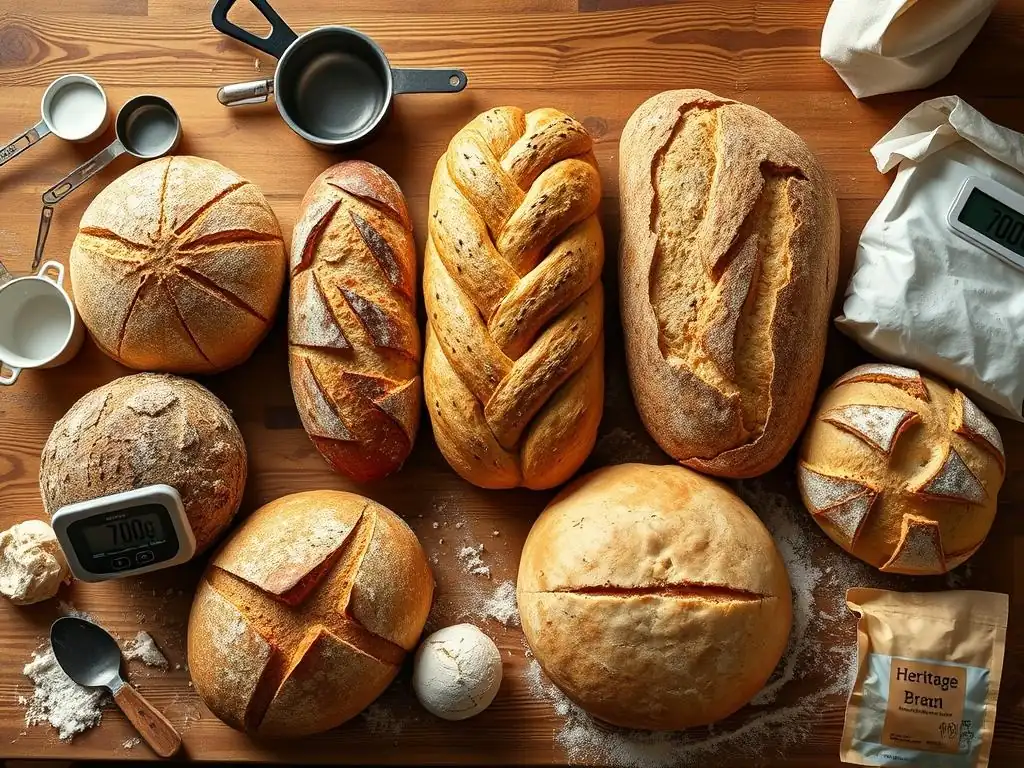
Experimenting with flour blends is a fantastic way to customize the flavor, texture, and nutritional profile of your bread. By combining different types of flour, you can leverage the strengths of each while mitigating their weaknesses. For example, blending high-protein bread flour with a portion of lower-protein all-purpose flour can yield a slightly more tender crumb while still providing good structure. Combining white bread flour with 20-40% whole wheat flour adds fiber, nutrients, and a deep, nutty flavor while maintaining a reasonably open crumb.
Beyond common wheat flours, incorporating small percentages (5-15%) of rye flour can add a distinct tang and moisture retention to wheat breads, including sourdough. Adding a portion of sprouted wheat flour can contribute enzyme activity and a sweeter, richer flavor. Even non-wheat flours like a touch of oat flour or cornmeal can impact texture and flavor. The possibilities are vast; for instance, a popular blend for classic artisan sourdough might be 80% strong bread flour and 20% whole wheat flour, balancing structure, flavor, and nutrition. Documenting your blends and results in a baking journal is highly recommended.
Exploring Regional Flour Varieties for Bread Baking
Exploring flours milled from specific regional wheat varieties or those produced by smaller, local mills can open up a world of flavor and performance unique from large commercial brands. Different wheat varieties, even within the 'hard red spring' or 'hard white winter' categories, have varying protein qualities, absorption rates, and enzymatic activities influenced by climate, soil, and farming practices. For example, flour milled from Turkey Red wheat, a heritage variety, is prized by some bakers for its complex flavor in sourdough.
Small mills often use different milling techniques (like stone milling vs. roller milling) which can impact the flour's characteristics, such as particle size and ash content, further influencing hydration, fermentation, and flavor. Seeking out flour from local farms or regional millers not only supports local agriculture but can also introduce you to flours with exceptional flavor and baking qualities that might be particularly well-suited for specific bread types, potentially revealing a truly unique and the best flour for sourdough bread specific to your area. These flours often have a stronger connection to terroir, much like wine or coffee.
Resources for Further Learning About Bread Flour
Recommended Books and Websites on Flour and Bread
For bakers keen to deepen their understanding of flour and its role in bread baking, numerous excellent resources are available. Books like "Flour Water Salt Yeast" by Ken Forkish provide foundational knowledge and recipes heavily reliant on understanding flour behavior. "The Bread Baker's Apprentice" by Peter Reinhart offers comprehensive information on different flour types and techniques. "Bread" by Jeffrey Hamelman is another highly respected text, often used in professional settings, detailing flour characteristics and their impact on various bread styles.
Online, websites like The King Arthur Baking Company blog offer a wealth of articles, guides, and troubleshooting tips specifically related to flour and baking. The Perfect Loaf website provides detailed guides on sourdough baking, frequently discussing flour types and their influence. Reputable mill websites often provide specifications and usage recommendations for their specific flours. Exploring academic resources or agricultural extension sites can also provide technical details on wheat varieties and milling.
Online Communities for Bread Baking Enthusiasts
Connecting with other bakers through online communities is an invaluable way to learn about flour, share experiences, and troubleshoot issues. Websites like Reddit have active subreddits dedicated to baking (r/baking) and specifically sourdough (r/sourdough), where members frequently discuss flour preferences, share results using different types, and ask for advice on flour-related problems.
Baking forums hosted by popular baking websites or communities centered around specific authors or bakeries also provide platforms for discussion. These communities offer a space to see how different flours perform in real-world home baking scenarios, learn about regional flour availability, and get recommendations on the best flour for sourdough bread or other specific uses from experienced peers. Engaging with these groups can accelerate your learning and provide practical insights not always found in books.
Conclusion: Choosing the Right Flour for Exceptional Bread
Selecting the right flour is arguably the single most important decision a baker makes, profoundly impacting the journey from dough to delicious loaf. We've explored how factors like protein content, milling process, and grain type influence gluten development, hydration, flavor, and the final structure of bread. From the robust performance of high-protein bread flour essential for artisan loaves and the best flour for sourdough bread, to the unique characteristics of whole wheat, spelt, and einkorn, each flour type offers distinct possibilities and challenges.
Understanding the properties of different flours, knowing how to store them properly to maintain quality, and learning to adapt recipes based on the flour you're using are skills that elevate a baker's craft. By experimenting with blends and exploring regional varieties, you can unlock new flavors and textures, making each baking experience a unique adventure. Ultimately, the "best" flour depends on the specific bread you aim to create and your personal preferences. Armed with knowledge about flour's fundamental role and characteristics, you are well-equipped to choose wisely and bake exceptional bread.
Frequently Asked Questions
What type of flour is generally considered the best for making sourdough bread?
The best flour is generally high-protein bread flour. This type provides the gluten needed for the structure of sourdough.
Can I use all-purpose flour to make sourdough bread, and what are the potential drawbacks?
Yes, you can, but the results may vary. All-purpose flour has a lower protein content, leading to a less chewy texture and potentially a flatter loaf.
What is the importance of protein content in flour when baking sourdough?
Protein content is crucial because it determines the amount of gluten development. More gluten means a stronger dough structure and a chewier, more airy bread.
Are there any specific brands of flour that are recommended for sourdough baking?
While brand preference varies, look for brands that clearly state a high protein percentage (typically 12-14%). Experiment to find what works best for your starter and oven.
Besides flour, what other factors significantly impact the quality of sourdough bread?
Beyond flour, the hydration level, starter activity, and baking technique (proofing, scoring, baking time/temperature) are all critical factors in achieving a delicious sourdough loaf.
Final Reflection: The Humble Flour, the Mighty Loaf
The quest for the perfect sourdough loaf often begins—and sometimes ends—with the flour. This seemingly simple ingredient holds the key to unlocking a world of flavor, texture, and baking success. Understanding its nuances, as explored throughout this guide, is not just about achieving a perfect rise; it's about appreciating the artistry and science behind bread making.
The journey into the world of flour has been a deeply enriching one for me, revealing the profound connection between simple ingredients and the complex results they yield. It's a journey that highlights the importance of sourcing high-quality ingredients and understanding their properties. Bread is the staff of life,
they say, and I believe that the quality of that staff is directly related to the quality of the flour we choose. This understanding extends beyond sourdough; it informs our approach to all baking, reminding us to appreciate the foundational elements that make our culinary creations possible.
Now, armed with a deeper understanding of flour types and their characteristics, I invite you to embark on your own baking adventures. Experiment with different flours, explore new techniques, and most importantly, savor the process. Don't be afraid to fail; each failed loaf is a lesson learned, bringing you closer to mastering the art of sourdough and unlocking the potential of this humble ingredient. The perfect loaf awaits – go forth and bake!
Unleash Your Inner Baker: Flour Power Awaits!
Thanks for diving into the world of flour with us! We hope you now feel more confident and empowered in your baking journey. Ready to put your newfound knowledge to the test?
- Master your next bake: Try a recipe you've always wanted to tackle, but felt intimidated by – and see how your understanding of flour types elevates the result. Think sourdough, croissants, or that perfect pie crust!
- Share your flour wisdom: Tell us – and your fellow baking enthusiasts – about your flour experiences! Share a picture of your creations and tag us on social media.
- Explore the BakeWithEase recipe library: We've got plenty more flour-tastic recipes waiting for you to discover!
What's the first flour-based adventure you're going to embark on?