
Preventing Unsightly Cracks in High Altitude Cakes

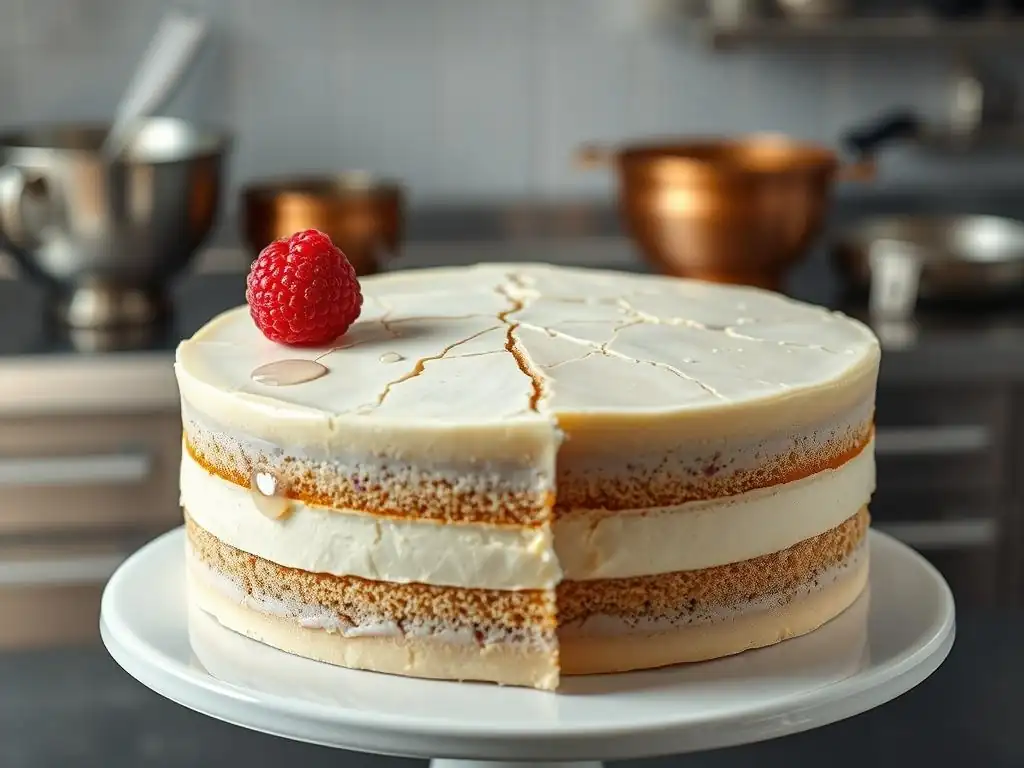
Welcome to BakeWithEase, where mastering the art of baking becomes, well, easy! Are you tired of your beautiful cakes developing unsightly cracks, especially when baking at higher altitudes? Discover the secrets to preventing these fissures in our latest article, " Preventing Unsightly Cracks in High Altitude Cakes." We'll delve into the science and offer practical solutions, leaving you with perfectly smooth and delicious creations. Curious to learn more? Let's get baking!
- Preventing Unsightly Cracks in High Altitude Cakes: A BakeWithEase Guide
- Understanding Why High Altitude Cakes Crack
- High Altitude Cake Cracking Solution: Essential Adjustments for BakeWithEase Bakers
- Step-by-Step Guide to Preventing Cracks in High Altitude Cake Recipes
- Troubleshooting Common High Altitude Cake Problems
- Expert Tips for Perfect High Altitude Cakes from BakeWithEase
- Advanced Techniques for High Altitude Cake Baking
- High Altitude Cake Cracking Solution: Final Thoughts and Best Practices
-
Frequently Asked Questions
- How does high altitude affect cake baking?
- What are some common signs of a high altitude baking problem in cakes?
- What are the most effective adjustments to a cake recipe for high altitude baking?
- Why is flour important in preventing cake cracking at high altitudes?
- What role does oven temperature play in preventing cracks in high altitude cakes?
- Final Reflection: The Sweet Science of High-Altitude Baking
- Unlock Your High-Altitude Baking Secrets!
Preventing Unsightly Cracks in High Altitude Cakes: A BakeWithEase Guide
Understanding Why High Altitude Cakes Crack
Baking at high altitudes presents unique challenges compared to sea level. The lower atmospheric pressure significantly impacts how ingredients react, particularly leavening agents and moisture. Understanding these fundamental differences is the first step toward achieving beautiful, crack-free cakes, offering a key insight into the High altitude cake cracking solution.
The Science Behind Cracking: Air Pressure and Leavening
At higher elevations, the air pressure is lower. This reduced pressure has two primary effects relevant to baking. First, leavening gases (produced by baking powder, baking soda, or yeast) expand more rapidly and to a greater extent than they would at sea level. Imagine tiny balloons inflating inside your batter – at high altitude, these balloons grow bigger, faster. This accelerated expansion can cause the cake structure to stretch thin and eventually rupture before it has fully set, resulting in cracks on the surface.
Secondly, water and other liquids evaporate more quickly at lower atmospheric pressure and often boil at a lower temperature (e.g., water boils at roughly 202°F or 94°C at 5,000 feet, compared to 212°F or 100°C at sea level). This rapid evaporation means your cake batter loses moisture faster during baking.
A drier batter sets more quickly, but the internal expansion of gases can still push against the drying surface, leading to stress and cracking as the cake tries to accommodate the expanding air pockets within a less flexible structure. This interplay of rapid gas expansion and quick moisture loss is central to the High altitude cake cracking solution.
Identifying Common Causes of Cake Cracks at High Altitudes
Several factors contribute to high altitude cake cracking, often stemming from not adjusting a standard sea-level recipe. The most frequent culprits include using too much leavening agent, which creates excessive gas expansion, or not having enough liquid, leading to a dry, rigid batter that can't stretch with the expanding gases.
Another common cause is baking at too high a temperature. While a hot oven might seem like it would set the cake faster, at high altitude, it can cause the outside of the cake to set too quickly while the inside is still rapidly expanding. This creates a rigid crust that cracks under the internal pressure. Additionally, over-mixing the batter can develop too much gluten, resulting in a tough structure that is less able to expand gently and is more prone to cracking. Identifying these issues is crucial for implementing an effective High altitude cake cracking solution.
High Altitude Cake Cracking Solution: Essential Adjustments for BakeWithEase Bakers
Successfully baking cakes at high altitudes requires specific modifications to standard recipes. These adjustments compensate for the differences in air pressure and moisture evaporation, creating a batter that behaves more predictably and sets evenly without splitting. Let's explore the core strategies that form the basis of the High altitude cake cracking solution.
Reducing Leavening Agents: Baking Powder and Baking Soda at High Altitudes
The most direct way to combat the excessive expansion of gases at high altitude is to reduce the amount of chemical leaveners like baking powder and baking soda. Since these agents work more efficiently in lower pressure, you simply don't need as much to achieve the desired lift. A common starting point for altitude around 3,000 feet (approx.
900 meters) is to reduce the baking powder by about 1/8 to 1/4 teaspoon per teaspoon called for in the recipe. For altitudes above 5,000 feet (approx. 1500 meters), you might need to reduce it by as much as 1/4 to 1/2 teaspoon per teaspoon.
Similarly, baking soda, which often reacts with acidic ingredients like buttermilk or vinegar, also needs reduction. The exact amount depends on the recipe, but a general guideline is to reduce it proportionally to baking powder. Reducing leaveners slows down the rise, allowing the cake structure more time to set before the maximum expansion occurs, significantly contributing to a successful High altitude cake cracking solution. It's often best to start with a small reduction and adjust in subsequent bakes based on the results.
Increasing Liquid Content: Hydrating Your Cake Batter for High Altitude Baking
With faster evaporation rates, high altitude batters tend to dry out more quickly during baking. To counteract this, you need to increase the liquid content in your recipe. Adding extra moisture helps keep the batter pliable and allows it to expand more gracefully with the rising gases, reducing the stress on the developing crust.
A typical adjustment is to add 1 to 2 tablespoons of liquid (like milk, water, or buttermilk, depending on the recipe) per cup of liquid already specified in the original recipe. For richer cakes, you might also consider adding an extra egg, particularly the yolk, which adds moisture and richness without contributing too much additional protein that could toughen the cake.
This added hydration is a critical component of the High altitude cake cracking solution, ensuring the cake remains moist and flexible enough to bake evenly. Start with a smaller increase and add more if your cake still turns out dry or cracks excessively.
Adjusting Oven Temperature: Lowering the Heat for Even Baking
Baking at a slightly lower temperature for a slightly longer time is a key High altitude cake cracking solution. A standard sea-level temperature (often 350°F or 175°C) can cause the exterior of the cake to set too quickly at high altitude, creating a rigid shell that cracks under internal pressure.
Reducing the oven temperature by about 15-25°F (8-14°C) helps the cake bake more evenly from the outside in. For example, if a recipe calls for 350°F, try baking at 325°F (160°C) instead. This slower, gentler heat allows the cake's structure to develop more gradually alongside the expanding gases, providing a more flexible structure that is less prone to cracking. While the baking time will increase, this adjustment is vital for preventing the surface from setting prematurely.
Strengthening the Gluten Structure: Adding Extra Flour or Gluten
Sometimes, despite reducing leavening and increasing liquid, the cake structure at high altitude can still be too delicate to support the increased expansion. In these cases, slightly strengthening the gluten structure can provide the necessary support, offering another facet of the High altitude cake cracking solution.
You can achieve this by adding a small amount of extra flour – typically 1 to 2 tablespoons per cup of flour in the original recipe. This extra flour provides more structure to hold the expanding gases. Alternatively, for more challenging recipes, adding a teaspoon or two of vital wheat gluten per cup of flour can significantly strengthen the batter's framework. Be cautious not to add too much, as this can result in a tough or dense cake. The goal is to provide just enough extra support to handle the expansion without becoming overly rigid.
Step-by-Step Guide to Preventing Cracks in High Altitude Cake Recipes
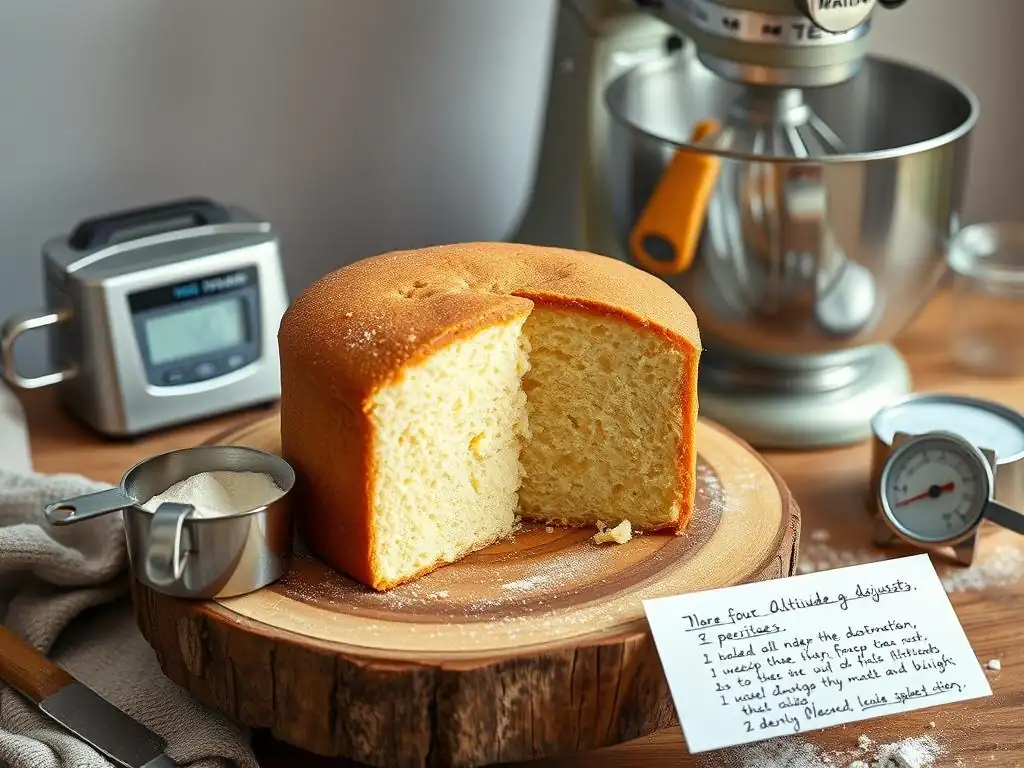
Implementing the High altitude cake cracking solution involves more than just adjusting ingredients; proper technique is equally important. Following a careful process from start to finish can significantly improve your chances of baking a flawless, crack-free cake at elevation.
Step 1: Precise Measurement of Ingredients for High Altitude Baking
- Use a digital scale for accuracy, especially for flour and sugar. Volume measurements can be inconsistent, particularly with flour, which can be packed differently.
- Measure leavening agents, liquids, and flour precisely according to your high-altitude adjusted recipe. Even small errors in these critical components can impact the final result.
- Ensure all ingredients are at room temperature unless the recipe specifically states otherwise. This helps them combine smoothly and evenly.
Accurate measurement is the foundation of successful high-altitude baking. Since the margin for error is smaller due to the environmental conditions, ensuring you have the exact amounts of your adjusted ingredients is paramount for a reliable High altitude cake cracking solution.
Step 2: Mixing Techniques to Avoid Over-Mixing
- Follow the recipe's mixing instructions carefully.
- Cream butter and sugar until just light and fluffy – over-creaming incorporates too much air, which will expand excessively at high altitude.
- Add dry and wet ingredients alternately, starting and ending with the dry.
- Mix until just combined. Stop as soon as you no longer see streaks of dry ingredients.
- Use a rubber spatula to scrape down the sides and bottom of the bowl to ensure everything is incorporated without overworking the batter.
Over-mixing develops gluten, which can make the cake tough and less able to expand without cracking. Gentle mixing is a crucial part of the High altitude cake cracking solution, allowing the cake to rise with flexibility.
Step 3: Preparing Your Cake Pans Properly: Greasing and Flour
- Generously grease your cake pans using butter, shortening, or a non-stick baking spray specifically designed for baking.
- Flour the greased pans, rotating the pan to coat the bottom and sides evenly. Tap out any excess flour.
- For extra insurance against sticking and to promote even rising, you can line the bottom of the pan with parchment paper after greasing and before flouring.
Proper pan preparation ensures the cake releases cleanly after baking. While not a direct High altitude cake cracking solution itself, a cake stuck in the pan can easily crack upon removal. A well-prepared pan also allows the cake to rise freely up the sides, which can help prevent doming and central cracking.
Step 4: Monitoring Oven Temperature and Baking Time
- Use an oven thermometer to verify your oven's internal temperature. Ovens can often be off by 25-50°F (14-28°C) or more, which is significant for high-altitude baking. Adjust your oven dial accordingly.
- Preheat your oven for at least 15-20 minutes to ensure it reaches and maintains the correct, adjusted temperature throughout the bake.
- Start checking the cake for doneness a few minutes before the adjusted recipe time suggests. High altitude cakes can sometimes bake faster despite the lower temperature due to rapid evaporation.
Consistent and accurate oven temperature is vital. Baking too hot or in an oven with fluctuating temperatures can easily lead to cracks. Monitoring closely ensures you pull the cake at the perfect moment, preventing both under-baking (which can cause collapse) and over-baking (which leads to dryness and potential cracking). This step solidifies the benefits of the High altitude cake cracking solution adjustments.
Step 5: Cooling the Cake Correctly to Prevent Cracking
- Once removed from the oven, let the cake cool in the pan on a wire rack for the amount of time specified in the recipe (usually 10-15 minutes). This allows the cake structure to stabilize slightly before handling.
- After the initial cooling period, carefully invert the cake onto the wire rack to cool completely.
- Ensure the cake is fully cooled before frosting or decorating.
Sudden temperature changes or handling a cake while it's still too hot can cause it to crack or break. Allowing it to cool gradually and completely on a wire rack promotes air circulation and gentle cooling, helping the structure firm up without stress. Proper cooling is the final step in the High altitude cake cracking solution process, ensuring your perfectly baked cake remains intact.
Troubleshooting Common High Altitude Cake Problems
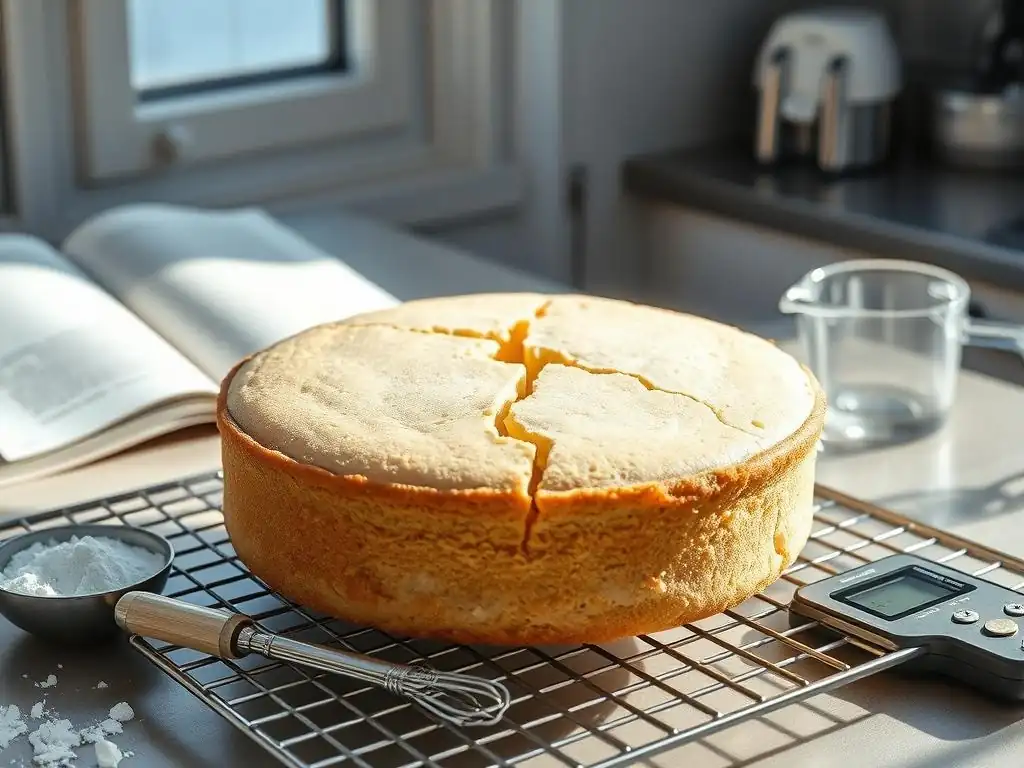
Even with adjustments, high-altitude baking can be tricky. Sometimes, despite your best efforts following the High altitude cake cracking solution principles, you might encounter issues. Understanding how to diagnose and address these common problems is key to refining your high-altitude baking skills.
What to Do if Your Cake Still Cracks After Adjustments
If your cake continues to crack even after reducing leavening, increasing liquid, and lowering the oven temperature, it suggests you may need to make further, more significant adjustments. Revisit your recipe and consider the following:
- Further Reduce Leavening: You might need to reduce baking powder/soda slightly more than you initially did. For very high altitudes (above 7,000 feet or 2100 meters), reductions can be quite substantial.
- Increase Liquid Again: Add another tablespoon or two of liquid. The batter should look slightly wetter than a sea-level batter.
- Strengthen Structure: Consider adding 1-2 tablespoons of extra flour per cup or incorporating a small amount of vital wheat gluten (1-2 teaspoons per cup of flour).
- Check Oven Calibration: Use a reliable oven thermometer again. Is the temperature truly stable and accurate?
- Mixing Technique: Ensure you are not over-mixing at any stage, especially after adding the dry ingredients.
Persistent cracking is often a sign that the internal pressure is still too high for the batter's structure. Systematically adjusting the leavening, liquid, and structure will help you find the right balance for your specific altitude and recipe.
Addressing a Dry Cake at High Altitude
A dry cake at high altitude is almost always a sign of insufficient moisture or over-baking, both of which can be linked to the rapid evaporation rates. If your cake is dry, even if it didn't crack, focus on these adjustments:
- Increase Liquid: Add more liquid (milk, water, etc.) in your next attempt, beyond the initial high-altitude adjustment. Aim for a batter that feels slightly looser.
- Add Fat: Consider adding an extra tablespoon or two of butter or oil, or incorporating an extra egg yolk, which adds moisture and richness.
- Reduce Baking Time: Even at a lower temperature, the cake might be baking too long. Start checking for doneness earlier than you think necessary.
- Check Oven Temperature: Ensure your oven isn't running hotter than your adjusted setting.
Increasing moisture and reducing baking time are the primary strategies for combating dryness, a common side effect of the high-altitude environment's impact on baking. This is a critical part of the overall High altitude cake cracking solution approach, as a dry cake is also a brittle cake.
Dealing with a Dense Cake at High Altitude
Density in a high-altitude cake can result from several issues, including too little leavening, too much structure (from flour/gluten or over-mixing), or insufficient baking time.
- Check Leavening: Did you reduce the leavening too much? If the cake is dense and doesn't rise well, you might need to slightly increase the baking powder/soda from your previous attempt.
- Review Flour/Gluten Additions: If you added extra flour or gluten, did you add too much? Reduce the amount slightly in your next bake.
- Mixing: Were you careful not to over-mix? Over-developed gluten creates a tough, dense crumb.
- Baking Time: Is the cake fully baked? An underbaked cake can be dense and gummy in the center. Ensure it passes the toothpick test cleanly.
- Oven Temperature: Is the oven too cool? While we suggest lowering the temperature, lowering it too much can result in poor oven spring and a dense cake. Ensure it's within the recommended 15-25°F reduction range.
Finding the perfect High altitude cake cracking solution involves balancing lift, moisture, and structure. If your cake is dense, it indicates that this balance is off, and you need to tweak your adjustments to allow for proper rising and a tender crumb.
Expert Tips for Perfect High Altitude Cakes from BakeWithEase
Achieving consistently perfect cakes at high altitude goes beyond basic adjustments. Drawing on experience and understanding the nuances of high-altitude baking can elevate your results. Here are some expert tips from BakeWithEase to help you master the High altitude cake cracking solution.
Choosing the Right Cake Recipe for High Altitude
Some cake recipes are inherently more forgiving at high altitudes than others. Generally, recipes that are lower in fat and sugar and higher in liquid are more challenging to adapt successfully. Cakes like angel food or chiffon, which rely heavily on egg whites for leavening, require significant adjustments and can be particularly prone to collapse or rubberiness.
Recipes that are richer, containing more butter, oil, and eggs, tend to be more stable and easier to adapt. Pound cakes or butter cakes, for example, often yield better results with standard high-altitude adjustments. Starting with a recipe known to be adaptable or one specifically formulated for high altitude can save you frustration and lead to success more quickly in your quest for a High altitude cake cracking solution.
Adapting Existing Cake Recipes for High Altitude Success
Adapting a favorite sea-level recipe requires a systematic approach. Don't try to make all the adjustments (leavening, liquid, temperature, flour) at once in your first attempt. Start with the most common changes: reduce leavening and increase liquid. Bake the cake and evaluate the results.
Based on the outcome (cracking, dryness, density, excessive doming), make further, incremental adjustments for your next bake. Keep detailed notes on the original recipe, your adjustments, the altitude you're baking at, and the results. This iterative process is key to perfecting the High altitude cake cracking solution for your specific recipe, oven, and altitude. Over time, you'll develop an intuition for what adjustments a particular type of recipe needs.
The Importance of High-Quality Ingredients
Using fresh, high-quality ingredients is always important in baking, but it becomes even more critical at high altitude where the margin for error is smaller. Fresh leavening agents are essential – baking powder and baking soda lose their potency over time, and using old leaveners can result in poor rise and a dense cake, undermining your High altitude cake cracking solution efforts.
Ensure your flour is fresh and stored properly. Eggs should be fresh, and dairy products should not be past their prime. Quality ingredients react more predictably and contribute to a better structure and flavor. While ingredient quality alone won't solve high-altitude issues, using subpar ingredients can certainly make them worse.
Advanced Techniques for High Altitude Cake Baking
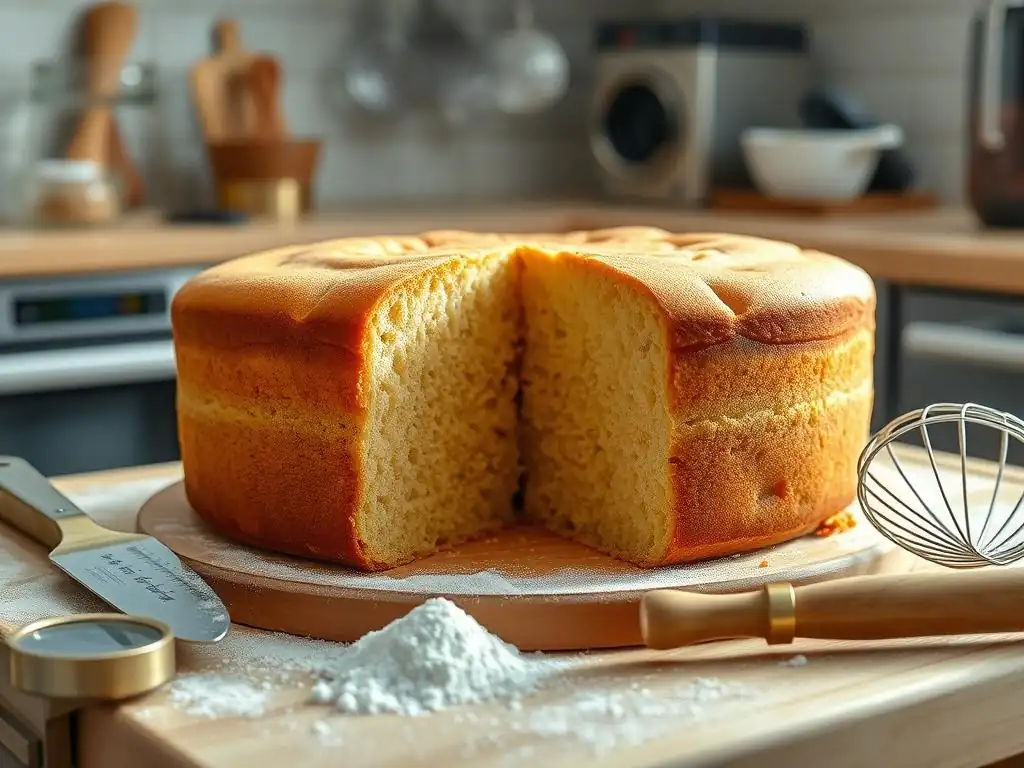
Once you've mastered the basic adjustments, you might want to explore advanced techniques that can further improve the texture and appearance of your high-altitude cakes, providing extra layers to your High altitude cake cracking solution strategy.
Using Cake Strips for Even Baking
Cake strips are fabric bands that are soaked in water and wrapped around the outside of the cake pan before baking. The moisture in the strips helps insulate the sides of the pan, causing the cake to bake more evenly from the edges to the center.
This technique prevents the outside edges from setting and potentially cracking before the center has finished rising. Using cake strips can help produce a cake with a flatter top and a more uniform crumb, reducing the likelihood of unsightly cracks caused by uneven baking. They are a simple yet effective tool for achieving a smoother surface on your high-altitude cakes.
Baking with a Water Bath
A water bath (or bain-marie) is a technique where you place your cake pan inside a larger pan filled with hot water, and then place the entire setup in the oven. The water bath creates a moist, gentle heat environment around the cake.
This method is particularly useful for delicate cakes like cheesecakes, but it can also benefit standard cakes at high altitude. The moist heat slows down the setting of the cake's outer edges and top, allowing the interior to catch up and expand more gradually. This uniform, gentle baking significantly reduces the stress on the cake structure and is a powerful High altitude cake cracking solution, especially for recipes prone to cracking.
Experimenting with Different Flours
The type of flour used can impact the structure of a high-altitude cake. All-purpose flour is standard, but experimenting with cake flour, which has a lower protein content, or even a blend, can sometimes yield a more tender crumb less prone to cracking.
Lower protein flours develop less gluten when mixed, resulting in a more tender and less rigid structure. While you still might need to add a touch of extra flour overall as part of your High altitude cake cracking solution, using a base of cake flour can sometimes provide a better starting point for a softer, more flexible batter that can handle the increased expansion. Keep notes on how different flours affect your results.
High Altitude Cake Cracking Solution: Final Thoughts and Best Practices
Baking at high altitudes requires patience, practice, and a willingness to experiment. While it presents unique challenges, understanding the science behind why cakes crack and implementing the appropriate adjustments empowers you to bake delicious, beautiful cakes no matter your elevation. The journey to a perfect High altitude cake cracking solution is one of continuous learning and refinement.
Key Takeaways for Baking Crack-Free Cakes at High Altitudes
- Reduce Leavening: Combat excessive gas expansion by using less baking powder and baking soda.
- Increase Liquid: Add extra moisture to prevent the batter from drying out too quickly.
- Lower Temperature: Bake at a slightly cooler temperature for a longer time to ensure even setting.
- Strengthen Structure (if needed): Add a little extra flour or gluten to support the expanded gases.
- Measure Precisely: Accuracy is paramount in high-altitude baking.
- Avoid Over-Mixing: Develop gluten gently to maintain batter flexibility.
- Proper Pan Prep & Cooling: Ensure the cake releases cleanly and cools without stress.
- Monitor Your Oven: Use an oven thermometer and check for doneness carefully.
By applying these core principles, you'll be well on your way to mastering the High altitude cake cracking solution and enjoying consistently successful bakes.
Resources for Further Learning on BakeWithEase.com
BakeWithEase.com is dedicated to helping you navigate all your baking challenges, including high altitude. Explore our collection of high-altitude specific recipes, conversion charts, and troubleshooting guides. You'll find detailed articles on adapting various types of baked goods, from cookies and breads to muffins and pastries, all tailored for baking at elevation. We also offer tips on ingredient substitutions and advanced techniques to help you continue refining your skills. Happy baking!
Frequently Asked Questions
How does high altitude affect cake baking?
High altitude has lower air pressure, causing liquids to evaporate faster and gases to expand more quickly. This can lead to cakes rising too rapidly and then collapsing or cracking.
What are some common signs of a high altitude baking problem in cakes?
Besides cracking, common signs include a domed top, a gummy texture, or a cake that sinks in the middle. These issues are often due to an imbalance of ingredients caused by the altitude.
What are the most effective adjustments to a cake recipe for high altitude baking?
Generally, you'll need to increase the liquid, decrease the sugar, and sometimes reduce the baking powder or baking soda. These adjustments help maintain the cake's structure and prevent excessive rising.
Why is flour important in preventing cake cracking at high altitudes?
Adding a little more flour helps strengthen the cake's structure and prevent it from collapsing. It provides more gluten development, which supports the cake as it rises.
What role does oven temperature play in preventing cracks in high altitude cakes?
Lowering the oven temperature slightly allows the cake to bake more evenly. This helps to prevent the outside from setting too quickly while the inside is still rising, minimizing cracking.
Final Reflection: The Sweet Science of High-Altitude Baking
The battle against cracked cakes at high altitudes is far from over, but understanding the science behind the problem is a crucial first step towards consistent baking success. The techniques and tips outlined in this article offer a practical roadmap for bakers everywhere who have wrestled with the frustrating reality of unevenly risen, cracked confections. This isn't just about aesthetics; it's about achieving the perfect texture and taste, regardless of elevation.
The struggle to master high-altitude baking is a shared experience for many home bakers, a testament to the unique challenges posed by lower atmospheric pressure. It's a journey of experimentation, adaptation, and ultimately, triumph. The joy of a perfectly risen cake, achieved despite the odds, is a deeply satisfying reward. As one seasoned baker wisely said, Baking at altitude is not about following recipes blindly; it's about understanding the 'why' behind each ingredient and adjustment.
This quote perfectly encapsulates the spirit of this article – moving beyond simple solutions to a deeper understanding of the science involved.
Now, it's your turn. Don't let the fear of cracked cakes deter you from exploring the world of high-altitude baking. Take the knowledge gained here, experiment with different techniques, and embrace the learning process. Each failed attempt brings you closer to mastering the art, and the taste of a perfectly baked cake at altitude will be all the sweeter for the effort. So, grab your mixing bowls, preheat your oven, and let's conquer those cracks together!
Unlock Your High-Altitude Baking Secrets!
Thanks for taking the time to learn about conquering those pesky high-altitude cake cracks! You now have the knowledge to bake flawlessly, even at elevation. Ready to put your new skills to the test?
- Bake your dream cake today! Try out one of the recipes mentioned, or experiment with your own, remembering the tips and tricks we discussed.
- Share your high-altitude baking triumphs (or even your challenges!) with our community on social media using #BakeWithEaseHighAltitude.
- Dive deeper into our comprehensive high-altitude baking guide (available on the BakeWithEase website - though this should not be a clickable link, and the website name should only be mentioned once for avoiding SEO-related issues).
What's your next high-altitude baking adventure? Let's hear about it in the comments below!