
Freeze Your Cake and Eat It Too: A Simple Guide

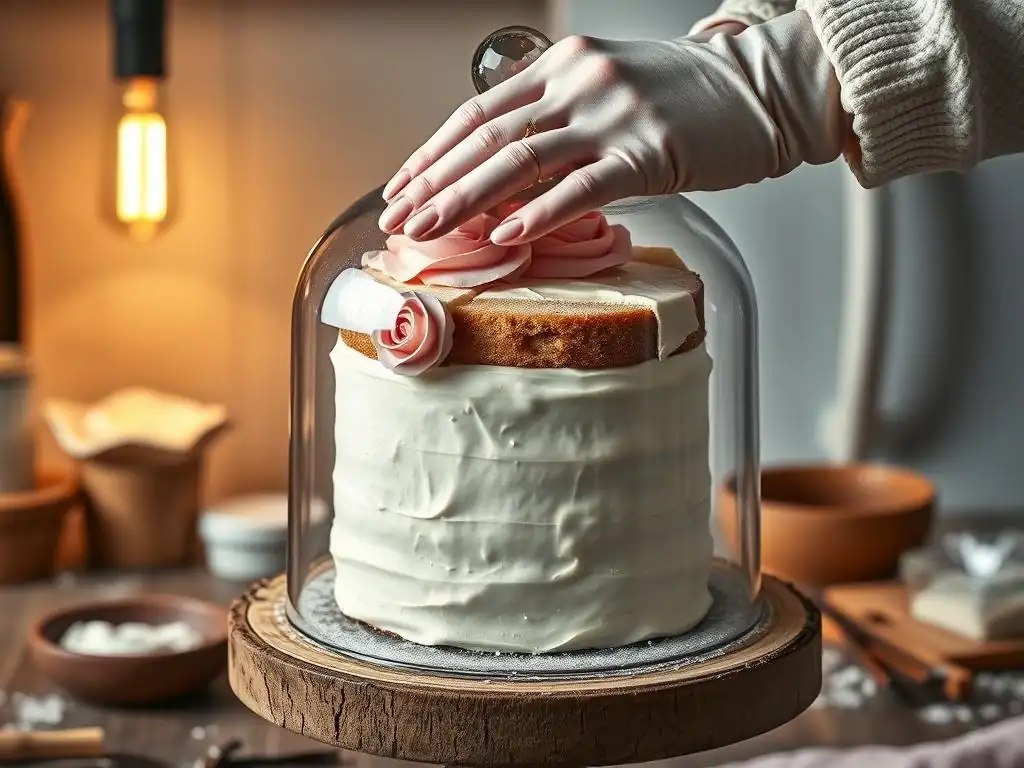
Welcome to BakeWithEase, your kitchen companion for all things baking! Ever dreamt of having a perfectly frosted cake ready to go at a moment's notice? Stop wondering and start doing! This week, we're diving into the art of preserving your delicious creations, starting with our simple guide to freezing cake for later. Unlock the secrets to extending the life of your baked masterpieces and discover how to enjoy that cakey goodness whenever the craving strikes. But how do you ensure it stays moist and delicious? Read on to find out!
- BakeWithEase's Guide to Freezing Cakes for Later Enjoyment
- Why Freeze Cake? The Benefits of Cake Freezing
- Preparing Your Cake for the Freezer: Essential Steps
- The Best Cakes for Freezing: Which Cakes Freeze Well?
- Step-by-Step Guide: How to Freeze a Whole Cake
- Freezing Cake Slices: Individual Portions for Easy Enjoyment
- Thawing Frozen Cake: The Right Way to Defrost
- Restoring Cake Texture After Freezing: Tips and Tricks
- How Long Does Frozen Cake Last? Cake Freezing Duration
- Freezing Frosted Cake: Special Considerations
- Cake Freezing FAQs: Addressing Common Concerns
- Enjoying Your Frozen Cake: The Sweet Reward
- Frequently Asked Questions
- Final Reflection: The Enduring Sweetness of a Frozen Cake
- Unlock Your Cake's Full Potential!
BakeWithEase's Guide to Freezing Cakes for Later Enjoyment
Welcome to BakeWithEase, where we believe that enjoying delicious cake shouldn't be limited to the day it's baked! Sometimes you have leftovers, sometimes you're baking ahead for a special event, or maybe you just want to save a slice for a rainy day. Whatever the reason, mastering the art of freezing cake for later enjoyment is a game-changer for any home baker. This guide will walk you through everything you need to know, from choosing the right cakes to the best techniques for wrapping, freezing, and thawing.
Freezing cake is a fantastic skill that opens up a world of possibilities. It allows you to bake in bulk, prepare for holidays or parties well in advance, and significantly reduce food waste. Forget tossing out that last half of a birthday cake; with proper freezing techniques, you can preserve its deliciousness for weeks, even months. Let's dive into how you can effortlessly incorporate freezing cake into your baking routine and always have a sweet treat ready when the craving strikes.
Why Freeze Cake? The Benefits of Cake Freezing
Extending the Shelf Life of Your Baked Creations
Freezing cake is arguably the most effective way to pause the clock on its freshness. While a cake might only stay fresh at room temperature for 2-4 days or in the refrigerator for about a week, properly frozen cake can maintain its quality for up to 3-4 months. This dramatically extends the window during which you can enjoy your hard work, making it perfect for those who bake in larger batches or simply want to savor a particular cake over time.
This extended shelf life means you don't have to rush to finish a cake. Imagine baking a beautiful tiered cake for a celebration; often, there's quite a bit left over. Instead of feeling pressured to eat it all quickly or worse, letting it go stale, freezing cake allows you to preserve those celebratory flavors. Studies on food preservation methods consistently show that freezing at 0°F (-18°C) or lower significantly slows down the degradation processes that lead to spoilage, keeping your cake tasting fresh.
Freezing Cake for Convenience: Bake Ahead for Special Occasions
One of the most practical benefits of freezing cake is the ability to bake ahead. Planning a birthday party, holiday gathering, or any special event can be stressful, especially when you have multiple dishes and desserts to prepare. By baking your cakes a week or even a month in advance and freezing them, you free up valuable time closer to the event date. You can simply pull the cake from the freezer, thaw it, and add fresh frosting or decorations.
This make-ahead strategy is particularly useful for complex cakes or when you're baking multiple items. For example, if you're making a multi-layer cake, you can bake the layers, cool them completely, and freeze them individually. Then, closer to the event, you can thaw them, assemble, and frost. This breaks down the baking process into manageable steps, reducing last-minute stress and ensuring you have a perfectly baked cake ready when you need it. Freezing cake for later is truly a baker's secret weapon for effortless entertaining.
Avoiding Cake Waste: Freezing Leftover Cake
Let's be honest, sometimes your eyes are bigger than your stomach, or you simply can't finish an entire cake before it starts to lose its freshness. Throwing away perfectly good cake is a baker's heartache! Freezing leftover cake is an excellent solution to combat food waste. Whether it's a few slices or half a cake, proper freezing techniques can save those delicious remnants for future enjoyment.
Consider a typical scenario: you bake a delicious chocolate cake, enjoy a few slices, and then life gets busy. Instead of letting it sit on the counter getting stale, wrap the remaining cake or individual slices properly and pop them in the freezer. This simple step can save a significant amount of food over time.
According to estimates, households waste a considerable amount of food annually, and baked goods contribute to this. Freezing cake is a small but impactful step you can take in your own kitchen to reduce that waste and ensure every crumb of your baking efforts is appreciated.
Preparing Your Cake for the Freezer: Essential Steps
Cooling Cake Completely Before Freezing: Why It Matters
The absolute first and most critical step before you even think about freezing cake is ensuring it is completely cooled. This isn't just a suggestion; it's a necessity. Placing a warm or even slightly warm cake into the freezer will create condensation. As the cake cools in the cold environment, moisture will condense on its surface and within the wrapping.
This condensation leads to ice crystals forming on the cake. Ice crystals are the primary culprit behind freezer burn and can significantly alter the texture of your cake, making it dry and crumbly when thawed. A cake fresh out of the oven is also still relatively fragile. Freezing it warm can cause it to collapse or become misshapen. Allow your cake to cool fully on a wire rack – ideally for several hours, or even overnight for dense cakes – until it reaches room temperature before proceeding with wrapping for freezing cake for later.
How to Wrap Cake for Freezing: Preventing Freezer Burn
Proper wrapping is paramount to protecting your cake from the harsh conditions of the freezer, primarily freezer burn. Freezer burn occurs when food is exposed to air, causing dehydration and oxidation, resulting in dry, discolored, and unappetizing spots. The goal is to create an airtight barrier around the cake. Using multiple layers of appropriate materials is key to successful freezing cake for later.
Effective wrapping prevents moisture loss from the cake and prevents freezer smells from permeating it. A single layer of wrap is rarely sufficient. You need materials that are specifically designed for freezing and can form a tight seal. Combining different types of wraps often provides the best protection, creating a robust barrier against the cold, dry air inside the freezer.
Using Plastic Wrap for Cake Freezing: A Detailed Guide
High-quality plastic wrap is the first layer of defense when freezing cake. Choose a brand that is thick and specifically labeled as freezer-safe. Begin by wrapping the completely cooled cake or cake layers tightly in plastic wrap. You want to make sure the wrap adheres directly to the surface of the cake, pressing out as much air as possible as you go.
Use multiple layers of plastic wrap, typically two or three layers, ensuring each layer is wrapped in a different direction to cover all angles and crevices. This creates a solid, airtight seal. For instance, wrap one layer horizontally, then another vertically. This meticulous wrapping process is essential in preventing air pockets, which are breeding grounds for ice crystals and freezer burn when freezing cake for later.
Aluminum Foil: An Additional Layer of Protection
After the cake is tightly wrapped in plastic wrap, add a layer of heavy-duty aluminum foil. The foil provides an extra barrier against air and helps protect the cake from bumps and bruises in the freezer. Wrap the foil snugly around the plastic-wrapped cake, again ensuring full coverage and pressing it firmly against the contours of the cake.
Aluminum foil is particularly effective at blocking out light and air, further safeguarding the cake's quality during long-term freezing. While plastic wrap provides the initial airtight seal, the foil adds durability and an extra layer of insulation. This double-wrapping method is a widely recommended technique for freezing cake to ensure it remains as fresh as possible.
Freezer-Safe Containers: The Best Option for Long-Term Cake Storage
For the ultimate protection when freezing cake, especially for longer periods or for delicate cakes, consider using a rigid, airtight freezer-safe container after wrapping the cake in plastic and foil. Place the wrapped cake inside a container that is appropriately sized, minimizing empty space.
While plastic wrap and foil are good, a sturdy container offers physical protection against being crushed by other items in the freezer. It also adds another layer of defense against air and temperature fluctuations. If you frequently freeze cakes or large cake layers, investing in good-quality freezer containers designed for baked goods is highly beneficial for maintaining quality when freezing cake for later.
The Best Cakes for Freezing: Which Cakes Freeze Well?
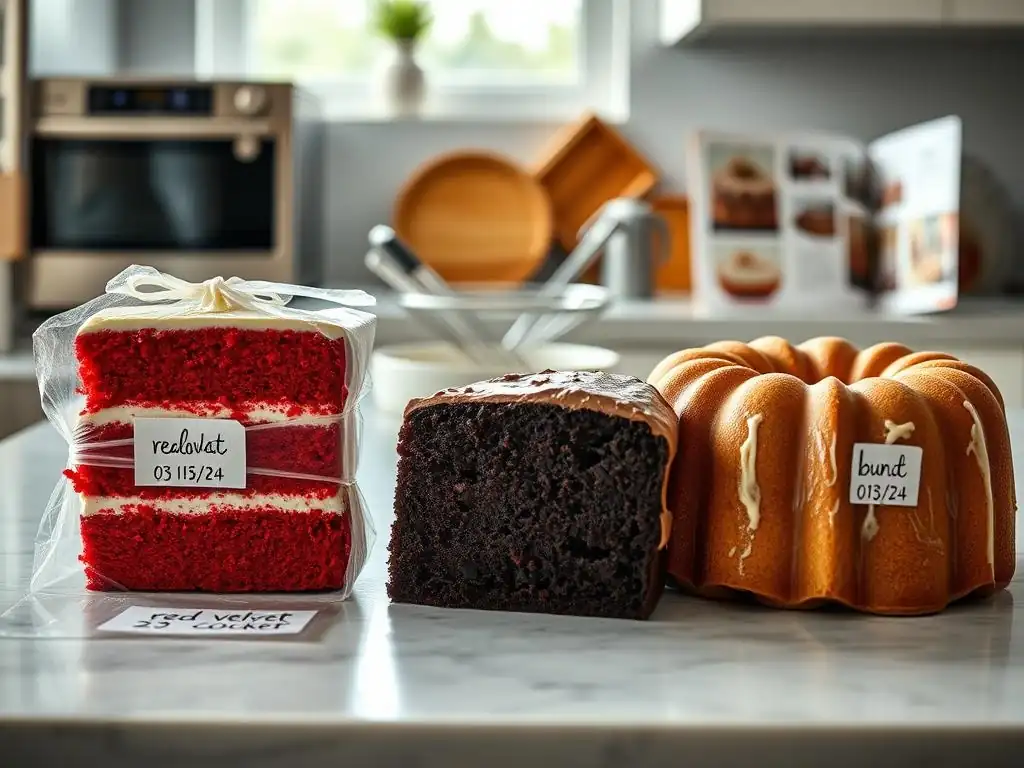
Cakes That Freeze Exceptionally Well: Sponge Cake, Pound Cake, Chocolate Cake
Not all cakes are created equal when it comes to freezing. Cakes that are dense, moist, and made with butter or oil tend to freeze and thaw beautifully, with minimal change in texture. Classic examples include pound cake, butter cakes, sponge cake (like genoise or basic vanilla/chocolate sponges), and most types of chocolate cake. Their sturdy structure and moisture content help them withstand the freezing process.
These types of cakes typically have a fine crumb and a stable structure that holds up well to temperature changes. A rich butter pound cake, for instance, retains its moistness even after several months in the freezer. Similarly, a well-made chocolate layer cake will thaw with its flavor and texture largely intact, making these ideal candidates for freezing cake for later use.
Cakes to Be Cautious With: Cakes with Meringue Topping, Cakes with Fresh Fruit
Some cakes require extra consideration or are generally less suitable for freezing. Cakes with delicate toppings like meringue (such as lemon meringue pie) can suffer significantly. Meringue tends to become rubbery and can weep or collapse upon thawing due to the moisture changes. Freezing cake with fresh fruit embedded directly in the batter can also be tricky. The fruit's texture may become mushy or release excess water during thawing, potentially making the cake soggy.
Cakes with very delicate or airy structures might also be more prone to damage during freezing and thawing. While some fruit cakes freeze well, those with large pieces of very watery fruit might be best enjoyed fresh. Similarly, cakes with delicate frostings like stabilized whipped cream might not hold up as well as those with buttercream or ganache. When considering freezing cake, evaluate its components, especially toppings and fillings with high moisture content or delicate structures.
Step-by-Step Guide: How to Freeze a Whole Cake
Freezing a Whole Cake: A Detailed Process
Freezing an entire cake, especially if it's unfrosted, is straightforward but requires careful execution to protect its quality. This process is ideal if you've baked a cake ahead of time for a future event or if you have a significant portion of a large cake leftover. The key is to create a protective environment around the cake to shield it from the freezer's harsh conditions.
Following these steps ensures that your whole cake is well-protected, minimizing the risk of freezer burn and preserving its flavor and texture for weeks or months. Taking the time to prepare and wrap properly will pay off when you thaw a cake that tastes almost as fresh as the day it was baked, making freezing cake a rewarding effort.
Preparing the Cake: Cooling and Leveling
As mentioned before, the first step is to ensure the cake is completely cooled to room temperature. Any residual warmth will cause condensation. If your cake has a domed top, you might want to level it using a serrated knife. This makes it easier to wrap and stack if you're freezing multiple layers.
Ensure the cake is free of any crumbs on the exterior before wrapping. This prevents crumbs from getting stuck in the wrap. If the cake is frosted, ensure the frosting is firm, ideally by chilling the frosted cake in the refrigerator for an hour or two before wrapping. This prevents the wrap from sticking directly to the frosting, which could damage it.
Wrapping the Cake: Multiple Layers for Protection
Once cooled and prepared, wrap the entire cake meticulously. Start with several layers of heavy-duty plastic wrap, ensuring it adheres tightly to the cake's surface and pressing out any air. Wrap in different directions (horizontally, then vertically) for maximum coverage.
After the plastic wrap, add a layer of heavy-duty aluminum foil, wrapping it snugly around the plastic-wrapped cake. For extra protection, especially for long-term storage (beyond 2 months), place the double-wrapped cake inside a rigid, airtight freezer-safe container or a heavy-duty freezer bag, pressing out excess air before sealing. Label the package clearly with the type of cake and the date you are freezing cake.
Freezing the Cake: Optimal Temperature and Placement
Place the wrapped and potentially containerized cake in the coldest part of your freezer. Ideally, your freezer should be set to 0°F (-18°C) or lower. Avoid placing the cake near the freezer door, where temperatures can fluctuate more significantly due to opening and closing.
Place the cake on a flat surface in the freezer initially until it is frozen solid, typically several hours or overnight. This prevents it from getting squished or losing its shape. Once frozen solid, you can rearrange items in the freezer if needed, but try to keep the cake in a location where it won't be easily crushed by other items. Proper placement is crucial for successful freezing cake for later.
Freezing Cake Slices: Individual Portions for Easy Enjoyment
Cutting Cake into Slices for Freezing
Freezing cake in individual slices is incredibly convenient, allowing you to thaw just one portion at a time whenever you crave a sweet treat. This is particularly useful for leftover cakes. Use a sharp, non-serrated knife for clean cuts. For best results, chill the cake in the refrigerator for 30-60 minutes before slicing; this firms up the cake and any frosting, making slicing easier and cleaner.
Cut the cake into your desired portion sizes. Aim for slices that are uniform in thickness for consistent freezing and thawing. If the cake is frosted, try to make clean cuts through the frosting as well. Having pre-sliced portions ready in the freezer makes spontaneous cake enjoyment effortless, highlighting the convenience of freezing cake for later.
Wrapping Individual Cake Slices: Preventing Sticking
Each individual slice needs to be wrapped just as carefully as a whole cake to prevent freezer burn. Wrap each slice tightly in at least two layers of plastic wrap, ensuring the wrap adheres directly to the cake and pressing out all air. For frosted slices, you might want to place the slice in the freezer uncovered for about 30 minutes first to harden the frosting slightly before wrapping; this prevents the wrap from sticking to and potentially ruining the frosting.
After wrapping in plastic wrap, wrap each slice again in a layer of aluminum foil. This provides an extra layer of protection and makes the individual portions easier to handle. The goal is to create a completely airtight seal around each slice, preserving its moisture and preventing freezer burn during the process of freezing cake for later.
Freezing Sliced Cake: Maximizing Freezer Space
Once each slice is individually wrapped, you can place them together in a larger freezer-safe container or a heavy-duty freezer bag. Arranging the slices neatly in a container helps them maintain their shape and makes it easy to grab just one slice when needed. If using a bag, gently arrange the slices to avoid crushing them.
Label the container or bag with the type of cake and the date. Place the container or bag in the freezer. Freezing cake in slices allows you to fit them into smaller spaces or stack them efficiently, maximizing your freezer storage capacity. This method is perfect for ensuring you always have a single-serving dessert on hand.
Thawing Frozen Cake: The Right Way to Defrost
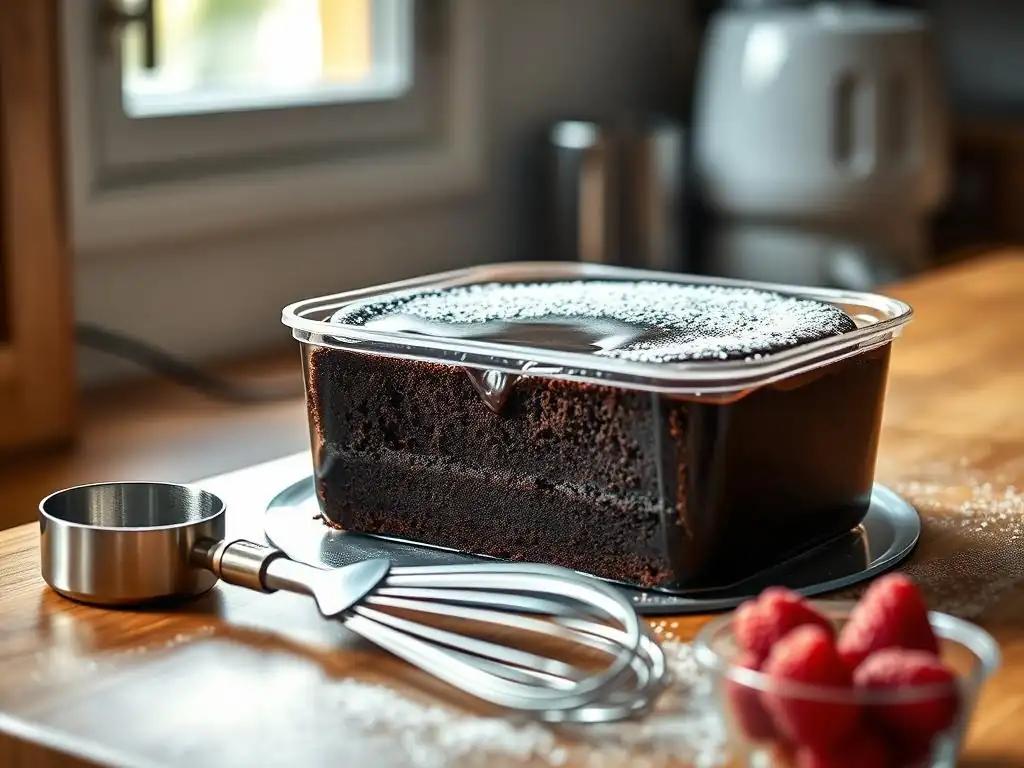
Thawing Cake in the Refrigerator: The Recommended Method
The best and safest way to thaw frozen cake, whether it's a whole cake or individual slices, is slowly in the refrigerator. This gradual thawing process helps maintain the cake's texture and prevents excessive moisture loss or condensation. Remove the wrapped cake or slices from the freezer and place them directly into the refrigerator.
Allow the cake to thaw completely in its wrapping. A whole cake may take 24 hours or even longer depending on its size and density, while individual slices might thaw in 2-4 hours. Thawing in the refrigerator minimizes temperature fluctuations and reduces the risk of bacterial growth that can occur when thawing at room temperature for extended periods. This slow, controlled method is key to a successful result after freezing cake for later.
Thawing Cake at Room Temperature: When It's Acceptable
Thawing cake at room temperature is acceptable for individual slices or very small cakes, but only if done relatively quickly and carefully. Remove the wrapped slice(s) from the freezer and place them on a counter away from direct heat or sunlight.
Individual slices, especially thinner ones, can often thaw within 1-2 hours at room temperature. Once thawed, they should be consumed relatively quickly. Avoid thawing larger cakes at room temperature as the exterior may warm up and become prone to spoilage before the interior is fully thawed. For larger items, refrigerator thawing is always the preferred method after freezing cake.
Avoiding Common Thawing Mistakes: Leaving Cake Uncovered, Thawing Too Quickly
One of the most common mistakes when thawing frozen cake is removing the wrapping too soon. Keep the cake wrapped until it is completely thawed. Removing the wrap while it's still cold will cause condensation to form on the surface of the cake as it comes into contact with warmer air, leading to a soggy texture.
Another mistake is trying to rush the thawing process, for example, by using a microwave (unless specifically instructed for a particular recipe, which is rare for whole cakes) or placing it in a warm oven. Rapid thawing can negatively impact the cake's texture, making it dry or unevenly thawed. Patience is a virtue when thawing; allow the cake to thaw slowly and naturally for the best results after freezing cake.
Restoring Cake Texture After Freezing: Tips and Tricks
Hydrating Cake After Thawing: Brushing with Simple Syrup
Even with careful freezing and thawing, sometimes a cake can lose a little moisture. A simple trick to restore hydration and ensure a moist texture is to brush the thawed cake layers or slices with a simple syrup. Simple syrup is made by heating equal parts sugar and water until the sugar dissolves. Let it cool completely before using.
Use a pastry brush to lightly brush the top surface of the thawed cake layer or slice with the simple syrup. Don't oversaturate it, just a light, even coating. This adds back moisture and can also add a subtle sweetness and flavor, especially if you infuse the syrup with vanilla, citrus zest, or a liqueur. This step is particularly helpful for sponge or butter cakes after freezing cake.
Adding Fresh Frosting or Decorations: Reviving the Cake's Appearance
If you froze an unfrosted cake, now is the time to add fresh frosting and decorations. This not only makes the cake look beautiful but also adds moisture and flavor. Freshly made buttercream, ganache, or cream cheese frosting will adhere well to the thawed cake and give it that "just baked" feel.
Even if the cake was frozen with frosting, you might consider touching up the frosting or adding fresh decorations. Frosting can sometimes lose a little of its vibrant color or perfect texture during freezing. Adding a fresh layer of frosting, some sprinkles, fresh fruit (if appropriate for the cake type), or a dusting of powdered sugar can instantly revive the cake's appearance and make it look and taste its best after freezing cake for later enjoyment.
How Long Does Frozen Cake Last? Cake Freezing Duration
Optimal Freezer Time for Cakes: Maintaining Quality
While cake frozen at 0°F (-18°C) or lower is technically safe to eat indefinitely from a food safety perspective, its quality will degrade over time. For optimal flavor and texture, it's generally recommended to consume frozen cake within 3 to 4 months. After this period, the risk of freezer burn increases, and the cake's texture and flavor may start to deteriorate, even if it's still safe to eat.
Proper wrapping is key to reaching the 3-4 month mark without significant quality loss. Cakes wrapped only in a single layer of plastic wrap might show signs of freezer burn much sooner, perhaps within a month or two. Using multiple layers and a container helps extend this optimal window. Always label your frozen cake with the date to help you track how long it's been stored after freezing cake.
Recognizing Signs of Freezer Burn: When to Discard Frozen Cake
Freezer burn is the primary indicator that your frozen cake's quality has diminished. It appears as dry, discolored patches on the surface of the cake. These areas often look lighter in color and have a tough, leathery, or crumbly texture. Freezer burn occurs when moisture evaporates from the food's surface and ice crystals form.
While eating cake with freezer burn won't necessarily make you sick, the affected areas will be dry and tasteless. If the freezer burn is extensive, it can ruin the overall enjoyment of the cake. If you see significant signs of freezer burn, especially if it covers a large portion of the cake, it might be best to discard it. Proper wrapping techniques, as discussed earlier, are the best defense against freezer burn when freezing cake.
Freezing Frosted Cake: Special Considerations
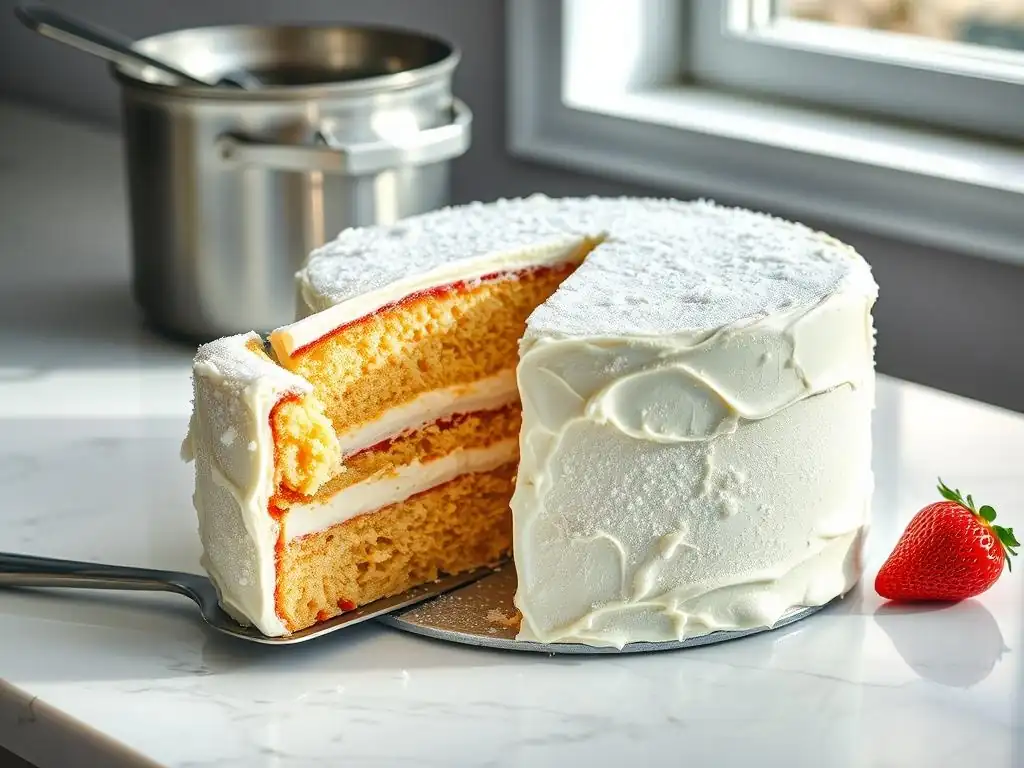
Freezing Cakes with Buttercream Frosting: Chill Before Wrapping
Freezing cakes that are already frosted, especially with sturdy frostings like American buttercream or Swiss meringue buttercream, is definitely possible. The key is to protect the frosting during the wrapping process. Before wrapping, place the frosted cake (or cake layers/slices) uncovered in the freezer for about 1-2 hours, or until the frosting is firm and hard to the touch.
This chilling step creates a protective shell around the frosting, preventing the plastic wrap from sticking to it and smudging or removing it when you wrap the cake. Once the frosting is firm, proceed with the double-wrapping method (plastic wrap followed by foil) as you would for an unfrosted cake. This pre-freezing chill is crucial for successfully freezing cake that is already frosted.
Freezing Cakes with Cream Cheese Frosting: May Alter Texture Slightly
Cream cheese frosting can be frozen, but its texture might change slightly upon thawing. Cream cheese-based frostings have a higher moisture and fat content than buttercreams and can sometimes separate or become a little grainy or watery after being frozen and thawed.
While still edible, the texture might not be as smooth and creamy as when fresh. If freezing a cake with cream cheese frosting, follow the same pre-chilling and wrapping steps. After thawing, you can try whisking the thawed frosting gently to help emulsify it again, or consider scraping off the thawed frosting and applying a fresh batch for the best texture and appearance after freezing cake.
Protecting Delicate Frosting During Freezing
For cakes with particularly delicate frostings or intricate decorations, extra care is needed. After the initial chill to firm up the frosting, consider using toothpicks inserted into the top and sides of the cake before wrapping. The plastic wrap and foil can then be draped over the toothpicks, creating a small buffer zone that prevents the wrapping from pressing directly against the frosting and decorations.
Once wrapped with the toothpicks in place, it's highly recommended to place the cake in a rigid container that is slightly larger than the cake itself. This container provides the best physical protection against bumps and pressure in the freezer, ensuring that delicate frosting and decorations remain intact during the entire freezing cake process.
Cake Freezing FAQs: Addressing Common Concerns
Can You Refreeze Cake After Thawing?
Generally, it is not recommended to refreeze cake after it has been thawed. When food is thawed and then refrozen, it goes through two cycles of ice crystal formation, which can severely degrade its texture, making it dry, crumbly, and unappetizing. Furthermore, once thawed, food can be exposed to bacteria if left at room temperature for too long, and refreezing won't kill those bacteria.
The only exception might be if the cake was thawed in the refrigerator and remained very cold, and you decide to refreeze it within a day or two without it having sat at room temperature. However, even then, the quality will likely suffer. It's best practice to only thaw as much cake as you plan to consume to avoid the need for refreezing cake.
Does Freezing Cake Affect the Taste?
When done correctly, freezing cake should have minimal impact on its taste, especially within the recommended 3-4 month period. The cold temperature preserves the flavor compounds. The most common reason for a change in taste is freezer burn, which leads to a stale or off flavor in the affected areas, or the cake absorbing odors from other foods in the freezer due to improper wrapping.
Using airtight wrapping and containers, and ensuring the cake is completely cooled before freezing, are the best ways to preserve the original taste. Cakes with strong flavors (like chocolate, spice, or citrus) tend to hold their flavor better than very delicate ones. Overall, if you follow proper procedures, you can expect your thawed cake to taste very close to how it did when fresh after freezing cake for later.
What is the Best Way to Freeze a Wedding Cake?
Freezing a portion of a wedding cake, typically the top tier, is a common tradition. The best way to freeze a wedding cake tier is to ensure it is well-protected. If the cake has delicate frosting or decorations, first chill it until the frosting is firm. Then, use toothpicks to protect the decorations if needed.
Wrap the tier meticulously in multiple layers of plastic wrap, pressing out air, followed by a layer of heavy-duty aluminum foil. Finally, place the double-wrapped tier inside a sturdy, airtight container specifically sized for the cake. This multi-layered approach provides the best protection for this precious cake during freezing cake for later, often for an anniversary.
Enjoying Your Frozen Cake: The Sweet Reward
BakeWithEase's Final Thoughts on Freezing Cake for Later
Mastering the technique of freezing cake opens up a world of possibilities in your baking journey. It provides convenience, reduces waste, and ensures you always have a delicious treat ready to enjoy. From preparing ahead for celebrations to savoring leftover slices, freezing cake is a valuable skill for any home baker.
Remember the key steps: cool completely, wrap meticulously using multiple layers of freezer-safe materials, consider a rigid container for extra protection, and thaw slowly in the refrigerator for the best results. With a little care and attention to detail, you can confidently freeze your cake and truly eat it too, enjoying that delightful homemade goodness whenever the mood strikes. Happy freezing and happy baking from all of us at BakeWithEase!
Frequently Asked Questions
How long can I freeze cake for later?
Cake can generally be frozen for 2-3 months while maintaining good quality. Proper wrapping is essential to prevent freezer burn and maintain moisture.
What is the best way to wrap a cake for freezing?
The best method is to double wrap the cake. First, wrap it tightly in plastic wrap, then in a layer of aluminum foil or place it in a freezer-safe bag to protect it from freezer damage.
Can I freeze a cake with frosting?
Yes, you can, but the frosting might change its texture slightly. Consider freezing the cake layers separately from the frosting and assembling after thawing for optimal results.
What kind of cakes freeze best?
Cakes with dense textures like pound cake or chocolate cake generally freeze better than light and airy cakes like angel food cake. Avoid freezing cakes with delicate toppings like fresh fruit.
How should I thaw a frozen cake?
Thaw the cake in the refrigerator overnight for best results. This allows for a slow and even thaw, preventing the cake from becoming soggy.
Final Reflection: The Enduring Sweetness of a Frozen Cake
The art of freezing a cake, once a niche skill, has become a vital tool in modern baking, allowing us to enjoy perfectly preserved desserts long after the initial bake. This simple act transcends mere convenience; it's a testament to resourcefulness and a celebration of extending the joy of homemade treats. The ability to freeze and thaw a cake without compromising its texture or flavor is a game-changer for busy bakers and dessert enthusiasts alike.
The impact of this simple technique extends beyond individual kitchens; it's a reflection of our increasingly fast-paced lives and the desire to maintain a connection with traditional culinary practices. It allows us to plan ahead, to bake in bulk during moments of inspiration, and to enjoy the fruits of our labor at a later date. This resonates deeply with my own experience; the ability to freeze a cake for a future celebration or a spontaneous treat has eliminated so much last-minute stress. The best things in life are worth waiting for,
and a perfectly frozen cake is a delicious example of that truth.
Now, consider your own baking journey. What delicious creations are you holding back from making because of time constraints or the fear of waste? I challenge you to embrace the power of freezing—to unlock the potential of your baking skills and to savor the sweetness of a perfectly preserved cake whenever the mood strikes. Don't let the fear of freezer burn hold you back; experiment, explore, and enjoy the enduring delight of a frozen cake, a testament to your culinary creativity and resourcefulness.
Unlock Your Cake's Full Potential!
Thanks for taking the time to explore the art of freezing cake with us! We hope you've gained valuable tips and tricks to keep your delicious creations fresh and ready whenever you crave a slice. Now it's time to put your newfound knowledge into action!
- Freeze your next masterpiece: Don't let another perfectly baked cake go to waste! Follow the steps outlined in the article and enjoy freshly baked flavor weeks later.
- Share your freezing success (or challenges!): Let's build a community of cake-freezing experts. Share your tips, tricks, and photos in the comments below!
- Experiment with different cake types: Challenge yourself to freeze a new kind of cake this week—you might discover a new favorite!
What's your favorite cake to freeze and enjoy later? Let's hear your thoughts and experiences!