
Frozen vs. Chilled Fats: How Temperature Affects Puff Pastry and Biscuits

Welcome to BakeWithEase, your trusted guide to baking brilliance!
Unlock the secrets to perfectly flaky puff pastry and melt-in-your-mouth biscuits. Ever wondered how temperature truly impacts your bake? We're diving deep into the science of frozen fats versus chilled, revealing the ultimate technique for achieving bakery-worthy results. Curious to know if you've been doing it right all along? Let's get baking!
- Understanding Fat Temperature for Flaky Pastries and Biscuits
- Introduction: Why Fat Temperature is Crucial
- Frozen Fats: Advantages and Best Uses
- Chilled Fats: When to Use
- Puff Pastry: Frozen vs. Chilled Fat Techniques
- Biscuits: Frozen vs. Chilled Fat Methods
- Other Fats: Frozen and Chilled
- Practical Tips: Managing Fat Temperature
- Mastering Fat Temperature
-
Frequently Asked Questions
- How does the temperature of fat impact the flakiness of puff pastry and biscuits?
- Why is frozen fat preferred over chilled fat for puff pastry biscuits?
- What happens if the fat gets too warm during the puff pastry or biscuit-making process?
- What are some tips for keeping the fat cold while making puff pastry biscuits?
- Can I use butter-flavored shortening instead of butter for frozen fats puff pastry biscuits?
- Final Reflection: The Chilling Truth About Flaky Perfection
- Unlock Flaky Perfection: Master the Art of Fat Temperature
Understanding Fat Temperature for Flaky Pastries and Biscuits
Welcome to BakeWithEase! Mastering the art of baking often comes down to understanding the fundamental ingredients and techniques. Today, we're diving deep into a seemingly simple concept that has a profound impact on your results: the temperature of your fat. Whether you're aiming for towering, flaky biscuits or delicate, ethereal puff pastry, how cold your butter or shortening is can make all the difference.
Introduction: Why Fat Temperature is Crucial
The temperature of the fat you use in baking is not just a minor detail; it's a critical factor that dictates the final texture of your baked goods. Especially when dealing with layered doughs like puff pastry or quick breads like biscuits, the state of the fat—whether frozen, chilled, or even softened—determines how it interacts with the flour and liquid during mixing and baking. This interaction is key to developing the desired structure and mouthfeel.
Fat's Impact on Flakiness and Tenderness
Fat plays a dual role in baked goods: it tenderizes by coating flour particles, preventing gluten development, and it creates flakiness when left in solid pieces. When these solid pieces melt in the oven, they leave behind pockets of air. As water in the dough turns to steam, it expands these pockets, pushing the layers apart to create that coveted flaky texture.
Consider puff pastry, where layers are paramount. Using very cold or frozen fat, cut into specific sizes, ensures those distinct fat pieces remain solid until they hit the high heat of the oven. This controlled melting is what generates maximum steam and lift between the dough layers, leading to dozens, sometimes even hundreds, of flaky strata. Similarly, in biscuits, visible chunks of cold fat are essential for achieving tall, flaky layers.
The Science of Fat in Baking
The science behind fat's role in flakiness centers on its melting point relative to the boiling point of water. Butter, for example, typically melts between 90-95°F (32-35°C), while water boils at 212°F (100°C). When cold fat pieces are distributed throughout a dough, they stay solid until the oven temperature rises above the fat's melting point.
As the fat melts, the water trapped within the dough (and sometimes within the butter itself, which is about 18% water) turns into steam. This steam is then trapped by the surrounding layers of dough, causing them to puff up and separate. The colder the fat is initially, the longer it remains solid in the oven's heat, allowing the dough structure to set around the fat pieces before they melt. This maximizes the steam production and expansion, resulting in more pronounced layers and flakiness.
Frozen Fats: Advantages and Best Uses
Using frozen fats is a technique specifically employed when maximum flakiness and lift are the primary goals. This method is particularly popular for pastries that rely on distinct, separated layers, where the fat acts as a barrier during folding and then creates steam pockets during baking.
Benefits of Frozen Butter or Shortening
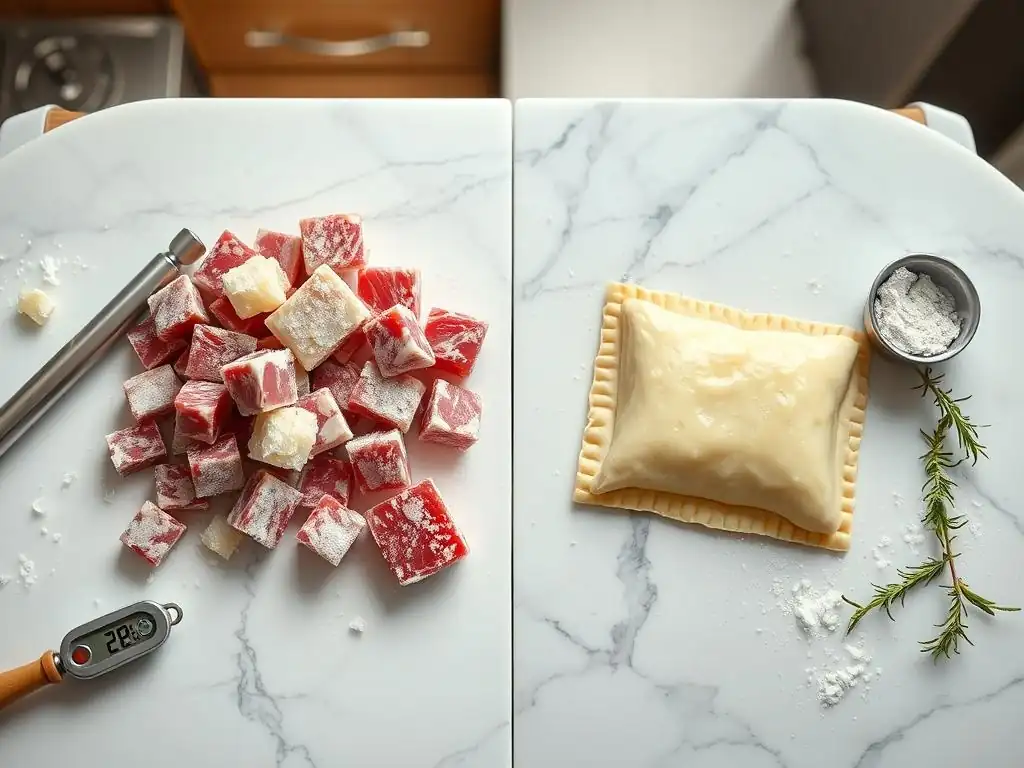
The main benefit of using frozen butter or shortening is ensuring the fat remains in solid, distinct pieces throughout the mixing and shaping process, even in warmer kitchen environments. When fat is frozen solid, it's often grated or cut into very small, hard pieces. These pieces are then incorporated into the flour. Because they are so cold, they take longer to melt when the dough is handled, giving you more time to work with the dough without the fat smearing.
During baking, these tiny, rock-hard pieces of frozen fat melt rapidly and completely, releasing steam and creating numerous small air pockets. This contributes to a very fine, even flakiness. For instance, using grated frozen butter in certain biscuit recipes can result in exceptionally tall layers, sometimes reaching heights of 2-3 inches, with clear separation between the layers.
Recipes: Croissants, Rough Puff Pastry
Frozen fats are indispensable in recipes like rough puff pastry or certain methods for creating incredibly flaky biscuits. For rough puff pastry, instead of creating a solid block of butter to enclose and fold, very cold or even frozen butter is cut into cubes or grated and mixed directly into the dough before the folding process begins. While traditional puff pastry uses chilled butter, the rough puff method often benefits from the firmer consistency of colder or frozen fat pieces to maintain structure during less rigorous folding.
Consider a recipe for quick, flaky biscuits using frozen butter. The butter is often grated on a box grater and then quickly cut into the dry ingredients. The key here is to work fast to keep the butter frozen. When baked, these frozen butter pieces create numerous small steam pockets, resulting in a biscuit with many fine, distinct layers and a very tender interior, a hallmark of successful frozen fats puff pastry biscuits.
Tips for Working with Frozen Fats
Working with frozen fats requires speed and temperature control. The goal is to keep the fat as cold and solid as possible until it hits the oven.
- Grate or Cube Quickly: If grating frozen butter, do it quickly and perhaps even freeze the grater beforehand. If cubing, use a sharp knife and work fast.
- Return to Freezer: After cutting or grating, return the fat pieces to the freezer for 10-15 minutes before adding them to your dry ingredients.
- Cold Hands & Tools: If mixing by hand, run your hands under cold water. Use cold bowls and pastry blenders or food processors with pulsing action to minimize heat transfer.
- Minimal Handling: Overworking the dough heats the fat and can cause it to smear. Mix just until the dough comes together.
- Chill Dough: Always chill dough made with frozen fat extensively (at least 30 minutes, often longer) before shaping and baking. This re-hardens any fat that may have softened during mixing.
Chilled Fats: When to Use
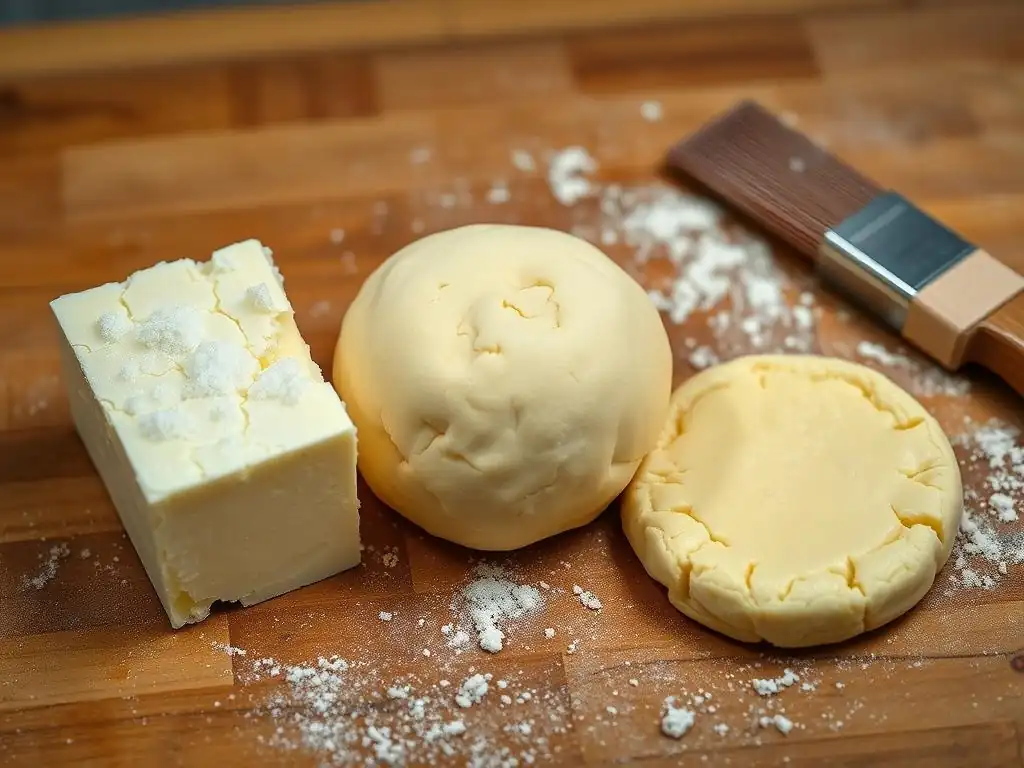
Chilled fats, typically butter or shortening kept in the refrigerator until firm but not rock-hard, represent the most common state for fat in many baking applications. This temperature offers a balance between workability and the ability to create texture.
Benefits of Chilled Butter or Shortening
Chilled butter or shortening is firm enough to be cut into pieces or cubes and incorporated into flour without immediately melting or smearing. This allows for the creation of visible fat pieces, which are crucial for flakiness, but also offers more flexibility and ease of handling compared to frozen fat. Chilled fat is pliable enough to be rolled into a sheet (as in classic puff pastry) or cut into larger chunks that create bigger steam pockets, leading to larger, more defined flakes.
Using chilled fat allows for more control over the size and distribution of fat pieces. For instance, when making traditional pie crust or classic layered biscuits, chilled butter is cut into the flour until the pieces are about the size of peas or walnuts. These larger pieces melt more slowly than the fine pieces created by grating frozen fat, resulting in larger, more distinct flakes in the final product. The slightly warmer temperature also allows for easier blending for recipes where some tenderizing is desired alongside flakiness.
Baking Scenario: When a more tender result is desired.
While frozen fats are champions of maximum flakiness, chilled fats are often preferred when a balance of flakiness and tenderness is needed. Recipes like classic pie crusts, shortbread, or many cookie recipes call for chilled fat, sometimes cut in, sometimes creamed. When chilled butter is creamed with sugar, it incorporates air and contributes to leavening, while also tenderizing the crumb.
For biscuits, using chilled butter cut into pea-sized pieces results in a biscuit that is flaky, but also has a tender crumb. The larger fat pieces create distinct layers, but the overall texture is softer and less airy than what might be achieved with finely grated frozen fat. This is often the desired texture for biscuits meant to accompany a meal, offering a pleasant chew and tenderness alongside the flakiness.
Maintaining Optimal Chilled Fat Temperature
Keeping fat at the optimal chilled temperature (typically 35-40°F or 2-4°C) throughout the mixing process is key to success.
- Start Cold: Ensure your butter or shortening has been in the refrigerator for at least a few hours.
- Cut Cold: Cut butter into cubes or pieces straight from the fridge.
- Work Efficiently: Minimize the time the fat is exposed to warm air or your hands. Use a pastry blender, fork, or food processor with pulse function.
- Chill Between Steps: If making layered pastries or biscuits with multiple folds, chill the dough for 15-30 minutes between each step to firm up the fat again.
- Monitor Dough Temperature: The dough itself should ideally remain below 60°F (15°C) during mixing and shaping. If it feels warm or greasy, stop and chill it.
Puff Pastry: Frozen vs. Chilled Fat Techniques
Puff pastry, with its incredible layers, is perhaps the ultimate showcase for the impact of fat temperature. While both frozen and chilled fat can be used depending on the specific technique, chilled fat in block form is traditional for classic puff pastry.
Best Practices: Frozen Fats
Using frozen fat in puff pastry is most common in "rough puff" or "quick puff" methods.
- Grated Frozen Butter: Some recipes call for grating frozen butter directly into the flour mixture. The fine, cold pieces are then incorporated, and the dough is folded a few times. This is faster than traditional puff pastry but yields a less uniform, though still flaky, result.
- Frozen Cubes: Alternatively, small cubes of frozen butter can be cut into the flour. This method still relies on the fat staying hard during initial mixing before the dough is folded. While not producing the hundreds of layers of classic puff, rough puff made with frozen fat can still achieve impressive lift, often doubling or tripling in height.
These methods capitalize on the extreme coldness of the fat to prevent smearing during initial mixing, making them more forgiving for beginners or in warm kitchens compared to starting with slightly softer chilled fat. The resulting flakes tend to be smaller and more numerous than those from traditional puff pastry.
Best Practices: Chilled Fats
Classic, or pâte feuilletée, puff pastry relies on a block of chilled butter (or other fat) being enclosed within a simple dough and then repeatedly rolled and folded.
- The Beurrage: A solid block of chilled butter, known as the beurrage, is pounded or rolled into a specific shape (usually a square or rectangle). This butter must be cold and firm, but pliable enough to roll without breaking. A temperature around 40-50°F (4-10°C) is often ideal.
- Enclosing and Folding: The butter block is enclosed in the détrempe (the dough) and then rolled out and folded multiple times (typically 4 to 6 folds, often called "turns"). Each fold creates new layers of dough separated by layers of butter.
- Chilling Between Turns: Crucially, the dough is chilled for 30-60 minutes between each set of turns. This allows the gluten to relax and, more importantly, re-hardens the butter layers. If the butter warms and smears during rolling, the layers will merge, and the pastry won't puff properly.
This meticulous process with chilled, pliable butter allows for the creation of hundreds of distinct layers – potentially over 1000 layers after six folds – resulting in the most dramatic and even lift characteristic of true puff pastry.
Comparative Analysis: Flakiness
When comparing puff pastry made with frozen grated fat versus chilled butter block, the outcome differs in both texture and process complexity.
Using frozen grated fat for rough puff pastry is faster and requires less precise handling. The resulting flakiness is good, with many small, airy pockets, but the layers are less uniform and distinct compared to classic puff. The overall rise might also be slightly less dramatic. This method is excellent for quick tarts or pastry lids where extreme layering isn't critical.
Classic puff pastry made with a chilled butter block is a more labor-intensive process requiring careful temperature control and precise folding. However, the reward is superior flakiness: hundreds of distinct layers that separate cleanly, creating a very tall, light, and exceptionally airy pastry. The flakes are typically larger and more defined. This is the preferred method for croissants, vol-au-vents, and classic mille-feuille. Both techniques demonstrate how manipulating frozen fats puff pastry biscuits impacts the final bake.
Biscuits: Frozen vs. Chilled Fat Methods
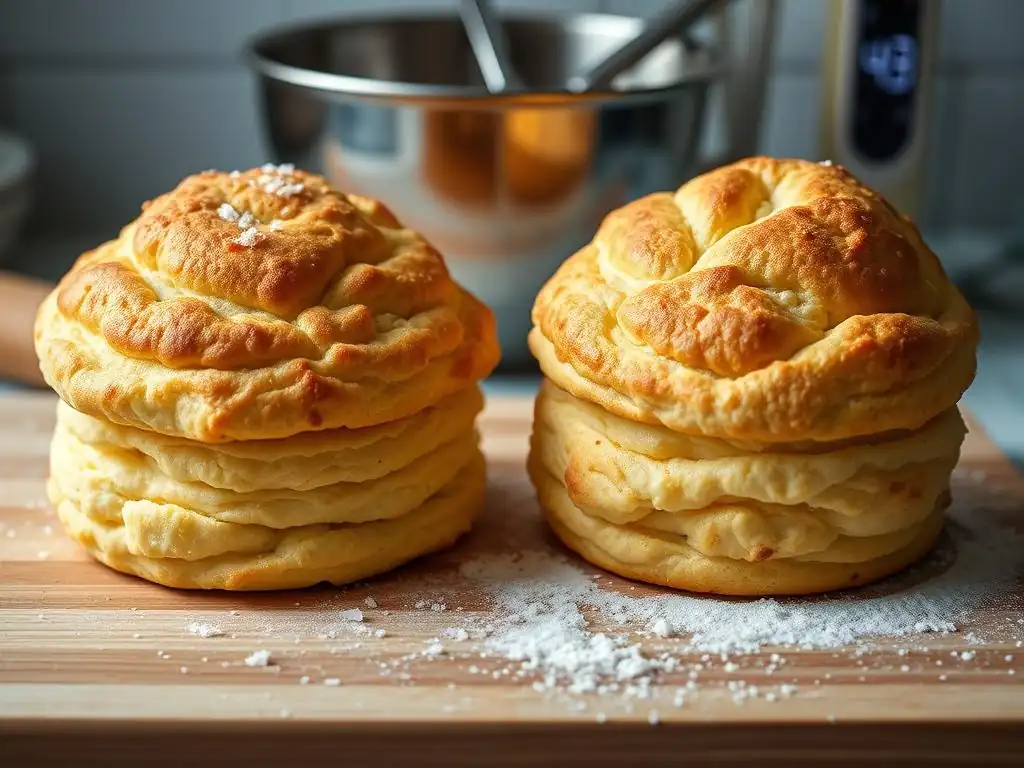
Biscuits are a classic example of how fat temperature directly influences texture, offering a clear choice between creating tall, distinct layers or a softer, tender crumb. The method of incorporating fat, whether frozen or chilled, dictates this outcome.
Frozen Fat: Tall, Flaky Biscuits
For biscuits designed to be exceptionally tall and flaky, often referred to as "cat-head" biscuits or layered biscuits, using very cold or frozen fat is a key technique.
- Grated Frozen Butter/Shortening: Grating frozen butter or shortening directly into the dry ingredients ensures the fat remains in tiny, solid particles. When liquid is added, these particles stay separate.
- Folding Technique: After incorporating the frozen fat and liquid, the dough is often briefly kneaded or folded a few times (like a simplified version of pastry folds) to create layers. The hard, frozen fat pieces help maintain separation between these layers.
- Baking Result: As the frozen fat melts in the oven, it creates numerous small steam pockets throughout the dough. This results in a biscuit that rises significantly, with many fine, distinct layers that can easily be pulled apart. The texture is light and airy, with a crispy exterior and a tender, layered interior. A biscuit made this way might rise to 2-3 inches in height, showcasing clear, thin layers.
This method maximizes the steam leavening effect, making frozen fats puff pastry biscuits a go-to for achieving height and pronounced flakiness.
Chilled Fat: Tender, Soft Biscuits
When the goal is a softer, more tender biscuit with a pleasant crumb, chilled fat is typically the preferred choice.
- Cut-In Method: Chilled butter or shortening is cut into the flour using a pastry blender, fork, or fingers until the pieces are about the size of peas or walnuts. These larger chunks of fat are distributed throughout the dough.
- Minimal Handling: The dough is mixed just until it comes together. Overmixing develops gluten and melts the fat, leading to tough biscuits.
- Baking Result: The larger pieces of chilled fat melt more slowly than finely grated frozen fat. While they still create some steam pockets for lift and flakiness, they also have more opportunity to coat the flour particles, which inhibits gluten development. This results in a biscuit with a softer, more tender crumb and fewer, but often larger, flakes. The height might be less dramatic than a biscuit made with frozen fat, perhaps rising to 1.5-2 inches, with a more cohesive, tender texture.
This method strikes a balance, providing some flakiness while prioritizing a soft, melt-in-your-mouth tenderness, making it ideal for classic Southern-style biscuits served with gravy.
Issues with biscuit texture are frequently linked to fat temperature.
- Biscuits didn't rise/aren't flaky: This is often because the fat wasn't cold enough or was overworked into the dough. If the fat melts or smears during mixing, it coats the flour too much, preventing the creation of distinct layers and steam pockets. The fat needs to be in visible pieces, pea-sized or larger for tenderness and flakiness, or finely grated/cubed and frozen for maximum layers.
- Biscuits are tough: This usually indicates overmixing. When dough is overworked, gluten develops excessively, resulting in a tough texture. Also, if the fat wasn't cold enough and melted, it acts purely as a tenderizer early on, potentially allowing more gluten development before baking.
- Biscuits are flat or spread too much: Warm fat can contribute to spreading. If the fat is too soft when the biscuits go into the oven, they may spread outwards before the structure sets, resulting in flat biscuits. Ensuring both the fat and the dough are well-chilled before baking helps the biscuits hold their shape and rise upwards.
Understanding how frozen fats puff pastry biscuits behave differently is key to diagnosing and fixing these common biscuit woes.
Other Fats: Frozen and Chilled
While butter is the star for many bakers, shortening and lard also play significant roles, and their temperature management is just as crucial, though their properties differ slightly from butter. Vegan butter alternatives also respond to temperature variations.
Shortening: Frozen Applications
Shortening, being 100% fat (unlike butter's ~80% fat and ~18% water), has a higher melting point than butter. This property makes it excellent for creating very flaky textures, as it remains solid longer in the oven.
- High Melting Point: Typical shortening melts around 115-120°F (46-49°C). This higher melting point means it stays solid longer in the oven compared to butter, potentially creating larger, more stable steam pockets as it finally melts.
- Frozen Shortening: Using frozen shortening, particularly grated or finely chopped, in recipes like pie crusts or certain biscuit methods can lead to exceptionally flaky results. Because it contains no water, the steam is solely generated from the liquid in the dough, but the fat's stability allows for robust layer separation. For example, a pie crust using grated frozen shortening often yields flakes that are visibly distinct and can be 1/4 to 1/2 inch thick.
Shortening's plastic nature also makes it easy to cut into flour while cold without becoming overly hard like frozen butter can be.
Lard: Traditional Techniques
Lard, rendered pork fat, is another traditional fat used in baking, prized for its ability to create incredibly tender and flaky pastries and biscuits. Lard also has a relatively high melting point, similar to or slightly lower than some shortenings, typically ranging from 90-115°F (32-46°C) depending on how it's rendered.
- Flakiness and Tenderness: Lard is excellent at coating flour particles for tenderness while also creating large, distinct flakes when used cold. Many classic pie crust recipes swear by chilled lard, cut into generous pieces.
- Traditional Biscuit Making: In some traditional biscuit recipes, chilled lard is cut into the flour for tenderness and flakiness. The resulting biscuits often have a unique richness and a very soft crumb.
- Working with Lard: Like butter and shortening, lard must be kept cold to achieve flakiness. Whether using chilled or frozen lard (less common but possible for maximum flakiness), the principle of solid fat pieces creating steam pockets remains the same. However, lard's texture can be softer than butter straight from the fridge, requiring careful temperature management, especially in warmer kitchens.
Using chilled or frozen fats puff pastry biscuits with lard leverages its unique properties for distinct textural results.
Vegan Butter Alternatives: Temperature Effects
Vegan butter alternatives vary widely in their composition, often using blends of vegetable oils and emulsifiers. Their behavior at different temperatures can mimic dairy butter, but it's important to understand their specific properties.
- Varied Melting Points: The melting point of vegan butter can range significantly depending on the brand and blend of oils. Some are formulated to melt similarly to dairy butter (around 90-95°F), while others may melt at slightly higher or lower temperatures.
- Using Chilled/Frozen: For flaky results in puff pastry or biscuits, vegan butter alternatives must also be used in a chilled or frozen state, just like dairy butter. If the product is too soft when chilled, freezing it might be necessary to achieve the required firmness for cutting into dough.
- Texture Differences: Because their fat composition differs, vegan butter alternatives might produce slightly different textures compared to dairy butter. Some may create finer flakes, while others might contribute more to tenderness depending on how well they create and hold distinct layers during baking. Always check the specific brand's recommendations if available, but generally, the principles of using cold fat for flakiness apply.
Experimenting with different brands of vegan butter alternatives at chilled and frozen temperatures is often necessary to find the best one for achieving desired textures in recipes like puff pastry and biscuits.
Practical Tips: Managing Fat Temperature
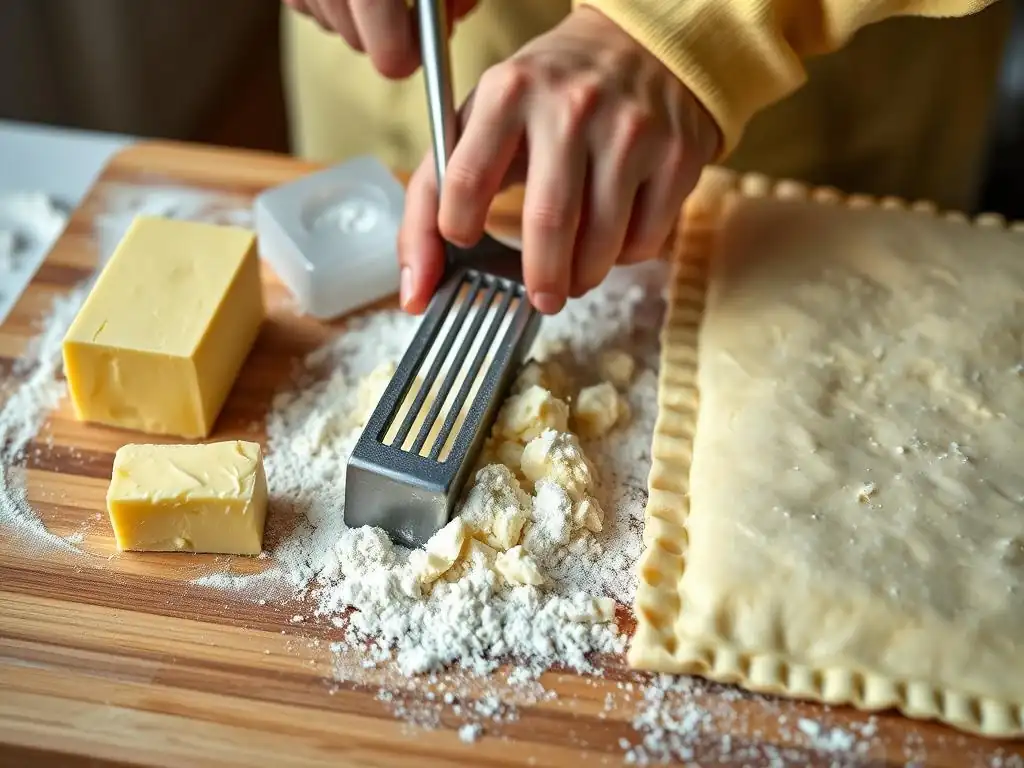
Successfully controlling fat temperature is a skill that improves with practice. Here are some practical tips to ensure your fat is at the ideal temperature for your baking project.
Measuring Fat Temperature
While you won't typically use a thermometer on your butter block, understanding its approximate temperature range is helpful.
- Refrigerator Temperature: Ensure your refrigerator is set correctly, typically between 35-40°F (2-4°C). Butter or shortening stored here will be firmly chilled.
- Freezer Temperature: Your freezer should be at 0°F (-18°C) or below for fat to be truly frozen solid.
- Feel Test: Learn to recognize the feel of fat at different temperatures.
- Frozen: Rock hard, breaks when cut.
- Firmly Chilled: Hard but can be cut with a sharp knife without shattering; bends slightly under pressure.
- Softened: Pliable, leaves an indentation easily.
- Room Temperature: Very soft, easily smeared.
- Dough Temperature: For layered doughs, the dough's temperature is critical. Use an instant-read thermometer to check the dough temperature during mixing and after chilling. Aim to keep it below 60°F (15°C) during handling.
Monitoring these temperatures helps ensure your frozen fats puff pastry biscuits turn out perfectly.
Warm Kitchen Tips
Working with cold fat can be challenging in a warm kitchen. Here are strategies to combat heat:
- Chill Your Tools: Place bowls, pastry blenders, or food processor blades in the refrigerator or freezer before you start.
- Chill Ingredients: Ensure all your cold ingredients (fat, liquid) are extra cold.
- Work Quickly: Plan your steps to minimize the time the fat and dough are at room temperature.
- Chill Throughout: Don't hesitate to put the fat or dough back in the refrigerator or freezer for 10-15 minutes if it starts to feel warm or greasy. This is especially important between folds for puff pastry.
- Use Cold Surfaces: If rolling dough, use a cold surface like marble or granite, or chill your countertop by placing ice packs on it beforehand.
- Minimal Hand Contact: Use a pastry blender, food processor, or bench scraper to incorporate fat and handle dough as much as possible to avoid transferring body heat.
These techniques are essential for successfully handling frozen fats puff pastry biscuits in less-than-ideal conditions.
Storage Solutions
Proper storage ensures your fat is ready at the correct temperature when you need it.
- Refrigerator: Store butter and shortening in their original packaging in the coldest part of the refrigerator.
- Freezer: For long-term storage or when you specifically need frozen fat, wrap butter or shortening tightly in plastic wrap and then place it in a freezer-safe bag or container. It can typically be stored this way for several months.
- Pre-Portioning: If you frequently make recipes requiring specific amounts of cold or frozen fat, consider pre-portioning butter or shortening and storing the pre-measured amounts in the fridge or freezer. This saves time and minimizes handling just before use.
- Labeling: Always label frozen fat with the date to ensure freshness.
Having your fat stored correctly allows you to grab it at the precise temperature needed for your recipe, whether it's firmly chilled for a tender biscuit or frozen solid for maximum puff pastry layers.
Mastering Fat Temperature
Understanding and controlling fat temperature is a fundamental skill that unlocks a new level of baking success, particularly for layered and flaky goods. It's not just about following a recipe; it's about understanding the 'why' behind the temperature recommendations.
Experimenting for Unique Textures
Once you understand the basic principles, don't be afraid to experiment slightly.
- Varying Fat Piece Size: Try making biscuits with different sizes of chilled fat pieces (pea-sized vs. walnut-sized) to see how it affects flakiness and tenderness.
- Mixing Frozen and Chilled: Some bakers use a combination of finely grated frozen fat and larger pieces of chilled fat in the same recipe to achieve a balance of fine and large flakes.
- Fat Blends: Experiment with blends of butter, shortening, or lard, maintaining their temperatures, to see how the different melting points and compositions impact the final texture of your puff pastry or biscuits.
Keep notes on your experiments – the temperature of the fat, the size of the pieces, and the final texture – to learn what works best for your desired outcome.
Choosing the Right Fat Temperature
The choice between frozen and chilled fat ultimately depends on the desired outcome for your baked good.
- Choose Frozen Fat: When maximum lift, separation, and numerous fine layers are the priority, such as in specific rough puff methods or ultra-flaky biscuits.
- Choose Chilled Fat: When a balance of flakiness and tenderness is desired, or when working with traditional layered pastry methods that require pliable fat, like classic puff pastry or standard cut biscuits.
Always refer to your recipe's specific instructions, but knowing the principles allows you to understand why a certain temperature is recommended and how to adjust if needed.
Conclusion: Elevating Your Baking
Mastering the nuances of fat temperature, from frozen fats puff pastry biscuits techniques to understanding chilled butter's role in tenderness, is a game-changer for any baker. It's a skill that transforms good baked goods into great ones, giving you the power to control texture and achieve those coveted flaky layers or tender crumbs. So, the next time you're reaching for your butter or shortening, pause for a moment and consider its temperature. That simple consideration is your secret ingredient to baking success. Happy baking!
Frequently Asked Questions
How does the temperature of fat impact the flakiness of puff pastry and biscuits?
The temperature of the fat is crucial for creating layers. Frozen or very cold fat creates pockets of steam during baking, which lift and separate the dough into flaky layers.
Why is frozen fat preferred over chilled fat for puff pastry biscuits?
While both can work, frozen fat generally yields higher and flakier results. It melts slower, creating larger steam pockets and preventing the fat from absorbing into the flour.
What happens if the fat gets too warm during the puff pastry or biscuit-making process?
If the fat warms up too much, it will blend into the flour instead of remaining in distinct layers. This leads to a tougher, less flaky final product.
What are some tips for keeping the fat cold while making puff pastry biscuits?
Work quickly, use pre-chilled ingredients, and consider chilling the dough and tools (like your rolling pin and work surface) periodically during the process.
Can I use butter-flavored shortening instead of butter for frozen fats puff pastry biscuits?
Yes, butter-flavored shortening can be used, but the flavor profile will be different. Butter contributes a richer, more complex flavor, while shortening provides a more neutral taste.
Final Reflection: The Chilling Truth About Flaky Perfection
The debate between frozen and chilled fats in baking isn't just about technique; it's about unlocking the secrets to truly exceptional puff pastry and biscuits. The subtle differences in fat crystallization, as explored throughout this article, directly impact the final product's texture, flakiness, and overall success. Mastering this seemingly small detail can elevate your baking from good to truly unforgettable.
Understanding the impact of temperature on fat behavior has profoundly changed my approach to baking. It's no longer just a matter of following a recipe; it's about understanding the why behind each step. The science behind the crisp layers and tender crumb is fascinating, and the more I learn, the more I appreciate the delicate balance required. The proof of the pudding is in the eating,
as the saying goes, and the difference between a perfectly flaky pastry and a dense, disappointing one is starkly apparent.
Now, it's your turn to experiment! Don't be afraid to try both methods, to observe the differences firsthand, and to discover which technique best suits your style and preferences. The journey of mastering puff pastry and biscuits is a rewarding one, filled with delicious discoveries and the satisfaction of creating something truly special. Embrace the chill, embrace the science, and embrace the flaky perfection that awaits.
Unlock Flaky Perfection: Master the Art of Fat Temperature
Thanks for diving into the world of flaky pastries and light biscuits! You've now learned the crucial role fat temperature plays in achieving perfect results. Ready to put your newfound knowledge into practice?
- Bake a batch of your favorite recipe, this time paying close attention to chilling or freezing your fats. Note the difference! This is your primary action - putting your learning into practice is key!
- Share your baking triumphs (or challenges!) on social media using #BakeWithEaseFatFacts. Let's learn together!
- Challenge a friend to a baking showdown: See who can make the flakiest pastry using today's tips!
So, what incredible baked good are you ready to conquer with your newly honed fat-temperature skills?