
Why Your Homemade Bread Tastes Bland (Simple Fixes Revealed)

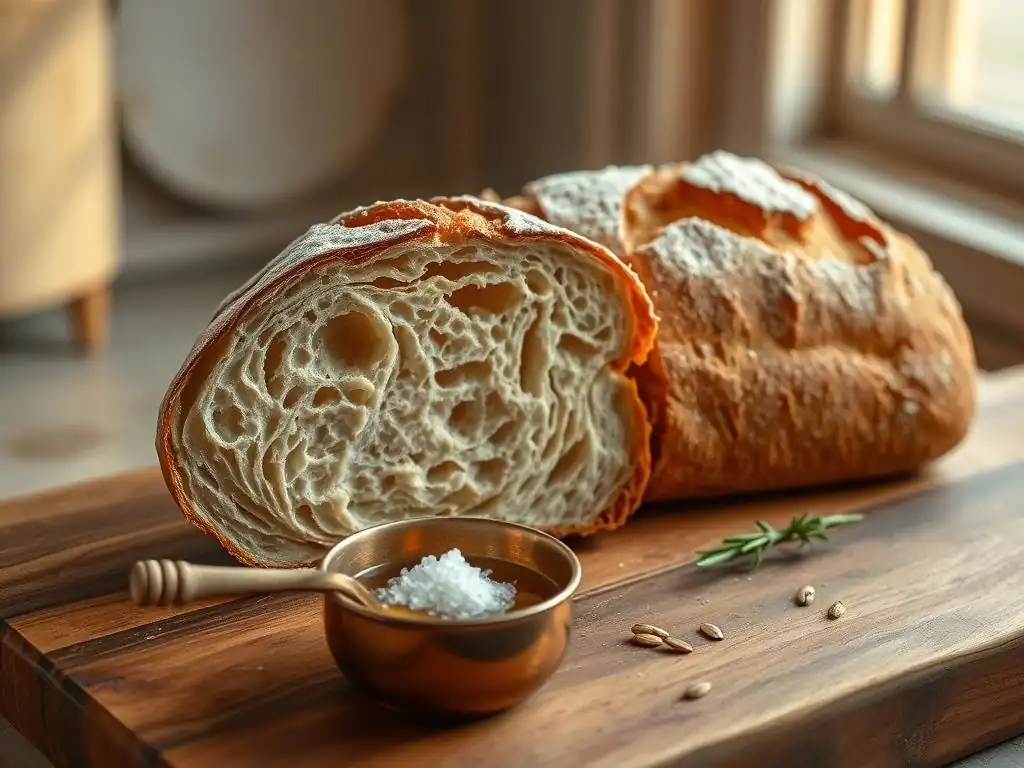
Welcome to BakeWithEase, your kitchen companion for unlocking baking brilliance! Ever wondered why your homemade bread tastes bland, despite all your effort? We're diving deep into that very question, revealing simple yet game-changing fixes that will elevate your loaf from ordinary to extraordinary. Get ready to discover the secrets that professional bakers use to infuse flavor and texture into every slice. Explore the world of baking tips & hacks and let's banish blandness, one delicious loaf at a time!
- Introduction: Is Your Homemade Bread Lacking Flavor?
- Understanding the Root Causes of Bland Bread
- Simple Fixes to Elevate Your Homemade Bread's Flavor
- Advanced Techniques for Enhancing Bread Flavor
- Troubleshooting Specific Bread Types
- Recipe Adjustments to Improve Bread Flavor
- Conclusion: Baking Flavorful Bread with Ease
- Frequently Asked Questions
- Final Reflection: The Unexpected Joys of Truly Delicious Homemade Bread
- Unleash Your Inner Baker: Craft the Perfect Loaf!
Introduction: Is Your Homemade Bread Lacking Flavor?
There's nothing quite like the aroma of freshly baked bread filling your kitchen. You pull a beautiful loaf from the oven, golden brown and crusty, anticipating that perfect bite. But then... disappointment. Despite looking the part, your homemade bread tastes bland, lacking the depth and character you crave. If you've ever wondered why your efforts result in a loaf that's just... meh on the flavor front, you're not alone. Many home bakers face this challenge, and often, the reasons are simpler than you might think.
Getting that rich, satisfying flavor in homemade bread involves more than just mixing flour and water. It's a delicate interplay of ingredients, time, and technique. When one or more of these elements are off, the result can be a loaf where the effort doesn't match the taste. Let's dive into the common culprits behind bland bread and, more importantly, reveal the simple fixes that can transform your baking from ordinary to extraordinary. Understanding these fundamentals is key to consistently producing delicious, flavorful homemade bread.
Understanding the Root Causes of Bland Bread
Insufficient Salt: The Foundation of Flavor in Bread
Salt is arguably the most critical ingredient for flavor development in bread, second only to the flour itself. It doesn't just make the bread "salty"; it enhances and rounds out all the other flavors present, including the subtle notes produced by fermentation. Without enough salt, bread can taste flat, one-dimensional, and yes, quite bland. Think of it as the seasoning that elevates the natural taste of the grain and the fermentation process.
Beyond flavor, salt plays a vital role in the bread's structure and fermentation rate. It tightens the gluten structure, making the dough stronger and easier to handle, and contributes to a better crust color. It also helps control yeast activity, slowing it down just enough to allow for longer, more complex flavor development during fermentation. A common guideline for salt is around 1.8% to 2.2% of the total flour weight. Using significantly less than this typical range is a frequent reason why homemade bread tastes bland.
Weak or Inactive Yeast: Impact on Flavor Development
Yeast is the engine of fermentation, and fermentation is where much of bread's flavor originates. As yeast consumes sugars in the dough, it produces carbon dioxide (which makes the bread rise) and alcohol and organic acids (which contribute significantly to flavor). If your yeast is weak, old, or inactive, fermentation will be sluggish or nonexistent. This doesn't just mean a poor rise; it means the yeast isn't producing those crucial flavor compounds.
Using expired yeast or storing it improperly (exposure to air, moisture, or heat) can kill it or severely reduce its potency. If your dough isn't rising well or taking an unusually long time, it's a strong indicator that your yeast might be the issue. A lack of proper fermentation due to inactive yeast is a major factor contributing to homemade bread tasting bland.
Poor Quality Flour: Affecting Taste and Texture
Flour isn't just a filler; it's the main ingredient and contributes its own subtle flavor profile to the bread. The type and quality of flour used can significantly impact the final taste. Mass-produced or low-protein flours might lack the inherent nutty or sweet notes found in higher-quality or specially milled bread flours. Furthermore, flour with insufficient protein levels (~10% or less) can hinder proper gluten development, affecting the bread's structure and its ability to hold onto the gases produced during fermentation, which indirectly impacts flavor distribution.
While all-purpose flour can work for many recipes, using a good quality bread flour (typically 12-14% protein) often leads to a more robust crumb structure and can contribute a slightly richer flavor. Whole wheat flours, while flavorful, can sometimes introduce bitterness if not balanced correctly or if the quality is poor. Choosing fresh, appropriately-milled flour is a foundational step in preventing your homemade bread from tasting bland.
Insufficient Fermentation Time: Key to Flavor Development
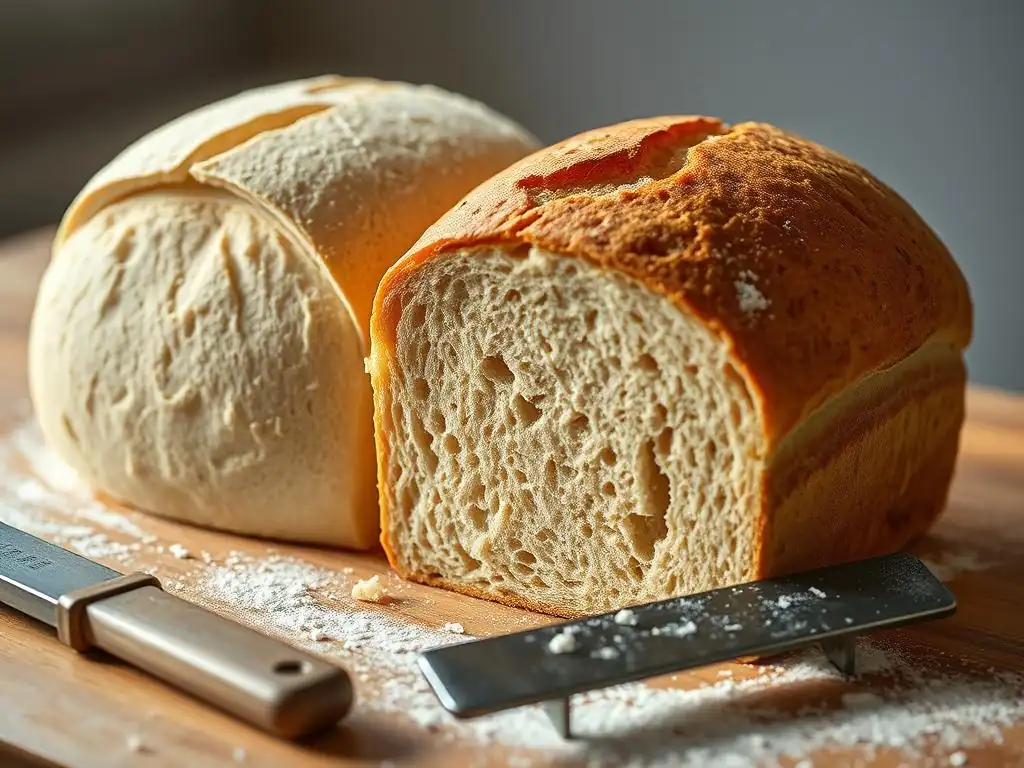
Fermentation is the magical process where simple dough transforms into flavorful bread. During this time, yeast and natural enzymes in the flour break down starches and proteins, creating a complex array of aromatic compounds, including alcohols, acids, and esters. The longer the dough ferments (within optimal limits), the more time these flavors have to develop and deepen. Rushing the process by using too much yeast or fermenting at too high a temperature can lead to a quick rise but a underdeveloped flavor profile.
Many quick bread recipes minimize fermentation time for convenience, which is often why they lack the depth of flavor found in artisanal loaves. Allowing the dough sufficient time during the bulk fermentation phase (the first rise) and the proofing phase (the final rise) is crucial. This slow development of organic acids, particularly lactic and acetic acids, provides the pleasant tang and complexity that distinguishes truly delicious bread from homemade bread that tastes bland.
Over-Proofing: How it Can Ruin the Flavor
While insufficient fermentation leads to blandness, surprisingly, too much fermentation can also negatively impact flavor and texture. Over-proofing occurs when the dough has risen beyond its optimal point, and the yeast has consumed most of the available sugars. At this stage, the gluten structure begins to weaken, and the delicate balance of acids and alcohols can shift, sometimes leading to off-flavors or a yeasty, alcoholic taste rather than pleasant complexity.
An over-proofed loaf often collapses in the oven or bakes up with a dense, gummy texture. The desirable complex flavors developed during proper fermentation can be lost or overshadowed by the byproducts of excessive yeast activity. Recognizing the signs of a perfectly proofed dough is just as important as ensuring it ferments long enough; both extremes can result in homemade bread that tastes bland or otherwise unappealing.
Simple Fixes to Elevate Your Homemade Bread's Flavor
Measuring Salt Accurately: A Baking Essential
Precision is key in baking, especially when it comes to salt. Don't eyeball it! Using too little salt is a primary reason why homemade bread tastes bland. Invest in a small digital scale and measure your salt by weight. For most standard bread recipes, a salt percentage of 1.8% to 2.2% of the flour weight is a good starting point. For example, if your recipe uses 500 grams of flour, you'd aim for 9 to 11 grams of salt. This might seem like a small amount, but it makes a dramatic difference in the final taste.
- Use a digital scale for accuracy.
- Aim for 1.8% - 2.2% salt relative to flour weight.
- Add salt after the autolyse phase if using one, or early in the mixing process.
Adding the correct amount of salt ensures that the flavors developed by the flour and yeast are properly highlighted and balanced. It prevents that flat, uninteresting taste and contributes to a better crust and crumb. Don't be afraid to experiment slightly within the recommended range to find your preferred level of saltiness, but always ensure you're adding enough to make a noticeable positive impact on the flavor profile.
Testing Your Yeast for Activity: Ensuring a Good Rise and Flavor
Before committing your ingredients, test your yeast, especially if it's been sitting in your pantry for a while. This simple step can prevent the disappointment of a flat loaf and ensure proper flavor development. The standard test involves warm water (around 105-115°F or 40-46°C), a pinch of sugar, and the yeast.
Task List: Testing Yeast Activity

- [x] Gather ingredients: Warm water (1/2 cup), pinch of sugar, yeast (amount specified in recipe or 1-2 tsp).
- [x] Combine sugar and yeast in the warm water.
- [x] Stir gently.
- [x] Let sit for 5-10 minutes.
- [ ] Observe: Does it become foamy and bubbly?
If the mixture becomes foamy and expands within 5-10 minutes, your yeast is active and ready to work its magic, contributing both rise and flavor. If there's little to no activity, your yeast is likely dead or inactive, and using it will result in a loaf that doesn't rise and will certainly taste bland. Discard the inactive yeast and get a fresh batch.
Choosing the Right Flour for Optimal Flavor: Bread Flour vs. All-Purpose
The type of flour you use has a significant impact on both the texture and flavor of your bread. While all-purpose flour is versatile, it typically has a lower protein content (around 10-12%) compared to bread flour (12-14%). This lower protein means less gluten development, which can lead to a less structured crumb and a less pronounced "wheaty" flavor. Using a good quality bread flour provides the necessary protein for a strong gluten network, allowing the dough to trap fermentation gases effectively and resulting in a better rise and texture, which in turn supports better flavor.
Consider exploring different types of flour too. Using a portion of whole wheat flour (even just 10-20% mixed with white flour) can add nutty, complex notes that prevent homemade bread from tasting bland. Specialty flours like spelt, rye, or kamut each bring unique flavors. Pay attention to the flour's freshness; old flour can sometimes taste stale or bitter. Storing flour properly in a cool, dry place extends its shelf life and preserves its flavor.
Mastering the Art of Fermentation: Time and Temperature Matters
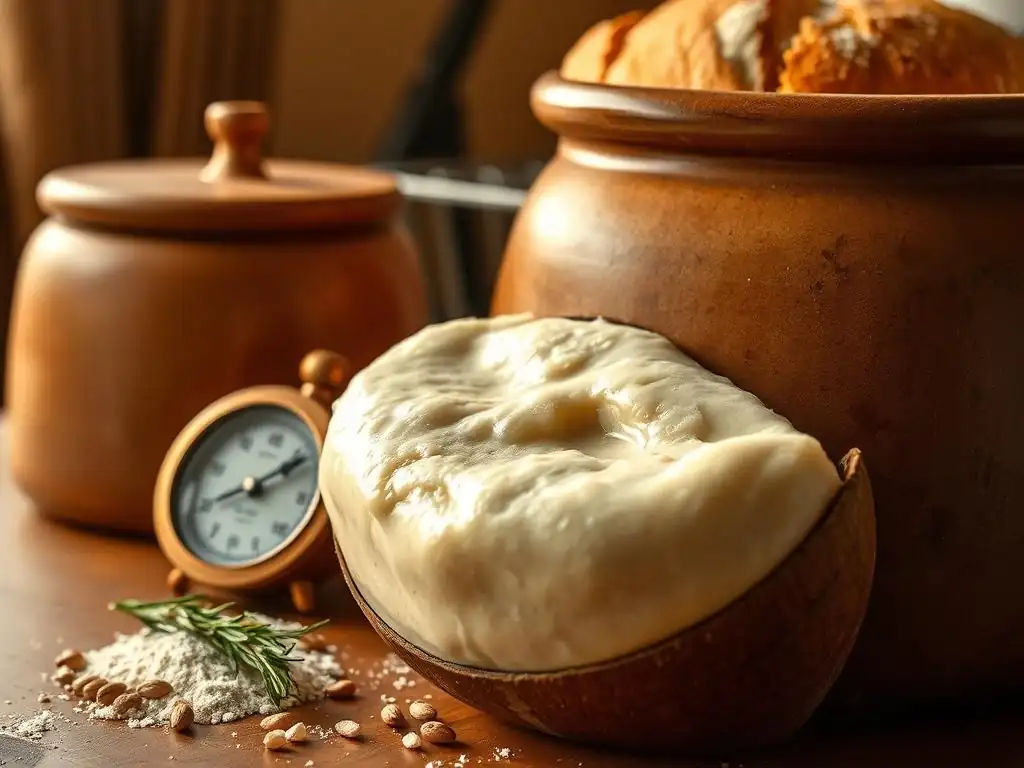
Insufficient fermentation time is a leading cause of homemade bread tasting bland. Flavor development happens slowly as yeast and enzymes work. Resist the urge to rush the process. Allow the dough sufficient time for its first rise (bulk fermentation) and second rise (proofing). Room temperature fermentation (around 70-75°F or 21-24°C) typically takes 1-3 hours for the first rise, depending on the recipe and yeast amount.
Alternatively, consider retarding your dough in the refrigerator for 12-48 hours. Cold fermentation significantly slows down yeast activity but allows enzymes to work longer, breaking down starches into sugars and proteins into amino acids, creating a much more complex and nuanced flavor profile. This is a common technique used by artisan bakers specifically to prevent bread from tasting bland and to achieve deeper, more interesting tastes.
The Importance of Autolyse for Flavor Enhancement
Autolyse is a simple technique that can significantly improve both the texture and flavor of your bread. It involves mixing just the flour and water from your recipe and letting it rest for 20 minutes to an hour before adding the salt and yeast. During this resting period, the flour absorbs the water fully, and enzymes (protease and amylase) naturally present in the flour begin to break down proteins and starches.
This initial breakdown helps gluten start developing on its own without mechanical mixing and makes the dough more extensible. More importantly for flavor, the enzymatic activity during autolyse starts converting starches into simpler sugars, which provides more food for the yeast later, potentially leading to more vigorous and flavorful fermentation. It's a simple step that can make a noticeable difference in preventing your homemade bread from tasting bland.
Bulk Fermentation: Developing Complex Flavors
Bulk fermentation, also known as the first rise, is perhaps the most critical stage for flavor development. This is the period after mixing (and adding yeast/salt) and before shaping. During bulk fermentation, the yeast is most active, producing gases for rise and, crucially, the alcohols and organic acids that define the bread's flavor. The length of bulk fermentation depends heavily on the temperature of your kitchen and the amount of yeast used.
- At warmer temperatures (75°F+), bulk fermentation might only take 1-2 hours.
- At standard room temperature (70-74°F), 2-4 hours is more common.
- Cold fermentation (in the refrigerator at 40°F) can last 12-48 hours or even longer.
Properly developed dough during bulk fermentation should increase significantly in volume (often doubling) and show signs of fermentation like bubbles on the surface. Allowing sufficient time for this stage ensures that the foundational flavors are well-established, preventing the final loaf from tasting bland.
Avoiding Over-Proofing: Signs and Solutions
While insufficient fermentation leads to blandness, over-proofing can result in a dense, gummy texture and sometimes a slightly off-flavor. It happens when the dough has risen too much and the gluten structure can no longer support the gas produced by the yeast. The key is to learn to recognize the signs of a perfectly proofed dough.
A common test is the "poke test": gently poke the dough with a floured finger.
- If the indentation springs back immediately, it needs more time (under-proofed).
- If the indentation springs back slowly and slightly, leaving a small indent, it's perfectly proofed.
- If the indentation remains completely, the dough is likely over-proofed.
If you suspect your dough is over-proofed before baking, you can sometimes gently reshape it and give it a shorter second rise (proofing). However, preventing over-proofing by monitoring the dough and temperature is the best approach to ensure optimal flavor and texture and avoid homemade bread that tastes bland due to fermentation issues.
Advanced Techniques for Enhancing Bread Flavor
Using a Sourdough Starter: Unleashing Tangy Flavors
Switching from commercial yeast to a sourdough starter is one of the most significant ways to deepen and complexify your bread's flavor profile. A sourdough starter is a living culture of wild yeast and lactic acid bacteria (LABs). The LABs produce organic acids, primarily lactic acid and acetic acid, which give sourdough its characteristic tang and contribute a wide range of other subtle flavors. Wild yeast often ferments more slowly and differently than commercial yeast, also adding complexity.
Baking with sourdough inherently requires longer fermentation times, often involving overnight rests, which further enhances flavor development. The balance of yeast and bacteria activity in the starter, influenced by feeding ratios, flour type, and temperature, allows for a nuanced flavor that commercial yeast alone cannot replicate. If your homemade bread tastes bland and you're looking for a dramatic flavor upgrade, exploring sourdough baking is a fantastic next step.
Incorporating Pre-Ferments: Poolish and Biga
Pre-ferments are dough or batter mixtures that are prepared hours or even days before the final dough. They contain a portion of the flour, water, and yeast from the main recipe and are allowed to ferment for an extended period. Common pre-ferments include poolish (equal parts flour and water, often liquidy) and biga (lower hydration, stiffer dough).
Using a pre-ferment allows a portion of the dough to undergo a long, slow fermentation, developing complex flavors and aromatic compounds that are then carried into the final dough. This technique adds depth, sweetness, and often a slight tang to the bread, significantly improving the flavor compared to a direct dough mix. Incorporating a poolish or biga is an excellent way to combat homemade bread that tastes bland without fully committing to sourdough.
Adding Flavorful Ingredients: Herbs, Cheese, and More
Sometimes, the simplest fix for homemade bread that tastes bland is to add ingredients that bring their own flavor! While pure bread relies on flour, water, salt, and yeast for flavor, incorporating other ingredients can elevate the taste profile dramatically.
- Herbs: Fresh or dried rosemary, thyme, or oregano can infuse the bread with aromatic notes.
- Cheese: Sharp cheddar, Parmesan, or Gruyere add savory depth.
- Spices: Cinnamon, cardamom, or even a pinch of black pepper can add warmth or subtle heat.
- Seeds: Toasted sesame, poppy, or caraway seeds provide nutty flavors and textural contrast.
- Other additions: Olives, sun-dried tomatoes, roasted garlic, or nuts can transform a simple loaf into a gourmet experience.
Adding these ingredients isn't just about masking blandness; it's about creating new flavor combinations. Ensure ingredients like cheese or wet additions are distributed evenly and don't interfere too much with gluten development or rise.
Exploring Different Baking Methods: Dutch Oven vs. Baking Stone
The way you bake your bread can also influence its flavor and texture, indirectly addressing issues that make homemade bread taste bland. Baking in a preheated Dutch oven or on a baking stone in a hot oven creates a strong initial burst of heat. The enclosed environment of a Dutch oven, in particular, traps steam released by the dough, which keeps the crust soft initially, allowing the loaf to expand fully (oven spring).
This excellent oven spring contributes to a better crumb structure (the interior texture). A well-developed, open crumb allows the subtle flavors created during fermentation to be appreciated more fully. Baking at high temperatures (often 450-500°F or 230-260°C) also promotes better crust development and caramelization, adding delicious, slightly sweet notes to the exterior that complement the interior flavor. Using these methods can elevate the overall baking quality, making homemade bread taste less bland.
Troubleshooting Specific Bread Types
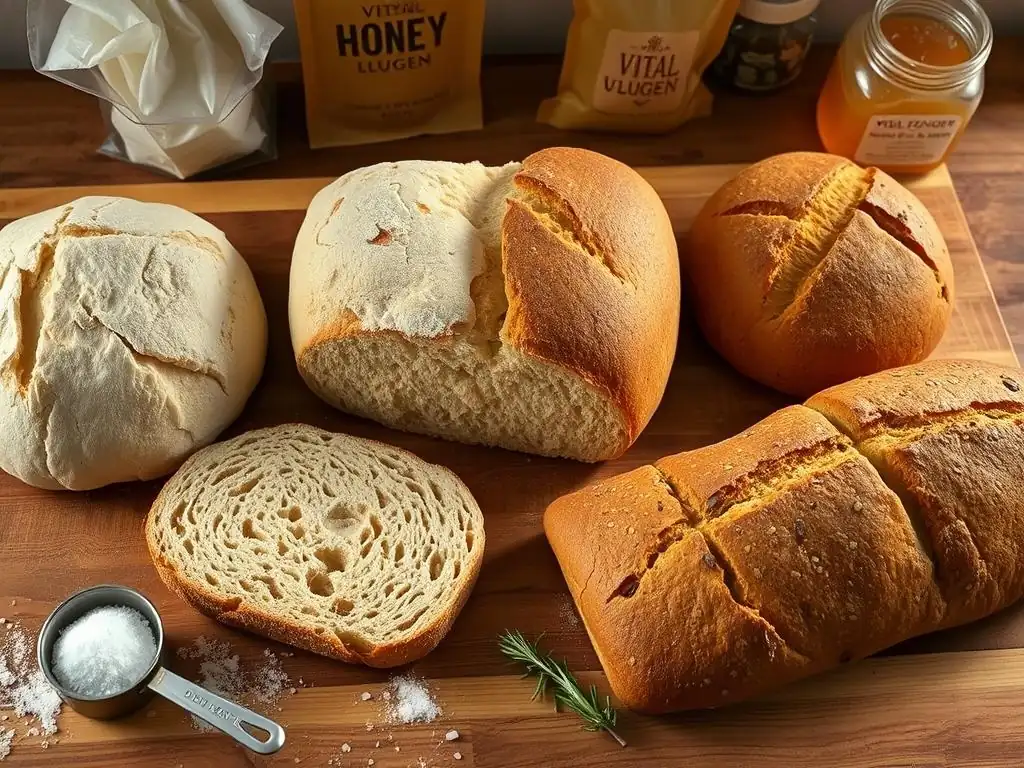
Fixing Bland White Bread: Simple Adjustments
White bread, made primarily with refined white flour, can be particularly susceptible to tasting bland because it lacks the inherent flavors found in whole grains. The most common culprits are insufficient salt and rushed fermentation. To fix bland homemade white bread:
- Increase Salt Slightly: Ensure your salt percentage is at least 1.8% of the flour weight, maybe even pushing towards 2.0-2.2%.
- Lengthen Fermentation: Allow for a longer bulk fermentation, even at room temperature. Aim for the dough to double in size slowly, which could take 2-4 hours depending on conditions.
- Consider a Cold Ferment: Refrigerate the dough for 12-24 hours for significantly improved flavor depth.
- Use Bread Flour: Opting for a good quality bread flour over all-purpose can contribute more flavor.
These simple adjustments focus on enhancing the basic flavor components of white bread, primarily through proper seasoning and allowing sufficient time for yeast activity to develop subtle fermentation notes.
Enhancing the Flavor of Whole Wheat Bread: Overcoming Bitterness
Whole wheat flour has more inherent flavor than white flour, but it can sometimes taste slightly bitter or dominant if not handled correctly, leading to a different kind of "blandness" where the wheat flavor is overwhelming or unpleasant. To enhance the flavor and mitigate bitterness in homemade whole wheat bread:
- Hydration: Whole wheat absorbs more water. Ensure adequate hydration (often higher than white bread) to achieve a pleasant texture and allow flavors to meld.
- Sweetener: A small amount of honey, maple syrup, or molasses (1-2% of flour weight) can balance the bitterness and add subtle sweetness.
- Autolyse: Letting whole wheat flour autolyse for 30-60 minutes helps soften the bran and germ, leading to better gluten development and potentially reducing bitterness.
- Long Fermentation: Cold fermentation is particularly effective with whole wheat, developing complex, nutty flavors and reducing any harshness.
Balancing the robust flavor of whole wheat requires careful attention to hydration, fermentation, and potentially the addition of a small amount of sweetener to round out the taste profile and prevent the bread from tasting one-dimensional or bitter.
Boosting the Taste of Sourdough Bread: Achieving the Perfect Tang
While sourdough is known for its flavor, sometimes homemade sourdough bread can taste bland if the starter isn't vigorous or the fermentation isn't managed correctly. Achieving that perfect balance of tang and complex flavor requires attention to your starter and process:
- Starter Health: Ensure your starter is active and well-fed. A vigorous starter produces more desirable acids and leavening power. Feeding ratios (e.g., 1:2:2 starter:water:flour) and temperature influence its flavor profile.
- Fermentation Temperature: Warmer fermentation (75-80°F) tends to favor lactic acid bacteria, producing milder, yogurt-like tang. Cooler fermentation (65-70°F) favors acetic acid bacteria, resulting in a sharper, vinegary tang. Experiment to find your preference.
- Length of Fermentation: Longer bulk fermentation and cold proofing (~12-48 hours in the fridge) allow more time for acids and flavors to develop.
- Flour Blend: Using a mix of white and whole wheat or rye flour in your starter or dough can add complexity to the flavor.
Troubleshooting bland sourdough involves understanding your starter's activity and controlling the fermentation environment to encourage the production of desirable acids and aromatic compounds.
Recipe Adjustments to Improve Bread Flavor
Salt Percentage Calculation for Better Flavor
As discussed, sufficient salt is paramount. Many recipes simply list salt by volume (teaspoons), which can be inaccurate. For consistent results and to ensure your homemade bread doesn't taste bland due to lack of salt, calculate the salt percentage based on the flour weight.
The formula is: Salt Percentage = (Weight of Salt / Weight of Flour) * 100%
So, if a recipe uses 500g of flour and calls for 10g of salt, the salt percentage is (10g / 500g) * 100% = 2.0%. Aim for this percentage or slightly higher if your current recipe results in bland bread. Most standard recipes fall between 1.8% and 2.2%. If your recipe doesn't provide weights, it's highly recommended to start using a scale for all ingredients for baking accuracy and better flavor control.
Yeast Quantity Adjustment for Optimal Flavor Development
The amount of yeast in a recipe affects the speed of fermentation. While more yeast means a faster rise, it often results in less complex flavor because the fermentation is too quick. If your homemade bread tastes bland and rises very quickly, consider slightly reducing the amount of yeast.
For a standard loaf using active dry or instant yeast, a common range is 0.5% to 1.5% of the flour weight. For a slower, more flavorful room temperature fermentation (2-4 hours), you might use closer to 0.7% instant yeast. If you plan a long cold fermentation (12+ hours), you can reduce the yeast significantly, perhaps to 0.1% - 0.5% instant yeast, allowing the longer time to develop flavor without over-proofing. Adjusting yeast quantity is a powerful tool for controlling both rise time and flavor development.
Flour Selection Guide for Different Bread Flavors
Choosing the right flour blend is crucial for building a specific flavor profile. While white bread flour provides structure, incorporating other flours adds character.
- All-Purpose Flour: (~10-12% protein) - Neutral base, good for soft sandwich bread, but can lead to blandness if not supplemented with other techniques.
- Bread Flour: (~12-14% protein) - Stronger gluten, slightly nuttier flavor than AP, ideal for crusty loaves and preventing blandness.
- Whole Wheat Flour: (~13-14% protein, includes bran and germ) - Robust, nutty, slightly bitter notes. Use as a portion (10-50%) to add complexity.
- Rye Flour: (Lower protein, different gluten structure) - Tangy, earthy, and dense. Adds significant flavor, often used as a percentage (10-40%) in mixed grain loaves.
- Specialty Flours (Spelt, Kamut, Einkorn): Offer unique, often sweeter or nuttier flavors. Experiment with these to add distinct character to your homemade bread and avoid blandness.
Consider the desired outcome: a light sandwich loaf might use primarily bread flour, while a rustic, flavorful boule could incorporate a blend of white, whole wheat, and maybe a touch of rye.
Conclusion: Baking Flavorful Bread with Ease
Key Takeaways for Delicious Homemade Bread
Baking truly flavorful homemade bread is an achievable goal for any home baker. It often comes down to understanding the fundamental role of each ingredient and respecting the process, particularly fermentation time. If your homemade bread tastes bland, don't be discouraged; it's a common hurdle with clear solutions. The most impactful fixes often involve ensuring sufficient salt, using active yeast, and allowing adequate time for flavor development through fermentation.
Remember these key takeaways to transform your baking:
- Measure salt accurately by weight (aim for 1.8-2.2% of flour).
- Always check your yeast's activity.
- Prioritize sufficient fermentation time; slow fermentation builds flavor.
- Consider cold fermentation for deeper, more complex tastes.
- Explore different flours and additions to enhance flavor profiles.
By implementing these simple techniques and paying attention to your ingredients and process, you can move beyond homemade bread that tastes bland and consistently bake loaves that are rich, aromatic, and utterly delicious. Happy Baking!
Frequently Asked Questions
Why does my homemade bread taste bland?
Bland homemade bread often stems from lack of salt, insufficient kneading, or using old or inactive yeast. These factors impact the bread's flavor development.
How can I improve the flavor of my homemade bread?
First, ensure you're using the correct amount of salt; it's crucial for flavor. Second, knead the dough properly to develop gluten. Finally, always check your yeast's expiration date and activity.
What kind of flour is best for flavorful homemade bread?
While all-purpose flour is suitable, using bread flour, which has a higher protein content, can result in a more flavorful and structured loaf. You could also experiment with whole wheat flour for a nuttier taste.
Can adding certain ingredients enhance the flavor of my homemade bread?
Yes! Consider adding ingredients like herbs, spices, cheese, or even a touch of sweetness (honey or molasses) to boost the flavor profile of your bread.
What if I've tried everything and my bread still tastes bland?
Sometimes, the problem lies in the proofing process. Ensure your dough is proofing in a warm, draft-free environment and for a sufficient amount of time to develop its flavor.
Final Reflection: The Unexpected Joys of Truly Delicious Homemade Bread
The quest for perfectly flavorful homemade bread is a journey many embark on, often encountering the frustrating plateau of blandness. This seemingly simple task, transforming flour and water into a nourishing and comforting loaf, reveals a surprising depth of complexity. Mastering the art of bread baking isn't just about following a recipe; it's about understanding the subtle nuances that elevate a loaf from edible to extraordinary.
The impact of truly good bread extends far beyond the simple act of eating. It's a connection to tradition, a celebration of simple ingredients transformed, and a source of immense satisfaction. The aroma alone, filling a kitchen with the promise of warmth and comfort, is a powerful sensory experience. As the great baker Jim Lahey once said, Bread is the staff of life, but it's also a work of art.
This sentiment resonates deeply, highlighting the artistry and passion involved in creating bread that truly sings. The journey to flavorful bread is a journey of discovery, teaching patience, precision, and the profound satisfaction of creating something beautiful and delicious from scratch.
Now, consider your own baking journey. What small adjustments can you make to elevate your next loaf? Perhaps it's experimenting with different flours, meticulously measuring your ingredients, or allowing for a longer fermentation. Don't be discouraged by initial setbacks; embrace the learning process. Remember the joy of that first perfect bite, the satisfying crust, the soft, airy crumb. The path to mastering homemade bread is paved with experimentation and a willingness to learn, and the rewards are immeasurable. So, gather your ingredients, embrace the process, and discover the transformative power of truly delicious homemade bread.
Unleash Your Inner Baker: Craft the Perfect Loaf!
Thanks for taking the time to explore the secrets of flavorful homemade bread! We hope you now feel empowered to overcome those pesky blandness issues. Ready to take your baking to the next level?
- Master the Art of Flavor: Experiment with the suggested techniques from the article—adjusting hydration, using different flours, and incorporating flavorful additions—to create a truly exceptional loaf. This is your chance to bake the bread of your dreams!
- Share Your Success (or Challenges!): Let us know in the comments how your next bread-making adventure goes. We love hearing your stories!
- Explore Our Bread Recipe Collection: For even more inspiration and delicious possibilities, dive into our extensive recipe library on the BakeWithEase website (you can find it via the main menu on bakewithease.com).
What unique flavor combination will you create in your next loaf?