
The Chemistry of Chocolate: What Happens When You Bake With It?

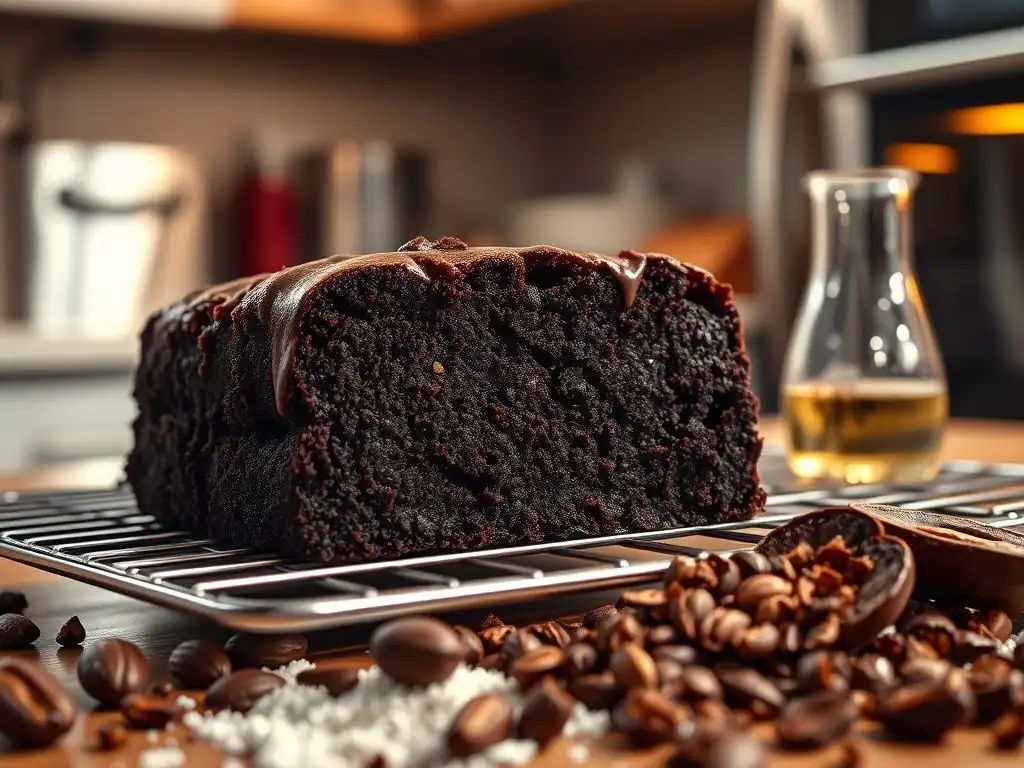
Welcome to BakeWithEase, your haven for all things baking! Ever wondered why that chocolate cake rises just so, or why your brownies have that perfect fudgy texture? Get ready to unlock the secrets behind the deliciousness! Dive into our latest article where we delve into " Chocolate baking chemistry explained," and discover the fascinating science that transforms simple ingredients into decadent masterpieces. Prepare to elevate your baking game with a deeper understanding of what's happening in your oven – let's get baking!
- The Chemistry of Chocolate: Mastering Baking Through Science
- Introduction to Chocolate's Chemical Composition
- Key Chemical Components and Their Roles
- Maillard Reaction and Caramelization in Chocolate
- Tempering Chocolate for Baking Applications
- Baking with Different Chocolate Types
- Heat's Influence on Chocolate's Molecular Structure
- Troubleshooting Common Chocolate Baking Issues
- Optimizing Chocolate Flavor in Baked Creations
- Advanced Techniques and Chemical Principles
- Conclusion: Unlock Chocolate's Potential Through Chemistry
-
Frequently Asked Questions
- What is the key chemical component in chocolate that affects baking results?
- How does temperature affect the flavor of chocolate during baking?
- Why does chocolate sometimes seize when melted?
- How does the type of chocolate (e.g., dark, milk, white) influence baking outcomes?
- What role does the Maillard reaction play in chocolate baking?
- Final Reflection: The Enduring Magic of Chocolate in Baking
- Unlock the Secrets of Chocolate Baking!
The Chemistry of Chocolate: Mastering Baking Through Science
Welcome to the fascinating world where baking meets science, specifically the intricate chocolate baking chemistry explained. Understanding the chemical reactions and components of chocolate isn't just for food scientists; it's a powerful tool for any baker looking to elevate their chocolate creations from good to truly exceptional. From the moment you melt a bar to the final bite of a perfectly baked treat, chemistry is at play, influencing flavor, texture, appearance, and stability.
Introduction to Chocolate's Chemical Composition
Chocolate, in its many forms, is a complex mixture of compounds. Its journey from a humble cocoa bean to the rich, indulgent ingredient we love involves fermentation, roasting, grinding, and conching – each step contributing to its unique chemical makeup. At its core, chocolate is primarily composed of cocoa solids, cocoa butter, and sugar, with variations in proportion defining different types like dark, milk, and white. Minor components like lecithin and vanilla also play significant roles in its characteristics.
Understanding this fundamental composition is the first step in mastering the science behind chocolate baking. Each component reacts differently to heat, moisture, and other ingredients, and knowing how they interact is crucial for predicting and controlling the outcome of your baked goods. This knowledge empowers you to troubleshoot issues, adapt recipes, and create consistently delicious results.
Why Understanding Chocolate Chemistry Enhances Baking
Delving into the chocolate baking chemistry explained provides bakers with a deeper level of control and predictability. It moves baking from simply following a recipe to understanding why certain steps are necessary and what happens when ingredients are combined and heated. This scientific insight allows you to troubleshoot common problems like seized chocolate, grainy ganache, or flat cookies, often saving a batch from disaster.
For instance, knowing the precise melting point of cocoa butter helps you melt chocolate without burning it. Understanding how sugar interacts with cocoa solids during heating explains why some chocolate goods become fudgier or chewier. This chemical knowledge isn't just academic; it's practical, enabling you to refine techniques, experiment with confidence, and achieve professional-level results in your home kitchen. It transforms baking from a series of steps into a creative and informed process.
Mastering Baking: A Guide to Chocolate's Secrets
Mastering baking with chocolate involves unlocking its secrets through a scientific lens. It's about recognizing that chocolate is a dynamic ingredient whose behavior changes dramatically based on temperature, moisture, and interaction with other substances. This guide aims to demystify these processes, providing you with the knowledge to handle chocolate effectively in various baking applications.
By understanding the roles of different chemical components and how they react during processes like melting, tempering, and baking, you gain the ability to manipulate texture, control sweetness, and enhance flavor. Whether you're making delicate chocolate mousse, rich brownies, or perfectly shiny chocolate decorations, this exploration of chocolate baking chemistry explained will equip you with the insights needed to achieve consistently superior outcomes and truly master the art of baking with chocolate.
Key Chemical Components and Their Roles
Chocolate's distinct characteristics – its flavor complexity, smooth texture, and ability to melt in your mouth – are all direct results of its key chemical components. These aren't just ingredients; they are active participants in the baking process, undergoing transformations that define the final product. Recognizing the function of each part is fundamental to understanding chocolate baking chemistry.
The primary players include cocoa solids, which provide the rich, bitter notes and color; cocoa butter, the unique fat responsible for its smooth texture and melt; sugar, which adds sweetness and influences structure; and often lecithin, an emulsifier that ensures smoothness. The proportion and quality of these components vary significantly across different types of chocolate, leading to their unique properties and behaviors when heated or mixed with other ingredients.
Cocoa Solids: Flavor, Color, and Texture Development
Cocoa solids, also known as cocoa mass or non-fat cocoa solids, are the dry, defatted part of the cocoa bean. They are the powerhouse of chocolate flavor, containing hundreds of aromatic compounds, including polyphenols like flavonoids, which contribute to its characteristic bitterness and are also potent antioxidants. The higher the percentage of cocoa solids in chocolate, the more intense and complex the flavor profile, and the darker the color.
During baking, cocoa solids contribute significantly to the structure and texture of baked goods. In cakes and brownies, they absorb moisture and proteins, influencing crumb structure and density. The concentration of cocoa solids directly impacts how dry or moist a baked item might be, and how intensely chocolatey it tastes. For example, a recipe calling for 70% dark chocolate will yield a much richer, denser, and less sweet result than one using milk chocolate with only around 30% cocoa solids. Understanding this impact is vital when adapting recipes or substituting chocolate types.
Cocoa Butter: Melting Point, Fat Bloom, and Texture
Cocoa butter is the fat extracted from the cocoa bean and is arguably the most crucial component affecting chocolate's texture and handling properties. It's a unique fat because it contains several different types of fat crystals, each with a different melting point. The most stable and desirable crystal form, known as Beta (β) crystal, melts sharply just below body temperature (around 90-94°F or 32-34°C), which is why chocolate melts so smoothly in your mouth.
This specific melting behavior is also responsible for chocolate's ability to be tempered, a process that encourages the formation of these stable Beta crystals, resulting in a shiny finish, a firm snap when broken, and resistance to fat bloom (a dull, grayish film caused by unstable fat crystals migrating to the surface). When baking, cocoa butter contributes richness, moisture, and tenderness. Its interaction with flour and other ingredients affects the overall mouthfeel and structure of baked goods, making it a central focus in understanding the chocolate baking chemistry explained.
Sugar: Sweetness, Moisture Retention, and Caramelization
Sugar is more than just a sweetener in chocolate; it's a critical structural component in baking. In chocolate itself, sugar balances the bitterness of cocoa solids and contributes to the overall flavor profile. The particle size of sugar also affects the texture of chocolate; finely ground sugar leads to smoother chocolate.
When chocolate is used in baking, the sugar it contains interacts with other sugars and moisture in the recipe. Sugar is hygroscopic, meaning it attracts and retains moisture, which can help keep baked goods soft and moist.
During baking, sugar undergoes caramelization at high temperatures (typically above 320°F or 160°C), contributing nutty, complex flavors and brown coloration, especially in areas where the chocolate is exposed to direct heat, like the crust of a brownie or the edges of a cookie. The amount of sugar in different chocolate types (dark chocolate has less, milk and white chocolate have more) significantly impacts the final sweetness, texture, and browning of the baked product.
Lecithin: Emulsification and Smooth Texture
Lecithin, often derived from soy or sunflower, is a common additive in commercial chocolate, typically present in small amounts, around 0.3% to 0.5%. Chemically, lecithin is a phospholipid, meaning it has both water-attracting (hydrophilic) and fat-attracting (lipophilic) properties. This dual nature makes it an excellent emulsifier.
In chocolate manufacturing, lecithin helps to reduce the viscosity (thickness) of the melted chocolate, making it easier to work with and pour. It surrounds the solid particles (cocoa solids and sugar) and prevents them from clumping together.
In baking applications, especially when melting chocolate or incorporating it into batters or ganaches, the lecithin present helps to maintain a smooth, stable mixture, preventing separation of fat and solids. While added in small quantities, its emulsifying action is a subtle yet important aspect of achieving desirable texture and flow in chocolate-based preparations, contributing to the overall smoothness we expect when the chocolate baking chemistry explained is optimized.
Maillard Reaction and Caramelization in Chocolate
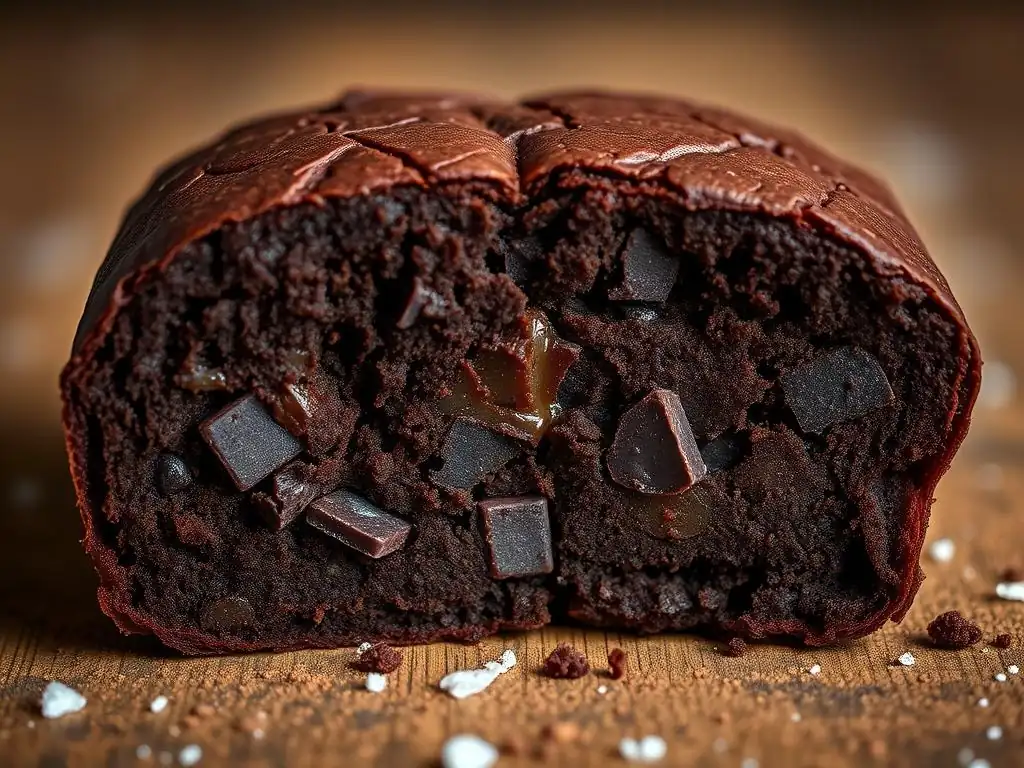
Two of the most significant chemical reactions that occur during baking and contribute immensely to flavor and color development are the Maillard reaction and caramelization. While often conflated, they are distinct processes, both crucial when chocolate is subjected to heat, whether during its manufacturing or when baked into a cake or cookie.
These reactions transform simple sugars and amino acids into a complex array of new compounds responsible for the rich, toasted, and savory-sweet notes we associate with baked goods. Understanding where and how these reactions occur in relation to chocolate helps predict and control the final flavor profile of your baked creations, adding layers of complexity beyond just the taste of the chocolate itself.
Maillard Reaction: Developing Complex Chocolate Flavors
The Maillard reaction is a complex series of chemical interactions between amino acids (proteins) and reducing sugars that occurs at temperatures typically above 300°F (150°C), although it can happen slowly at lower temperatures over time. This reaction is responsible for the browning of crusts on bread, the searing of meat, and the development of hundreds of flavor compounds in cooked foods.
In chocolate, the Maillard reaction occurs primarily during the roasting of cocoa beans, contributing significantly to the characteristic 'chocolatey' flavor. When chocolate is baked into goods, the Maillard reaction continues, particularly on the surface or edges exposed to the highest heat.
The proteins and sugars present in the chocolate (especially milk proteins in milk chocolate) and the surrounding batter react, creating new aromatic compounds that add depth and complexity, moving beyond the raw chocolate flavor to a more roasted, nuanced profile. For instance, the crispy edge of a chocolate chip cookie owes much of its flavor complexity to localized Maillard reactions.
Caramelization: Browning and Sweetness Enhancement
Caramelization is the process of browning sugar through heat, typically occurring at higher temperatures than the Maillard reaction, starting around 320°F (160°C) for sucrose. Unlike the Maillard reaction, caramelization involves only sugars and doesn't require proteins. As sugar heats, it breaks down and undergoes a series of complex chemical transformations, forming hundreds of new compounds that produce characteristic caramel flavors – nutty, buttery, and slightly bitter notes – and brown pigments.
When chocolate is baked, the sugar present within it, as well as any added sugars in the recipe, can caramelize, especially in parts of the batter that reach high temperatures and have lower moisture content. This adds depth and richness to the flavor profile, enhancing the sweetness but also introducing more complex, toasted notes.
Think of the slightly browned, chewy centers of some brownies or the caramelized edges of a chocolate cake; these are examples where the sugar from the chocolate and the batter contributes to caramelization, adding layers to the overall chocolate baking chemistry explained. The degree of caramelization is influenced by the amount and type of sugar, as well as the baking temperature and time.
Tempering Chocolate for Baking Applications
Tempering chocolate is a crucial technique when you want the chocolate to set into a stable, shiny, and snappy form. While not always necessary when chocolate is fully incorporated into a batter (like in a cake or brownie), it is absolutely essential for applications where the chocolate will be left exposed, such as dipping cookies, making chocolate decorations, or incorporating chocolate chips that maintain their shape and texture after baking.
Tempering is fundamentally a process of controlling the crystallization of cocoa butter. By carefully melting, cooling, and reheating the chocolate to specific temperatures, you encourage the cocoa butter molecules to align into the desired, stable crystal structure (primarily Type V Beta crystals). This precise temperature control is a core aspect of the chocolate baking chemistry explained when working with solid chocolate.
Tempering: Achieving Shine, Snap, and Stability
Proper tempering results in chocolate that sets firmly with a beautiful glossy surface, breaks with a clean snap, and is resistant to melting at room temperature and developing bloom. Untempered chocolate, when melted and allowed to solidify, forms unstable, randomly oriented cocoa butter crystals. This leads to a dull, streaky appearance, a soft or crumbly texture, and a tendency to develop grayish fat bloom over time, especially if exposed to temperature fluctuations.
The process involves melting the chocolate completely (destroying all existing crystal structures), cooling it down to a specific temperature range while agitating it (to encourage the formation of stable crystals), and then warming it slightly to the working temperature (to melt any unstable crystals, leaving only the desired ones).
The specific temperatures vary depending on the type of chocolate: dark chocolate is typically heated to around 115°F (46°C), cooled to 88-92°F (31-33°C), and reheated to 89-91°F (31.5-32.5°C); milk and white chocolate have slightly lower temperature ranges due to their different compositions, often cooling to 84-86°F (29-30°C) and reheating to 86-88°F (30-31°C).
Tempering Methods: Seed, Tablier, and Water Bath
There are several common methods for achieving temper, each relying on controlled temperature changes and agitation to promote proper cocoa butter crystallization. The Seed Method is popular for home bakers: melt about 2/3 of the chocolate, then gradually stir in the remaining 1/3 (finely chopped or in chip form, these are the 'seeds' of stable crystals) while cooling and stirring until the chocolate reaches the correct temperature and starts to thicken slightly.
The Tablier Method (or Marble Slab Method) involves pouring melted chocolate onto a cool surface (like marble or granite) and working it with a spatula and scraper to cool it rapidly while agitating, then returning it to the remaining melted chocolate to bring it to the working temperature. The Water Bath Method uses a double boiler setup.
Melt the chocolate, remove from heat, cool the water bath, and stir the chocolate over the cooler water until it reaches the seeding temperature, then gently reheat over a warm water bath to the working temperature. Each method leverages the principles of chocolate baking chemistry explained to guide cocoa butter crystallization for optimal results.
Baking with Different Chocolate Types
The type of chocolate you choose significantly impacts the final flavor, texture, and appearance of your baked goods. Dark, milk, and white chocolate, as well as cocoa powder, each have unique compositions that dictate how they behave when heated and combined with other ingredients. Understanding these differences is key to successful chocolate baking.
Using the correct type of chocolate specified in a recipe is often crucial, as the proportions of cocoa solids, cocoa butter, and sugar affect everything from moisture balance to leavening. Substituting one type for another without adjustment can lead to unexpected results, highlighting the importance of appreciating the distinct properties of each chocolate variety from a chemical perspective.
Dark Chocolate: Bitterness, Intensity, and Antioxidants
Dark chocolate is characterized by a high percentage of cocoa solids (typically 50% to 90% or more), a moderate amount of cocoa butter, and less sugar than milk or white chocolate. The high cocoa solid content gives dark chocolate its intense, complex flavor profile, ranging from fruity to earthy to nutty, and its characteristic bitterness. These cocoa solids are also rich in flavonoids, potent antioxidants that have garnered dark chocolate a reputation for potential health benefits.
In baking, dark chocolate provides deep, rich flavor and contributes structure due to its higher proportion of cocoa solids. Its lower sugar content means it contributes less to sweetness and caramelization compared to milk or white chocolate. When melting dark chocolate, its higher melting point (due to more cocoa solids and often better tempering in quality brands) requires careful, gentle heat. Using dark chocolate in recipes like lava cakes or rich ganaches leverages its intensity, while its lower sugar content can require adjustments in recipes that rely on sugar for moisture and tenderness.
Milk Chocolate: Creaminess, Sweetness, and Milk Solids
Milk chocolate contains cocoa solids (typically 10% to 50%), cocoa butter, sugar, and milk solids (usually in the form of powdered milk or condensed milk). The addition of milk solids and a higher sugar content gives milk chocolate its characteristic creamy texture, lighter color, and sweeter, milder flavor compared to dark chocolate. The proteins and lactose (milk sugar) from the milk solids also participate in the Maillard reaction during baking, contributing unique toasted notes.
When baking with milk chocolate, its higher sugar and milk content means it melts more easily than dark chocolate and is more prone to scorching if overheated due to the milk solids. It contributes significantly to sweetness and can result in a softer, more tender crumb due to the fat from both cocoa butter and milk fat.
Recipes often use milk chocolate for its familiar, comforting flavor profile in applications like chocolate chip cookies or sweet glazes, where its creamy texture and moderate chocolate intensity are desired. Understanding its composition helps predict its behavior, a key part of the chocolate baking chemistry explained.
White Chocolate: Cocoa Butter, Vanilla, and Sweetness
White chocolate is unique because it contains no cocoa solids. It is made from cocoa butter, sugar, milk solids, and often vanilla. Legally, for something to be called white chocolate in the US, it must contain at least 20% cocoa butter, 14% total milk solids, and not more than 55% sugar. Its flavor comes primarily from the cocoa butter, milk solids, and vanilla, resulting in a rich, creamy, sweet profile without the bitterness of cocoa solids.
Due to its high cocoa butter content, white chocolate melts very smoothly but is also particularly sensitive to heat and can seize easily if overheated or exposed to moisture. It contributes richness and tenderness to baked goods but no chocolate color or cocoa flavor notes. Its sweetness requires careful balancing in recipes.
White chocolate is often used in applications where its creamy texture and sweet, vanilla-accented flavor are desired, such as in blondies, white chocolate ganache, or as a component in layered desserts. Its behavior is almost entirely dictated by the properties of cocoa butter and sugar, showcasing a focused aspect of chocolate chemistry.
Cocoa Powder: Alkalized vs. Natural and pH Impact
Cocoa powder is essentially dried, ground cocoa solids with most of the cocoa butter removed. It's a concentrated source of chocolate flavor. There are two main types: natural cocoa powder and Dutch-processed (or alkalized) cocoa powder. Natural cocoa powder is acidic, with a pH typically between 5 and 6.
It has a sharp, slightly fruity chocolate flavor and is lighter in color. Dutch-processed cocoa powder has been treated with an alkaline solution (like potassium carbonate) to neutralize its acidity, raising the pH to typically between 7 and 8. This process darkens the color, mellows the flavor, making it less bitter, and improves its solubility.
The acidity of cocoa powder is critical in baking because it interacts with leavening agents. Natural cocoa powder is often paired with baking soda, which is an alkaline leavener. The acid in the cocoa reacts with the baking soda to produce carbon dioxide gas, providing lift.
Dutch-processed cocoa powder, being neutral or slightly alkaline, is typically used with baking powder, which contains both acid and alkali and only needs moisture and heat to react. Using the wrong type of cocoa powder with the specified leavener can result in poor leavening and altered flavor and color, demonstrating a direct application of chocolate baking chemistry explained in practice.
Heat's Influence on Chocolate's Molecular Structure
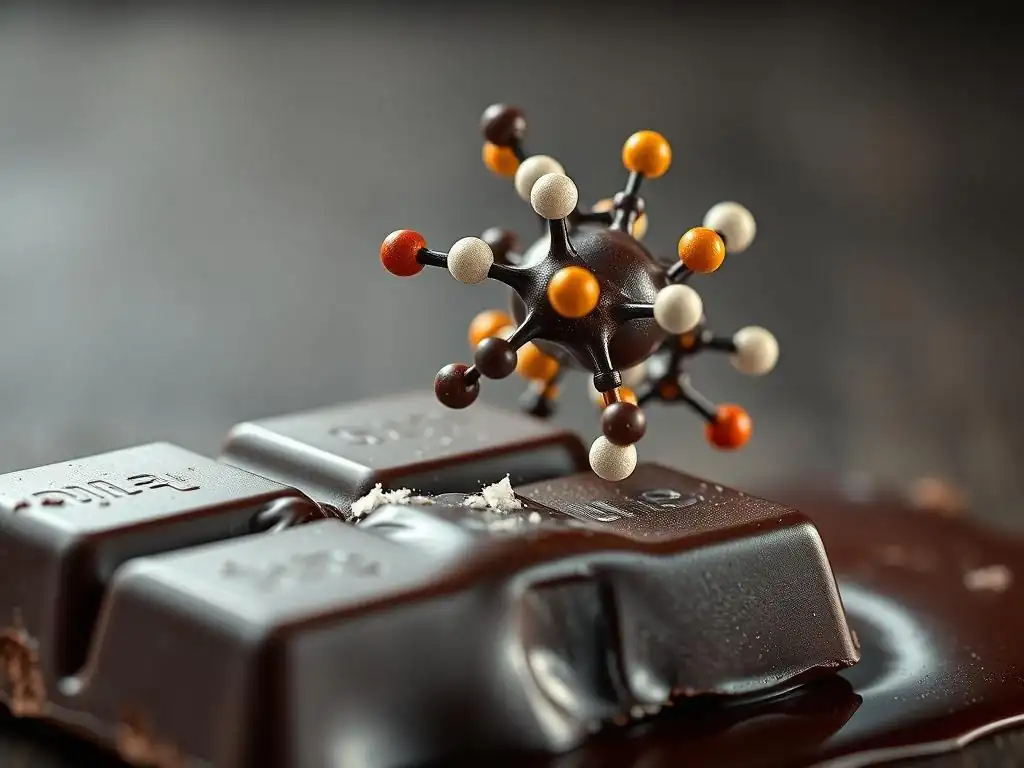
Heat is the primary catalyst for many of the chemical and physical changes that occur when baking with chocolate. From simply melting a bar to the sustained heat of an oven, temperature plays a critical role in transforming chocolate's structure, texture, and flavor. Understanding how chocolate responds to heat is fundamental to preventing common issues like seizing or scorching and achieving the desired outcome.
The unique composition of chocolate, particularly its cocoa butter and sugar content, makes it sensitive to temperature fluctuations. Each stage of heating, from initial melting to prolonged baking, affects the arrangement of molecules, the state of fats, and the progression of flavor-generating reactions, highlighting the dynamic nature of chocolate baking chemistry explained under thermal stress.
Melting Chocolate: Achieving Smooth, Glossy Texture
Melting chocolate involves transitioning the solid cocoa butter crystals into a liquid state. To achieve a smooth, glossy texture, gentle, indirect heat is essential. Overheating chocolate, especially rapidly, can cause the cocoa butter to separate from the cocoa solids, resulting in a greasy, gritty texture. A double boiler or melting gently in a microwave on low power in short intervals (15-30 seconds), stirring frequently, are preferred methods.
Different types of chocolate melt at different rates due to their varying compositions. White and milk chocolate, with higher sugar and milk fat content, melt at lower temperatures (around 80-84°F or 27-29°C for milk, slightly higher for white) and are more delicate than dark chocolate, which melts at a slightly higher temperature (around 86-90°F or 30-32°C). For chocolate that needs to retain temper after melting (like for dipping), the temperature must be carefully controlled within specific ranges as discussed in the tempering section.
Overheating: Preventing Seizing and Bitterness
Overheating chocolate is a common pitfall in baking that can quickly ruin its texture and flavor. When chocolate gets too hot (above 120-130°F or 50-55°C for dark chocolate, lower for milk/white), the sugar crystals within it can begin to burn or melt and recrystallize into larger grains, leading to a grainy or gritty texture. The cocoa solids can also scorch, developing harsh, bitter, or burnt flavors.
Moreover, overheating can break down the emulsion of cocoa solids and cocoa butter, causing the fat to separate. This is distinct from seizing (discussed below), but also results in a ruined texture. Gentle heat is key. When using a microwave, always use low power and stir frequently. When using a double boiler, ensure the bottom of the bowl doesn't touch the simmering water, and remove the chocolate from the heat source just before it's fully melted, relying on residual heat to finish the process.
Baking Temperature: Optimizing Flavor Development
The temperature of the oven plays a crucial role in how chocolate behaves within a batter or dough. While the internal temperature of a cake or cookie won't reach the high temperatures of initial caramelization or intense Maillard reactions (typically staying below 212°F or 100°C until moisture evaporates), the sustained heat facilitates slower reactions and physical changes.
For instance, in a chocolate cake, the heat melts the chocolate within the batter, distributing the cocoa butter and solids, contributing to moisture and richness. The sugar from the chocolate participates in browning reactions (both Maillard and caramelization) on the crust, enhancing flavor complexity. In chocolate chip cookies, the oven temperature affects how much the chips melt and spread.
A lower temperature might result in chips that hold their shape more, while a higher temperature might cause them to melt more completely. The overall baking temperature and time influence the final texture, moisture level, and flavor development of the chocolate components, demonstrating the pervasive nature of chocolate baking chemistry explained throughout the process.
Troubleshooting Common Chocolate Baking Issues
Even experienced bakers encounter issues when working with chocolate. Its sensitivity to heat and moisture can lead to frustrating problems like seizing, dryness, or unexpected textures. Fortunately, understanding the underlying chemical reasons for these issues provides clear pathways for prevention and, sometimes, reversal.
Addressing these common pitfalls effectively requires applying the principles of chocolate baking chemistry explained. Knowing how cocoa butter, sugar, and moisture interact under different conditions allows you to diagnose the problem and implement the correct solution, turning potential failures into learning opportunities.
Seizing: Prevention and Reversal Techniques
Seizing is perhaps the most dreaded issue when melting chocolate. It occurs when even a tiny amount of liquid (like water, steam, or milk) comes into contact with melted chocolate. The liquid causes the sugar particles in the chocolate to clump together immediately. Since there isn't enough liquid to dissolve all the sugar, the mixture turns from a smooth liquid into a thick, lumpy, unusable paste. This happens because sugar is hydrophilic and grabs onto the limited moisture, leaving the fat (cocoa butter) unable to flow smoothly.
Prevention is key: ensure all equipment is completely dry before melting chocolate, and be careful of steam from a double boiler. If seizing occurs, it can sometimes be rescued by adding a small amount of additional fat, like vegetable oil, melted shortening, or even more melted cocoa butter (about 1 teaspoon per 6 ounces of seized chocolate).
Stirring this fat in vigorously can sometimes coat the sugar particles and restore a smooth consistency, though the chocolate will no longer be temperable. Adding more liquid, like hot cream or milk, can also work if you intend to make a ganache or sauce, dissolving the sugar clumps.
Dryness: Hydration and Fat Content Adjustments
Dryness in chocolate baked goods can stem from several factors related to chocolate's composition and how it interacts with other ingredients. Chocolate itself contains cocoa solids, which absorb moisture. If a recipe uses a high proportion of high-cocoa dark chocolate or cocoa powder without sufficient added fat or liquid, the final product can be dry or crumbly.
Adjusting the balance of fat and moisture is crucial. Recipes using a lot of cocoa powder (which has very little fat) often need a higher amount of butter or oil and sometimes more liquid (like milk or water) than recipes using melted chocolate (which contains cocoa butter).
For example, a typical chocolate cake recipe might use 1/2 cup cocoa powder and require 1 cup of liquid, whereas a recipe using 4 ounces of melted dark chocolate might need less added fat and liquid because the cocoa butter provides richness and moisture. Understanding the fat-to-solid ratio in your chocolate ingredients helps you anticipate and correct for potential dryness, a practical application of chocolate baking chemistry explained.
Texture Problems: Ingredient Ratios and Mixing
Texture problems in chocolate baking – like cakiness in brownies, flat cookies, or grainy ganache – are often a result of incorrect ingredient ratios or improper mixing techniques, both of which relate directly to the chemical and physical interactions between ingredients. For example, a brownie that is too cakey might have too much flour or not enough fat relative to the cocoa solids, leading to a more structured, less fudgy texture. Flat cookies might have too much sugar or butter, causing excessive spread during baking.
Grainy ganache is a specific texture issue often caused by the emulsion breaking. Ganache is an emulsion of fat (from chocolate and cream) and water (from cream). If the ratio of cream to chocolate is off, or if it's mixed too vigorously after cooling, the fat can separate, leading to a greasy, grainy texture. Proper mixing incorporates air and develops gluten structure (in flour-based goods) or creates stable emulsions (in ganaches and mousses). Following precise measurements and mixing instructions, and understanding why those instructions are given, helps ensure the desired texture by controlling these chemical and physical processes.
Optimizing Chocolate Flavor in Baked Creations
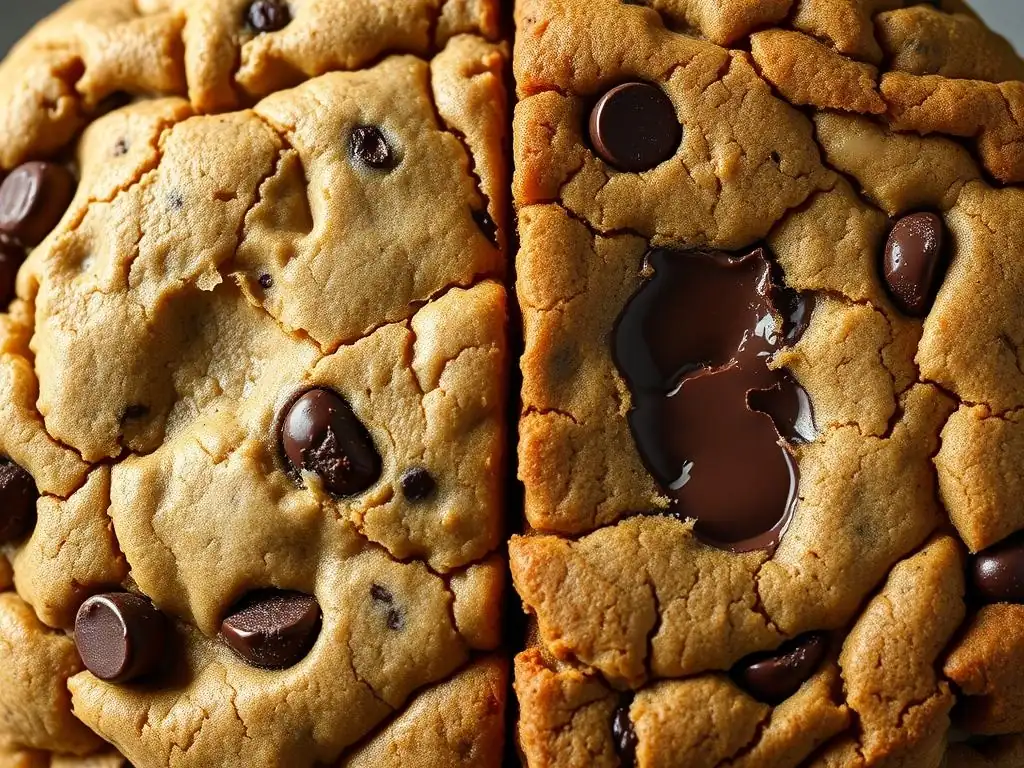
Achieving the best possible chocolate flavor in your baked goods goes beyond simply adding chocolate to a recipe. It involves making informed choices about the type and quality of chocolate used, understanding how to pair it with complementary flavors, and ensuring it is stored correctly to maintain its peak condition. Each of these steps is underpinned by principles of chocolate baking chemistry explained.
Selecting the right chocolate means considering its composition and flavor profile. Pairing involves understanding how different compounds interact to enhance or balance chocolate's inherent taste. Proper storage prevents degradation that can negatively impact flavor.
Selecting Chocolate: Considering Origin and Cocoa Percentage
The quality and origin of the chocolate you use have a significant impact on the final flavor of your baked goods. Just like wine or coffee, cocoa beans vary depending on where they are grown (e.g., single-origin chocolates from specific regions like Venezuela, Ecuador, or Ghana) and how they are processed. These factors contribute to unique flavor notes – some chocolates might have fruity undertones, others nutty, earthy, or floral.
The cocoa percentage is also a crucial indicator, especially for dark chocolate. A 70% dark chocolate will taste and behave differently than an 85% dark chocolate due to the difference in cocoa solids and sugar content. Higher percentages mean more intense flavor and less sweetness.
For best results, especially in recipes where chocolate is a primary flavor, choose high-quality chocolate that tastes good on its own. Don't use 'chocolate flavored' products or baking chips that contain less cocoa butter and more stabilizers, as they won't melt and perform the same way as couverture or bar chocolate, impacting both flavor and texture.
Complementary Flavors: Enhancing Chocolate [Nuts, Salt]
Pairing chocolate with complementary flavors is a classic technique to enhance its complexity and depth. Certain ingredients contain flavor compounds that interact synergistically with those in chocolate, creating a more vibrant taste experience. Examples include nuts, coffee, vanilla, spices like cinnamon or chili, fruits like raspberries or orange, and even salt.
Salt, in particular, is a powerful flavor enhancer in chocolate baking. While it might seem counterintuitive, a pinch of salt in a chocolate recipe doesn't necessarily make it taste salty; instead, it sharpens and amplifies the chocolate flavor, balancing sweetness and bringing forward subtle notes that might otherwise be lost. Nuts, like almonds or hazelnuts, contain volatile aromatic compounds that complement the roasted notes in cocoa solids. Understanding these flavor interactions allows you to build more complex and satisfying taste profiles in your chocolate creations, leveraging the full spectrum of chocolate baking chemistry explained in combination with other ingredients.
Storage: Maintaining Freshness and Preventing Bloom
Proper storage is essential for maintaining the quality and flavor of chocolate. Chocolate is susceptible to absorbing odors from its environment, so it should be stored in a cool, dry place away from strong smells. The ideal storage temperature is typically between 60-70°F (15-21°C).
Fluctuating temperatures, especially warming and then cooling, can cause cocoa butter crystals to melt and recrystallize on the surface, resulting in fat bloom (a grayish, dull film). While bloom doesn't make the chocolate unsafe to eat, it negatively impacts texture and appearance.
Moisture is also an enemy; even small amounts can cause sugar bloom (a white, grainy layer) or seize melted chocolate. Storing chocolate properly in airtight containers away from heat, light, and moisture preserves its delicate flavor compounds and physical structure, ensuring it performs optimally when you're ready to bake, thus respecting the fundamental principles of chocolate chemistry from storage to finished product.
Advanced Techniques and Chemical Principles
Moving beyond basic melting and mixing, several advanced chocolate techniques rely heavily on specific chemical principles to achieve unique textures and structures. Understanding the science behind emulsions, aeration, and pH adjustments allows bakers to create sophisticated desserts like stable ganaches, airy mousses, and perfectly balanced cakes.
These techniques demonstrate the practical application of chocolate baking chemistry explained at a higher level, empowering bakers to manipulate ingredients to achieve precise results. Mastering these principles opens up a world of possibilities in chocolate dessert creation.
Chocolate Ganache: Emulsion Science and Stability
Chocolate ganache, a simple yet versatile mixture of chocolate and cream, is a prime example of emulsion science in action. An emulsion is a stable mixture of two immiscible liquids, in this case, fat (from chocolate and cream) and water (from cream). When hot cream is poured over chopped chocolate and gently stirred, the cocoa butter and milk fat disperse within the water phase of the cream, stabilized by emulsifiers naturally present in the cream and added lecithin in the chocolate.
The ratio of chocolate to cream dictates the consistency of the ganache, from a pourable glaze (higher cream ratio, e.g., 1:1 chocolate to cream by weight for dark chocolate) to a firm truffle filling (higher chocolate ratio, e.g., 2:1 or 3:1 chocolate to cream). Temperature is critical; heating the cream helps melt the chocolate and facilitates the emulsion, but overheating can break it. Cooling the ganache allows the cocoa butter and milk fat to re-solidify, setting the emulsion and giving it structure. Over-mixing cooled ganache can also break the emulsion, causing it to become greasy and separated.
Chocolate Mousse: Aeration, Stabilization, and Texture
Chocolate mousse is a light, airy dessert whose texture relies on the principles of aeration and stabilization. Mousse typically involves incorporating air into a base mixture (often melted chocolate, sometimes with egg yolks or a créme anglaise) and then stabilizing that air using whipped cream or whipped egg whites (meringue).
The stability of the mousse depends on the structure provided by the fat (cocoa butter in chocolate, fat in cream) and sometimes proteins (in eggs or gelatin). When chocolate is melted and combined with other ingredients, the cocoa butter is in a liquid state. As the mousse cools, the cocoa butter solidifies, helping to set the aerated structure.
Whipped cream provides both fat and air bubbles stabilized by milk fat. Whipped egg whites provide a protein network that traps air. The interaction between these components, the incorporation of air, and the controlled solidification of fats are all key aspects of the chocolate baking chemistry explained as applied to creating a stable, light mousse.
Acids and Bases: Impact on Flavor and Structure [Vinegar, Brown Sugar]
The pH of a baking mixture can significantly impact both the flavor and structure of the final product, especially when chocolate is involved. Acids and bases interact with cocoa solids and leavening agents. As discussed with cocoa powder, acidity affects leavening when using baking soda. But pH also influences flavor and color.
Natural cocoa powder is acidic and pairs well with alkaline ingredients like baking soda and also enhances red tones in chocolate cakes. Brown sugar, which is slightly acidic due to molasses, can also interact with baking soda and contribute to moisture and chewiness in chocolate baked goods. Adding a small amount of acid, like vinegar or coffee (which is acidic), to a chocolate cake batter can intensify the chocolate flavor and improve the crumb structure by reacting with baking soda.
Conversely, using alkaline ingredients can deepen the color of cocoa powder. Understanding the pH balance in your recipe allows you to fine-tune both the chemical reactions for leavening and the flavor profile, demonstrating another layer of complexity in the chocolate baking chemistry explained.
Conclusion: Unlock Chocolate's Potential Through Chemistry
Exploring the chemistry of chocolate reveals that baking is much more than simply mixing ingredients and applying heat. It's a dance of molecules, a series of reactions, and a manipulation of physical states. By understanding the roles of cocoa solids, cocoa butter, sugar, and other components, and by appreciating how heat, moisture, and pH influence these ingredients, you gain a deeper appreciation for the craft and unlock the potential for creating truly exceptional chocolate baked goods.
This journey into chocolate baking chemistry explained provides a foundation for troubleshooting problems, adapting recipes, and experimenting with confidence. It empowers you to move from following instructions blindly to making informed decisions that lead to consistent, delicious, and beautiful results. Whether you're aiming for a perfectly tempered chocolate shell, a rich and fudgy brownie, or an impossibly light mousse, a little bit of science goes a long way in achieving your baking goals.
Elevating Baking: Applying Chemical Knowledge
Applying your knowledge of chocolate baking chemistry explained directly translates to elevating your baking skills. You'll be able to:
- Predict how different types of chocolate will behave in a recipe.
- Know why tempering is necessary for certain applications and how to do it correctly.
- Understand why adding a pinch of salt enhances chocolate flavor.
- Troubleshoot issues like seizing or dryness based on chemical principles.
- Adjust recipes confidently, perhaps substituting natural cocoa for Dutch-processed and adjusting leavening accordingly.
By viewing baking through this scientific lens, you transform challenges into solvable puzzles and recipes into flexible blueprints. It's about building intuition grounded in understanding, allowing you to create with greater control and creativity.
Resources: Further Exploration of Chocolate Science
For those eager to delve even deeper into the fascinating science of chocolate, numerous resources are available. Books dedicated to the science of cooking and baking, particularly those focusing on pastry and confectionery, often have extensive sections on chocolate. Websites and academic papers on food science provide detailed insights into the chemical compounds and reactions discussed here.
Exploring resources from reputable chocolate manufacturers can also offer valuable information on bean varieties, processing methods, and technical details about their specific products. Engaging with the science behind the ingredients is a continuous learning process that enriches the baking experience and fuels creativity in the kitchen.
Frequently Asked Questions
What is the key chemical component in chocolate that affects baking results?
The key component is cocoa butter. Its behavior during melting and solidification directly impacts the texture and mouthfeel of your baked goods.
How does temperature affect the flavor of chocolate during baking?
Overheating chocolate can cause it to burn and become bitter. Maintaining a consistent, moderate temperature is crucial for preserving its rich, complex flavor.
Why does chocolate sometimes seize when melted?
Seizing occurs when even a tiny amount of water or steam comes into contact with melted chocolate. This causes the cocoa solids to clump together, creating a thick, unusable mass.
How does the type of chocolate (e.g., dark, milk, white) influence baking outcomes?
Different types of chocolate have varying amounts of cocoa solids, cocoa butter, and sugar. These differences affect the sweetness, texture, and melting behavior of the final product.
What role does the Maillard reaction play in chocolate baking?
While not as pronounced as in other baked goods, the Maillard reaction contributes subtle flavor complexities in chocolate baking, particularly during the browning process.
Final Reflection: The Enduring Magic of Chocolate in Baking
The science behind chocolate's transformative power in baking isn't just about following recipes; it's about understanding the intricate dance between cocoa butter, sugar, and other ingredients, a dance that directly impacts the final texture and flavor. This understanding, far from being a niche pursuit, is crucial for any baker seeking to elevate their creations from good to exceptional. The subtle shifts in temperature, the careful manipulation of ingredients – these are the keys to unlocking chocolate's full potential.
The exploration of chocolate's chemistry has profoundly impacted my own baking journey, shifting it from a purely intuitive process to one grounded in a deeper appreciation for the scientific principles at play. It's a journey of discovery that continues to unfold with every batch of brownies, every cake, every truffle. As the renowned pastry chef, Jacques Torres, once said, Chocolate is a mystery, a magic, a passion.
This statement beautifully encapsulates the emotional and intellectual connection we forge with this ingredient, a connection deepened by understanding its underlying chemistry.
Now, it's your turn to experiment. Don't be afraid to delve into the science behind your favorite chocolate recipes. Observe how different cocoa percentages affect the final product, how the addition of fat or liquid alters the texture, and how precise temperature control unlocks the full spectrum of chocolate's flavor profile. By embracing the chemistry of chocolate, you'll not only improve your baking skills but also deepen your appreciation for this beloved ingredient and the artistry of baking itself.
Unlock the Secrets of Chocolate Baking!
Thanks for joining us on this delicious journey into the chemistry of chocolate! We hope you now feel more confident and empowered in your baking adventures. Ready to put your newfound knowledge to the test?
- Bake your dream chocolate creation! Use what you've learned to experiment with different types of chocolate and baking techniques. Try that recipe you've been eyeing, but with a newfound understanding of how to achieve the perfect texture and flavor.
- Share your chocolate masterpieces! Show off your baking skills and tag us on social media – we’d love to see your creations!
- Explore our other baking guides for even more tips and tricks to elevate your skills.
What unexpected chocolate flavor combination are you going to try next?