
Carbon Steel Loaf Pans: Durable, NonStick, and Perfectly Crisp Crusts

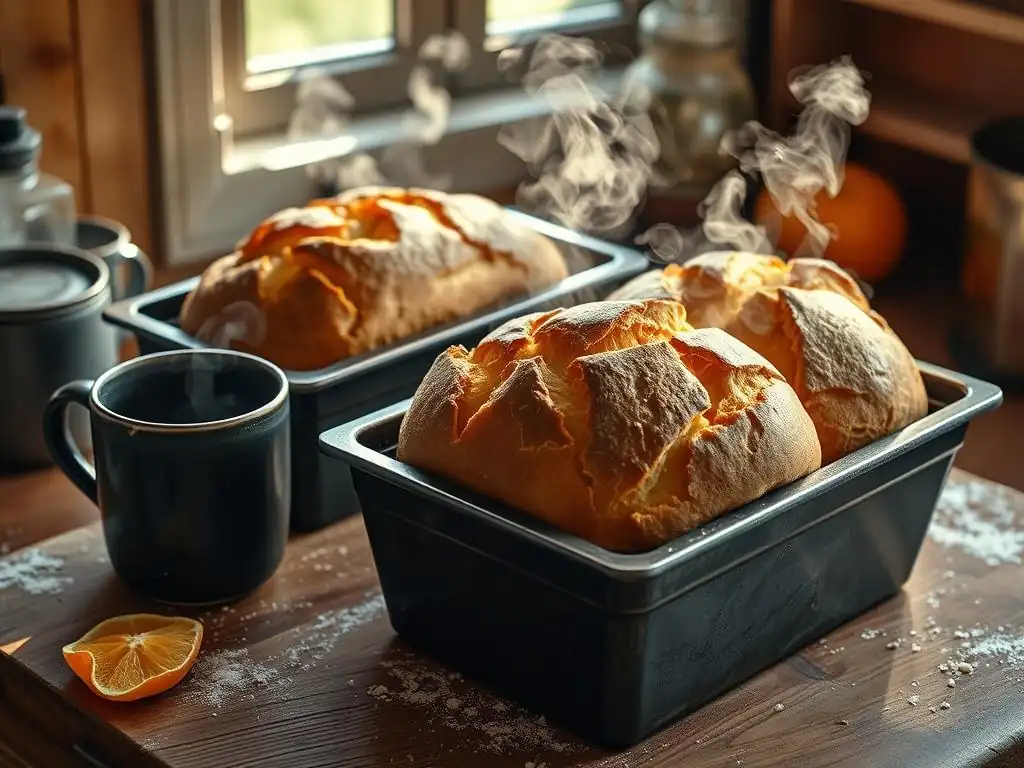
Welcome to BakeWithEase, your partner in creating unforgettable baked goods! Are you tired of unevenly baked loaves and frustrating sticking issues? Discover the secret to perfectly crisp crusts and effortless release with our in-depth carbon steel loaf pan review. Uncover the pros and cons, and find out if this kitchen essential is the key to unlocking your baking potential. Ready to elevate your bread baking game? Let's get started!
Baking the perfect loaf of bread or a moist quick bread requires more than just a great recipe and quality ingredients; the right equipment is absolutely essential. Among the myriad of baking pans available, the carbon steel loaf pan stands out for its unique properties that can significantly elevate your baking results. Renowned for its durability and ability to produce enviable crusts, a carbon steel loaf pan is a favorite among serious home bakers and professionals alike.
This guide will delve into the world of carbon steel loaf pans, exploring their benefits, maintenance, and how they compare to other materials. Whether you're baking a rustic sourdough or a classic banana bread, understanding the capabilities of a carbon steel pan can transform your baking experience. We'll provide insights into what makes these pans special and offer practical tips for using them effectively, ensuring your loaves turn out beautifully time after time.
- King Arthur Baking's Guide to Carbon Steel Loaf Pans
- Why Choose a Carbon Steel Loaf Pan for Baking?
- Durability and Longevity: Carbon Steel Loaf Pan Review
- Achieving Perfectly Crisp Crusts with Carbon Steel
- Non-Stick Performance of Carbon Steel Loaf Pans
- Selecting the Right Carbon Steel Loaf Pan for Your Needs
- Carbon Steel Loaf Pan Baking Recipes and Ideas
- Cleaning and Care for Your Carbon Steel Loaf Pan
- Is a Carbon Steel Loaf Pan Right for You?
- Mastering the Art of Baking with Carbon Steel: King Arthur Baking Tips
- Carbon Steel Loaf Pan: Your Key to Perfect Bakes
-
Frequently Asked Questions
- What are the main benefits of using a carbon steel loaf pan?
- How does a carbon steel loaf pan compare to a non-stick loaf pan?
- Do carbon steel loaf pans require any special care or seasoning?
- Are carbon steel loaf pans suitable for all types of bread and baked goods?
- Where can I find reliable carbon steel loaf pan reviews and recommendations?
- Final Reflection: The Enduring Appeal of Carbon Steel
- Unleash Your Inner Baker: Craft Perfect Loaves Today!
King Arthur Baking's Guide to Carbon Steel Loaf Pans
At BakeWithEase.com, we often look to experts for guidance, and King Arthur Baking has long championed the use of quality bakeware for superior results. Their experience confirms what many bakers discover: the material of your pan profoundly impacts the final product. A carbon steel loaf pan, in their view and ours, offers a fantastic balance of performance characteristics that are particularly beneficial for bread baking.
Choosing the right pan is a critical step in the baking process. While many materials can get the job done, a carbon steel loaf pan brings specific advantages to the table, especially when aiming for that desirable golden-brown, crisp crust on your loaves. This guide reflects the kind of practical advice and detailed information that helps bakers of all levels achieve their goals, much like the resources provided by trusted names in baking.
Why Choose a Carbon Steel Loaf Pan for Baking?
Selecting the ideal loaf pan from the many options available can feel daunting. However, for bakers prioritizing durability and exceptional crust development, a carbon steel loaf pan presents a compelling case. Its composition and structure contribute to a baking environment that is uniquely suited for certain types of loaves, promising results that are often hard to replicate with other materials.
The decision to invest in carbon steel is often driven by a desire for long-term performance and a noticeable improvement in bake quality, particularly for breads. Understanding the fundamental properties of carbon steel reveals why it has become a preferred choice for those serious about perfecting their loaves, from the simplest sandwich bread to more complex enriched doughs.
The Benefits of Baking with Carbon Steel
Carbon steel is an alloy primarily composed of iron and carbon, offering significant strength and excellent thermal conductivity. When used for a loaf pan, this translates into rapid and even heat distribution across the entire surface of the pan. Unlike some materials that might create hot spots, carbon steel heats uniformly, ensuring that your loaf bakes evenly from bottom to top and side to side. This consistent heat is crucial for a proper rise and consistent crumb structure throughout the loaf.
Furthermore, the superior heat transfer of a carbon steel loaf pan is key to developing a robust and beautifully colored crust. As the pan gets hot, it efficiently transfers heat to the surface of the dough that is in contact with it. This intense, even heat promotes the Maillard reaction and caramelization on the crust, resulting in that desirable deep golden-brown color and satisfying crispness that is the hallmark of a well-baked loaf. This efficient heat transfer provides a distinct advantage over materials that might insulate more, leading to paler or less developed crusts.
Carbon Steel vs. Glass and Aluminum Loaf Pans: A Comparison
When considering a carbon steel loaf pan review, it's helpful to compare it to common alternatives like glass and aluminum pans. Glass pans, often made of tempered borosilicate, heat up slowly but retain heat very well. This can be advantageous for moist cakes and quick breads, as the retained heat continues to bake the interior. However, this slow heating and high heat retention can sometimes lead to the bottom and sides of loaves browning or even burning before the interior is fully cooked, particularly with delicate crusts.
Aluminum loaf pans, typically made from anodized or non-anodized aluminum, are excellent conductors of heat and heat up quickly and evenly. They are lightweight and resistant to rust, making them popular for cakes, brownies, and some breads. While aluminum provides even baking, it doesn't retain heat as effectively as carbon steel or glass.
This means it might not contribute as much to the development of a thick, crisp crust on bread loaves compared to the intense, direct heat transfer offered by a carbon steel loaf pan. Each material has its place, but for crust development, carbon steel often has the edge.
Durability and Longevity: Carbon Steel Loaf Pan Review
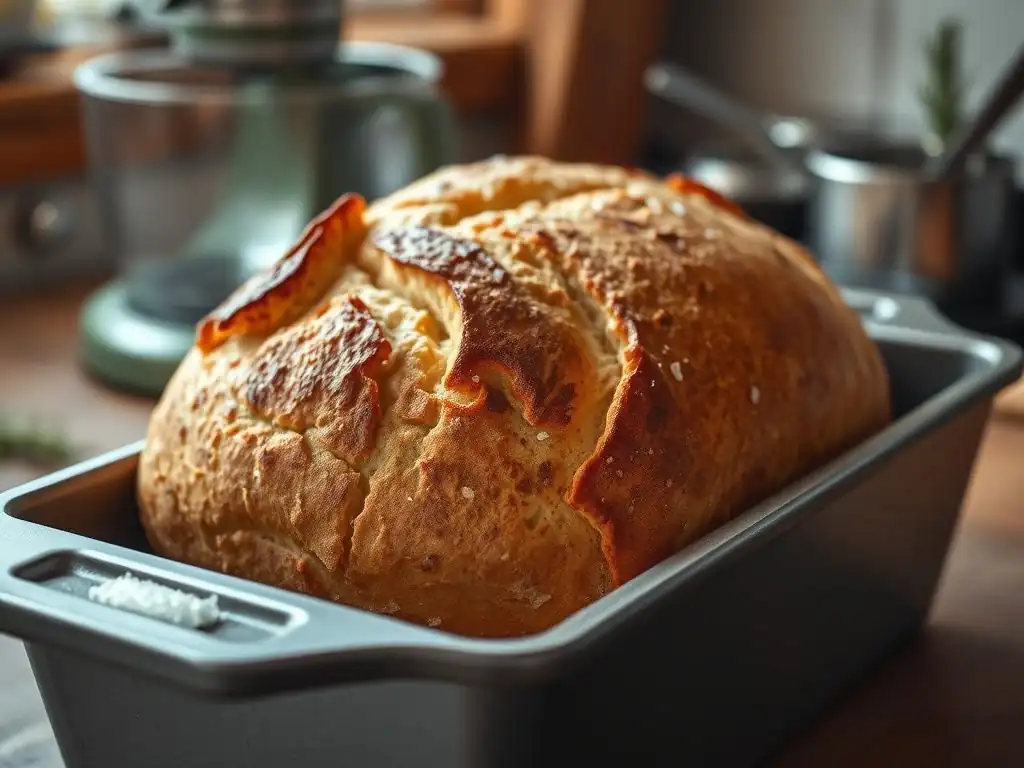
One of the most frequently cited advantages in any carbon steel loaf pan review is its exceptional durability. Constructed from a robust metal alloy, these pans are built to withstand high temperatures and rigorous use in the kitchen. Unlike some lighter materials that might warp or dent over time, a well-made carbon steel pan maintains its shape, ensuring consistent baking results loaf after loaf, year after year.
The longevity of a carbon steel loaf pan makes it a worthwhile investment for any baker. With proper care, these pans can last for decades, becoming a reliable staple in your bakeware collection. Their resilience means they can handle the demands of frequent baking without degrading in performance, offering a sustainable alternative to pans that might need more frequent replacement due to wear and tear.
Understanding Carbon Steel's Strength and Resilience
Carbon steel's inherent strength comes from its composition – predominantly iron with a small percentage of carbon. This alloy is significantly harder and more rigid than pure iron or aluminum. When formed into a loaf pan, this material resists warping, even when subjected to the high temperatures required for baking bread, often exceeding 400°F (200°C). This structural integrity ensures the pan holds its shape, resulting in consistently shaped loaves.
The resilience of carbon steel also means it can withstand the minor bumps and scrapes that occur in a busy kitchen without compromising its performance. While it can rust if not properly cared for, the metal itself is incredibly tough. Professional kitchens have long relied on carbon steel cookware for its ability to endure constant use, a testament to its fundamental strength and ability to bounce back from demanding conditions, making a carbon steel loaf pan a truly long-lasting tool.
How to Maintain Your Carbon Steel Loaf Pan for Years to Come
Maintaining a carbon steel loaf pan is key to its longevity and performance, primarily revolving around the seasoning process. After each use, the pan should typically be cleaned with hot water and a non-abrasive brush or sponge. Avoid harsh detergents, especially dish soap, as they can strip away the pan's protective seasoning layer. Once cleaned, it is crucial to dry the pan immediately and thoroughly to prevent rust formation.
To ensure your carbon steel loaf pan continues to perform optimally and remains rust-free, a light re-seasoning after cleaning is recommended, particularly in its early life or if it seems dry. Apply a very thin layer of high smoke point oil (like flaxseed, grapeseed, or canola) to the entire surface, inside and out. Wipe off any excess oil so the surface feels barely slick.
Heating the pan gently on a stovetop or in a warm oven for a few minutes helps polymerize the oil, reinforcing the non-stick seasoning layer. This simple routine ensures your pan develops a robust, non-stick surface that improves with age.
Achieving Perfectly Crisp Crusts with Carbon Steel
The pursuit of the perfect bread crust is a noble goal for many bakers. That satisfying crunch, the deep color, and the slightly chewy texture are hallmarks of a successful bake. A carbon steel loaf pan is an invaluable ally in achieving this, offering a distinct advantage over other pan materials specifically because of how it interacts with the dough during baking.
The material's thermal properties are directly responsible for its ability to produce superior crusts. Understanding how heat behaves in a carbon steel pan allows bakers to leverage its strengths, leading to loaves with beautifully developed bottom and side crusts that are both crisp and flavorful.
The Secret to Carbon Steel's Superior Heat Distribution
Carbon steel possesses high thermal conductivity, meaning it efficiently absorbs and transfers heat. When a carbon steel loaf pan is placed in a hot oven, it quickly reaches the oven's temperature and then radiates that intense, even heat directly into the bread dough in contact with its surface. This direct and consistent heat transfer is far more effective at promoting crust formation than materials that might insulate the dough more.
This efficient heat transfer specifically targets the bottom and sides of the loaf, encouraging rapid moisture evaporation from the surface and accelerating the Maillard reaction and caramelization processes. The result is a thicker, more robust, and significantly crispier crust compared to loaves baked in pans that don't conduct heat as effectively. The pan essentially acts as a direct heat source for the parts of the loaf it touches, guaranteeing a well-developed crust where it matters most.
Tips for Baking Bread with a Carbon Steel Loaf Pan
To make the most of your carbon steel loaf pan for bread baking, consider preheating the pan before adding the dough. Placing the empty pan in the oven as it preheats allows the carbon steel to reach the target temperature, providing an immediate burst of intense heat to the dough when it's added. This initial thermal shock helps set the crust quickly and contributes to a better oven spring.
Ensure your oven is properly calibrated and reaches the desired temperature, often between 375°F and 450°F (190°C to 230°C) for many bread recipes. Position the carbon steel loaf pan on a rack in the lower or middle-lower part of the oven, as heat tends to be strongest there, further enhancing bottom crust development. While carbon steel excels at crust formation, consider using steam in the oven during the initial phase of baking if your recipe calls for it; steam helps keep the top crust pliable longer, allowing for maximum expansion before the overall crust sets.
Non-Stick Performance of Carbon Steel Loaf Pans
One of the most appealing features of a well-maintained carbon steel loaf pan is its natural non-stick surface, which develops over time through a process called seasoning. Unlike synthetic non-stick coatings that can degrade, the non-stick properties of carbon steel improve with use and proper care, offering a durable and effective release for your baked goods.
Understanding and actively managing the seasoning layer is crucial for achieving optimal non-stick performance. This isn't a factory coating but a layer built by the baker, making the pan's non-stick capabilities a direct result of care and usage.
Understanding the Seasoning Process for Carbon Steel
Seasoning a carbon steel loaf pan involves applying a thin layer of cooking oil and heating it until it polymerizes – essentially, the oil transforms into a hard, plastic-like coating that bonds to the metal. This polymerized oil fills the microscopic pores in the steel, creating a smooth, non-porous surface that food is less likely to stick to. The initial seasoning is important, but the non-stick performance truly develops with repeated use and proper maintenance.
Each time you use your seasoned carbon steel pan and fats are present (either from the dough or added for greasing), you are reinforcing and improving this non-stick layer. Over time, the pan will darken considerably, often turning a deep brown or black. This dark color is a sign of a well-developed seasoning, indicating a robust non-stick surface and even heat distribution. It's a living finish that requires interaction and care to thrive.
Best Practices for Non-Stick Baking in Carbon Steel
To leverage the non-stick properties of your carbon steel loaf pan, always ensure it is properly seasoned before use. While the seasoning provides a natural release, for recipes prone to sticking or during the pan's initial phase, it's a good practice to lightly grease the pan before adding your dough or batter. Use butter, shortening, or a baking spray, ensuring even coverage on the bottom and sides.
Allowing your baked goods to cool slightly in the pan before attempting to remove them can also help prevent sticking. As the loaf cools, it contracts slightly, often releasing its grip on the pan sides. For breads with a very crisp crust, sometimes tipping the loaf out immediately after baking is best to preserve crispness, but for softer quick breads or cakes, a few minutes of cooling time in the carbon steel loaf pan can make removal much easier.
Troubleshooting: Preventing Sticking in Your Carbon Steel Loaf Pan
If you encounter sticking issues with your carbon steel loaf pan, it's usually a sign that the seasoning layer needs attention. One common cause is insufficient seasoning or damage to the existing layer from harsh cleaning. If food is sticking, gently remove the residue (avoiding metal scrapers), clean the pan with hot water and a brush, dry it thoroughly, and then perform a light re-seasoning process as described earlier, ensuring a very thin layer of oil is applied and polymerized.
Another reason for sticking can be baking ingredients with high sugar content or acidic ingredients, which can sometimes interact with and degrade the seasoning, especially on a new or less-developed pan. If you plan to bake something particularly sticky, like a very sweet cake or a lemon loaf, ensure your carbon steel loaf pan has a well-established, robust seasoning, and consider using parchment paper as an extra layer of non-stick insurance. Consistent seasoning and gentle cleaning are your best defense against sticking.
Selecting the Right Carbon Steel Loaf Pan for Your Needs
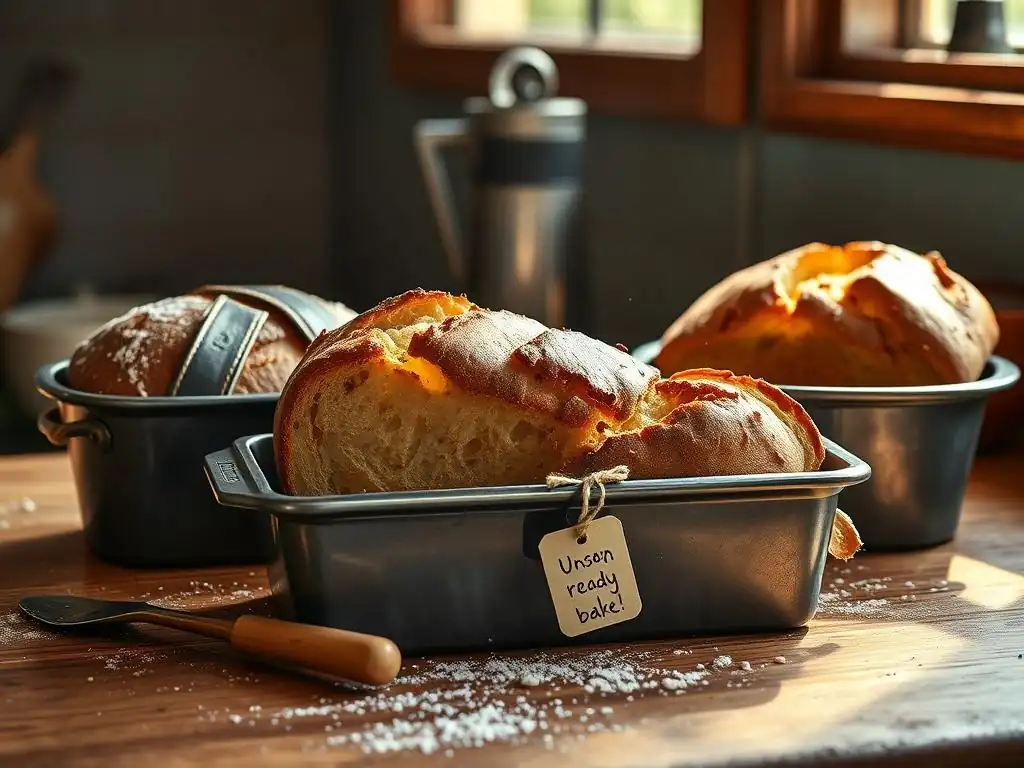
Choosing the right carbon steel loaf pan involves considering factors beyond just the material. Size, shape, construction, and brand reputation all play a role in finding a pan that will meet your baking requirements and become a reliable tool in your kitchen. A thoughtful selection process ensures you get a pan that performs well for the types of loaves you love to bake.
Whether you're aiming for standard sandwich loaves or specialty Pullman-style bread, the dimensions and features of the pan matter. Evaluating these aspects before purchasing helps you invest in a carbon steel loaf pan that will truly enhance your baking experience and deliver the consistent results you desire.
Loaf Pan Sizes and Shapes: Which is Best for You?
Loaf pans come in various sizes, with the most common standard dimensions being 9x5 inches (approximately 23x13 cm) and 8.5x4.5 inches (approximately 21.5x11.5 cm). The 9x5 inch pan is generally considered the standard size for many bread recipes, yielding a slightly larger loaf. The 8.5x4.5 inch pan produces a slightly taller, narrower loaf from the same amount of dough. Consider the volume of dough your typical recipes produce and the desired shape of your finished loaf when choosing between these sizes.
Beyond the standard rectangular shape, you might encounter specialty carbon steel loaf pan options, such as Pullman pans. A Pullman pan is a rectangular pan, often longer and deeper than standard pans, that comes with a tight-fitting lid. Using the lid during baking restricts the loaf's rise and results in a perfectly square cross-section, ideal for uniform sandwich slices. If you bake a lot of sandwich bread and value uniformity, a Pullman-style carbon steel loaf pan could be an excellent addition to your collection.
Factors to Consider When Buying a Carbon Steel Loaf Pan [King Arthur, USA Pan, and Nordic Ware Recommendations]
When purchasing a carbon steel loaf pan, consider the gauge (thickness) of the steel; thicker pans offer better heat retention and are less prone to warping. Look for sturdy construction, potentially with rolled edges or reinforced corners for added durability. The presence of handles can also make handling a hot pan easier and safer. While budget is a factor, investing in a quality pan from a reputable manufacturer often pays off in long-term performance and lifespan, which is a key part of any carbon steel loaf pan review.
Brands like King Arthur Baking, USA Pan, and Nordic Ware are well-regarded in the baking community and often offer high-quality carbon steel loaf pan options. USA Pan, for instance, is known for its fluted designs which can improve air circulation and heat distribution, and their pans are often made from aluminized steel (a close relative to carbon steel with similar properties). Nordic Ware offers robust carbon steel bakeware known for its durability.
King Arthur Baking sources pans they trust, often emphasizing performance and quality. Reading specific carbon steel loaf pan review details for models from these brands can help you assess features like steel thickness and finish.
Carbon Steel Loaf Pan Baking Recipes and Ideas
The versatility of a carbon steel loaf pan extends to a wide range of recipes, from classic yeast breads to moist quick breads and savory options. Its ability to provide even heat and promote excellent crust development makes it a valuable tool for many different baking projects.
Using a carbon steel pan can enhance the texture and appearance of numerous types of loaves. The following sections touch upon how this pan performs with a few popular baking ideas, highlighting the benefits it brings to each.
[Recipe 1: Sourdough Bread Loaf]
Baking sourdough in a carbon steel loaf pan is an excellent way to achieve a fantastic crust on a loaf that might otherwise spread too much on a baking sheet. The rigid structure of the pan provides essential support for the dough as it rises, helping it maintain its shape and achieve good height. The pan's direct heat transfer to the bottom and sides of the loaf is particularly beneficial for sourdough, encouraging the development of a deep brown, crackling crust that is characteristic of well-baked artisan bread.
The intense heat from the carbon steel loaf pan helps to quickly set the base and sides of the sourdough loaf, contributing significantly to the overall structure and oven spring. While many sourdough recipes focus on baking in a Dutch oven for an all-around crust, a carbon steel pan provides focused heat to the bottom and sides, which can be desirable depending on the desired loaf shape and crust texture. It's a reliable method for producing beautiful, flavorful sourdough loaves with a satisfyingly crisp exterior.
[Recipe 2: Banana Bread Variation]
While carbon steel is often highlighted for bread crusts, a carbon steel loaf pan also performs wonderfully for quick breads like banana bread. The even heat distribution ensures that the banana bread bakes uniformly throughout, preventing the edges from overcooking before the center is done. This results in a consistently moist and tender crumb from edge to edge.
The pan's ability to conduct heat efficiently also helps in developing a nice, slightly caramelized exterior on the banana bread, contributing to its flavor and texture. While you might not be aiming for a super crisp crust like with yeast bread, the carbon steel still promotes a pleasant browning and a slight 'chew' on the outside, complementing the soft interior of the banana bread. Ensure the pan is well-greased or lined with parchment for easy release due to the moisture and sugar content of quick breads.
[Recipe 3: Cheddar and Jalapeño Loaf Option]
Enriched or savory loaves, such as one featuring cheddar and jalapeño, also benefit from being baked in a carbon steel loaf pan. The pan's sturdy structure supports the dough, which might be softer or heavier due to the addition of cheese and peppers. The even heat ensures that all parts of the loaf, including areas with inclusions, bake thoroughly and consistently.
The carbon steel pan's excellent heat transfer helps create a beautifully browned crust on this savory loaf, enhancing the overall flavor profile. The heat encourages the cheese near the edges to caramelize slightly, adding another layer of deliciousness. Using a carbon steel loaf pan for such variations ensures a well-baked interior and a robust exterior that can stand up to flavorful additions.
Cleaning and Care for Your Carbon Steel Loaf Pan
Proper cleaning and care are fundamental to maintaining the performance and extending the lifespan of your carbon steel loaf pan. Unlike non-stick pans that might require minimal effort, carbon steel benefits from a specific routine that preserves its seasoning and prevents rust. This routine becomes second nature once you're familiar with it.
Following these steps after each use ensures that your pan remains in excellent condition, ready for your next baking project. Neglecting care can lead to rust or damage to the seasoning, hindering the pan's non-stick properties and overall effectiveness.
Step-by-Step Guide to Cleaning
Immediately after use, while the carbon steel loaf pan is still warm (but cool enough to handle safely), scrape out any large food particles using a plastic scraper or a stiff nylon brush. Avoid using metal utensils that can scratch the seasoning. Rinse the pan with hot water. In most cases, soap is not needed and should be avoided as it can strip the seasoning. For stubborn bits, a little coarse salt and a paper towel can be used as a gentle abrasive.
Once cleaned, it is absolutely critical to dry the carbon steel loaf pan thoroughly and immediately. Water is the enemy of carbon steel seasoning and will lead to rust. You can dry it with a clean towel, then place it over low heat on a stovetop for a few minutes, or put it back into the still-warm oven for a short period, until all moisture has evaporated. A visibly dry surface is key before moving to the next step.
Proper Storage Techniques to Extend Lifespan
After your carbon steel loaf pan is thoroughly dried, apply a very thin layer of cooking oil to the entire pan, inside and out, using a paper towel. This light coating helps protect the seasoned surface and prevents rust, especially if you live in a humid environment. Wipe away any excess oil; the pan should feel smooth but not greasy.
Store the carbon steel loaf pan in a dry place. If stacking other pans or cookware on top of it, consider placing a paper towel or a pan protector inside the loaf pan to prevent scratches that could damage the seasoning. Proper storage, ensuring the pan is dry and lightly oiled, is a simple yet vital step in maintaining its condition and ensuring it remains a reliable tool for years to come.
Is a Carbon Steel Loaf Pan Right for You?
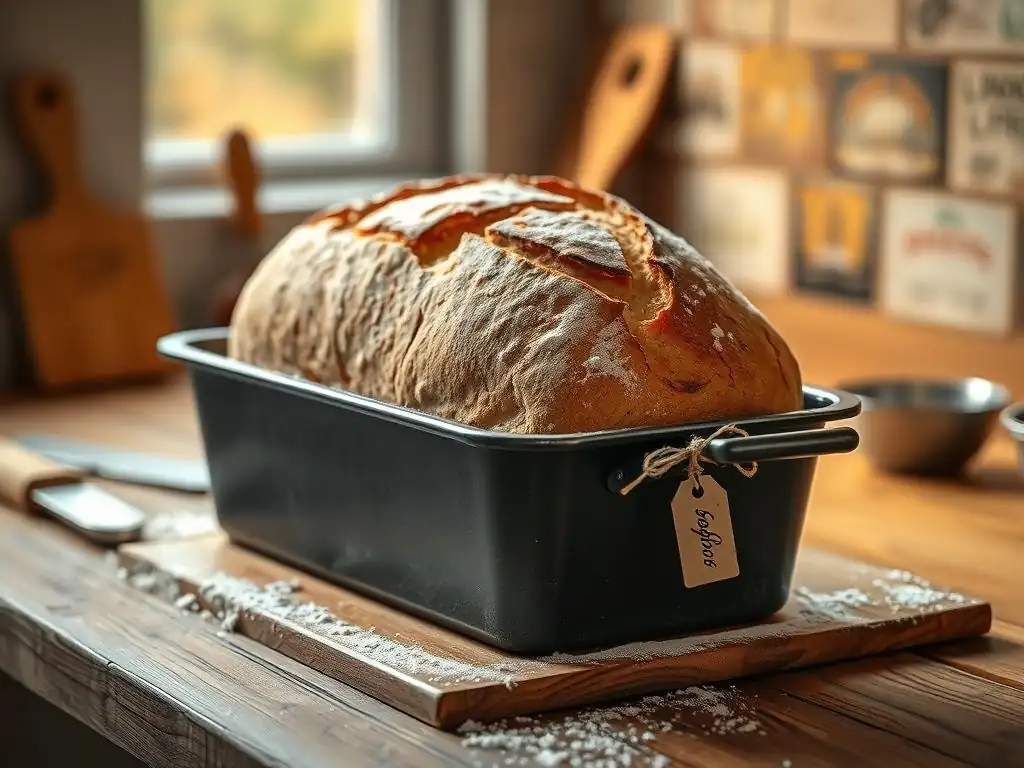
Deciding whether to add a carbon steel loaf pan to your bakeware collection involves weighing its unique benefits against the maintenance it requires. For some bakers, the specific advantages offered by carbon steel align perfectly with their baking goals, while others might prefer the convenience of alternative materials.
Evaluating the pros and cons and considering your typical baking habits will help you determine if a carbon steel loaf pan is the right fit for your kitchen and your baking style. It's an investment in quality and performance, but it does come with specific care requirements.
Pros and Cons of Using Carbon Steel for Baking
One of the major pros of using a carbon steel loaf pan is its exceptional ability to produce wonderfully crisp and evenly browned crusts on bread, thanks to its superior heat distribution and retention. They are also incredibly durable and can last for many years, often improving with age as the seasoning develops. With proper care, they develop a natural, chemical-free non-stick surface.
However, there are cons. Carbon steel requires specific maintenance, particularly seasoning and immediate drying after washing, to prevent rust and maintain its non-stick properties. They are not dishwasher safe and should avoid harsh detergents. The initial seasoning process and ongoing care might be more effort than some bakers prefer compared to coated non-stick or glass pans.
Who Should Invest in a Carbon Steel Loaf Pan?
A carbon steel loaf pan is an excellent investment for bakers who are serious about achieving high-quality bread crusts, particularly on loaves like sourdough, artisan breads, or sandwich loaves where a defined, crisp exterior is desired. It's also ideal for those who appreciate durable, long-lasting bakeware that can withstand high temperatures without warping.
This pan is best suited for bakers who are willing to commit to the simple but necessary maintenance routine of seasoning and proper drying. If you enjoy the process of caring for your tools and want a pan that will perform consistently for decades, a carbon steel loaf pan could be a perfect addition to your kitchen arsenal.
Mastering the Art of Baking with Carbon Steel: King Arthur Baking Tips
Drawing from extensive baking experience, including insights from experts like those at King Arthur Baking, mastering the use of a carbon steel loaf pan involves understanding its unique properties and adapting your techniques slightly to leverage its strengths. It's less about complicated maneuvers and more about consistent practices that work with the pan's material.
These techniques focus on maximizing the pan's heat capabilities to ensure even baking and that coveted crisp crust, turning your carbon steel loaf pan into a powerful tool for achieving baking excellence.
Essential Techniques for Using a Carbon Steel Loaf Pan
Preheating your carbon steel loaf pan is one of the most impactful techniques you can employ, especially for bread. Placing the empty pan in the oven while it heats up ensures that when the dough is added, it immediately encounters a hot surface. This promotes rapid oven spring and quick crust development on the bottom and sides. Always handle a hot pan with caution using appropriate oven mitts.
Another essential technique is consistent care. Regularly cleaning the pan with hot water and drying it thoroughly, followed by a light oiling, is not just about preventing rust; it's about maintaining and building the pan's seasoning. A well-seasoned carbon steel loaf pan releases baked goods more easily and provides more even, predictable results over time. Think of the seasoning as a protective and performance-enhancing layer that you actively cultivate.
Maximizing Crust Crispness and Even Baking
To maximize the crispness of your crust when using a carbon steel loaf pan, ensure your oven is fully preheated to the correct temperature. The initial intense heat is crucial for setting the crust. Baking the loaf lower in the oven can also help, as heat tends to be more intense towards the bottom, directly impacting the pan and thus the bottom crust.
While the carbon steel pan excels at bottom and side crusts, achieving an evenly baked loaf also depends on the dough itself and oven dynamics. Ensure your dough is properly proofed and the oven temperature is stable. The pan's even heat distribution minimizes variations across the loaf, but proper dough handling and oven management are still key to a perfectly baked interior alongside the wonderfully crisp exterior provided by the carbon steel loaf pan.
Carbon Steel Loaf Pan: Your Key to Perfect Bakes
Exploring the world of carbon steel loaf pans reveals why they are a cherished piece of bakeware for many. From their exceptional durability and heat properties to their ability to develop a natural non-stick surface through seasoning, these pans offer distinct advantages that can significantly improve the quality of your baked goods, particularly bread.
While they require a specific care routine, the rewards – consistently crisp crusts, even baking, and a pan that lasts for generations – make the effort well worthwhile. Whether you're reviewing options for your next purchase or looking to get the most out of your current pan, understanding the capabilities and care of a carbon steel loaf pan is a step towards mastering the art of baking truly perfect loaves.
Frequently Asked Questions
What are the main benefits of using a carbon steel loaf pan?
Carbon steel loaf pans offer superior heat distribution, leading to even baking and crisp crusts. They are also known for their durability and longevity compared to other materials.
How does a carbon steel loaf pan compare to a non-stick loaf pan?
While some carbon steel pans have non-stick coatings, the key difference is carbon steel's superior heat retention, creating better crusts. Non-stick pans prioritize easy release but may not bake as evenly.
Do carbon steel loaf pans require any special care or seasoning?
Yes, many carbon steel loaf pans benefit from initial seasoning to prevent sticking and enhance their non-stick properties. Regular cleaning and avoiding harsh abrasives will prolong their life.
Are carbon steel loaf pans suitable for all types of bread and baked goods?
Generally, yes! Carbon steel loaf pans are versatile and work well for breads, cakes, and even meatloaf. However, you may need to adjust baking times slightly due to the efficient heat transfer.
Where can I find reliable carbon steel loaf pan reviews and recommendations?
Websites like BakeWithEase.com often provide in-depth reviews and comparisons of different carbon steel loaf pans. Look for reviews that focus on durability, non-stick performance, and baking results.
Final Reflection: The Enduring Appeal of Carbon Steel
The resurgence of carbon steel cookware, particularly in the form of loaf pans, speaks volumes about our renewed appreciation for quality, durability, and the simple joy of perfectly crafted food. These aren't just pans; they're investments in a more mindful approach to baking, prioritizing performance and longevity over fleeting trends. The superior heat distribution and even browning they provide elevate the humble loaf to a culinary masterpiece.
The shift towards carbon steel reflects a broader cultural movement away from disposable products and towards sustainable, heirloom-quality items. We're increasingly valuing craftsmanship and the satisfaction of using tools that will last a lifetime. This resonates deeply with me, as I've experienced firsthand the joy of using my own carbon steel loaf pan – a tool that improves with age and use, becoming a trusted companion in the kitchen. The best things in life are not things.
– While not directly about cookware, this quote encapsulates the enduring value of quality tools that become more than just objects; they become part of our culinary story.
Consider your own kitchen. What tools do you cherish? What role does the act of baking play in your life? I encourage you to reflect on the impact of your cookware choices, not just on the quality of your baked goods, but on your overall approach to cooking and sustainability. Perhaps a carbon steel loaf pan, with its promise of perfectly crisp crusts and lasting durability, could be your next cherished kitchen companion. Embrace the enduring appeal of quality; embrace the art of baking with intention.
Unleash Your Inner Baker: Craft Perfect Loaves Today!
Thanks for exploring the world of carbon steel loaf pans with us! We hope you now feel confident in your ability to bake consistently delicious, perfectly crusted loaves. Ready to take your baking to the next level?
- Bake your dream loaf: Grab your favorite recipe (or try a new one!) and experience the difference a carbon steel pan makes. Notice the even browning and incredible crust!
- Share your baking triumph: Post a photo of your masterpiece on social media and tag us! Let's inspire other bakers.
- Explore carbon steel further: Discover other versatile uses for your new pan – from roasting vegetables to baking cobblers!
So, what delicious loaf will you create first?