
Spiced Caramel Variations: Chai, Pumpkin & Cardamom Infused Sauces

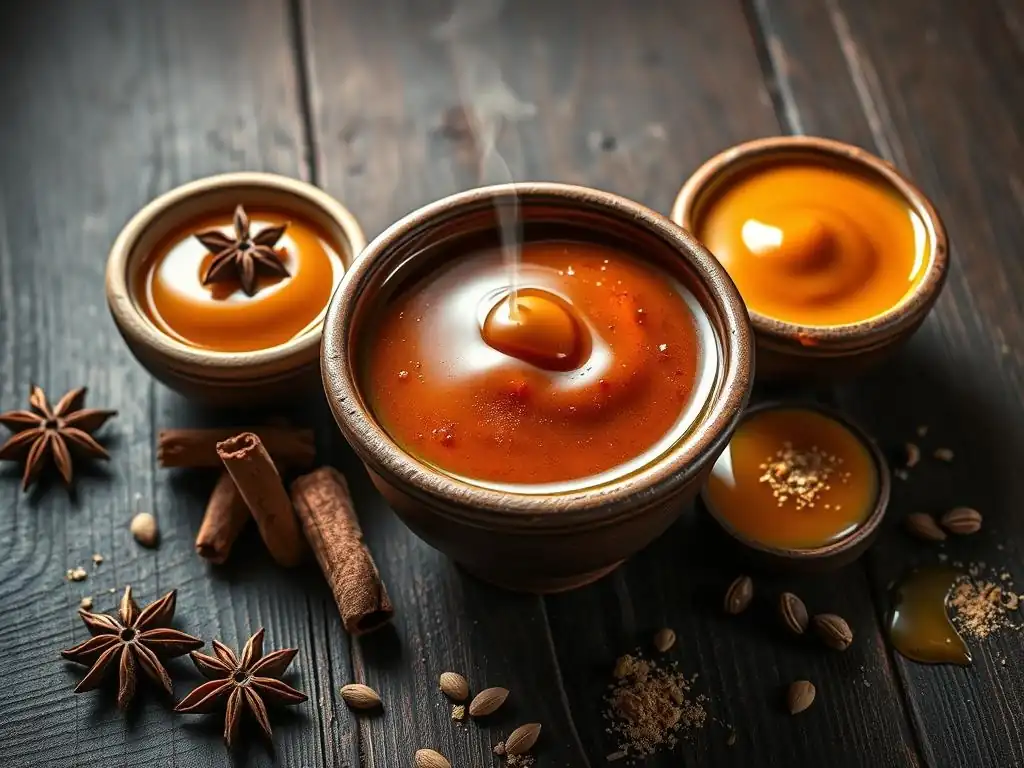
Welcome to BakeWithEase, your trusted guide to baking brilliance! Ever dreamt of a caramel sauce that's not just sweet, but spiced and utterly irresistible? Our latest article dives deep into the delicious world of infused caramels, starting with a mesmerizing Chai Caramel Sauce Recipe. Discover how to elevate your desserts with a simple twist and unlock a symphony of flavors. Ready to transform your baking? Let's get started...
- Introduction to Spiced Caramel Sauces: A BakeWithEase.com Guide
- Mastering the Base: Classic Caramel Sauce Recipe for Infusion
- Chai Caramel Sauce Recipe: A Warm and Spicy Delight
- Pumpkin Spice Caramel Sauce: Autumn in a Jar
- Cardamom Infused Caramel Sauce: An Exotic Twist
- Spiced Caramel Sauce Variations: Flavor Combinations & Pairings
- Troubleshooting Your Spiced Caramel Sauces
- Beyond the Basics: Advanced Caramel Techniques
- Conclusion: Elevate Your Baking with Spiced Caramel Sauces
-
Frequently Asked Questions
- What makes this chai caramel sauce recipe different from regular caramel sauce?
- What type of chai tea should I use for the best flavor in the chai caramel sauce?
- Can I adjust the level of spice in the chai caramel sauce?
- What are some recommended uses for chai caramel sauce?
- How should I store the chai caramel sauce, and how long will it last?
- Final Reflection: The Enduring Allure of Spiced Caramel
- Unleash Your Inner Pastry Chef: Craft Your Perfect Caramel
Introduction to Spiced Caramel Sauces: A BakeWithEase.com Guide
Welcome to BakeWithEase.com, where we explore how simple ingredients and techniques can elevate your baking. Today, we're diving into the wonderfully versatile world of spiced caramel sauces. While a classic caramel is a delight on its own, infusing it with warm, aromatic spices transforms it into something truly special, perfect for drizzling over cakes, swirling into brownies, or simply enjoying by the spoonful. This guide will walk you through mastering a base caramel sauce and then venturing into exciting variations like Chai, Pumpkin Spice, and Cardamom.
Crafting spiced caramel sauces allows you to add layers of flavor to your desserts and baked goods with minimal effort. Imagine a warm apple crisp topped with a drizzle of cardamom-infused caramel, or a simple vanilla ice cream elevated by a rich Chai caramel sauce. These recipes aren't just about making sauce; they're about creating moments of deliciousness and impressing your friends and family with your newfound caramel-making prowess. Let's start by building a solid foundation: the perfect classic caramel base.
Mastering the Base: Classic Caramel Sauce Recipe for Infusion
Before we can infuse our caramel with delightful spices, we need a robust and reliable classic caramel sauce. This base recipe is the foundation for all our variations. Understanding the science behind caramelization – the process where sugar is heated until it changes color and flavor – is key. We'll focus on achieving a beautiful amber hue, which signifies a balance of sweetness and slight bitterness, ideal for taking on additional flavors.
Making classic caramel requires attention and patience, but it's far from impossible. Our goal is a smooth, pourable sauce that holds its shape slightly as it cools. The ratio of ingredients is crucial, typically involving sugar, butter, and cream. We'll guide you through the process step-by-step, highlighting key moments to watch for and common pitfalls to avoid, ensuring your base is perfect before we add the spice.
Essential Ingredients for a Perfect Caramel Base
Achieving that luscious, pourable caramel requires just a few core ingredients, but their quality and preparation matter. Granulated sugar is the standard choice; about 1 cup (around 200 grams) is a good starting point for a batch that yields roughly 1.5 to 2 cups of sauce. For the fat component, unsalted butter is preferred, usually around 6 tablespoons (about 85 grams), cut into pieces to help it melt evenly and quickly when added to the hot sugar.
The richness and creaminess come from heavy cream, typically 1/2 cup (about 120ml), warmed slightly before adding. Warming the cream prevents the hot sugar from seizing up too dramatically upon contact. A pinch of salt, about 1/4 teaspoon, is often included to balance the sweetness and enhance the overall flavor. While water isn't always necessary depending on the method (dry vs. wet caramel), a few tablespoons can help dissolve the sugar initially in the wet method, reducing the risk of crystallization.
Step-by-Step Guide to Making Classic Caramel Sauce
Making classic caramel sauce involves carefully heating sugar until it caramelizes, then whisking in butter and cream. Start by combining 1 cup granulated sugar and 3 tablespoons water in a medium, heavy-bottomed saucepan over medium heat. Stir until the sugar dissolves. Once dissolved, stop stirring. Let the mixture boil, occasionally swirling the pan gently, until it turns an amber color. This usually takes about 8-12 minutes. Watch closely as the color can change from golden to burnt quickly.
Once the desired amber color is reached, remove the pan from the heat immediately. Carefully add 6 tablespoons of unsalted butter, cut into pieces. Be cautious, as the mixture will bubble vigorously. Whisk until the butter is completely melted and incorporated. Next, slowly pour in 1/2 cup of warm heavy cream, whisking constantly. Again, it will bubble and steam. Continue whisking until the sauce is smooth and all ingredients are combined. Stir in 1/4 teaspoon of salt. Let it cool slightly before transferring to a jar. The sauce will thicken as it cools.
Troubleshooting Common Caramel Sauce Mistakes
One of the most frequent issues when making caramel is crystallization, where the sugar turns grainy instead of smooth. This often happens if sugar crystals are left on the sides of the pan or if the sugar is stirred too much while it's boiling before it caramelizes. Using a wet method (adding water) can help prevent this by dissolving the sugar completely first.
If crystals form on the sides, you can brush them down with a wet pastry brush during the boiling stage. If your caramel becomes grainy after adding the cream, gently reheating it over low heat and whisking might help dissolve the crystals, but sometimes a heavily crystallized batch is hard to salvage.
Another common mistake is burning the sugar. Caramelization happens rapidly once the sugar reaches a certain temperature (around 320°F or 160°C to 350°F or 175°C for amber). It's crucial to watch the color constantly and remove the pan from the heat as soon as it reaches the desired hue – a rich amber, not dark brown which tastes burnt.
If you accidentally burn it, unfortunately, there's no fixing it; the burnt flavor is permanent. It's better to start over. Lastly, ensuring your cream and butter are at room temperature or slightly warm helps them incorporate smoothly without causing the hot caramel to seize up into a hard lump.
Chai Caramel Sauce Recipe: A Warm and Spicy Delight
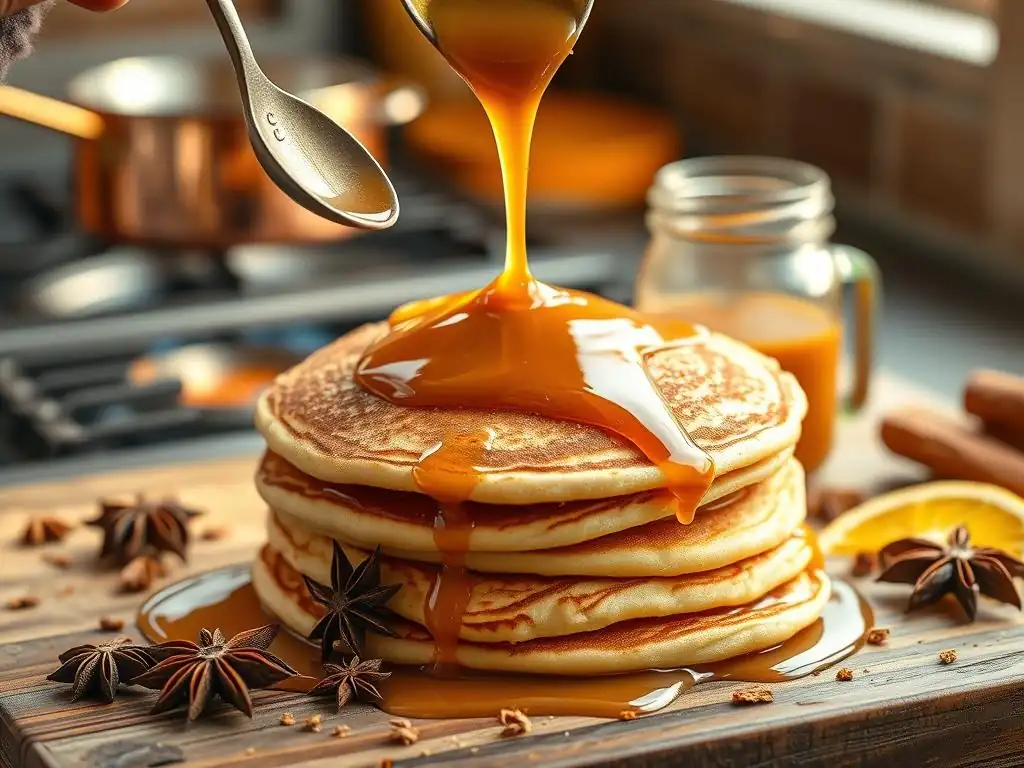
Now that you've mastered the base, let's infuse it with the comforting flavors of chai. A good Chai caramel sauce recipe captures the essence of the beloved spiced tea latte – a blend of black tea, warm spices, and often a hint of sweetness. This variation is particularly wonderful drizzled over apple pie, swirled into coffee cake, or served with a simple pound cake. Making a Chai caramel sauce recipe involves steeping the spices or tea directly into the cream before adding it to the caramel, ensuring the flavors are deeply infused.
Developing a Chai caramel sauce recipe allows for personal customization. Do you prefer a cardamom-forward chai, or maybe one with more ginger and clove kick? The beauty of making your own is adjusting the spice blend to your liking. We'll provide a classic approach using common chai spices, but feel free to experiment with the ratios. This spicy, aromatic caramel is a game-changer for anyone looking to add a unique twist to their desserts.
Ingredients for Chai Infused Caramel
To make a delicious Chai caramel sauce recipe, you'll start with your classic caramel base ingredients: 1 cup granulated sugar, 6 tablespoons unsalted butter, and 1/2 cup heavy cream. The magic happens with the chai spices. A typical blend might include 1-2 black tea bags (or 1-2 teaspoons loose leaf tea), 1-2 green cardamom pods (lightly crushed), 1-2 whole cloves, a small piece of cinnamon stick (about 1 inch), and a thin slice of fresh ginger (about 1/4 inch).
Sometimes, a pinch of black peppercorns is added for a subtle kick. Using whole spices and tea bags allows for easy straining later, resulting in a smooth sauce. Alternatively, you could use about 1.5 to 2 teaspoons of a good quality chai spice blend, though straining might still be needed if it contains larger spice pieces. Ensure your heavy cream is ready to be infused before you start the caramelization process.
How to Make Chai Caramel Sauce: A Detailed Recipe
To execute this Chai caramel sauce recipe, begin by gently warming the 1/2 cup heavy cream in a small saucepan over low heat. Add your chai spices: black tea bags/leaves, crushed cardamom pods, cloves, cinnamon stick, ginger slice, and peppercorns if using. Let the cream steep with the spices for about 10-15 minutes, keeping it warm but not boiling. This allows the flavors to infuse. Strain the cream through a fine-mesh sieve into a bowl, pressing on the solids to extract maximum flavor. Discard the solids. Keep the infused cream warm.
While the cream is infusing, make your classic caramel base as described earlier, using 1 cup sugar and 3 tablespoons water, heating until it reaches an amber color. Remove from heat, whisk in 6 tablespoons butter until melted. Then, slowly whisk in the warm, strained chai-infused cream. Be careful as it will bubble up. Continue whisking until smooth. Add a pinch of salt. Let it cool slightly before transferring to a jar. This Chai caramel sauce recipe yields a rich, aromatic sauce perfect for drizzling.
Tips for Enhancing Chai Flavor in Caramel
To get the most pronounced chai flavor in your Chai caramel sauce recipe, consider the quality and freshness of your spices. Whole spices tend to have a more vibrant aroma and flavor than pre-ground ones. Lightly crushing spices like cardamom pods or ginger before steeping helps release their essential oils. You can also adjust the steeping time; a longer steep (up to 20 minutes) will result in a stronger flavor, but be careful not to let the cream boil vigorously.
Another tip is to slightly increase the spice quantities if you desire a bolder flavor profile in your Chai caramel sauce recipe. For example, using three cardamom pods instead of two, or adding a larger piece of ginger. Some bakers also add a tiny pinch of ground spices directly into the finished caramel sauce for an extra punch, though this can slightly alter the texture. Tasting the infused cream before adding it to the caramel will give you an indication of the flavor strength.
Pumpkin Spice Caramel Sauce: Autumn in a Jar
Capture the cozy essence of fall with a Pumpkin Spice caramel sauce. This variation combines the warmth of caramel with the familiar blend of cinnamon, nutmeg, ginger, and clove, often associated with pumpkin pie. It's an absolute dream drizzled over pancakes, stirred into coffee, or used as a dip for apple slices. Making Pumpkin Spice caramel sauce is quite straightforward, building upon our base recipe with the addition of spices and, optionally, a touch of pumpkin puree.
This sauce is a seasonal favorite, but its comforting flavors can be enjoyed year-round. The key is balancing the sweetness of the caramel with the earthiness of the spices. Using a high-quality pumpkin pie spice blend makes this recipe quick and easy, while using individual ground spices allows for more control over the final flavor profile. Let's gather what you need to create this taste of autumn.
Gathering Your Pumpkin Spice Caramel Ingredients
To create Pumpkin Spice caramel sauce, you'll need the standard caramel components: 1 cup granulated sugar, 6 tablespoons unsalted butter, and 1/2 cup heavy cream. For the pumpkin spice element, you can use about 1 to 1.5 teaspoons of a pre-made pumpkin pie spice blend, or create your own using individual ground spices: 1 teaspoon ground cinnamon, 1/4 teaspoon ground nutmeg, 1/4 teaspoon ground ginger, and a pinch of ground cloves.
For an extra layer of flavor and slight color, you can optionally add 1-2 tablespoons of canned pumpkin puree (make sure it's 100% pumpkin, not pie filling). If adding pumpkin puree, you might need to adjust the consistency slightly with a splash more cream if it becomes too thick. A pinch of salt, about 1/4 teaspoon, is also essential to enhance the flavors.
Pumpkin Spice Caramel Recipe: The Perfect Fall Treat
Start by preparing your classic caramel base: combine 1 cup sugar and 3 tablespoons water in a heavy-bottomed saucepan, heat until dissolved, then boil without stirring until amber. Remove from heat and whisk in 6 tablespoons of unsalted butter until melted. Carefully whisk in the 1/2 cup warm heavy cream.
Once smooth, whisk in your pumpkin spice blend (1-1.5 teaspoons) and the pinch of salt (1/4 teaspoon). If using, whisk in 1-2 tablespoons of pumpkin puree until fully incorporated and smooth. Return the pan to very low heat for just a minute or two, whisking constantly, to ensure the spices and pumpkin are well distributed and the sauce is smooth. Be careful not to overheat. Remove from heat, let cool slightly, and transfer to a jar. The sauce will thicken as it cools, becoming a rich Pumpkin Spice caramel sauce.
Creative Uses for Pumpkin Spice Caramel Sauce
Pumpkin Spice caramel sauce is incredibly versatile and pairs wonderfully with numerous desserts and beverages. Beyond drizzling it over ice cream or pie, consider swirling it into your next batch of brownie batter before baking for ribbons of spiced sweetness. It makes a fantastic filling for thumbprint cookies or a topping for cheesecakes.
For breakfast or brunch, drizzle it over waffles, pancakes, or French toast. It's also excellent stirred into oatmeal or yogurt. Don't forget beverages! A spoonful or two stirred into your morning coffee or hot chocolate creates a delightful, seasonal drink. You can even use it as a dip for fresh fruit like apples or pears. The possibilities for this festive Pumpkin Spice caramel sauce are nearly endless.
Cardamom Infused Caramel Sauce: An Exotic Twist
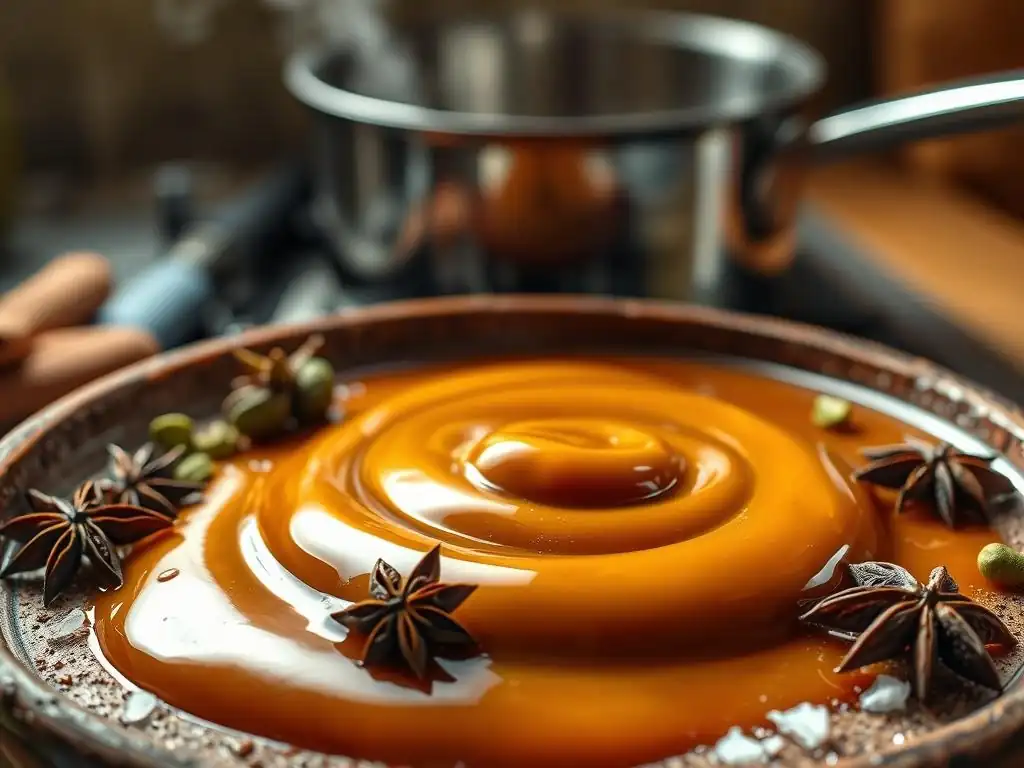
If you're looking for a caramel variation that's a bit more unique and sophisticated, Cardamom Infused caramel sauce is the answer. Cardamom, with its complex, aromatic profile – slightly floral, citrusy, and spicy – brings an exotic depth to sweet applications like caramel. This sauce is particularly lovely paired with chocolate, coffee, or fruit desserts, offering a refreshing counterpoint to richness.
Infusing caramel with cardamom requires using either whole pods or freshly ground seeds to capture its vibrant essence. Like the chai version, the key is to infuse the cream with the cardamom before combining it with the caramel base. This approach ensures the flavor is evenly distributed and pronounced in the final sauce. Let's explore how to select the best cardamom for this purpose.
Selecting the Best Cardamom for Caramel Infusion
For the most potent and authentic flavor in your Cardamom Infused caramel sauce, using whole green cardamom pods is highly recommended. Green cardamom is the most common type used in sweet dishes and has a brighter, more aromatic flavor compared to black cardamom (which is smokier and better suited for savory dishes). Look for plump, vibrant green pods that feel heavy for their size – this indicates fresh, flavorful seeds inside.
You'll typically need about 8-12 whole green cardamom pods for a batch of caramel sauce, lightly crushed to expose the fragrant black seeds within. If you can't find whole pods, high-quality ground green cardamom can be used, though the flavor might be slightly less intense and you'll need to strain more carefully. Approximately 1 to 1.5 teaspoons of freshly ground cardamom seeds (ground just before use) can substitute the pods. Avoid using pre-ground cardamom that has been sitting on the shelf for a long time, as its volatile oils quickly dissipate.
Cardamom Caramel Sauce Recipe: A Step-by-Step Guide
To make Cardamom Infused caramel sauce, start by gently warming 1/2 cup heavy cream in a small saucepan. Add 8-12 lightly crushed green cardamom pods to the warm cream. Let the cream steep with the cardamom over low heat for 15-20 minutes to allow the flavors to fully infuse. Keep the cream warm but do not boil. Strain the infused cream through a fine-mesh sieve into a bowl, pressing gently on the pods to extract flavor. Discard the pods. Keep the infused cream warm.
While the cream is infusing, prepare your classic caramel base with 1 cup sugar and 3 tablespoons water, heating until it reaches an amber color. Remove from heat, whisk in 6 tablespoons butter until melted. Carefully whisk in the warm, strained cardamom-infused cream. Whisk until smooth. Add 1/4 teaspoon salt. Let cool slightly before transferring to a jar. This Cardamom Infused caramel sauce offers a uniquely aromatic sweetness.
Serving Suggestions for Cardamom Caramel
Cardamom Infused caramel sauce pairs beautifully with desserts that benefit from an aromatic lift. Try drizzling it over chocolate lava cakes or brownies for a sophisticated flavor combination. It's excellent with fruit tarts, especially those featuring pears, apples, or citrus. A dollop on vanilla or coffee ice cream is simple yet elegant.
Consider using it as a glaze for spiced cakes or muffins, or swirling it into rice pudding or panna cotta. Cardamom caramel also complements coffee-based desserts and drinks. For something different, serve it alongside a cheese board with sharp cheddar or goat cheese – the sweet and aromatic notes contrast wonderfully with the savory cheese. Its unique profile makes this Cardamom Infused caramel sauce a conversation starter.
Spiced Caramel Sauce Variations: Flavor Combinations & Pairings
Exploring spiced caramel sauces opens up a world of flavor possibilities. Beyond the specific Chai caramel sauce recipe, Pumpkin Spice, and Cardamom variations, you can mix and match spices or pair them with specific baked goods to create truly unique desserts. Understanding how different spices interact with the sweet, rich base of caramel is key to successful experimentation.
Think about the flavor profiles you enjoy in other contexts – perhaps a hint of star anise with ginger, or a touch of black pepper to enhance sweetness. These principles can be applied to caramel infusion. Furthermore, the way you pair your finished spiced caramel sauce with baked goods or other treats can dramatically change the overall dessert experience.
Pairing Spiced Caramel with Baked Goods
Spiced caramel sauces are natural partners for a wide array of baked goods. The classic pairing of caramel with apples makes Chai caramel sauce recipe and Pumpkin Spice caramel sauce perfect for apple pies, crisps, and crumbles. Cardamom caramel, with its slightly citrusy notes, works wonderfully with pear or orange-flavored cakes and tarts.
Chocolate desserts are elevated by all three variations. Chai caramel swirled into chocolate brownies adds warmth, Pumpkin Spice caramel poured over chocolate cake is a fall favorite, and Cardamom caramel with dark chocolate is a sophisticated pairing. Consider using these sauces as fillings for cupcakes, drizzled over scones, or even as a glaze for cinnamon rolls. A simple vanilla bean cheesecake topped with any of these spiced caramels is also a winner.
Experimenting with Different Spices in Caramel
The beauty of homemade spiced caramel is the freedom to experiment. While the Chai caramel sauce recipe uses a specific blend, you can try infusing your caramel with other spices. Consider a simple cinnamon caramel, using just cinnamon sticks. Or perhaps a ginger caramel, steeping fresh or dried ginger in the cream.
For a bolder flavor, try infusing with star anise, black pepper, or even a tiny pinch of cayenne for a spicy kick. You can also combine spices in new ways – maybe a blend of ginger and cardamom, or cinnamon and clove with a hint of orange zest added to the cream. Start with small quantities and taste the infused cream before adding it to the caramel to gauge the flavor intensity. Remember that spices can become more potent when concentrated in the caramel.
Storing Your Homemade Spiced Caramel Sauces
Proper storage is key to enjoying your homemade spiced caramel sauces for weeks to come. Once your sauce has cooled slightly but is still pourable, transfer it to clean, airtight jars or containers. Glass jars with tight-fitting lids are ideal. Ensure the sauce is not piping hot when you seal the lid, as the steam can create condensation.
Store the sealed jars of spiced caramel sauce in the refrigerator. When stored properly, homemade caramel sauce typically lasts for about 3-4 weeks in the fridge. Before using, you may need to gently warm the sauce in a microwave safe bowl or in a small saucepan over low heat to return it to a pourable consistency. Avoid repeatedly heating and cooling large batches, as this can affect the texture over time.
Troubleshooting Your Spiced Caramel Sauces
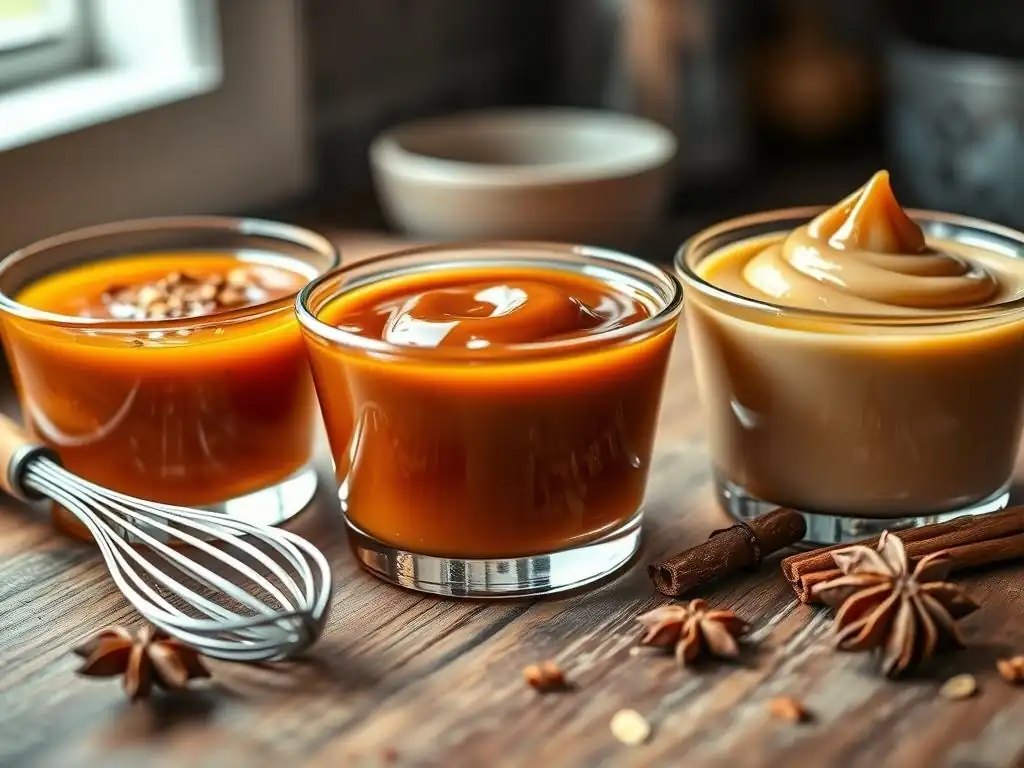
Even experienced bakers can encounter issues when making caramel. While adding spices introduces another variable, the fundamental problems with caramel sauce – graininess, burning, or incorrect consistency – are the same. Knowing how to identify and potentially fix these issues can save a batch and your sanity.
It's important to approach troubleshooting with patience. Sometimes, a minor adjustment is all that's needed. Other times, unfortunately, a batch might be too far gone and require starting over. Let's look at some common problems specific to caramel and how they apply to our spiced variations like the Chai caramel sauce recipe.
Dealing with Grainy Caramel
Grainy caramel is usually caused by sugar crystallization. This can happen if sugar crystals splash onto the sides of the pan and don't dissolve, or if the sugar is stirred too much during the caramelization process before it turns color. If your caramel base becomes grainy after adding the butter and cream (or spiced cream), you might be able to save it.
Transfer the grainy caramel back to a clean saucepan. Add a tablespoon or two of water or fresh heavy cream. Heat the mixture gently over very low heat, whisking constantly. The goal is to slowly dissolve the sugar crystals. Be patient and keep the heat low. If it's only slightly grainy, this method might work. If it's heavily crystallized, it may be difficult to fully recover a perfectly smooth texture, and you might need to start a fresh batch of your Chai caramel sauce recipe or other variation.
Fixing Burnt Caramel
Unfortunately, there is no fix for burnt caramel. Once sugar burns, it develops a harsh, bitter flavor that permeates the entire batch. The smell is usually a strong indicator – if it smells acrid or like burnt popcorn, it's likely burnt. Visually, burnt caramel is very dark brown, almost black.
If you suspect your caramel has burnt during the sugar heating stage before adding butter and cream, do not proceed. Discard the burnt sugar carefully (it will be extremely hot) and clean your pan thoroughly before starting a new batch. It's better to err on the side of a lighter amber color than risk burning the sugar and having to discard all your ingredients for the Chai caramel sauce recipe or other variation.
Adjusting the Consistency of Your Caramel Sauce
Sometimes, your spiced caramel sauce might end up too thick or too thin once it has cooled. The consistency is primarily determined by the cooking temperature of the sugar and the ratio of ingredients. If your sauce is too thick after cooling, you can gently reheat it in a saucepan over low heat and whisk in a tablespoon or two of additional warm heavy cream until the desired consistency is reached.
If your sauce is too thin, you can try gently heating it for a few minutes longer over low heat, whisking constantly. Be very careful doing this with a finished sauce, as it's easy to burn it or cause it to seize.
Alternatively, for a thin sauce, you can simply accept the thinner consistency, as it will still taste delicious, or use it in applications where a thinner sauce is acceptable, such as stirring it directly into hot beverages. Consistency issues are less common if you follow the steps for your Chai caramel sauce recipe or other variation carefully, using the correct ratios.
Beyond the Basics: Advanced Caramel Techniques
Once you're comfortable making classic and spiced caramel sauces, you might want to explore slightly more advanced techniques. These methods can add extra flavor dimensions or allow for more complex applications in your baking. Simple modifications can lead to exciting new results, expanding your caramel repertoire even further.
From adding salt for a popular flavor profile to mastering decorative techniques, these steps help refine your caramel-making skills. Understanding how different methods of caramelizing sugar affect the final outcome also adds another layer of expertise to your baking.
Making Salted Spiced Caramel
Adding salt to caramel is incredibly popular as it enhances the sweetness and balances the richness. To make salted spiced caramel, simply increase the amount of salt added to your finished spiced caramel sauce. Instead of 1/4 teaspoon, start with 1/2 teaspoon of fine sea salt or kosher salt. Whisk it in after you've added the spiced cream and butter.
Taste the sauce after the initial salt addition and add another pinch (1/8 teaspoon) if you prefer a stronger salty flavor. Different salts have varying levels of saltiness, so tasting is key. Ensure the salt dissolves completely by whisking well. This simple addition transforms your Chai caramel sauce recipe, Pumpkin Spice, or Cardamom sauce into a salted version, perfect for pairing with chocolate or serving over ice cream.
Creating Caramel Swirls and Decorations
Spiced caramel sauce can be used for more than just drizzling; its consistency makes it great for creating decorative swirls in batters or frostings. To create swirls in a cake or brownie batter, pour portions of the batter into your pan, then dollop spoonfuls of slightly cooled (but still pourable) spiced caramel sauce over the top. Use a knife or skewer to gently swirl the caramel through the batter. Be careful not to overmix, or the swirl effect will be lost.
For decorating frostings, swirl the spiced caramel sauce onto the top of a frosted cake or cupcakes using a spoon or piping bag. You can also pipe patterns or drizzle it decoratively. If you need a firmer caramel for drizzles or decorations that hold their shape more, you can cook the initial sugar mixture to a slightly higher temperature (closer to 360°F or 182°C), which will result in a thicker, firmer caramel upon cooling.
Caramelizing Sugar with Different Methods
Our guide primarily uses the wet method (adding water) for caramelizing sugar, which is generally more forgiving for beginners as the water helps dissolve sugar crystals and ensures more even heating. However, sugar can also be caramelized using the dry method, where only sugar is heated in a pan without any water.
The dry method requires more attention as the sugar melts and caramelizes from the edges inwards, and it's easier to burn. It's best done in a light-colored pan so you can clearly see the color change. While the dry method can produce a slightly purer caramel flavor by avoiding the steaming process of the water, the wet method is reliable and recommended for consistently great results, especially when you plan to infuse it into a Chai caramel sauce recipe or other variation.
Conclusion: Elevate Your Baking with Spiced Caramel Sauces
Mastering classic caramel sauce and then venturing into spiced variations like our detailed Chai caramel sauce recipe, Pumpkin Spice, and Cardamom infusions is a rewarding step for any home baker. These versatile sauces add incredible depth and warmth to countless desserts, transforming simple treats into memorable culinary experiences.
From understanding the science of caramelization to troubleshooting common issues and exploring creative uses, you now have the tools to confidently make and enjoy these delicious spiced caramel sauces. Don't hesitate to experiment with spice blends and pairings – the kitchen is your playground! So go ahead, whip up a batch of your favorite spiced caramel and elevate your baking today.
Frequently Asked Questions
What makes this chai caramel sauce recipe different from regular caramel sauce?
This recipe infuses traditional caramel sauce with chai spices like cinnamon, cardamom, ginger, and cloves, creating a warm and aromatic flavor profile. It's a spiced twist on a classic!
What type of chai tea should I use for the best flavor in the chai caramel sauce?
Using a high-quality loose-leaf chai tea or a chai tea concentrate will yield the most intense and authentic flavor. Avoid overly sweet or artificial chai blends.
Can I adjust the level of spice in the chai caramel sauce?
Absolutely! You can adjust the amount of chai spice to your preference. Start with the recipe's recommended amount and add more gradually until you achieve your desired level of spiciness.
What are some recommended uses for chai caramel sauce?
Chai caramel sauce is incredibly versatile. It's delicious on ice cream, apple pie, pancakes, or drizzled over cheesecakes. It can also be used in coffee or as a dip for fruits.
How should I store the chai caramel sauce, and how long will it last?
Store the chai caramel sauce in an airtight container in the refrigerator. It will typically last for up to two weeks when properly stored.
Final Reflection: The Enduring Allure of Spiced Caramel
The art of crafting the perfect caramel, elevated by the warmth of spices, remains a timeless pursuit, a testament to our enduring desire for comforting flavors and culinary creativity. This exploration into chai, pumpkin, and cardamom infused caramel sauces reveals not just recipes, but a pathway to understanding the nuanced interplay of sweetness and spice, a balance that resonates deeply with our palates. The seemingly simple act of caramelizing sugar transforms into a journey of flavor discovery, each spice adding its unique layer of complexity and delight.
The influence of these spiced caramel variations extends beyond the individual culinary experience. They represent a broader trend towards embracing global flavors and experimenting with unique ingredient combinations. The fusion of traditional caramel with the aromatic spices of chai, the autumnal warmth of pumpkin, and the exotic allure of cardamom speaks to our increasingly interconnected world and our willingness to explore diverse culinary landscapes. Food is symbolic of love when words are inadequate.
- Alan D. Wolfelt. This sentiment rings true as these sauces, crafted with care, can transform a simple dessert into a gesture of love and shared experience.
Now, consider the possibilities. Imagine the myriad of other spice combinations waiting to be explored, the countless ways these sauces can be adapted and personalized. You, the reader, hold the key to unlocking even more delicious variations. Don't just follow these recipes; let them inspire you to experiment, to innovate, to create your own signature spiced caramel masterpiece. The journey of flavor discovery is ongoing, and your unique contribution awaits.
Unleash Your Inner Pastry Chef: Craft Your Perfect Caramel
Thanks for joining us on this delicious journey into the world of spiced caramels! We hope you've gained some inspiration and new techniques to elevate your baking game. Now it's time to put your newfound knowledge to the test!
- Master your favorite spiced caramel: Choose your preferred recipe (Chai, Pumpkin, or Cardamom) and dive into creating your own batch. This is your chance to experiment with flavors and find your signature twist!
- Share your caramel creations: Snap a photo of your masterpiece and share it on social media using #BakeWithEaseSpicedCaramel – let's see what deliciousness you've conjured!
- Challenge yourself with a flavor fusion: Why stop at one spice? Try combining elements from different recipes to create a completely unique caramel flavor profile. Imagine a Chai Pumpkin Caramel…the possibilities are endless!
Ready to transform ordinary desserts into extraordinary experiences? What unique spiced caramel will you create next?