
Simple Hacks for Storing Baked Goods Without Special Equipment

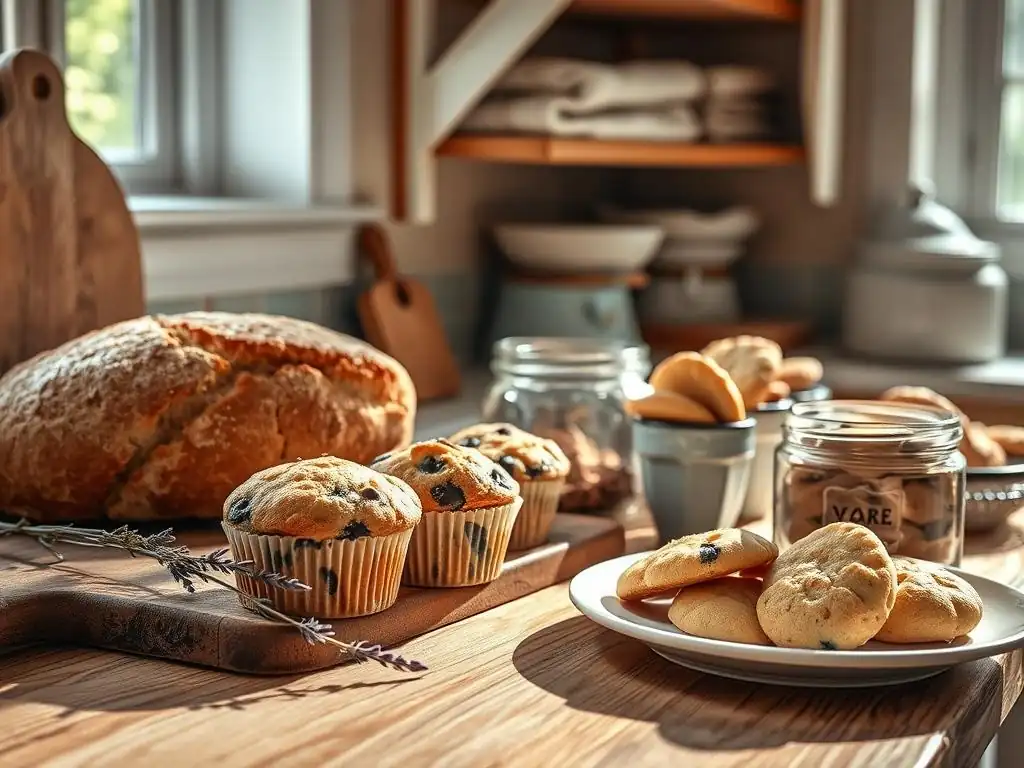
Welcome to BakeWithEase, your guide to effortless baking! Ever wondered about the secrets to keeping your delicious creations fresh without relying on refrigeration? Our latest article, "Simple Hacks for Storing Baked Goods Without Fridge," unlocks those very secrets. Discover practical tips and tricks that will revolutionize how you preserve your baked masterpieces, ensuring they stay delectable for longer. Let's dive in and explore these easy, game-changing techniques!
- BakeWithEase: Mastering Baked Goods Storage Without a Fridge
- Understanding the Basics of Baked Goods Storage
- Clever Techniques for Storing Baked Goods at Room Temperature
- Storing Different Types of Baked Goods Without a Fridge
- DIY Solutions for Creating a Proper Storage Environment
- Troubleshooting Common Storage Problems
- Extend the Life of Your Baked Creations
- Conclusion: Easy Baked Goods Storage Solutions for Every Baker
-
Frequently Asked Questions
- How long can I typically store baked goods at room temperature?
- What's the best way to prevent baked goods from drying out when storing them without refrigeration?
- Is it safe to store baked goods containing dairy or eggs at room temperature?
- What are some alternative storage options besides airtight containers?
- How can I tell if a baked good stored at room temperature has gone bad?
- Final Reflection: The Enduring Sweetness of Simple Solutions
- Unlock Your Baking Potential: Freshness Hacks for Every Baker
BakeWithEase: Mastering Baked Goods Storage Without a Fridge
Baking is a rewarding activity, filling your home with wonderful aromas and delicious treats. But what happens when you have leftovers? Keeping your baked goods fresh and delicious is crucial, and often, you don't need fancy gadgets or even constant refrigeration. Mastering the art of storing baked goods without a fridge is a valuable skill for any home baker. This guide explores simple, effective methods using everyday items to extend the life and maintain the quality of your cakes, cookies, breads, and more, ensuring every bite is as good as the first.
Proper storage prevents staleness, sogginess, and mold growth, saving you time and money while minimizing food waste. Let's dive into practical tips for storing baked goods without needing special equipment or relying solely on refrigeration.
Understanding the Basics of Baked Goods Storage
Why Proper Storage Matters for Freshness
The moment a baked good comes out of the oven, its journey towards staleness begins. Exposure to air causes moisture loss, which is why bread becomes hard and dry, and cookies lose their crispness. Conversely, too much moisture can lead to sogginess and, more importantly, the growth of mold. Proper storage creates a controlled environment that slows down these processes, preserving the texture, flavor, and overall quality of your creations. It's not just about extending shelf life; it's about maintaining the delightful experience of eating freshly baked goods.
Effective storage techniques are especially important when considering storing baked goods without fridge space, as room temperature environments can be more susceptible to fluctuations in humidity and temperature. Understanding the science behind spoilage helps us choose the best methods to keep our treats delicious for as long as possible, whether it's a rustic loaf of bread or a delicate sponge cake.
Factors Affecting the Shelf Life of Baked Items
Several factors influence how long baked goods remain fresh. The ingredients used play a significant role; for example, items high in fat and sugar, like many cookies and cakes, tend to stay fresh longer than lean breads because fat inhibits moisture loss and sugar acts as a preservative. The moisture content of the item itself is also critical; drier goods like biscotti have a naturally longer shelf life than moist muffins or quick breads.
Environmental conditions are paramount when storing baked goods without fridge intervention. Temperature, humidity, and exposure to air all impact freshness. Warm, humid conditions accelerate mold growth, while dry, open air leads to quick drying out. Oxygen exposure causes oxidation, which can affect flavor. By controlling these factors through smart storage methods, we can significantly extend the window of enjoyment for our homemade treats.
Clever Techniques for Storing Baked Goods at Room Temperature
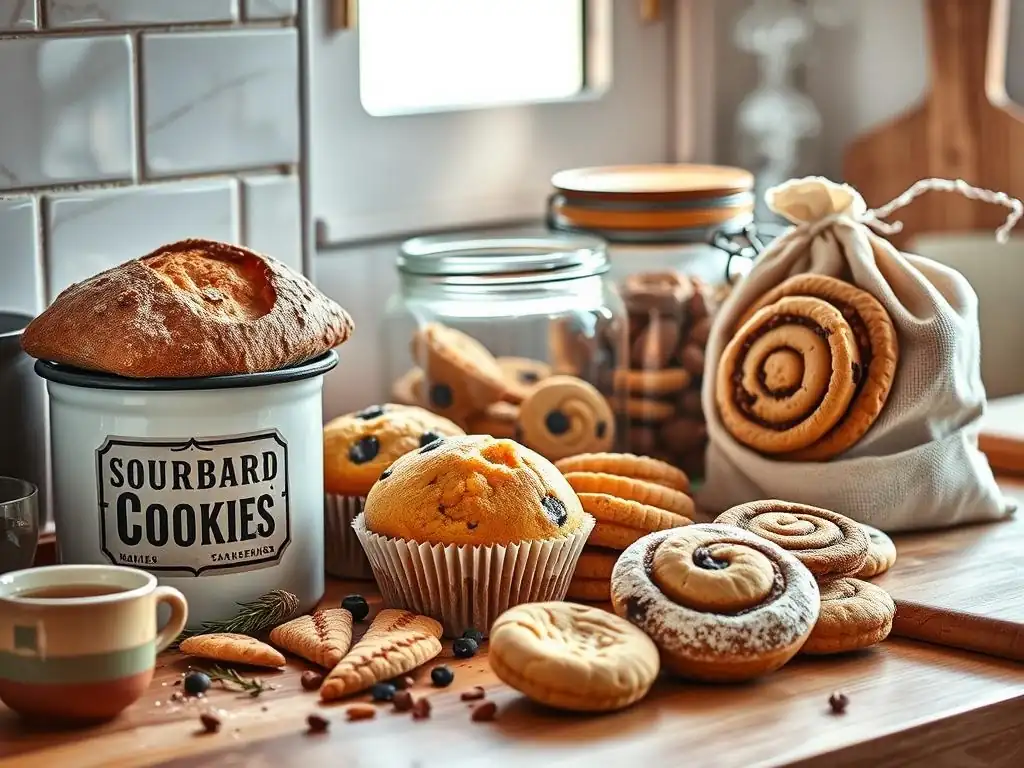
The Bread Box Alternative: DIY Storage Solutions for Bread
A traditional bread box provides an ideal environment for storing bread at room temperature, balancing air circulation to prevent mold with containment to slow drying. However, you don't need a dedicated bread box to achieve similar results. Many simple household items can be repurposed effectively. The goal is to allow the bread to breathe slightly while protecting it from excessive air exposure, a key consideration when focusing on storing baked goods without fridge reliance.
One common issue with storing bread in completely airtight containers is that it can trap moisture released by the bread, leading to a rubbery crust and rapid mold growth. DIY solutions aim to strike a balance. For instance, a clean, breathable cloth bag or even a sturdy paper bag can work surprisingly well, especially for crusty loaves intended for consumption within a day or two.
Utilizing Kitchen Towels for Bread Storage
A simple, clean cotton or linen kitchen towel is an excellent, low-tech solution for storing artisan bread with a crust. After the bread has cooled completely, wrap it snugly in the towel. The fabric allows some air circulation, which helps maintain the crust's texture while protecting the interior from drying out too quickly. This method is particularly effective for rustic loaves with thick crusts.
For softer sandwich breads, a towel wrap might not prevent drying as effectively over several days. However, for short-term storage (up to 24-48 hours) on the counter, a towel is far better than leaving the bread exposed. Remember to use a clean towel each time to prevent the transfer of mold spores.
Repurposing Paper Bags for Bread Freshness
Sturdy paper bags, like those from the grocery store or bakery, can also be repurposed for bread storage. They offer better air circulation than plastic bags, which is beneficial for preventing mold on crusty breads. Simply place the cooled loaf inside the bag and fold the top over. This method is particularly good for maintaining a crispy crust for a day or two.
While paper bags help keep the crust from getting soggy, they don't prevent the interior from drying out over longer periods as effectively as a dedicated bread box or a specialized bread bag. However, for short-term storage of crusty loaves when storing baked goods without fridge space is necessary, a paper bag is a readily available and effective option.
Keeping Cakes Moist Without Refrigeration
Most cakes, especially those without perishable fillings like cream cheese frosting or fresh fruit, are best stored at room temperature. Refrigeration can actually dry out the cake crumb and diminish its flavor. The key to keeping cakes moist on the counter is to protect them from air exposure.
Whether it's a simple loaf cake, cupcakes, or a layered celebration cake, preventing air from reaching the cut surfaces is paramount. Even uncut cakes benefit from protection. Simple household items can create an effective barrier, ensuring the cake remains tender and delicious for several days without needing a fridge.
The Toothpick and Plastic Wrap Method
For cut cakes, exposed surfaces dry out rapidly. A clever hack involves inserting a few toothpicks around the cut edge of the cake, just inside the crust. These toothpicks provide a frame to prevent plastic wrap from sticking directly to the cake's surface and potentially smudging frosting or tearing the crumb.
Once the toothpicks are in place, gently press plastic wrap onto the cut surface, ensuring it adheres snugly to the frosting or cake crust around the toothpicks. This creates a close seal that minimizes air exposure to the vulnerable interior, significantly helping in storing baked goods without fridge dryness. Repeat for all cut sides.
Using a Cake Dome or Upside-Down Bowl
A cake dome is the ideal tool for storing whole or partially eaten cakes on the counter, providing a protective, slightly airy environment. If you don't have a cake dome, a large upside-down bowl or pot can serve a similar purpose. Simply place the cake on a plate or serving stand and cover it completely with the bowl, ensuring the edges of the bowl sit flush with the counter or plate.
This method works well for cakes that are frosted or unfrosted. It protects the cake from dust and air currents while allowing a small amount of air circulation within the dome/bowl, which is preferable to a completely airtight container that could trap moisture and promote mold. This is a simple, effective technique for storing baked goods without fridge space, especially for larger items.
Storing cookies correctly depends on the desired outcome: do you want them to stay crispy or soft? Generally, cookies benefit from being stored at room temperature in an airtight container. The enemy of a crispy cookie is moisture, while the enemy of a soft cookie is air exposure and drying out.
Understanding these principles allows you to tweak your storage methods slightly to achieve the perfect texture. Storing baked goods without fridge humidity is generally easier for cookies than other items, but maintaining the right moisture level within the container is key.
Storing Cookies in Airtight Containers: A Must-Do
Whether you prefer crispy or soft cookies, storing them in an airtight container is the foundational step. This prevents air from circulating and causing them to dry out (making soft cookies hard) or absorb ambient moisture (making crispy cookies soft). Glass jars, metal tins with tight-fitting lids, or plastic containers with sealing lids all work well.
Ensure cookies are completely cooled before storing them. Placing warm cookies in an airtight container will trap steam, leading to condensation and soggy cookies. A variety of container sizes allows you to group similar cookie types together for optimal results when storing baked goods without fridge reliance.
Layering Cookies with Parchment Paper
When storing multiple layers of cookies in a container, especially if they are delicate, frosted, or of different types, layering them with parchment paper is a smart move. This prevents them from sticking together, transferring flavors (if storing different types), and protects any frosting or decorations.
Simply place a sheet of parchment paper on the bottom of the container, add a single layer of cookies, top with another sheet of parchment, add more cookies, and repeat until the container is full. This keeps your cookies looking neat and prevents breakage, ensuring they are just as appealing when you retrieve them for snacking.
Storing Different Types of Baked Goods Without a Fridge
How to Store Muffins and Scones for Maximum Enjoyment
Muffins and scones are delightful for breakfast or a snack, but they can dry out quickly if not stored properly. Both benefit from being kept at room temperature, as refrigeration can negatively impact their texture. The goal is to retain their internal moisture without making the exterior soggy or encouraging mold.
Effective storage methods for these items focus on limiting air exposure while managing internal moisture levels, making them excellent candidates for storing baked goods without fridge requirements. Simple techniques using common kitchen items can make a big difference in keeping them enjoyable for several days.
The Paper Towel Trick for Muffins
Muffins can sometimes release moisture as they sit, which can lead to a soggy bottom or sides when stored in an airtight container. A simple trick to combat this is to line the bottom of your airtight storage container with a paper towel before adding the cooled muffins.
The paper towel helps to absorb excess moisture that the muffins might release, keeping the bottoms firmer and preventing sogginess. Place a single layer of muffins, and if stacking, you can add another paper towel layer between them. Seal the container tightly. This method helps keep muffins fresh and tender for about 2-3 days when storing baked goods without fridge space.
Keeping Scones Fresh: Sealing in Flavor
Scones are best enjoyed fresh, but they can be stored for a couple of days. Like muffins, they should be stored at room temperature in an airtight container once completely cooled. This prevents them from becoming dry and crumbly. Place them in a container with a tight-fitting lid, ensuring they are not packed too tightly to avoid crushing.
For maximum freshness and to help retain their delicate texture, you can also wrap individual scones loosely in plastic wrap before placing them in the airtight container. This provides an extra layer of protection against air exposure. Stored this way, scones typically remain delicious for 1-2 days, making this a practical approach for storing baked goods without fridge space for short periods.
Storing Pies and Tarts Without Refrigeration Concerns
Many pies and tarts, particularly those made with fruit fillings, nuts, or sugar-based custards (like pecan or apple pie), can be safely stored at room temperature for up to 2 days after baking. Pies containing dairy-based fillings (like cream, pudding, or meringue) or fresh fruit that isn't baked into the filling require refrigeration. For those suitable for room temperature storage, the main challenges are preventing the crust from becoming soggy and protecting the filling from drying out or being exposed.
Proper covering is essential to maintain quality when storing baked goods without fridge cooling. The method of covering depends on whether the pie has a top crust or is open-faced.
Protecting Pie Crusts from Soggy Bottoms
Fruit pies often release moisture as they cool and sit, which can lead to a soggy bottom crust – every baker's woe! To help prevent this when storing at room temperature, ensure the pie is completely cooled on a wire rack before storing. This allows steam to escape initially.
For storage, loosely tent the pie with foil or plastic wrap. Avoid sealing it too tightly, as some air circulation can help prevent condensation from forming inside the cover and making the crust soggy. Placing a paper towel over the pie before tenting with foil can also help absorb excess moisture. Storing baked goods without fridge humidity control requires careful covering.
Covering Tarts for Optimal Freshness
Open-faced tarts, like fruit tarts or those with baked custards, need protection from air to prevent the filling from drying out and the crust from becoming stale. Once completely cooled, cover the tart loosely with plastic wrap or aluminum foil.
If the tart is on a serving plate, you can also use the upside-down bowl method described for cakes, provided the bowl is large enough to cover the entire tart without touching the filling. The key is to create a barrier against air exposure while being careful not to disturb the often delicate filling or toppings. This ensures the tart stays fresh and appealing when storing baked goods without fridge space for a day or two.
DIY Solutions for Creating a Proper Storage Environment
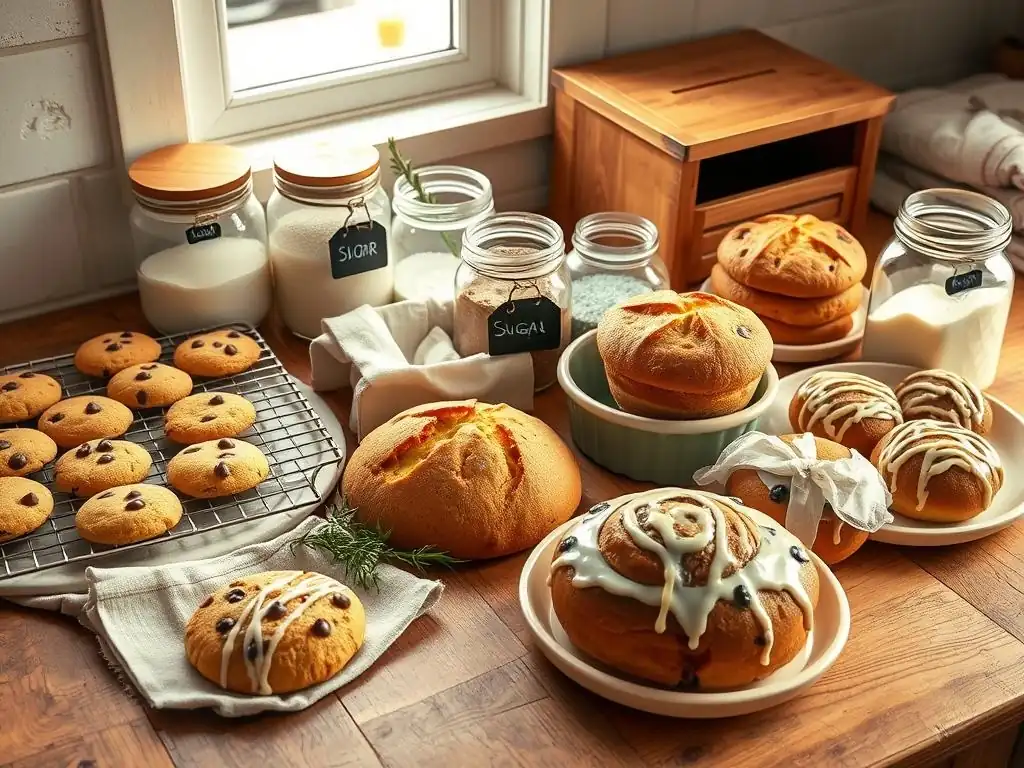
Creating the right micro-environment for your baked goods is crucial when relying on room temperature storage. Controlling humidity and maximizing air circulation (where needed) are key principles. You don't need specialized equipment; everyday household items can be incredibly effective in managing these factors.
These DIY solutions are particularly helpful when storing baked goods without fridge space, as ambient room conditions might not always be ideal. Simple additions or modifications to your storage containers can make a significant difference in extending freshness.
Controlling Humidity: Keeping Baked Goods Dry or Moist
Different baked goods require different humidity levels during storage. Crispy items need a dry environment to maintain their crunch, while soft items need some moisture retention to prevent drying out. Understanding this helps you tailor your DIY storage solutions.
Managing humidity within a closed container is achievable with common pantry items. This is especially useful when the ambient humidity is high or low, impacting your goals for storing baked goods without fridge temperature control.
Using Rice or Salt to Absorb Moisture
For baked goods that you want to keep crispy, like biscotti, granola, or very crispy cookies, excess moisture is the enemy. Placing a small sachet or a few tablespoons of uncooked rice or salt (preferably coarse salt like kosher salt) in the bottom of the airtight container can help absorb ambient moisture within the container.
Wrap the rice or salt in a small piece of cheesecloth or a coffee filter tied with a string before placing it in the container with the baked goods. This simple desiccant helps maintain a drier environment, preserving the crisp texture of your treats.
Adding a Slice of Apple to Keep Baked Goods Moist
Conversely, if you're storing soft cookies, brownies, or cakes that show signs of drying out, adding a source of moisture to the container can help. A common old-fashioned trick is to place a slice of fresh apple in the airtight container with the baked goods.
The apple slice will release moisture into the container, helping to keep the baked goods soft and chewy. Be sure to check the apple slice regularly (every day or two) and replace it as needed to prevent it from molding. This is a simple yet effective way to combat dryness when storing baked goods without fridge humidity control.
Maximizing Air Circulation for Optimal Storage
While airtight storage is key for many baked goods, some items, particularly crusty breads, benefit from a degree of air circulation to prevent the crust from softening and mold from forming. Creating a slightly airy environment without leaving the item completely exposed requires a balance.
This is where DIY "bread box" concepts come into play, allowing the bread to breathe while still being protected. Proper elevation can also play a role in facilitating air flow around the item.
Elevating Baked Goods on a Wire Rack
If you're storing a cake under a dome or bowl, or even storing cookies in a container that might trap some moisture, placing the baked good on a small wire rack within the larger container can help. This elevates the item slightly, allowing air to circulate underneath and preventing the bottom from becoming soggy if any condensation forms.
A small cooling rack or even improvising with a few chopsticks placed parallel to each other can achieve this elevation. This technique is particularly useful for moist cakes or muffins stored in airtight conditions, adding an extra layer of protection against sogginess.
Troubleshooting Common Storage Problems
Despite best efforts, sometimes storage doesn't go perfectly. Mold appears, bread goes stale, or cookies lose their ideal texture. Identifying the cause of these common problems is the first step to preventing them in the future, especially when focusing on storing baked goods without fridge temperature consistency.
Understanding why these issues occur empowers you to adjust your storage methods accordingly and salvage items where possible.
Preventing Mold Growth on Baked Goods
Mold requires moisture, warmth, and spores to grow. The best way to prevent mold when storing baked goods without fridge temperatures is to ensure the baked goods are completely cool before storing and to use clean, dry containers. Warm baked goods create condensation, providing the necessary moisture. Contaminated containers or surfaces can introduce mold spores.
Using breathable storage (like paper bags or cloth wraps) for items prone to mold (like bread) in environments that aren't too humid can help. For airtight storage, ensuring the item is dry on the surface and adding a moisture absorber like rice can be beneficial. If you see even a small spot of mold on bread, it's generally recommended to discard the entire loaf, as mold roots can spread unseen.
Avoiding Stale Bread and Dry Cakes
Staleness in bread and dryness in cakes are primarily caused by moisture loss to the surrounding air. This happens when baked goods are left exposed or stored in containers that aren't sufficiently airtight (for cakes) or that are too airy (for soft breads).
To combat this when storing baked goods without fridge moisture control, use appropriate coverings – airtight containers for most cakes and cookies, and methods that balance breathability with moisture retention (like bread boxes or well-wrapped loaves) for bread. Ensuring the baked good is fully cooled before storing also helps, as rapid cooling can sometimes lead to a drier product initially.
The texture of cookies is highly sensitive to moisture exchange. Crispy cookies absorb moisture from the air (or other baked goods), becoming soft. Soft cookies lose moisture to the air, becoming hard. The solution lies in controlling the humidity within the storage container.
As mentioned earlier, use a moisture absorber (like rice) for crispy cookies and a moisture source (like an apple slice) for soft cookies when storing them in airtight containers. Also, avoid storing different types of cookies (crispy and soft) in the same container, as they will exchange moisture and both end up with undesirable textures.
Extend the Life of Your Baked Creations
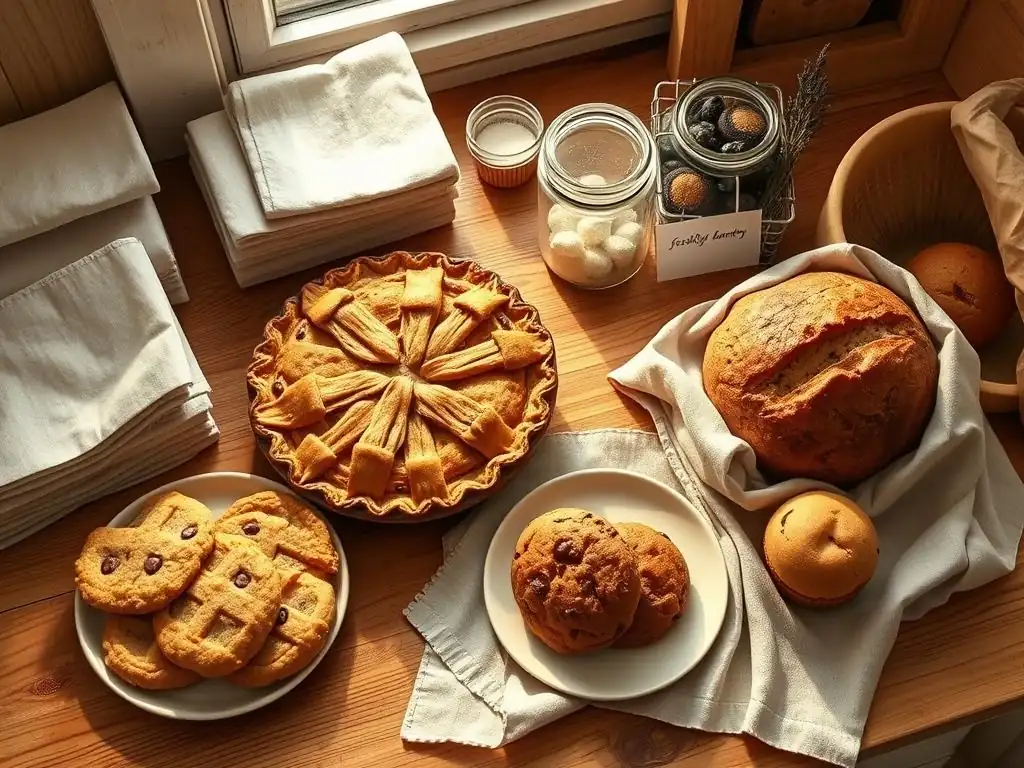
Even with the best room temperature storage hacks, some baked goods have a limited shelf life on the counter. For longer-term storage, freezing is an excellent alternative. Furthermore, not all is lost if a baked good does start to go stale; there are simple ways to revive them.
These additional tips provide options for managing larger batches or rescuing items before they need to be discarded, complementing your skills in storing baked goods without fridge reliance for immediate use.
Tips for Freezing Baked Goods as an Alternative
Almost all baked goods can be frozen successfully. Cool items completely, then wrap them tightly in plastic wrap, followed by a layer of aluminum foil or place them in a freezer-safe bag, pressing out as much air as possible. Proper wrapping prevents freezer burn.
Breads can be frozen whole or sliced. Cookies can be frozen baked or as dough balls. Cakes can be frozen as whole layers, frosted, or unfrosted. Most baked goods will last 2-3 months in the freezer. Thaw them at room temperature, keeping them wrapped until fully thawed to retain moisture. Freezing is a fantastic method when storing baked goods without fridge space for consumption within a few days isn't sufficient.
Reviving Stale Baked Goods: Simple Refreshing Techniques
Stale bread can often be refreshed. Lightly dampen the crust with water (a spray bottle works well) and warm the loaf in a moderate oven (around 300°F or 150°C) for 5-10 minutes. The water turns to steam, rehydrating the crumb and crisping the crust. This works best for loaves that are merely dry, not moldy.
Dry cakes or muffins can sometimes be revived by gently warming them, perhaps in a microwave for a few seconds (be careful not to overheat) or a low oven. Serving dry cake with a sauce, syrup, or whipped cream is also an easy fix. Hard cookies might soften slightly if placed in an airtight container with a slice of bread or apple for a few hours (remember to remove the bread/apple slice afterwards).
Conclusion: Easy Baked Goods Storage Solutions for Every Baker
Mastering the art of storing baked goods without a fridge is entirely achievable using simple, everyday items and techniques. From wrapping bread in a towel or paper bag to using toothpicks and plastic wrap for cakes, and employing airtight containers with humidity control for cookies and muffins, there are practical solutions for almost every type of baked good.
By understanding the basic principles of moisture and air control, you can significantly extend the freshness and quality of your homemade treats. These DIY hacks save you money on specialized equipment and ensure that your delicious creations are enjoyed to the last crumb, proving that effective storing baked goods without fridge reliance is well within reach for any home baker.
Frequently Asked Questions
How long can I typically store baked goods at room temperature?
Most baked goods can be stored at room temperature for 1-3 days if properly stored in an airtight container. The type of baked good and ingredients used will affect the exact timeframe.
What's the best way to prevent baked goods from drying out when storing them without refrigeration?
Using an airtight container is crucial. You can also add a slice of bread or apple to the container to help maintain moisture levels and prevent them from drying out.
Is it safe to store baked goods containing dairy or eggs at room temperature?
Baked goods containing dairy or eggs are more prone to spoilage. It's generally recommended to consume them within 1-2 days or consider refrigeration for extended storage.
What are some alternative storage options besides airtight containers?
While airtight containers are ideal, you can also use resealable plastic bags or wrap baked goods tightly in plastic wrap. Always ensure they are sealed well to prevent air exposure.
How can I tell if a baked good stored at room temperature has gone bad?
Look for signs of mold, an off smell, or a significant change in texture. If you suspect spoilage, it's best to discard the baked good to avoid any health risks.
Final Reflection: The Enduring Sweetness of Simple Solutions
The art of preserving baked goods without refrigeration remains surprisingly relevant today, a testament to resourcefulness and a celebration of the simple things. In a world obsessed with technological solutions, remembering the age-old methods of preserving our culinary creations offers a refreshing perspective on sustainability and mindful consumption. It's a reminder that sometimes, the most effective solutions are the simplest.
This exploration into preserving baked goods without a refrigerator has highlighted for me the deep connection between food preservation techniques and our cultural heritage. These methods, passed down through generations, represent more than just practical skills; they are a link to our past and a reminder of the ingenuity of those who came before us. The best things in life are simple,
a sentiment that rings especially true when considering the satisfaction of enjoying a perfectly preserved treat, made without the need for modern conveniences.
Now, consider your own kitchen. What baked goods do you cherish? What simple methods could you employ to extend their freshness and enjoyment? I encourage you to experiment, to rediscover the joy of preserving your culinary creations in a way that honors both tradition and sustainability. Embrace the simplicity, and savor the sweetness of the results. Let the enduring legacy of these simple hacks inspire you to create, preserve, and share the joy of homemade baked goods.
Unlock Your Baking Potential: Freshness Hacks for Every Baker
Thanks for taking the time to explore these simple, yet effective, baking storage hacks! We hope you now feel confident in keeping your delicious creations fresh and flavorful. Ready to put these tips into action?
- Master the Art of Proper Storage: Experiment with different containers and techniques to find what works best for your baked goods and kitchen setup. Note down your results for future baking success!
- Share Your Baking Wisdom: Tell your friends and family about these handy storage tips! They'll thank you (and your baked goods will thank you too! ).
- Join the BakeWithEase Community: Have a favorite storage method you'd like to share? Let us know in the comments below – we'd love to hear your baking secrets!
What ingenious storage solution will you try first?