
Salvaging a Dry Cake: Tricks for Adding Moisture

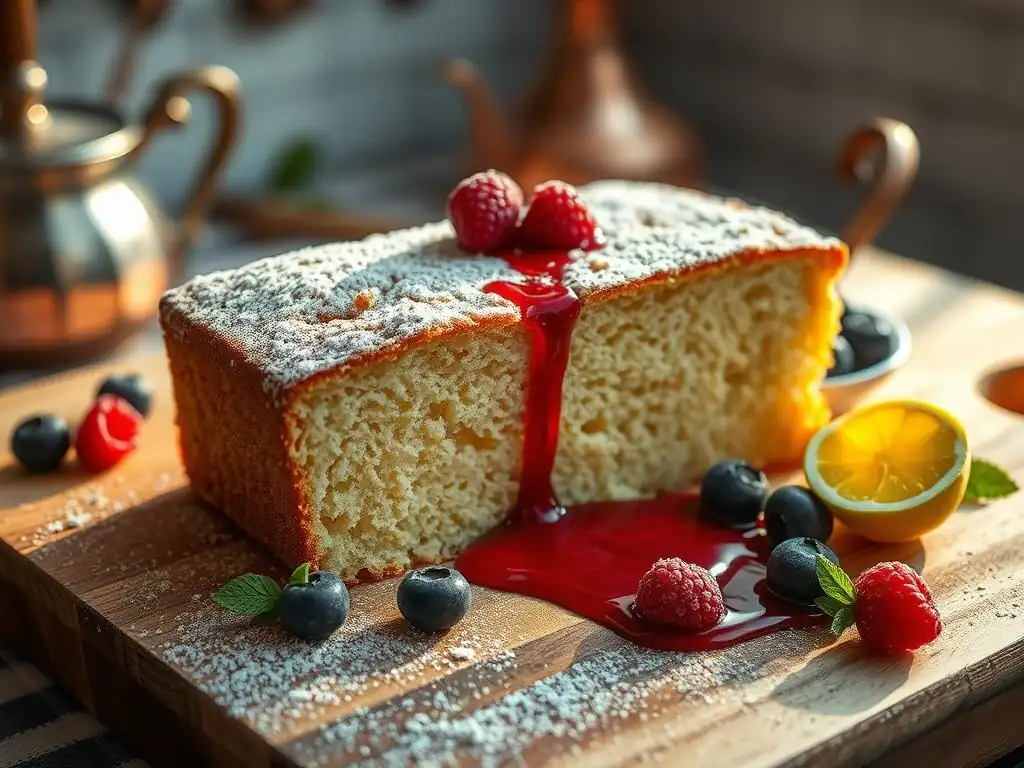
Welcome to BakeWithEase, your haven for baking brilliance! Ever faced the heartbreak of a dry cake? Don't despair! This week, we unlock the secrets to rescuing your bake with practical tips on how to moisten dry cake, transforming a baking mishap into a delicious success. Ready to learn the simple hacks that will breathe life back into your creation? Let's dive in!
- Introduction: Don't Toss That Dry Cake!
- How to Moisten Dry Cake: Quick & Easy Solutions
- Creative Ways to Use Dry Cake
- Preventing Dry Cakes in the Future: Baking Tips
- Conclusion: Enjoy Your Revived Cake!
-
Frequently Asked Questions
- How can I tell if my cake is dry before frosting it?
- What's the best way to add moisture to a dry cake after it's baked?
- Are there any common baking mistakes that lead to dry cakes?
- Can I use fruit juice or flavored liqueurs to moisten a dry cake?
- Besides simple syrup, what other liquid can I use to add moisture?
- Final Reflection: The Enduring Allure of a Perfectly Moist Cake
- Rediscover Your Dry Cake: Moisture-Boosting Magic!
Introduction: Don't Toss That Dry Cake!
It happens to the best of us. You spend time baking, the aroma fills the kitchen, but when you slice into your beautiful creation, you find... dryness. A dry cake can be incredibly disheartening, but don't despair and definitely don't throw it away! With a few simple tricks and a little creativity, you can often revive that cake and transform it into a delicious treat. Learning how to moisten dry cake is a valuable skill in any baker's repertoire, turning potential waste into wonderful desserts.
Sometimes, even a slightly dry cake can be the foundation for something spectacular. Whether you're dealing with a cake that's just a touch crumbly or one that feels distinctly arid, there are methods ranging from quick fixes to more involved transformations that can significantly improve its texture and flavor. Our goal here is to equip you with the knowledge to tackle this common baking mishap confidently and effectively.
Why Cakes Turn Out Dry and How to Fix Them
Several factors contribute to a cake becoming dry. One of the most common culprits is overbaking. When a cake bakes for too long or at too high a temperature, moisture evaporates excessively, leaving you with a dense, crumbly texture. Think of how a sponge dries out in the sun – the same principle applies to cake in a hot oven. Another frequent cause is incorrect ingredient measurement, particularly too much flour or not enough fat or liquid. Flour absorbs moisture, and an excess ratio can simply soak up all the available liquid, resulting in a dry crumb.
Fixing a dry cake primarily involves reintroducing moisture. The methods vary depending on how dry the cake is and how you plan to serve it. Simple techniques focus on infusing moisture directly into the existing cake structure, while more creative approaches transform the cake entirely, using other ingredients to compensate for the dryness. Mastering how to moisten dry cake means understanding the different ways to hydrate that thirsty crumb, from simple syrups to clever dessert constructions.
How to Moisten Dry Cake: Quick & Easy Solutions
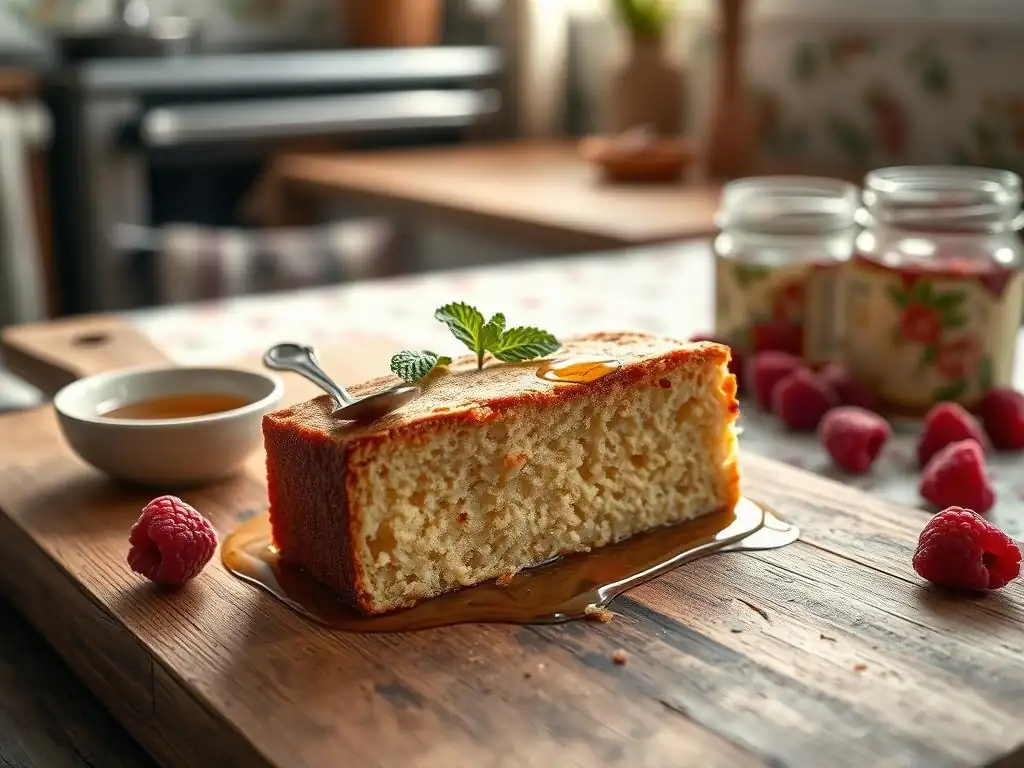
Method 1: Syrup Soak for Extra Moisture
Applying a simple syrup is perhaps the most classic and effective way to add moisture back into a dry cake. A basic simple syrup is typically made by heating equal parts sugar and water until the sugar dissolves. This liquid can then be brushed or drizzled onto the cooled cake.
The sugar helps the cake retain moisture, and the liquid directly hydrates the crumb. You can use a ratio like 1:1 (equal sugar and water by weight or volume) for a standard soak, or a slightly thinner syrup (e.g., 1 part sugar to 1.5 parts water) for less sweetness and more pure moisture.
The beauty of the syrup soak method is its versatility. Not only does it add moisture, but it also provides an excellent opportunity to infuse extra flavor into your cake. By adding extracts, citrus zest, spices, or even alcohol to the syrup while it's warm, you can complement or enhance the cake's original flavor profile. This step is crucial in learning how to moisten dry cake while simultaneously elevating its taste.
Choosing the Right Syrup for Your Cake Flavor Profile [Citrus Syrup, Coffee Liqueur Syrup, Vanilla Bean Syrup]
Selecting the appropriate syrup flavor can significantly enhance the overall taste of your revived cake. A Citrus Syrup, made by simmering lemon, orange, or lime zest (or juice) with sugar and water, is fantastic for brightening up vanilla, almond, or even some fruit-based cakes.
Imagine a dry pound cake transformed with a vibrant lemon zest syrup soak – it adds both moisture and a burst of fresh flavor. To make about 1 cup of citrus syrup, combine 1/2 cup sugar, 1/2 cup water, and the zest of one lemon (or equivalent citrus) in a small saucepan, heat until sugar dissolves, then let it steep for 15 minutes before straining.
For chocolate or coffee-flavored cakes, a Coffee Liqueur Syrup is an absolute dream. Combine 1/2 cup strong brewed coffee, 1/4 cup sugar, and 2 tablespoons of coffee liqueur (like Kahlúa or Tia Maria) in a pan. Heat until sugar dissolves. This syrup adds deep, rich notes and plenty of moisture.
Alternatively, a simple Vanilla Bean Syrup, made by simmering a vanilla bean pod (split lengthwise) with sugar and water, offers a warm, comforting flavor that pairs well with almost any cake, especially vanilla or spice cakes. Use about 1/2 cup sugar, 1/2 cup water, and half a vanilla bean pod for a lovely aromatic soak. The key is to match the syrup's intensity to the cake's flavor.
How to Apply Syrup Evenly to a Dry Cake
Applying the syrup correctly is key to ensuring even moisture distribution without making the cake soggy. First, ensure the cake is completely cool. Warm cake can absorb too much liquid too quickly and become mushy. You can use a pastry brush to gently brush the syrup over the surface of the cake. Pay special attention to the edges, which often dry out first.
Alternatively, for a more thorough soak, especially with layer cakes, you can use a squeeze bottle or even a spoon to drizzle the syrup over the cake layers after they've been leveled (if necessary). For a very dry cake, you might poke small holes across the surface using a skewer or toothpick before applying the syrup – this helps the liquid penetrate deeper into the crumb.
Start with a moderate amount of syrup; you can always add more if needed, but you can't take it away if you add too much initially. Let the cake sit for at least 20-30 minutes after applying the syrup to allow the moisture to distribute.
Method 2: Steaming to Revive a Dry Cake
Steaming is another effective technique to add humidity back into a dry cake, particularly if you want to revive a whole cake or larger pieces without adding extra sweetness or flavor like a syrup would. This method works by exposing the cake to moist heat, which helps to soften the crumb and rehydrate it slightly. It's a gentle process that can improve the texture significantly if done carefully.
The principle behind steaming is simple: surrounding the cake with warm, moist air. This can be achieved using common kitchen equipment. While it won't make a rock-hard cake perfectly moist again, it can certainly improve the texture of a cake that's just a bit past its prime and help you learn how to moisten dry cake without adding extra ingredients directly into the batter post-baking.
Steaming Method Using a Pot
To steam a dry cake using a pot, you'll need a large pot with a lid and a steamer basket or rack that fits inside, elevated above the bottom. Add about an inch or two of water to the pot and bring it to a simmer over medium heat. Place the dry cake (or pieces of cake) onto the steamer basket, ensuring the water level is below the basket. Cover the pot tightly with the lid.
Allow the cake to steam for just a few minutes – typically 5 to 10 minutes for a whole cake, or even less for smaller pieces. The goal is to expose it to the steam, not to cook it further. Check the cake after 5 minutes; it should feel slightly softer and more pliable. Be careful not to over-steam, as this can make the cake gummy. Once steamed, remove the cake from the pot and let it cool slightly before handling.
Steaming Method Using the Oven
You can also use your oven to create a steaming environment, which is great for larger cakes or multiple pieces. Preheat your oven to a very low temperature, around 200°F (90°C). Place a heatproof dish or baking pan on the bottom rack of the oven and fill it with hot water. The water will create steam as the oven heats up.
Place the dry cake directly on the middle rack, above the pan of water. Close the oven door and let the cake sit in the warm, steamy environment for about 10-15 minutes. Again, monitor the cake to avoid over-steaming. The moist heat will gently rehydrate the cake's crumb. This method is less direct than pot steaming but can be more convenient for larger items.
Method 3: Frosting to Mask and Moisturize
Sometimes, the best way to tackle a dry cake is to pair it with a moisture-rich frosting. While frosting doesn't add moisture to the cake's internal structure in the same way a syrup soak or steaming does, a generous layer of frosting, especially a rich one, creates a barrier that helps trap any remaining moisture in the cake and also adds a moist, creamy element to each bite. This combination significantly improves the overall eating experience.
Think of the frosting as a delicious camouflage and a textural counterpoint. A thick, unctuous frosting can make a dry cake taste much better by providing the moisture the cake lacks. This is often the easiest method when you plan to frost the cake anyway, turning a potential flaw into an opportunity to showcase a fantastic frosting. It's a practical answer to how to moisten dry cake when serving it as a traditional frosted dessert.
Choosing the Right Frosting for a Dry Cake [Swiss Meringue Buttercream, Chocolate Ganache]
Not all frostings are created equal when it comes to combating dryness. Light, fluffy frostings like whipped cream or simple glazes offer less moisture and barrier protection. Richer, fat-based frostings are far more effective. Swiss Meringue Buttercream is an excellent choice. Made by whipping a meringue (egg whites and sugar heated over a double boiler) into softened butter, it results in a smooth, less sweet, and incredibly creamy frosting. Its high butter content provides significant moisture and creates a luxurious mouthfeel that perfectly complements a drier cake crumb.
Another superb option is Chocolate Ganache. This is a simple mixture of melted chocolate and hot cream. The ratio can vary, but a standard pouring ganache is often 1 part chocolate to 1 part cream (by weight), while a thicker frosting ganache might be 2 parts chocolate to 1 part cream. Ganache is rich, dense, and full of fat from the cream and chocolate, making it incredibly effective at adding moisture and richness to a dry cake. A simple pour-over ganache can instantly elevate a dry chocolate cake, adding shine, intense flavor, and much-needed moisture.
Tips for Applying Frosting to Maximize Moisture
To make the most of your frosting as a moisture-adding agent, apply a generous amount. Don't be shy! A thick layer works better than a thin one. For layer cakes, applying a dam of frosting around the edge of each layer before filling can help keep the filling (which might also be moist) contained and adds extra moisture between the layers.
Consider applying a crumb coat – a thin layer of frosting applied to the entire cake and chilled – before applying the final, thicker layer. This not only helps seal in any existing moisture but also catches crumbs, giving you a smooth finish for the final frosting layer. For bundt cakes or loaf cakes, a thick glaze or a drizzle of ganache that seeps slightly into the cake can also help.
Creative Ways to Use Dry Cake
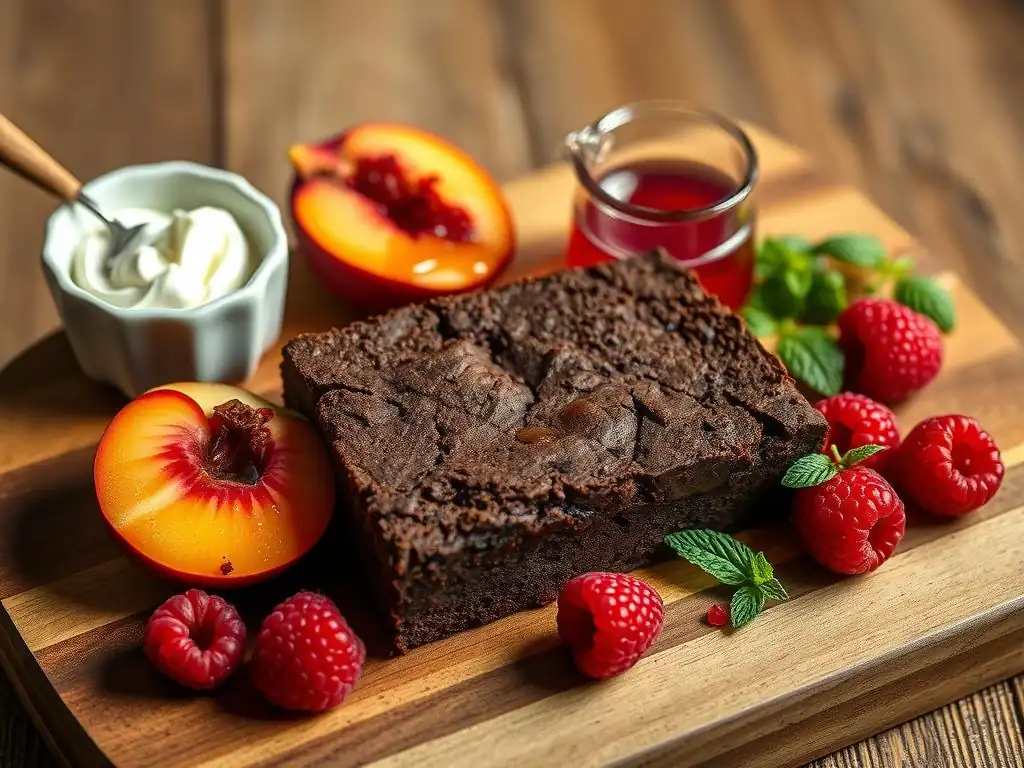
Sometimes, a cake is too dry to simply soak or steam back to its original glory. But a dry cake is far from useless! Its firm texture, in fact, makes it perfect for transforming into entirely new desserts where moisture is added through other components. Repurposing dry cake is a fantastic way to minimize food waste and get creative in the kitchen.
These methods turn the cake into an ingredient rather than the final product itself, allowing you to introduce moisture through creams, fruits, sauces, or other additions. Learning how to moisten dry cake through transformation opens up a world of dessert possibilities beyond just slices of cake.
Dry Cake Crumb Topping Ideas
Dry cake, when crumbled, creates a wonderful texture that can be used as a topping for other desserts. Because it's dry, it won't turn soggy immediately when sprinkled over moist elements like fruit or yogurt. Simply break the dry cake into small crumbs by hand or pulse it briefly in a food processor.
These crumbs can be toasted lightly in a dry pan or oven for extra crunch and flavor, or used as is. Sprinkle them over parfaits, yogurt bowls, fruit salads, ice cream, or even use them as a base for mini cheesecakes pressed into muffin tins. For instance, you could crumble a dry vanilla cake and sprinkle it over berries and whipped cream for a simple, elegant dessert. About 1 cup of cake crumbs is usually enough to top 4-6 individual servings of yogurt or ice cream.
Transforming Dry Cake into Cake Pops
Cake pops are a popular and delicious way to salvage dry cake. The process involves crumbling the cake very finely and then mixing it with a binding agent, typically frosting or ganache. This mixture is then rolled into balls, chilled, and dipped in melted chocolate or candy melts. The frosting provides the necessary moisture and binding power to transform the dry cake into a pliable dough.
The ratio of cake crumbs to frosting is crucial; too little frosting and the balls won't hold together, too much and they'll be too soft. A good starting point is often around 1/4 cup of frosting for every 2 cups of cake crumbs, though this can vary based on how dry the cake is and the frosting consistency. This method completely reinvents the cake's texture, making dryness a non-issue. It's a fun and effective way to learn how to moisten dry cake by adding significant amounts of fat and liquid.
Making Cake Parfaits with Dry Cake
Parfaits are layered desserts, and dry cake pieces are an excellent component to include. The dry cake layers can soak up moisture and flavor from surrounding elements like fruit, yogurt, whipped cream, pudding, or sauces. Simply break or cut the dry cake into bite-sized cubes.
Layer the cake pieces in glasses or jars with alternating layers of moist ingredients. For example, layer dry chocolate cake cubes with chocolate pudding and whipped cream, or layer dry vanilla cake with berries and Greek yogurt. The cake will absorb moisture from the other layers as the parfait sits, softening its texture and blending the flavors beautifully. This method requires minimal effort to rehydrate the cake and results in an attractive, multi-textured dessert.
Preventing Dry Cakes in the Future: Baking Tips
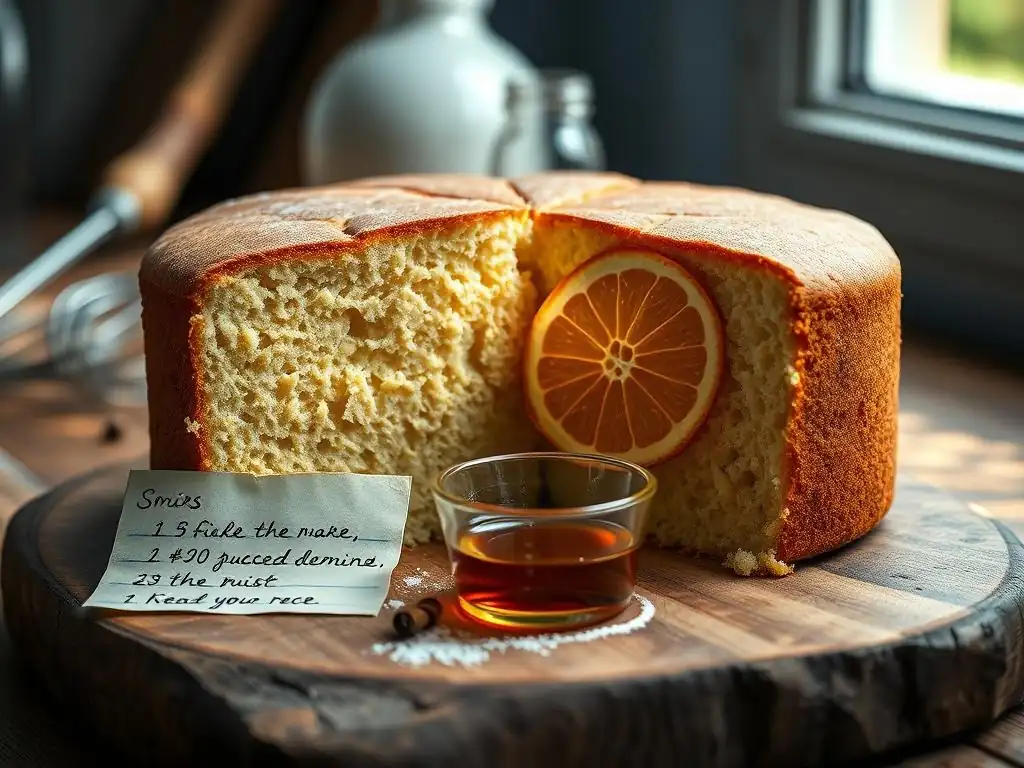
While it's great to know how to moisten a dry cake, preventing dryness in the first place is even better! Baking is a science, and understanding a few key principles can drastically improve your results and consistently produce moist, tender cakes. Paying attention to ingredient ratios, baking time, and the role of fats and liquids in your batter are crucial steps.
Developing good baking habits will minimize the instances where you need to fix a dry cake. These tips focus on precision and understanding how different ingredients and techniques affect the final crumb structure and moisture level of your baked goods.
Measuring Ingredients Accurately for Moist Cakes
Accurate measurement is paramount in baking. Using too much flour is one of the most common reasons for dry cakes. Flour should ideally be weighed using a kitchen scale for the most precise results; a standard cup of all-purpose flour weighs approximately 120-130 grams. If you must use volume measurements, spoon the flour gently into the measuring cup and level it off with a straight edge, rather than scooping directly from the bag, which can compact the flour and result in using significantly more than intended (sometimes 20-30% more).
Similarly, ensuring you have the correct amount of fats (like butter or oil) and liquids (milk, buttermilk, eggs) is vital. Fats tenderize the cake and contribute to moisture, while liquids hydrate the flour and other dry ingredients. Using the right ratios, as specified in a reliable recipe, is your first line of defense against a dry cake.
Avoiding Overbaking: Time and Temperature Considerations
Overbaking is arguably the leading cause of dry cakes. Baking for too long or at too high a temperature evaporates too much moisture from the cake. Always preheat your oven fully before putting the cake in; a properly preheated oven helps the cake rise correctly and bake evenly. Use an oven thermometer to check if your oven's temperature is accurate – many ovens run hot or cool.
Start checking for doneness a few minutes before the recipe's minimum recommended baking time. Insert a toothpick or a thin wooden skewer into the center of the cake; it should come out with a few moist crumbs attached, but no wet batter. If it comes out completely clean, the cake is likely already slightly overbaked. An internal temperature of 200-210°F (93-99°C) for most cakes is another good indicator of doneness.
The Importance of Hydration in Your Cake Batter [Greek Yogurt, Applesauce]
Incorporating ingredients that add and retain moisture is a great strategy for consistently moist cakes. Fats like butter and oil contribute richness and tenderness. However, other ingredients can boost hydration significantly. Greek Yogurt is a fantastic addition; its acidity helps tenderize the crumb, and its high-fat content adds moisture. Swapping out some of the liquid in a recipe for an equal amount of Greek yogurt can make a noticeable difference in texture.
Similarly, moist purées like Applesauce or mashed banana can add moisture and tenderness, often allowing you to reduce the amount of fat needed. For example, substituting half of the butter or oil in a recipe with an equal amount of unsweetened applesauce can result in a moister, lower-fat cake. Buttermilk, sour cream, and even mayonnaise (yes, mayonnaise!) are other ingredients known for contributing to a moist, tender crumb due to their fat and acid content.
Conclusion: Enjoy Your Revived Cake!
Dealing with a dry cake can be disappointing, but as you've seen, it's often a problem with several delicious solutions. Whether you choose to rehydrate it with a flavorful syrup, gently steam it back to life, rely on a rich frosting to add moisture, or transform it into a completely new dessert like cake pops or parfaits, your dry cake doesn't have to go to waste.
By understanding why cakes dry out and keeping these simple tricks in mind, you're well-equipped to save future baking projects. Remember that practice makes perfect, both in preventing dry cakes and in mastering the art of reviving them. So next time you encounter a less-than-perfect crumb, apply these techniques on how to moisten dry cake and enjoy your wonderfully revived creation!
Frequently Asked Questions
How can I tell if my cake is dry before frosting it?
The easiest way is the toothpick test. If a toothpick inserted into the center comes out clean, it's likely overbaked and potentially dry. You can also gently press the top; a dry cake will feel firm and may even crack slightly.
What's the best way to add moisture to a dry cake after it's baked?
One effective method is to use a simple syrup. Brush or drizzle it evenly over the cake layers. Another option is to wrap the cake tightly in plastic wrap and let it sit at room temperature for a few hours.
Are there any common baking mistakes that lead to dry cakes?
Absolutely! Overbaking is a major culprit. Also, using too much flour or not enough fat in the recipe can result in a dry texture. Make sure to measure ingredients accurately.
Can I use fruit juice or flavored liqueurs to moisten a dry cake?
Yes, you can! Fruit juice or liqueurs can add both moisture and flavor. Just be mindful of the flavor pairing with your frosting and fillings. Apply them using the same method as simple syrup.
Besides simple syrup, what other liquid can I use to add moisture?
Milk (regular or non-dairy) is a simple alternative. Coffee can also work well, especially for chocolate cakes. Consider using a flavored milk alternative, such as almond or coconut milk, for extra moisture and flavor.
Final Reflection: The Enduring Allure of a Perfectly Moist Cake
The quest for the perfect cake, moist and delectable, transcends mere culinary skill; it's a testament to our desire for comfort and celebration. A dry cake, sadly, represents the opposite – a missed opportunity for joy. This article has explored various techniques to rescue a seemingly ruined dessert, highlighting the importance of understanding the science behind baking and the power of resourceful adaptation. But the implications extend far beyond the kitchen.
The simple act of salvaging a dry cake mirrors our own capacity for resilience and transformation in the face of setbacks. We all experience moments where our plans fall short, our creations don't quite meet expectations. The greatest glory in living lies not in never falling, but in rising every time we fall.
- Nelson Mandela. This sentiment resonates deeply with the process of reviving a dry cake; it's a reminder that even from apparent failure, something delicious and satisfying can emerge. The techniques discussed—from adding simple syrup to incorporating fruit—symbolize the creative problem-solving we employ in all aspects of life.
Now, consider your own "dry cakes"—those moments where things haven't gone as planned, where disappointment threatens to overshadow the potential for success. Remember the lessons learned here: patience, resourcefulness, and a willingness to experiment are key ingredients in overcoming challenges. Don't let a dry cake, metaphorical or literal, discourage you. Embrace the opportunity to learn, adapt, and create something truly wonderful from what might seem like a failure. You might be surprised at the delicious results.
Rediscover Your Dry Cake: Moisture-Boosting Magic!
Thanks for taking the time to explore our tips on reviving a less-than-perfect cake! We hope you now feel empowered to tackle even the driest of bakes. Ready to put your newfound knowledge into practice?
- Primary Action: Try our recommended method of adding moisture – the one you felt was most relatable to your situation – and tell us how it worked in the comments below! We'd love to hear your success story (or even your learning experience! ).
- Share your results: Show off your salvaged cake on social media using #BakeWithEaseRescue. Let's inspire others with your baking resilience!
- Explore our other cake-saving recipes: Dive into our extensive collection of baking tips to prevent dryness in the future, and master the art of consistently moist cakes.
So, what's your next baking challenge, and how will you conquer it with newfound confidence?