
The Secret to Perfect American Buttercream: Consistency is Key

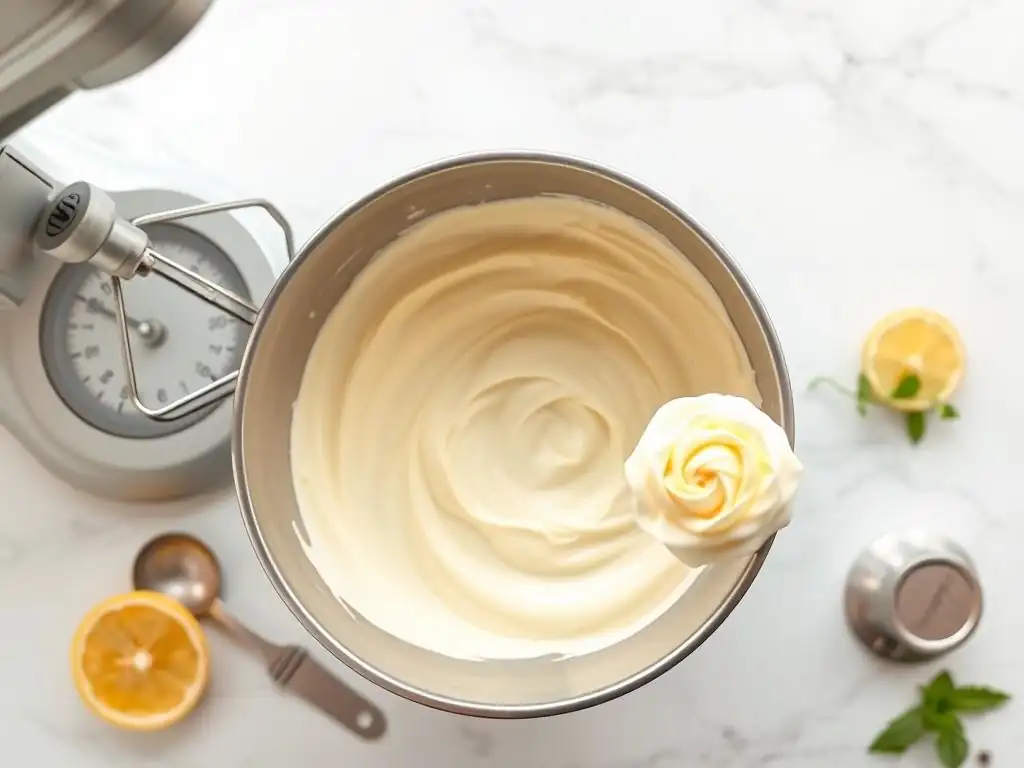
Welcome to BakeWithEase, your trusted guide to baking bliss! Ever struggled with achieving that flawlessly smooth, spreadable frosting? Dive in and uncover the secrets to perfect American buttercream consistency, a skill that will elevate your cakes and cupcakes from amateur to amazing. Get ready to say goodbye to grainy, lumpy frosting forever, and hello to baking confidence!
- Understanding American Buttercream: The Foundation for Success
- Key Ingredients for Achieving Perfect American Buttercream Consistency
- Troubleshooting Common American Buttercream Consistency Problems
- Mastering the Mixing Process: The Key to Smooth Buttercream
- Achieving the Perfect American Buttercream Consistency: Step-by-Step Guide
- Advanced American Buttercream Consistency Techniques
- Expert Tips for Perfect American Buttercream Consistency
- Storing American Buttercream: Maintaining Consistency
- American Buttercream Consistency FAQs: Addressing Common Questions
- Conclusion: Mastering American Buttercream Consistency for Baking Success
-
Frequently Asked Questions
- What exactly is American buttercream, and what makes it different from other types?
- Why is consistency so important when making American buttercream?
- What are some common reasons for American buttercream being too thick?
- What's the best way to fix American buttercream that's either too thick or too thin?
- Final Reflection: The Enduring Allure of Perfect Consistency
- Unlock Your Inner Pastry Chef: Master the Art of Buttercream!
Understanding American Buttercream: The Foundation for Success
What is American Buttercream and Why Consistency Matters?
American buttercream is a simple yet versatile frosting made primarily from butter and powdered sugar, often with a liquid like milk or cream and flavorings. Its simplicity makes it a go-to for many home bakers. However, achieving the perfect American buttercream consistency is crucial because it dictates how well the frosting performs. A consistency that is too stiff can tear delicate cake layers or be impossible to pipe smoothly, while a consistency that is too loose will slide off your baked goods and fail to hold its shape.
The ideal consistency allows you to spread it effortlessly over cakes, pipe intricate designs onto cupcakes, or fill sandwich cookies without it oozing out. Think about frosting a two-layer cake; you need the buttercream to be firm enough to create a stable filling layer and smooth enough to spread evenly over the sides and top. Achieving the perfect American buttercream consistency tips often revolve around balancing the fat (butter) and the dry ingredients (powdered sugar) with just the right amount of liquid.
The Importance of Achieving the Right Texture
Beyond just spreadability and pipeability, the texture of American buttercream significantly impacts the eating experience. A frosting with the right texture is smooth and creamy, melting pleasantly in the mouth. Poor consistency, on the other hand, can result in a grainy, greasy, or overly stiff frosting that detracts from the overall enjoyment of your baked treat. For example, a grainy texture is often a sign that the powdered sugar hasn't been properly incorporated or dissolved, while a greasy texture might indicate temperature issues or overmixing at the wrong stage.
Mastering the texture is arguably as important as mastering the flavor. Imagine biting into a beautifully decorated cupcake only to be met with gritty, unpleasant frosting. It ruins the experience. Following perfect American buttercream consistency tips ensures that your frosting not only looks professional but also tastes and feels delightful. This means paying attention to ingredient temperatures, mixing techniques, and knowing how to adjust the consistency as you go.
Key Ingredients for Achieving Perfect American Buttercream Consistency
Butter: Choosing the Right Type and Temperature
The foundation of American buttercream is butter, and its type and temperature are paramount to achieving the perfect consistency. Unsalted butter is typically preferred because it gives you control over the saltiness of the final product. Using butter that is at the correct temperature – specifically, room temperature – is perhaps the single most important factor.
Room temperature butter, generally between 68°F and 70°F (20°C-21°C), is soft enough to cream smoothly with a mixer but still firm enough to hold air. If the butter is too cold, it won't cream properly with the sugar, leading to lumps and a grainy texture. If it's too warm or melted, the resulting buttercream will be greasy and loose, struggling to hold its structure.
Using room temperature butter allows it to emulsify correctly with the other ingredients. When butter is creamed, air is incorporated, which contributes to the frosting's light and fluffy texture. Overly cold butter resists this process, while overly warm butter can't trap air effectively. For optimal results, take your butter out of the refrigerator about 1-2 hours before you plan to use it. You should be able to press your finger into it and leave an indentation without it being mushy or melted. This simple step is one of the fundamental perfect American buttercream consistency tips.
Sugar: Powdered Sugar and Its Role in Texture
Powdered sugar, also known as confectioners' sugar or icing sugar, is the primary sweetening agent and structural component in American buttercream. Its fine, powdery texture, combined with a small amount of cornstarch (often added by manufacturers to prevent clumping), is what gives this frosting its body and stability. The sheer volume of powdered sugar relative to butter is what makes American buttercream so quick to set up and form a crust when exposed to air.
The ratio of butter to powdered sugar is critical for achieving the desired consistency. A common starting point is a 1:2 ratio by weight (e.g., 1 pound of butter to 2 pounds of powdered sugar), but this can be adjusted slightly depending on the desired stiffness.
The quality and handling of your powdered sugar also affect the texture. Clumpy powdered sugar can lead to a grainy frosting, even if mixed thoroughly. Sifting the powdered sugar before adding it to the butter is a highly recommended step to remove lumps and ensure a smooth result.
While some modern, high-quality powdered sugars claim sifting isn't necessary, a quick sift is a simple perfect American buttercream consistency tip that guarantees a smoother finish. The cornstarch content in powdered sugar also contributes to the crust that forms on American buttercream, which is a characteristic texture many bakers desire, particularly for decorations that need to hold their shape.
Liquid: Milk, Cream, or Water - Which is Best?
Liquid is essential in American buttercream to loosen the mixture and achieve a spreadable or pipeable consistency after the powdered sugar has been incorporated. Common liquids include milk, heavy cream, or even water. Each offers slightly different results.
Milk, particularly whole milk, adds a touch of richness and helps create a classic, smooth texture. Heavy cream adds more fat, resulting in a richer, slightly softer, and often creamier frosting. Water is a neutral option that loosens the frosting without adding richness or altering the flavor, making it a good choice when you want the primary flavor to shine through or are working with specific dietary needs.
The key isn't necessarily which liquid you use, but how much you use and how you add it. The liquid should always be added gradually, usually a tablespoon at a time, while the mixer is running on low speed. This allows you to control the consistency precisely.
Adding too much liquid too quickly is a common mistake that can make your buttercream too thin and difficult to recover. For instance, starting with a tablespoon of milk and adding more only if needed, perhaps up to 3-4 tablespoons for a standard batch made with 1 cup (2 sticks) of butter and 4 cups of powdered sugar, is a practical approach to achieving the perfect American buttercream consistency.
Flavor Extracts: Adding Flavor Without Affecting Consistency
Flavor extracts, such as vanilla, almond, or lemon, are crucial for enhancing the taste of American buttercream. While they are liquids, they are used in relatively small quantities compared to the milk or cream added for consistency. Therefore, they typically have a minimal impact on the overall thickness of the buttercream. However, it's still best practice to add them at the appropriate stage and be mindful of the total liquid going into the mix. Vanilla extract is almost always included, and a standard amount for a batch made with 1 cup of butter is often 1-2 teaspoons.
When adding extracts, incorporate them after the main liquid (milk, cream, or water) has been added and the desired consistency is nearly achieved. This allows you to make final adjustments to the thickness before adding the concentrated flavor. Using high-quality extracts will provide better flavor without needing to use excessive amounts that could potentially affect consistency if you add significantly more than a teaspoon or two.
For example, if a recipe calls for 1 teaspoon of vanilla, adding 3-4 teaspoons might slightly thin the frosting, requiring a touch more powdered sugar to compensate. These subtle nuances are part of mastering perfect American buttercream consistency tips.
Troubleshooting Common American Buttercream Consistency Problems
American Buttercream Too Thick: How to Thin It Out
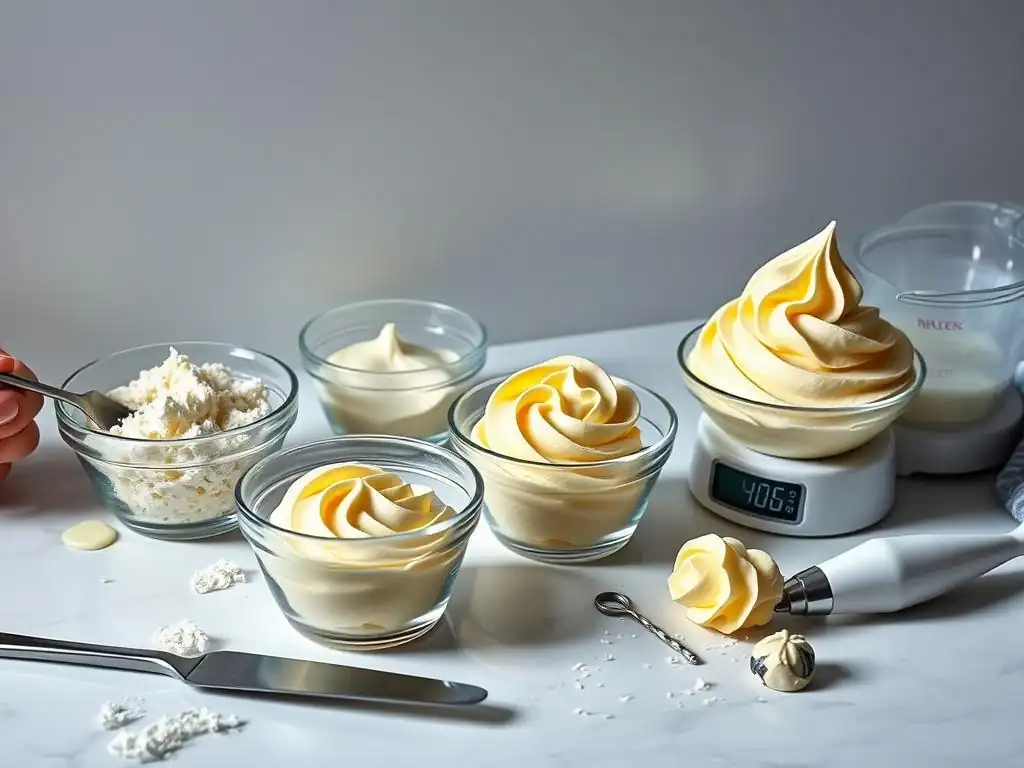
If your American buttercream is too thick – perhaps it's stiff, difficult to spread, or breaking apart – the simplest solution is to add more liquid. This could be milk, cream, or water, depending on what you've already used or prefer. The critical technique here is to add the liquid slowly and gradually. Start with just one tablespoon of your chosen liquid. Add it to the buttercream while the mixer is running on low speed and let it incorporate fully.
After adding one tablespoon, stop the mixer, assess the consistency, and scrape down the sides of the bowl. If it's still too thick, add another tablespoon. Repeat this process, adding just one tablespoon at a time, until the buttercream reaches your desired consistency. This careful, step-by-step approach prevents you from accidentally making it too thin. For a batch using 1 cup of butter, you might find you need anywhere from 1 to 4 tablespoons of liquid total to get that perfect spreadable or pipeable consistency.
American Buttercream Too Thin: How to Thicken It Up
Conversely, if your American buttercream is too thin, runny, or won't hold its shape, you need to add more powdered sugar. Just like with adding liquid, the key is to add the powdered sugar gradually. Turn the mixer to low speed and add the sifted powdered sugar about 1/4 cup (or 2-3 tablespoons) at a time. Let the sugar incorporate fully before adding more.
Continue adding powdered sugar in small increments until the buttercream thickens to the desired consistency. It's also helpful to occasionally scrape down the sides of the bowl to ensure everything is mixing evenly. For a standard batch, you might need to add anywhere from 1/4 cup to a full cup (or even more) of additional powdered sugar, depending on how thin it was initially. Adding powdered sugar is a fundamental perfect American buttercream consistency tip for fixing a runny batch.
Grainy American Buttercream: Causes and Solutions
Grainy American buttercream is often caused by undissolved powdered sugar or using butter that was too cold to cream properly initially. If the graininess is due to powdered sugar lumps, the best solution is often to continue mixing it on medium-low speed for a few more minutes. The friction from the mixer can sometimes help break down smaller lumps and dissolve the sugar further, especially if a little liquid is present. Ensure you've scraped down the bowl thoroughly to get all the sugar incorporated.
If the graininess seems more related to the butter not creaming smoothly, adding a small amount of warm liquid can sometimes help. Try adding 1-2 tablespoons of warm (not hot) milk or cream while mixing on low speed. The warmth can help the butter and sugar emulsify better. Alternatively, for a stubborn case, you can try warming a small portion of the buttercream gently over a double boiler or in the microwave for a few seconds (just enough to slightly melt it), then re-incorporating it into the main batch while mixing. This can help smooth out the texture.
Separated American Buttercream: Salvaging Your Frosting
Separated American buttercream often looks curdled, greasy, or broken, with liquid or fat separating from the solids. This usually happens when the ingredients are at different temperatures, particularly if the butter was too cold or too warm, or if the mixture was overmixed after the liquid was added. Don't panic – it can almost always be fixed!
If the buttercream looks separated and too cold (stiff and clumpy), take a small amount (about 1/2 cup) and gently warm it until it's slightly melted or very soft. Then, with the mixer running on low-medium speed, slowly add the warmed portion back into the main batch. Continue mixing, and it should start to come together and become smooth.
If the buttercream looks separated and too warm (greasy and liquidy), the issue is likely that the fat has melted and separated. The solution is to chill it down. Place the entire bowl of buttercream in the refrigerator for 15-20 minutes, or until the edges start to firm up. Don't let it get too hard.
Then, return it to the mixer and beat it again, starting on low and increasing to medium speed. As it cools and is re-mixed, the butter should re-emulsify with the sugar and liquid, bringing it back to a smooth, cohesive consistency. These salvaging techniques are valuable perfect American buttercream consistency tips.
Mastering the Mixing Process: The Key to Smooth Buttercream
The Importance of Proper Mixing Time
Proper mixing time is fundamental to achieving a smooth, airy, and stable American buttercream. The initial creaming of the butter is crucial; it needs to be mixed long enough to become light and fluffy, incorporating air that contributes to the frosting's texture and volume. This step typically takes 5-7 minutes on medium speed in a stand mixer after the butter has been softened to room temperature. Don't rush this part! Under-creamed butter won't emulsify properly with the sugar, leading to a denser, potentially greasier buttercream.
After the powdered sugar is added, the mixing time is different. Once the sugar is incorporated, you generally want to mix only until the desired consistency is reached with the addition of liquid and flavorings. Overmixing after the powdered sugar and liquid are added can sometimes cause the buttercream to become deflated or even slightly separated if the ingredients aren't at the right temperature.
Paying attention to visual cues – the color changing from yellow to pale white, the texture becoming smooth and airy – is key to knowing you've mixed enough, but not too much. This careful timing is a vital part of perfect American buttercream consistency tips.
The Paddle Attachment: Your Best Friend for American Buttercream
For making American buttercream in a stand mixer, the paddle attachment is your best friend. The paddle is designed to cream butter and mix batters without incorporating too much air, which is exactly what you want for the main stages of buttercream making. It effectively beats the butter and sugar together, scrapes the sides of the bowl (especially when combined with manual scraping), and incorporates the liquid and powdered sugar smoothly.
Using a whisk attachment is generally not recommended for the bulk of American buttercream preparation. A whisk incorporates too much air and can sometimes lead to a less stable frosting or even cause it to break. While a whisk can be used briefly at the very end to whip a little extra air in for a lighter texture, the paddle attachment is the workhorse for achieving that classic, smooth, and pipeable perfect American buttercream consistency.
Scraping the Bowl: Ensuring Even Consistency
Scraping down the sides and bottom of the mixing bowl is a simple but absolutely critical step throughout the American buttercream process. As ingredients are mixed, butter and sugar tend to stick to the sides and bottom of the bowl, not getting fully incorporated into the main mixture. If you don't scrape, these unmixed portions can lead to streaks of butter, pockets of dry sugar, or an overall uneven consistency in your final frosting.
You should scrape the bowl multiple times: after creaming the butter, after adding each significant amount of powdered sugar, and after adding the liquid. Use a flexible rubber spatula to scrape down the sides, making sure to get into the bottom corners of the bowl where ingredients often settle. This ensures that all components are fully combined, resulting in a homogenous, smooth, and perfect American buttercream consistency from top to bottom. Don't skip this step!
Achieving the Perfect American Buttercream Consistency: Step-by-Step Guide
Step 1: Creaming the Butter to Perfection
Start with your room temperature butter (around 68-70°F or 20-21°C). Place it in the bowl of your stand mixer fitted with the paddle attachment. Begin mixing on low speed until the butter is slightly softened, then increase the speed to medium. Cream the butter for 5-7 minutes, or until it is significantly lighter in color (pale yellow or almost white) and looks visibly fluffy and increased in volume. This step incorporates air and creates a smooth base. Scrape down the bowl halfway through this process.
Step 2: Gradually Adding the Powdered Sugar
Reduce the mixer speed to low. Begin adding the sifted powdered sugar gradually, about 1 cup at a time. Wait until each addition is mostly incorporated before adding the next. The mixture will become very thick and pasty. Once all the powdered sugar is added, continue mixing on low speed until no dry pockets of sugar remain, scraping down the bowl frequently. This ensures all the sugar is mixed in, preventing graininess and building the structure for the perfect American buttercream consistency.
Step 3: Incorporating Liquid for a Smooth Texture
With the mixer still on low speed, begin adding your chosen liquid (milk, cream, or water), one tablespoon at a time. Allow each tablespoon to be fully incorporated before adding the next. Continue adding liquid until the buttercream reaches a spreadable or pipeable consistency. This might be anywhere from 1 to 4 tablespoons for a standard batch. The mixture will visibly loosen and become smoother as you add the liquid.
Step 4: Adjusting Consistency as Needed
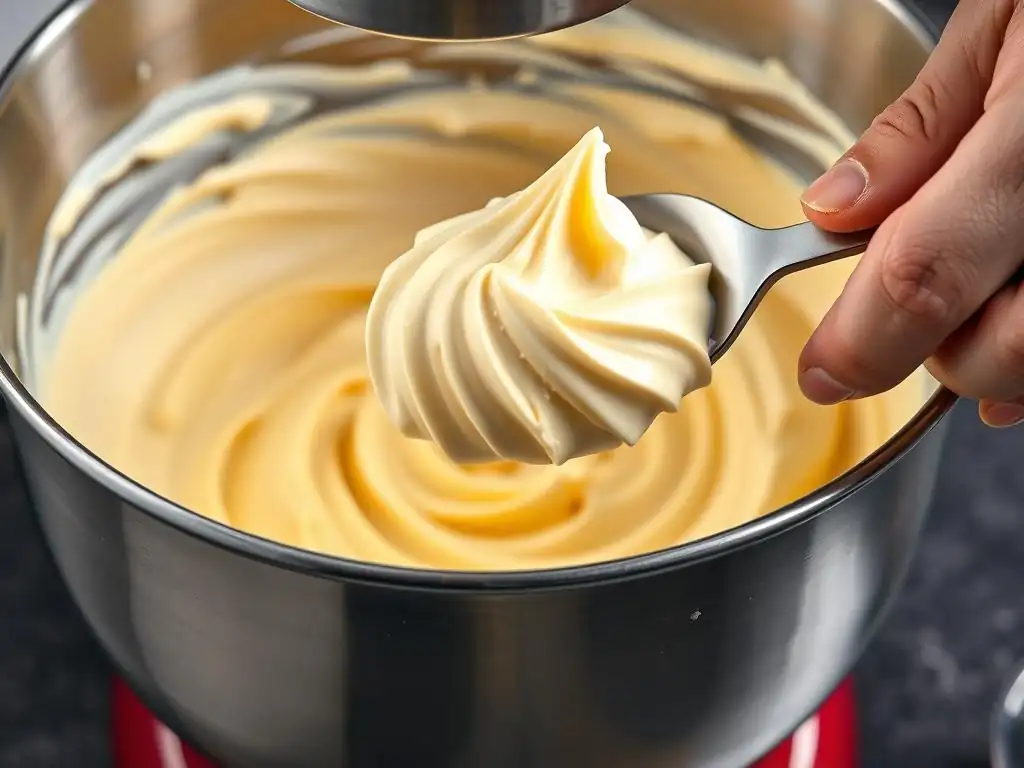
Once the initial liquid is added, stop the mixer and assess the consistency. If it's still too stiff, add another tablespoon of liquid and mix. If it's too thin, add 1/4 cup of sifted powdered sugar and mix. Make these adjustments gradually, mixing after each addition, until you achieve the desired perfect American buttercream consistency for your specific use (spreading, piping, etc.). This is where you fine-tune the texture.
Step 5: Adding Flavor and Color
With the consistency adjusted, now is the time to add flavor extracts and food coloring. Add flavor extracts (like vanilla) and mix on low speed until just combined. If adding food coloring, use gel-based colors for best results as they are concentrated and require less volume, minimizing impact on consistency. Add color gradually, mixing until the desired shade is reached. Mix on low speed only until everything is evenly distributed; avoid overmixing at this stage. Your perfect American buttercream is now ready to use!
Advanced American Buttercream Consistency Techniques
Using Meringue Powder for Stability
For bakers looking for extra stability, particularly in warm environments or for intricate piping, adding meringue powder can be beneficial. Meringue powder contains egg white solids and stabilizers that help the buttercream hold its shape better and reduce the likelihood of it wilting. A typical amount to add is 1-2 tablespoons per batch made with 1 cup of butter and 4 cups of powdered sugar.
Add the meringue powder along with the powdered sugar in Step 2 of the process. It incorporates easily and adds a bit more structure to the buttercream. While it might result in a slightly firmer texture, the added stability is often worth it, especially when creating elaborate decorations or frosting cakes that will be displayed for a while. Incorporating meringue powder is one of the perfect American buttercream consistency tips for hot weather baking.
Adding Cornstarch for a Smoother Texture
While powdered sugar already contains some cornstarch, adding a small amount of additional cornstarch (about 1-2 tablespoons per standard batch) can sometimes contribute to a smoother, less greasy texture and also help prevent the buttercream from crusting too hard. Cornstarch absorbs moisture and fat, which can help create a more uniform consistency.
If you choose to add extra cornstarch, whisk it into the sifted powdered sugar before adding it to the butter in Step 2. Ensure it is thoroughly combined with the sugar. Be careful not to add too much, as excessive cornstarch can give the buttercream a slightly chalky mouthfeel. Used judiciously, it's a perfect American buttercream consistency tip for achieving a silky finish.
Adjusting for Humidity and Temperature
Humidity and temperature are major factors affecting American buttercream consistency. In humid conditions, the powdered sugar can absorb moisture from the air, making the buttercream softer and potentially sticky. In hot conditions, the butter itself softens significantly, leading to a very loose frosting. Conversely, in cold, dry conditions, the buttercream can be very stiff.
To adjust for humidity and heat, you may need to use slightly less liquid initially or add more powdered sugar to reach the desired consistency. Sometimes chilling the finished buttercream for a short period (10-15 minutes) can help firm it up. In cold conditions, you might need a little more liquid than usual. Paying attention to your environment and being prepared to make slight adjustments to the liquid or powdered sugar quantity is a crucial perfect American buttercream consistency tip for consistent results year-round.
Expert Tips for Perfect American Buttercream Consistency
Weighing Ingredients for Accuracy
While volume measurements (cups) are common in American recipes, weighing your ingredients, especially the butter and powdered sugar, offers far greater accuracy. Baking is a science, and consistency in results comes from consistency in measurements. The weight of a cup of powdered sugar can vary significantly depending on how packed it is, ranging from about 110g to 140g. This variation can drastically alter the butter-to-sugar ratio, directly impacting consistency.
Using a digital kitchen scale to weigh your butter (e.g., 227g for 1 cup/2 sticks) and powdered sugar (e.g., 450-500g for 4 cups, depending on desired stiffness) ensures you start with the correct proportions every time. This reduces variability and makes it much easier to predict and achieve the perfect American buttercream consistency batch after batch. It's a simple but highly effective expert tip.
Using a Stand Mixer for Best Results
While it is possible to make American buttercream with a hand mixer, a stand mixer is undeniably the best tool for achieving the perfect consistency, particularly the light and airy texture that comes from proper creaming. A stand mixer provides consistent power and speed for the extended creaming time needed for the butter (5-7 minutes) and has the strength to handle the large volume of powdered sugar.
Using the paddle attachment on a stand mixer ensures efficient and even mixing, incorporating air at the right stage and smoothly blending the ingredients. A hand mixer can struggle with the stiffness of the mixture once the powdered sugar is added and may not achieve the same level of aeration during the initial butter creaming. For truly professional results and consistent perfect American buttercream consistency, a stand mixer is highly recommended.
Testing the Consistency Before Frosting
Before you commit to frosting your entire cake or batch of cupcakes, always test the buttercream consistency. Scoop a small amount onto a plate or into a piping bag fitted with your desired tip. See how easily it spreads or how well it holds its shape when piped. Does it tear the cake? Is it too soft to hold a swirl?
This quick test allows you to make any final adjustments to the consistency before you start decorating. If it's too stiff, add a tiny bit more liquid. If it's too soft, add a bit more powdered sugar. Taking a moment to test ensures you have the perfect American buttercream consistency for the task at hand, saving you potential frustration later.
Storing American Buttercream: Maintaining Consistency
Proper Storage Techniques to Prevent Changes in Texture
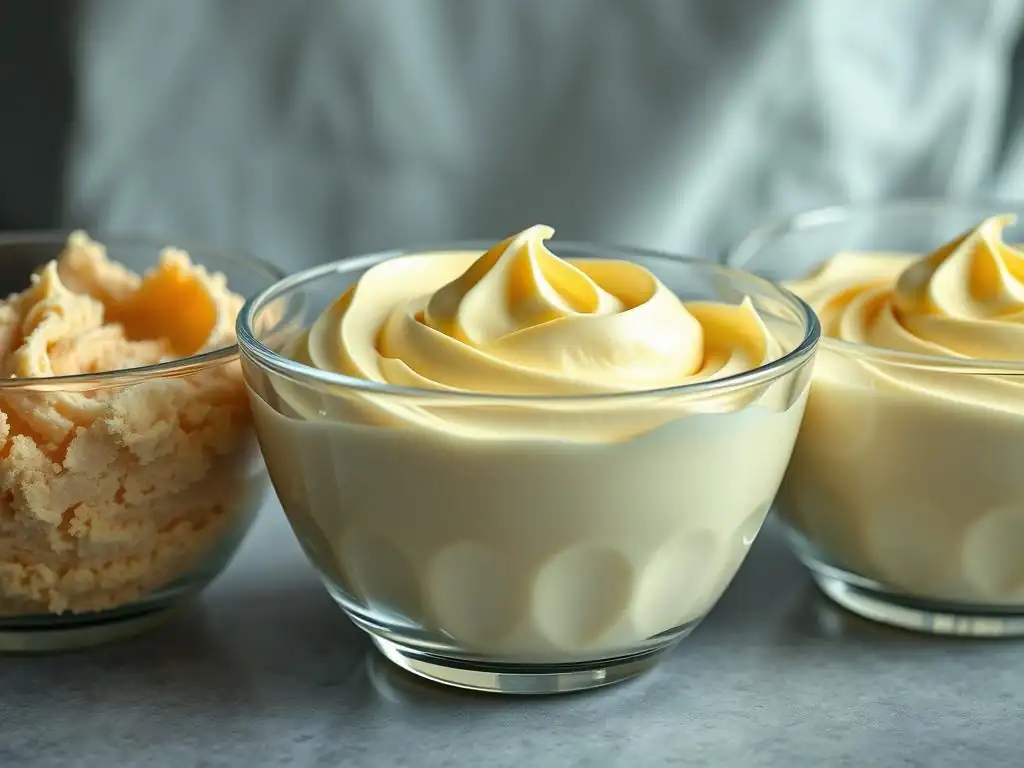
American buttercream can be made ahead of time and stored, but proper technique is essential to maintain its consistency. Store buttercream in an airtight container. Air exposure is what causes the characteristic crust to form, and prolonged exposure can dry out the frosting. For storage at room temperature (if your kitchen is cool, below 70°F/21°C), place plastic wrap directly on the surface of the buttercream before sealing the container; this prevents a crust from forming on top. It can be stored at room temperature for 1-2 days.
For longer storage, refrigerate the buttercream for up to a week or freeze it for up to 3 months. Again, use an airtight container and consider placing plastic wrap directly on the surface. Freezing is particularly good for preserving the original consistency. Proper storage is a key perfect American buttercream consistency tip for planning ahead.
Reviving Stored American Buttercream
Stored buttercream, especially when refrigerated or frozen, will become very firm. It needs to be brought back to the correct consistency before use. If refrigerated, let it sit at room temperature for an hour or two until it softens. If frozen, thaw it in the refrigerator overnight. Do not microwave it to soften it quickly, as this can melt the butter unevenly and lead to separation.
Once softened, the buttercream will likely still be quite stiff or perhaps look a little separated. Place it back in your stand mixer with the paddle attachment. Start mixing on low speed to break it up, then increase to medium speed and beat for several minutes until it is smooth and creamy again, returning to its original perfect American buttercream consistency. You might need to add a tiny splash of liquid (like 1 teaspoon of milk) if it seems too stiff after mixing.
American Buttercream Consistency FAQs: Addressing Common Questions
Can I use salted butter in American buttercream?
Yes, you can use salted butter, but it's generally not recommended for achieving the best flavor balance or controlling the perfect American buttercream consistency. Salted butter has varying amounts of salt added by different manufacturers, making it difficult to control the overall saltiness of your frosting. More importantly, the salt content means there is slightly less fat and often more water in salted butter compared to unsalted, which can subtly affect the emulsion and consistency. For consistent results and better flavor control, unsalted butter is the preferred choice.
How do I prevent my American buttercream from crusting?
American buttercream naturally forms a crust due to the high ratio of powdered sugar. If you want to prevent or minimize crusting, you can try a few things. One method is to add a small amount of glycerin (food-grade) to the buttercream (about 1 teaspoon per standard batch). Glycerin is a humectant and helps the buttercream retain moisture, reducing crusting.
Another method is to add a small amount of corn syrup or invert sugar, which also helps keep the frosting soft. Using heavy cream instead of milk or water can result in a slightly less crusty finish due to the higher fat content. For completely non-crusting frosting, you might consider other types like Swiss or Italian meringue buttercream.
What is the best way to color American buttercream without affecting the consistency?
The best way to color American buttercream without significantly affecting its consistency is to use high-quality gel food coloring. Gel colors are concentrated pigments suspended in a gel base, meaning you need only a small amount to achieve vibrant colors. Liquid food colorings, while common, are water-based and require adding a larger volume of liquid to the buttercream, which can loosen the consistency.
Add gel color gradually on low speed until the desired shade is reached. For deep colors like red or black, it's often best to add the color and let the buttercream sit for an hour or two; the color will deepen over time without needing to add excessive amounts of coloring initially.
Conclusion: Mastering American Buttercream Consistency for Baking Success
Achieving the perfect American buttercream consistency is not just about following a recipe; it's about understanding the role of each ingredient, mastering the mixing process, and knowing how to troubleshoot common issues. From selecting the right temperature for your butter to gradually adding liquid and sugar, each step influences the final texture.
By applying these perfect American buttercream consistency tips – paying attention to ingredient quality, using proper mixing techniques, and learning to adjust based on environmental factors – you can elevate your baking and create frostings that are not only beautiful but also delicious and delightful to eat. Practice makes perfect, and with these guidelines, you're well on your way to mastering this classic frosting.
Frequently Asked Questions
What exactly is American buttercream, and what makes it different from other types?
American buttercream is a simple frosting made primarily from butter, powdered sugar, and milk or cream. It differs from others like Swiss or Italian meringue buttercream because it doesn't require cooking eggs or making a meringue.
Why is consistency so important when making American buttercream?
The consistency dictates everything! A buttercream that's too thin will slide right off your cake, while one that's too thick will be difficult to spread and might even tear your cake.
What are some common reasons for American buttercream being too thick?
Too much powdered sugar is the most frequent culprit. Also, using cold butter or not creaming it enough initially can lead to a thick, stiff buttercream.
Too much liquid (milk, cream, or flavoring extracts) is the usual cause. Also, over-whipping the buttercream can sometimes lead to a thin, soupy texture.
What's the best way to fix American buttercream that's either too thick or too thin?
For thick buttercream, add a teaspoon of liquid at a time until you reach the desired consistency. For thin buttercream, add powdered sugar, one tablespoon at a time, until thickened.
Final Reflection: The Enduring Allure of Perfect Consistency
The pursuit of the perfect American buttercream is more than just a culinary quest; it's a reflection of our desire for precision and control in a world often characterized by chaos. Achieving that flawlessly smooth, fluffy texture isn't merely about following a recipe; it's about understanding the fundamental principles of ingredient interaction and mastering the subtle nuances of technique. This understanding translates far beyond the kitchen, impacting our approach to various aspects of life where precision and attention to detail are crucial.
The quest for the perfect buttercream, for me, has always been a metaphor for the search for balance and harmony. It's about finding the sweet spot between richness and lightness, sweetness and tang, structure and fluidity. This pursuit mirrors our own personal journeys, where we constantly strive for equilibrium in our lives. The details are not the details. They make the design.
– Charles Eames. This quote perfectly encapsulates the importance of seemingly small elements in achieving a larger, more satisfying outcome, whether it's a perfectly textured buttercream or a well-lived life.
Now, I invite you to consider your own "buttercream moments"—those instances where meticulous attention to detail yielded remarkable results. Reflect on the areas of your life where striving for consistency, even in small ways, can lead to greater satisfaction and success. Perhaps it's in your work, your relationships, or even your personal fitness goals. Embrace the challenge of mastering the "perfect consistency" in whatever endeavor you choose, and discover the profound rewards that await.
Unlock Your Inner Pastry Chef: Master the Art of Buttercream!
Thanks for taking the time to explore the secrets of perfect American buttercream! We hope you gained valuable insights into achieving that flawless, fluffy consistency. Ready to put your new knowledge into practice?
- Whip up your dream buttercream: Use our tips to create your own batch – experiment with different flavor extracts or add-ins! It’s time to unleash your creativity!
- Share your buttercream creations: Post a picture of your masterpiece on social media and tag us—we'd love to see what you bake! Use #BakeWithEaseButtercream.
- Challenge yourself: Try a new cake recipe using your perfectly smooth buttercream. Let's see that gorgeous frosting!
What innovative flavor combinations will you create with your newfound buttercream mastery?