
Why Did My Cake Fall? The Surprising Role of Flour Choice

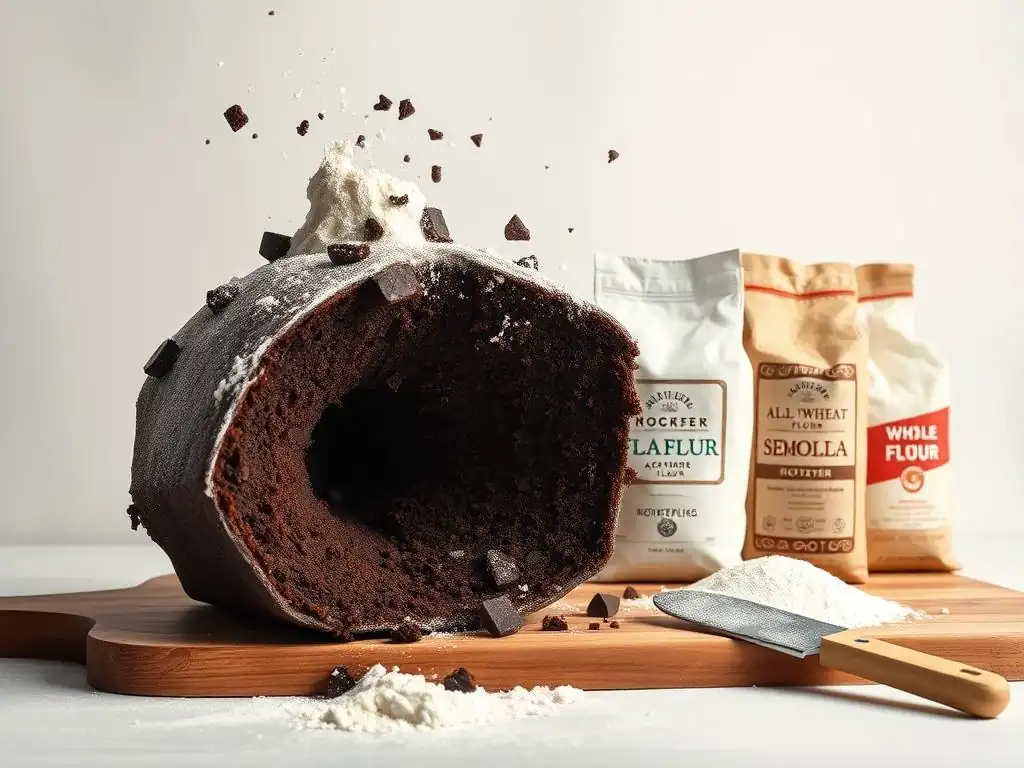
Welcome to BakeWithEase, your culinary companion in the wonderful world of baking! Ever wondered why your cake, despite your best efforts, ended up a little...deflated? Dive into our latest article, " Why Did My Cake Fall? The Surprising Role of Flour Choice", and discover the often-overlooked secret ingredient that can make or break your masterpiece. Learn how selecting the right flour can be the key to achieving that perfect rise and texture you've always dreamed of. Ready to unlock the secrets to baking success and say goodbye to fallen cakes? Let's get started!
- Understanding Cake Collapse: The Link to Flour
- Different Flour Types and Their Impact on Cake Baking
- Gluten's Role in Cake Structure and Why it Matters
- The Importance of Flour Protein Content for Cake Stability
- Measuring Flour Accurately: A Crucial Step for Cake Success
- Other Factors Contributing to Cake Collapse (Besides Flour)
- Troubleshooting Cake Problems: Identifying the Flour-Related Issues
- Preventing Cake Collapse: Tips and Tricks for Flour Management
- Conclusion: Mastering Flour Choice for Cake Baking Success
-
Frequently Asked Questions
- Why is flour choice so important when baking a cake?
- How does flour protein content relate to a cake falling?
- What type of flour is best to avoid a cake falling?
- Besides flour, what other factors can contribute to a cake falling?
- What can I do if I don't have cake flour and still want to bake a cake?
- Final Reflection: The Humble Flour's Mighty Impact
- Unlock Your Baking Potential: Flour Power Unleashed!
Understanding Cake Collapse: The Link to Flour
Baking a beautiful cake, watching it rise perfectly in the oven, only to see it sink in the middle as it cools can be one of the most disheartening experiences for any baker. This frustrating phenomenon, often called cake collapse or falling, can be attributed to numerous factors, from oven temperature fluctuations to improper mixing. However, a less obvious, but equally critical, contributor is the very foundation of your cake: the flour. Understanding how flour behaves and interacts with other ingredients is paramount to achieving a stable, airy, and delicious cake.
The type and quality of flour you use directly impact the cake's structural integrity. Flour provides the framework that supports the cake as it rises, holding onto the leavening gases produced by baking powder or soda. If this framework is too weak, too strong, or simply the wrong kind for the recipe, the cake can't maintain its shape once out of the oven's supportive heat, leading to that disappointing crater in the center. Pinpointing the issue often starts with examining your flour choice cake falling connection.
The Unexpected Culprit: How Flour Affects Cake Structure
Flour's primary role in baking is to provide structure through its starch and protein components. When liquid is added to flour, the starch granules absorb moisture and swell. As the cake bakes, these starches gelatinize, creating a stable network that helps set the cake's shape. Simultaneously, the proteins in the flour, primarily gliadin and glutenin, hydrate and, through mixing, form gluten. This elastic network traps air and gases, allowing the cake to rise.
The balance between starch and protein, and how the gluten network develops, dictates the cake's final texture and stability. A flour with a higher protein content will develop more gluten when mixed, leading to a stronger, more elastic structure suitable for bread but potentially tough and prone to collapse in a delicate cake. Conversely, a lower protein flour yields less gluten, resulting in a tender crumb. The right flour ensures the structure is just strong enough to support the rise without becoming dense or collapsing under its own weight.
Flour Choice Cake Falling: An Overview of Common Issues
One of the most frequent reasons behind flour choice cake falling problems stems from using a flour type that is too high in protein for the intended cake. For instance, substituting bread flour (typically 12-14% protein) into a recipe designed for cake flour (around 6-8% protein) will inevitably lead to excessive gluten development. This results in a tough, dense cake that may initially rise due to the strong gluten network trapping gases, but the sheer weight and lack of tenderness can cause it to sink as it cools.
Another common issue arises from incorrect measurement, which, while not a flour type issue, is a critical flour handling issue that directly impacts the flour-to-liquid ratio and thus the structural outcome. Using too much flour, often from compacting it when scooping, results in a batter that is too dry and dense. This can lead to a heavy cake that struggles to rise properly and is highly susceptible to falling or having a dry, crumbly texture that easily collapses. Conversely, too little flour creates a batter with insufficient structure to support the leavening, leading to a weak cake that deflates.
Different Flour Types and Their Impact on Cake Baking
The world of flour is vast, but understanding the properties of a few key types will drastically improve your cake baking success. Each flour type possesses a unique protein content and milling process that makes it suitable for specific baked goods. Using the wrong one is a direct route to undesirable results, including cake collapse.
Let's explore the flours you're most likely to encounter and how they influence your cake's structure and texture. Recognizing these differences is fundamental to preventing issues related to flour choice cake falling.
All-Purpose Flour in Cakes: Versatility and Limitations
All-purpose flour, as its name suggests, is a versatile flour suitable for a wide range of baking projects. It typically has a moderate protein content, usually falling between 10% and 12%. This medium protein level allows it to develop enough gluten for structure in bread and pastries, while still being acceptable for many cake recipes, particularly those that are denser, like pound cake or loaf cakes. Its widespread availability and general reliability make it a kitchen staple.
However, while AP flour works for many cakes, it's not always the best choice for cakes aiming for an exceptionally light, tender, and airy crumb, such as sponge cakes or delicate layer cakes. Its protein content is higher than ideal for minimum gluten development needed for maximum tenderness. Using AP flour in such recipes requires careful mixing to avoid overdeveloping gluten. If overmixed, cakes made with AP flour can become slightly tough or rubbery, which can contribute to an uneven rise and potential collapse.
Cake Flour: The Key to Light and Tender Cakes
Cake flour is specifically milled from soft wheat, giving it a significantly lower protein content, typically ranging from 6% to 8%. This low protein level is crucial because it results in minimal gluten development when the batter is mixed. Less gluten means a more tender, delicate crumb structure, which is highly desirable in many types of cakes. Furthermore, cake flour is often bleached, a process that slightly alters the starch molecules, allowing them to absorb more liquid.
The ability of cake flour's starches to absorb more moisture leads to a more stable batter even with less gluten structure. This results in a cake that is not only tender but also moist and less likely to dry out. The fine milling of cake flour also contributes to a smoother batter and a finer, softer crumb texture. For recipes specifically calling for cake flour, substituting with a higher protein flour will almost certainly compromise the texture and could lead to issues like cake falling or toughness.
Bread Flour in Cakes: Why It’s Usually a Bad Idea
Bread flour is milled from hard wheat and has the highest protein content among common flours, typically ranging from 12% to 14%. This high protein level is specifically designed to develop a strong, elastic gluten network necessary to produce chewy, well-risen loaves of bread. The robust gluten structure traps the large amounts of carbon dioxide produced by yeast, giving bread its characteristic airy texture and volume.
While this high gluten potential is fantastic for bread, it is generally detrimental to cakes. Introducing bread flour into a cake recipe will result in excessive gluten development, even with minimal mixing. This leads to a cake with a tough, chewy, and dense texture, completely lacking the desired tenderness. The overly strong gluten structure can interfere with the cake's ability to rise evenly and can contribute to it pulling in on itself and collapsing as it cools. Avoid using bread flour for cakes unless specifically instructed in a highly specialized recipe.
Alternative Flours: Gluten-Free Options and Their Challenges in Cake Baking
Baking with gluten-free alternative flours presents a unique set of challenges, particularly when aiming for a stable cake structure. Flours like almond flour, coconut flour, rice flour, oat flour, or various starches (tapioca, potato, corn) lack the gluten proteins that provide elasticity and structure in traditional wheat-based cakes. This absence means that gluten-free cakes can often be crumbly, dense, or fail to rise adequately and are particularly susceptible to collapsing.
To compensate for the lack of gluten, gluten-free cake recipes often rely on a blend of different flours and starches to mimic the properties of wheat flour. They also frequently incorporate binders such as xanthan gum, guar gum, psyllium husk, or eggs to help hold the structure together and trap leavening gases. Successfully baking a gluten-free cake requires careful recipe formulation to balance moisture absorption, starch gelatinization, and binding agents to create a stable yet tender crumb, addressing the specific flour choice cake falling issues inherent in gluten-free baking.
Gluten's Role in Cake Structure and Why it Matters
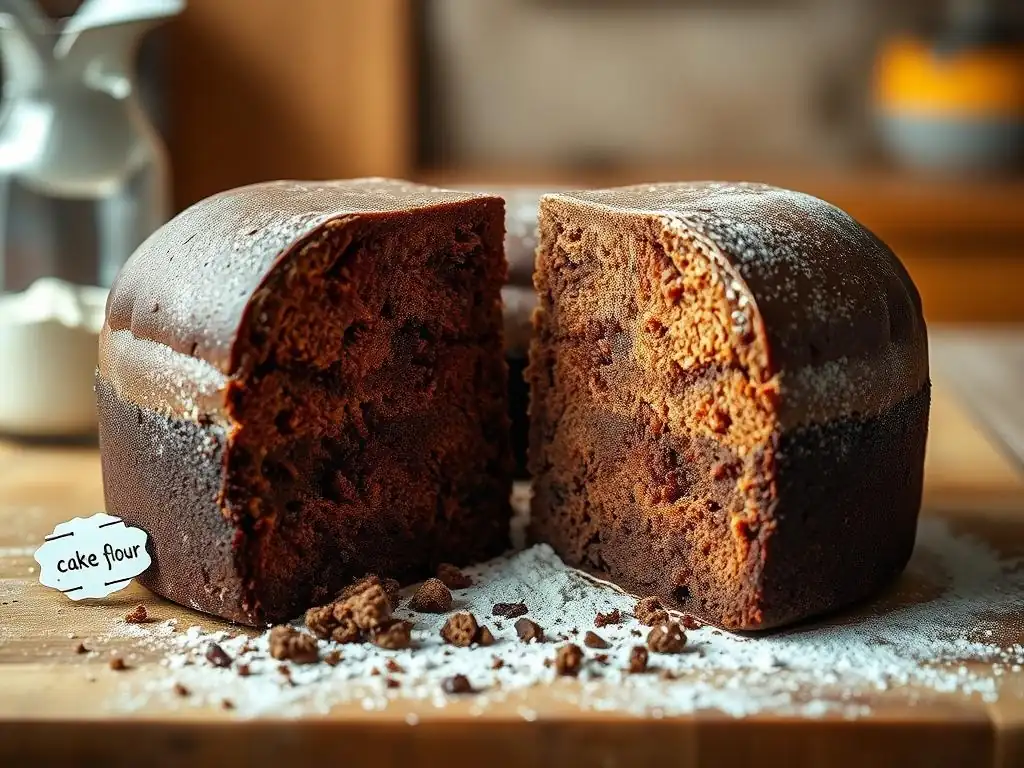
Gluten is a word often heard in baking discussions, sometimes with negative connotations in the context of dietary restrictions. However, for traditional wheat-based baking, gluten is a fundamental component that plays a critical role in creating the desired texture and structure, particularly in preventing issues like cake falling. Understanding what gluten is and how it behaves is key to mastering cake baking.
The interaction of flour and liquid, followed by mixing, is where gluten comes to life. Managing this process correctly is vital for a successful cake outcome.
What is Gluten and How Does it Work in Cake Batter?
Gluten is not a single substance but rather a network formed by two main proteins found in wheat flour: gliadin and glutenin. When flour is hydrated with liquid and agitated through mixing, these proteins link together, forming an elastic, stretchy network. This network is what gives dough its extensibility and elasticity, allowing it to be kneaded and shaped.
In cake batter, the gluten network serves as a flexible framework that traps the carbon dioxide gas produced by chemical leaveners (like baking powder and baking soda) or mechanical leavening (like creaming butter and sugar or whipping eggs). As the cake bakes and the gases expand, the elastic gluten network stretches, allowing the cake to rise. The gluten then sets along with the gelatinized starches, providing the structure that holds the cake's shape once it's baked.
Too Much Gluten: The Risk of a Tough Cake and Subsequent Collapse
Developing too much gluten is a common pitfall in cake baking that can lead to a variety of problems, including toughness and collapse. This typically occurs when using a high-protein flour (like bread flour or even overused all-purpose flour) or by overmixing the batter. Vigorous or prolonged mixing encourages more gluten proteins to link up, creating a very strong, tight, and elastic network.
While strength is needed, excessive gluten results in a tough, dense cake that lacks the desired tenderness. The overly elastic structure can also cause the cake to contract significantly as it cools, potentially leading to the sides pulling in and the center sinking. This is a classic example of how the wrong flour choice cake falling problem can manifest, particularly when combined with aggressive mixing techniques. The strong, rubbery structure simply doesn't lend itself well to the delicate nature required for many cake types.
Too Little Gluten: Weak Structure and Cake Falling
Just as too much gluten can cause problems, too little gluten development can also lead to structural failure and cake collapse. This can happen if you use a flour with extremely low protein content (even lower than cake flour, if such a specialized flour were used incorrectly), or more commonly, if the batter is undermixed. Insufficient mixing means the gluten proteins haven't had adequate time and agitation to form a cohesive network.
Without a sufficiently developed gluten structure, the cake lacks the internal scaffolding needed to support the rise produced by the leavening agents. The expanding gases cannot be effectively trapped, and the structure is too weak to hold its shape during baking and cooling. This often results in a cake that rises nicely in the oven but sinks significantly in the center as soon as it's removed, leaving a dense, heavy layer at the bottom and a collapsed top. A weak structure due to insufficient gluten is a direct cause of cake falling.
The Importance of Flour Protein Content for Cake Stability
The percentage of protein in flour is perhaps the single most important factor determining its suitability for different baked goods. This is because protein content directly correlates with the potential for gluten development. For cakes, where tenderness is usually paramount, controlling gluten development is key to achieving a stable, light crumb and avoiding frustrating issues like cake falling.
Understanding the relationship between protein content and structural outcome empowers you to choose the right flour for your recipe or troubleshoot when things go wrong.
High-Protein Flour vs. Low-Protein Flour: Which is Best for Cakes?
As we've discussed, flours vary significantly in their protein content. High-protein flours, like bread flour (12-14% protein), are designed for strong gluten development, ideal for chewy breads. Medium-protein flours, like all-purpose flour (10-12% protein), are versatile but can develop enough gluten to make cakes tough if overmixed. Low-protein flours, like cake flour (6-8% protein), are specifically milled to minimize gluten development, resulting in a tender crumb.
For most cakes, especially those aiming for a light and airy texture, low-protein flour is generally the best choice. The limited gluten development ensures a delicate structure that doesn't become tough. While some recipes, like sturdier pound cakes, can tolerate or even benefit from the slightly higher protein of all-purpose flour, recipes specifically developed for cake flour will yield superior results in terms of tenderness and often stability when that flour is used. Using high-protein flour for cakes is almost always detrimental and a common reason for dense texture and cake falling.
Adjusting Flour for Altitude: Managing Protein and Gluten Development
Baking at high altitudes (roughly 3,000 feet or more above sea level) presents unique challenges due to lower atmospheric pressure. At higher elevations, leavening gases expand more rapidly, causing cakes to rise faster and higher than they would at sea level. While this might sound good, the cake's structure needs to be strong enough to support this accelerated rise. If the structure is too weak, the cake can overexpand and then collapse dramatically.
To counteract this, high-altitude baking often requires adjusting the flour component along with leavening and liquid. One common adjustment is to slightly increase the amount of flour used in the recipe. This adds more structural components (both starch and protein) to the batter, providing a stronger framework to support the increased pressure from the leavening gases. In some cases, bakers might even use a blend that slightly increases the overall protein content compared to a sea-level recipe, though this must be done carefully to avoid toughness. These adjustments are critical for preventing cake falling at altitude.
Measuring Flour Accurately: A Crucial Step for Cake Success
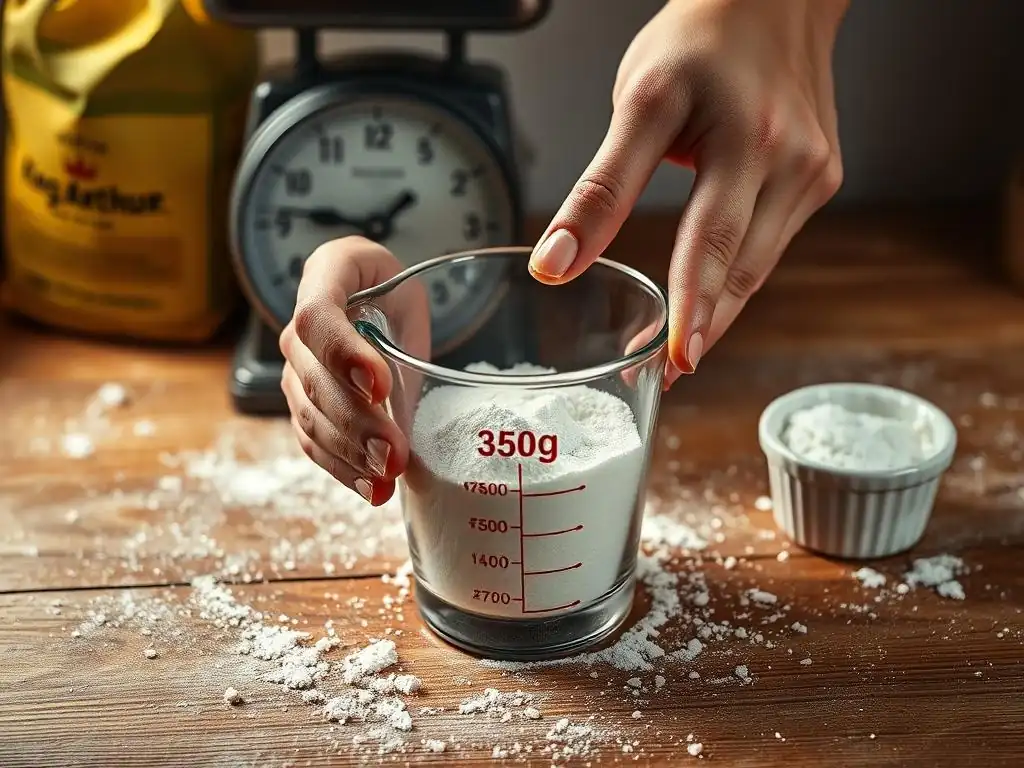
Even if you select the perfect flour type for your cake recipe, inaccurate measurement can completely derail your baking efforts. Flour is a dry ingredient that can be easily compacted, leading to significant variations in the amount used depending on the measuring technique. Using too much or too little flour throws off the delicate balance of the recipe's ingredients, directly impacting the cake's structure and increasing the likelihood of problems like toughness, dryness, or cake falling.
Precision in measuring flour is just as important as selecting the right type. It's a simple step that can make a world of difference in your baking results.
The Scoop and Sweep Method vs. Weighing Flour: Why Accuracy Matters
The traditional "scoop and sweep" method involves dipping a measuring cup directly into the flour container and leveling off the excess with a straight edge. While widely taught, this method is notoriously inaccurate because it tends to compact the flour into the cup. The amount of flour packed can vary depending on how hard you scoop, the type of flour, and how full the container is. This inconsistency can lead to using significantly more flour than intended by the recipe developer, who likely measured differently.
Weighing flour using a digital kitchen scale is the most accurate method. Recipes often provide weight measurements (usually in grams) alongside volume measurements (cups). A standard cup of all-purpose flour, when properly measured by lightly spooning it into the cup and leveling, typically weighs about 120-125 grams.
However, a cup of flour scooped and packed can easily weigh 140-160 grams or even more. This difference of 20-40 grams per cup, multiplied across several cups in a recipe, can drastically alter the flour-to-liquid ratio and lead to baking failures, including issues related to flour choice cake falling due to incorrect proportions.
Over-Measuring Flour: A Common Cause of Dry and Collapsed Cakes
Using too much flour is a very common mistake, often resulting from incorrectly scooping it. When you use more flour than the recipe calls for, you increase the proportion of dry ingredients relative to wet ingredients (butter, sugar, eggs, liquid). This leads to a batter that is too stiff and dry. The excess flour means more starch and potentially more protein are present.
The consequences of over-measuring flour are significant. The resulting cake will likely be dense and dry because there isn't enough liquid and fat to coat all the flour particles properly. The increased amount of protein can also lead to excessive gluten development, resulting in a tough texture. Furthermore, the sheer weight and density of the over-floured batter can hinder the cake's ability to rise fully and evenly. This often manifests as a cake that collapses in the center or has a heavy, dry crumb that crumbles easily. Accurate measurement, preferably by weight, is crucial to avoid this issue.
Under-Measuring Flour: Leading to a Weak Cake Structure
While less common than over-measuring with the scoop method, using too little flour can also occur, particularly if flour is excessively sifted when the recipe doesn't intend it or if volume measurements are simply imprecise. When a recipe calls for a specific amount of flour, it's calculated to provide the necessary structure to support the other ingredients and the leavening action.
Using too little flour means the batter will be too wet and lack sufficient structural components (starch and protein). The limited gluten network that does form will be too weak and spread out to effectively trap the leavening gases and hold the cake's shape as it rises. This almost guarantees a weak cake structure that cannot support itself.
The cake will likely rise well initially in the heat of the oven but will inevitably sink, especially in the center, as it cools. The resulting texture will be excessively soft, possibly gummy or greasy, and prone to collapse due to insufficient support.
Other Factors Contributing to Cake Collapse (Besides Flour)
While flour choice and measurement play a huge role in preventing cake falling, it's important to remember that baking is a complex science involving the interaction of all ingredients and environmental factors. If you've addressed your flour technique and are still experiencing issues, consider these other common culprits.
Identifying the root cause of a fallen cake often requires a bit of detective work, examining the baking process from start to finish.
Oven Temperature: Ensuring Even Baking and Proper Rise
An oven that is too hot or too cold can significantly impact a cake's rise and structure. If the oven is too cool, the cake's structure sets too slowly, allowing the leavening gases to escape before the proteins and starches have solidified. This can lead to a cake that rises slowly and then falls.
Conversely, if the oven is too hot, the outside of the cake can set too quickly, forming a crust before the inside has fully risen. The inside continues to expand against this rigid crust, potentially causing it to crack and collapse in the center. Using an oven thermometer to ensure your oven is accurately calibrated is highly recommended.
Uneven oven temperature or opening the oven door too early can also cause problems. A sudden drop in temperature before the cake's structure is set can shock the cake, causing it to sink. Most cakes should not be disturbed during the initial two-thirds of their baking time.
Overmixing the Batter: Developing Too Much Gluten
Even with the correct flour choice, overmixing the batter is a sure way to develop too much gluten, especially when using all-purpose flour. Once the dry ingredients are added to the wet ingredients, mixing should be minimal – just enough to combine everything until no streaks of dry flour remain. Overmixing continues to work the gluten proteins, strengthening the network unnecessarily for a cake.
The result of overmixing is a tough, dense cake. This excess gluten can also interfere with the even distribution of leavening gases, leading to an uneven rise. A cake with an overly strong, tight gluten structure can sometimes rise unevenly and then collapse as it cools because the internal structure is too rigid and lacks the tenderness to support its volume gracefully. It's a classic case where technique exacerbates potential issues with flour choice cake falling.
Ingredient Ratios: Maintaining Balance for a Stable Cake
A successful cake recipe is a careful balance of ingredients: flour provides structure, sugar tenderizes and adds moisture, fat tenderizes and adds richness, eggs provide structure and richness, and leavening agents provide rise. If these ratios are off – too much sugar or fat can weaken the structure, too little egg can mean insufficient binding, too much liquid can dilute the structure – the cake's ability to hold its shape is compromised.
Recipes are formulated with these ratios in mind to ensure proper chemical reactions and structural development during baking. Deviating significantly from a tested recipe, whether by adding extra sugar for sweetness or reducing fat to be healthier, can upset this balance and lead to a cake that fails to rise correctly or collapses during or after baking. Trusting the recipe's proportions is key.
Using Old or Inactive Baking Powder: Affecting Cake Leavening
Leavening agents like baking powder and baking soda are responsible for producing the gases that make a cake rise. If these ingredients are old or have been improperly stored (exposed to moisture), they can lose their potency and become inactive. Using inactive leavening means the cake won't produce enough gas to rise properly.
A cake made with inactive leavening will likely be dense and heavy because it hasn't risen adequately. While it might not always "fall" in the dramatic crater sense, it will certainly fail to achieve the intended volume and light texture. A flat, dense cake indicates a leavening issue, which can sometimes be mistaken for a structural problem related to flour, but is a distinct chemical failure.
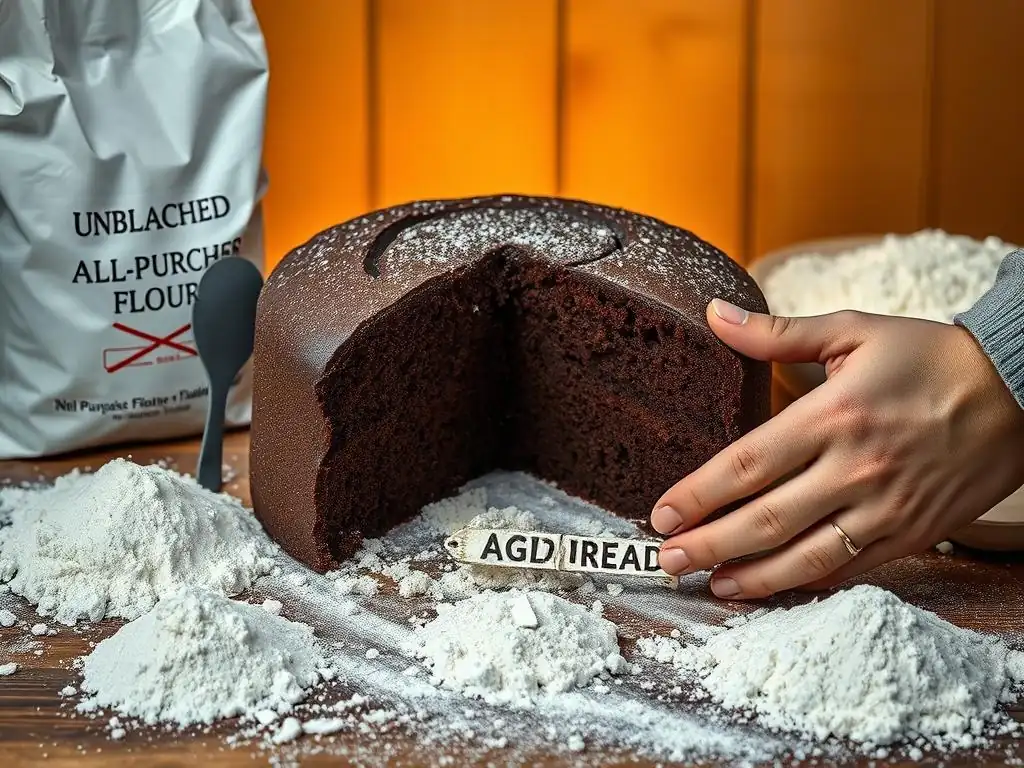
When a cake doesn't turn out as expected, especially when it falls, it's helpful to be able to diagnose the likely cause. By examining the cake's appearance, texture, and crumb structure, you can often deduce whether the problem originated with your flour choice cake falling connection or another factor.
Learning to read the signs your cake gives you helps you adjust your technique or recipe for future baking attempts.
Diagnosing a Fallen Cake: Examining the Texture and Crumb
If your cake has fallen, take a moment to look closely at its internal structure and feel its texture. Does it have a very dense, heavy layer at the bottom and a sunken center? This often indicates the structure wasn't strong enough to support the rise, potentially due to too little flour, undermixing (leading to too little gluten), or using inactive leavening. The crumb might be too moist or even gummy in the collapsed area.
Alternatively, if the cake is tough and dense throughout, even if it didn't completely collapse, but perhaps sank slightly or has a very tight crumb, this points towards excessive gluten development. This is likely caused by using a flour that is too high in protein for the recipe (like bread flour), overmixing the batter, or potentially over-measuring flour which increases the relative protein content in the mix. Understanding these textural clues helps pinpoint the specific flour-related issue.
Selecting the Right Flour for Specific Cake Recipes
The easiest way to avoid flour-related cake problems is to simply use the type of flour specified in the recipe. Recipe developers test extensively to ensure the recommended flour type works optimally with the other ingredients and proportions to achieve the desired outcome. If a recipe calls for cake flour, use cake flour for the lightest, most tender result. If it calls for all-purpose flour, it's likely designed for a slightly sturdier crumb.
When choosing a recipe, consider the desired cake texture. For delicate sponge cakes, angel food cakes, or fine-crumbed layer cakes, recipes calling for or adaptable to cake flour are ideal. For denser cakes like pound cakes, loaf cakes, or some coffee cakes, all-purpose flour is generally appropriate. Pay attention to the recipe's details; they guide you towards the correct flour choice cake falling prevention strategy from the start.
Adjusting Recipes to Compensate for Different Flour Types
Sometimes, you might need to substitute flour types. While not always ideal, understanding how to make approximations can help. If a recipe calls for cake flour and you only have all-purpose, you can attempt a substitution by using slightly less AP flour per cup (e.g., use about 7/8 cup AP flour for every 1 cup cake flour, or remove 2 tablespoons of AP flour from a cup and replace with 2 tablespoons of cornstarch or tapioca starch). This attempts to lower the protein content and mimic some properties of cake flour.
Conversely, substituting cake flour for AP flour in an AP-based recipe might result in a cake that is almost too tender and potentially lacks sufficient structure, though this is less likely to cause a dramatic collapse than using high-protein flour. For gluten-free baking, substituting requires using tested gluten-free blends designed for cakes or adding binders to single-source flours. Adjusting requires knowledge of flour properties and often some experimentation, acknowledging that the result may differ from the original recipe.
Preventing Cake Collapse: Tips and Tricks for Flour Management
Mastering the use of flour in cakes involves more than just picking the right type; it also includes proper handling and preparation. Implementing a few simple techniques can significantly improve your chances of baking a perfect, stable cake every time.
These tips focus on managing the flour itself before it even hits the mixing bowl, addressing potential issues proactively.
Storing Flour Properly to Maintain Quality
Flour can absorb moisture and odors from its environment, and its natural oils can go rancid over time, especially in whole wheat flours. Proper storage is essential to maintain its freshness and baking performance. Store flour in an airtight container (plastic or glass) in a cool, dry, and dark place, like a pantry away from the oven.
For longer storage, especially in warm climates or for less frequently used flours, the refrigerator or freezer is an excellent option. Colder temperatures significantly slow down spoilage and prevent insect infestation. Just be sure to let refrigerated or frozen flour come to room temperature before using it in a recipe, as cold flour can affect batter temperature and consistency. Fresh flour performs best and contributes reliably to cake structure, helping prevent issues related to flour choice cake falling due to compromised ingredients.
Sifting Flour: Improving Texture and Reducing Lumps
Sifting flour involves passing it through a fine-mesh sieve or a sifter. This process serves several purposes in cake baking. First, it aerates the flour, making it lighter and less compacted. This helps with more accurate volume measuring if the recipe calls for sifting before measuring. Second, sifting removes any lumps or clumps that may have formed during storage, ensuring a smoother batter.
Third, sifting helps distribute leavening agents, salt, and other dry ingredients evenly throughout the flour before they are combined with wet ingredients. This promotes a more uniform rise and finer crumb texture. While some modern recipes assume unsifted flour (measured by volume), sifting is still a valuable technique for achieving a delicate crumb and preventing pockets of dry ingredients that can disrupt the cake's structure. Always follow the recipe's instruction on whether to sift before or after measuring.
Experimenting with Flour Blends: Achieving the Perfect Cake Texture
For ambitious bakers, understanding how different flours contribute to structure opens the door to creating custom flour blends. By mixing flours with varying protein contents, you can fine-tune the gluten development potential to achieve a very specific texture. For example, blending all-purpose flour with cake flour can create a protein level somewhere between the two, offering more tenderness than straight AP but more structure than straight cake flour.
This approach allows for experimentation to find the ideal balance for your personal preference or for adapting recipes. For instance, if you find a favorite AP flour recipe results in a cake that's slightly too tough, trying a blend with some cake flour could yield a more tender result while still maintaining sufficient structure. Keep detailed notes of your experiments, including the flour blend ratios and the outcome, to refine your technique and master the flour choice cake falling challenge through custom mixing.
Conclusion: Mastering Flour Choice for Cake Baking Success
A fallen cake is a common baking woe, but understanding the pivotal role of flour can empower you to prevent it. From selecting the right flour type based on its protein content to measuring it accurately and handling it correctly, each step involving flour significantly impacts the cake's final structure and stability. High-protein flours and over-mixing can lead to excessive gluten, resulting in tough, collapsed cakes, while too little flour or insufficient gluten development leaves the cake without the necessary support to hold its rise.
By paying close attention to your flour choice cake falling connection, using accurate measuring techniques (preferably weighing), and understanding how gluten behaves, you gain critical control over your cake's outcome. Combine this knowledge with proper oven management and ingredient handling, and you'll be well on your way to consistently baking beautiful, stable, and delicious cakes that rise high and stay that way. Happy baking!
Frequently Asked Questions
Why is flour choice so important when baking a cake?
Flour choice impacts the gluten development in your cake batter. Too much gluten leads to a tough cake, while too little causes the cake to collapse or fall. Different flours have varying protein contents, which directly affect gluten formation.
How does flour protein content relate to a cake falling?
High-protein flours, like bread flour, create a strong gluten network. This can make a cake dense and prone to sinking in the center. Cake flour, with its low protein content, is generally preferred for a lighter, more tender crumb.
What type of flour is best to avoid a cake falling?
Cake flour is generally considered the best choice for many cakes. Its low protein content results in a tender crumb and reduces the likelihood of a cake falling because it creates less gluten.
Besides flour, what other factors can contribute to a cake falling?
Several factors can cause a cake to fall, including overmixing the batter, oven temperature fluctuations, and opening the oven door too early. Incorrect measurements of ingredients, particularly leavening agents, can also be a culprit.
What can I do if I don't have cake flour and still want to bake a cake?
You can create a cake flour substitute by removing 2 tablespoons of all-purpose flour per cup and replacing it with cornstarch. This lowers the protein content, mimicking the properties of cake flour.
Final Reflection: The Humble Flour's Mighty Impact
The seemingly simple act of choosing flour profoundly impacts the success—or failure—of our baking endeavors, a truth far more significant than a single fallen cake. This article explored the nuanced world of flour types, demonstrating how seemingly minor variations in protein content and starch structure can dramatically alter a cake's rise, texture, and overall deliciousness. Understanding these differences isn't just about avoiding a baking disaster; it's about unlocking the potential for truly exceptional results.
The journey from a collapsed cake to a perfectly risen masterpiece is a testament to the power of knowledge and attention to detail. It's a journey that reflects a larger cultural shift towards appreciating the artistry and science behind even the simplest culinary creations. We've moved beyond simply following recipes; we're actively seeking to understand the why behind each ingredient and technique. The best bakers are the ones who understand the science behind the art.
This quote, though not directly about flour, perfectly encapsulates the spirit of mindful baking that this exploration of flour choice embodies.
Now, consider your own baking experiences. Have you ever wondered why one batch turned out perfectly while another fell flat? This article provides you with the tools to diagnose and prevent future failures.
I encourage you to experiment, to explore the diverse world of flours, and to embrace the learning process. Each failed cake is a lesson learned, a step closer to mastering the art of baking and creating cakes that are not only visually stunning but also incredibly delicious. The next time you reach for a bag of flour, remember the power you hold in your hands – the power to transform simple ingredients into something truly extraordinary.
Unlock Your Baking Potential: Flour Power Unleashed!
Thanks for taking the time to explore the fascinating world of flour and its impact on your baking! We hope you now have a clearer understanding of how different flours affect cake rise and texture. Ready to put this knowledge into practice?
- Master the Art of Flour Selection: Experiment with different flour types – try a new recipe using the flour type discussed that best suits your needs! Note the differences in texture and rise.
- Share your baking triumph (or learning experience!): Post a photo of your latest cake creation on social media and tag us – we’d love to see it! Use #BakeWithEaseFlourPower.
- Dive Deeper into Baking Science: Explore our other articles on baking techniques and ingredients to further enhance your skills.
What flour will you experiment with next, and what delicious creation will you bake?