
LowFat Cookie Hacks: Cutting Calories Without Sacrificing Flavor

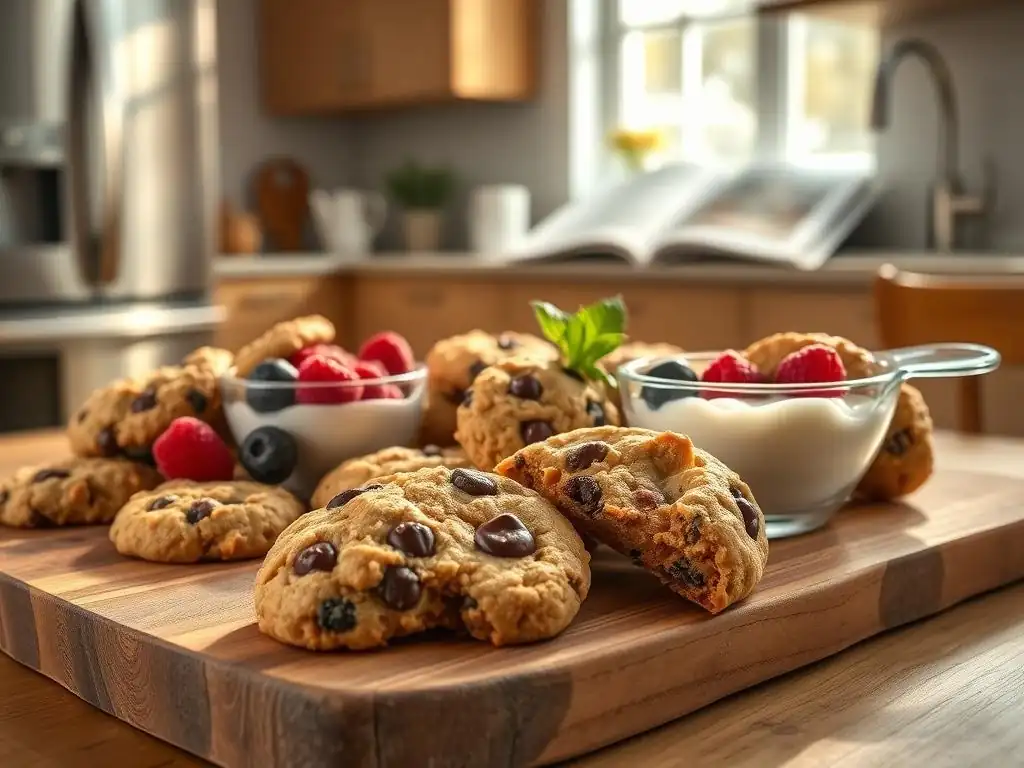
Welcome to BakeWithEase, your trusted companion on your baking journey! Ever dreamed of indulging in delicious cookies without the guilt? You're in the right place. This week, we're diving deep into Low Fat Cookie Recipes, revealing how you can cut calories without sacrificing even a single crumb of flavor. Intrigued? Discover the secrets to guilt-free baking and prepare to be amazed at what's possible!
- Low-Fat Cookie Baking: Healthier Treats on BakeWise
- Introduction: Indulge in Delicious Low-Fat Cookies
- The Importance of Fat in Cookie Baking
- Ingredient Substitutions for Lower-Fat Cookies
- Techniques for Low-Fat Cookie Baking
- Low-Fat Cookie Recipes
- Common Mistakes in Low-Fat Baking
- Conclusion: Enjoy Healthier Cookies with BakeWise
-
Frequently Asked Questions
- How can I reduce the fat content in my cookie recipes without compromising the taste?
- What are some good low-fat alternatives to traditional cookie ingredients like butter and eggs?
- Are there specific types of flour that are better for low-fat cookie baking?
- What are some tips for adding flavor to low-fat cookies without adding extra calories?
- Can I still use chocolate chips in low-fat cookies, or are there better alternatives?
- Final Reflection: The Sweet Truth About Healthy Baking
- Unleash Your Inner Baking Ninja: Master Low-Fat Treats!
Welcome to BakeWithEase, your trusted guide in the wonderful world of baking! We believe that everyone should be able to enjoy their favorite treats without feeling weighed down by guilt. That's why we're diving into the art of creating delicious low fat cookie recipes. It's entirely possible to significantly reduce the fat content in your cookies while keeping that craveable flavor and satisfying texture that makes a cookie, well, a cookie! Think of it as a rewarding challenge – finding clever ways to substitute ingredients and adjust techniques to achieve a lighter bite.
Our goal at BakeWithEase is to empower you with the knowledge and tools to bake smarter. This guide will walk you through the essential principles of low-fat cookie baking, from understanding the role of fat to mastering ingredient swaps and baking methods. Whether you're aiming to cut down on calories, manage dietary needs, or simply explore healthier baking options, these low fat cookie recipes and techniques are designed to help you succeed. Get ready to discover a world where indulgence meets mindful eating, right in your own kitchen.
The primary objective when developing low fat cookie recipes is to significantly decrease the amount of saturated and total fat, thereby lowering the calorie count, without compromising the sensory experience. This is a delicate balance, as fat contributes heavily to a cookie's structure, tenderness, moisture, and overall richness. Simply removing fat often results in dry, hard, or bland cookies.
Our focus is on smart substitutions and technique adjustments that mimic the functions of fat. For example, replacing a cup of butter (approximately 1620 calories and 183g of fat) with a cup of unsweetened applesauce (roughly 100 calories and negligible fat) requires understanding how applesauce adds moisture but lacks the creaming ability and fat structure of butter. We'll explore how combining different strategies, like using a partial fat substitute alongside an egg white or a touch of oil, can help maintain tenderness and prevent dryness, ensuring your low fat cookie recipes are both healthy and enjoyable.
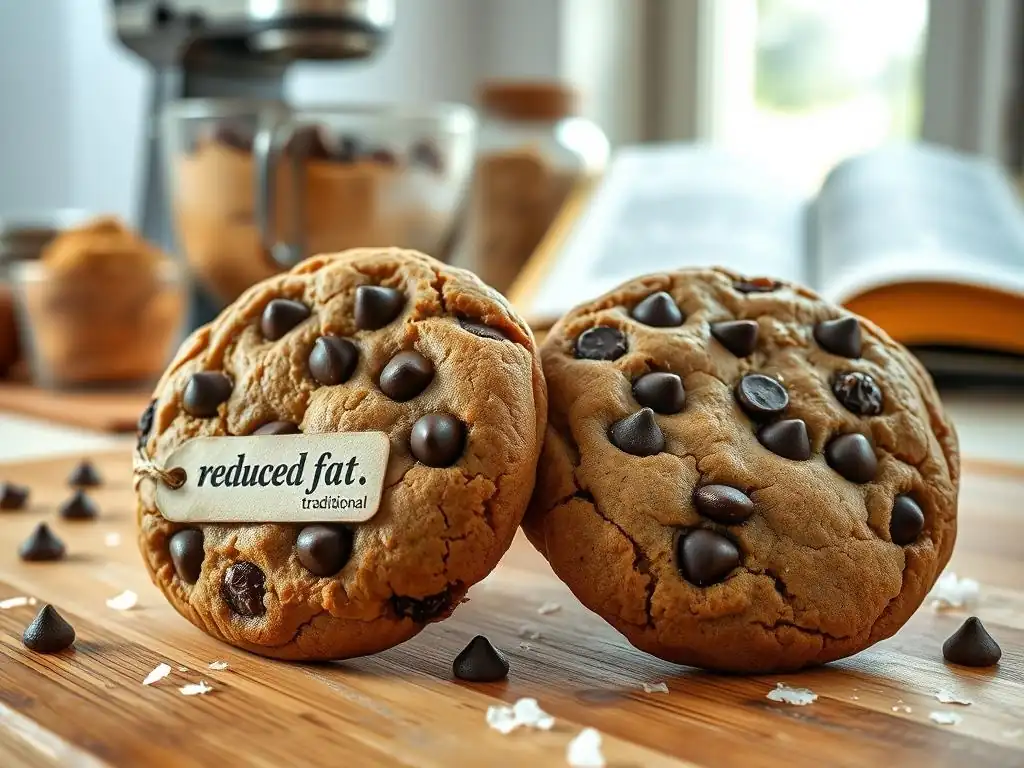
Fat's Impact: Texture, Moisture, and Flavor
Fat plays a critical, multi-faceted role in the chemistry of cookie baking. It tenderizes the cookie by coating flour particles, preventing excessive gluten development, which would otherwise result in a tough texture. Consider a standard shortbread cookie: its crumbly, melt-in-your-mouth texture is almost entirely due to its high butter content. In contrast, a cookie made without sufficient fat can become dense and chewy, much like a piece of bread.
Beyond tenderness, fat contributes to moisture retention, keeping cookies soft and preventing them from drying out too quickly after baking. It also carries and enhances flavors; many flavor compounds are fat-soluble, meaning they are better dispersed and perceived when fat is present. Furthermore, fat assists in leavening by trapping air during the creaming process with sugar, contributing to the cookie's rise and spread. Reducing fat requires finding alternative ways to achieve these crucial functions.
One of the most significant benefits of opting for low fat cookie recipes is the substantial reduction in calories. Fat is the most calorie-dense macronutrient, containing approximately 9 calories per gram, compared to 4 calories per gram for carbohydrates and protein. By reducing the amount of butter, oil, or shortening in a recipe, you can dramatically lower the calorie count per serving.
For instance, a typical chocolate chip cookie might contain 8-10 grams of fat and 150-200 calories. By implementing low-fat strategies, such as replacing half the butter with a fruit puree, you might reduce the fat content to 3-5 grams and the calorie count to 100-130 calories per cookie. Over time, incorporating low fat cookie recipes into your diet can contribute to overall calorie reduction, supporting weight management goals without requiring you to completely eliminate dessert. It allows for enjoyable moderation.
Butter Alternatives: Applesauce, Pumpkin Puree, and Mashed Banana
Fruit purees like unsweetened applesauce, pumpkin puree, and mashed ripe banana are popular and effective replacements for some or all of the butter or oil in low fat cookie recipes. These purees add moisture and natural sweetness, helping to compensate for the lack of fat. A common starting point is replacing half of the specified butter or oil with an equal amount of fruit puree. For example, if a recipe calls for 1 cup of butter, try using 1/2 cup butter and 1/2 cup applesauce.
It's important to note that these substitutions will change the cookie's texture. Cookies made with significant amounts of fruit puree tend to be softer, chewier, and less spreadable than their full-fat counterparts. They may also have a slightly cake-like texture. Experimentation is key; the exact ratio depends on the original recipe and your desired outcome. Using 100% fruit puree might result in a very soft, almost muffin-top-like cookie, while a 50/50 split often yields a good balance of reduced fat and acceptable texture.
Oil Strategies: Coconut Oil, Avocado Oil, and Canola Oil
While the goal is often to reduce total fat, sometimes substituting the type of fat or using smaller amounts of liquid oils can be beneficial in low fat cookie recipes. Liquid oils, like canola or avocado oil, distribute differently in dough compared to solid fats like butter or shortening. They tend to make cookies spread more and can result in a crispier texture, as they fully coat the flour particles.
When using oil as a reduced-fat substitute, especially for solid fat, you often need slightly less oil than the solid fat called for (e.g., 3/4 cup oil for 1 cup butter), as oil is 100% fat while butter is about 80% fat and 20% water/solids. Coconut oil, while solid at room temperature, behaves more like a liquid oil when melted and baked, contributing to spread.
Using a neutral-flavored oil like canola or a heart-healthy option like avocado oil in moderation can help provide necessary moisture and texture without the high saturated fat of butter, especially in recipes where butter's creaming ability isn't paramount.
Egg Yolk Reduction: Egg Whites and Flaxseed Meal
Eggs contribute fat (primarily in the yolk), moisture, and binding structure to cookies. A large egg contains about 5 grams of fat, almost all of which is in the yolk. Simply replacing a whole egg with two egg whites can effectively eliminate most of the fat from the egg component while still providing binding and some leavening. Egg whites contribute protein and moisture, which can help hold the cookie together and prevent it from becoming too crumbly when other fats are reduced.
For a vegan or egg-free approach to low fat cookie recipes, flaxseed meal mixed with water (often 1 tablespoon flaxseed meal + 3 tablespoons water per egg, left to gel) can act as a binder. While flaxseed meal does contain fat, it's primarily healthy omega-3 fatty acids, and the amount used per cookie is generally small. This "flax egg" provides necessary structure and moisture, crucial when traditional fats and eggs are reduced or omitted.
Sugar Alternatives: Stevia, Monk Fruit, and Erythritol
Reducing fat often goes hand-in-hand with considering sugar content, although sugar isn't fat. However, sugar contributes moisture, tenderness, and browning, functions that can be impacted when fat is reduced. Substituting sugar with non-nutritive or low-calorie sweeteners like stevia, monk fruit, or erythritol can further lower the calorie count of low fat cookie recipes.
These alternatives behave differently than sugar. They don't caramelize or contribute to browning in the same way, and they don't offer the same bulk or moisture retention properties. Often, a blend of a sugar alternative and a small amount of regular sugar or a sugar alcohol (like erythritol, which provides some bulk) is used to achieve a more desirable texture and flavor profile. It's crucial to follow specific guidelines for substituting sugar alternatives, as they are often much sweeter than sugar by volume, and excessive amounts can lead to off-flavors or digestive upset.
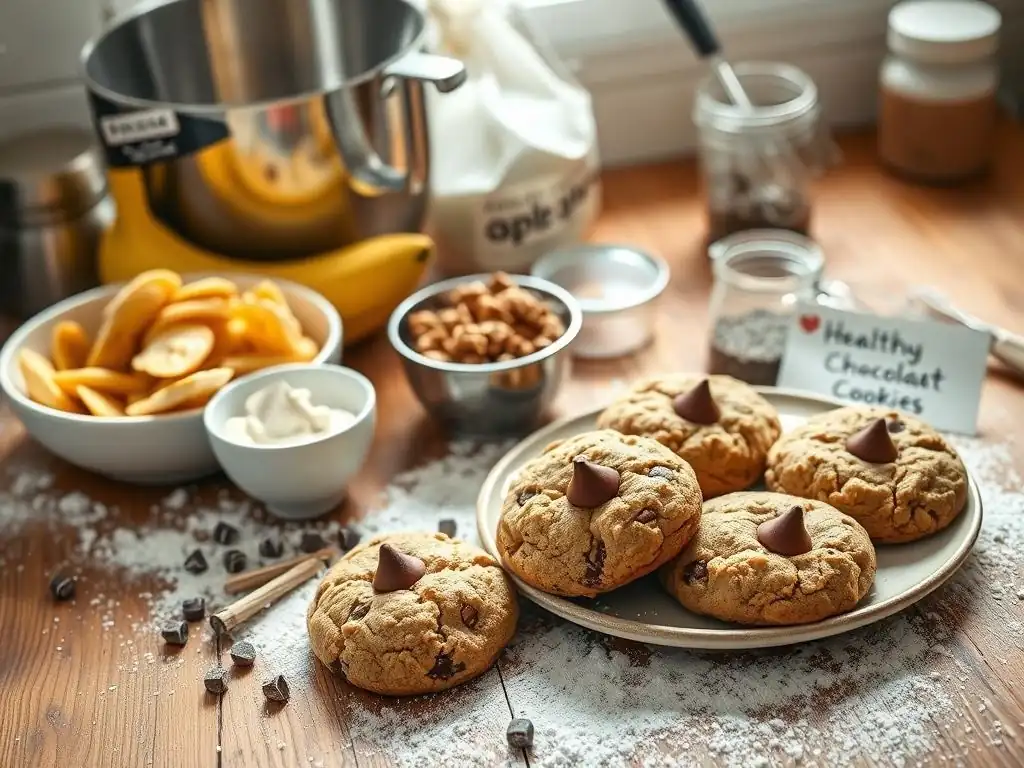
Controlling Spread: Chilling Dough and Using Parchment Paper
Low-fat cookie doughs, particularly those using liquid oil or fruit purees, can sometimes spread excessively during baking due to the lack of solid fat structure. A crucial technique to combat this is chilling the dough before baking. Refrigerating the dough for at least 30-60 minutes, or even several hours, allows the limited fat present to firm up and helps the dry ingredients absorb moisture, resulting in less spread in the oven.
Using parchment paper or a silicone baking mat is also highly recommended for low fat cookie recipes. This prevents sticking and ensures the cookies release cleanly from the baking sheet, which can be particularly helpful if the texture is softer or more delicate due to fat reduction. Additionally, scooping uniform portions of dough (using a cookie scoop) helps ensure even baking and consistent results.
The baking temperature plays a significant role in the final texture of low-fat cookies. While many cookies bake at 350°F (175°C), sometimes increasing the oven temperature slightly, say to 375°F (190°C), for a shorter baking time can be beneficial for low-fat versions. A higher temperature helps the cookies set quickly around the edges before they have a chance to spread too much, promoting a slightly thicker cookie.
Conversely, if your low-fat cookies are turning out too dry, lowering the temperature slightly and baking for a bit longer might help them retain moisture. It's essential to watch low-fat cookies carefully as they bake, as they can go from perfectly done to overbaked and dry very quickly. Look for subtle cues like the edges just beginning to set or turn a light golden brown, rather than relying solely on visual cues like deep browning, which may not occur the same way as in full-fat recipes.
Enhancing Flavor: Spices, Extracts, and Citrus Zest
When reducing fat, which carries flavor, it becomes even more important to boost flavor through other means in low fat cookie recipes. Spices like cinnamon, nutmeg, ginger, and cardamom add warmth and depth. Vanilla extract is a standard flavor enhancer, but consider other extracts like almond, maple, or peppermint to add different dimensions.
Citrus zest (lemon, orange, lime) is another excellent way to introduce bright, fresh flavors without adding fat. The oils in the zest are potent and can significantly lift the overall taste profile, making the cookies feel richer and more satisfying even with less fat. Toasted nuts or seeds (used in moderation if managing total fat) can also add flavor and texture. Don't be afraid to be generous with flavorings to ensure your low fat cookie recipes are just as delicious as their traditional counterparts.
This concept for Applesauce Cinnamon Cookies focuses on using unsweetened applesauce to replace a significant portion of the butter, creating a soft, chewy cookie with a delightful spice profile. The base ingredients would typically include flour, baking soda, a little salt, sugar (or a blend with a low-calorie alternative), egg (or egg white/flax egg), vanilla extract, cinnamon, and of course, applesauce. The applesauce adds moisture and a subtle sweetness, allowing for a reduction in added sugar compared to some recipes.
The process involves creaming a smaller amount of butter (if used) with sugar, then incorporating the applesauce, egg/egg white, and vanilla. Dry ingredients are then mixed in gently. Because of the high moisture content from the applesauce, the dough will be softer than traditional cookie dough. Chilling is absolutely crucial for these low fat cookie recipes to prevent excessive spread. Baking results in a tender, slightly domed cookie that is moist inside, with the cinnamon flavor shining through, making it a perfect example of how applesauce can transform texture and allow for lower fat content.
Pumpkin puree is another fantastic fat substitute, bringing moisture, a beautiful orange hue, and a hint of earthy sweetness, perfect for a fall-inspired chocolate chip cookie that's lower in fat. In this low fat cookie recipe concept, pumpkin puree would replace a portion of the butter or oil. Standard ingredients like flour, leavening agents, sugar, egg, vanilla, and chocolate chips would be included, along with pumpkin puree and warming spices like cinnamon, nutmeg, cloves, and ginger.
The pumpkin adds a cake-like tenderness and ensures the cookies stay moist. Since pumpkin puree is quite wet, the flour ratio might need slight adjustment compared to a standard recipe, or chilling time might be extended. The combination of pumpkin and spice works wonderfully with chocolate chips, creating a flavorful treat where you won't miss the extra fat as much. These cookies tend to be softer and puffier than crisp chocolate chip cookies, showcasing how pumpkin puree alters texture while reducing fat.
Mashed ripe banana serves as an excellent binder and fat substitute in this low fat cookie recipe concept, particularly well-suited for oatmeal raisin cookies. The natural sweetness of ripe bananas allows for a reduction in added sugar, while their moisture and binding properties help create a chewy texture without relying heavily on butter or oil. Key ingredients would be flour, oats, baking soda, cinnamon, salt, mashed ripe banana, a small amount of oil or melted butter (optional, for texture), egg or egg white, vanilla, and raisins.
The mashed banana integrates directly with the wet ingredients. The oats contribute fiber and chewiness, complementing the banana's texture contribution. These cookies are naturally moist and flavorful, benefiting from the combination of banana, oats, cinnamon, and sweet raisins. They typically bake up soft and hearty, demonstrating how fruit purees can provide structure and moisture in low fat cookie recipes, making them a satisfying and healthier alternative to traditional versions.
Common Mistakes in Low-Fat Baking
One of the most common pitfalls when working with low fat cookie recipes is overmixing the dough. Fat coats flour particles, inhibiting gluten development. When you reduce the amount of fat, there's less protection for the flour. If you then mix the dough vigorously or for too long after adding the dry ingredients, the gluten proteins in the flour can develop excessively, resulting in a tough, rubbery cookie rather than a tender one.
To avoid this, mix the dry ingredients into the wet ingredients just until they are combined. There might still be a few streaks of flour visible – that's okay. Gentle mixing, often done by hand with a spatula or on the lowest speed of a mixer, is crucial. This technique helps preserve the limited tenderizing effect available in low-fat doughs and ensures your low fat cookie recipes yield cookies with a pleasant texture.
Overbaking: Dryness and Loss of Flavor
Low-fat cookies are particularly susceptible to becoming dry and hard if overbaked. Because they contain less fat, they also tend to have less moisture overall, and that moisture evaporates quickly in the oven. The visual cues for doneness might also be different; low-fat cookies may not brown as much around the edges as their full-fat counterparts.
It's essential to bake low fat cookie recipes just until they are set around the edges and perhaps slightly underdone in the center. They will continue to cook slightly from residual heat after being removed from the oven. Pay close attention to the baking time specified in the recipe, but rely more on visual cues. If a recipe suggests 10-12 minutes, start checking at 8 or 9 minutes. A minute or two can make a significant difference between a moist, chewy cookie and a dry, brittle one.
Moisture Balance: Maintaining Softness and Chewiness
Maintaining the right moisture balance is perhaps the most challenging aspect of low-fat baking. Fat contributes significantly to moisture retention. When you reduce fat, you need to find other ways to keep the cookies moist and tender. Using ingredients like fruit purees, egg whites, or even a small amount of liquid oil helps introduce moisture, but it's a delicate balance.
- Consider adding a tablespoon or two of milk or yogurt if the dough seems too dry.
- Be mindful of flour type; using a mix of all-purpose and whole wheat flour can sometimes absorb more moisture.
- Storing low-fat cookies properly in an airtight container is vital to prevent them from drying out quickly.
- Sometimes, placing a piece of bread in the cookie container can help keep them soft by transferring moisture.
Getting the moisture balance right in low fat cookie recipes often requires a bit of trial and error, adjusting ingredient ratios slightly based on factors like humidity and the specific type of flour used.
Creating delicious low fat cookie recipes is entirely achievable with the right knowledge and techniques. By understanding the role of fat and implementing smart substitutions like fruit purees, egg whites, and alternative oils in moderation, you can significantly reduce the calorie and fat content of your favorite treats. This doesn't mean sacrificing flavor or texture; it means learning how to achieve similar results through different means, often adding beneficial fiber and nutrients from ingredients like fruits and oats.
Incorporating low fat cookie recipes into your baking repertoire allows you to enjoy sweet indulgences as part of a balanced diet. It's about mindful eating and making healthier choices without feeling deprived. Whether you're craving a chewy oatmeal cookie or a soft spiced treat, these low-fat alternatives provide a satisfying way to enjoy homemade goodness with fewer calories and less fat.
BakeWise: Your Resource for Guilt-Free Baking
At BakeWithEase, we are committed to providing you with the resources and inspiration you need to explore all facets of baking, including creating healthier options. Our collection of tips, techniques, and low fat cookie recipes is designed to make baking accessible and enjoyable for everyone, regardless of dietary goals. We believe that baking is a source of joy, and that joy should extend to treats that make you feel good, inside and out.
Keep exploring BakeWithEase for more innovative baking hacks and recipes. We are constantly experimenting and sharing new ways to bake smarter, from reducing sugar to incorporating healthier ingredients. Let us be your partner in the kitchen as you master the art of guilt-free baking and discover just how delicious low fat cookie recipes can be!
Frequently Asked Questions
You can substitute some of the butter or oil with unsweetened applesauce, pureed pumpkin, or even mashed banana. These replacements add moisture and sweetness while reducing fat.
Consider using light butter substitutes, egg whites instead of whole eggs, or Greek yogurt to add moisture and protein with less fat. Also explore using oat flour for added fiber.
Yes, using whole wheat flour or oat flour can add fiber and improve the texture of low-fat cookies. These flours also contribute to a more satisfying and healthier cookie.
Use natural extracts like vanilla, almond, or lemon to boost flavor. Spices like cinnamon, nutmeg, and ginger are also great additions and add warmth without adding fat.
You can still use chocolate chips, but opt for dark chocolate chips as they often have a lower sugar content and are richer in antioxidants. Alternatively, consider using cacao nibs for a similar chocolatey experience with less sugar and fat.
Final Reflection: The Sweet Truth About Healthy Baking
The pursuit of delicious, low-fat desserts is not a compromise; it's a culinary adventure. This article has explored innovative ways to reduce fat in cookies without sacrificing the textures and flavors we crave. The recipes presented demonstrate that healthy eating doesn't mean sacrificing enjoyment, a crucial message in a world often obsessed with restrictive diets.
The journey of creating these low-fat cookie recipes has been a personal one, highlighting the power of mindful ingredient substitutions and creative baking techniques. It's a testament to the idea that we can enjoy our favorite treats while being conscious of our health. The best things in life are worth fighting for, and a delicious, guilt-free cookie is definitely one of them.
This sentiment encapsulates the spirit of this exploration, proving that indulgence and health can coexist.
Now, it's your turn. Consider the recipes and techniques presented here – not as limitations, but as opportunities. Experiment with different ingredients, explore variations, and discover your own signature low-fat cookie creations. Embrace the challenge of healthy baking, and unlock a world of delicious possibilities without compromising your well-being. The sweet taste of success awaits!
Unleash Your Inner Baking Ninja: Master Low-Fat Treats!
Thanks for joining us on this delicious journey into low-fat baking! We hope you've discovered some exciting new ways to enjoy your favorite treats without the guilt. Ready to take your baking skills to the next level?
- Experiment with our top 3 low-fat swaps: Try substituting applesauce for oil, Greek yogurt for butter, or oat flour for all-purpose. Let us know how it goes!
- Share your baking triumphs (and challenges!): Join our BakeWithEase community on social media – we'd love to see your creations! Use #BakeWithEaseLowFat.
- Challenge yourself to bake one low-fat recipe this week: Pick your favorite cookie recipe and try adapting it with the techniques we've discussed. What will you create?
What’s your favorite low-fat baking swap, and how does it improve your recipes?