
Stovetop vs. OvenBaked Toffee: Pros, Cons, and Flavor Differences

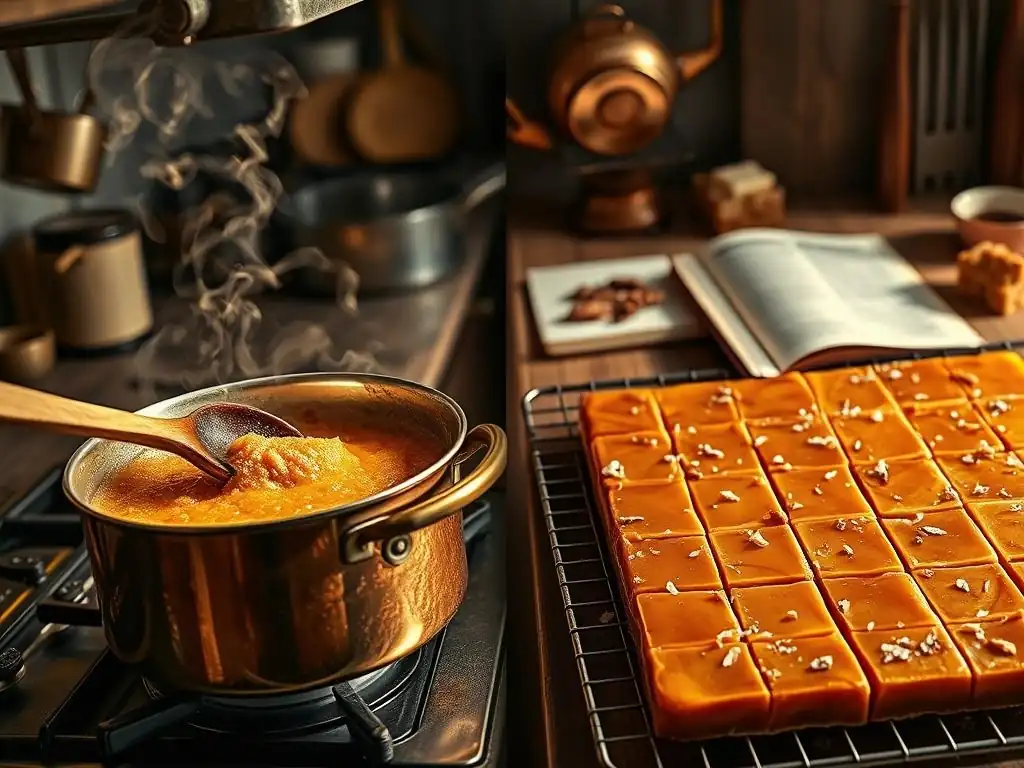
Welcome to BakeWithEase, your guide to unlocking the joys of baking! Ever wondered if you could achieve that perfect, buttery toffee without even turning on your oven? This week, we're diving deep into the world of Stovetop Baked Toffee, exploring its surprising benefits, potential drawbacks, and how it stacks up against the traditional oven-baked method. Prepare to discover a new way to satisfy your sweet tooth and maybe even find your next go-to recipe! Curious about the flavor differences? Let's get started!
- Brisket vs. Pulled Pork: Pros, Cons, and Flavor Differences
- Introduction to BBQ: Brisket vs. Pulled Pork
- Brisket: A Detailed Exploration
- Pulled Pork: A Hands-Off Approach (Relatively)
- Flavor Differences: Brisket vs. Pulled Pork
- Comparing Brisket and Pulled Pork: A Side-by-Side Analysis
- Troubleshooting Your BBQ: Common Issues and Solutions
- Variations and Add-ins: Elevating Your BBQ
- Mastering the Art of BBQ: Choosing the Right Meat for You
-
Frequently Asked Questions
- What are the main benefits of using a stovetop for making toffee according to BakeWithEase?
- How does stovetop toffee differ in flavor from oven-baked toffee, according to BakeWithEase?
- What are some potential drawbacks of making toffee on the stovetop, as highlighted by BakeWithEase?
- What types of recipes can I expect to find on BakeWithEase related to stovetop toffee?
- Does BakeWithEase offer guidance on troubleshooting common toffee-making problems when using the stovetop method?
- Final Reflection: The Sweet Science of Toffee Perfection
- Unlock Your Toffee Expertise: Which Method Reigns Supreme?
Brisket vs. Pulled Pork: Pros, Cons, and Flavor Differences
Introduction to BBQ: Brisket vs. Pulled Pork
Achieving barbecue perfection is a journey many home cooks embark upon, often starting with two iconic pillars of low-and-slow cooking: beef brisket and pulled pork. These cuts, while both transformed by smoke and time, offer distinct experiences in preparation, flavor, and texture. Understanding the nuances between them is key to choosing the right path for your next cookout. Whether you're aiming for a competition-worthy slice or a pile of tender, shreddable meat, the choice between brisket and pulled pork significantly impacts the process and the final result.
This guide delves deep into the world of these BBQ staples, exploring everything from the initial meat selection to the final saucing. We'll break down the commitment each requires, the challenges you might face, and the incredible rewards that await. By comparing their characteristics side-by-side, we aim to equip you with the knowledge needed to confidently decide which meat is right for your skill level, your equipment, and the specific occasion you're planning.
Understanding the Basics: Cuts of Meat and Smoking Techniques
Brisket comes from the lower chest or pectoral muscles of a cow. It's a tough cut, rich in connective tissue, specifically collagen, which requires long cooking times at low temperatures to break down into gelatin, resulting in tenderness. A full packer brisket includes two distinct muscles: the "flat" (leaner and uniform) and the "point" (fattier and irregular). Typical cooking temperatures for brisket range from 225°F to 275°F (107°C to 135°C), often taking 12 to 18 hours or even longer depending on size and pit temperature.
Pulled pork is traditionally made from the pork shoulder, also known as the butt or picnic roast. The Boston butt, the most common cut for pulled pork, comes from the upper part of the shoulder and is well-marbled with fat and connective tissue. Like brisket, this requires low and slow cooking to become tender enough to shred.
Smoking temperatures are similar to brisket, typically 225°F to 275°F (107°C to 135°C), but cook times are often shorter, usually 8 to 12 hours for a standard 8-10 pound (3.6-4.5 kg) butt. Both methods rely on smoke from wood combustion to impart flavor, often using woods like oak, hickory, or fruitwoods.
Why Choose Brisket or Pulled Pork for Your BBQ?
The choice between brisket and pulled pork often boils down to a few key factors: your experience level, the amount of time you have, the number of people you're feeding, and the desired flavor profile. Brisket is often considered the "holy grail" of BBQ, demanding precision and patience. A perfectly smoked brisket with a pronounced smoke ring and buttery tenderness is a testament to a pitmaster's skill. It's an impressive centerpiece for special gatherings.
Pulled pork, on the other hand, is generally more forgiving. Its higher fat content acts as a buffer against drying out, making it a more approachable option for those new to low-and-slow cooking. It's also incredibly versatile and cost-effective, making it ideal for feeding large crowds at parties or events. While a stovetop baked toffee recipe might be a quick sweet treat, these meats require a significant time investment, offering a different kind of culinary satisfaction.
Brisket: A Detailed Exploration
Brisket is revered in the BBQ world for its complex flavor and challenging cook. Mastering brisket is a significant achievement for any home pitmaster. It requires attention to detail at every stage, from trimming the fat to managing the pit temperature over extended periods. Many consider it the ultimate test of skill in backyard barbecue.
The dedication required for brisket is part of its appeal. It’s not a quick weeknight meal; it’s a project that demands respect and patience. The reward is a rich, beefy flavor infused with smoke, and a texture that is both tender and retains some structure, allowing for clean slices. Understanding the nuances of the cut and how it reacts to heat and smoke is fundamental to success.
The Brisket Process: Step-by-Step Guide
Preparing brisket begins with trimming. Excess hard fat is removed from the top (fat cap), leaving about 1/4 inch (0.6 cm) for moisture. The thin, tough "deckle" fat between the flat and point is often partially removed. The meat is then seasoned generously, typically with a simple rub of coarse salt and black pepper, often called a "Dalmatian rub." It's then placed in the smoker at a consistent low temperature. A common target internal temperature range for doneness is 195°F to 205°F (90°C to 96°C).
During the cook, the brisket will hit a "stall," where the internal temperature plateaus for several hours as moisture evaporates and cools the surface. Many pitmasters wrap the brisket in butcher paper or foil (known as the "Texas Crutch") during the stall to push through this phase and retain moisture. After reaching the target temperature and being probe-tender (a probe should slide in easily), the brisket is rested for several hours, often wrapped, to allow juices to redistribute. This rest is crucial for tenderness and moisture.
Pros of Brisket: Rich Flavor, Impressive Presentation
One of the biggest advantages of brisket is its unparalleled flavor. The combination of beefy richness, rendered fat, and deep smoke penetration creates a complex and satisfying taste that is hard to replicate. The distinct flavors from the flat and point sections offer variety in a single cook. A well-executed brisket also offers impressive visual appeal. Slicing into a perfectly cooked brisket to reveal a vibrant pink smoke ring and moist, glistening meat is a moment of triumph for any cook.
Serving sliced brisket allows guests to appreciate the texture and the visual layers of the meat. It’s often the centerpiece of a barbecue spread and a talking point among enthusiasts. While a stovetop baked toffee recipe satisfies a sweet craving, the savory depth of brisket provides a different kind of culinary satisfaction that speaks to patience and skill.
Cons of Brisket: Long Cook Time, Requires Experience
The primary drawback of brisket is the significant time commitment required. A full packer brisket can take 12-18 hours or even longer to cook, plus several hours of resting time. This necessitates starting the cook very early in the morning or even the night before. The long cook time also means more variables to manage, such as maintaining consistent pit temperature over many hours, especially in changing weather conditions.
Brisket is also less forgiving than pulled pork. Overcooking can result in dry, tough meat, while undercooking leaves the connective tissue intact, making it chewy. Achieving the perfect balance of tenderness and moisture requires practice and understanding of how the meat behaves at different temperatures. It’s a cut that demands a certain level of experience and attention to detail to get right consistently.
Tips for Perfect Brisket: Achieving Tenderness and Smoke Ring
Achieving a prominent smoke ring and buttery tenderness in brisket involves several key techniques. First, ensure the brisket is cold when it goes into the smoker; this helps the smoke adhere better in the initial stages, contributing to a better smoke ring. Maintain a clean fire with thin, blue smoke – thick white smoke indicates incomplete combustion and can impart bitter flavors. Using post oak is a popular choice in Texas for its clean, moderate smoke profile.
Monitoring the internal temperature is crucial, but probe tenderness is the ultimate indicator of doneness, usually occurring between 195°F and 205°F (90°C to 96°C). Don't rush the cook; let the brisket dictate the time. Wrapping the brisket in butcher paper during the stall helps retain moisture while still allowing some smoke penetration, preserving the bark (the flavorful crust). Finally, the rest period is non-negotiable; resting for at least 2-4 hours allows juices to redistribute, preventing dryness when slicing.
Pulled Pork: A Hands-Off Approach (Relatively)
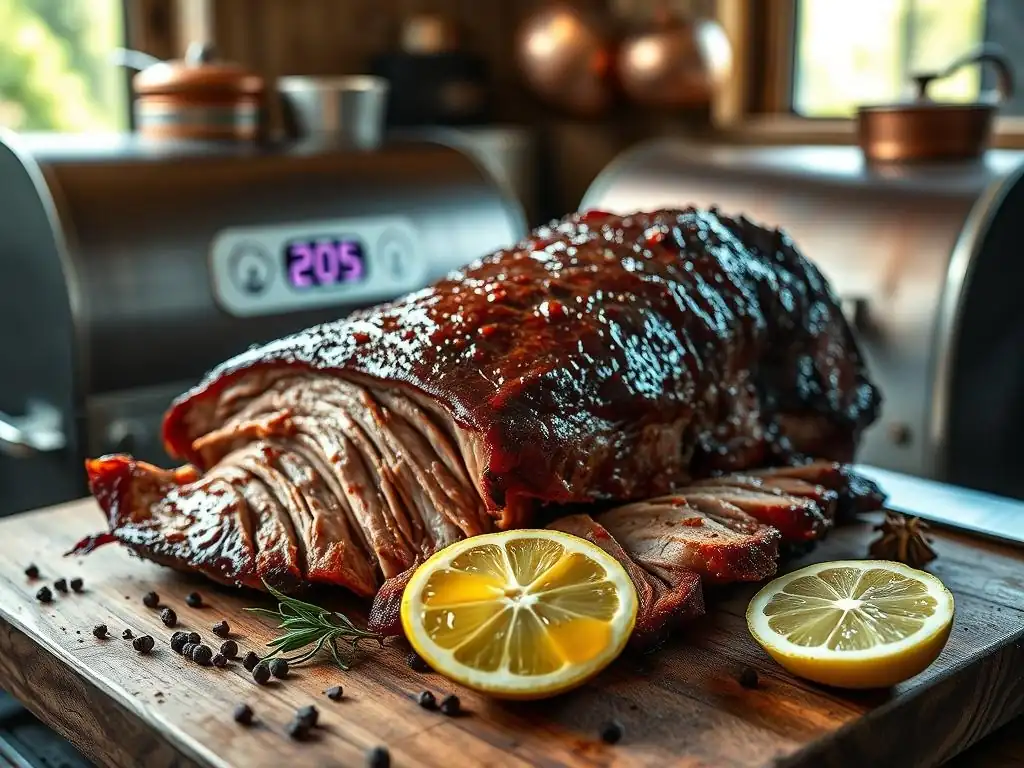
Pulled pork is the friendly giant of the BBQ world. It's more approachable than brisket, more forgiving of temperature swings, and incredibly versatile once cooked. While it still requires a significant time commitment for low-and-slow cooking, the process is generally simpler and less demanding than brisket. This makes it an excellent entry point for those new to smoking large cuts of meat.
The beauty of pulled pork lies in its transformation from a tough, inexpensive cut into incredibly tender, shreddable meat. Its inherent fat content helps keep it moist throughout the long cooking process, providing a buffer against common mistakes. This resilience makes it a favorite for backyard cooks and large gatherings.
The Pulled Pork Process: Simplified Steps
The process for pulled pork starts with selecting a good quality pork butt, typically 8-10 pounds (3.6-4.5 kg). Unlike brisket, extensive trimming isn't usually necessary; the fat cap can be left on as it renders down and adds moisture. A flavorful rub is applied generously, often containing sugar, salt, paprika, and other spices, sometimes hours before smoking. The pork butt is then placed in the smoker, fat-side up, at a consistent low temperature, usually 225°F to 275°F (107°C to 135°C).
Pulled pork also experiences a stall, typically around 150°F-165°F (65°C-74°C). While wrapping is optional, many cooks wrap the butt in foil or butcher paper to push through the stall and speed up the cook time, as well as retain moisture. The pork is done when it reaches an internal temperature of 195°F to 205°F (90°C to 96°C) and is probe-tender, meaning a probe slides in with very little resistance. After resting, the bone should pull out cleanly, and the meat should shred easily with forks or bear claws.
Pros of Pulled Pork: More Forgiving, Great for Crowds
Pulled pork's main advantage is its forgiving nature. The ample intramuscular fat and connective tissue provide a safety net against minor temperature fluctuations or slightly longer cook times. It's much harder to dry out a pork butt compared to a lean brisket flat. This makes it a less stressful cook, especially for beginners. Furthermore, a single pork butt yields a large amount of meat, making it incredibly economical and efficient for feeding big groups.
The shreddable nature of pulled pork also makes serving easy and versatile. It can be piled high on sandwiches, served as a main dish, or used in tacos, nachos, and more. The ease of preparation relative to brisket, combined with its crowd-pleasing appeal, makes it a go-to for parties and events. Unlike the precision needed for a stovetop baked toffee recipe, pulled pork offers a bit more latitude.
Cons of Pulled Pork: Can Be Dry, Less Visually Striking
While generally more forgiving, pulled pork can still become dry if overcooked significantly or if all the rendered fat and juices are discarded before shredding. It lacks the dramatic visual presentation of sliced brisket with its prominent smoke ring. Once shredded, pulled pork is a pile of meat, and its appearance relies more on the addition of sauce or toppings rather than the inherent beauty of the cooked meat itself.
Another potential drawback is that the flavor profile can sometimes be less intense than brisket, especially if not enough rub or smoke is applied. While its milder flavor makes it a great canvas for various sauces, some purists might find it less complex than a well-smoked brisket. Ensuring sufficient moisture retention and flavor infusion through rub and smoke is key to avoiding these pitfalls.
Achieving the Ideal Moisture and Texture in Pulled Pork
To ensure moist and tender pulled pork, start with a well-marbled pork butt. Apply a generous rub, which helps form a flavorful bark and retain moisture. Maintaining a consistent low smoking temperature is important for breaking down connective tissue. Wrapping the pork butt in foil or butcher paper after it reaches the stall (around 160°F/71°C) is highly recommended to push through the cook and keep the meat moist.
Once cooked to 195°F-205°F (90°C-96°C) and probe-tender, rest the pork butt, still wrapped, for at least 1-2 hours. This allows the juices to redistribute throughout the meat. When shredding, incorporate some of the rendered fat and juices from the wrapping into the pulled meat. This is often called "pulling it in its own juices" and is crucial for maximum moisture and flavor. Adding a vinegar-based mop sauce during the cook or mixing in a finishing sauce after shredding also helps maintain moisture and adds flavor.
Flavor Differences: Brisket vs. Pulled Pork
The fundamental differences in the cuts of meat and the way they are traditionally prepared result in distinct flavor profiles for brisket and pulled pork. While both benefit from the addition of smoke, the underlying taste of beef versus pork, combined with varying fat content and collagen breakdown, leads to unique culinary experiences. Understanding these differences helps in appreciating the nuances of each BBQ classic.
The choice of wood, rub, and sauce further influences the final flavor, allowing for regional variations and personal customization. However, the inherent characteristics of the meat provide the foundational taste upon which these other elements build. This is where the journey from a simple stovetop baked toffee recipe diverges dramatically into the complex world of savory, smoked meats.
How Cut and Cooking Method Affect Flavor Profiles
The flavor of brisket is deeply beefy and savory, a characteristic inherent to the cut from the steer's chest. The long, slow cooking process at low temperatures allows the fat to render slowly and the collagen to convert to gelatin, contributing richness and mouthfeel. The smoke penetrates the meat over many hours, infusing it with aromatic compounds from the burning wood, creating a smoky depth that complements the robust beef flavor. The formation of the bark, a seasoned crust on the exterior, adds concentrated flavor and texture.
Pulled pork, derived from the pork shoulder, has a milder, sweeter base flavor compared to beef. The higher fat content within the shoulder renders down, keeping the meat moist and adding richness. The long cooking process breaks down the pork's connective tissue, resulting in incredibly tender, shreddable meat that readily absorbs flavors from the rub and smoke. The bark on pulled pork is often more pronounced than on brisket due to higher sugar content in typical pork rubs, contributing a sweet and savory crunch.
Brisket Flavor Profile: Smoky, Beefy, and Intense
The defining flavors of well-smoked brisket are its intense beefiness and prominent smoke flavor. Texas-style brisket, often seasoned only with salt and pepper and smoked with post oak, highlights the pure taste of the beef and the wood. The rendered fat adds a luxurious richness that coats the palate. There's a depth of flavor that comes from the combination of muscle fibers, rendered collagen, and absorbed smoke compounds.
The bark provides a layer of concentrated, sometimes peppery or savory, flavor that contrasts with the tender interior meat. A good smoke ring indicates effective smoke penetration in the early stages of the cook, contributing to the overall smoky aroma and taste. Brisket is a complex flavor experience that evolves with each bite, from the smoky exterior to the juicy, beefy interior.
Pulled Pork Flavor Profile: Sweet, Savory, and Milder
Pulled pork typically has a sweeter and milder flavor profile than brisket, making it incredibly versatile. The base pork flavor is less assertive than beef, allowing the flavors of the rub, smoke, and sauce to take center stage. Common rubs containing brown sugar, paprika, and other spices create a sweet and savory crust that caramelizes during the cook.
The rendered fat keeps the meat moist and adds a pleasant richness. While smoke is essential, the flavor is often less dominant than in brisket, allowing the pork's natural sweetness and the rub's profile to shine. Pulled pork serves as an excellent canvas for various BBQ sauces, from tangy vinegar-based mops to sweet and thick tomato-based sauces, each dramatically changing the final taste experience. It's a flavor profile that is widely appealing and adaptable.
Factors Influencing Flavor: Wood Choice, Rub, and Sauce
The choice of smoking wood significantly impacts the flavor of both brisket and pulled pork. Oak provides a clean, moderate smoke ideal for beef. Hickory offers a stronger, bacon-like flavor that pairs well with pork. Fruitwoods like apple or cherry provide milder, sweeter smoke, often used for pulled pork or to add color. The type and amount of wood used directly influence the intensity and character of the smoke flavor.
The rub applied to the meat is another critical flavor component. Brisket rubs are often simple salt and pepper to highlight the beef, while pork rubs are typically more complex, featuring sugar, paprika, garlic powder, onion powder, and sometimes cayenne for heat. These rubs create the flavorful bark and infuse the outer layers of the meat.
Finally, sauce is often added after cooking, particularly with pulled pork. Sauces can range from vinegary and tangy to sweet and smoky, adding a finishing layer of flavor and moisture. Even attempting a stovetop baked toffee recipe involves careful consideration of ingredients and temperature, much like these BBQ methods.
Comparing Brisket and Pulled Pork: A Side-by-Side Analysis
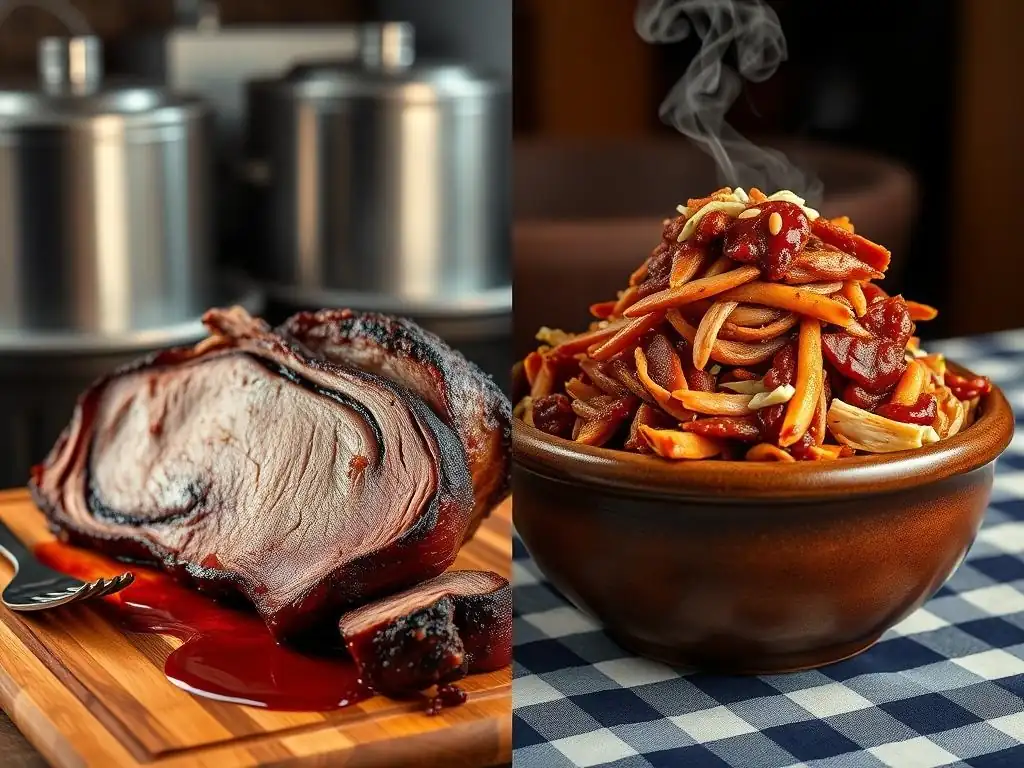
When deciding between brisket and pulled pork, it's helpful to compare them directly across various factors. From the time and effort involved to the final texture and suitability for different occasions, a side-by-side look highlights the key differences that might sway your decision. Both are fantastic options for barbecue, but they cater to different needs and preferences.
Understanding the practical aspects of cooking each meat – how long it takes, how much attention it needs, what ingredients are typical – provides a clearer picture of what to expect. This comparison moves beyond just flavor, considering the entire process from prep to plate.
Time and Effort Comparison: Which is Easier to Prepare?
Pulled pork is generally considered easier and requires less hands-on effort during the cook compared to brisket. A standard pork butt cook might take 8-12 hours, often fitting neatly within a single day or overnight session. While monitoring is still necessary, pork is more forgiving of temperature swings and doesn't typically require the precise trimming and slicing needed for brisket.
Brisket, on the other hand, is a significant time investment, often requiring 12-18+ hours of cooking followed by a substantial rest period. It demands more attention to detail during trimming, temperature management, and the wrapping phase. Slicing brisket correctly against the grain is also a skill that takes practice. For a beginner, pulled pork offers a higher chance of success with less stress than tackling a full brisket. Think of pulled pork as perhaps a more straightforward endeavor compared to the nuanced technique potentially involved in a perfect stovetop baked toffee recipe.
Ingredient Considerations for Each
The primary ingredient for brisket is, of course, beef brisket, specifically a full packer cut for the best results. Essential seasonings are typically just coarse salt and black pepper, though many variations exist. Wood for smoking is crucial, with oak being a traditional choice.
For pulled pork, the main ingredient is pork shoulder, usually a Boston butt. Rubs are generally more complex and sweeter than brisket rubs, incorporating ingredients like brown sugar, paprika, garlic powder, onion powder, and chili powder. Smoking woods like hickory, apple, or cherry are common. While optional, BBQ sauce is a popular accompaniment and can be a significant ingredient depending on the desired style. The simplicity of a stovetop baked toffee recipe's ingredient list contrasts with the specific considerations for these meats.
Texture Differences: Slices vs. Shredded
The most obvious textural difference is how the meat is served. Brisket is traditionally sliced against the grain, resulting in distinct, tender slices that hold their shape. A well-cooked slice should be moist, pliable, and have a slight tug but not be tough or crumbly. The texture allows you to see the muscle fibers and the smoke ring clearly.
Pulled pork, as the name suggests, is shredded into strands or chunks. The goal is meat so tender it falls apart easily. While brisket maintains structural integrity in slices, pulled pork is meant to be loose and piled. The texture is soft and yielding, making it ideal for sandwiches where it can be easily sauced and contained.
Which is Best for Different Occasions and Skill Levels?
Pulled pork is an excellent choice for large, casual gatherings, parties, or potlucks. Its forgiving nature makes it suitable for cooks of all skill levels, including beginners. It's also generally more cost-effective per serving than brisket. If you're new to smoking or feeding a crowd on a budget, pulled pork is likely the way to go.
Brisket is often reserved for more special occasions or when you want to impress with your BBQ skills. It's a labor of love that yields a premium result. It's best suited for cooks with some experience in managing smoker temperatures and understanding meat doneness. While you can learn on a brisket, expect a steeper learning curve than with pulled pork. Serving sliced brisket often feels more formal than a heap of pulled pork.
Troubleshooting Your BBQ: Common Issues and Solutions
Even experienced pitmasters encounter challenges when smoking large cuts of meat. Understanding common problems and how to address them is crucial for success. Both brisket and pulled pork have specific issues that can arise during the long cooking process, often related to moisture, tenderness, or smoke flavor. Being prepared to troubleshoot can save a cook from disaster.
Having a plan for when things don't go perfectly is part of mastering the art of BBQ. Whether it's a stall that won't break or meat that seems dry, knowing the potential pitfalls allows for quicker reactions and better outcomes. This problem-solving aspect is a key part of the low-and-slow journey.
Brisket Troubleshooting: Avoiding Dryness and Toughness
Dryness and toughness are the most common failures when cooking brisket. Toughness usually indicates undercooking; the collagen hasn't fully broken down. If the brisket probes tough, simply continue cooking it at a low temperature until it is probe-tender, regardless of the internal temperature reading (though it's usually above 195°F/90°C). Patience is key here.
Dryness can result from overcooking (too high temperature or too long after hitting target temp), insufficient fat rendering, or not resting the meat properly. To combat dryness, ensure you start with a brisket with a good fat cap (about 1/4 inch). Wrap the brisket during the stall to retain moisture. Most importantly, rest the brisket for several hours after cooking; this allows juices to redistribute. If a slice seems dry, you can pour some reserved rendered fat or beef broth over it before serving.
Pulled Pork Troubleshooting: Addressing Dryness and Lack of Smoke
While more forgiving, pulled pork can still end up dry. This often happens if cooked at too high a temperature, cooked too long past the target temperature, or if the rendered juices are discarded before shredding. To address dryness, ensure you wrap the pork butt during the cook to retain moisture. After shredding, always mix in some of the rendered fat and juices collected in the wrapping. If it still seems dry, a vinegar-based sauce or apple cider vinegar can be mixed in to add moisture and tang.
Lack of smoke flavor can occur if the smoker fire wasn't clean (using white, acrid smoke), if not enough wood was used, or if the meat was wrapped too early. Ensure you see thin, blue smoke. Use appropriately sized wood chunks, not chips, for long cooks. If wrapped, ensure the meat got several hours of smoke exposure before wrapping. While adding liquid smoke isn't ideal for purists, a smoke-flavored sauce can help compensate after cooking.
General BBQ Troubleshooting Tips for Both
Maintaining consistent pit temperature is fundamental for both brisket and pulled pork. Fluctuating temperatures can lead to uneven cooking and difficulty hitting the target internal temperature. Use reliable thermometers for both the pit and the meat. The "stall" is normal; don't panic. Be patient and wait it out, or wrap the meat to push through it. Learning a stovetop baked toffee recipe might involve managing heat, but BBQ takes temperature control to another level.
Resting the meat is non-negotiable for both. Skipping or shortening the rest time leads to dry meat as juices run out when sliced or shredded. Always cook to probe tenderness, not just internal temperature. Temperature is a guide, but tenderness is the true indicator that connective tissue has broken down. Don't be afraid to adjust your plan based on how the meat is progressing.
Variations and Add-ins: Elevating Your BBQ
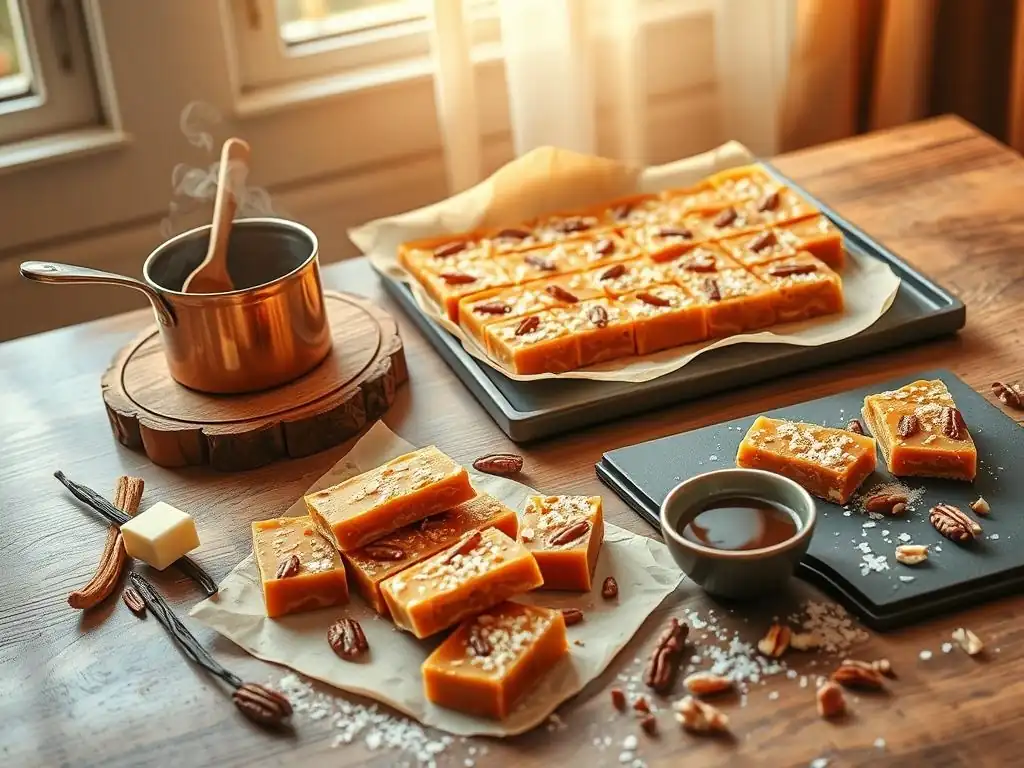
Once you've mastered the basics of smoking brisket and pulled pork, you can explore a vast array of variations and additions to customize the flavor. Rubs, sauces, and marinades offer endless possibilities to put your personal stamp on these classic dishes. Regional BBQ styles provide inspiration for different flavor profiles and techniques.
Experimenting with these elements allows you to fine-tune the taste to your preference and match the dish to a specific culinary theme. From spicy rubs to tangy sauces, the additions can transform the character of the smoked meat.
Sauces, Rubs, and Marinades for Brisket
While Texas-style brisket often uses only salt and pepper, many other rubs can complement the beef flavor. Rubs with garlic powder, onion powder, paprika, and even a touch of sugar are popular. Some pitmasters use a binder like mustard or hot sauce before applying the rub to help it stick.
Marinades are less common for brisket due to its size and cook time, but injecting beef broth, beef consommé, or a mixture of melted butter and Worcestershire sauce can add internal moisture and flavor. Sauces for brisket vary by region, but often include thin, savory, or slightly spicy sauces that don't overpower the beef and smoke flavors, such as a Texas-style mop sauce or a light, peppery finishing sauce.
Sauces, Rubs, and Marinades for Pulled Pork
Pulled pork is incredibly versatile with rubs and sauces. Dry rubs often contain brown sugar for sweetness, paprika for color and flavor, salt, pepper, garlic powder, onion powder, and sometimes cayenne or chili powder for heat. Wet rubs or pastes can also be used.
Marinades or injections for pulled pork often include apple cider vinegar, apple juice, or chicken broth to add moisture and a touch of acidity. Mop sauces, typically a thin vinegar-based liquid, are sometimes applied during the cook to keep the surface moist and add flavor. Finishing sauces for pulled pork range widely, from tangy Carolina-style vinegar and pepper sauces to sweet and thick Kansas City-style tomato and molasses sauces, or even mustard-based sauces. The adaptability is vast, much more so than the specific chemistry of a stovetop baked toffee recipe.
Creative BBQ Variations: Carolina Pulled Pork, Texas-Style Brisket
Regional variations showcase the adaptability of these meats. Texas-style brisket is known for its simplicity: salt, pepper, and post oak smoke, often served unsauced. This style emphasizes the quality of the beef and the smoke flavor.
Carolina pulled pork (specifically Eastern Carolina) is a prime example of variation. The pork butt is typically smoked and then chopped or pulled and dressed with a thin, tangy, vinegar and red pepper flake sauce, often with no tomato or sugar. Western Carolina (Lexington style) adds a touch of tomato and sugar to the vinegar base. These regional differences highlight how rubs and sauces can dramatically change the final dish, offering distinct flavor experiences beyond the basic stovetop baked toffee recipe.
Mastering the Art of BBQ: Choosing the Right Meat for You
Deciding whether to smoke brisket or pulled pork for your next BBQ adventure depends entirely on your personal goals, experience level, and the context of your event. Both offer unique challenges and rewards, contributing to the rich tapestry of barbecue culture. There is no single "better" meat; the best choice is the one that aligns with what you want to achieve in your cook.
Ultimately, the journey of mastering BBQ is one of learning, experimenting, and refining your techniques. Whether you start with the forgiving nature of pulled pork or dive headfirst into the complexities of brisket, each cook offers valuable lessons and delicious outcomes.
Considering Your Preferences and Event Type
If you are hosting a large, casual gathering and want a dish that is relatively easy to manage and appeals to a wide range of tastes, pulled pork is an excellent choice. Its versatility with sauces allows guests to customize their own plate. It's also more budget-friendly for feeding many people.
If you are looking for a challenging cooking project, want to showcase your skills, and appreciate a rich, beefy, smoky flavor profile with a specific texture (sliced), then brisket is the way to go. It's often the star of the show at smaller, more focused BBQ events where the nuances of the cook can be appreciated.
Experimenting with Both Brisket and Pulled Pork
Many pitmasters eventually explore both brisket and pulled pork to become well-rounded in their BBQ skills. Starting with pulled pork can build confidence and familiarity with managing smoker temperatures and low-and-slow cooking before tackling the more demanding brisket.
Trying both allows you to appreciate the distinct characteristics of each meat and determine your personal preference. You might find you prefer cooking one over the other, or that you enjoy serving both to offer variety. Experimentation is key to finding your passion in BBQ, much like trying different methods for a stovetop baked toffee recipe might lead to your favorite technique.
Final Thoughts on Achieving BBQ Perfection
Achieving BBQ perfection is less about reaching a mythical endpoint and more about the continuous process of learning and improving. Whether you're perfecting your brisket slices or developing your signature pulled pork sauce, each cook is an opportunity to refine your technique. Pay attention to the details: meat quality, rub application, temperature control, smoke quality, and resting time.
Be patient, learn from your mistakes, and most importantly, enjoy the process and the delicious results. The journey through the world of brisket and pulled pork is a rewarding one, filled with smoky aromas, tender meat, and the satisfaction of creating something truly special through time and dedication.
Frequently Asked Questions
What are the main benefits of using a stovetop for making toffee according to BakeWithEase?
Stovetop toffee offers greater control over temperature and allows for faster cooking times compared to oven baking. This makes it ideal for smaller batches and quick toffee cravings.
How does stovetop toffee differ in flavor from oven-baked toffee, according to BakeWithEase?
Stovetop toffee tends to have a more intense caramel flavor due to the direct heat and rapid cooking process. Oven-baked toffee often has a milder, more evenly distributed flavor profile.
What are some potential drawbacks of making toffee on the stovetop, as highlighted by BakeWithEase?
The main drawback is the need for constant attention to prevent burning. Also, achieving consistent results can be challenging without careful monitoring of the temperature.
BakeWithEase provides simple, step-by-step stovetop toffee recipes using easily accessible ingredients. These recipes are designed for bakers of all skill levels to achieve delicious results.
Does BakeWithEase offer guidance on troubleshooting common toffee-making problems when using the stovetop method?
Yes, BakeWithEase offers tips and techniques to address common issues like burning, crystallization, and uneven texture. These guides help ensure successful stovetop toffee-making.
Final Reflection: The Sweet Science of Toffee Perfection
The seemingly simple act of making toffee reveals a surprising depth of culinary technique and, ultimately, a delicious debate. While the internet overflows with recipes, understanding the nuanced differences between stovetop and oven methods is crucial for achieving toffee nirvana. This article explored those differences, highlighting the pros and cons of each approach to help you choose the perfect method for your palate and skill level.
The enduring appeal of toffee lies not just in its rich, buttery flavor, but in its ability to evoke memories and connect us to cherished traditions. Homemade toffee, whether stovetop or oven-baked, becomes a tangible expression of care and craftsmanship. The best things in life are homemade,
a sentiment often echoed in kitchens across the globe, rings especially true when considering the satisfying process and delightful result of creating this classic confection. The subtle variations in texture and flavor between methods only enhance this personal connection, allowing for experimentation and the discovery of individual preferences.
So, which method will you choose? Will you embrace the controlled chaos of the stovetop, mastering the delicate dance of sugar and butter? Or will you opt for the gentle, even heat of the oven, trusting in its consistent results? The choice, ultimately, is yours. But I urge you to embark on this culinary adventure, to experiment, to taste, and to discover the sweet science of toffee perfection for yourself. The journey, and the delicious reward, are well worth the effort.
Unlock Your Toffee Expertise: Which Method Reigns Supreme?
Thanks for joining us on this delicious journey into the world of toffee! We hope you now have a clearer understanding of the nuances between stovetop and oven-baked methods. Ready to put your new knowledge to the test?
- Embrace the Challenge: Try making both stovetop AND oven-baked toffee this week – compare the textures and flavors yourself! Note your preferences for future toffee adventures.
- Share Your Toffee Triumphs: Show off your perfectly crafted toffee on social media – use #BakeWithEaseToffee and tag us! We love seeing your culinary creations.
- Dive Deeper: Explore more delicious recipes on our website – from caramel apples to praline pecans, we’ve got a sweet treat waiting for you.
Ready to discover which toffee method becomes your go-to? Let us know in the comments below!