
The Blooming Story: From Delicate Orchid Flower to Potent Vanilla Bean

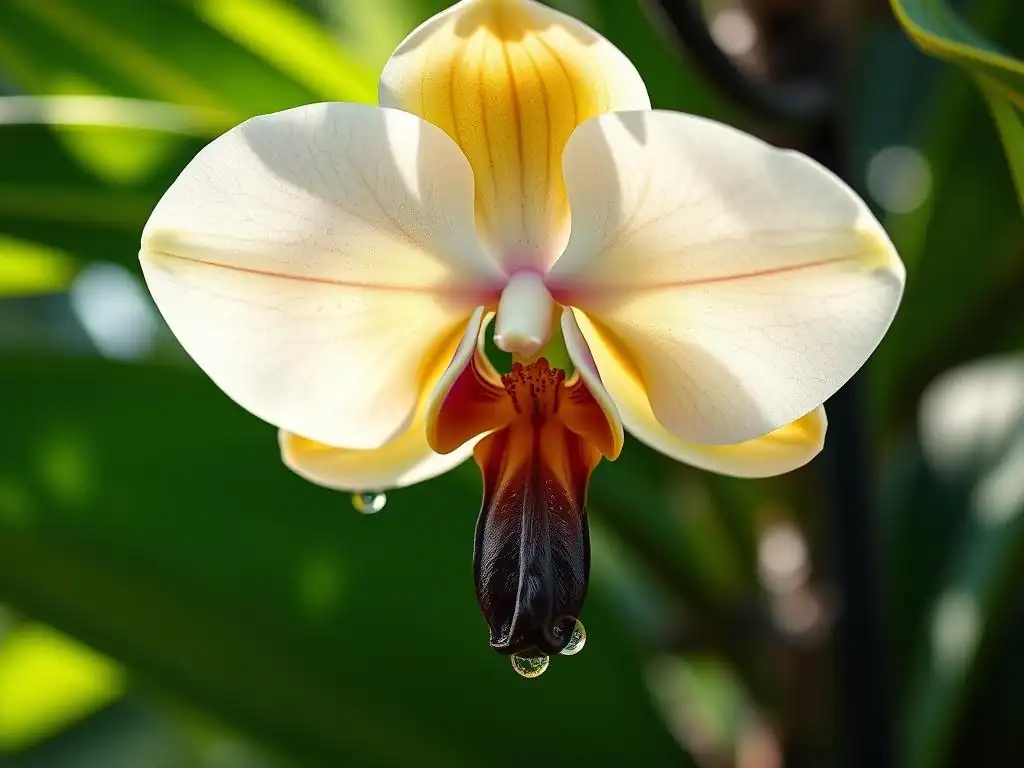
Welcome to BakeWithEase, your haven for unlocking the secrets of the baking world! Ever wondered how the delicate beauty of an orchid transforms into the rich, intoxicating flavor we know as vanilla? Prepare to be amazed as we delve into the fascinating journey of the vanilla orchid flower, revealing its secrets and exploring its surprising culinary potential. Discover the blooming story behind this premium baking ingredient and uncover recipes that will elevate your creations to new heights. Intrigued? Let's get baking!
- Unveiling the Vanilla Orchid: A Baker's Guide to Its Secrets
- From Flower to Bean: The Vanilla Curing Process Explained
- Vanilla Orchid Flower Recipes: Infusing Floral Elegance into Your Baking
- Baking with Vanilla Beans: Elevating Your Recipes to New Heights
- The Best Vanilla Extracts and Beans for Your Baking Needs: A Comparative Guide
- Vanilla Bean Recipes: Putting Your Knowledge to the Test
- Maximizing Your Vanilla Investment: Storage and Usage Tips
- Exploring Gourmet Vanilla Beyond Baking: Culinary Applications
- The Future of Vanilla: Sustainability and Ethical Sourcing
-
Frequently Asked Questions
- What makes the Vanilla orchid flower unique for baking compared to other flowers?
- Why is it difficult to find recipes specifically using the Vanilla orchid flower?
- What are the key differences in flavor between using Vanilla orchid flower and Vanilla bean in baking?
- Where can I source Vanilla orchid flowers if I want to experiment with baking using them?
- What are the alternatives to using Vanilla orchid flower if I want a similar, delicate vanilla flavor in my baked goods?
- Final Reflection: The Enduring Legacy of the Vanilla Orchid
- Unleash Your Inner Vanilla Bean Alchemist!
Unveiling the Vanilla Orchid: A Baker's Guide to Its Secrets
Understanding the Vanilla Orchid: More Than Just a Pretty Flower
The vanilla orchid, scientifically known primarily as Vanilla planifolia, is a fascinating plant that holds the key to one of the world's most beloved flavors. Unlike many flowers we encounter daily, this orchid is an epiphyte, meaning it grows on or attaches to other plants, often trees, for support rather than drawing nutrients from the soil. Native to Mexico, Central America, and parts of South America, these orchids thrive in hot, humid climates, typically requiring temperatures between 70-85°F (21-29°C) and high humidity levels, often exceeding 80%.
Their aerial roots cling to bark, absorbing moisture and nutrients from the air and rain, showcasing a unique adaptation to their tropical environment. The vanilla orchid flower recipes section later will explore how even this delicate part of the plant can inspire and contribute to baking.
While the flower itself is beautiful – typically a pale yellow or greenish-white blossom that opens for only a single day – its primary role is in reproduction. For the plant to produce the coveted vanilla bean (which is technically a fruit or pod), the flower must be pollinated. In its native range, this was historically done by a specific species of Melipona bee.
However, outside of Mexico, these bees are absent, making hand-pollination by humans absolutely essential for vanilla production. This labor-intensive process highlights why true vanilla is often more expensive than synthetic vanillin, directly linking the cost to the delicate nature of the vanilla orchid flower and the manual effort required to obtain the bean.
The Vanilla Planifolia: The Source of Gourmet Vanilla
Vanilla planifolia, also known as flat-leaved vanilla, is the most commercially important species for producing vanilla flavoring. It accounts for the vast majority of vanilla produced globally, particularly the highly prized Bourbon vanilla from Madagascar and Réunion (historically Île Bourbon). This species is favored for its high vanillin content, the primary compound responsible for vanilla's characteristic aroma and flavor. The vines can grow incredibly long, sometimes reaching over 30 feet (9 meters) if left unchecked in their natural habitat, though they are often managed in cultivation to facilitate pollination and harvesting.
Other vanilla species exist, such as Vanilla tahitensis (Tahitian vanilla) and Vanilla pompona (West Indian vanilla), each offering slightly different flavor profiles due to varying levels of vanillin and other aromatic compounds. Tahitian vanilla, for example, is known for its floral, cherry-like, and anise notes, while Vanilla pompona often has a more smoky or coumarin-like aroma.
However, Vanilla planifolia remains the cornerstone of the gourmet vanilla market due to its classic, rich, and sweet flavor profile that is so widely used in baking, including applications that might inspire vanilla orchid flower recipes focused on aroma. Understanding the specific species is key to predicting the final flavor outcome in your culinary creations.
From Flower to Bean: The Vanilla Curing Process Explained
Hand-Pollination: The Labor-Intensive Start to Vanilla Bean Production
The journey from a fleeting vanilla orchid flower to a plump, fragrant vanilla bean begins with a delicate touch: hand-pollination. Because the vanilla orchid flower typically opens only for a few hours in the morning, often just one day per year for a specific bloom, pollination must happen quickly and precisely. Outside of its native Mexico, the natural pollinator, the Melipona bee, is absent.
This means human hands must perform the task, a technique first perfected in the 19th century. Workers, often starting before dawn, use a small tool, like a bamboo splinter or needle, to lift a membrane separating the male pollen (anther) from the female stigma within the flower. They then gently press the pollen onto the stigma, ensuring fertilization.
This manual process is incredibly labor-intensive and requires significant skill and timing. A single worker can pollinate hundreds, sometimes thousands, of flowers in a morning, but the success rate for each individual flower is not 100%. While skilled workers can achieve high rates, factors like weather and the health of the vine play a role. The sheer number of flowers needing individual attention highlights the significant human effort embedded in every vanilla bean, contributing directly to its value and making the idea of utilizing even the aroma of the vanilla orchid flower recipes intriguing.
Curing Vanilla Beans: Transforming Green Pods into Flavor Powerhouses
Once successfully pollinated, the vanilla orchid flower wilts, and a green pod begins to develop over the next 6 to 9 months. These green pods have virtually no aroma or flavor. The magic happens during the lengthy and complex curing process, which transforms these scentless pods into the dark, aromatic beans we recognize.
The curing typically involves several stages: killing, sweating, slow-drying, and conditioning. The "killing" process, often done by dipping beans in hot water (around 140°F or 60°C) for a short time or exposing them to sunlight, stops the vegetative growth and starts enzymatic activity that develops flavor compounds.
Following the kill, beans are "sweated" by wrapping them in cloth and blankets and placing them in boxes or in direct sunlight for a period each day. This raises their temperature, promoting enzyme action and moisture loss. This stage is crucial for developing vanillin and hundreds of other aromatic compounds. Over the next several weeks or months, the beans are slow-dried, often laid out on mats in the sun during the day and brought indoors or covered at night to prevent reabsorption of moisture.
This slow drying reduces moisture content significantly, from around 60-70% to 25-35%. Finally, beans are conditioned for several months in closed boxes, allowing the flavors to fully develop and stabilize. This entire multi-month process, varying slightly by region, is critical for achieving the rich, complex aroma desired in gourmet vanilla orchid flower recipes and other baking applications.
The Role of Climate and Terroir in Vanilla Bean Quality
Just like wine or coffee, the quality and flavor profile of vanilla beans are significantly influenced by their terroir—the unique combination of climate, soil, topography, and other environmental factors specific to a growing region. Different regions known for vanilla production, such as Madagascar, Tahiti, Mexico, Indonesia, and Uganda, produce beans with distinct characteristics.
For instance, Madagascar Bourbon vanilla ( Vanilla planifolia) is often described as having a classic, creamy, and sweet flavor with strong vanillin notes, making it the benchmark for many bakers. This is attributed to the specific balance of heat, humidity, and rainfall in the region, combined with traditional curing methods.
Tahitian vanilla ( Vanilla tahitensis), grown primarily in French Polynesia, tends to be plumper and contains lower levels of vanillin but higher levels of other aromatic compounds like heliotropin, giving it floral, fruity, and sometimes spicy notes. Mexican vanilla ( Vanilla planifolia), the ancestral home, often has a smoky, spicy, and woody profile.
The microclimates within these regions, the specific soil composition (though orchids are epiphytic, the host tree and surrounding environment matter), and local curing traditions all contribute to these variations. Understanding these differences is key when selecting the best vanilla bean for a specific vanilla orchid flower recipes adaptation or other baking project, as the bean's inherent characteristics will profoundly impact the final flavor.
Vanilla Orchid Flower Recipes: Infusing Floral Elegance into Your Baking
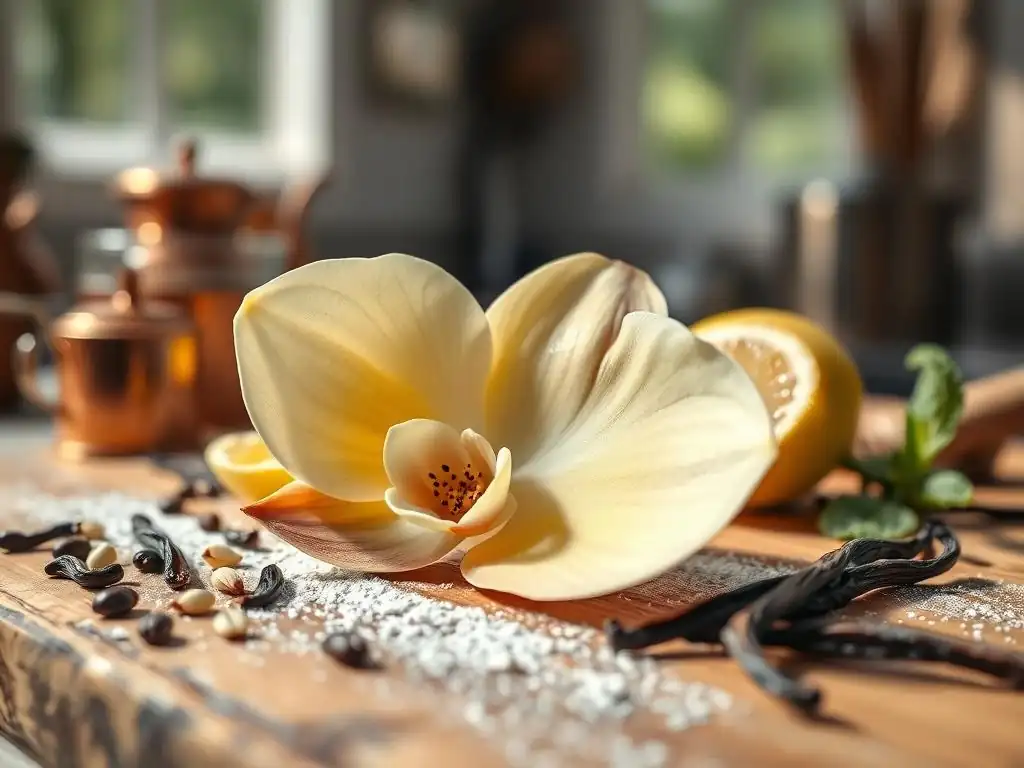
Vanilla Orchid Flower Tea: A Delicate Infusion for Baking Inspiration
While the vanilla bean is the primary source of flavor, the delicate vanilla orchid flower itself possesses a subtle, fleeting aroma that can be captured and used to add a unique floral layer to baking. A simple way to explore this is by creating a vanilla orchid flower tea. Freshly picked flowers, typically harvested in the morning before they wilt, can be gently steeped in hot water.
The process is similar to making a delicate herbal tea: use about 5-10 fresh flowers per cup of hot water (not boiling, perhaps around 175°F or 80°C) and let them infuse for 5-10 minutes. The resulting liquid offers a very light, slightly sweet, and distinctly floral note, quite different from the deep richness of the cured bean.
This infused tea isn't meant to replace vanilla extract but can serve as an aromatic liquid component in recipes. For example, it can be used as the liquid base for a light sponge cake, to moisten layers of a génoise, or as part of the liquid in a delicate pastry cream.
While obtaining fresh vanilla orchid flowers is challenging for most home bakers unless they live in a vanilla-growing region or cultivate their own, this concept highlights how every part of the plant contributes to its mystique. Exploring vanilla orchid flower recipes like this tea opens up possibilities for subtle flavor layering in sophisticated baked goods.
Vanilla Orchid Flower Simple Syrup: Adding Aromatic Sweetness to Cakes and Drinks
Another way to capture the ephemeral essence of the vanilla orchid flower for use in baking and beyond is by making a simple syrup. A standard simple syrup ratio is 1:1 sugar to water by weight or volume, but for infusing delicate floral notes, a slightly lower ratio of sugar or gentler heating might be preferred to avoid overpowering the subtle aroma. To make vanilla orchid flower simple syrup, combine equal parts sugar and water in a saucepan.
Add a generous amount of fresh vanilla orchid flowers (perhaps 15-20 flowers per cup of water) to the cold liquid. Gently heat the mixture, stirring until the sugar is completely dissolved. Avoid boiling vigorously, as high heat can dissipate delicate floral compounds.
Once the sugar is dissolved, remove the pan from the heat and let the flowers steep in the syrup as it cools, ideally for several hours or even overnight in the refrigerator. Strain out the spent flowers before storing the syrup in a clean bottle.
This aromatic syrup can be brushed onto cake layers to add moisture and a unique floral-vanilla note, used to sweeten whipped cream or meringues, or incorporated into glazes and icings. While not as potent as vanilla bean syrup, this offers a distinct, lighter flavor profile that complements fruit-based desserts or light pastries, expanding the realm of vanilla orchid flower recipes possibilities.
Vanilla Orchid Flower Extract: Crafting Your Own Gourmet Flavoring
Creating a vanilla orchid flower extract is perhaps the most concentrated way for bakers to utilize the floral notes of the bloom, though it requires patience and a source of fresh flowers. Similar to making traditional vanilla bean extract, this involves infusing the flowers in alcohol over time. Use a high-proof, neutral spirit like vodka (80 proof or 40% alcohol by volume is standard) to extract the soluble aromatic compounds.
A suggested ratio might be around 10-15 fresh vanilla orchid flowers per ounce of alcohol, though experimentation is key due to the subtle nature of the flavor. Gently bruise the flowers to help release their essence before placing them in a clean glass jar and covering them with the alcohol.
Seal the jar tightly and store it in a cool, dark place, shaking it gently every few days or weekly. The infusion process takes time, typically several months, allowing the alcohol to extract the delicate floral notes. The resulting extract will have a much lighter color than traditional vanilla bean extract and a distinctly floral aroma layered with subtle vanilla undertones.
This unique extract can be used in small quantities in baking, particularly in recipes where a bright, floral note is desired alongside the deeper vanilla flavor from beans or traditional extract. Using this homemade floral extract in vanilla orchid flower recipes for shortbread, panna cotta, or fruit tarts can add an unexpected layer of complexity.
Baking with Vanilla Beans: Elevating Your Recipes to New Heights
Choosing the Right Vanilla Bean: Madagascar, Tahitian, and Beyond
Selecting the right vanilla bean is crucial for achieving the desired flavor profile in your baking. The origin of the bean dictates its primary characteristics. Madagascar Bourbon vanilla beans are the most common and versatile, known for their sweet, creamy, and rich flavor with strong vanillin notes. They are excellent for classic recipes like vanilla ice cream, custards, and cakes where you want that quintessential vanilla taste to shine. A good quality Madagascar bean will be dark brown, plump, oily, and flexible.
Tahitian vanilla beans, originating from Vanilla tahitensis, are plumper and contain fewer vanillin crystals but are rich in other aromatic compounds, resulting in floral, fruity (often cherry or prune-like), and sometimes spicy notes. They are wonderful in fruit tarts, panna cotta, or recipes featuring white chocolate, where their unique complexity can complement other flavors without being overpowering. Mexican vanilla beans ( Vanilla planifolia), from the plant's birthplace, often have a smoky, woody, and slightly spicy profile, making them a good choice for chocolate recipes or savory applications.
While other regions like Indonesia and Uganda also produce vanilla, their flavor profiles can vary widely depending on curing methods. Considering these distinct characteristics allows bakers to choose the best vanilla bean to elevate their specific vanilla orchid flower recipes or other creations.
How to Use Vanilla Beans in Baking: Scraping, Infusing, and Extracting
Working with whole vanilla beans unlocks a depth of flavor unparalleled by most extracts. The most common method is to scrape the "caviar"—the tiny seeds and paste inside the pod. To do this, lay the bean flat and use a sharp paring knife to split it lengthwise down the middle. Then, using the back of the knife blade, scrape along the inside of each half from one end to the other, gathering the dark, sticky paste.
This caviar can be added directly to batters, doughs, custards, or creams. For maximum flavor infusion, especially in liquids, you can add both the scraped caviar and the spent pod to the mixture while heating, allowing the flavors to meld. Remember to remove the pod before serving or further processing.
Another technique is infusing the whole bean (sometimes split) into liquids like milk, cream, or sugar syrups. This is ideal for making vanilla-infused milk for custards, ice cream bases, or pastry cream. Simply add the bean(s) to the cold liquid, slowly heat it, and let it steep off the heat for at least 30 minutes, or even longer.
The spent pods are still valuable and can be reused for infusing sugar or making extract, as discussed later. Using whole beans, whether by scraping or infusing, provides a richer, more complex vanilla flavor than extract alone, showcasing the full potential developed from the delicate vanilla orchid flower.
Vanilla Bean Paste vs. Vanilla Extract: Which is Best for Your Recipe?
When deciding how to incorporate vanilla flavor, bakers often choose between vanilla extract, vanilla bean paste, and whole vanilla beans. Vanilla extract is made by macerating chopped vanilla beans in alcohol and water. By U.S. FDA standards, pure vanilla extract must contain at least 13.35 ounces of vanilla beans per gallon of alcohol solution (a minimum of 35% alcohol). It's a convenient liquid form that distributes flavor evenly throughout batters and liquids.
Vanilla bean paste is a thicker product that combines concentrated vanilla extract with vanilla bean caviar suspended in a syrup base (often corn syrup or glycerin). It offers the convenience of extract but includes the visible flecks of vanilla bean seeds, which many bakers desire for aesthetic appeal and a slightly more intense flavor. Typically, 1 teaspoon of paste is equivalent to 1 teaspoon of extract or half a vanilla bean.
Paste is excellent for recipes where you want both strong flavor and visual evidence of vanilla, such as ice cream, panna cotta, or white cakes. While extract is versatile, paste provides that "gourmet" look and feel, making it a great option for enhancing classic vanilla orchid flower recipes reimagined with bean specks.
The Best Vanilla Extracts and Beans for Your Baking Needs: A Comparative Guide
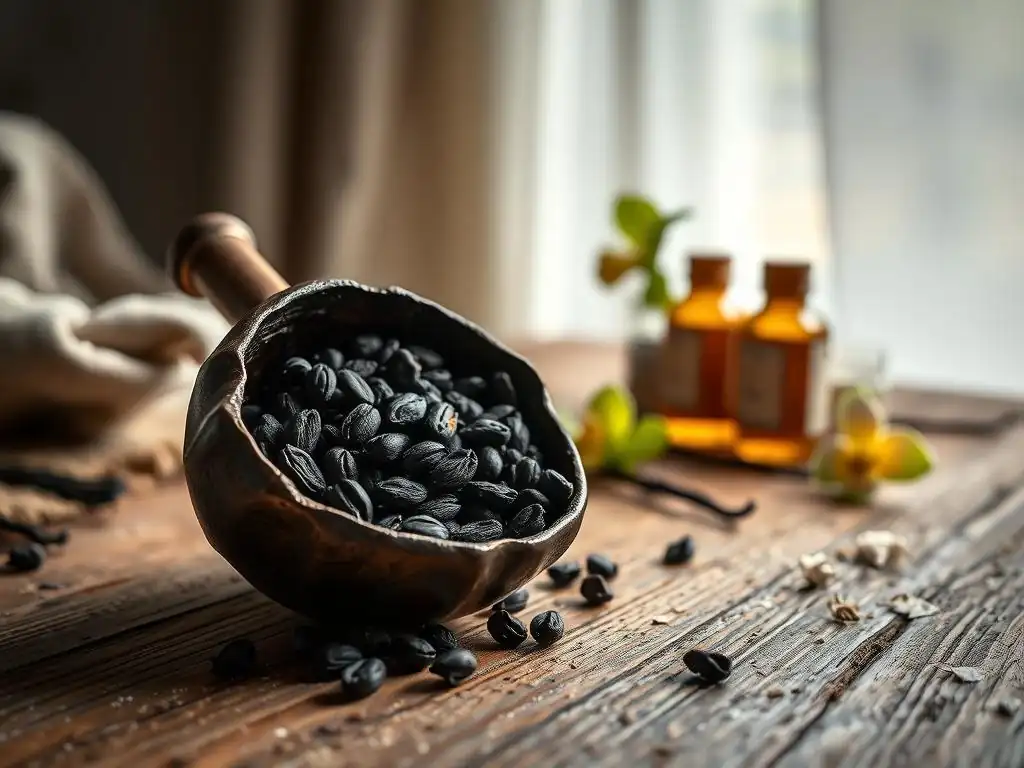
Nielsen-Massey Vanilla Extract: A Baker's Staple
Nielsen-Massey Vanillas is a long-standing, highly respected producer known for its high-quality, pure vanilla extracts and products. Their flagship product, Madagascar Bourbon Pure Vanilla Extract, is a go-to for countless professional and home bakers worldwide. It's made using a cold extraction process that the company claims preserves the more than 300 flavor compounds found in the bean, resulting in a rich, creamy, and sweet flavor profile that is consistently reliable. Available in various sizes, from small bottles to large quantities, it's a versatile extract perfect for everything from cookies and cakes to custards and sauces.
Beyond their classic Madagascar extract, Nielsen-Massey also offers extracts from other regions like Tahitian, Mexican, and even a unique pure vanilla bean paste. While their products are often priced higher than supermarket brands, many bakers find the superior flavor quality justifies the cost for achieving the best results in their baking. Their commitment to using premium beans and traditional extraction methods has solidified their reputation as a benchmark for quality vanilla, essential for any baker serious about flavor, including those exploring vanilla orchid flower recipes that require a foundational vanilla note.
Heilala Vanilla Beans: Sustainably Sourced and Exquisite Flavor
Heilala Vanilla is a brand with a compelling story centered on sustainability and community impact in Tonga. Established after a Tongan family hosted a New Zealand family following a cyclone, the company was built on developing vanilla plantations that provide economic opportunities for local growers. Heilala is known for its high-quality, hand-selected vanilla beans, primarily Vanilla planifolia, cultivated and cured in Tonga. Their beans are often described as having a clean, sweet, and classic vanilla flavor profile, sometimes with slightly fruity undertones, reflecting the Tongan terroir and curing methods.
Heilala takes pride in its transparent supply chain and commitment to ethical sourcing, ensuring farmers receive fair prices. Their vanilla beans are plump, oily, and visually appealing, making them a favorite for recipes where the bean's appearance matters, like créme brûlée or panna cotta. They also offer a range of extracts, pastes, and powders. Choosing brands like Heilala not only provides excellent flavor for your vanilla orchid flower recipes or other baking projects but also supports responsible agricultural practices and the communities that cultivate this precious spice.
Singing Dog Vanilla: Ethically Sourced and Bold Flavors
Singing Dog Vanilla is another brand dedicated to ethical sourcing, operating on a "Fair Trade Plus" system where farmers receive a higher-than-market price for their beans, paid directly and promptly. This approach aims to create a more sustainable and equitable vanilla industry. Singing Dog primarily sources Vanilla planifolia beans from Papua New Guinea and Indonesia, regions known for producing vanilla with unique characteristics. Their extracts and beans are often noted for having a bolder, sometimes smokier or spicier flavor profile compared to the classic Madagascar vanilla.
Their vanilla products offer a distinct alternative for bakers looking to experiment with different vanilla nuances. The intensity of their flavor can stand up well in recipes with other strong ingredients like chocolate or spices. Singing Dog offers beans, extracts, and vanilla bean paste, all emphasizing their commitment to farmer partnerships. Exploring brands like Singing Dog allows bakers to discover the diversity of vanilla flavors available globally while supporting ethical practices—a thoughtful consideration whether you're perfecting a classic cake or experimenting with vanilla orchid flower recipes concepts.
Vanilla Bean Recipes: Putting Your Knowledge to the Test
Vanilla Bean Scones: A Simple Recipe Showcasing Vanilla's Elegance
Vanilla bean scones are a delightful way to let the pure flavor of vanilla shine. This simple recipe highlights the elegance of using real vanilla bean caviar.
**Ingredients:**
*   2 cups All-purpose flour
*   1/4 cup Granulated sugar
*   2 tsp Baking powder
*   1/4 tsp Salt
*   6 tbsp Cold unsalted butter, cut into cubes
*   1 large Egg
*   1/2 cup Heavy cream (plus more for brushing)
*   1 tsp Pure vanilla extract (optional, for extra punch)
*   1/2 - 1 whole Vanilla bean, scraped (Madagascar is classic here)

**Instructions:**
1.  Preheat oven to 400°F (200°C). Line a baking sheet with parchment paper.
2.  In a large bowl, whisk together flour, sugar, baking powder, and salt.
3.  Cut in the cold butter using a pastry blender or your fingertips until the mixture resembles coarse crumbs.
4.  Add the scraped vanilla bean caviar to the dry ingredients and mix until evenly distributed.
5.  In a separate bowl, whisk together the egg, heavy cream, and vanilla extract (if using).
6.  Pour the wet ingredients into the dry ingredients and mix gently with a fork or spatula until just combined. Do not overmix. The dough will be shaggy.
7.  Turn the dough out onto a lightly floured surface and gently pat or shape into a circle about 3/4 inch thick.
8.  Cut the circle into 6 or 8 wedges. Place scones on the prepared baking sheet.
9.  Brush the tops of the scones with a little extra heavy cream or milk.
10. Bake for 15-18 minutes, or until golden brown and risen.
11. Let cool slightly on the baking sheet before serving.
These scones are wonderful served warm with butter, jam, or clotted cream. The visible vanilla bean specks throughout the scone dough are a beautiful indicator of the quality ingredient used, a simple nod to the journey from vanilla orchid flower to flavorful bean.
Elevating a classic cheesecake with real vanilla bean adds a depth of flavor that extract alone can't achieve. A New York-style cheesecake, with its dense, creamy texture, is an ideal canvas for showcasing premium vanilla.
**Ingredients:**
*   For the Crust:
    *   1 1/2 cups Graham cracker crumbs
    *   1/4 cup Granulated sugar
    *   6 tbsp Unsalted butter, melted
*   For the Filling:
    *   4 (8 oz) packages Cream cheese, softened
    *   1 1/2 cups Granulated sugar
    *   1/4 cup All-purpose flour
    *   1/2 tsp Salt
    *   1 large Vanilla bean, scraped (Madagascar or Tahitian work well)
    *   1 tsp Pure vanilla extract
    *   4 large Eggs
    *   1 cup Sour cream
    *   1/4 cup Heavy cream

**Instructions:**
1.  Preheat oven to 350°F (175°C). Wrap the outside of a 9-inch springform pan with heavy-duty aluminum foil (to prevent water bath leaks).
2.  Mix crust ingredients and press firmly into the bottom of the prepared pan. Bake for 8-10 minutes, then let cool.
3.  In a large bowl, beat cream cheese until smooth. Gradually beat in sugar, flour, and salt.
4.  Beat in the scraped vanilla bean caviar and vanilla extract until evenly distributed.
5.  Add eggs one at a time, beating on low speed until just incorporated after each addition. Do not overmix.
6.  Gently fold in the sour cream and heavy cream until smooth.
7.  Pour the filling over the cooled crust. Place the springform pan in a large roasting pan. Fill the roasting pan with hot water halfway up the sides of the springform pan (water bath).
8.  Bake for 60-75 minutes, or until the edges are set but the center is still slightly jiggly.
9.  Turn off the oven, crack open the door, and let the cheesecake cool in the water bath for 1 hour.
10. Remove from water bath, let cool completely on a wire rack, then refrigerate for at least 4-6 hours, or preferably overnight, before slicing.
The visible vanilla bean specks throughout the creamy filling are a hallmark of a truly gourmet cheesecake. This recipe allows the complex notes developed through the curing process of the vanilla orchid flower's fruit to shine through beautifully.
Vanilla Bean Ice Cream: The Ultimate Vanilla Bean Indulgence
Perhaps the most classic way to showcase the pure, unadulterated flavor of a high-quality vanilla bean is in homemade ice cream. The simple base allows the nuances of the bean to be the star.
**Ingredients:**
*   2 cups Heavy cream
*   1 cup Whole milk
*   3/4 cup Granulated sugar
*   1/4 tsp Salt
*   1 large Vanilla bean, split and scraped (Madagascar, Tahitian, or a blend)
*   5 large Egg yolks

**Instructions:**
1.  In a medium saucepan, combine the heavy cream, whole milk, half of the sugar (3/8 cup), and salt. Add the split vanilla bean pod and the scraped caviar.
2.  Heat the mixture over medium heat, stirring occasionally, until it just begins to simmer around the edges. Remove from heat, cover, and let steep for at least 30 minutes (or longer for more intense flavor).
3.  In a separate bowl, whisk the egg yolks with the remaining sugar until pale and slightly thickened.
4.  Temper the egg yolks: Slowly whisk about half a cup of the warm cream mixture into the egg yolks to gradually warm them.
5.  Pour the tempered egg yolk mixture back into the saucepan with the remaining cream.
6.  Return the saucepan to low heat and cook, stirring constantly with a wooden spoon or spatula, until the custard thickens enough to coat the back of the spoon (reaches about 170-175°F or 77-79°C). Do not boil.
7.  Remove the vanilla bean pod from the custard base.
8.  Strain the custard through a fine-mesh sieve into a clean bowl set over an ice bath. Stir occasionally until cooled completely.
9.  Cover and refrigerate the custard for at least 4 hours, or preferably overnight, to chill thoroughly and allow flavors to meld.
10. Churn the custard in an ice cream maker according to the manufacturer's instructions.
11. Transfer the churned ice cream to an airtight container and freeze for at least 2-4 hours to firm up before serving.
The rich, creamy texture studded with countless tiny vanilla bean seeds is a testament to the quality of the ingredients, showcasing the final stage of the vanilla orchid flower's incredible transformation into a culinary treasure.
Maximizing Your Vanilla Investment: Storage and Usage Tips
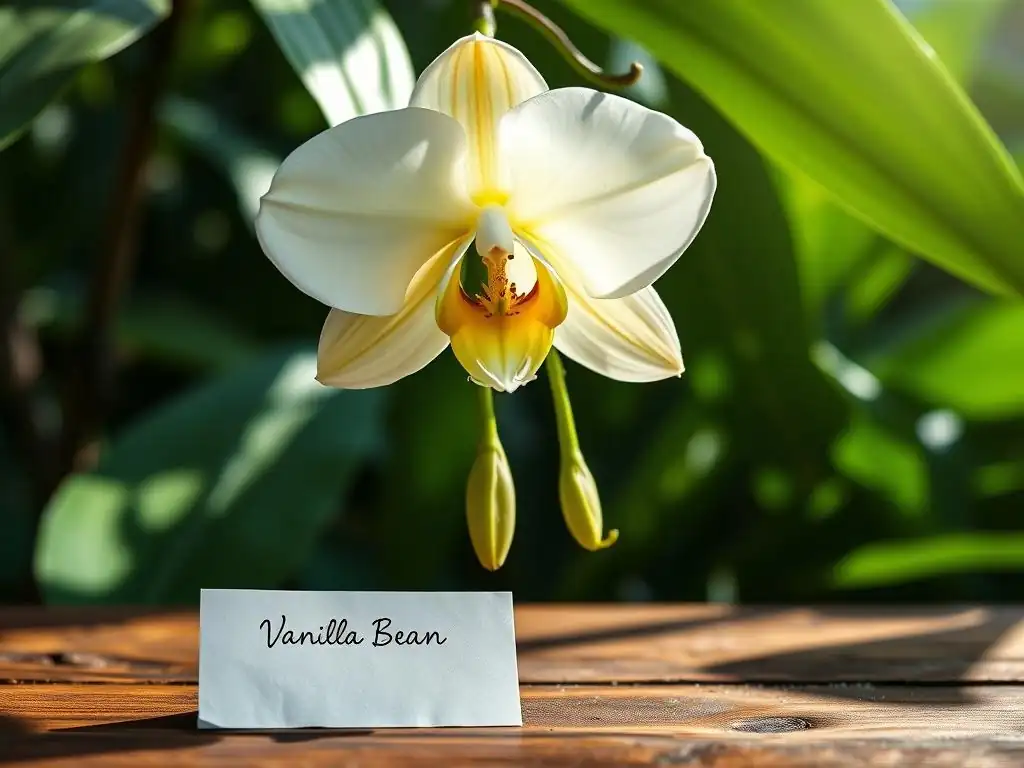
Proper Vanilla Bean Storage: Keeping Your Beans Fresh and Flavorful
Given the cost and value of quality vanilla beans, proper storage is essential to maintain their freshness, moisture, and potent flavor. The ideal way to store vanilla beans is in an airtight container, such as a glass jar or a tightly sealed plastic bag, at room temperature (around 60-70°F or 15-21°C) in a dark place, away from direct sunlight and heat. Avoid refrigeration, as this can dry out the beans and degrade their flavor compounds.
Moisture is key to keeping beans pliable and flavorful. If beans seem a bit dry, they haven't necessarily lost all their flavor, but pliable beans are generally preferred. Checking on your beans every few weeks is a good practice. If you see any signs of mold (unlikely in properly stored beans but possible if moisture is introduced), discard those beans immediately to prevent contamination. Storing beans correctly ensures that the complex flavors developed during the lengthy curing process, starting from the delicate vanilla orchid flower, remain vibrant and ready for your baking projects.
Extending the Life of Your Vanilla Beans: Making Vanilla Sugar and Extract
Don't discard your "spent" vanilla bean pods after scraping out the caviar or infusing them! These pods still contain residual flavor compounds that can be repurposed, effectively extending your vanilla investment. One popular method is making vanilla sugar. Simply bury the used, dried pods in a container of granulated sugar. Over time, the sugar will absorb the vanilla aroma and flavor. Use this vanilla-infused sugar in place of regular sugar in recipes, particularly for cookies, whipped cream, or sprinkling over baked goods. The longer the pods remain in the sugar, the more intense the flavor becomes.
Another excellent way to reuse pods is to make your own vanilla extract. Collect several spent pods (aim for about 5-7 pods per cup of alcohol) and place them in a clean glass bottle or jar. Cover them with a neutral, 80-proof spirit like vodka or rum.
Seal the container and store it in a cool, dark place, shaking it occasionally. The alcohol will extract the remaining flavor from the pods over several months. While this extract might not be as intensely flavored as extract made with fresh beans, it's a fantastic way to get extra mileage from your vanilla, honoring the full journey from the vanilla orchid flower to the final flavorful pod.
Vanilla Bean Caviar: Using Every Last Bit of Flavor
When you split and scrape a vanilla bean, the dark, sticky paste and tiny seeds you collect are often referred to as "caviar." This caviar is packed with concentrated flavor and aroma. It's crucial to use all of this precious caviar, as it contains the highest concentration of vanillin and other volatile compounds. Ensure you scrape thoroughly along the inside of both halves of the pod. The more carefully you scrape, the more flavor you capture for your recipe.
Incorporating the caviar directly into recipes like custards, batters, or creams allows the flavor to disperse evenly and provides those beautiful visual specks. Don't leave any behind on your knife or cutting board; use a small spatula or your finger to collect every bit. Even the seemingly empty pods still hold flavor and should be infused or saved for vanilla sugar or extract. Utilizing the caviar effectively honors the entire process, from the delicate vanilla orchid flower's brief bloom to the months of curing that develop the rich flavor concentrated in those tiny seeds.
Exploring Gourmet Vanilla Beyond Baking: Culinary Applications
Vanilla Bean Infused Oils: Savory Applications for Vanilla
While vanilla is most commonly associated with sweet baking, its complex aroma can also lend intriguing notes to savory dishes when used thoughtfully. One way to explore this is by creating vanilla bean-infused oils. A neutral oil like grapeseed or a mild olive oil works well. Simply split a vanilla bean, add the pod and scraped caviar to the oil, and gently heat the mixture over low heat for a short period (avoid high heat which can degrade flavors). Alternatively, you can infuse the oil at room temperature over several weeks.
This vanilla-infused oil can be used in dressings for salads featuring fruits like figs or pears, as a finishing oil for roasted root vegetables (carrots, sweet potatoes), or even drizzled over seafood like scallops or shrimp just before serving. The subtle sweetness and floral undertones of the vanilla can provide a surprising contrast or complement to savory flavors, demonstrating that the versatility derived from the vanilla orchid flower extends far beyond the dessert table.
Vanilla Bean Salt: A Unique Seasoning for Desserts and Meats
Another fascinating savory application for vanilla is vanilla bean salt. This unique seasoning combines the sweet aroma of vanilla with the enhancing properties of salt, creating a versatile ingredient for both sweet and savory finishes. To make it, combine fine sea salt or kosher salt with finely ground or very finely chopped vanilla bean pieces (including dried, spent pods, or even fresh caviar). A ratio of one vanilla bean (including pod) to about 1/4 to 1/2 cup of salt is a good starting point, but adjust to your preference.
Mix the salt and vanilla thoroughly and store in an airtight container for a week or two to allow the flavors to meld. Vanilla bean salt can be used as a finishing salt on chocolate chip cookies (sprinkled just before or after baking), caramel desserts, or even fresh fruit. On the savory side, a pinch can enhance the flavor of grilled steak, roasted chicken skin, or pan-seared foie gras. It offers a subtle layer of complexity that can elevate dishes in unexpected ways, showcasing the broad culinary potential of the ingredient that began as a fragile vanilla orchid flower.
The Future of Vanilla: Sustainability and Ethical Sourcing
Supporting Sustainable Vanilla Farming Practices
The journey from the delicate vanilla orchid flower to the prized bean is fraught with challenges, including susceptibility to disease, climate vulnerability, and price volatility. Sustainable vanilla farming practices are crucial for the long-term health of the industry and the livelihoods of farmers. This includes encouraging biodiversity on farms (vanilla is often grown as part of agroforestry systems with other crops and trees), implementing organic or low-input farming methods to maintain soil health and reduce pest reliance, and employing water conservation techniques.
Sustainable practices also encompass proper vine management, disease prevention, and careful hand-pollination and curing techniques that maximize bean quality without depleting resources. Supporting brands that invest in sustainable farming helps ensure a stable supply of high-quality vanilla for bakers while minimizing environmental impact. Look for certifications or read about company practices to understand their commitment to sustainability beyond just ethical pricing.
The Impact of Vanilla Prices on Baking
Vanilla prices have historically been highly volatile, experiencing dramatic spikes and crashes. Factors contributing to this volatility include weather events (like cyclones in Madagascar, which can devastate crops), disease outbreaks, fluctuations in demand, and speculative market behavior. For instance, a severe cyclone in Madagascar in 2017 caused prices to skyrocket, reaching over $600 per kilogram for cured beans, making it more expensive than silver at the time. While prices have moderated since then, they remain significantly higher than they were a decade ago.
These price fluctuations directly impact the cost of vanilla extracts, beans, and products for bakers. High prices can make using pure vanilla a significant expense, leading some to use synthetic vanillin or reduce the amount of vanilla in recipes. This volatility underscores the fragility of the vanilla supply chain, which starts with the labor-intensive care of the vanilla orchid flower and the long curing process. Understanding these market dynamics helps bakers appreciate the true cost and value of the vanilla they use.
Vanilla Bean Powder: A Concentrated and Convenient Alternative
Vanilla bean powder, made from finely ground whole dried vanilla beans, offers a concentrated form of vanilla flavor that is gaining popularity among bakers. Unlike extract, which is alcohol-based, powder contains all the compounds from the bean, including the non-soluble ones, potentially offering a broader spectrum of flavor. It's also a convenient dry ingredient that can be added directly to spice rubs, dry mixes, or used in recipes where adding liquid extract might alter the consistency.
Vanilla powder retains its potency well and is less susceptible to degradation from heat compared to extract, making it excellent for recipes baked at high temperatures or those requiring a strong, pure vanilla note without added moisture or alcohol. It's an efficient way to use the entire bean, a final product derived from the painstaking journey of the vanilla orchid flower to cured pod. While often more expensive by weight than extract, its concentration means a little goes a long way, offering bakers another versatile option for incorporating premium vanilla flavor.
Frequently Asked Questions
What makes the Vanilla orchid flower unique for baking compared to other flowers?
The Vanilla orchid flower is unique because it's the only orchid species that produces an edible fruit, the vanilla bean. This is unlike most flowers, which are used for decoration or flavor infusion but not direct consumption in recipes.
Why is it difficult to find recipes specifically using the Vanilla orchid flower?
Recipes rarely call for the Vanilla orchid flower itself because it's only pollinated once a year and quickly develops into the bean. The flavor is primarily concentrated in the cured vanilla bean, making it the preferred ingredient.
What are the key differences in flavor between using Vanilla orchid flower and Vanilla bean in baking?
The Vanilla orchid flower has a very subtle and delicate flavor, while the Vanilla bean offers a rich, intense, and complex flavor profile after curing. Most recipes prioritize the potent flavor of the bean.
Where can I source Vanilla orchid flowers if I want to experiment with baking using them?
Sourcing Vanilla orchid flowers can be challenging as they are not commercially available. You would likely need to grow your own vanilla orchid plant and hand-pollinate it, which requires specific environmental conditions.
What are the alternatives to using Vanilla orchid flower if I want a similar, delicate vanilla flavor in my baked goods?
Consider using vanilla extract in very small quantities or infusing milk or cream with a vanilla bean pod for a subtle vanilla flavor. Vanilla sugar also offers a more delicate flavor than pure vanilla extract.
Final Reflection: The Enduring Legacy of the Vanilla Orchid
The delicate beauty of the vanilla orchid belies the potent and enduring influence it holds on our culinary and cultural landscapes. From ancient Aztec rituals to modern-day gourmet desserts, the transformation from flower to bean speaks volumes about human ingenuity and our enduring fascination with flavor. This journey, from pollination to extraction, highlights not only the complex process behind a seemingly simple ingredient but also the interconnectedness of nature and human endeavor.
The vanilla orchid's story is one of both fragility and resilience, mirroring our own human experience. Its cultivation requires patience, precision, and a deep understanding of its delicate needs. This mirrors the dedication and care required to cultivate any meaningful pursuit. The best things in life are worth waiting for,
a sentiment that rings particularly true when considering the long and intricate process of bringing vanilla from blossom to bean. The journey itself, with its challenges and rewards, is as important as the final product.
Consider the next time you savor the rich aroma of vanilla, the intricate history woven into its very essence. Let this reflection inspire you to appreciate the journey behind the flavors you enjoy, to seek out the stories embedded within the ingredients that grace your table, and to cultivate your own passions with the same care and dedication that brings the vanilla orchid to fruition. Embrace the process, savor the journey, and discover the potent beauty hidden within the seemingly simple.
Unleash Your Inner Vanilla Bean Alchemist!
Thanks for joining us on this fragrant journey from orchid flower to the rich, creamy vanilla bean! We hope you've gained a deeper appreciation for the fascinating process behind this beloved ingredient. Ready to take your baking to the next level?
- Craft your own vanilla extract: This is the ultimate step to truly appreciate the journey from flower to flavor. Imagine the satisfaction of using your own homemade extract in your next creation!
- Experiment with different vanilla bean varieties: Explore the subtle nuances of flavor profiles from Madagascar Bourbon to Mexican vanilla. You might discover a new favorite!
- Share your vanilla baking adventures: Show us your creations! Tag us on social media and let's inspire each other.
What incredible vanilla-infused treat will you bake next?