
The Price of Perfection: Understanding Why Gourmet Vanilla Costs More

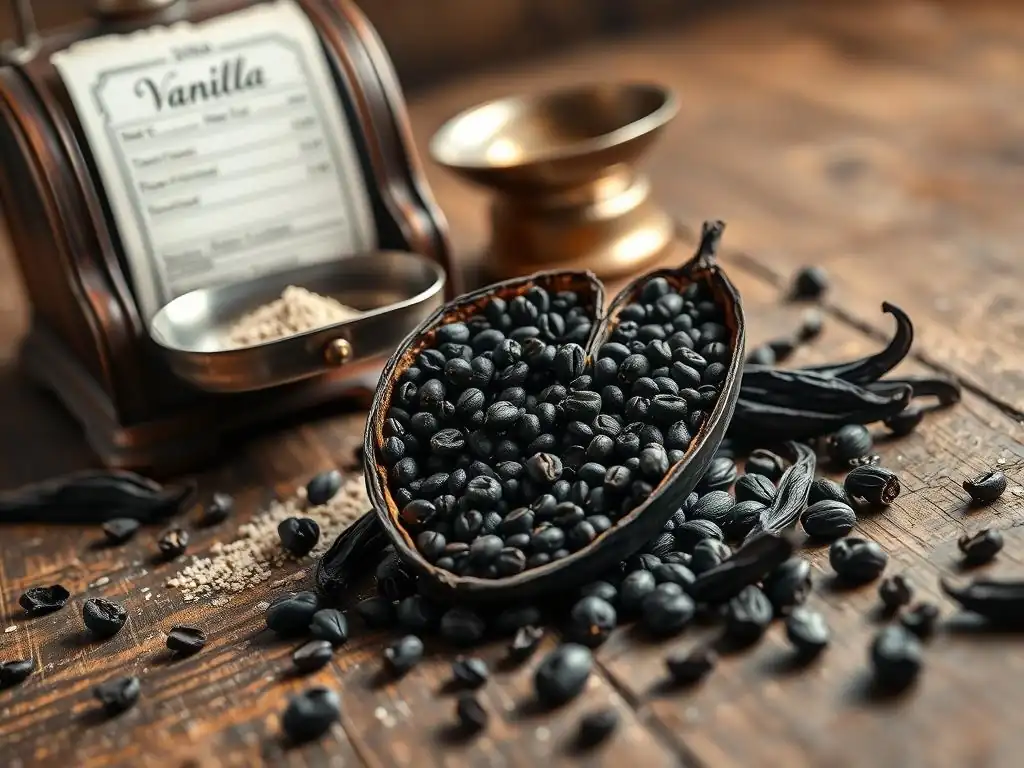
Welcome to BakeWithEase, your haven for all things baking! Ever wondered why that exquisite vanilla bean flavor comes at a price? This article delves into the fascinating world of gourmet vanilla bean price, unraveling the factors that contribute to its value. Prepare to uncover the secrets behind this premium baking ingredient and understand why it's worth every penny. Ready to learn more?
- Unveiling the Mystery Behind Gourmet Vanilla Bean Price
- Gourmet Vanilla Bean Prices: Factors Contributing to the Premium
- Deciphering the Vanilla Bean Price: Spotting Quality and Avoiding Scams
- Maximizing Your Investment: Using Gourmet Vanilla Beans Economically
- Gourmet Vanilla Bean Price Alternatives: Exploring Budget-Friendly Options
- Making the Right Choice for Your Baking: Is Gourmet Vanilla Worth the Price?
-
Frequently Asked Questions
- What factors contribute to the high price of gourmet vanilla beans?
- What makes gourmet vanilla beans different from regular vanilla extract?
- Where can I typically purchase gourmet vanilla beans, and what should I look for?
- How should I store gourmet vanilla beans to maintain their quality and flavor?
- Is there a noticeable difference in the taste of baked goods when using gourmet vanilla beans versus vanilla extract?
- Final Reflection: The Enduring Allure of True Vanilla
- Unleash Your Inner Pastry Chef: Elevate Your Baking!
Unveiling the Mystery Behind Gourmet Vanilla Bean Price
For many bakers, vanilla is more than just an ingredient; it's the soul of countless recipes, providing a warm, complex, and comforting aroma and flavor. But anyone who has ventured beyond the standard grocery store extract aisle knows that the gourmet vanilla bean price can be surprisingly high. This often leaves bakers wondering why this seemingly simple pod commands such a premium.
Is it just marketing, or is there something truly special about these dark, fragrant beans that justifies the expense? Let's delve into the world of gourmet vanilla to understand the factors that contribute to its significant cost and why, for many, it's an investment worth making for truly exceptional baked goods.
Understanding the true value of gourmet vanilla requires looking beyond the price tag and appreciating the intricate journey each bean takes from flower to finished product. The high gourmet vanilla bean price isn't arbitrary; it reflects a complex interplay of challenging cultivation, demanding processing, limited supply, and specific geographical and climatic requirements. As we explore these elements, the mystery surrounding the cost begins to unravel, revealing a story of dedication, patience, and nature's delicate balance that culminates in one of the world's most prized spices.
Why is Gourmet Vanilla So Expensive? A Baker's Dilemma
The sticker shock associated with gourmet vanilla beans is a common experience for bakers seeking to elevate their creations. A single high-quality bean might cost anywhere from $10 to $20 or even more, depending on its origin, size, and the current market conditions, while a small bottle of pure vanilla extract made from these beans can also carry a substantial price tag. This contrasts sharply with imitation vanilla, which is typically very inexpensive. The dilemma for the baker is deciding when the superior flavor and aroma of real gourmet vanilla justify the increased expense compared to more budget-friendly alternatives.
The primary reasons behind the steep gourmet vanilla bean price lie in its agricultural and processing complexities. Unlike many other spices, vanilla cultivation is incredibly labor-intensive, requiring hands-on attention at almost every stage. From the delicate hand-pollination of each individual flower to the months-long curing process, the journey of a vanilla bean is a testament to human effort and patience.
Furthermore, vanilla is a tropical orchid vine highly susceptible to environmental changes, making consistent, high-quality yields challenging and contributing to supply volatility. These factors combine to create a product that is inherently expensive to produce, which is then reflected in the final gourmet vanilla bean price paid by consumers and bakers.
Understanding the High Cost of Real Vanilla: Beyond the Extract
While vanilla extract is a staple in most kitchens, the high cost of real vanilla extends far beyond the liquid form. The true premium lies in the vanilla bean itself, the source of the extract and the most potent form of this beloved spice. The cost of pure vanilla extract is directly tied to the price and quality of the beans used to make it – it takes a significant quantity of beans to produce a concentrated extract. Therefore, understanding the expense of extract requires first understanding the fundamental costs associated with the beans.
The high cost of real vanilla, particularly the gourmet vanilla bean price, is a consequence of its unique biological and agricultural characteristics. The vanilla orchid (Vanilla planifolia) is one of the few orchids that produces an edible fruit, but its cultivation is far from simple.
The plant requires specific tropical climates, careful tending, and, crucially, manual pollination because the natural pollinators (certain bees and hummingbirds) are rare outside of Mexico, the plant's origin. This manual intervention, combined with the long curing process necessary to develop the bean's complex flavor compounds, creates a supply chain where labor and time are significant cost drivers, making real vanilla a luxury ingredient.
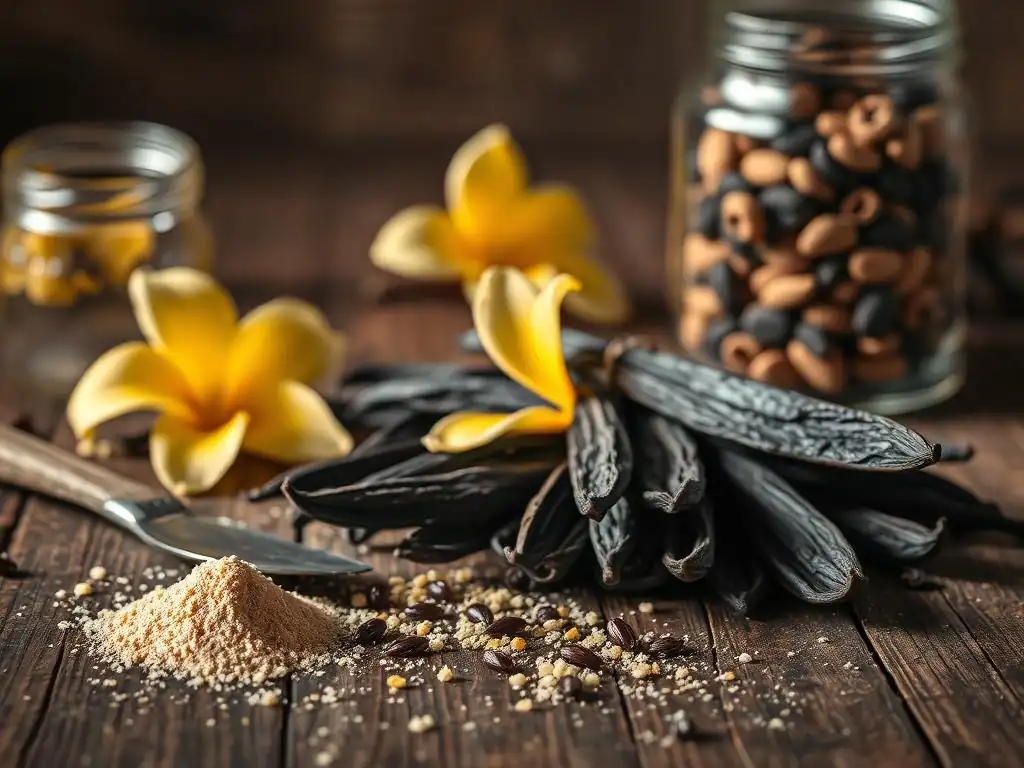
The significant gourmet vanilla bean price is not a random occurrence but a direct result of several key factors inherent in its production and market. These elements collectively elevate vanilla from a common spice to a premium commodity, valued for its intense flavor and aroma. Understanding these contributing factors sheds light on why you pay what you do for those coveted pods and helps appreciate the journey they undertake before reaching your kitchen.
From the initial growth of the vine to its final packaging, every step in producing high-quality vanilla beans is fraught with challenges and requires specialized knowledge and considerable effort. The delicate nature of the plant, its specific environmental needs, the necessity of human intervention, and the extensive time required for processing all play a critical role in determining the final gourmet vanilla bean price. Let's explore these factors in more detail to fully grasp the value proposition of real vanilla.
The Labor-Intensive Vanilla Bean Cultivation Process
Cultivating vanilla is a far cry from growing common crops. It is an incredibly labor-intensive process that demands constant attention and skilled hands. The vanilla orchid vine takes several years to mature before it begins producing flowers, and even then, each flower is only open for a single day.
This narrow window requires farmers to be vigilant and ready to act quickly. The entire process, from planting the vine to getting a cured bean ready for market, can take several years, with the most intensive labor occurring during the flowering and curing stages. This significant investment in time and human effort is a primary driver of the gourmet vanilla bean price.
The manual nature of vanilla cultivation means that producing a kilogram of cured vanilla beans requires countless hours of work spread over many months. Farmers must tend to the vines, manage pests and diseases without relying heavily on chemicals (especially for organic vanilla), and carefully monitor the plants for flowering. Once the beans form, they must be nurtured on the vine for months to develop their full flavor potential before harvesting. This consistent, demanding labor adds substantial cost to the production, directly impacting the final gourmet vanilla bean price.
Hand-Pollination: The Delicate Art of Vanilla Farming
Perhaps the most iconic and labor-intensive step in vanilla cultivation is hand-pollination. Because the natural pollinators are not widely available in the main vanilla-growing regions like Madagascar or Indonesia, farmers must manually pollinate each vanilla flower during the few hours it is open. This is done using a small stick or needle to lift the rostellum (a small flap) and press the pollen from the anther onto the stigma. A skilled worker can pollinate hundreds or even thousands of flowers in a morning, but each one requires individual attention and precision.
The success rate of this hand-pollination is critical; not every pollinated flower will result in a bean pod, and even successful pollinations can be affected by weather or other factors. This delicate, time-sensitive task is performed flower by flower, vine by vine, across vast plantations. The sheer scale of this manual effort, requiring trained workers and precise timing, adds significantly to the production cost and is a major contributor to the high gourmet vanilla bean price.
Curing and Drying: The Time-Consuming Path to Flavor
After the beans are harvested (which happens when they are still green and odorless), they undergo a complex curing process that can take anywhere from a few weeks to several months, depending on the method and climate. This process is crucial for developing the vanillin and hundreds of other aromatic compounds that give vanilla its characteristic flavor and aroma. Traditional curing methods involve steps like scalding the beans in hot water, "sweating" them wrapped in cloth or blankets to promote enzymatic activity, and then slowly drying them in the sun and shade.
This long curing phase requires constant monitoring and turning of the beans to ensure even drying, prevent mold, and optimize flavor development. Beans that are improperly cured will not develop the desired aroma and may even spoil. The significant time investment and the expertise required to manage this process successfully add substantial costs to production. A poor curing season can devastate a farmer's yield, further impacting supply and driving up the gourmet vanilla bean price.
The Scarcity of High-Quality Vanilla Beans: Supply and Demand
Beyond the labor, the inherent scarcity of high-quality vanilla beans plays a major role in their premium price. Vanilla is a finicky plant, requiring very specific environmental conditions that are only found in a limited number of regions around the world. Furthermore, the plant's susceptibility to extreme weather events, such as cyclones (a frequent threat in Madagascar, the world's largest producer), pests, and diseases, means that yields can be unpredictable and volatile. This natural scarcity, combined with growing global demand, creates a classic supply-and-demand scenario where limited supply drives up the gourmet vanilla bean price.
Global vanilla production is concentrated in a few key areas, making the market sensitive to local conditions. Factors like political instability, economic conditions in farming regions, and even fluctuations in fuel costs for transportation can all impact the availability and cost of beans. When a major growing region experiences a poor harvest due to weather or disease, the ripple effect is felt worldwide, leading to sharp increases in the gourmet vanilla bean price as buyers compete for the limited supply of quality beans.
Climate and Growing Regions: Why Vanilla is a Rare Commodity
Vanilla requires a specific tropical climate characterized by high temperatures, high humidity, and ample rainfall, often with a distinct dry season for flowering. These conditions are only met in a narrow belt around the equator. Major growing regions include Madagascar, Indonesia, Papua New Guinea, Mexico, and Tahiti. Each region's unique microclimate and curing methods contribute to distinct flavor profiles, but all share the vulnerability to environmental challenges.
The concentration of vanilla production in these specific, often geographically vulnerable areas means that global supply is inherently fragile. A single major weather event in Madagascar, which accounts for roughly 80% of the world's Bourbon vanilla supply, can significantly disrupt the market and cause the gourmet vanilla bean price to skyrocket. This geographical limitation makes vanilla a rare commodity whose availability and cost are heavily dependent on the environmental stability of a few key regions.
Vanilla Bean Varieties: Exploring the Price Differences (Madagascar vs. Tahitian vs. Mexican)
While all true vanilla comes from the Vanilla genus, different species and growing regions yield beans with distinct characteristics and, consequently, different price points. The most common is Vanilla planifolia, often referred to as Bourbon vanilla when grown in Madagascar, Réunion, and other Indian Ocean islands. Madagascar Bourbon vanilla is known for its classic, creamy, sweet, and rich flavor profile and typically sets the benchmark for the gourmet vanilla bean price.
Other varieties, such as Tahitian vanilla (Vanilla tahitensis) and Mexican vanilla (Vanilla planifolia, but often processed differently), offer unique flavor nuances. Tahitian vanilla, grown primarily in French Polynesia, has floral, cherry, and anise notes and is often more expensive than Bourbon vanilla due to lower production volumes and higher cultivation costs.
Mexican vanilla, the original vanilla, offers smoky, spicy, and chocolatey undertones and is also a high-quality option, though less widely exported than Madagascar. The specific gourmet vanilla bean price will vary depending on which of these esteemed varieties you choose, reflecting their distinct characteristics and the economics of their production.
Deciphering the Vanilla Bean Price: Spotting Quality and Avoiding Scams
Given the high gourmet vanilla bean price, it's essential for bakers to be able to identify high-quality, authentic vanilla beans and avoid falling victim to scams or purchasing inferior products. Not all beans are created equal, and understanding what constitutes a premium bean ensures you're getting your money's worth. Learning to assess vanilla beans based on visual cues, aroma, and flavor profile is key to making informed purchasing decisions.
The market for vanilla can be complex, with variations in grading, curing methods, and even outright imitations. Being able to decipher the quality indicators of real gourmet vanilla beans helps you navigate this market effectively. Avoiding common misconceptions about vanilla pricing and understanding why some deals seem too good to be true will protect your investment and ensure you experience the true magic of real vanilla in your baking, justifying the gourmet vanilla bean price you pay.
Identifying Authentic Gourmet Vanilla: What to Look For
When you're paying a premium gourmet vanilla bean price, you want to be sure you're getting the real deal. Authentic, high-quality gourmet vanilla beans have specific characteristics that distinguish them from dried-out, low-grade, or fake alternatives. Knowing what to look for visually and aromatically is your first line of defense against purchasing disappointing beans.
A genuine gourmet vanilla bean should be plump, moist, and pliable enough to wrap around your finger without breaking. They should have a rich, dark brown to black color, sometimes with a reddish tint depending on the origin. The surface might show tiny, oily crystals called vanillin frost – a sign of high quality and rich flavor development. Avoid beans that appear dry, brittle, cracked, or dull in color, as these are likely old or improperly cured and will lack flavor, making the gourmet vanilla bean price paid for them essentially wasted.
Visual Cues: Color, Texture, and Appearance of Quality Vanilla Beans
Examine the beans closely. A high-quality gourmet vanilla bean should feel supple and slightly oily to the touch, indicating proper moisture content. They should not feel hard or brittle. Their length is also an indicator of maturity and quality; typically, longer beans (often 6 inches or more) are considered premium, though size isn't the only factor. The surface should be relatively smooth, although some minor wrinkles are normal as they dry slightly over time.
Look for consistency in appearance among beans from the same batch. While slight variations are natural, a batch with wildly different sizes, colors, or textures might indicate mixed quality. The presence of vanillin crystals, which look like fine sugar or frost on the surface, is a highly desirable trait, signifying a bean rich in flavor compounds. Seeing these crystals can reassure you that you are investing in a bean that truly lives up to its gourmet vanilla bean price.
Aroma and Flavor Profile: Distinguishing Real Vanilla from Imitation
The most telling sign of authentic gourmet vanilla is its aroma. A high-quality bean will have a rich, complex, and intoxicating fragrance – sweet, creamy, often with notes specific to its origin (floral/cherry for Tahitian, classic sweet for Bourbon, smoky for Mexican). The aroma should be strong and pervasive, not faint or chemical. If the bean smells primarily of alcohol, it might be a sign of poor curing or an attempt to mask low quality.
When you split a bean, the inside should be full of tiny, black, oily seeds, often called "vanilla caviar." These seeds are packed with flavor. The flavor profile, when used in baking, should be deep, nuanced, and long-lasting, without any bitter or off notes. Imitation vanilla, typically made from lignin or petrochemicals, has a flat, one-dimensional, and often harsh or alcoholic taste compared to the smooth, complex layers of flavor provided by real vanilla beans, which truly justify the gourmet vanilla bean price.
Common Misconceptions About Vanilla Bean Prices: Debunking Myths
Several myths surround the gourmet vanilla bean price and the value of different vanilla products. These misconceptions can lead bakers to make less-than-optimal choices for their recipes, sometimes sacrificing flavor for perceived savings. It's important to understand the truth behind these common beliefs to make the best use of this precious ingredient.
Debunking these myths helps bakers appreciate the nuances of vanilla quality and pricing. Understanding that the cost reflects quality and process, not just perceived luxury, is key. This knowledge empowers you to make informed decisions about when to invest in premium products and how to distinguish them from lower-quality alternatives, ensuring that the gourmet vanilla bean price you pay translates into superior results in your baking.
The "Vanilla Extract is Just as Good" Myth: Understanding the Flavor Gap
One persistent myth is that pure vanilla extract offers the exact same flavor experience as using a whole vanilla bean. While high-quality pure vanilla extract is a fantastic and convenient ingredient, it cannot replicate the full complexity and depth of flavor that comes from using a whole bean, especially when incorporating the vanilla caviar. Extracts are made by steeping beans in alcohol, which pulls out many, but not all, of the bean's flavor compounds.
Using a whole bean allows you to access a broader spectrum of flavor nuances and the visual appeal of the tiny black seeds. In applications where vanilla is a primary flavor, like custards, panna cotta, or crème brûlée, the difference is noticeable. While pure extract is excellent for many recipes, understanding this flavor gap helps justify the higher gourmet vanilla bean price for those special occasions or recipes where vanilla is meant to shine as the star.
Cheap Vanilla: Why it's Usually Too Good to Be True
If you encounter vanilla beans or pure vanilla extract selling for a significantly lower price than the market average gourmet vanilla bean price, proceed with caution. There's usually a reason for a drastically reduced price, and it often involves compromised quality. Cheap beans might be older, drier, improperly cured, or from lower-grade harvests. They may lack the characteristic aroma and flavor intensity expected from gourmet vanilla.
Alternatively, cheap "pure" vanilla extract might be diluted with water or sugar, made from lower-quality beans, or even contain synthetic vanillin despite being labeled "pure" in some less regulated markets. The labor, time, and specific conditions required to produce high-quality vanilla mean that a certain cost floor is necessary. Prices significantly below this floor are a strong indicator that corners were cut somewhere along the production chain, ultimately yielding an inferior product that won't deliver the flavor payoff expected from the gourmet vanilla bean price.
Maximizing Your Investment: Using Gourmet Vanilla Beans Economically
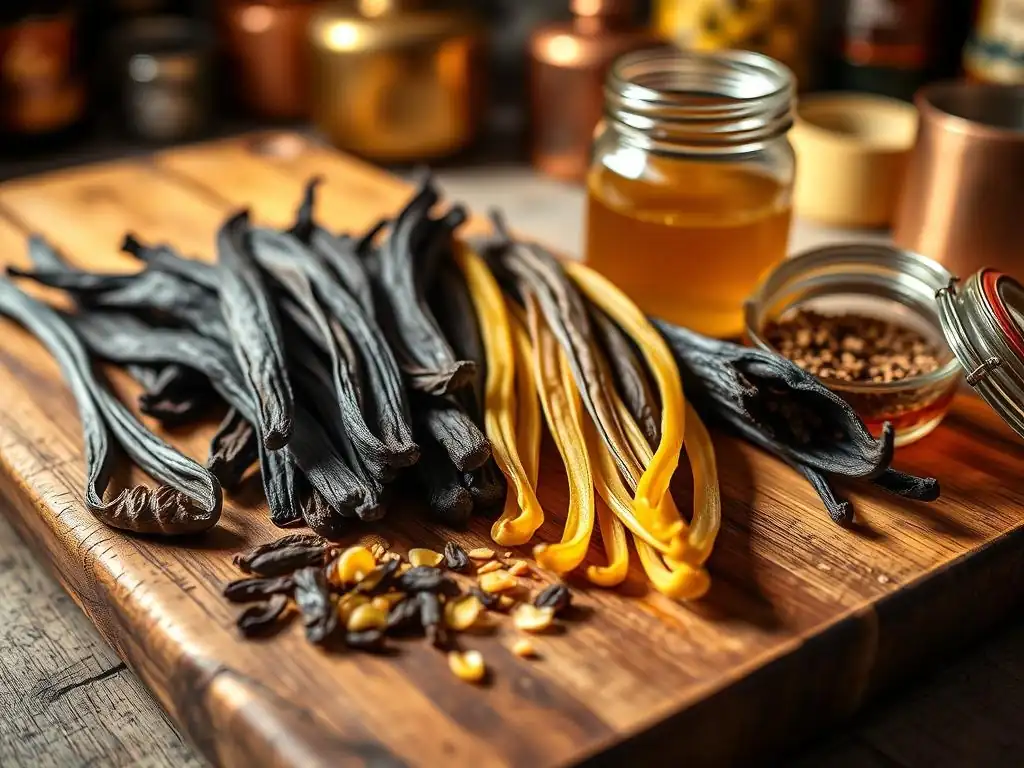
Given the significant gourmet vanilla bean price, it's natural to want to get the most value and flavor out of every precious pod. Fortunately, vanilla beans are incredibly versatile, and there are several techniques and tips that allow you to maximize their potential, ensuring that none of that wonderful flavor goes to waste. Treating your vanilla beans as a valuable investment encourages thoughtful use in your baking.
Learning how to properly handle, store, and utilize vanilla beans fully can significantly extend their usability and flavor impact. From extracting the tiny seeds to infusing other ingredients, there are numerous ways to leverage the intense aroma and complex flavor of gourmet vanilla beans. By employing economical techniques, you can justify the gourmet vanilla bean price by making each bean work harder and flavor more of your delicious creations.
Extracting the Most Flavor: Vanilla Bean Paste vs. Vanilla Extract vs. Whole Bean
When it comes to using gourmet vanilla, you have a few options: the whole bean, vanilla bean paste, or pure vanilla extract. Each has its place and offers a different balance of convenience, visual appeal, and flavor intensity, impacting how you perceive the value of the gourmet vanilla bean price. The whole bean provides the most direct and intense flavor, plus the visual appeal of the caviar.
Vanilla bean paste is a concentrated syrup made from vanilla extract and/or ground vanilla beans, often with added thickeners. It offers a good compromise, providing much of the flavor of the bean and the visual flecks of caviar, with the convenience of a liquid or paste. Pure vanilla extract, as discussed, is convenient and distributes flavor evenly but lacks the depth and visual element of the bean itself. Understanding these differences helps you choose the best form for your specific recipe and budget, making the most of your gourmet vanilla bean price.
Making Your Own Vanilla Extract: A Cost-Effective Approach
One excellent way to maximize your investment in gourmet vanilla beans and gain control over the quality of your extract is to make it yourself. While it requires patience (it takes several months to steep), it's relatively simple and can be more cost-effective over time than continuously buying small bottles of premium extract, especially if you find a good deal on a batch of beans.
To make extract, you simply need high-quality vanilla beans and food-grade alcohol (like vodka, rum, or bourbon, typically 80 proof or 40% alcohol by volume). A common ratio is one ounce of vanilla beans (roughly 6-8 beans, depending on size) per cup of alcohol. Split the beans lengthwise, submerge them in the alcohol in a clean, airtight bottle or jar, and store in a cool, dark place, shaking occasionally. After 6-12 months, you'll have a rich, flavorful pure vanilla extract, allowing you to stretch the value of your gourmet vanilla bean price considerably.
Integrating Vanilla Beans into Your Baking: Techniques and Tips
Beyond just splitting and scraping the seeds into a batter or custard, there are creative ways to use gourmet vanilla beans to infuse flavor into multiple components of your baking. These techniques help distribute the precious vanilla essence widely and ensure that even the "spent" bean isn't wasted, further justifying the initial gourmet vanilla bean price.
- [ ] Infuse milk or cream: Split a bean and scrape the seeds into milk or cream. Add the pod too. Gently heat the liquid (do not boil) and let the bean steep for 30 minutes or more, or refrigerate overnight, before removing the pod and using the infused liquid in recipes like pastry cream, ice cream base, or panna cotta.
- [ ] Add to sugar: Bury a spent (but still somewhat pliable) vanilla bean pod in a jar of granulated sugar. Seal the jar and let it sit for a week or two. The sugar will absorb the vanilla aroma, creating a fragrant vanilla sugar perfect for sprinkling on baked goods, sweetening coffee, or using in recipes where you want a subtle vanilla note without adding liquid extract or paste.
Vanilla Bean Infused Sugar: A Simple Way to Enhance Flavor
Creating vanilla-infused sugar is one of the easiest and most effective ways to extend the use of your gourmet vanilla beans. Even after you've scraped the seeds out for a recipe, the pod still contains valuable flavor compounds. Don't discard it! Simply rinse it lightly if necessary, pat it dry, and bury it in a container of sugar.
Over time, the sugar granules absorb the volatile aromatic compounds from the pod, becoming fragrant with vanilla. You can keep adding spent pods to the same jar of sugar, intensifying the flavor over time. This vanilla sugar can then be used cup-for-cup in place of regular sugar in many recipes, adding a lovely background note of vanilla to cookies, cakes, or simply sprinkled on fruit or toast. It's a zero-waste approach that makes the gourmet vanilla bean price feel even more reasonable.
Vanilla Bean Caviar: Adding Visual Appeal and Intense Flavor
The true essence of the vanilla bean lies within the tiny, black, seed-like speckles, often referred to as "vanilla caviar." These are not actually seeds in the botanical sense but rather aggregates of parenchyma cells rich in vanillin and other flavor compounds. Scraping these out and incorporating them directly into your recipes provides the most intense, pure vanilla flavor and the desirable visual flecks that signal "real vanilla."
To extract the caviar, place the split bean pod on a cutting board. Use the back of a small knife or spoon to gently scrape down the inside of the pod, gathering the paste of seeds. This caviar can be added directly to batters, custards, sauces, or frostings. It disperses beautifully, ensuring even flavor distribution and adding that unmistakable visual cue of quality. Utilizing the caviar fully is key to getting the maximum flavor impact for your gourmet vanilla bean price.
Gourmet Vanilla Bean Price Alternatives: Exploring Budget-Friendly Options
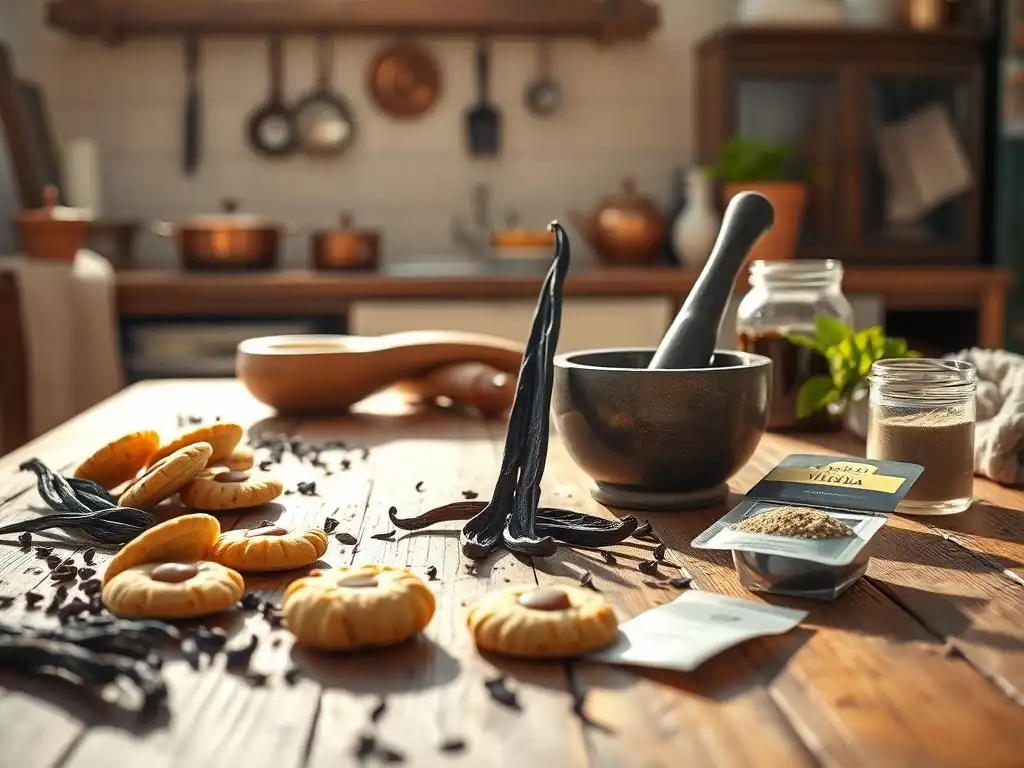
While the allure of gourmet vanilla beans is strong, the gourmet vanilla bean price isn't always feasible for every baking project or every budget. Fortunately, there are excellent alternatives available that can still deliver wonderful vanilla flavor without requiring the significant investment of whole beans. Understanding these options allows bakers to make smart choices based on their needs and budget.
Exploring these alternatives ensures that you can still achieve delicious vanilla flavor in your baking, even when opting not to purchase premium beans. High-quality pure vanilla extracts and vanilla bean pastes offer convenience and considerable flavor, providing excellent value for money and making the magic of vanilla accessible for everyday baking without always needing to pay the top gourmet vanilla bean price.
For many bakers, a high-quality pure vanilla extract is the workhorse of their pantry, offering convenience and reliable flavor. While it may not provide the full spectrum of nuances found in a whole bean or the visual caviar, a good extract captures the primary notes of vanilla effectively. Look for extracts labeled "pure vanilla extract" made from specific bean types (like Bourbon, Tahitian, or Mexican) for a better understanding of the flavor profile.
The quality of vanilla extract varies widely depending on the beans used, the alcohol base, and the extraction process. Investing in a premium pure vanilla extract from a reputable source is a worthwhile alternative to whole beans for many applications. It offers consistent flavor and ease of use, making it a staple for cookies, cakes, muffins, and other baked goods where the liquid form is advantageous and the highest gourmet vanilla bean price isn't necessary for the desired outcome.
Vanilla Bean Paste: A Convenient and Cost-Effective Solution
Vanilla bean paste has become increasingly popular among bakers as it strikes a balance between the convenience of extract and the flavor and visual appeal of whole beans. It typically consists of concentrated vanilla extract, suspended vanilla bean caviar, and a thickening agent. This means you get those desirable black speckles and a robust vanilla flavor without the need to split and scrape individual beans.
Vanilla bean paste is often measured similarly to extract (e.g., 1 teaspoon paste = 1 teaspoon extract, though adjust to taste based on concentration) and can be used in many of the same applications. It's particularly excellent for recipes where the visual presence of vanilla seeds is desired, such as ice cream, panna cotta, or buttercream frosting. While often priced higher than basic extracts, it can sometimes be a more cost-effective way to incorporate real vanilla bean flavor and appearance than purchasing whole beans individually, offering a different perspective on the gourmet vanilla bean price.
Making the Right Choice for Your Baking: Is Gourmet Vanilla Worth the Price?
After exploring the reasons behind the high gourmet vanilla bean price and the various ways to use and find alternatives, the ultimate question remains: is gourmet vanilla worth the investment for your baking? The answer isn't a simple yes or no; it depends on your priorities, your budget, and the specific recipes you're making.
Making the right choice involves assessing your baking needs, understanding the impact of vanilla quality on your final product, and budgeting accordingly. For some recipes, the unique depth and visual appeal of a whole gourmet vanilla bean are indispensable. For others, a good extract or paste might suffice. By considering these factors, you can confidently decide when to splurge on premium beans and when to opt for a more budget-friendly alternative, ensuring that your baking is both delicious and economically sensible.
Assessing Your Baking Needs: When to Splurge on Gourmet Vanilla
Consider the role vanilla plays in your recipe. If vanilla is a primary flavor – think crème brûlée, panna cotta, vanilla ice cream, or a simple vanilla cake – then the quality of your vanilla will significantly impact the final result. These are the moments when investing in a high-quality gourmet vanilla bean or premium paste is most likely to be worth the gourmet vanilla bean price. The subtle nuances and rich aroma of real vanilla will shine through, elevating the dish from good to exceptional.
For recipes where vanilla is one of many flavors, such as heavily spiced cookies, chocolate cake, or fruit pies, a good pure vanilla extract might be perfectly adequate. The vanilla flavor will still contribute, but its subtleties might be masked by other ingredients. Use your best judgment based on the recipe's profile and how prominently you want the vanilla flavor to feature.
Budgeting for Vanilla: Balancing Cost and Quality in Your Recipes
Incorporating the gourmet vanilla bean price into your baking budget requires a conscious effort to balance cost and quality. You don't need to use gourmet beans in everything you bake. Stocking a high-quality pure vanilla extract for everyday use and reserving your precious gourmet vanilla beans or paste for special occasions or recipes where vanilla is the star is a practical approach.
Consider the overall cost of your ingredients. If you're using premium chocolate, fresh berries, and high-quality butter, pairing them with a superior vanilla makes sense. Conversely, for simple, large-batch baking where cost is a major factor, a good standard pure extract is likely the most sensible choice. By strategically choosing when and how to use gourmet vanilla, you can enjoy its unparalleled flavor without breaking the bank, making the gourmet vanilla bean price a worthwhile investment when applied judiciously.
Frequently Asked Questions
What factors contribute to the high price of gourmet vanilla beans?
The high price is due to several factors, including the labor-intensive cultivation process, limited growing regions, and the curing process, which can take several months.
What makes gourmet vanilla beans different from regular vanilla extract?
Gourmet vanilla beans offer a more complex and intense flavor compared to vanilla extract, which is often made with cheaper vanilla beans and alcohol. You're paying for quality and origin.
Where can I typically purchase gourmet vanilla beans, and what should I look for?
You can find them at specialty spice shops, online retailers, and some high-end grocery stores. Look for plump, moist beans with a rich aroma.
How should I store gourmet vanilla beans to maintain their quality and flavor?
Store them in an airtight container in a cool, dark place, away from direct sunlight and heat. This will help preserve their flavor and moisture.
Is there a noticeable difference in the taste of baked goods when using gourmet vanilla beans versus vanilla extract?
Yes, there is a noticeable difference. Gourmet vanilla beans impart a richer, more nuanced flavor that elevates the taste of baked goods, offering a premium baking experience.
Final Reflection: The Enduring Allure of True Vanilla
The pursuit of exceptional flavor, as exemplified by gourmet vanilla, reveals a complex interplay of factors extending far beyond simple cost. The price tag reflects not just the bean itself, but the meticulous cultivation, sustainable harvesting practices, and the often-overlooked human element involved in bringing this exquisite spice to our tables. This isn't merely about economics; it's a story of dedication and the inherent value of quality.
The journey from vine to vanilla extract underscores the importance of appreciating the craftsmanship behind our food. The painstaking process, from hand-pollination to careful curing, highlights the human cost often hidden within the seemingly simple act of purchasing a spice. This resonates deeply with the growing consumer awareness of ethical sourcing and sustainable practices. The best things in life are worth waiting for,
a sentiment that rings especially true when considering the time and care invested in producing high-quality vanilla.
Consider the next time you encounter gourmet vanilla, the rich aroma, the intense flavor. Remember the story it tells – a story of dedication, sustainability, and the enduring human connection to the land. Let this knowledge inform your choices, encouraging you to support producers who prioritize quality and ethical practices. By understanding the price, we appreciate the value, and in doing so, we contribute to a more sustainable and flavorful future.
Unleash Your Inner Pastry Chef: Elevate Your Baking!
Thanks for exploring the fascinating world of gourmet vanilla with us! You've now discovered the secrets behind its rich flavor and higher price tag – knowledge that will undoubtedly enhance your baking journey. Ready to put this newfound expertise to work?
- Craft the Perfect Vanilla Bean Paste: Try making your own vanilla bean paste using the techniques discussed. It’s surprisingly simple and incredibly rewarding!
- Share your baking creations: Show off your skills and tag us on social media – we love seeing what you bake!
- Dive Deeper into Flavor: Explore our other articles on premium baking ingredients to unlock even more flavor possibilities.
So, what exquisite treat will you bake next, armed with your newfound vanilla wisdom?