
Moist Chocolate Cake Every Time: Ingredient Hacks

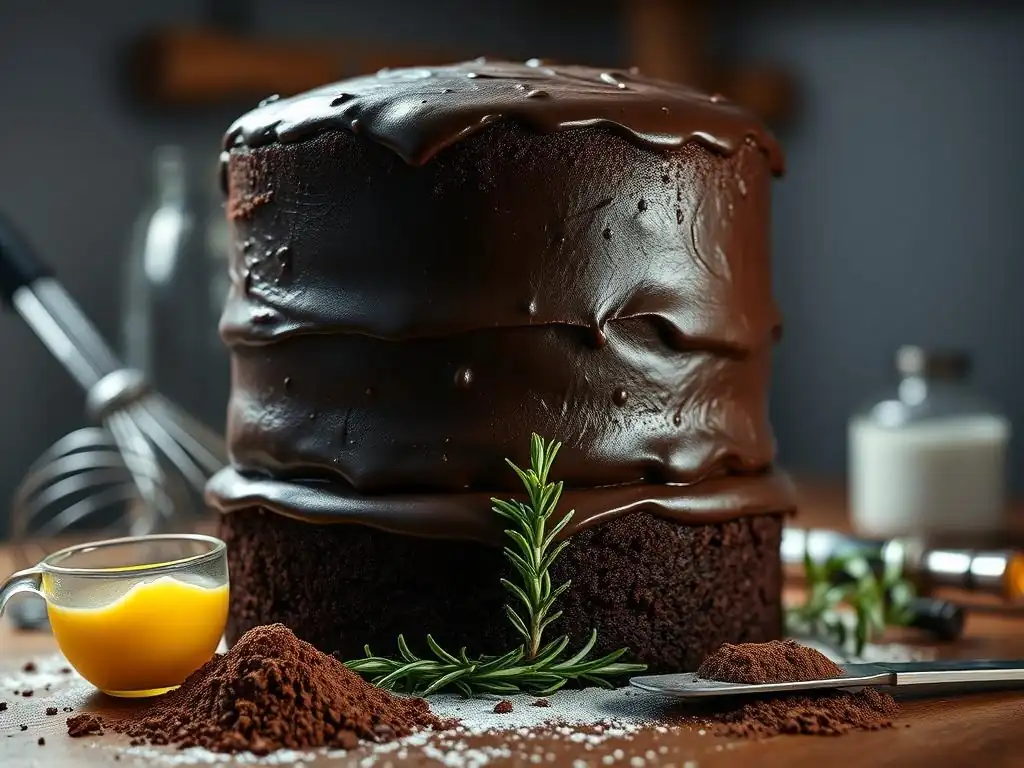
Welcome to BakeWithEase, your partner in creating delicious baked goods! Ever dream of a chocolate cake so decadent and moist it practically melts in your mouth? Stop dreaming and start baking! We're diving deep into moist chocolate cake recipe hacks that will transform your baking game. Curious about the secret ingredient that guarantees a perfect crumb? Read on to unlock the secrets to a truly unforgettable chocolate cake.
- Introduction: Achieving Chocolate Cake Perfection
- Understanding Moisture in Chocolate Cake
- Ingredient Hacks for an Extra Moist Chocolate Cake
- Baking Tips for a Moist Chocolate Cake
- Adapting Recipes with These Hacks
- Troubleshooting: Common Issues and Solutions
- Conclusion: Bake Your Best Cake Yet!
-
Frequently Asked Questions
- What are some ingredient hacks to ensure a moist chocolate cake?
- How does using oil instead of butter affect the moistness of a chocolate cake?
- Why is it important to avoid over-baking a chocolate cake when aiming for moistness?
- Can adding a specific type of chocolate contribute to a moister cake?
- What role does cocoa powder play in the moistness of a chocolate cake?
- Final Reflection: The Enduring Quest for the Perfect Moist Chocolate Cake
- Unlock Your Inner Cake Boss: Master Moist Chocolate Cakes!
Introduction: Achieving Chocolate Cake Perfection
Creating a truly moist chocolate cake can sometimes feel like chasing a baking unicorn. We've all experienced the disappointment of a cake that looks beautiful on the outside but turns out dry and crumbly when sliced. The difference between a good chocolate cake and an unforgettable one often comes down to moisture – that rich, tender crumb that melts in your mouth. This article dives deep into the science behind moist cakes and, more importantly, shares practical ingredient hacks and baking tips to ensure your chocolate creation is perfectly moist every single time.
Mastering the art of the moist chocolate cake is a rewarding journey for any baker. Whether you're a beginner attempting your first layer cake or an experienced hand looking to perfect your technique, understanding how ingredients interact is key. Forget those dense, dry disasters of the past. With a few simple tweaks and smart ingredient choices, you can elevate your baking and consistently achieve a moist, decadent chocolate cake that will impress everyone who takes a bite. Get ready to unlock the secrets to ultimate chocolate cake moisture!
Understanding Moisture in Chocolate Cake
Moisture in baking is not just about adding liquid; it's about how ingredients interact during mixing and baking to retain hydration. A dry cake often results from an imbalance in the recipe or incorrect baking techniques. Understanding the fundamental roles of key ingredients like fats, liquids, and sugars is the first step towards consistently achieving that coveted moist texture in your chocolate cakes.
The structure of a cake is built upon a delicate balance. Flour provides the structure, while fat, liquid, and sugar contribute tenderness, flavor, and, crucially, moisture. When these elements are in harmony, they prevent the cake from becoming tough or dry. Even seemingly small adjustments to the type or amount of these ingredients can have a significant impact on the final texture and moistness of your chocolate cake. Let's explore how each plays its part.
The Role of Fat
Fat is a crucial player in creating a moist and tender cake. It coats the flour particles, inhibiting gluten development. Less gluten development means a more tender crumb. Additionally, fat adds richness and helps to keep the cake soft over time. Different types of fat contribute differently to moisture and flavor, which we'll explore with specific ingredient hacks later.
Consider the difference between a cake made with only egg whites (very little fat) and one made with whole eggs and butter. The latter will undoubtedly be more tender and moist. In chocolate cakes, the fat also helps to carry the chocolate flavor throughout the cake, enhancing the overall sensory experience. A recipe with too little fat will often result in a dry, tough, or crumbly texture, lacking that pleasant, melt-in-your-mouth quality we desire in a moist chocolate cake.
The Importance of Liquid
Liquid is essential for activating the leavening agents (like baking soda and baking powder) and hydrating the dry ingredients, particularly the flour and cocoa powder. Without sufficient liquid, the batter will be too thick, leading to a dense and dry cake. However, too much liquid can result in a cake that is too wet, heavy, or even soggy.
The type of liquid also matters significantly. Water, milk, buttermilk, sour cream, yogurt, and even coffee or oil can provide moisture. Each liquid interacts differently with the other ingredients. For instance, acidic liquids like buttermilk react with baking soda, contributing to lift and tenderness, which in turn affects moisture retention. The hydration provided by the liquid is what allows the starches in the flour to gelatinize during baking, forming the cake's structure while keeping it pliable.
How Sugar Affects Texture
Sugar does more than just sweeten a cake; it also contributes significantly to its texture and moisture. Sugar is hygroscopic, meaning it attracts and retains moisture from the air and the batter. This property helps keep the cake soft and moist long after it's baked. Sugar also interferes with gluten development and raises the coagulation temperature of eggs, allowing the cake to rise higher before setting, resulting in a more tender crumb.
Different types of sugar have varying effects. Brown sugar, for instance, contains molasses, which adds extra moisture and a distinct flavor compared to granulated sugar. Using the right amount and type of sugar is vital for a moist chocolate cake. A cake with too little sugar will likely be dry and tough, while one with too much might be overly sweet and potentially collapse. Finding the correct sugar balance is a key component of effective moist chocolate cake recipe hacks.
Ingredient Hacks for an Extra Moist Chocolate Cake
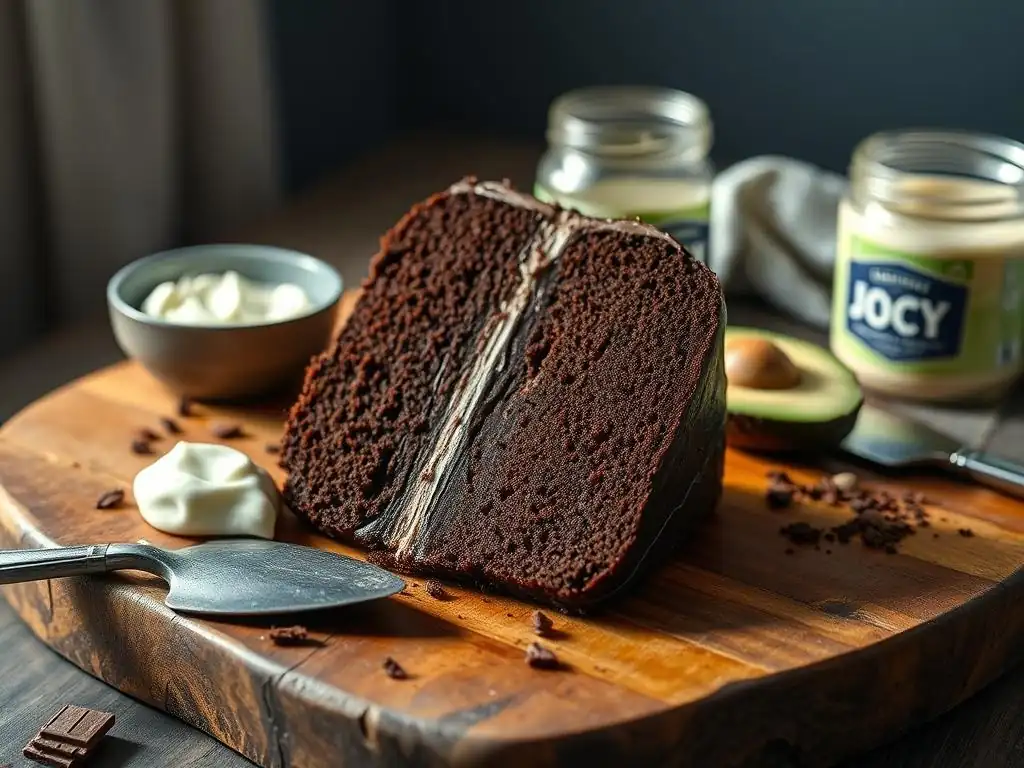
Now that we understand the science, let's explore some specific ingredient swaps and additions that can transform your chocolate cake from good to exceptionally moist. These hacks are simple yet incredibly effective ways to boost moisture and tenderness, ensuring a perfect bake every time.
These ingredient hacks leverage the properties of fats, liquids, and sugars in clever ways. They are popular among experienced bakers and are central to many successful moist chocolate cake recipe hacks. Incorporating just one or two of these can make a noticeable difference in the final outcome, helping you achieve that desired rich, fudgy, and incredibly moist texture.
Hack #1: The Power of Buttermilk
Buttermilk is a classic secret ingredient for moist cakes, particularly chocolate ones. Its acidity reacts with baking soda, creating carbon dioxide bubbles that contribute to a light and tender crumb. This tender structure is better at retaining moisture, leading to a noticeably moister cake.
Why Buttermilk Works
The lactic acid in buttermilk tenderizes the gluten in the flour, resulting in a softer texture. When combined with baking soda (a common leavening agent in many chocolate cake recipes), it produces a more vigorous leavening reaction than baking powder alone. This reaction creates a finer, more even crumb structure.
For example, substituting the milk in a standard chocolate cake recipe with buttermilk (using the same volume) often yields a cake that is not only lighter but also stays moist for longer. A typical substitution might involve replacing 1 cup (240ml) of milk with 1 cup (240ml) of buttermilk and reducing the baking powder slightly while ensuring baking soda is present.
Buttermilk Substitutes
If you don't have store-bought buttermilk on hand, you can easily make a substitute. Combine 1 tablespoon (15ml) of white vinegar or lemon juice with 1 cup (240ml) of milk (dairy or non-dairy). Let it sit for 5-10 minutes until it curdles slightly.
While this substitute provides the necessary acidity for the leavening reaction, it doesn't fully replicate the richness and thickness of real buttermilk, which also contribute to moisture. Another option is to use plain yogurt thinned with a little milk or water, though this will yield a slightly different texture than true buttermilk. These substitutes can be useful in a pinch when trying out moist chocolate cake recipe hacks.
Hack #2: Sour Cream for Ultimate Moistness
Sour cream is another fantastic ingredient for adding richness and moisture to chocolate cakes. Its high fat content and slight tang contribute to a luxurious texture and depth of flavor.
Incorporating Sour Cream
Sour cream can be incorporated into cake batter by creaming it with the butter and sugar, or by whisking it into the wet ingredients. Its thickness helps create a dense yet incredibly moist crumb. A common approach is to substitute some of the liquid or fat in a recipe with sour cream.
For instance, replacing up to half of the butter or oil, or substituting a portion of the milk, can dramatically improve moisture. Many successful moist chocolate cake recipes specifically call for sour cream, sometimes using as much as 1 cup (240g) in a standard 9x13 inch cake, contributing significantly to its fudgy texture.
Sour Cream vs. Yogurt
While plain yogurt can be used as a substitute for sour cream due to its similar acidity and tang, sour cream generally has a higher fat content (around 18-20% for standard sour cream vs. 3-10% for most yogurts, though Greek yogurt is higher). This higher fat content in sour cream contributes more significantly to moisture and richness. Greek yogurt, being thicker and higher in protein, can also work but might result in a slightly different crumb texture. When aiming for maximum moisture and richness, sour cream is often the preferred choice among these moist chocolate cake recipe hacks.
Hack #3: Coffee Enhances Flavor and Adds Moisture
Using coffee, especially hot coffee, in chocolate cake batter is a widely celebrated hack. It not only deepens and intensifies the chocolate flavor but also provides crucial moisture.
Using Brewed Coffee
Hot brewed coffee is particularly effective because it helps the cocoa powder "bloom," releasing its full flavor potential. The heat helps dissolve the cocoa solids, resulting in a richer chocolate taste. Replace some or all of the liquid called for in your recipe with brewed coffee. For a standard two-layer cake, using 1 to 1.5 cups (240-360ml) of hot coffee can make a significant difference. The coffee itself acts as a liquid, adding hydration, while its acidity can also slightly tenderize the cake. This is one of the most popular and effective moist chocolate cake recipe hacks.
Coffee Alternatives
If you prefer not to use coffee or want a caffeine-free option, strong decaffeinated coffee or even hot water can be used to bloom the cocoa powder. While hot water won't add the subtle depth of flavor that coffee does, the heat itself helps dissolve the cocoa, contributing to a richer chocolate experience and adding necessary liquid. You could also use hot chocolate or even stout beer in some recipes, which add both moisture and complex flavors that pair wonderfully with chocolate.
Hack #4: Oil vs. Butter: Choosing the Right Fat
While butter adds incomparable flavor, oil is often superior when it comes to moisture retention in cakes, especially chocolate ones. Many of the best moist chocolate cake recipe hacks involve using oil.
Why Oil Contributes to Moisture
Unlike butter, which is solid at room temperature and contains water (about 15-18%), oil is 100% fat and remains liquid at room temperature. This liquid state translates to a cake that feels moister and stays soft longer. Oil coats the flour particles more effectively than solid butter, further inhibiting gluten development and contributing to a tender crumb. A cake made with oil is often described as having a more "velvety" texture. For example, substituting half or even all of the butter in a recipe with an equal volume of oil can significantly increase the perceived moistness.
Best Types of Oil
For baking, neutral-flavored oils are generally preferred so they don't interfere with the chocolate flavor. Vegetable oil, canola oil, or grapeseed oil are excellent choices. Olive oil can be used, but its distinct flavor should be considered – it might work well in a rich, dark chocolate cake but could be overpowering in others. The key is to use a high-quality oil that complements the chocolate rather than competing with it. Using oil is a simple yet powerful addition to your arsenal of moist chocolate cake recipe hacks.
Hack #5: The Magic of Mayonnaise
This might sound unusual, but mayonnaise is a classic ingredient hack for incredibly moist chocolate cakes, particularly in older or Southern recipes. Mayonnaise is essentially an emulsion of oil, egg yolk, and vinegar (or lemon juice) – all ingredients that contribute to moisture and tenderness.
Mayonnaise as a Secret Ingredient
Adding mayonnaise is a simple way to incorporate extra fat (oil and egg yolk) and a touch of acidity (vinegar/lemon juice) into your cake batter without adding extra liquid volume that could make the cake heavy. The egg yolk adds richness and acts as an emulsifier, helping to create a smooth batter. The acidity from the vinegar reacts with baking soda, aiding leavening and tenderizing the crumb. Many vintage moist chocolate cake recipes call for 1/2 cup to 1 cup (120-240g) of mayonnaise in a standard cake mix or scratch recipe.
How Mayonnaise Works
Think of mayonnaise as a pre-emulsified blend of oil, egg, and acid. When added to cake batter, the oil significantly boosts moisture retention, similar to using oil directly. The egg yolk adds richness and structure, while the acid helps tenderize the cake and react with leavening. The flavor of mayonnaise is surprisingly undetectable in the final baked cake; its contribution is purely to texture and moisture. It's a fantastic hack for achieving a dense, rich, and exceptionally moist chocolate cake, proving that sometimes the most unexpected ingredients make the best moist chocolate cake recipe hacks.
Baking Tips for a Moist Chocolate Cake
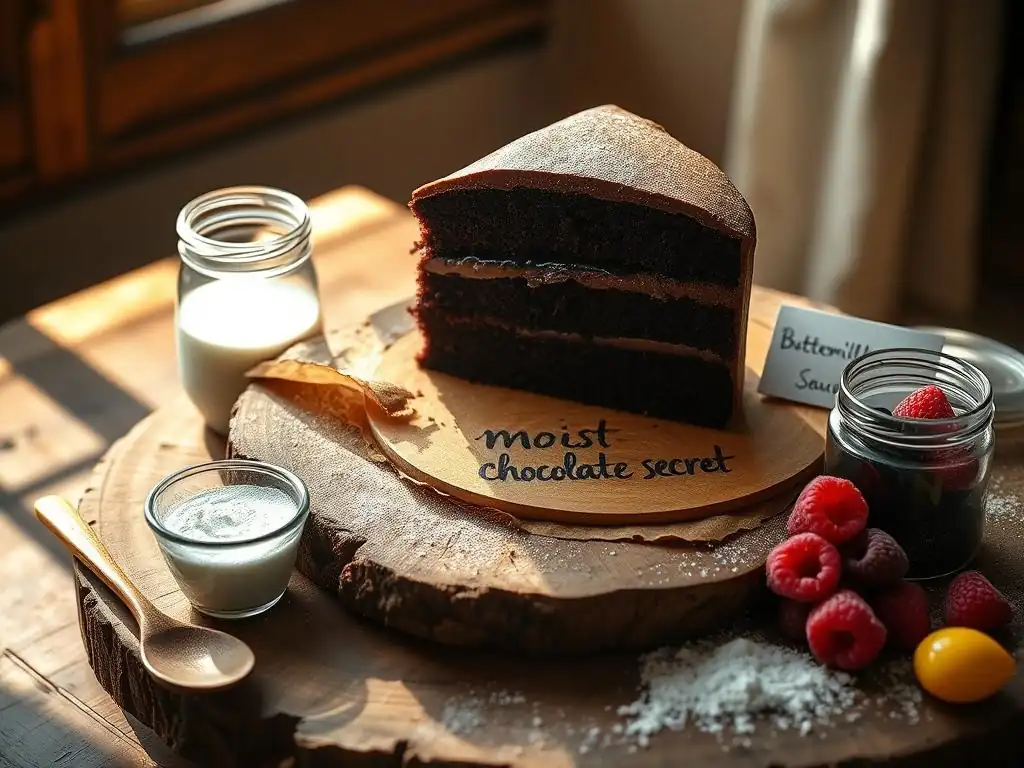
Beyond ingredient hacks, proper baking technique is paramount to achieving a moist chocolate cake. Even the best recipe can result in a dry cake if not baked correctly. Pay close attention to these crucial steps.
Getting the baking process right is just as important as the ingredients themselves. Temperature, timing, and cooling methods all play a role in moisture retention. These tips complement the ingredient hacks and provide a holistic approach to baking perfectly moist chocolate cakes.
Avoiding Over-Baking
Over-baking is perhaps the most common culprit behind dry cakes. As a cake bakes, moisture evaporates. The longer it's in the oven, especially once it's technically "done," the more moisture is lost. Baking at the correct temperature and for the specified time is critical, but ovens can vary, so relying solely on time isn't always accurate.
Keep a close eye on your cake as it nears the end of the suggested baking time. Look for visual cues: the edges should start to pull away slightly from the pan, and the top should look set and spring back gently when lightly touched. Baking just until the cake is done, and no longer, preserves maximum moisture. For instance, a standard 8-inch layer might bake for 30-35 minutes, but checking it at the 28-minute mark is wise. This vigilance is key to successful moist chocolate cake recipe hacks.
Using a Cake Tester
A cake tester, like a wooden skewer, toothpick, or a metal cake tester, is an indispensable tool for checking doneness without over-baking. Insert the tester into the center of the cake. It should come out with a few moist crumbs attached, but no wet batter.
If the tester comes out completely clean, the cake is likely already slightly over-baked. If it comes out with wet batter, it needs more time. The "moist crumbs" stage indicates the cake is done but still retains internal moisture. This method is far more reliable than relying solely on baking time, as oven temperatures can fluctuate by as much as 25-50°F (15-30°C). Using a cake tester helps you hit that sweet spot of perfect doneness, crucial for a moist chocolate cake.
Cooling Your Cake Properly
How you cool your cake also impacts moisture retention. Leaving a hot cake in a hot pan for too long can cause it to continue baking (carryover cooking) and dry out. Conversely, removing it too soon can cause it to collapse.
Allow the cake to cool in its pan on a wire rack for the amount of time specified in the recipe, usually 10-20 minutes. This allows the structure to set while preventing the bottom from getting soggy from trapped steam. After this initial cooling period, invert the cake onto the wire rack to cool completely.
Cooling on a wire rack allows air circulation around the entire cake, preventing steam buildup that can lead to a gummy texture, while also allowing the cake to cool down efficiently, minimizing moisture loss compared to leaving it in a hot pan. Proper cooling is a simple but vital step among moist chocolate cake recipe hacks.
Adapting Recipes with These Hacks
Ready to try these moist chocolate cake recipe hacks? You don't always need a brand new recipe. You can often adapt your favorite standard chocolate cake recipe by incorporating one or two of these ingredient swaps or additions. Start small to see how it affects the texture and flavor.
For example, if your current recipe uses milk, try substituting it with buttermilk or hot coffee using the same volume. If it uses only butter, try replacing half the butter with a neutral oil. If you're feeling adventurous, try adding a tablespoon or two of mayonnaise to the wet ingredients. Keep notes on your experiments – the original recipe, the hack you tried, and the results – to refine your technique and discover your perfect moist chocolate cake. Remember that when substituting liquids, the total volume of wet ingredients should generally remain consistent unless the recipe specifically guides otherwise.
Troubleshooting: Common Issues and Solutions
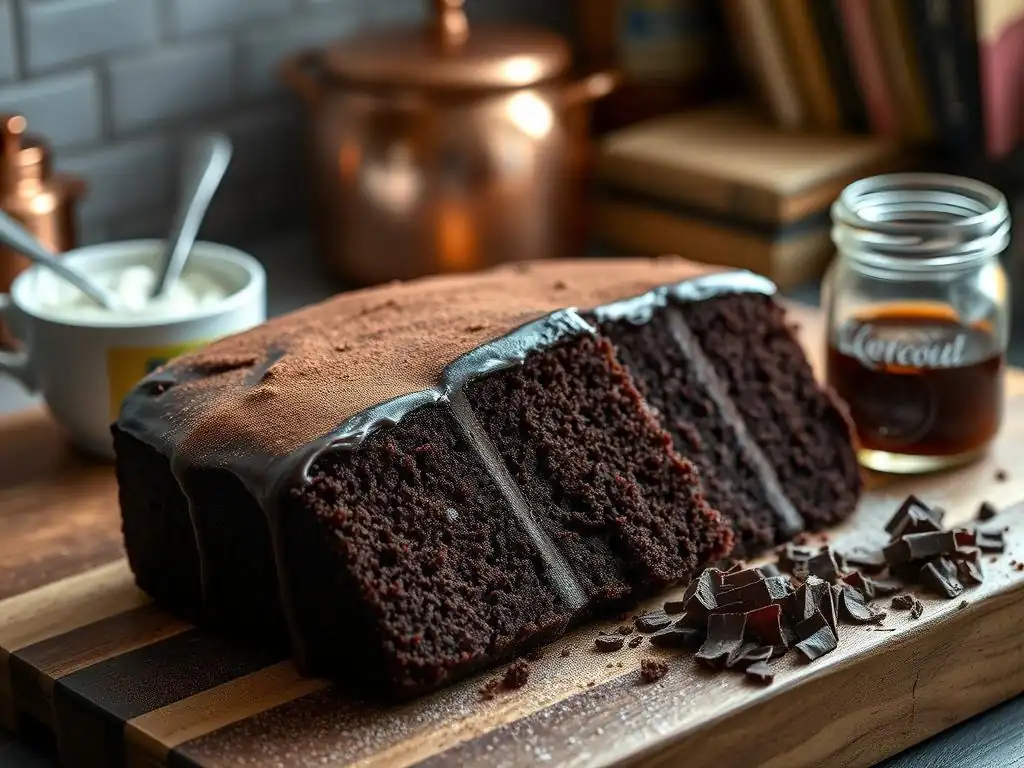
Even with the best intentions and hacks, sometimes a cake doesn't turn out as moist as desired. Don't despair! Identifying the cause is the first step to fixing it for your next bake.
Understanding why your cake turned out dry will help you adjust your approach for next time. Was it an ingredient issue, a baking issue, or perhaps a combination? By systematically reviewing the process, you can pinpoint the problem and apply the right solution, ensuring your future attempts result in a wonderfully moist chocolate cake.
Identifying the Cause of Dryness
Dryness in a chocolate cake can stem from several factors. The most common are:
- Over-baking: The cake was left in the oven too long.
- Too much flour: Using too much dry ingredient compared to wet ingredients.
- Not enough fat or liquid: An imbalance in the recipe's hydration components.
- Incorrect leavening: Too little leavening can result in a dense cake that seems dry.
- Improper measuring: Scooping flour instead of spooning and leveling can add significantly more flour than intended.
Consider the symptoms: Is the cake crumbly? Is it tough? Is it dense? A crumbly cake might indicate over-baking or too much flour. A tough cake might point to too much gluten development (possibly from overmixing or too little fat). A dense cake could be an issue with leavening or insufficient liquid. Review your process step-by-step to diagnose the issue accurately.
Adjusting Ingredients
Once you've identified the likely cause, you can make informed adjustments to your recipe using the moist chocolate cake recipe hacks discussed earlier. If you suspect too much flour, try reducing the amount slightly by 1/4 cup in the next bake, or ensure you are measuring correctly by weight if possible (e.g., 1 cup all-purpose flour is typically around 120-125 grams). If you believe the cake needs more moisture, try substituting some milk with buttermilk or coffee, or add a bit of oil or sour cream.
Remember to make only one or two significant changes at a time so you can isolate the effect of each adjustment. For instance, don't substitute buttermilk and add mayonnaise and switch to oil all at once in an unfamiliar recipe. Start by changing just the liquid, or just the fat type, and see the result. This iterative process helps you fine-tune your personal moist chocolate cake recipe hacks.
Conclusion: Bake Your Best Cake Yet!
Achieving a moist chocolate cake every time is absolutely within reach. By understanding the fundamental roles of fat, liquid, and sugar, and by strategically employing simple ingredient hacks like using buttermilk, sour cream, coffee, oil, or even mayonnaise, you can dramatically improve the texture and moisture of your bakes.
Combine these ingredient insights with essential baking tips like avoiding over-baking, using a cake tester, and proper cooling, and you have a powerful toolkit for consistent success. Don't be afraid to experiment and adapt recipes. With these moist chocolate cake recipe hacks and techniques, you're well on your way to baking your most delicious, tender, and moist chocolate cake yet. Happy baking!
Frequently Asked Questions
What are some ingredient hacks to ensure a moist chocolate cake?
The key to a moist chocolate cake lies in ingredients that add extra moisture. Consider using buttermilk, sour cream, or even coffee to enhance the cake's hydration.
How does using oil instead of butter affect the moistness of a chocolate cake?
Oil, unlike butter, remains liquid at room temperature, contributing to a significantly moister final product. It's a simple swap for a noticeable difference in cake texture.
Why is it important to avoid over-baking a chocolate cake when aiming for moistness?
Over-baking dries out the cake, leading to a crumbly texture. Use a toothpick to test for doneness – it should come out with a few moist crumbs attached, not completely clean.
Can adding a specific type of chocolate contribute to a moister cake?
Yes, using dark chocolate or chocolate with a higher fat content can help. The increased fat content contributes to a richer and moister cake.
What role does cocoa powder play in the moistness of a chocolate cake?
Using Dutch-processed cocoa powder results in a moister and richer cake. It's less acidic than natural cocoa, leading to a more tender and hydrated crumb.
Final Reflection: The Enduring Quest for the Perfect Moist Chocolate Cake
The pursuit of the perfectly moist chocolate cake transcends mere culinary skill; it's a testament to our desire for comfort, celebration, and the simple joy of a truly delicious dessert. This article explored various ingredient hacks, from the seemingly insignificant (like the temperature of your eggs) to the more impactful (like the strategic use of buttermilk), all aimed at achieving that elusive, melt-in-your-mouth texture. These aren't just tricks; they're keys to unlocking a deeper understanding of baking chemistry and its impact on the final product.
The quest for the perfect moist chocolate cake is a microcosm of our broader cultural obsession with comfort food. It's a dish that evokes powerful memories and emotions, connecting us to cherished moments and loved ones. The simple act of baking, and the subsequent sharing of the cake, fosters connection and community. A cake is a celebration; it's a moment of joy, a symbol of happiness.
This sentiment, though simple, encapsulates the profound emotional impact a perfectly baked chocolate cake can have. The techniques shared in this article aren't just about achieving a specific texture; they're about enhancing those shared experiences.
Now, I invite you to take what you've learned and embark on your own baking adventure. Don't be afraid to experiment, to tweak the recipes, and to discover your own personal hacks for achieving that perfect moistness. The journey is as important as the destination, and the satisfaction of creating a truly exceptional chocolate cake, from scratch, is a reward in itself. So, gather your ingredients, preheat your oven, and let the magic begin. The perfect moist chocolate cake awaits.
Unlock Your Inner Cake Boss: Master Moist Chocolate Cakes!
Thanks for joining us on this delicious journey into perfectly moist chocolate cakes! You've now got the secret ingredient hacks to transform your baking. Ready to take your skills to the next level?
- Bake your masterpiece: Use these tips to create the most decadent, moist chocolate cake you've ever tasted! Don't wait – your tastebuds deserve it.
- Share your success: Post a picture of your creation on social media and tag us @BakeWithEase – we'd love to see your baking magic!
- Experiment with flavor variations: Try adding different extracts or spices to your cake. What unique twist will you discover?
What unexpected ingredient will you try next to elevate your chocolate cake game?