
Is Your Cake Too Crumbly? Binding Issues Solved

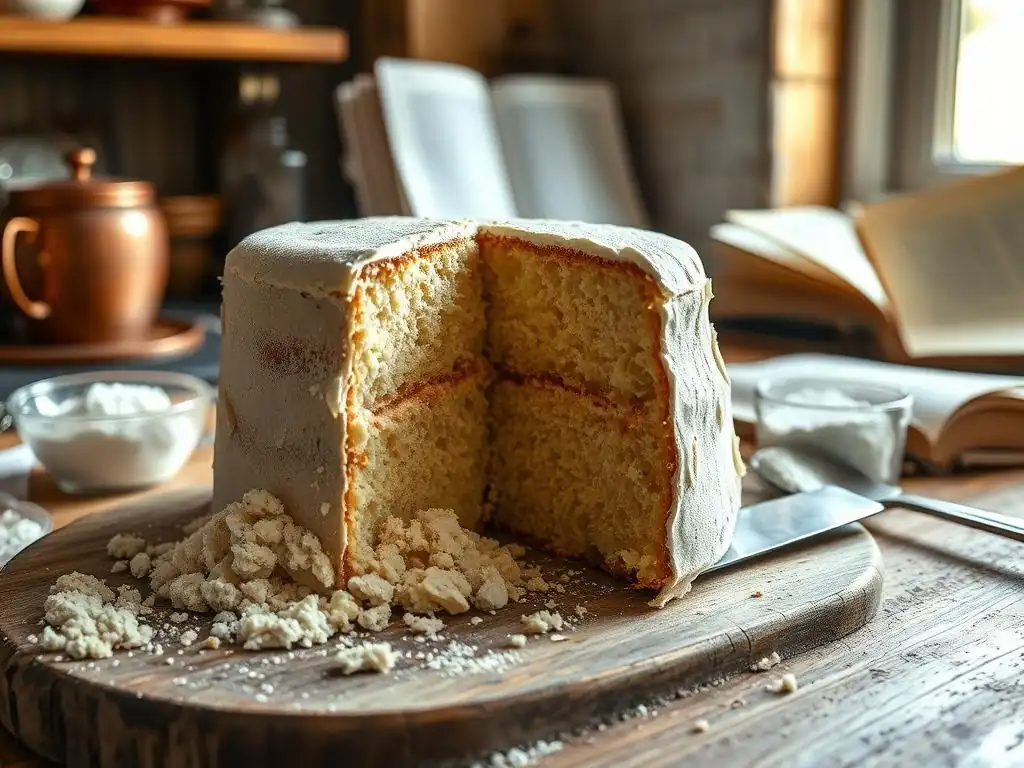
Welcome to BakeWithEase, where baking becomes a joy, not a chore! Ever wondered why your cake just crumbles at the slightest touch? You're not alone! This time, we're diving deep into the secrets of crumbly cake binding solutions. Discover the techniques and ingredients that can transform your dry, fragile creations into moist, structurally sound masterpieces. Intrigued? Let's unlock the mysteries of perfect cake texture, one delicious slice at a time...
- Is Your Cake Too Crumbly? Binding Issues Solved | BakeWithEase
-
Crumbly Cake Binding Solutions: A Comprehensive Guide
- Solution 1: Moisture Matters - Adjusting Liquid Ratios for Cake Binding
- Solution 2: The Gluten Factor - Strengthening Cake Structure
- Solution 3: Fat Content & Incorporation - Achieving a Tender Crumb
- Solution 4: Egg-cellent Binding - Utilizing Eggs Effectively
- Solution 5: Flour Power - Choosing the Right Flour for the Job
- Advanced Techniques for Fixing Crumbly Cake Issues
- Troubleshooting: Specific Crumbly Cake Scenarios
- Preventing Crumbly Cakes: Best Baking Practices
- Bake With Ease: Enjoy Perfectly Bound Cakes Every Time!
- Frequently Asked Questions
- Final Reflection: The Enduring Allure of a Perfect Cake
- Unleash Your Inner Baking Maestro!
Is Your Cake Too Crumbly? Binding Issues Solved | BakeWithEase
Why is My Cake So Crumbly? Common Causes
A crumbly cake is a baker's frustration, often falling apart when sliced or handled. This common issue typically stems from a lack of proper binding within the batter, which is the force that holds the cake structure together. Several factors can contribute to this problem, creating a dry, loose texture instead of a moist, tender crumb.
One of the most frequent culprits is an incorrect ratio of ingredients, particularly too much dry ingredient (like flour) compared to wet ingredients (liquids, eggs, fats). This imbalance prevents the wet elements from adequately hydrating the dry components, leaving pockets of unmoistened flour or sugar that don't bind effectively during baking.
Beyond ingredient ratios, other factors significantly impact cake binding. Over-mixing or under-mixing can disrupt the development of gluten, which provides structure. Too little mixing means gluten hasn't developed enough to create a stable network, while too much mixing can toughen the cake and paradoxically make it brittle and crumbly.
Incorrect baking temperature or duration also plays a role; baking at too high a temperature or for too long dries out the cake, weakening the bonds between ingredients. Even the temperature of your ingredients, especially eggs and butter, can affect emulsification and distribution, impacting the overall binding and texture. Understanding these underlying causes is the first step toward finding effective crumbly cake binding solutions.
The Importance of Binding in Cake Texture
Binding is the unsung hero of a perfectly textured cake. It's the process by which ingredients interact and adhere to each other, creating a stable internal structure that is both moist and tender. Think of binding agents like the glue that holds the cake together: they form a matrix that traps moisture and air, resulting in a soft, cohesive crumb that doesn't disintegrate.
Key players in this binding process include gluten (developed from flour), proteins in eggs, fats (like butter or oil), and liquids (milk, buttermilk, water). When these elements work in harmony, they create an emulsified batter that bakes into a cake with good volume, a smooth crumb, and the ability to hold its shape.
Without adequate binding, the cake structure is weak. Ingredients remain loosely connected, leading to that undesirable crumbly texture. For instance, insufficient liquid prevents starch granules in flour from swelling and gelling, which is crucial for structure. Lack of proper fat incorporation means dry pockets remain.
Eggs, which provide structure through protein coagulation and act as emulsifiers, are vital for binding fat and liquid. Understanding how each ingredient contributes to binding is essential for troubleshooting and applying the right crumbly cake binding solutions. Achieving the correct balance and proper technique ensures that your cake has the desired structure and mouthfeel, making every slice a pleasure.
Crumbly Cake Binding Solutions: A Comprehensive Guide
Solution 1: Moisture Matters - Adjusting Liquid Ratios for Cake Binding
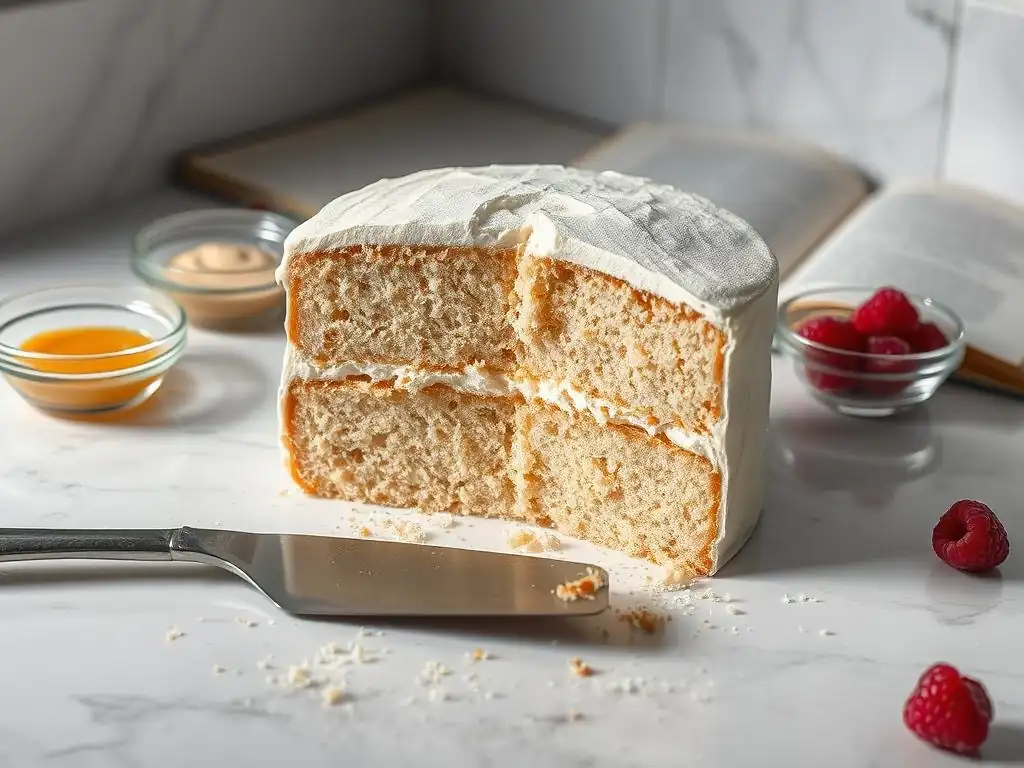
Moisture is fundamental to a cake's texture and binding. A primary reason for a crumbly cake is simply a lack of sufficient liquid to properly hydrate the dry ingredients and create a cohesive batter. When a recipe calls for flour, sugar, and leavening agents, these dry components need moisture to dissolve sugar, activate baking powder or soda, and allow starch granules to swell.
If the ratio of dry to wet ingredients is off, or if the batter loses too much moisture during baking, the resulting cake will be dry and fall apart easily. This is a classic scenario where evaluating and adjusting the liquid content becomes a crucial crumbly cake binding solution.
Correcting moisture issues involves looking closely at your recipe's ingredient balance and your baking environment. If your cake consistently turns out crumbly, even when following a recipe, consider if you might need a slight adjustment. For example, if you live in a dry climate, you might lose more moisture to evaporation during baking than someone in a humid environment.
Adding a tablespoon or two of extra milk or buttermilk to the batter can sometimes make a significant difference. Pay attention to visual cues: the batter should be smooth and pourable, not thick or pasty. Sometimes, even measuring liquids inaccurately (like using a dry measuring cup for liquids) can throw off this delicate balance, leading to a crumbly outcome.
Correcting Dry Ingredients vs. Wet Ingredients Imbalance
The ratio between dry and wet ingredients is perhaps the most critical factor in preventing a crumbly cake. A typical cake recipe aims for a balance where there's enough liquid to hydrate the flour and sugar, allowing gluten development (in non-gluten-free cakes) and creating an emulsion with fats and eggs.
If you accidentally add too much flour or not enough liquid, the dry ingredients won't be fully incorporated into a cohesive matrix. For instance, a recipe might call for 2 cups of flour and 1 cup of liquid; if you mistakenly add 2.5 cups of flour, the existing liquid won't be sufficient to bind everything together properly, leading to a dry, crumbly texture.
To correct this imbalance, especially if you suspect over-measurement of dry ingredients, you can carefully add a small amount of extra liquid (milk, buttermilk, or even water) to the batter until it reaches a smooth, pourable consistency. Start with just a tablespoon and mix gently until just combined, adding more only if needed, one tablespoon at a time.
Conversely, if your batter seems too wet according to the recipe's description, it might indicate an over-measurement of liquid or under-measurement of dry ingredients. While it's harder to fix an overly wet batter without affecting the leavening balance, ensuring accurate measurement from the start using proper kitchen scales for dry ingredients and liquid measuring cups for wet is the best preventative measure against this type of crumbly cake binding issue.
Using the Right Type of Liquid for Optimal Cake Moisture
The type of liquid used in a cake recipe also significantly impacts binding and texture. Different liquids contribute moisture and other properties. Milk, for example, contains fat and protein which enrich the cake and contribute to a tender crumb. Buttermilk, with its acidity, reacts with baking soda to provide lift and also helps break down gluten strands, resulting in a softer texture that is less likely to be crumbly. Water primarily adds moisture but doesn't offer the same richness or tenderizing effects as dairy.
Using the liquid specified in the recipe is crucial because it's balanced with the other ingredients for optimal results. Substituting one liquid for another without accounting for differences can lead to problems. For instance, swapping milk for water might reduce fat content and richness, potentially leading to a drier, more crumbly cake.
Similarly, using regular milk instead of buttermilk in a recipe designed for buttermilk might result in less leavening and a tougher texture. When troubleshooting a crumbly cake, ensure you are using the exact type and amount of liquid called for, as this is a fundamental aspect of proper cake binding solutions.
Solution 2: The Gluten Factor - Strengthening Cake Structure
Gluten, formed when proteins in flour (gliadin and glutenin) combine with liquid and are agitated, provides the structural framework for most cakes. It creates an elastic network that traps air bubbles produced by leavening agents, allowing the cake to rise and hold its shape. Proper gluten development is key to preventing a crumbly cake; too little or too much can lead to issues. Finding the "sweet spot" for mixing is essential for effective crumbly cake binding solutions.
The amount of gluten developed depends on the type of flour and the mixing time. Cake flour, with its lower protein content (around 7-8%), develops less gluten than all-purpose flour (around 10-12%), resulting in a softer, more tender crumb. Over-mixing flour into a batter can develop too much gluten, making the cake tough and dense, which paradoxically can also lead to a dry, crumbly texture because the tough structure doesn't hold moisture well. Conversely, under-mixing means the gluten hasn't developed enough to provide sufficient structure, causing the cake to collapse or fall apart easily.
Over-mixing vs. Under-mixing: Finding the Gluten Sweet Spot
The mixing process is where gluten development is controlled. When wet ingredients are added to flour, mixing begins to form gluten. The goal in most cake recipes is to develop just enough gluten to create a stable structure without making it tough. The creaming method, where butter and sugar are beaten before adding eggs and then dry and wet ingredients alternately, minimizes gluten development by coating the flour particles with fat, inhibiting gluten formation. The reverse creaming method (mixing dry ingredients first, then adding fat, then liquids) inhibits gluten even further, resulting in an exceptionally tender crumb.
Over-mixing typically occurs after the flour has been added. Mixing vigorously for too long develops excessive gluten strands, leading to a tough texture. You'll notice the batter becoming stretchy or elastic. Stop mixing as soon as the last streaks of flour disappear. Under-mixing, on the other hand, leaves pockets of unmixed flour and insufficient gluten structure, causing the cake to be weak and crumbly. The batter should be uniform with no dry spots. Finding this balance – mixing just until combined – is a vital step in preventing crumbly cakes and ensuring proper binding.
Gluten-Free Baking: Binding Alternatives for Crumbly Cakes
For those baking gluten-free, the challenge of binding is particularly relevant since the primary structural component (gluten) is absent. Gluten-free flours often consist of a blend of different starches and grains, which don't naturally form the same cohesive network as wheat flour. This is why gluten-free cakes can sometimes be notoriously crumbly if alternative binding agents aren't used effectively. Addressing this requires incorporating ingredients that mimic the binding properties of gluten and provide structure and moisture retention.
Common crumbly cake binding solutions in gluten-free baking include ingredients like xanthan gum or psyllium husk, which create a gel-like substance when combined with liquid, helping to hold the ingredients together. Eggs are also crucial binders in gluten-free recipes due to their protein content. Other ingredients like applesauce, mashed banana, yogurt, or commercial egg replacers can add moisture and help bind the batter.
Often, a combination of these binders is used in gluten-free flour blends or recipes to achieve a texture comparable to traditional wheat cakes. Experimentation with these alternatives is key to finding the right balance and preventing a crumbly gluten-free cake.
Solution 3: Fat Content & Incorporation - Achieving a Tender Crumb
Fat is a crucial component in cake baking, contributing significantly to moisture, flavor, and texture. It coats flour particles, inhibiting gluten development (as mentioned earlier), which results in a more tender crumb. Fat also helps to keep the cake moist over time by preventing water loss during baking and cooling. Insufficient fat, or improper incorporation of fat into the batter, can lead to a dry, dense, and ultimately crumbly cake. Addressing fat content and how it's integrated is a key crumbly cake binding solution.
The type of fat matters too. Butter provides flavor and structure through the creaming process (incorporating air), while oil contributes moisture but doesn't add air in the same way. Shortening offers stability and tenderness. A recipe is usually balanced for a specific type and amount of fat. If you reduce the fat significantly or substitute it without understanding the impact, you risk ending up with a crumbly result. Ensuring the correct amount and type of fat is used, and that it's properly incorporated into the batter, is vital for achieving a tender, well-bound crumb.
The Role of Fat in Cake Moisture and Binding
Fat plays a dual role in preventing crumbly cakes: it tenderizes by shortening gluten strands and it adds moisture, contributing to a rich mouthfeel. During baking, fat melts and is absorbed into the cake's structure, keeping it moist. This moisture retention is crucial because a dry cake is almost always a crumbly cake. Consider a classic pound cake, which has a high ratio of butter and eggs; this high fat content contributes to its dense yet moist and tender crumb, making it far less prone to crumbliness compared to a low-fat sponge cake.
Furthermore, fat is essential for creating a stable emulsion within the batter. When fat, liquid, and eggs are properly combined, they form a smooth mixture where tiny droplets of fat are dispersed throughout. This emulsion is stable during baking, ensuring that moisture and fat are evenly distributed, leading to a uniform, tender crumb. If the fat isn't properly emulsified, it can separate during baking, resulting in greasy spots and dry areas, contributing to a crumbly texture.
Proper Creaming Techniques for Better Fat Distribution
The creaming method, typically involving beating butter and sugar together until light and fluffy, is a fundamental technique that impacts both texture and binding. This process incorporates air into the batter, which helps the cake rise and contributes to a tender crumb. Equally important, creaming properly disperses the fat (butter) throughout the sugar crystals. As the sugar crystals cut into the butter, they create small air pockets. When eggs are added, they help emulsify the mixture, ensuring the fat is evenly distributed.
If butter isn't creamed sufficiently, or if it's too cold or too warm, the sugar won't create enough air pockets, and the fat won't be properly dispersed. Cold butter won't cream effectively, while overly soft or melted butter won't hold air. Butter should typically be at a temperature around 65-68°F (18-20°C) – soft enough to indent easily but still hold its shape. Proper creaming until the mixture is pale yellow and fluffy ensures that the fat is ready to do its job of tenderizing and moisturizing, contributing significantly to solving crumbly cake binding issues.
Solution 4: Egg-cellent Binding - Utilizing Eggs Effectively
Eggs are powerhouse ingredients in cake baking, serving multiple critical functions: they provide structure, contribute moisture, add richness, and act as emulsifiers and binders. The proteins in eggs coagulate when heated, forming a network that helps set the cake's structure. Egg yolks, rich in fat and lecithin, are natural emulsifiers, helping to blend ingredients that wouldn't normally mix, like fat and water. This emulsification is key to creating a smooth, stable batter that bakes into a well-bound cake. Without enough eggs, or if they aren't incorporated correctly, the cake structure can be weak and prone to crumbling.
The size and temperature of eggs also matter. Most recipes assume large eggs (approximately 50-57 grams or 2 ounces each). Using smaller eggs means less liquid and protein, impacting the overall balance and binding.
Similarly, using cold eggs straight from the refrigerator can cause the fat in the batter (like creamed butter) to seize up, breaking the emulsion. This leads to uneven distribution of ingredients and can result in a cake with a less uniform texture and potential crumbly areas. Ensuring eggs are at room temperature allows them to emulsify more effectively with other ingredients, contributing to a smoother batter and better binding.
Eggs as Emulsifiers and Binders in Cakes
As binders, egg proteins link together during baking, forming a stable matrix. This protein network provides structure and helps hold the cake together, preventing it from becoming a pile of crumbs. Think of it like a net woven throughout the cake. As emulsifiers, the lecithin in egg yolks helps suspend fat droplets evenly throughout the liquid components of the batter. This creates a stable mixture where fat and water coexist harmoniously, rather than separating.
A well-emulsified batter results in a cake where moisture and fat are uniformly distributed, leading to a consistently tender and moist crumb. If the emulsion breaks – often indicated by a curdled appearance after adding eggs to creamed butter and sugar – the fat and liquid separate. This uneven distribution means some parts of the cake might be too dry (leading to crumbliness) while others are greasy. Properly incorporating eggs, one at a time and mixing well after each addition, helps maintain this crucial emulsion and improves overall cake binding.
Understanding Egg Temperatures and Their Impact on Cake Texture
The temperature of your eggs significantly impacts their ability to emulsify and integrate into the batter, which in turn affects binding and texture. Cold eggs added to creamed butter and sugar can chill the fat, causing it to firm up and the mixture to look curdled. While a slightly curdled mixture doesn't always spell disaster, it indicates the emulsion has been compromised, potentially leading to less uniform fat and moisture distribution in the final cake.
Room temperature eggs (around 68-70°F or 20-21°C) are recommended for most cake recipes using the creaming method. At this temperature, the egg proteins are more relaxed, and the fat in the yolk is more liquid, allowing them to blend smoothly with the creamed butter and sugar. This creates a stable emulsion that holds together better during mixing and baking, contributing to a finer, more tender crumb and preventing crumbly cake binding issues. To quickly bring eggs to room temperature, place them in a bowl of warm (not hot) water for 5-10 minutes.
Solution 5: Flour Power - Choosing the Right Flour for the Job
Flour is the primary structural ingredient in most cakes, providing the bulk and the proteins needed to form gluten (unless baking gluten-free). However, not all flours are created equal, and using the wrong type can significantly impact the cake's texture and contribute to crumbliness. Different flours have varying protein contents, which directly affects how much gluten can be developed. Choosing the flour specified in the recipe is crucial for achieving the intended texture and preventing crumbly cakes.
For many tender cakes, like sponge cakes or layer cakes, cake flour is preferred. It has a lower protein content (around 7-8%) and is finely milled, resulting in less gluten development and a softer, more delicate crumb. All-purpose flour, with its higher protein content (around 10-12%), develops more gluten and creates a stronger, chewier structure, which is great for bread but can lead to a tougher, potentially crumbly cake if not handled correctly. Using all-purpose flour in a recipe designed for cake flour can result in a denser, less tender cake that might be more prone to falling apart.
Cake Flour vs. All-Purpose Flour: Impact on Cake Crumb
The difference in protein content between cake flour and all-purpose flour is the main reason they produce different results. Cake flour's low protein means minimal gluten development, resulting in a tender, fine-crumbed cake that melts in your mouth. All-purpose flour's higher protein means more gluten is formed when mixed with liquid, leading to a sturdier, chewier texture.
If a recipe specifically calls for cake flour, using all-purpose flour directly as a substitute will likely result in a tougher cake. While you can approximate cake flour by removing 2 tablespoons of all-purpose flour per cup and replacing them with 2 tablespoons of cornstarch, the texture still won't be identical to using true cake flour. This substitution can be a reasonable workaround, but using the correct flour type as specified in the recipe is one of the most straightforward crumbly cake binding solutions.
Measuring Flour Accurately for Consistent Results
Beyond choosing the right type of flour, accurate measurement is paramount in preventing crumbly cakes. Too much flour is one of the most common reasons cakes turn out dry and crumbly because it throws off the delicate balance between wet and dry ingredients. Flour can easily become compacted in its bag or canister, and scooping it directly with a measuring cup can result in significantly more flour than intended – sometimes up to 25% more!
The most accurate way to measure flour is by weight using a kitchen scale. A cup of all-purpose flour typically weighs around 120-130 grams (approximately 4.25-4.5 ounces), depending on the brand and humidity. If you must measure by volume, use the "spoon and level" method: gently spoon the flour into your dry measuring cup until it overflows, then level off the excess with a straight edge (like a knife).
Do not scoop the cup directly into the flour bin or tap the cup, as this compacts the flour. Precise measurement ensures you're adding the correct amount of dry ingredients relative to your wet ingredients, which is fundamental for good binding and preventing crumbly cake binding issues.
Advanced Techniques for Fixing Crumbly Cake Issues
Adding Binding Agents: Using Sour Cream, Yogurt, or Applesauce
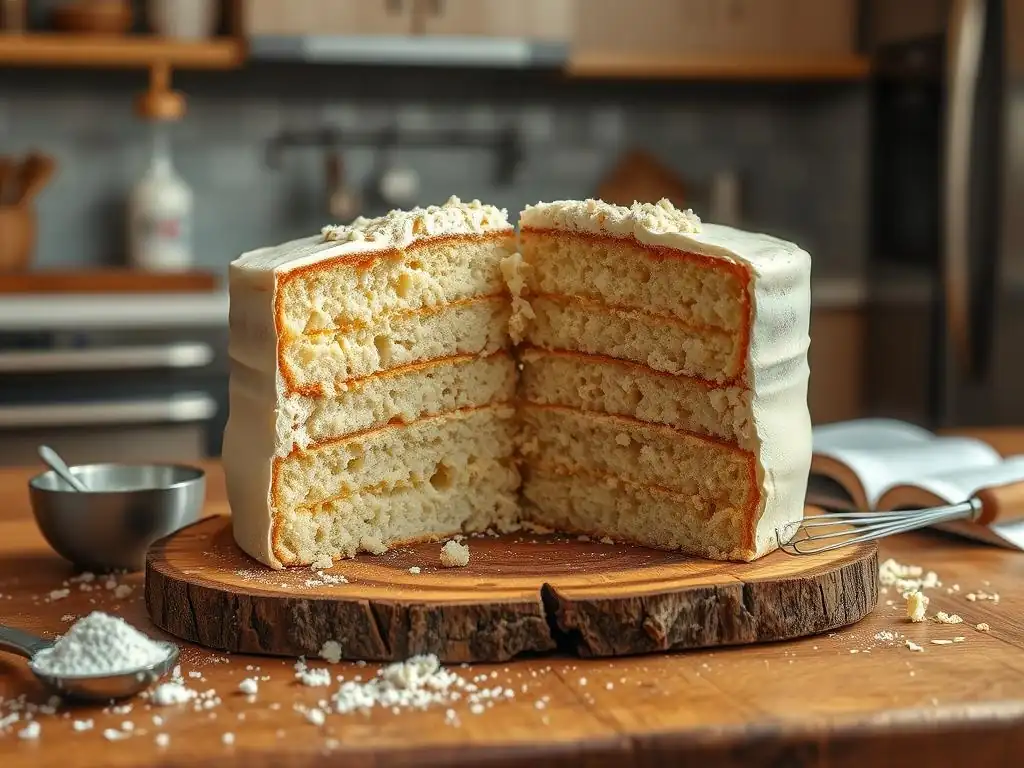
Sometimes, even with careful attention to basic ingredients, a cake recipe might benefit from additional binding support, especially if it's inherently prone to dryness or crumbliness (like some types of spice cakes or cakes with a high proportion of add-ins). Incorporating moist, binding agents like sour cream, yogurt, or applesauce can significantly improve the cake's structure and tenderness. These ingredients add moisture and contain proteins and starches that help create a more cohesive crumb.
Sour cream and yogurt, particularly full-fat varieties, add richness, moisture, and a slight tang that can enhance flavor. Their thickness helps bind the batter, and the fat content contributes to tenderness. You can often substitute a portion of the liquid or fat in a recipe with an equal amount of sour cream or yogurt. For instance, replacing half a cup of milk with half a cup of sour cream can dramatically improve moisture and binding.
Applesauce, while lower in fat, adds significant moisture and uses pectin as a binder. It's often used as a fat substitute, but it also works as a binder; substituting a quarter or half cup of oil or butter with applesauce can add binding moisture, though it may slightly alter the texture and flavor. These additions are effective crumbly cake binding solutions for enhancing moisture and structural integrity.
Adjusting Baking Temperature and Time to Prevent Crumbly Cakes
Incorrect baking temperature and time are common culprits behind dry, crumbly cakes. If the oven temperature is too high, the cake's crust can set too quickly, preventing even rising and causing the inside to bake too fast and dry out before the center is fully cooked and set. Conversely, baking for too long, even at the correct temperature, will inevitably lead to moisture loss and a dry, crumbly texture. The goal is to bake the cake just until it's done – no more, no less – allowing the structure to set while retaining maximum moisture.
Ensure your oven thermostat is accurate by using an oven thermometer; many home ovens can be off by 25°F or more. Baking at the correct temperature (often 325°F to 350°F for most cakes) promotes even baking. Start checking for doneness at the minimum time specified in the recipe. A cake is typically done when a toothpick inserted into the center comes out clean or with a few moist crumbs attached (not wet batter).
The cake should also start to pull away slightly from the sides of the pan and spring back when gently pressed. If your cake is consistently crumbly, try reducing the baking time slightly or lowering the oven temperature by 10-15°F and baking for a few extra minutes, checking frequently for doneness. This careful adjustment of temperature and time is a practical crumbly cake binding solution.
Troubleshooting: Specific Crumbly Cake Scenarios
Crumbly Chocolate Cake: Binding Solutions
Chocolate cakes can sometimes be more prone to crumbliness than vanilla cakes, largely due to the addition of cocoa powder. Cocoa powder is a dry ingredient that absorbs moisture. Depending on the type of cocoa (natural vs. Dutch-processed), it can also affect the batter's acidity and interaction with leavening. If the amount of cocoa powder isn't balanced with sufficient liquids and fats, the cake can turn out dry and crumbly.
Effective crumbly cake binding solutions for chocolate cakes often involve ensuring adequate moisture. Many chocolate cake recipes use hot liquid (like hot water or coffee) added to the cocoa powder to "bloom" it, which intensifies the chocolate flavor and also helps hydrate the cocoa solids before they hit the rest of the dry ingredients. Using oil instead of butter can also contribute more moisture. Additionally, incorporating moist ingredients like sour cream, buttermilk, or even brewed coffee can help counteract the drying effect of cocoa powder, resulting in a richer, more tender, and less crumbly chocolate cake.
Crumbly Vanilla Cake: Binding Solutions
Vanilla cakes, often based on classic butter cake recipes, rely heavily on the creaming method for structure and texture. If a vanilla cake is crumbly, the issue often traces back to the fundamental techniques: improper creaming of butter and sugar, incorrect measurement of flour or liquid, or over-mixing after the flour is added. Because vanilla cakes have fewer strong binders or moisteners like cocoa powder or large amounts of fruit, their structure is particularly sensitive to the precise balance of basic ingredients.
Troubleshooting a crumbly vanilla cake typically involves revisiting the fundamentals. Are you using the correct type and amount of flour, measured accurately? Is your butter at the right temperature for creaming, and are you creaming it sufficiently with the sugar? Are your eggs at room temperature and added gradually to maintain emulsion?
Are you mixing the dry ingredients into the wet just until combined? Ensuring these steps are followed meticulously is often the most effective crumbly cake binding solution for vanilla cakes. Adding a tablespoon or two of milk or sour cream can also sometimes help if the recipe is slightly dry.
Crumbly Pound Cake: Binding Solutions
Pound cake is known for its dense, rich, and moist crumb, traditionally made from equal weights of butter, sugar, eggs, and flour. While less prone to crumbliness than lighter cakes due to its high fat and egg content, issues can still arise. A crumbly pound cake often indicates problems with emulsification or over-baking. Because pound cake batter is quite thick, ensuring the butter, sugar, and eggs are perfectly creamed and emulsified is paramount. If the emulsion breaks, the fat and moisture won't be evenly distributed, leading to dry, crumbly spots.
For crumbly pound cake binding solutions, focus on the creaming and egg incorporation steps. Ensure butter and eggs are at room temperature. Cream the butter and sugar until very light and fluffy, incorporating plenty of air. Add eggs one at a time, mixing well after each addition, scraping down the bowl to ensure a smooth, emulsified batter before adding the flour.
Also, be mindful of baking time and temperature. Pound cakes bake for a long time at a moderate temperature; over-baking will dry out even this rich cake, leading to crumbliness. Using a thermometer to check the internal temperature (around 200-210°F or 93-99°C) is a reliable way to ensure it's perfectly baked without drying out.
Preventing Crumbly Cakes: Best Baking Practices
Recipe Adherence: The Key to Consistent Cake Results
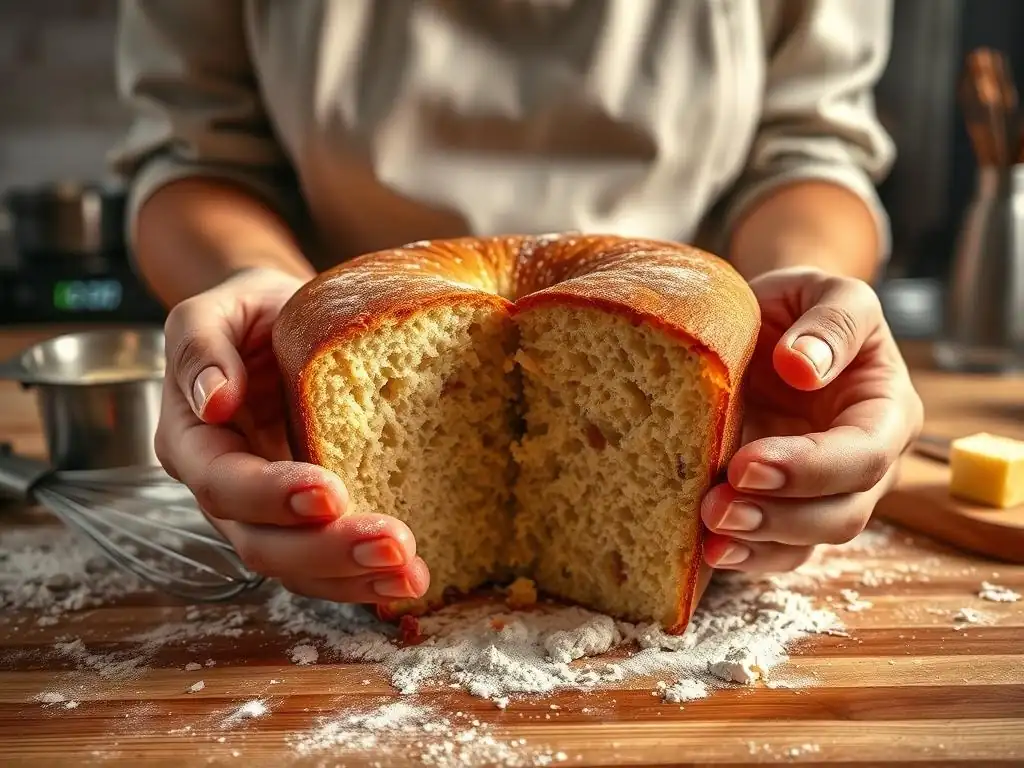
The single most important step in preventing a crumbly cake is faithfully following the recipe. Recipes are carefully developed with specific ratios of ingredients to ensure proper chemical reactions, structure, and texture. Substituting ingredients, altering quantities, or skipping steps can easily throw off the delicate balance required for a well-bound, tender cake. For example, a recipe calls for 1 teaspoon of baking powder because it's balanced with the amount of flour and liquid; changing this can affect the lift and structure, potentially leading to a dense or crumbly result.
Pay close attention to ingredient specifications (e.g., "unsalted butter, softened," "large eggs, room temperature," "cake flour"). Measure ingredients accurately, ideally by weight for dry ingredients like flour and sugar. Follow the instructions for mixing technique and timing – whether it's creaming butter and sugar for a specific number of minutes or mixing in dry ingredients "just until combined." By treating the recipe as your guide and executing each step precisely, you dramatically increase your chances of achieving consistent, non-crumbly results and mastering crumbly cake binding solutions.
Proper Cooling Techniques to Maintain Cake Moisture
How you cool your cake after baking also plays a role in preventing it from becoming crumbly. While the cake bakes, moisture is distributed and the structure sets. Rapid or improper cooling can lead to issues. Leaving a cake in a hot pan for too long after removing it from the oven can cause the residual heat to continue baking the edges, drying them out. Conversely, removing a hot cake from the pan too soon can cause it to collapse or break because the structure hasn't fully set, potentially leading to a crumbly mess.
Most cakes benefit from cooling in the pan on a wire rack for 10-15 minutes immediately after coming out of the oven. This allows the cake to set slightly while still in the support of the pan. The wire rack allows air circulation, preventing the bottom from becoming soggy. After this initial cooling period, invert the cake onto the wire rack to cool completely.
Cooling on a wire rack ensures air circulates around the entire cake, preventing steam from condensing and making the cake gummy, while also allowing residual heat to dissipate evenly. Allowing the cake to cool completely before slicing is also important; slicing a warm cake can cause it to crumble because the structure is still fragile. Proper cooling is a simple yet effective crumbly cake binding solution.
Bake With Ease: Enjoy Perfectly Bound Cakes Every Time!
Frequently Asked Questions
How can I prevent my cake from being too crumbly?
A crumbly cake often lacks sufficient moisture or binding agents. Try adding more eggs, oil, or a liquid like milk or yogurt to improve the texture.
What are the most common reasons for a cake falling apart?
Over-baking and incorrect ingredient ratios are frequent culprits. Ensure you're using the correct oven temperature and measuring ingredients accurately. Too much flour is a common error.
How does gluten affect the binding of a cake?
Gluten provides structure and elasticity. If you're using gluten-free flour, you'll need to add a binding agent like xanthan gum to compensate for the lack of gluten.
What role do eggs play in binding a cake batter together?
Eggs act as a natural emulsifier and binder, helping to combine wet and dry ingredients. They also add moisture and richness, contributing to a more cohesive crumb.
Can I fix a cake that is already too crumbly?
While you can't fully "fix" a crumbly cake, you can repurpose it! Crumble it up and use it in trifles, cake pops, or as a topping for ice cream, effectively masking the texture issue.
Final Reflection: The Enduring Allure of a Perfect Cake
The quest for the perfect cake, free from the dreaded crumbly texture, is far more than just a baking challenge; it's a reflection of our desire for precision, control, and ultimately, the satisfaction of a flawlessly executed creation. The seemingly simple act of baking a cake reveals a deeper truth about our relationship with food, artistry, and the pursuit of excellence. This article has explored various binding techniques, from the subtle nuances of ingredient ratios to the importance of proper mixing methods, all in the service of achieving that ideal, moist, and structurally sound cake.
The impact of a perfectly bound cake extends beyond the immediate pleasure of taste. It speaks to a larger cultural appreciation for craftsmanship and the enduring human desire to create something beautiful and delicious. Baking is at once child's play and adult joy. And love, of course.
This quote perfectly captures the emotional connection we have with the process, and the resulting triumph of a perfectly risen, non-crumbly cake is a testament to that love and dedication. The frustration of a failed bake, however, highlights the importance of understanding the underlying principles, a lesson this article aimed to impart.
Now, consider your own baking journey. What have you learned about precision, patience, and the delicate balance of ingredients? Don't be discouraged by a crumbly cake; instead, see it as an opportunity to learn and refine your technique. Embrace the process, experiment with different binding methods, and remember that the journey towards baking perfection is as rewarding as the final product itself. The next time you face a challenge in the kitchen, approach it with the same dedication and attention to detail, and you'll find that the results are far sweeter than you ever imagined.
Unleash Your Inner Baking Maestro!
Thanks for diving into the world of perfectly textured cakes! We hope you now feel confident in tackling crumbly cake issues. Ready to put your new knowledge to the test?
- Bake your dream cake: Try out one of the recipes mentioned in the article, focusing on the techniques we discussed for achieving that perfect crumb. Let us know how it turns out!
- Share your baking triumphs (or challenges!) with our community on social media using #BakeWithEaseCrumbCrushers. Let's learn together!
- Explore more of our cake-baking tips and tricks on BakeWithEase.com – we have a treasure trove of secrets waiting to be unveiled.
What unique ingredient or technique will you try to elevate your baking game next?