
Bake Chewy Brownies That Don't Go Hard at High Altitude

Welcome to BakeWithEase! Ever struggled to bake the perfect chewy brownie at high altitude? You're not alone! Discover the secrets to creating irresistibly gooey, melt-in-your-mouth high altitude chewy brownies that defy the dry, crumbly fate that often plagues high-altitude baking. Intrigued? Let's unlock the science and techniques that will transform your brownie game forever!
- Bake Chewy Brownies That Don't Go Hard at High Altitude: BakeWithEase Guide
- Understanding High Altitude Baking Challenges for Brownies
- Achieving Chewy Brownies at High Altitude: Key Adjustments
- High Altitude Brownie Recipe: BakeWithEase's Chewy Brownie Formula
- Tips and Tricks for Baking Chewy Brownies at High Altitude
- Troubleshooting High Altitude Brownie Problems
- High Altitude Brownie Variations: Chewy Brownie Recipes to Try
- Mastering High Altitude Baking: Beyond Brownies
-
Frequently Asked Questions
- How does high altitude affect brownies and why do they often turn out hard?
- What are some key adjustments needed to bake chewy brownies at high altitude?
- What specific ingredients should I adjust in a brownie recipe for high altitude?
- What oven temperature and baking time are recommended for high altitude chewy brownies?
- How can I tell if my high altitude brownies are perfectly chewy and not hard?
- Final Reflection: The Sweet Science of High-Altitude Baking
- Unlock Your High-Altitude Brownie Baking Secrets!
Bake Chewy Brownies That Don't Go Hard at High Altitude: BakeWithEase Guide
Understanding High Altitude Baking Challenges for Brownies
Baking at higher elevations presents a unique set of challenges, and achieving that perfect chewy brownie texture can feel particularly tricky. The lower atmospheric pressure and drier air characteristic of high altitudes drastically impact how ingredients behave during the baking process. For anyone who's experienced brownies turning out cakey, dry, or hard when baking above, say, 3,000 feet (approximately 900 meters), you're not alone! It's all about understanding the science at play and making smart adjustments to your standard recipes.
At higher altitudes, the air pressure is lower. This means that leavening agents (like baking powder and baking soda) work more efficiently, causing batters and doughs to rise faster and higher than they would at sea level. While this might sound good, it can lead to a fragile structure that collapses or results in a dry, crumbly texture.
Additionally, water and other liquids evaporate more quickly because they boil at a lower temperature. For example, water boils around 212°F (100°C) at sea level, but at 5,000 feet (about 1,500 meters), it boils closer to 202°F (94.4°C). This rapid evaporation can zap the moisture right out of your brownies as they bake.
Why Brownies Dry Out at High Altitude: The Science Explained
The primary culprit behind dry high altitude chewy brownies is the increased rate of moisture loss. As mentioned, water boils and turns to steam at a lower temperature in the thinner air of higher elevations. This steam forms rapidly and tries to escape the batter quickly. If your brownie recipe has a standard amount of liquid designed for sea level, this accelerated evaporation means a significant portion of that crucial moisture is gone before the brownie structure has fully set.
Furthermore, the air itself at high altitudes tends to be much drier than at sea level. This dry environment pulls moisture from your ingredients even before they hit the oven. Flour, sugar, and other dry components can absorb ambient moisture, but the overall effect is a net loss of hydration in your batter compared to baking at lower elevations. This double whammy of rapid evaporation during baking and drier ambient conditions contributes significantly to brownies becoming hard or cakey instead of achieving that desirable chewy texture.
The Impact of Altitude on Brownie Texture and Moisture
The texture of brownies is highly dependent on the balance of fat, sugar, liquid, and flour, as well as the degree of leavening and baking time. At high altitude, the standard ratios are thrown off. The rapid rise caused by efficient leavening can create a more open, porous structure, which is more prone to drying out. Think of it like a sponge with larger holes – moisture escapes more easily.
The increased evaporation also concentrates the sugars and fats relative to the remaining liquid, but without sufficient moisture overall, the texture becomes less dense and fudgy. Instead, it leans towards crumbly or cakey. Achieving truly chewy brownies at high altitude requires counteracting this moisture loss and managing the leavening to ensure a dense, moist crumb that holds together beautifully. This means making specific adjustments to ingredient quantities to restore the balance needed for that perfect chew.
Achieving Chewy Brownies at High Altitude: Key Adjustments
Baking successful high altitude chewy brownies involves tweaking your standard recipe to compensate for the atmospheric differences. The goal is to add moisture, potentially strengthen the structure slightly without making it cakey, and manage the leavening and baking time. These adjustments are often small but make a significant difference in the final texture, transforming potentially dry brownies into wonderfully chewy treats.
The most common adjustments revolve around the liquid, flour, and sugar content, as well as the leavening agents (though for dense, chewy brownies, leavening is usually minimal anyway). Understanding why you're making these changes is key. You're essentially re-engineering the recipe to perform optimally in a low-pressure, dry environment, ensuring enough moisture remains in the finished product to keep it soft and chewy.
Adjusting Liquid Ratios for High Altitude Brownies
One of the most critical adjustments for high altitude chewy brownies is increasing the liquid content. Since moisture evaporates faster, you need to start with more liquid in the batter. This could mean adding extra water, milk, eggs, or even a bit more melted butter or oil, depending on the recipe.
A common guideline is to increase the liquid by 1 to 2 tablespoons per cup of flour used in the recipe when baking above 3,000 feet. For instance, if your recipe calls for 1 cup of flour and uses eggs and melted butter as primary liquids, you might add an extra tablespoon of milk or another egg yolk (which adds richness and moisture) to the batter. For those baking at even higher elevations, like 7,000 feet (approx.
2,100 meters) or more, you might need to increase the liquid by 2-4 tablespoons per cup of flour. Start with a smaller increase and adjust in future batches based on your results. This added liquid helps counteract the rapid evaporation and keeps the brownies moist and chewy.
Modifying Flour Content for Optimal Brownie Texture at Altitude
While increasing flour is a common high-altitude adjustment for things like cakes to strengthen the structure and prevent collapse, it needs careful consideration when aiming for chewy brownies. Too much flour can actually make brownies tougher or more cakey, which is the opposite of our goal for high altitude chewy brownies.
However, sometimes a slight increase in flour (or decrease in liquid relative to flour compared to the original recipe) is needed, especially at very high elevations, to provide just enough structure to prevent the brownies from becoming too fragile or sunken after the rapid rise. A general guideline might be to add 1 or 2 tablespoons of flour per cup, in conjunction with increasing liquid, or sometimes reducing liquid slightly less than the typical high-altitude recommendation for cakes.
The key is balance; you want just enough structure to hold the moisture you've added without creating a dense, cakey crumb. It's often more effective to focus on increasing liquid and fat and decreasing sugar and leavening for chewy brownies than significantly altering the flour.
The Role of Sugar in High Altitude Brownie Baking: Sweetness and Moisture
Sugar plays a dual role in brownies: it provides sweetness and contributes significantly to texture and moisture. Sugar is hygroscopic, meaning it attracts and holds onto water, which helps keep baked goods moist and tender. However, sugar can also weaken the structure of baked goods, and at high altitude, where the structure is already stressed by rapid rising, too much sugar can lead to collapse or a gummy texture.
For high altitude chewy brownies, you often need to slightly decrease the sugar content. A common adjustment is to reduce the sugar by 1 to 2 tablespoons per cup called for in the recipe when baking above 3,000 feet. This helps strengthen the structure just enough to support the batter during the faster rise and setting process.
While reducing sugar slightly might seem counterintuitive for moisture, the increased liquid adjustment you've made compensates for this, and the reduced sugar helps prevent the structural issues that lead to dryness or toughness. The remaining sugar, combined with the increased liquid and fat, still works to keep the brownies moist and contribute to that desirable chewy texture.
High Altitude Brownie Recipe: BakeWithEase's Chewy Brownie Formula
Crafting the perfect high altitude chewy brownies involves combining the right ingredients with the correct techniques tailored for elevation. This formula focuses on maximizing moisture retention, controlling the rise, and ensuring a dense, fudgy outcome. Remember, these are general guidelines, and slight tweaks might be needed based on your specific altitude and oven.
Our formula prioritizes ingredients known for contributing to chewiness and moisture, while incorporating the necessary high-altitude adjustments to prevent dryness and cakiness. It's designed to be a reliable starting point for anyone seeking truly satisfying chewy brownies, even when baking miles above sea level.
Ingredients for Chewy High Altitude Brownies
To create our high altitude chewy brownies, we focus on a blend of ingredients that promote moisture and richness. You'll typically start with your standard brownie components but make the necessary adjustments for altitude.
Here’s a list of key ingredients and considerations for high altitude baking:
- Butter: Often used melted, contributes richness and a fudgy texture. Using slightly more butter or replacing some with oil can enhance chewiness and moisture retention at altitude.
- Sugar: A mix of granulated and brown sugar is ideal. Brown sugar adds moisture due to its molasses content. Remember to slightly reduce the total amount of sugar (e.g., by 1-2 tablespoons per cup) for high altitude baking.
- Eggs: Provide structure and richness. Using an extra egg yolk (instead of a whole egg) can add significant moisture and chewiness without adding too much structure from the white.
- Cocoa Powder: High-quality cocoa is essential for flavor. Dutch-processed cocoa can sometimes contribute to a slightly darker, fudgier brownie.
- Flour: All-purpose flour is standard. You might need a slight increase (1-2 tablespoons per cup) at very high altitudes, but focus more on liquid/fat adjustments for chewiness.
- Leavening: Baking powder or baking soda is usually minimal or absent in fudgy, chewy brownie recipes. If present, reduce it significantly (e.g., by 1/4 to 1/2 teaspoon per teaspoon called for) at high altitude to prevent excessive rising and cakiness.
- Salt & Vanilla Extract: For flavor balance.
- Added Moisture/Fat (Optional but Recommended): Consider adding a tablespoon or two of sour cream, yogurt, or even applesauce to boost moisture specifically for high altitude chewy brownies.
Step-by-Step Instructions for Baking Perfect Brownies at High Altitude
Baking high altitude chewy brownies isn't just about the ingredients; the process matters too. Follow these steps, keeping the altitude adjustments in mind, for the best results.
Step 1: Preparing the Brownie Batter at High Altitude
Begin by accurately measuring your ingredients, paying close attention to the adjusted amounts of liquid, sugar, and potentially flour and leavening. Whisk together your dry ingredients (cocoa, adjusted flour, salt, minimal/adjusted leavening if using). In a separate bowl, whisk together your wet ingredients: melted butter (or butter/oil mix), adjusted sugar, vanilla, and adjusted eggs/egg yolks. Ensure the melted butter isn't too hot when adding eggs, or you might scramble them!
Combine the wet and dry ingredients. Mix just until combined. Overmixing develops gluten in the flour, which can lead to a tougher, more cakey brownie – the opposite of chewy. A few streaks of flour are okay; they will disappear during baking. If adding extras like chocolate chips or nuts, gently fold them in now. The goal is a thick, glossy batter that retains moisture.
Step 2: Baking Time and Temperature for High Altitude Brownies
Baking time and temperature are crucial for high altitude chewy brownies. Due to the faster evaporation and heat transfer at altitude, baked goods often require a slightly lower oven temperature and a shorter baking time compared to sea level recipes. A common recommendation is to decrease the oven temperature by about 15-25°F (8-15°C) from the sea level temperature and start checking for doneness earlier.
For brownies, specifically, baking at a slightly lower temperature (e.g., 325°F - 340°F or 160°C - 170°C, depending on the original recipe's temp) can help the edges set slower, allowing the center to cook more evenly without drying out. However, the most important factor for chewiness is underbaking. Brownies continue to set as they cool.
You want to pull them from the oven when the edges are set but the center still looks slightly underbaked, perhaps with moist crumbs clinging to a toothpick inserted near the center, but not wet batter. This might be 5-10 minutes less than a sea level recipe suggests.
Step 3: Cooling and Cutting High Altitude Brownies for Chewy Results
Once you've pulled your high altitude chewy brownies from the oven at the perfect underbaked stage, resist the urge to cut into them immediately. Proper cooling is absolutely essential for achieving that dense, chewy texture. As the brownies cool, the residual heat continues to cook them gently, and the structure sets as the fats and sugars solidify.
Allow the brownies to cool completely in the pan set on a wire rack. This can take several hours. Cooling in the pan helps retain moisture. For the cleanest cuts and best texture, some bakers even recommend chilling the brownies in the refrigerator for an hour or two after they've cooled to room temperature. Once fully cooled and set, use a sharp knife (wiped clean between cuts) to slice your perfectly chewy high altitude brownies.
Tips and Tricks for Baking Chewy Brownies at High Altitude
Beyond the core adjustments, a few specific techniques and ingredient choices can further enhance the chewiness and moisture of your high altitude brownies. These tips are like secret weapons in your baking arsenal, helping you consistently achieve that desired texture even against the challenges of elevation.
Incorporating these simple tricks can make a noticeable difference, transforming a good high altitude brownie into an exceptional one. They focus on boosting moisture, improving texture, and ensuring you don't accidentally overbake.
Using Dutch-Processed Cocoa for Extra Moist Brownies at Altitude
While both natural and Dutch-processed cocoa powders are great for flavor, Dutch-processed cocoa is often preferred by bakers aiming for fudgier, darker brownies. Dutch-processed cocoa has been treated with an alkali solution, which neutralizes its acidity. This process affects its interaction with leavening agents (it requires baking powder, not just baking soda which needs an acid to react) and can result in a slightly smoother, less acidic flavor profile.
Some bakers find that Dutch-processed cocoa contributes to a slightly moister crumb in brownies, perhaps due to subtle differences in how it interacts with fats and liquids compared to natural cocoa. While the primary moisture adjustments come from increasing liquids and fats, opting for a quality Dutch-processed cocoa can be another small step towards ensuring your high altitude chewy brownies are as moist and rich as possible.
Adding Sour Cream or Yogurt to High Altitude Brownie Batter
Introducing a small amount of a high-fat dairy product like sour cream or plain full-fat yogurt is an excellent trick for boosting moisture and tenderness in high altitude chewy brownies. These ingredients add fat and liquid without thinning the batter excessively, and their slight acidity can sometimes contribute positively to texture (though be mindful if your recipe also uses baking soda, as the leavening reaction might be affected).
Adding 1 to 2 tablespoons of sour cream or yogurt to your brownie batter along with the wet ingredients can make a significant difference in the final chewiness. They provide extra fat and liquid that are less prone to evaporating rapidly during baking compared to just water or milk. This helps keep the interior soft and fudgy, ensuring your brownies remain chewy even after cooling at high altitude.
The Importance of Underbaking for Chewy High Altitude Brownies
Perhaps the single most important tip for achieving chewy brownies at any altitude, but especially high altitude, is to err on the side of underbaking. As previously mentioned, baked goods continue to cook from residual heat after they are removed from the oven. For brownies, this carryover cooking is crucial for setting the center without drying it out.
When you test for doneness, you are looking for moist crumbs attached to a toothpick inserted near the center, not a completely clean toothpick (which indicates the brownie is likely overbaked for chewiness) and not wet batter. The edges should look set, but the center should still look a little soft. This might mean pulling the brownies out when they seem "not quite done." Trust the process! As they cool, they will firm up into that perfect, dense, chewy consistency. Overbaking is the quickest way to turn high altitude chewy brownies into dry, cakey bricks.
Troubleshooting High Altitude Brownie Problems
Even with adjustments, baking at high altitude can sometimes present challenges. Understanding why certain issues occur can help you fine-tune your approach and consistently bake delicious chewy brownies. Let's look at some common problems and how to address them when baking at elevation.
Identifying the root cause of a baking mishap is the first step to fixing it. Often, problems like cakiness, crumbliness, or dryness in high altitude brownies can be traced back to the fundamental effects of altitude on ingredients and baking physics.
Why are My High Altitude Brownies Cakey?
Cakiness in brownies, especially at high altitude, is usually a result of too much structure and/or too little moisture/fat relative to that structure. At high altitude, leavening agents are more active, causing batters to rise excessively and create a lighter, more open crumb structure typical of cakes. Too much flour can also contribute to this.
To prevent cakey high altitude chewy brownies:
- Reduce Leavening: Significantly decrease or eliminate baking powder/soda if the recipe includes it.
- Increase Moisture/Fat: Ensure you've adequately increased liquids (water, milk, extra egg yolk) and/or fats (butter, oil, sour cream).
- Avoid Overmixing: Mix the batter just until the dry ingredients are incorporated to minimize gluten development.
- Check Flour: Ensure you haven't added too much flour; stick to the recommended slight increase for altitude only if necessary for structure, but prioritize moisture adjustments.
Preventing Crumbly Brownies at High Altitude
Crumbly brownies are often a symptom of dryness and insufficient binding. At high altitude, rapid moisture loss is a major factor. If the batter doesn't have enough liquid or fat to hold it together, or if it's significantly overbaked, the resulting texture can be dry and fall apart easily.
To ensure your high altitude chewy brownies aren't crumbly:
- Increase Liquid/Fat: Revisit your liquid and fat adjustments. Are you adding enough extra liquid (1-4 tablespoons per cup of flour, depending on altitude)? Is there enough fat (butter, oil)?
- Don't Overbake: This is critical. Crumbly brownies are frequently overbaked brownies. Pull them when the center is still slightly soft.
- Proper Cooling: Allow brownies to cool completely before cutting. Cutting warm brownies can make them seem crumbly even if they aren't truly dry.
Fixing Dry and Hard Brownies Baked at High Altitude
Dryness and hardness go hand-in-hand and are perhaps the most common complaints about high altitude brownies. This is almost always due to excessive moisture loss during baking, often compounded by overbaking. The drier air and lower boiling point cause liquids to evaporate too quickly, leaving behind a dense, hard texture rather than a soft, chewy one.
To rescue your high altitude chewy brownies from dryness and hardness:
- Aggressively Adjust Liquids: Ensure you are making significant increases to the liquid content (e.g., adding 2-4 tablespoons of liquid per cup of flour, especially at higher elevations). Consider adding ingredients like sour cream or extra egg yolks for moisture.
- Reduce Sugar Slightly: While sugar holds moisture, too much can weaken structure, and combined with rapid evaporation, it doesn't guarantee moisture in the final product. A slight reduction helps structure without sacrificing needed moisture (which you've added elsewhere).
- Lower Oven Temperature: Baking at a slightly lower temperature can help the brownies set more gently, giving moisture less chance to escape too quickly.
- Master Underbaking: This is your ultimate defense against dryness. Always pull the brownies when the center is still visibly moist and soft.
- Ensure Fat Content: Make sure the recipe has a good amount of fat (butter, oil) as fat contributes significantly to richness and moisture.
High Altitude Brownie Variations: Chewy Brownie Recipes to Try
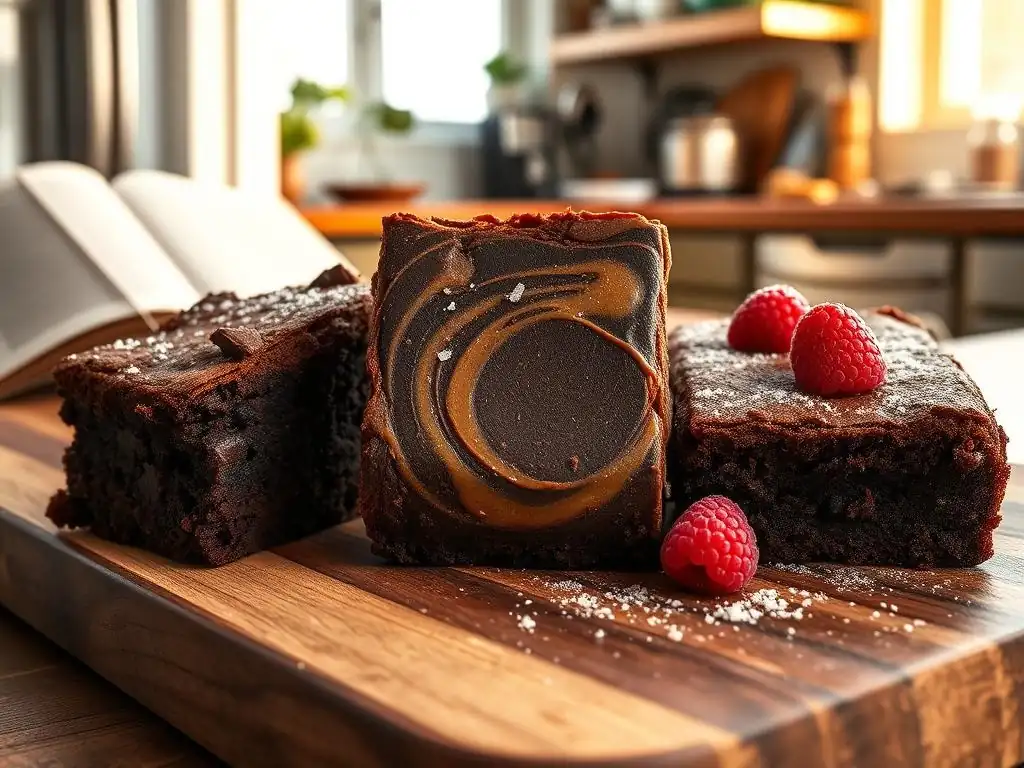
Once you've mastered the basics of baking high altitude chewy brownies, you can start experimenting with variations! The principles of adjusting for altitude remain the same, but you can add different flavors and textures to create exciting new treats. Here are a few ideas for chewy brownie variations adapted for high altitude baking.
Applying the adjustments for liquid, sugar, and baking time/temp to different flavor profiles allows you to enjoy a wide range of chewy brownie experiences, all perfectly baked for your elevation.
Fudgy High Altitude Brownies with Chocolate Chunks
Take your basic high altitude chewy brownie recipe and amp up the chocolate factor by folding in generous amounts of chocolate chunks or chips. Use a mix of semi-sweet, dark, or even milk chocolate for varying levels of sweetness and intensity.
The extra chocolate not only adds bursts of melted goodness but also contributes to the fudginess and perceived moisture of the brownies. Ensure your base batter is adjusted for high altitude (increased liquid, adjusted sugar) before adding the chunks. Bake according to the adjusted time and temperature, still focusing on underbaking slightly to keep the base chewy and the chocolate melty.
Peanut Butter Swirl Chewy Brownies for High Altitude Baking
Adding a swirl of peanut butter to your high altitude chewy brownies creates a delicious flavor combination and can even contribute a little extra fat, aiding in moisture retention. Prepare your adjusted high altitude brownie batter. Swirl warmed, slightly thinned peanut butter through the top of the batter in the pan using a knife or skewer before baking.
Use a creamy peanut butter for smooth swirls. The fat in the peanut butter helps ensure the swirled areas stay moist and don't dry out during baking. Remember to bake at the adjusted temperature and check for doneness based on the brownie batter itself, aiming for that slightly underbaked center for maximum chewiness.
Espresso Infused Chewy Brownies: A High Altitude Baking Delight
Coffee and chocolate are a classic pairing, and adding espresso powder can deepen the chocolate flavor in your high altitude chewy brownies. Dissolve a teaspoon or two of instant espresso powder in the liquid portion of your adjusted high altitude brownie recipe (like the melted butter or added milk/water).
The espresso powder enhances the richness of the chocolate without adding significant volume or altering the texture in a way that would counteract chewiness. It's a simple addition that elevates the flavor profile of your perfectly moist and chewy brownies baked at high altitude.
Mastering High Altitude Baking: Beyond Brownies
Successfully baking high altitude chewy brownies provides a fantastic foundation for tackling other baking projects at elevation. The principles you've learned – understanding how altitude affects leavening, moisture, and cooking times – are transferable skills that apply to a wide range of baked goods.
From cakes and cookies to breads and muffins, the challenges of high altitude baking are consistent, though the specific adjustments vary based on the type of baked good. Brownies, with their emphasis on moisture and controlled structure, are a great starting point for understanding altitude's impact.
Applying High Altitude Baking Principles to Other Desserts
The core concepts for baking at high altitude apply broadly:
- Increased Liquid: Most recipes need more liquid (water, milk, eggs) to compensate for faster evaporation.
- Decreased Leavening: Reduce baking powder/soda to prevent excessive rise and collapse.
- Decreased Sugar: Less sugar helps strengthen the structure.
- Increased Flour (Sometimes): For cakes and breads, a slight increase in flour can help strengthen the structure, but this is less common for dense items like brownies or cookies.
- Lower Oven Temperature: Baking cooler allows the center to catch up with the edges and reduces the risk of burning or excessive drying.
- Shorter Baking Time: Despite the lower temperature, faster setting often means checking for doneness earlier.
Applying these principles means, for example, adding a tablespoon or two of milk to a cookie dough, reducing the baking powder in a cake recipe by 1/4 to 1/2 teaspoon per teaspoon, or lowering the oven temperature for muffins. It's about finding the right balance for each specific recipe and type of baked good.
Resources for Successful High Altitude Baking
Mastering high altitude baking takes practice and reliable information. While general guidelines are helpful, specific high-altitude cookbooks or resources tailored to your elevation range can be invaluable. Many universities in mountainous regions, like Colorado State University or University of Wyoming, offer excellent free guides on high-altitude baking adjustments.
Experimentation is key. Keep notes on the adjustments you make and the results you achieve with your high altitude chewy brownies and other baked goods. Did adding 2 tablespoons of liquid work better than 1? Was lowering the temperature by 20°F perfect? Over time, you'll develop an intuition for what works best in your specific kitchen at your specific altitude. Don't be discouraged by initial failures; view them as learning opportunities on your journey to becoming a confident high-altitude baker.
Frequently Asked Questions
How does high altitude affect brownies and why do they often turn out hard?
High altitude baking causes liquids to evaporate faster and leavening agents to rise more quickly. This leads to drier, harder brownies due to over-expansion and moisture loss.
What are some key adjustments needed to bake chewy brownies at high altitude?
Adjustments often involve increasing liquid content and reducing leavening agents. Also, lowering oven temperature can help prevent over-baking and hardness.
What specific ingredients should I adjust in a brownie recipe for high altitude?
Consider increasing the amount of liquid, such as water or milk, by 1-2 tablespoons. Reduce baking powder or soda by 1/8 teaspoon and potentially increase flour slightly.
What oven temperature and baking time are recommended for high altitude chewy brownies?
Typically, lowering the oven temperature by 25°F (14°C) and slightly shortening the baking time is recommended. Keep a close eye on them to prevent over-baking.
How can I tell if my high altitude brownies are perfectly chewy and not hard?
Look for brownies that are slightly underbaked in the center. A toothpick inserted should come out with moist crumbs clinging to it. Avoid over-baking to maintain chewy texture.
Final Reflection: The Sweet Science of High-Altitude Baking
Mastering the art of chewy brownies at high altitude isn't just about a delicious dessert; it's about conquering a culinary challenge. The seemingly simple act of baking transforms into a complex equation when air pressure drops, requiring adjustments to ingredients and baking techniques to achieve the perfect texture. This article has explored those adjustments, providing practical solutions to a common high-altitude baking frustration.
The quest for the perfect chewy brownie transcends mere recipe following; it's a testament to human ingenuity and our persistent desire to adapt and overcome obstacles. The struggle to replicate low-altitude baking successes at higher elevations speaks to a deeper human need for connection to familiar comforts, even when faced with environmental limitations. The best things in life are worth fighting for,
and a perfectly chewy brownie at 8,000 feet is certainly one of those things.
Now, consider your own baking adventures. Have you faced similar challenges in adapting recipes to your unique environment? What adjustments have you made to achieve your desired results? I encourage you to embrace the experimentation, to tweak and refine, and to savor the triumph of a perfectly textured brownie, no matter the altitude. The journey of baking, like life itself, is about the process of learning and adapting, and the sweet reward at the end.
Unlock Your High-Altitude Brownie Baking Secrets!
Thanks for joining us on this delicious journey to perfectly chewy brownies, even at high altitude! You've learned valuable techniques to overcome those altitude challenges. Now, it's time to put your new skills into practice.
- Bake a batch of your favorite brownie recipe using the altitude adjustments we've discussed. This is your chance to experience the difference firsthand! Don't forget to share your results — we’d love to see your perfect brownies!
- Experiment with different brownie variations. Try adding nuts, chocolate chips, or even a swirl of caramel — the possibilities are endless! Let your creativity flow.
- Join our BakeWithEase community on social media and share your high-altitude baking triumphs (and challenges!). Let's learn and grow together!
So, what amazing brownie creation will you unveil next?