Why Patience is Key When Baking Sourdough Rye
😊 Patience in baking sourdough rye bread is essential for developing flavor and texture. At BakeWithEase.com, discover how patience transforms your baking…
Read article
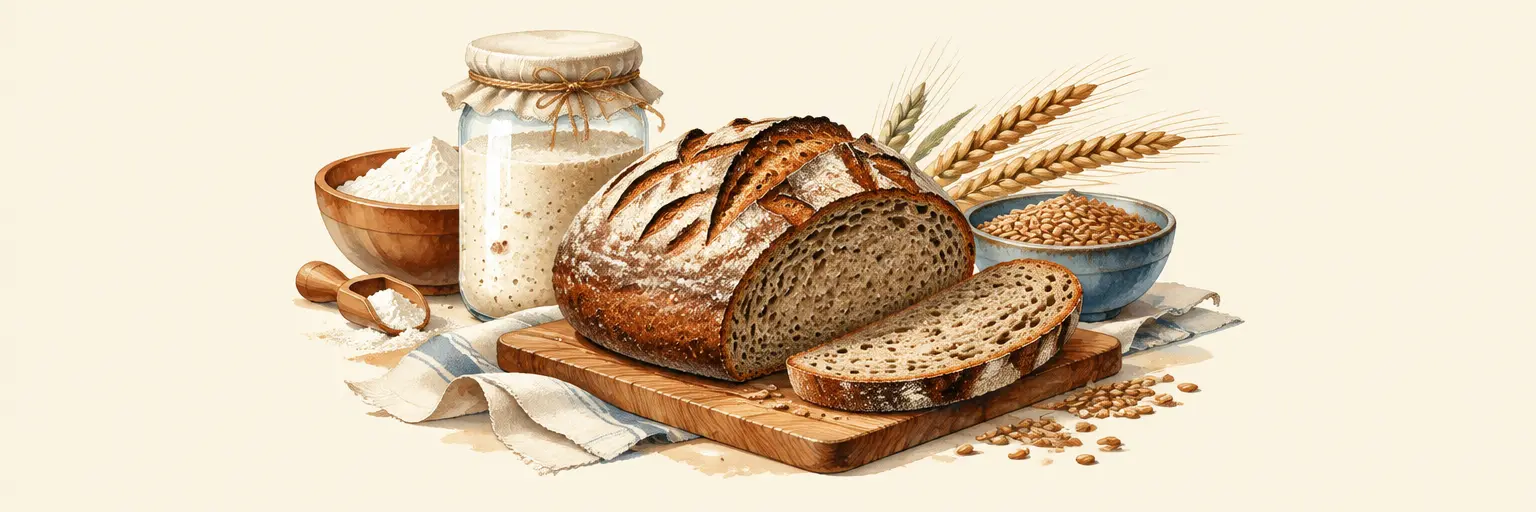
Discover the rustic charm and deep, complex flavors of sourdough rye bread—a true artisan staple that transforms simple ingredients into a hearty, tangy loaf. 🍞 At BakeWithEase, we guide you through every step, from nurturing a lively rye starter to achieving that coveted crackly crust and moist, dense crumb. Perfect for sandwiches, toast, or savoring with butter, this bread offers a delightful balance of earthy rye and gentle sourness that’s both wholesome and satisfying. Whether you’re a seasoned baker or just starting your sourdough journey, our easy-to-follow techniques and pro tips ensure success, using accessible ingredients you’ll find in any kitchen. Master the art of slow fermentation, unlock the secrets of gluten-free friendly rye flour, and enjoy the rewarding aroma of homemade bread that’s far superior to store-bought versions. Embrace the tradition, elevate your baking skills, and create a loaf that’s as nutritious as it is delicious—your new favorite bread awaits! 🌾✨
😊 Patience in baking sourdough rye bread is essential for developing flavor and texture. At BakeWithEase.com, discover how patience transforms your baking…
Read article
🌾 Discover expert tips for baking perfect Sourdough Rye in a Dutch Oven, ensuring crusty, flavorful bread every time. BakeWithEase.com guides you…
Read article
🌾 Discover how to craft a perfect 100% rye sourdough recipe with our expert tips and step-by-step guidance. BakeWithEase.com makes mastering this…
Read article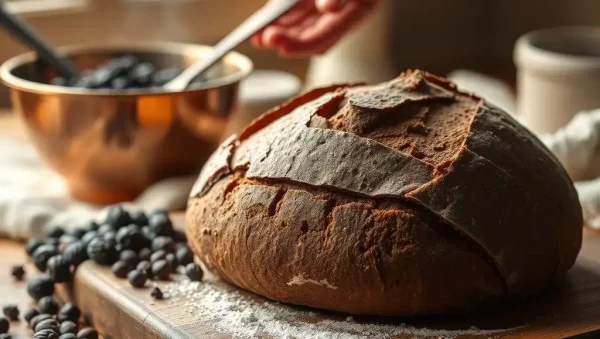
😊 Discover the secrets of creating delicious homemade bread with our easy sourdough pumpernickel bread recipe. Perfect for bakers of all levels,…
Read article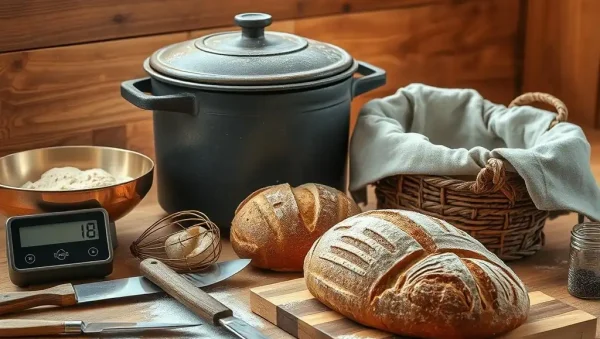
🥖 Discover the essential sourdough rye baking equipment needed to perfect your loaf. From bannetons to scoring tools, our comprehensive checklist ensures…
Read article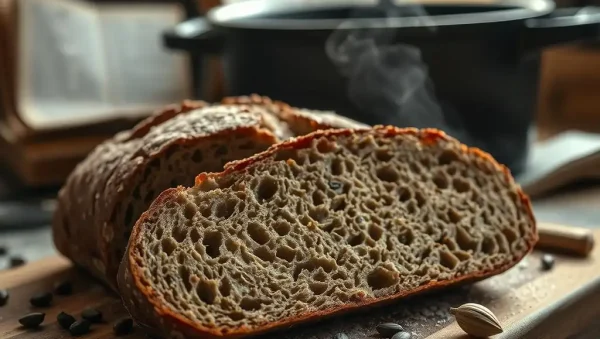
😊 Discover the secret to a flawless loaf with our Perfect Sourdough Rye Bread recipe on BakeWithEase.com. Unlock simple techniques and tips…
Read article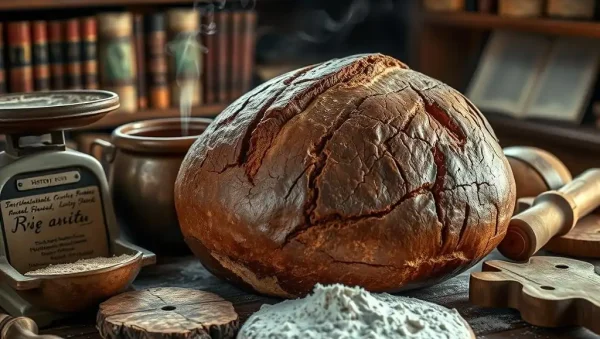
🥖 Discover the rich Sourdough Rye Bread history on BakeWithEase.com, where timeless techniques and simple recipes bring this centuries-old craft to life.…
Read article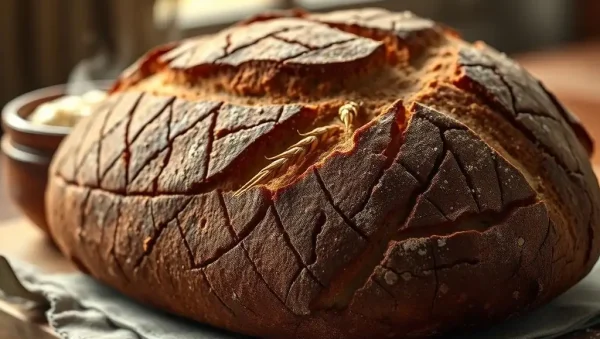
🌟 Unlock the secrets of sourdough scoring patterns for rye to achieve maximum oven spring. At BakeWithEase.com, discover simple techniques and tips…
Read article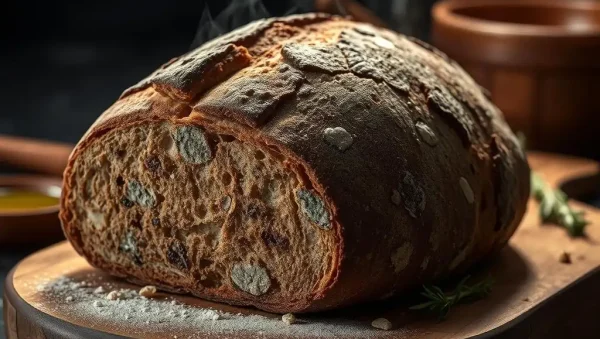
🌟 Unlock the secrets to a stunning sourdough rye crust with our expert sourdough rye crust tips. Discover simple techniques to achieve…
Read article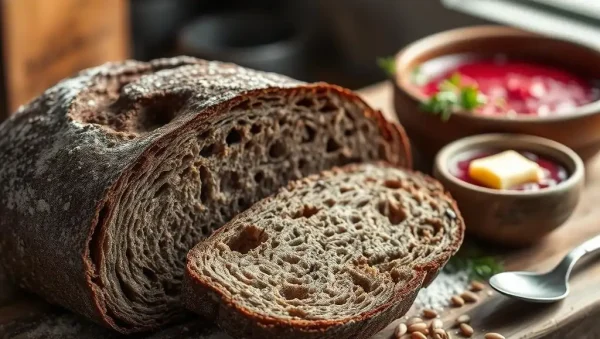
🌟 Discover how baking and eating sourdough rye can boost your health, as Sourdough rye health benefits include improved digestion, better blood…
Read article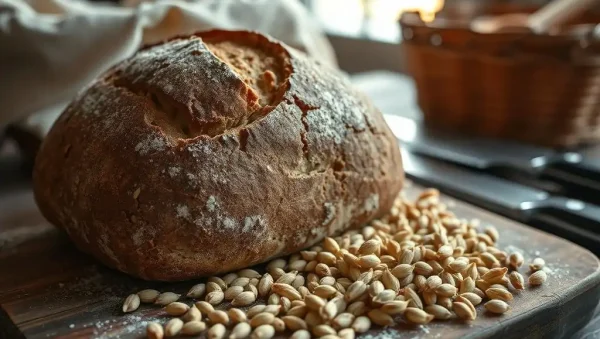
🌾 Discover the transformative power of sprouted rye in sourdough baking with our innovative sprouted rye sourdough recipe, adding depth and nutrition…
Read article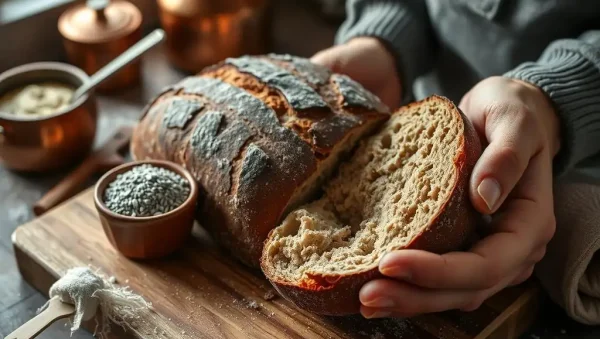
🥖 Discover the ultimate sourdough rye bread recipe with BakeWithEase.com’s comprehensive step-by-step guide. Perfect for all skill levels, this resource helps you…
Read articleWelcome to the soulful world of sourdough rye bread, where deep, malty flavors meet a satisfyingly dense crumb. Unlike standard white sourdough, rye flour introduces unique challenges and rewards, from sticky doughs to a complex, earthy taste that pairs beautifully with butter, cheese, or smoked fish. At BakeWithEase, we break down every step, ensuring you can confidently bake a rustic loaf right in your own kitchen. Whether you are a seasoned sourdough enthusiast or a curious beginner, this guide will help you navigate the nuances of rye, from building a strong rye starter to achieving that perfect crackly crust.
A robust rye starter is the heart of any great sourdough rye bread. Rye flour ferments faster and more actively than wheat, producing a tangier profile and a more liquid, sticky consistency. You will learn to create a 100% hydration rye starter from scratch, feeding it on a consistent schedule to keep it bubbly and powerful. Patience is key, as rye starters can take up to two weeks to fully mature. We cover troubleshooting tips, such as how to handle hooch (the dark liquid layer) and when your starter is ready to bake.
For the best results, expect a starter with a pleasant, fruity-vinegary aroma. Unlike a wheat starter, a rye starter rarely doubles in volume; instead, look for a spongy surface with visible bubbles. Maintain it at warm room temperature (75°F) for faster activity, and feed it with wholegrain rye flour and filtered water. Once established, you can store it in the fridge and feed it weekly, planning a couple of refreshments before baking day to ensure peak activity.
Rye bread flavor and texture vary dramatically based on the flour type you use. Light rye (sifted) contains mostly the endosperm, yielding a milder taste and a lighter loaf. Medium rye balances flavor and structure, ideal for most home bakers. Dark rye (whole grain) includes the bran and germ, offering a robust, slightly bitter taste and a denser, darker crumb. Choosing the right blend is crucial; we recommend a mix of medium and dark rye for a classic pumpernickel-style loaf without excessive gumminess.
In this section, you will learn how each flour affects hydration and fermentation. Dark rye absorbs more water and ferments rapidly, producing a sticky dough that is tricky to shape. Light rye behaves more like wheat, allowing for a softer crumb. We provide a flour substitution chart and explain how to adjust hydration levels, ensuring your dough is neither too dry nor too slack. Always weigh your flour for accuracy, as volume measurements can lead to inconsistency.
Rye dough is famously sticky and lacks the gluten elasticity of wheat, so traditional kneading and shaping methods do not apply. Instead of stretching and folding, you will use wet hands and a damp bench scraper to handle the dough. Do not overwork it, as this leads to a dense, tough loaf. The goal is to gently develop a cohesive mass, then transfer it to a heavily floured proofing basket. Rye dough benefits from a short bulk fermentation (2-3 hours) at warm temperatures, followed by a long cold proof (8-18 hours) to enhance flavor.
Shaping a rye loaf often involves a round boule or a free-form batard using a “tightening” motion without deflating the dough. Because rye has low gluten, your loaf may not rise much in the oven; expect a modest oven spring. To prevent a flat, pancake-like result, ensure your dough is strong enough to hold its shape before proofing. We guide you through a test: if the loaf spreads quickly in the basket, you need more dough strength or shorter proofing.
Baking sourdough rye successfully requires managing steam and heat meticulously. A Dutch oven is your best friend, trapping steam for a shiny, crackly crust. Preheat it for at least 30 minutes at 450°F, then bake the loaf covered for 20 minutes, and uncovered for another 30-40 minutes until the internal temperature hits 205-210°F. Vent the steam safely during the covered phase, and avoid opening the oven unnecessarily, as temperature drops can ruin the rise.
For an extra crusty exterior, you can spray the loaf with water before baking or add ice cubes to the Dutch oven. Rye bread is naturally dense; the crumb should be moist and slightly chewy, not airy like white sourdough. After baking, cool the loaf completely for at least 4 hours—this is non-negotiable. Slicing too early results in a gummy, doughy interior. Patience rewards you with a clean slice and complex, slightly sour flavor that intensifies over 24 hours.
Elevate your sourdough rye with classic additions like caraway seeds, fennel, or dill, which complement rye’s natural earthiness. For a touch of sweetness, add molasses, honey, or dark brown sugar to the dough—this is especially common in pumpernickel-style breads. Seeds and grains also perfect for texture: sunflower, sesame, or toasted flaxseeds can be folded into the dough or sprinkled on top. Experiment with a small amount of cocoa powder or instant coffee for a deeper, almost chocolaty note.
Your flavor combination should balance rye’s no sourness. Caraway is traditional, but try adding orange zest and coriander for a Scandinavian twist. For a savory loaf, include chopped olives, roasted garlic, or rosemary, but reduce the added salt slightly to compensate for brined ingredients. Remember that add-ins affect hydration; dry seeds will absorb water, so you may need to increase the liquid by 20-30 grams. We provide tested ratios so your variations stay consistent and successful.
A gummy center usually means you sliced it too early or the bread was underbaked. Rye bread requires an internal temperature of 205-210°F and a complete cooling period of at least 4-6 hours. Also, high hydration can contribute to gumminess; reduce water by 20-30 grams next time and ensure your starter is active.
Technically yes, but then it is not truly sourdough rye bread. Substituting all-purpose flour will change the flavor, texture, and fermentation speed. To achieve a lighter loaf, you can replace up to 30% of the rye flour with bread flour, but expect a less distinct rye character.
A rye starter can last 2-4 weeks in the fridge if fed once a week. During fermentation, it will produce a dark liquid (hooch) which you can stir in or pour off. Before baking, feed it 2-3 times over 12-24 hours to revive it to full activity.
No, rye contains gluten, though it is different from wheat gluten. People with celiac disease cannot consume rye. If you need a gluten-free option, look for certified gluten-free flours and a gluten-free sourdough recipe, which often uses buckwheat or brown rice flour.
Rye dough has low gluten, so it will never rise dramatically like wheat bread. However, a complete lack of rise may be due to an inactive starter, too low room temperature, or over-proofing. Ensure your starter is bubbly, keep your dough at 75-80°F, and shorten your proof if you see excessive spreading.