Sourdough with Ancient Grains: Techniques for Challenging Flours
🌾 Discover expert techniques to master the art of sourdough bread ancient grain recipes, even with challenging flours. BakeWithEase.com offers simple, step-by-step…
Read article
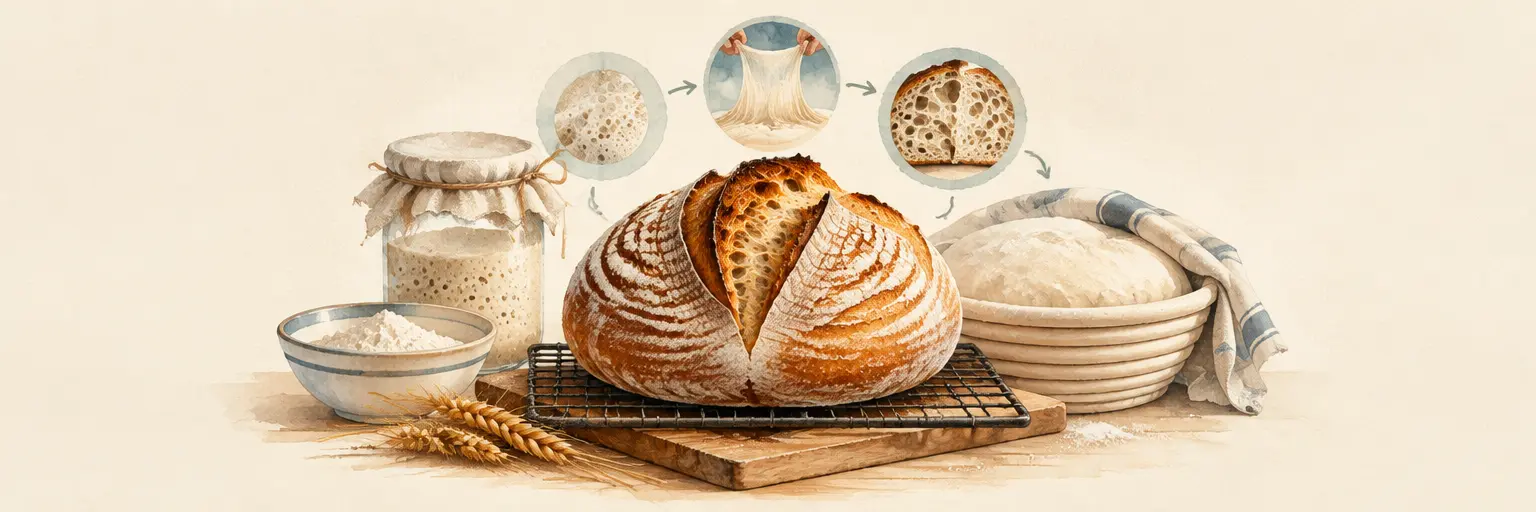
Unlock the full potential of your starter with advanced sourdough techniques that go beyond the basics. Master high-hydration doughs, laminated inclusions, and precise cold fermentation to achieve that coveted open crumb, crackly crust, and complex tang. Learn to manipulate autolyse timing, coil folds, and scoring patterns like a pro, while troubleshooting stubborn doughs and elevating your bread to artisan status. Perfect for intermediate bakers ready to push boundaries, these methods turn everyday loaves into bakery-worthy masterpieces—all with clear, step-by-step guidance and practical tips.
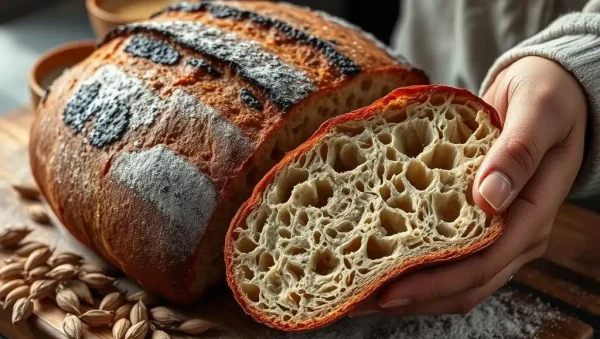
🌾 Discover expert techniques to master the art of sourdough bread ancient grain recipes, even with challenging flours. BakeWithEase.com offers simple, step-by-step…
Read article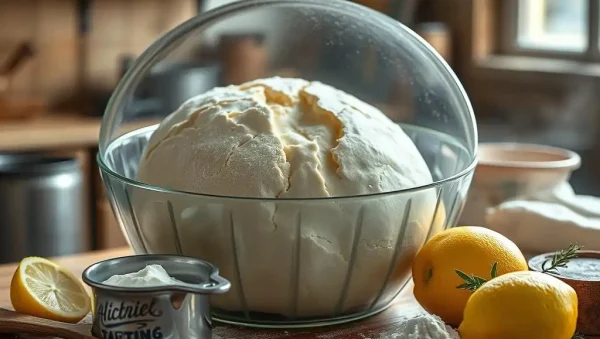
😊 Discover how to recognize when your sourdough is perfectly proofed by understanding key proofing signals. Knowing the ideal sourdough starter proofing…
Read article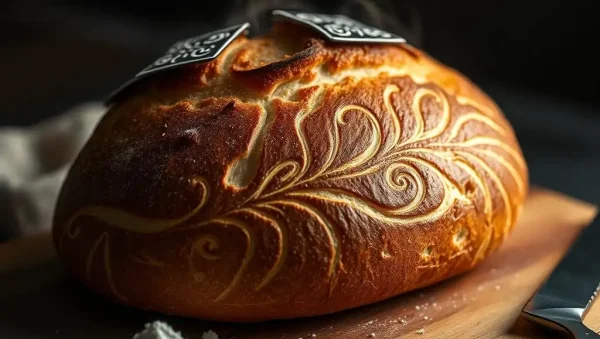
✨ Discover the secrets to perfect oven spring with our Sourdough scoring patterns tutorial. Learn how to create beautiful, functional designs that…
Read article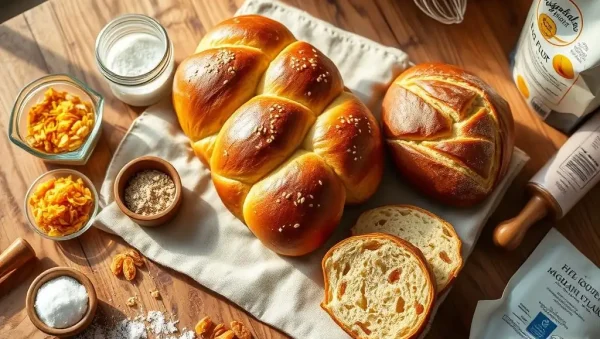
😊 Discover the art of sourdough enrichment with our Sourdough Brioche and Challah recipes. Perfect for bakers of all levels, these techniques…
Read article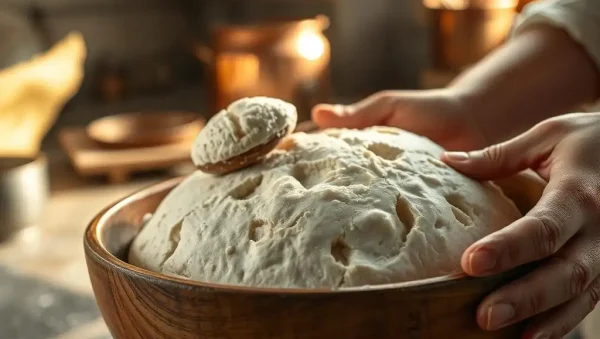
😊 Struggling with sourdough starter overfermenting problems? Discover practical tips to troubleshoot and revive your dough, ensuring perfect bread every time. BakeWithEase.com…
Read article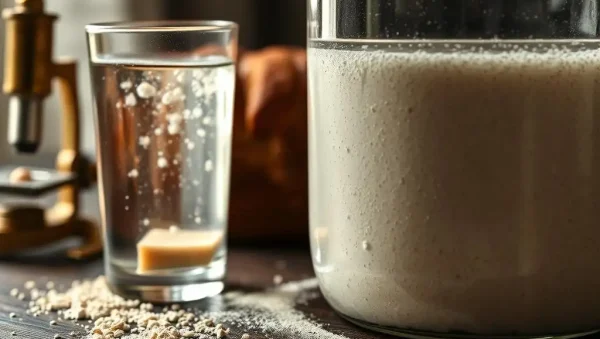
🌊 Discover how sourdough starter water quality influences your bread's rise and flavor. At BakeWithEase.com, learn simple tips to optimize water quality…
Read article
🔥 Discover advanced steam baking techniques to elevate your hearth baking skills, including mastering the perfect steam baking sourdough starter. Unlock richer…
Read article
😊 Discover the secrets of crafting perfect sourdough pretzels with our easy sourdough pretzel recipe. Learn expert shaping and baking techniques to…
Read article
🌟 Discover how sourdough bread salt benefits go beyond flavor, enhancing fermentation, texture, and crust quality. BakeWithEase.com guides you through mastering these…
Read article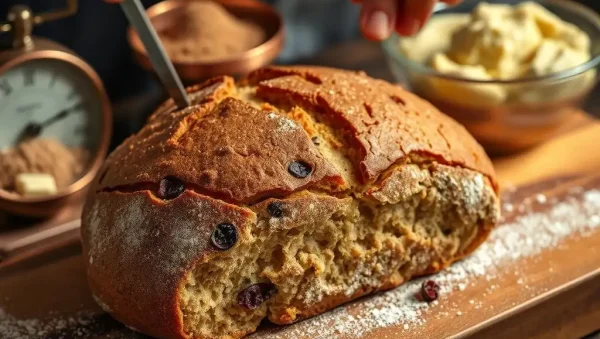
😊 Discover how to elevate your sourdough bread with fat and sugar, creating a richer, more flavorful loaf. BakeWithEase.com offers expert tips…
Read article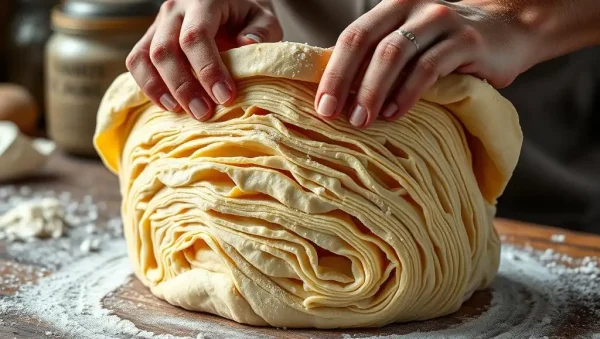
😊 Discover the secrets behind perfect sourdough lamination techniques explained, as BakeWithEase.com guides you through creating beautifully layered dough. Elevate your baking…
Read article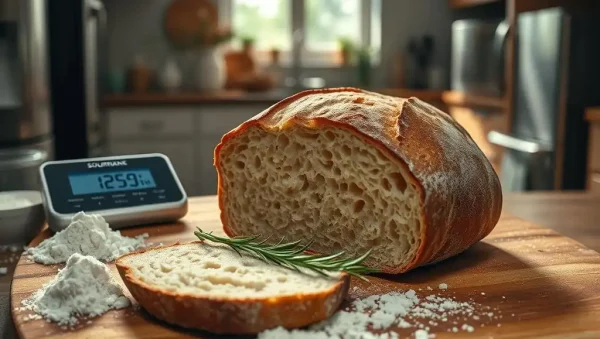
🌟 Discover the common Gummy sourdough crumb causes and effective cures to achieve a perfectly airy, crisp crust. BakeWithEase.com helps bakers troubleshoot…
Read articleWelcome to the Advanced Sourdough Techniques subcategory at BakeWithEase. Here, we move beyond simple bread-making to unlock the full potential of your starter. These skills are designed for bakers who already grasp the basics but crave a deeper understanding of fermentation, handling, and flavor development. Expect detailed processes that elevate your loaves from homemade to artisan-quality, using the same methods embraced by professional bakers worldwide.
High-hydration doughs (75-85% water) produce an airy, open crumb with a crisp crust, but they stick to everything. In this section, you’ll learn the coil fold technique and the “wet hands” method to manage slack dough without deflating it. We’ll break down how to read dough gluten development by feel, not just time, ensuring your loaf can hold its shape even at 80% hydration. You’ll also master the pre-shape and bench rest to build surface tension, which is crucial for a controlled final rise.
Expect step-by-step video guides and troubleshooting charts for common pitfalls like tearing or excessive stickiness. You’ll discover the role of autolyse in strengthening the dough before you even add your starter. By the end, you’ll confidently bake a country loaf with a wild, rustic crumb that looks like it came from a Parisian boulangerie, all while keeping your counter clean.
Temperature is your most powerful ingredient for sourdough flavor. This area focuses on cold retardation—placing your shaped dough in the fridge for 12-48 hours. We’ll explain how slower fermentation develops complex acidic and fruity notes while improving oven spring. You’ll learn to calibrate your kitchen’s ambient temperature using a simple thermometer, adjusting water temperature to hit your target dough temperature (usually 78-80°F).
We also cover the “proofing window” method to know when your dough is perfectly ready for the oven, even after a long chill. Discover how to use a cold proof to fit baking into your schedule, and how to score cold dough for dramatic ear splits. This technique transforms your weekday bread into a weekend masterpiece, with a tangier profile and a longer-lasting crumb that stays fresh for days.
Move beyond a simple 1:1:1 starter refresh. Here, we explore levain builds—creating a separate, prefermented mixture specifically for your dough. You’ll learn how to adjust the hydration of your levain (stiff vs. liquid) to control acidity and yeast activity. We’ll cover using a small amount (5-10% levain) for a long, slow ferment or a large amount (20-30%) for a faster, milder loaf, tailored to your schedule and taste.
We also dive into peak timing, teaching you how to catch your levain at its highest point for maximum leavening power. Expect charts on fermentation times based on temperature and starter ratios, so you can manipulate flavor profiles from mild and buttery to sharply tangy. This subcategory will help you design your own recipes, predict outcomes, and troubleshoot starter inconsistencies like never before.
Scoring isn’t just decorative—it guides the dough’s expansion in the oven. Advanced scoring requires understanding dough tension and using a lame at the correct angle (30-45 degrees). We’ll show you classic patterns like the single slash, double cross, and wheat stalk, explaining how each shallow or deep cut affects the “ear” and the final bloom. You’ll learn to score right before baking, with confidence, ensuring your design doesn’t collapse from a weak surface.
We provide close-up video demonstrations and slow-motion clips of the dough reacting in the oven, so you see exactly why certain angles work. Also, find tips for using rice flour to create contrast and prevent sticking on the surface. Perfecting this skill will not only make your loaves look professional but also improve their volume and texture, as proper scoring allows controlled expansion rather than random bursting.
Advanced sourdough is about adding layers without compromising structure. This section teaches inclusion folding—adding roasted garlic, olives, nuts, or dried fruit at the right moment to avoid tearing the gluten network. You’ll learn the optimal timing (usually during the first fold) and how to evenly distribute heavy ingredients without deflating the dough. We also cover soaking seeds overnight to ensure they hydrate properly, preventing dry spots in your crumb.
Expect formulas for adjusting hydration when adding wet ingredients like pesto or purees, ensuring your final dough is still workable. We delve into spice pairings, from classic rosemary and sea salt to bold turmeric and black pepper, with guidance on toasting spices to release oils. Each recipe includes flavor tests, so you can balance strong ingredients without overpowering the tangy sourdough base.
You can safely cold ferment for up to 48 hours for optimal flavor, but 12-24 hours is ideal. Beyond three days, the dough may over-acidify, weakening the gluten structure and leading to a dense crumb. Always monitor the dough’s puffiness—if it doubles in size, it needs to bake soon.
Start with 70% hydration if you’re new to advanced techniques, then increase to 75-80% once you’re comfortable with sticky dough. High hydration yields an open crumb but requires practiced handling. Use the coil fold method to reduce sticking, and keep a bench scraper handy.
An ear fails to form due to weak surface tension or a dull blade. Ensure you’ve built tight tension during shaping, and score with a sharp lame at a shallow angle—just 0.5 cm deep. Also, the final proof should not be overproofed; the dough should feel slightly firmer before baking.
Yes, but reduce the dough’s water content by 10-15% if you add wet inclusions. Fold chocolate chips, grated cheese, or fresh herbs during the first two folds, not later, to prevent tearing. For sticky ingredients, coat them in flour before adding to keep them suspended.
Use a stiff levain (60% hydration) and ferment it at a lower temperature, around 72°F. This favors yeast over bacteria, producing a milder sourness. Feed it with a higher ratio, like 1:5:5, to slow acid production. Bake sooner rather than later to preserve sweetness.