Unlocking the Rich Flavor of Classic French Buttercream
😊 Discover the secrets to luscious, velvety cakes with our Classic French buttercream recipe tutorial on BakeWithEase.com. Perfect for bakers of all…
Read article
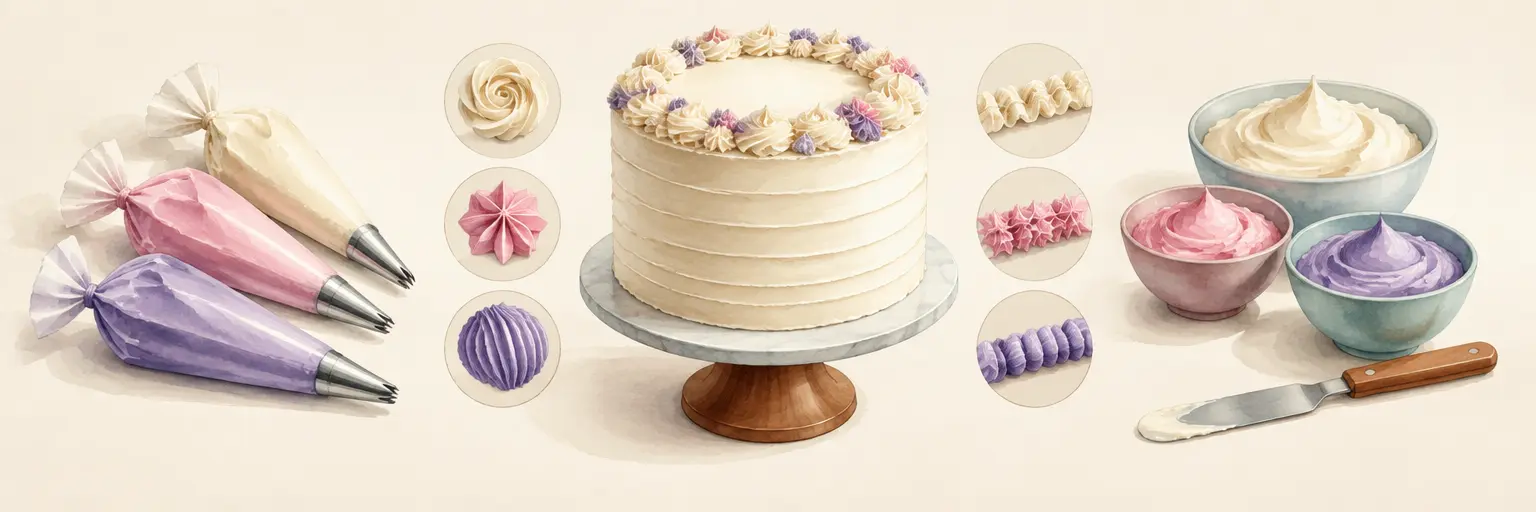
Unlock the secret to flawlessly smooth, bakery-quality cakes with our expert buttercream frosting techniques! 🧁 Whether you’re aiming for silky piped roses, sharp-edged perfection, or dreamy swirls, mastering these intermediate methods will elevate your bakes from homemade to *pro-level*. Learn how to nail the perfect consistency, avoid air bubbles, and color your buttercream like a pro—all while using simple, everyday ingredients. From the classic American style to silky Swiss meringue, we break down the science behind stability and shine, plus the essential tools (spatulas, scrapers, and piping tips) you need. 🎂 Say goodbye to lopsided or gritty frostings and hello to crisp corners and velvety textures. With step-by-step guidance, *troubleshooting tips*, and creative finishes—like rustic textured swirls or sleek mirror-smooth sides—you’ll gain confidence to decorate anything from birthday cakes to elegant layer cakes. Perfect for bakers ready to refine their craft, this is your shortcut to beautiful, professional results every time. Dive in and transform your next dessert into a stunning centerpiece! ✨
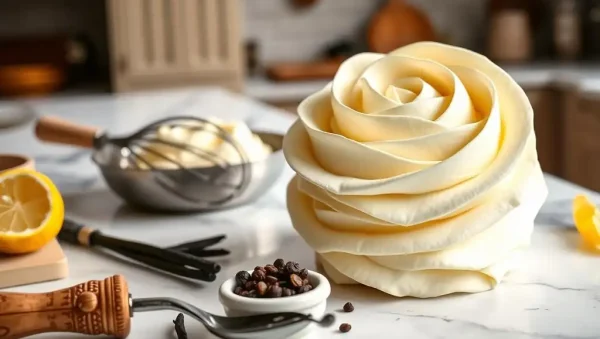
😊 Discover the secrets to luscious, velvety cakes with our Classic French buttercream recipe tutorial on BakeWithEase.com. Perfect for bakers of all…
Read article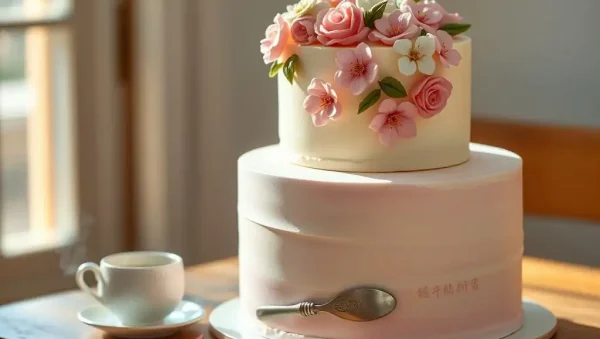
😊 Discover the secrets of Korean buttercream with our easy Korean buttercream recipe. Perfectly delicate and smooth, it’s an essential technique for…
Read article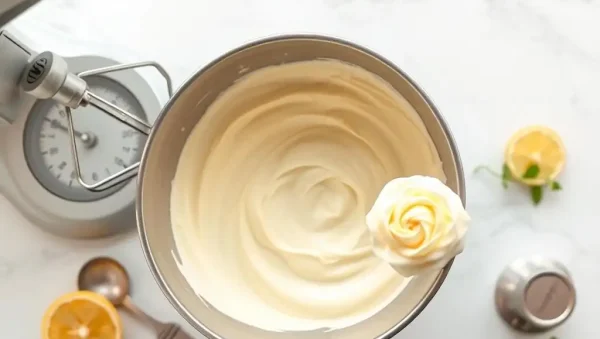
😊 Discover the secret to flawless American buttercream with our expert "Perfect American Buttercream Consistency Tips." Achieve smooth, stable frosting every time…
Read article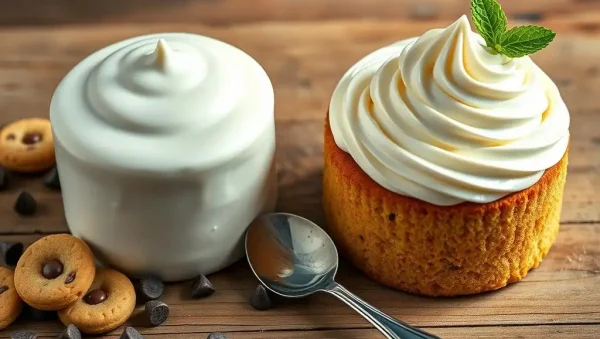
😊 Discover the key differences between whipped buttercream and standard buttercream, and learn how to make an easy whipped buttercream frosting recipe…
Read article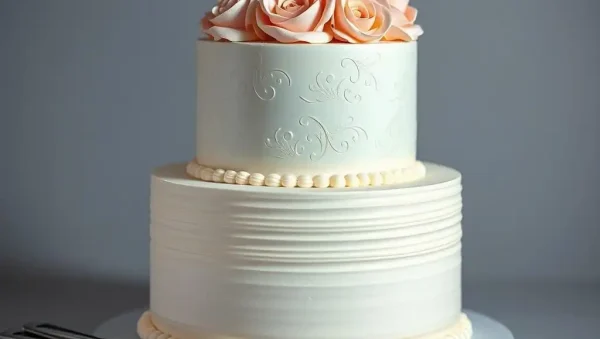
✨ Discover essential sharp buttercream edges techniques to elevate your cake decorating skills. Our expert tips and step-by-step guidance at BakeWithEase.com will…
Read article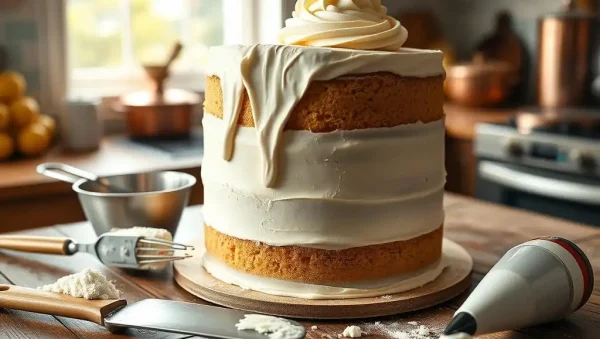
😊 Discover essential Buttercream frosting troubleshooting tips to perfect your cake decor. Learn common mistakes to avoid and simple solutions, ensuring smooth,…
Read article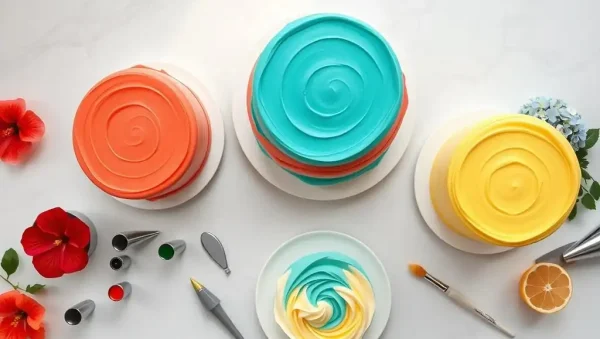
🌟 Discover essential Vibrant Buttercream Color Tips to prevent bleeding and achieve stunning, vivid hues. BakeWithEase.com offers simple, expert techniques perfect for…
Read article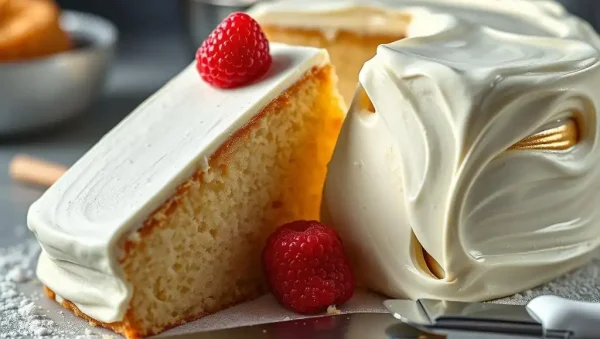
😊 Discover how to achieve stunning matte or glossy buttercream finishes effortlessly with our expert tips. Explore "Glossy buttercream frosting techniques easy"…
Read article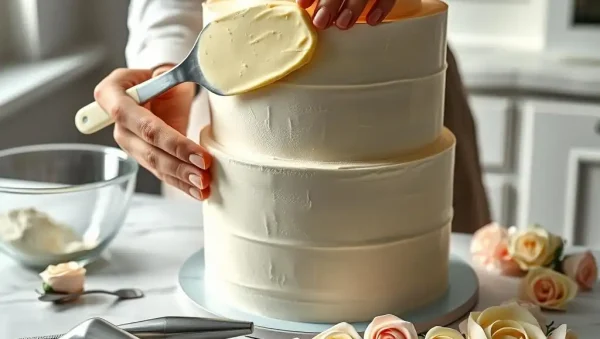
😊 Elevate your baking skills with our Buttercream Frosting Tiered Cake Tutorial on BakeWithEase.com. Learn step-by-step techniques to beautifully apply buttercream to…
Read article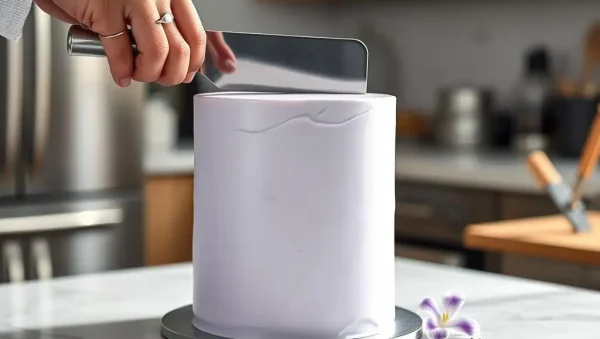
✨ Achieve flawless cake sides with ease using bench scraper buttercream side smoothing. BakeWithEase.com guides you through simple techniques to perfect your…
Read article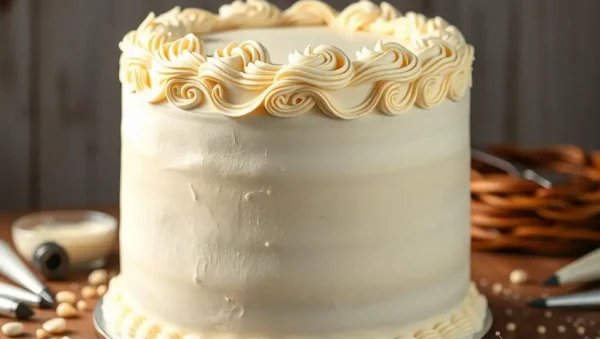
🎂 Discover how to elevate your cake decorating skills with our comprehensive guide on intricate buttercream border techniques cake. Perfect for bakers…
Read article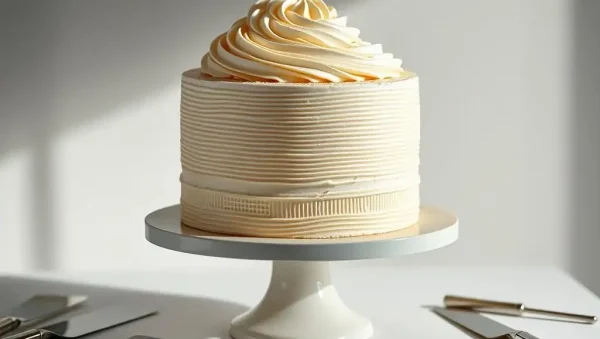
🎂 Discover how to elevate your cake decorating with our "Creating Textured Buttercream Finishes: Comb Techniques." Learn simple, easy textured buttercream frosting…
Read articleWelcome to the Buttercream Frosting Techniques hub at BakeWithEase.com, where intermediate bakers elevate their cake decorating skills. This subcategory bridges the gap between simply spreading frosting and creating professional, polished finishes. Whether you’re dreaming of silky smooth sides, rustic swirls, or vibrant piped borders, you’ll find practical, step-by-step guidance here. Expect clear instructions, troubleshooting tips, and the confidence to transform a basic buttercream into edible art, using simple ingredients and tools you likely already own.
Consistency is the secret weapon of every great frosting artist. Too stiff, and your cake tears; too loose, and your swirls collapse. In this section, you’ll learn how to adjust your American, Swiss, or Italian buttercream using cream, milk, or powdered sugar to achieve three key stages: stiff for detailed piping, medium for smooth spreading, and soft for drips or filling. We break down the visual and tactile cues, like the “ribbon test” and the “spatula drag,” so you can diagnose and fix consistency issues in seconds.
Mastering this skill means your frosting will hold sharp peaks on cupcakes, glide like velvet onto cake sides, and tolerate warm kitchens without melting. You’ll also learn how temperature and humidity affect your mix, plus quick fixes like chilling bowls or adding a pinch of cornstarch. With consistent buttercream, every other technique—from piping to smoothing—becomes dramatically easier, saving you time and frustration on every bake.
A perfectly smooth, mirror-like finish is the hallmark of a professional cake, and it’s achievable at home with the right technique. This section focuses on the hot spatula method—dipping your offset spatula in warm water, drying it, then gliding it over the frosted cake to melt the surface ever so slightly. You’ll learn how to apply a crumb coat, chill it, then do a final coat with precise, steady strokes. We also cover using a bench scraper for tall cakes and turntable speed control for flawless sides.
Beyond the basics, we share pro tips for achieving sharp, clean edges at the top and bottom of the cake, which instantly elevates the presentation. You’ll practice the “one-stroke” method for fewer passes and how to fix small air bubbles or smudges without starting over. By the end, you’ll be able to produce a canvas so smooth that piping borders, flowers, or even a simple berry garnish will shine like a bakery display.
Piping is where personality enters your cake, and this section is your hands-on playground. We guide you through essential piping tips—round, star, petal, and basketweave—and match them to specific designs. You’ll practice creating classic shell borders, elegant rosettes, and tall, swooping swirls on cupcakes that rival any patisserie. Each tutorial includes pressure control exercises, like squeezing and releasing at the right moments, to avoid tails or blobs.
We also dive into modern piping trends, like drip-accented borders and two-tone swirls using a striped piping bag. You’ll learn how to hold the bag at the correct angle—90 degrees for stars, 45 for shells—and how to create height by lifting as you squeeze. Troubleshooting tips cover clogged tips, air pockets, and how to keep your hands from cramping during longer decorating sessions. This is the section that turns a frosted cake into a conversation piece.
Not every cake needs glass-smooth perfection; sometimes, a rustic, textured finish is more charming and forgiving. Here, we explore palette-knife textures that mimic the look of oil paintings, using swirls, smears, and peaks to create a handcrafted feel. You’ll learn how to use different spatula edges—straight, angled, or notched—to produce waves, ridges, or basket-like patterns. This technique is perfect for beginners who want a professional look without the stress of flawless smoothness.
We also cover the brushed buttercream style, where a damp pastry brush is dragged through the frosting to create soft, watercolor-like streaks that are incredibly trendy. For a more dramatic effect, try the “stucco” finish with a stiff spatula in random passes. Each tutorial includes video-like descriptions, ideal frosting consistencies, and how to match the texture to your cake’s flavor profile—like a chocolate swirl for a mocha cake. These finishes add depth and artistic flair with minimal extra effort.
A beautiful buttercream must taste as good as it looks, and coloring it correctly is part of that equation. This section teaches you how to achieve vibrant, consistent colors without turning your frosting into a watery mess. We cover gel vs. liquid food coloring, the importance of adding color while the buttercream is room temperature, and how to mix without incorporating too much air. You’ll also learn the "dip and swipe" method for custom two-tone colors and how to deepen shades by letting the frosting sit overnight.
Flavoring is just as crucial—discover how to infuse buttercream with extracts, citrus zests, melted chocolate, or fruit purees while maintaining the right consistency. We provide a ratio guide for adding liquids so your frosting doesn’t split. You’ll also learn stabilization tricks, like adding a little cocoa powder for coffee flavors or a tablespoon of cornstarch for a less sweet finish. With these skills, you can pair any cake flavor with a custom frosting that complements, not overwhelms, the bake.
Even experienced bakers hit snags, and this section is your rescue guide. We address the most frequent disasters: curdled or separated buttercream from overmixing, melting frosting in warm weather, and crumb-filled coats that ruin a smooth finish. Each problem gets a clear cause and a step-by-step fix, like heating a portion of the frosting and re-whipping to bring it back together, or chilling the bowl in an ice bath for a few minutes before continuing.
You’ll also learn how to fix air bubbles with a quick stir, too-sticky frosting by adding powdered sugar, and blotchy colors by re-mixing with more pigment. We share pro secrets like using a bench scraper to remove excess frosting from cake sides and a rotating turntable for even pressure. By troubleshooting with confidence, you’ll avoid throwing away batches and instead turn mistakes into teachable moments, ensuring your final product is always Instagram-worthy, even when things go sideways.
Buttercream, especially American style, can sit out for up to 2 days in a cool, dry place, thanks to its high sugar and fat content. However, for food safety, keep it covered to prevent crusting. If your kitchen is warm (above 75°F), refrigerate after 4 hours. Meringue-based buttercreams (Swiss/Italian) are more sensitive and should be chilled after 2 hours. Always re-whip chilled frosting to restore fluffiness before piping.
Curdling usually happens when the butter is too cold or you overmix, causing the emulsion to break. Fix it by placing the bowl over a warm water bath for 5-10 seconds, then re-whipping on medium speed. Alternatively, microwave a handful of the frosting for 10 seconds, stir, then mix back in. If it’s too warm, chill for 15 minutes before whipping. The result should be smooth, silky buttercream ready to use.
Yes, but liquid coloring can alter consistency by adding too much moisture, making frosting runny. For vibrant colors or dark shades like red or black, use gel food coloring—it’s concentrated and won’t thin the frosting. For pastel shades, a few drops of liquid work fine. Always add color gradually and mix thoroughly; colors deepen over time, so wait 30 minutes before judging the final hue.
Swiss meringue buttercream (SMB) is the top choice for piping flowers because it’s silky, holds fine details, and doesn’t crust like American buttercream. For petal tips and delicate work, use stiff SMB at room temperature that isn’t too soft. American buttercream can also work if you add extra powdered sugar to stiffen it, but it may not hold up in warm conditions. Always chill piped flowers for 10 minutes to set them.
Even without a turntable, you can achieve smooth sides using a bench scraper and a cake stand that spins manually or simply your hands. Apply a crumb coat, chill for 20 minutes, then add a thicker final coat. Hold the bench scraper vertically against the cake’s side and slowly rotate the stand with your other hand, applying gentle pressure. For the top, use an offset spatula at a 45-degree angle. Practice makes perfect—use a chilled cake for best results.