Temperature Check: Why It Matters When Baking Brioche
🔥 Proper brioche dough temperature control is crucial for perfect rise and texture. At BakeWithEase.com, discover simple tips to master this essential…
Read article
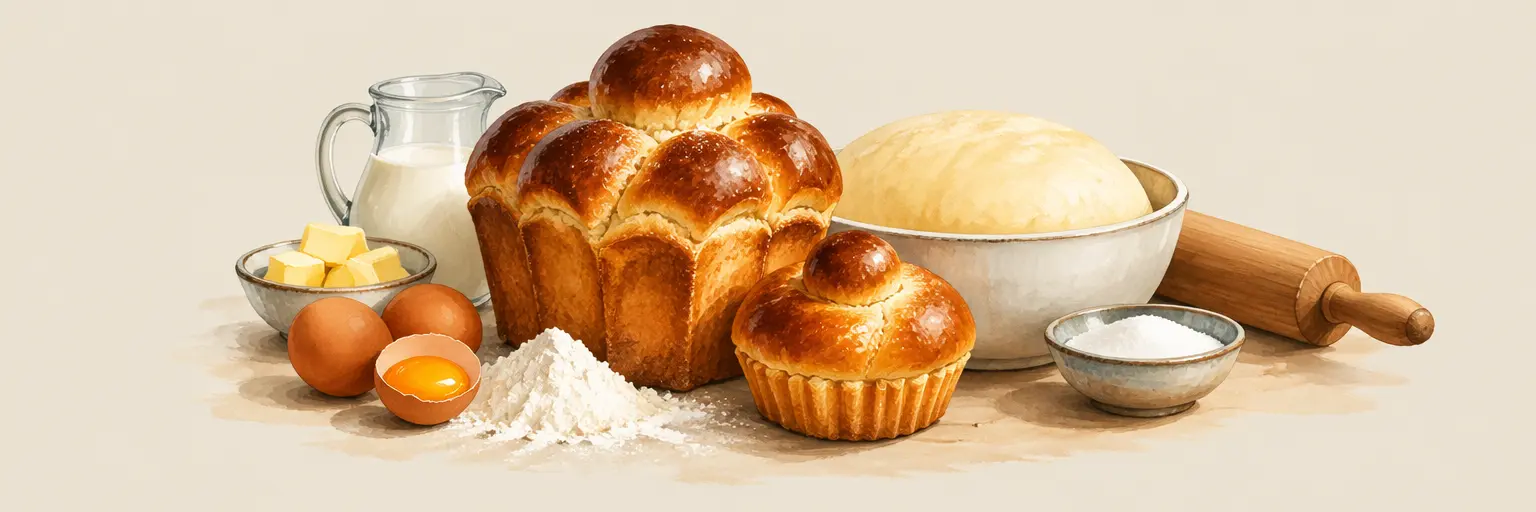
Discover the art of brioche and enriched doughs—the pillowy, buttery foundation of some of the world’s most beloved baked goods. From classic brioche loaves to tender cinnamon rolls, these doughs use eggs, butter, and milk to create a luxurious crumb and golden crust. On BakeWithEase, we guide you through the foolproof techniques for handling these soft, sticky doughs, including proper kneading, the windowpane test, and slow, patient fermentation for maximum flavor. Learn to master laminated enriched doughs like croissants, or dive into simple sweet breads perfect for breakfast or dessert. With our step-by-step tips and ingredient insights, you’ll gain the confidence to bake airy, rich treats that impress every time—whether you’re a home baker leveling up or a pro refining your craft. Unlock the secrets to perfect texture and taste today.
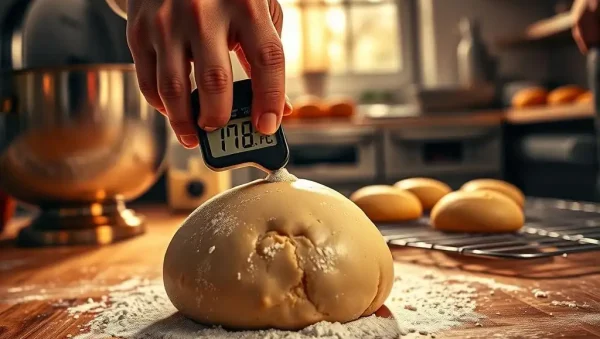
🔥 Proper brioche dough temperature control is crucial for perfect rise and texture. At BakeWithEase.com, discover simple tips to master this essential…
Read article
✨ Discover expert tips on how to reheat enriched bread to preserve its freshness and flavor. BakeWithEase.com provides simple, effective techniques to…
Read article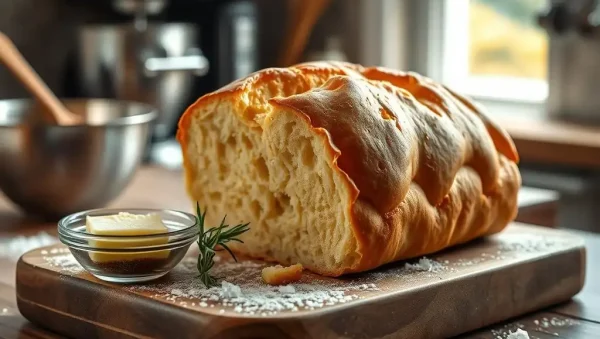
😊 Discover how to craft a perfect homemade bread with our easy brioche loaf recipe. BakeWithEase.com guides you through simple steps to…
Read article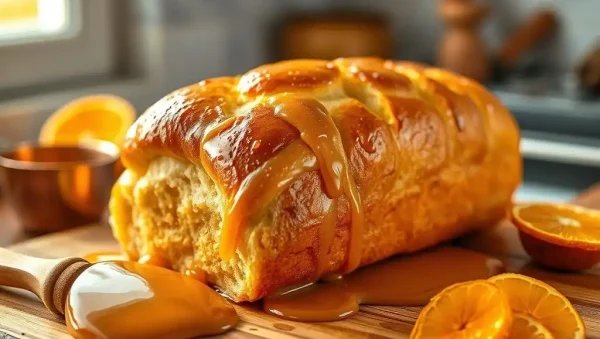
✨ Discover how to glaze enriched dough effectively to achieve a beautiful shine and professional finish. Learn the perfect timing and techniques…
Read article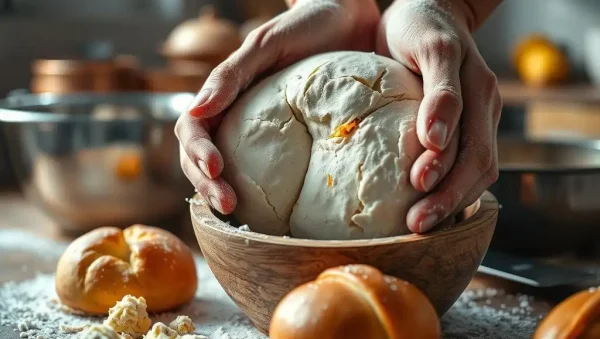
🥖 Discover how to prevent tough results by avoiding overworked enriched dough recipes. At BakeWithEase.com, learn simple techniques to keep your baked…
Read article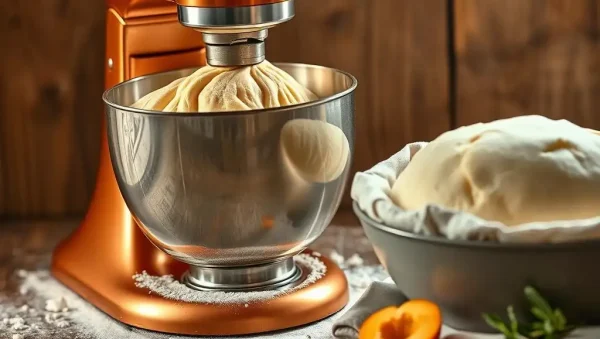
😊 Discover how a stand mixer enriched dough recipe can transform your baking experience. BakeWithEase.com offers simple, step-by-step guidance to effortlessly create…
Read article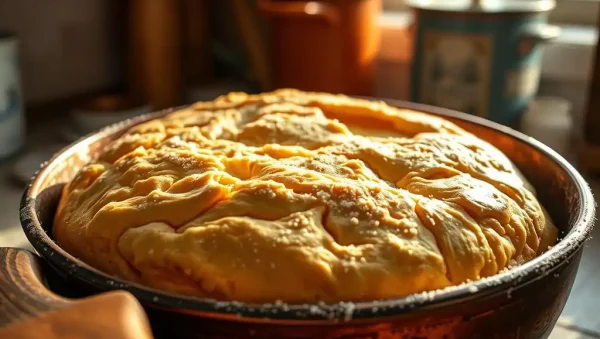
😊 Discover how sugar enhances brioche's flavor and texture, emphasizing the importance of proper brioche dough proofing time. BakeWithEase.com guides you through…
Read article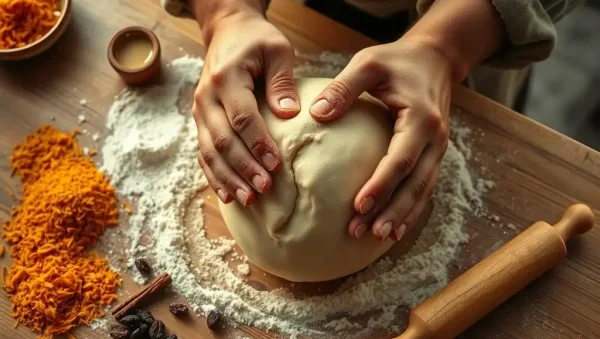
😊 Discover how to create delicious, fluffy enriched doughs without a stand mixer. Our BakeWithEase.com guide offers simple, effective stand mixer-free enriched…
Read article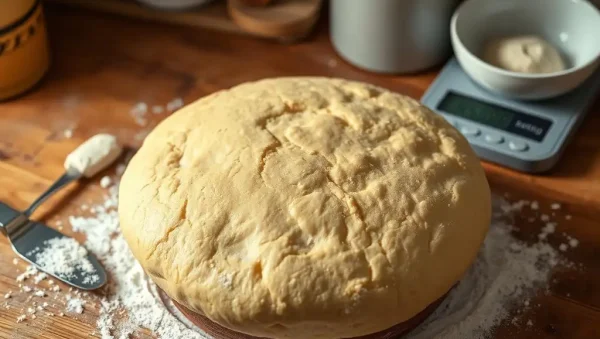
😊 Discover essential enriched dough proofing tips to perfect your baked goods. BakeWithEase.com guides you through simple techniques, ensuring your dough is…
Read article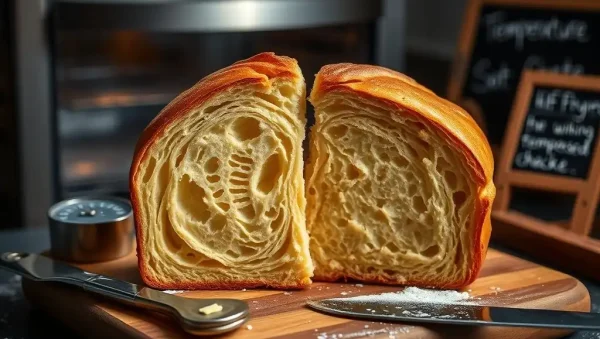
🌟 Struggling with uneven bread baking? Discover effective uneven bread baking solutions to achieve perfectly baked, evenly risen loaves. At BakeWithEase.com, we…
Read article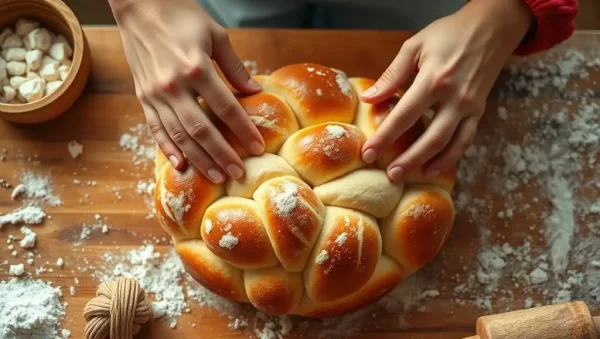
✨ Discover the joy of baking with our easy challah braiding tutorial, guiding you through simple steps to create a stunning loaf.…
Read article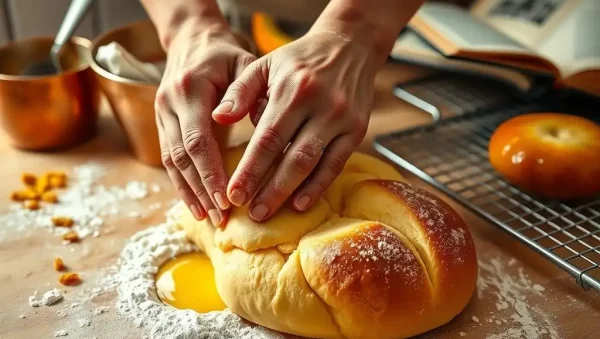
😊 Discover expert tips to help you handknead brioche dough successfully. BakeWithEase.com guides you through simple techniques to perfect your bread, making…
Read articleWelcome to the heart of Intermediate Baking, where Brioche and Enriched Doughs transform simple flour, butter, eggs, and sugar into cloud-like breads, golden pastries, and decadent treats. At BakeWithEase, we break down the science and artistry behind these luxurious doughs, helping you achieve that signature tender crumb and glossy crust. Expect precise, beginner-friendly explanations, troubleshooting tips, and recipes that range from classic French brioche to enriched cinnamon rolls and babka. Whether you're aiming for a soft sandwich loaf or a show-stopping holiday centerpiece, this subcategory is your stepping stone from basic bread to professional-grade baking.
Enriched doughs contain higher percentages of fats, sugars, and eggs compared to lean bread doughs. These ingredients slow gluten development and yeast activity, requiring you to adjust kneading time and fermentation. The fat coats gluten strands, producing a tender, buttery crumb, while sugar feeds yeast and aids browning. Eggs add structure and richness, and milk or cream provides softness. Mastering hydration levels and dough temperature is critical—an over-hydrated dough becomes sticky, while under-hydration yields a dry loaf. Our guides explain how to read your dough’s texture, use the windowpane test, and manage bulk fermentation for the best rise.
You’ll learn why enriched doughs often need a longer, slower first proof in a cooler environment, allowing flavors to develop without over-fermenting. We also cover the “butter incorporation” technique, similar to laminating, where cold butter is worked into the dough in stages. This precision prevents greasy, heavy breads. With our step-by-step diagrams and video links, you’ll confidently handle sticky doughs, shape without tearing, and bake with steam for a shiny, professional finish. Each recipe includes visual cues for doneness, so you never second-guess your oven timing.
Brioche is the queen of enriched doughs, boasting a high butter and egg content that yields a golden, feathery crumb. You’ll start with our simplified brioche loaf recipe that uses an overnight sponge for enhanced flavor. We explain the difference between “rich man’s” (more butter) and “poor man’s” (less butter) versions, letting you choose your indulgence level. Key techniques include mixing on low speed to avoid overheating, chilling the dough to firm up for shaping, and braiding or using a pullman pan for uniform slices. Our troubleshooting covers common issues like collapsed sides, dense texture, or excessive browning.
Beyond the classic loaf, we expand into brioche burger buns, brioche à tête (the iconic top-knot shape), and brioche feuilletée—a laminated version that combines croissant flakiness with brioche richness. Each recipe includes precise butter temperatures and rising schedules. You’ll also learn how to freeze brioche dough for later use, ensuring fresh bakes anytime without starting from scratch. Pro tips include using an egg wash with a pinch of salt to prevent over-browning, and proofing in a warm, moist environment (like a turned-off oven with a pan of hot water) for a soft crust. Expect detailed timestamps and oven spring explanations.
This section focuses on everyday enriched doughs that are softer than brioche but richer than basic white bread. Think buttery dinner rolls, milk bread (shokupan), challah, and hamburger buns. We teach the tangzhong method—a gelatinized flour-water paste that traps moisture, yielding fluffy, pillowy breads with a longer shelf life. You’ll master the art of shaping torus-shaped rolls, braided challah, and pull-apart cloverleaf buns. Our recipes include both stand-mixer and hand-kneading instructions, with timings for each stage. We emphasize the importance of a strong gluten network to support the added fats, using high-protein bread flour for best results.
We also delve into enriched doughs for savory applications: garlic-herb knots, cheese-stuffed buns, and ham and cheese strata breads. You’ll learn how to adjust sugar and fat ratios for sweet vs. savory uses, and how to add inclusions (dried fruit, nuts, chocolate) without deflating the dough. Our troubleshooting covers gummy centers, tough crusts, and poor oven spring. We also explain the role of dough conditioners (like ascorbic acid) and natural alternatives like yogurt or buttermilk wings. Each recipe includes a “choose your fat” note—butter, coconut oil, or lard—with taste and texture outcomes, so you can customize to your pantry.
Here, we dive into the sweeter side of enriched doughs, where sugar and fillings shine. Start with our foolproof cinnamon rolls with a cream cheese frosting that doesn’t weep. We detail the perfect cinnamon-sugar ratio and how to roll and slice cleanly for presentable spirals. Next, tackle chocolate babka with a shiny, twisted braid and a rich cocoa filling that stays put during baking. Our milk bread–based coffee cake swirls with streusel and fruit jam is another favorite. For each, we provide laminated alternatives and gluten-free options using all-purpose flour blends with xanthan gum.
You’ll learn how to manage sweet fillings that can make dough soggy—tips include brushing with egg white before adding fillings, and using a generous but not excessive layer. We cover proofing times for sweet doughs (which often need a shorter final rise to avoid collapsing under heavy toppings) and how to achieve a glossy finish with a simple syrup wash. We also share recipes for enriched pull-apart breads like monkey bread with caramel sauce, and Danish-style pastries with fruit preserves. Our videos show how to slice, twist, and fill without breaking the dough’s structure, ensuring every bite is evenly distributed. Each recipe concludes with storage and reheating suggestions—warm in the oven for 5 minutes to restore freshness.
Enriched doughs can be finicky; our troubleshooting library addresses the most common problems. Dough not rising? Check your yeast freshness and water temperature—too hot kills yeast, too cold slows it. If your dough is too sticky after adding butter, avoid adding extra flour; instead, chill the dough for 20 minutes before kneading. Conversely, if the dough is dry and tough, add a tablespoon of water at a time until smooth. We also explain why enriched doughs often need a double chill: once after mixing, and again before shaping, to prevent excessive stickiness and make for easy handling.
Oven issues? If your brioche browns too quickly, tent it with foil at the halfway mark, and position your rack in the lower third for even heat. A dense bottom or soggy center usually indicates underbaking or a cold oven rack—use a thermometer to check the internal temperature reaches 190°F (88°C) for enriched breads. We also share tips for achieving a crisp crust on sweet rolls by adding a shallow pan of water beneath the baking sheet. Our advanced pro tips include using a small piece of dough to test the oven’s done-ness, and how to rescue over-proofed dough by gently punching down, reshaping, and proofing again. Finally, we cover long-term storage—freeze fully baked and cooled breads, then reheat in a 300°F (150°C) oven for 10 minutes—so you can bake ahead for events.
Yes, but it’s labor-intensive. Use a wooden spoon or your hands to mix, then turn the sticky dough onto a lightly floured surface. Use a bench scraper to lift and fold the dough over itself repeatedly for 10–15 minutes, adding more flour only if needed, until it passes the windowpane test. Chill the dough after mixing to firm up the butter, then shape as directed.
Bread flour (12–13% protein) is ideal for enriched doughs because its strong gluten network supports the added fats and sugars. All-purpose flour (10–11% protein) works too but produces a slightly softer, less chewy crumb. For very rich doughs like brioche, you can mix bread flour and all-purpose for a balance of structure and tenderness.
Dry rolls often result from overbaking or under-proofing. Check your oven temperature with a thermometer—too hot will dry them out. Proof the rolls until they have nearly doubled in size and spring back when gently poked. Also, brush them with melted butter after baking and cover with foil if browning too quickly. Consider using the tangzhong method for extra moisture retention.
Use an instant-read thermometer: the internal temperature should read 190°F (88°C) for enriched breads. Also, tap the bottom of the loaf—it should sound hollow. If roll tops brown too fast, tent with foil. Always let the bread cool in the pan for 10 minutes before transferring to a rack to prevent sogginess.
Absolutely. Refrigerating slows fermentation, adding flavor and improving the crumb. After the first rise, punch down the dough, cover tightly, and chill for up to 24 hours. The next day, let it sit at room temperature for 30 minutes before shaping, then proceed with the final proof (which may be shorter due to the cold dough).