Simple Basic Sourdough Recipe for a Sandwich Loaf Shape
🥖 Discover how to create the perfect Easy Sourdough Sandwich Loaf with our simple, step-by-step recipe. BakeWithEase.com empowers bakers of all levels…
Read article
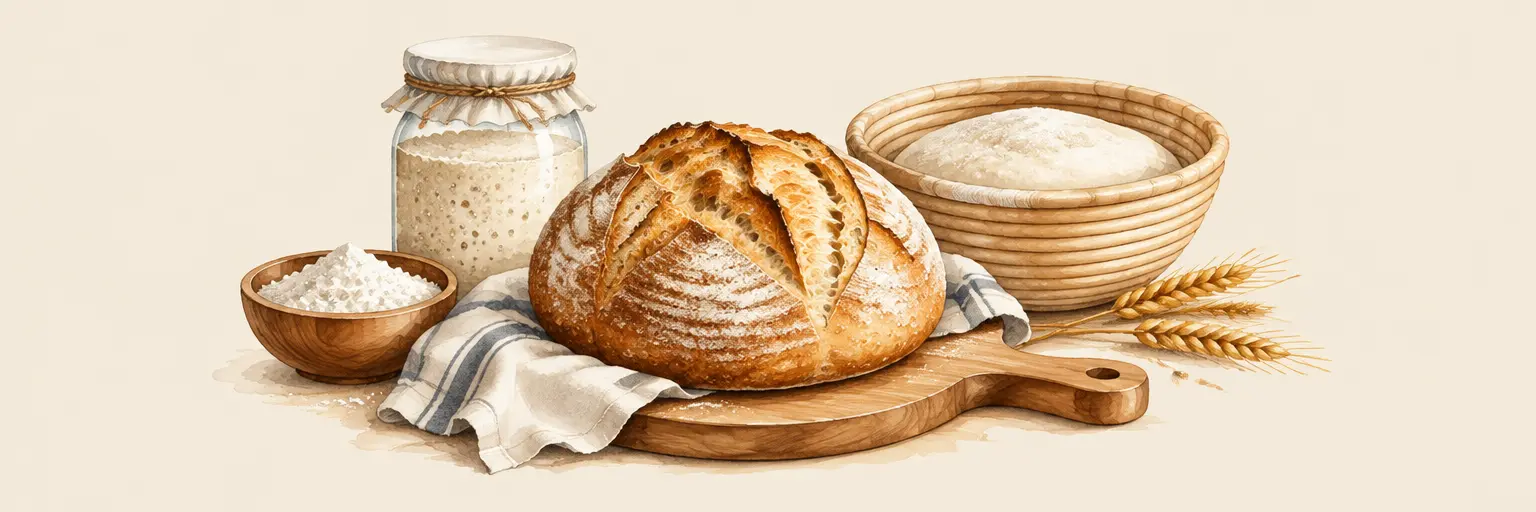
Discover the timeless art of basic sourdough bread recipes right here at BakeWithEase, where we transform simple flour, water, and salt into crispy, golden loaves with a soft, airy crumb. Perfect for bakers ready to move beyond the basics, these intermediate-friendly recipes focus on clear, step-by-step techniques—from nurturing your starter to mastering the perfect fold and scoring. Whether you crave a classic rustic boule, a tangy country loaf, or a slightly sweeter overnight version, our guides demystify fermentation and stretch-and-fold methods, ensuring foolproof results every time. With easy-to-find ingredients and pro tips on hydration and oven steam, you’ll build confidence and enjoy that unbeatable homemade aroma filling your kitchen. Skip the guesswork and dive into the rewarding world of sourdough—your next favorite bread is just a bake away. 🍞✨
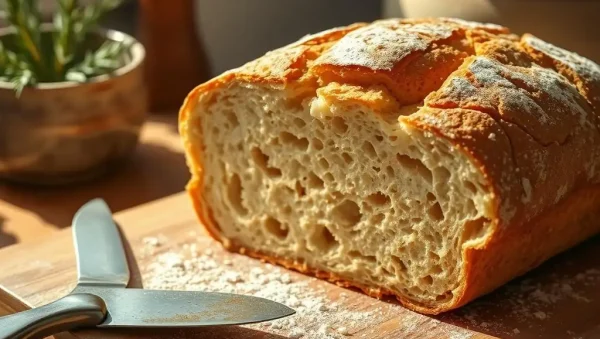
🥖 Discover how to create the perfect Easy Sourdough Sandwich Loaf with our simple, step-by-step recipe. BakeWithEase.com empowers bakers of all levels…
Read article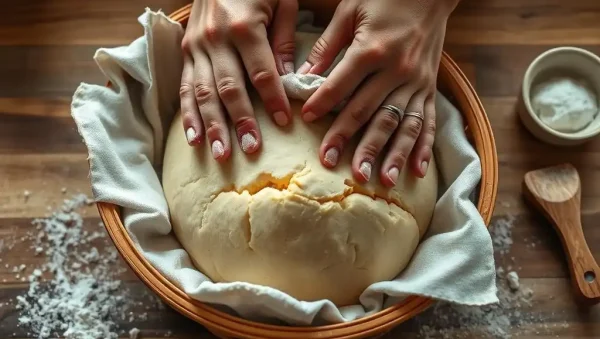
😊 Discover the beauty of simple sourdough folding techniques that elevate your bread-making. BakeWithEase.com guides you through easy, effective methods to perfect…
Read article
🥖 Discover how proper resting time sourdough starter significantly impacts bread quality. Learn essential techniques and tips to perfect your sourdough baking…
Read article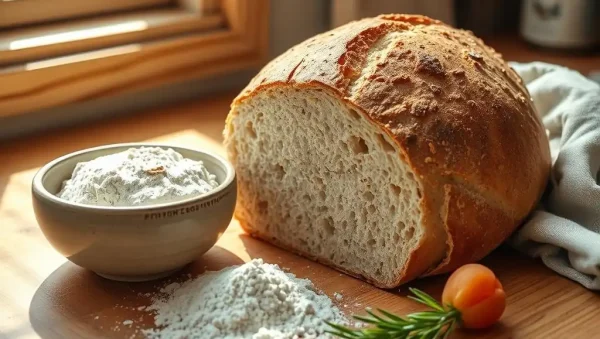
😊 Discover the joy of baking with our Easy 4 Ingredient Sourdough recipe, perfect for beginners and seasoned bakers alike. Bake delicious,…
Read article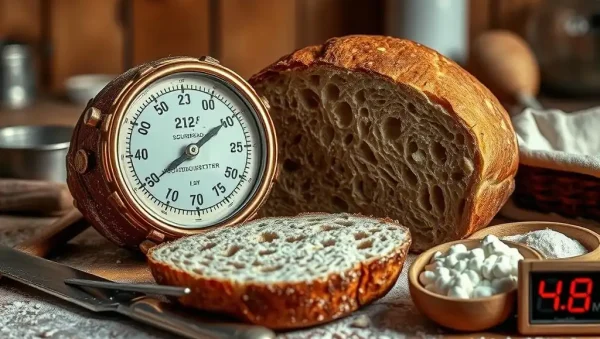
✨ Discover the essential "Sourdough baking temperature time" guide at BakeWithEase.com to perfect your bread every time. Learn simple tips and techniques…
Read article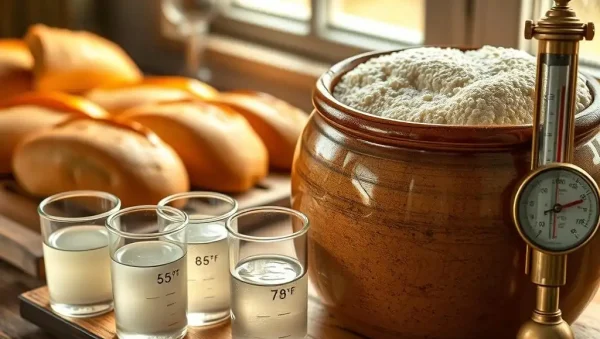
🌟 Master the art of sourdough by understanding how sourdough starter temperature control baking influences your bread's rise and flavor. Proper temperature…
Read article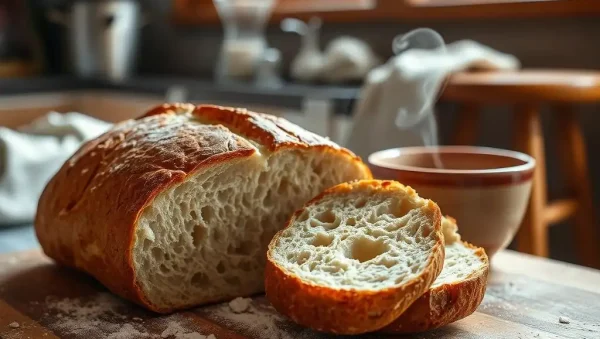
🍞 Discover BakeWithEase.com’s nofail sourdough loaf recipe, guiding you through simple, foolproof steps to create a crusty, artisanal bread. Perfect for beginners…
Read article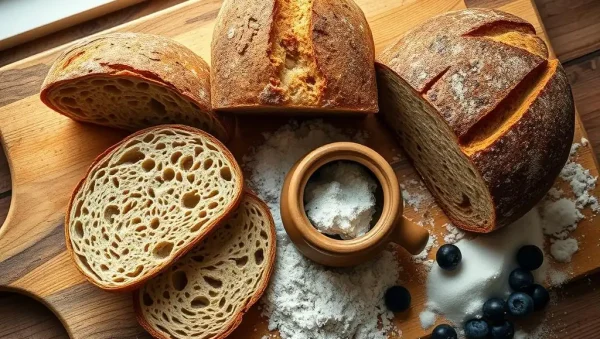
🌟 Discover how to make delicious sourdough bread using different flour types with our simple, step-by-step guide. Perfect for bakers of all…
Read article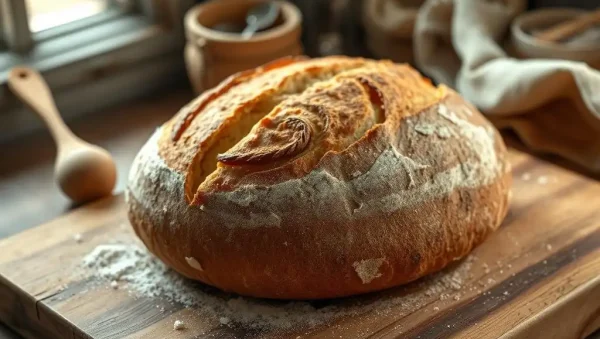
🌟 Discover the secrets to a perfectly baked basic sourdough recipe with easy, step-by-step guidance from BakeWithEase.com. Perfect for beginners and seasoned…
Read article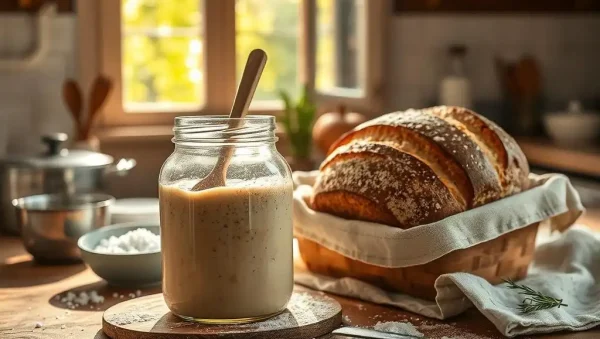
😊 Discover the joy of baking with BakeWithEase.com’s Easy Beginner Sourdough Starter Recipe, perfect for novices. Learn simple steps to create your…
Read article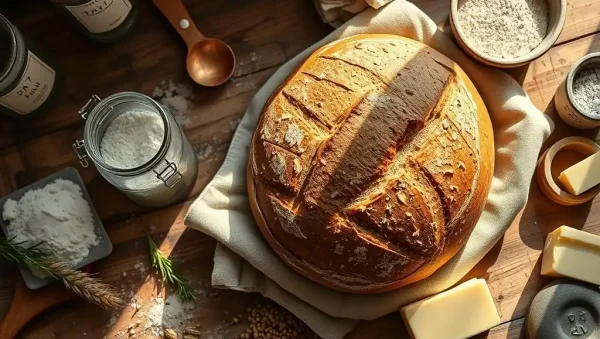
😊 Discover how to master "Easy Sourdough Starter Maintenance Tips" with BakeWithEase.com, your go-to resource for simple, step-by-step guidance on baking perfect…
Read article
😊 Discover the joy of baking with our easy beginner sourdough recipe, perfect for newcomers. BakeWithEase.com provides simple steps, accessible ingredients, and…
Read articleWelcome to the Basic Sourdough Bread Recipes subcategory at BakeWithEase.com. Here, we bridge the gap between beginner baking and true artisan skill. You’ll discover clear, step-by-step methods for creating crusty loaves with that signature tangy flavor, using simple ingredients like flour, water, and salt. Whether you’re feeding a bubbly starter for the first time or want to refine your shaping technique, this guide is tailored for intermediate bakers eager to build confidence and consistency. Expect practical tips, troubleshooting advice, and delicious variations that turn everyday baking into a rewarding ritual.
This is the foundation every sourdough baker needs. The classic country loaf uses a high-hydration dough (around 75-80%) to achieve an open crumb and crispy crust. You’ll learn the crucial stretch-and-fold technique, which replaces kneading and develops gluten strength without overworking the dough. Expect detailed guidance on bulk fermentation timing, shaping into a boule or batard, and scoring patterns for that beautiful ear. Master this recipe, and you’ll have a reliable base for all other sourdough creations.
We also focus on temperature control, explaining how a cooler or warmer kitchen affects fermentation speed. You’ll see how to use a proofing basket (banneton) properly and when to refrigerate the dough for that extra tangy depth. By the end, your oven will produce a golden, crackling loaf with a soft, chewy interior. This recipe is perfect for weekend baking, and you’ll find it surprisingly simple once the rhythm clicks. Pair it with soups, salads, or fresh butter for an unbeatable homemade treat.
Not all sourdough needs a heavy crust. Our simple sandwich bread uses a lower hydration (around 65-70%) with added milk or butter for a softer, tender crumb. This recipe is ideal for daily use—think toast, grilled cheese, or lunchbox sandwiches. You’ll learn how to incorporate your starter into a leaner dough while still maintaining that mild, pleasant sourness. Expect clear instructions on a shorter bulk ferment and a smooth, easy shaping into a loaf pan.
We tackle the common issue of dough sticking to the pan with proper greasing and parchment paper tricks. You’ll also discover how to adjust the flavor profile by extending the cold proof, giving you a more pronounced tang without extra effort. This loaf is forgiving and yields consistent results every time. Plus, it’s a fantastic way to use up a mature starter. With step-by-step photos and timing charts, you’ll never feel lost. Enjoy a slice freshly baked or toasted with jam—perfect for the whole family.
Whole wheat sourdough offers a heartier texture and nutty taste, but it can be tricky due to its heavy bran. Our recipe balances it with a high percentage of bread flour (about 50-70%) to ensure a rise that isn’t dense or brick-like. You’ll learn the art of autolyse—soaking the flour and water before adding the starter—to help soften the bran and improve gluten development. We also guide you through handling a stiffer dough with extra patience and gentle folds.
Expect tips on increasing hydration slightly to compensate for whole wheat’s thirst, plus alternative techniques like using scalded flour for extra moisture. This bread is excellent for health-conscious bakers, providing more fiber and nutrients without sacrificing flavor. We show you how to adjust proofing times and avoid over-fermentation, which can make the loaf gummy. Enjoy this rustic loaf with hearty stews, or toast it for a savory breakfast. You’ll gain the confidence to experiment with other grains like spelt or rye later.
Perfect for busy schedules, our no-knead sourdough requires only minimal hands-on time. This recipe uses a long, cold fermentation (up to 18-24 hours in the fridge) to develop flavor and structure naturally. You’ll mix a sticky dough, let it rest, and then shape it with just a few turns—no stretching required. The magic happens in the oven, using a covered Dutch oven to create steam, giving you a blistered, crackling crust and an airy crumb without any fancy equipment.
We explain how to achieve that perfect oven spring by preheating your pot thoroughly and using parchment paper for easy transfer. You’ll also learn why a slightly under-proofed dough is better than over-proofed for no-knead methods. This is the ultimate “set it and forget it” approach, ideal for beginners who lack time but crave artisan results. Expect troubleshooting tips for sticky dough and how to adjust flour hydration for humid environments. With minimal effort, you’ll bake a professional-quality loaf that impresses family and friends.
Beyond the recipe, mastering crust and scoring elevates your sourdough from good to stunning. Here, we dive into the science of steam and temperature. You’ll learn how to create the perfect steamy environment using a cloche, a tray of boiling water, or an ice cube in a covered pot. We break down the Maillard reaction and why a higher oven temperature (450-475°F) gives that deep caramelization. Expect to see the difference between a shiny, blistered crust and a dull one.
Scoring is both functional and artistic. We teach you the basic patterns—single slash, cross, or leaf—and how the angle and depth of your blade affect the loaf’s expansion. Use a sharp lame or razor blade for clean cuts. We’ll show you how to hold the blade at a 30-45 degree angle to create an “ear” for maximum rise. You’ll also discover timing tricks: score just before baking when the dough is cold from the fridge for easiest handling. This section is packed with visual diagrams and pro tips to help your loaves look as good as they taste.
A dense loaf usually means your starter is not active enough or the dough was under-proofed. Ensure your starter doubles in volume within 4-6 hours after feeding. Also, check if your bulk fermentation is long enough—aim for a 30-50% rise. Over-proofing can also cause flatness, so watch for a puffy, jiggly texture.
Yes, but the result will be slightly less chewy and may not rise as high. All-purpose flour has lower protein content, affecting gluten strength. You can compensate by increasing hydration a bit or adding vital wheat gluten. For best structure, use bread flour or a mix of bread and whole wheat.
Always flour generously using rice flour or a mix with all-purpose. Rice flour doesn’t absorb moisture, creating a non-stick barrier. You can also line the banneton with a linen cloth and dust it heavily. After proofing, gently invert the basket onto parchment paper—do not pull the dough.
Store it cut-side down on a cutting board at room temperature for up to 3 days, wrapped loosely in a cloth. Avoid plastic bags, as they soften the crust. For longer storage, slice and freeze the loaf. Warm slices in a toaster or oven at 300°F for 5 minutes to refresh crispness.
For active baking, feed once daily at room temperature (1:1:1 ratio of starter, flour, water). If you bake less often, keep it in the fridge and feed once a week. Before baking, take out a small amount and feed it 2-3 times over 12 hours to ensure maximum activity.