Understanding Gluten Development in Puff Pastry Dough
🌟 Unlock the secrets of gluten development in puff pastry dough with BakeWithEase.com. Discover simple techniques to achieve flaky, airy layers by…
Read article
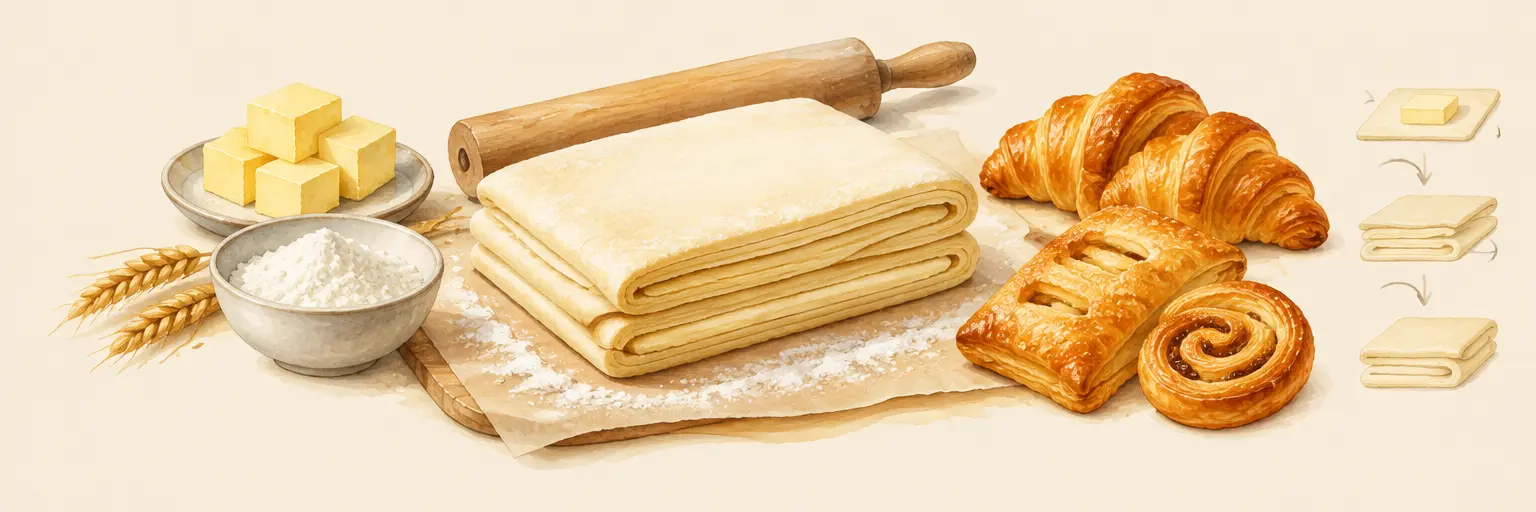
Master the art of flaky, golden layers with our expert-led puff pastry techniques 🥐—perfect for anyone ready to elevate their intermediate baking skills. Learn the secrets behind laminating butter for that signature airy crunch, from classic *feuilletage* to quick puff shortcuts, all with easy-to-find ingredients and step-by-step guidance. Whether you’re crafting delicate palmiers, savory tart shells, or buttery croissants, these methods will boost your confidence and pastry game. Discover how to prevent shrinkage, achieve the perfect oven spring, and troubleshoot soggy bottoms—turning every bake into a crisp, professional masterpiece. Perfect for home bakers craving restaurant-quality results, this resource turns tricky folding into a simple, rewarding ritual. 🧈✨
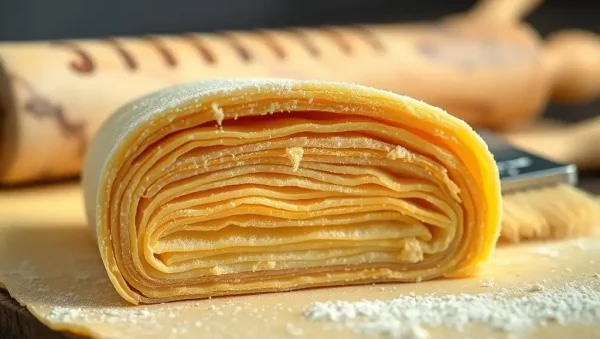
🌟 Unlock the secrets of gluten development in puff pastry dough with BakeWithEase.com. Discover simple techniques to achieve flaky, airy layers by…
Read article
😊 Avoid common puff pastry baking mistakes with our expert tips! Whether you're an intermediate baker or just refining your skills, learn…
Read article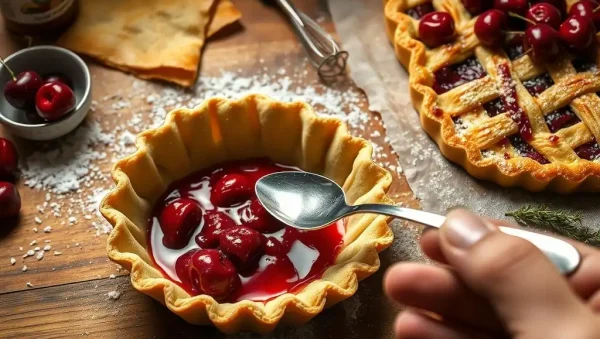
✨ Discover how to perfect puff pastry techniques easily with expert tips on filling before and after baking. BakeWithEase.com empowers bakers of…
Read article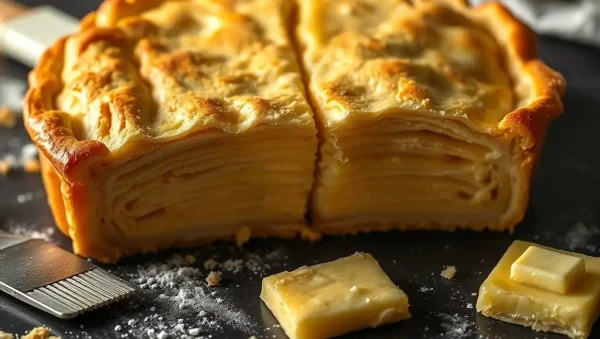
✨ Tackle uneven puff pastry layers with our expert troubleshooting tips. Learn how to achieve perfectly flaky, evenly layered pastries every time,…
Read article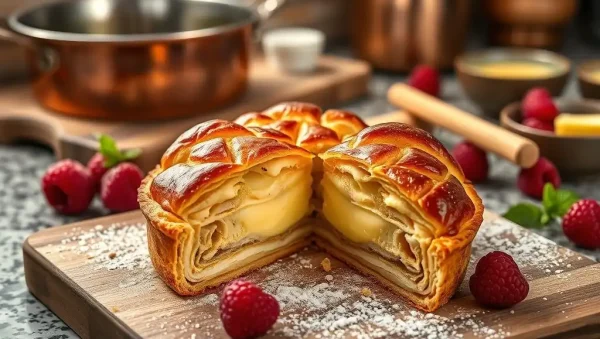
😊 Discover essential Golden Brown Puff Pastry Tips to achieve perfectly baked, flaky pastries without burning the edges. BakeWithEase.com offers simple techniques…
Read article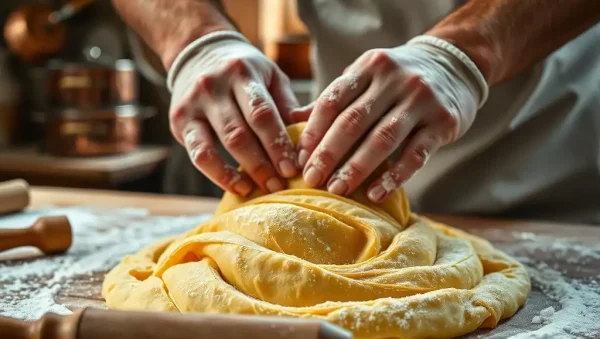
😊 Unlock the secrets of perfecting puff pastry folds technique with our expert tips. BakeWithEase.com guides you through essential folds to achieve…
Read article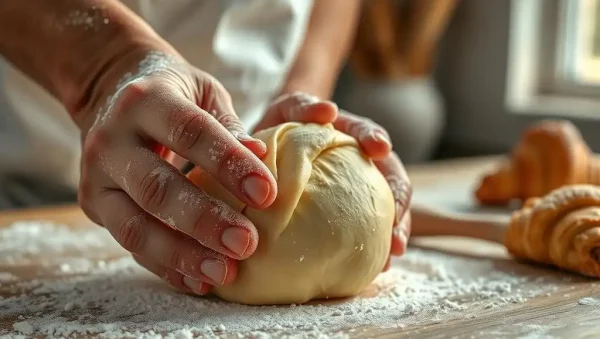
😊 Struggling with sticky puff pastry dough? Discover essential sticky puff pastry dough tips to keep your dough manageable and flaky. BakeWithEase.com…
Read article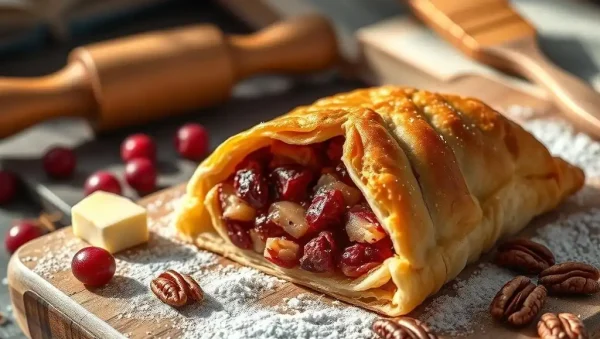
🥐 Discover expert tips for creating irresistibly flaky puff pastry turnovers with our Flaky Puff Pastry Turnovers Recipe. BakeWithEase.com guides you through…
Read article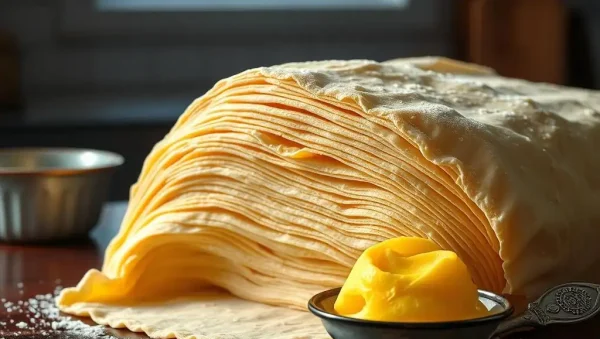
😊 Discover how resting puff pastry dough unlocks its flaky perfection. At BakeWithEase.com, learn simple techniques to transform your baking, ensuring crisp,…
Read article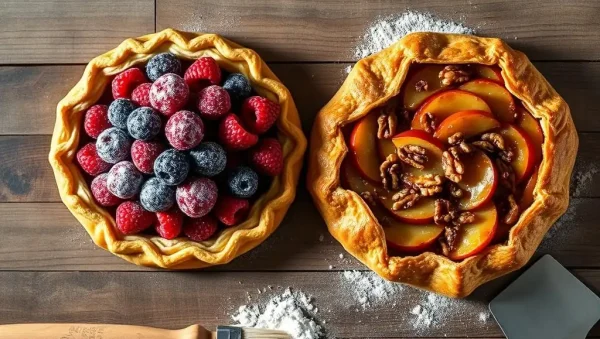
😊 Discover whether the classic or rough puff pastry recipe suits your baking style. BakeWithEase.com guides you through simple techniques and tips,…
Read article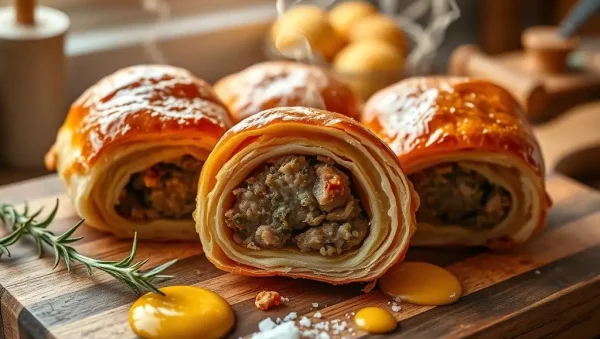
😊 Discover the secrets to perfecting easy puff pastry sausage rolls with our step-by-step technique walkthrough. BakeWithEase.com guides you through creating flaky,…
Read article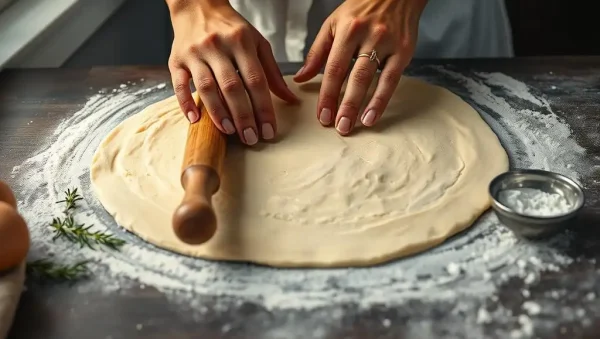
😊 Discover essential puff pastry dough rolling tips to handle delicate dough without damage. BakeWithEase.com provides simple, expert advice to help bakers…
Read articleWelcome to the heart of BakeWithEase’s Intermediate Baking hub, where we demystify the art of puff pastry. This isn’t just about rolling dough; it’s about engineering hundreds of delicate, buttery layers that shatter and melt. Here, you’ll move beyond store-bought shortcuts to understand the science of lamination, resting, and shaping. Expect clear, actionable guidance that transforms you from a casual baker into a confident pastry artisan, ready to tackle croissants, vol-au-vents, and rustic tarts with precision.
Lamination is the process that creates puff pastry’s signature flakiness. In this section, we break down the beurrage (butter block) and détrempe (dough base), explaining why temperatures matter so much. You’ll learn how to achieve the perfect butter-to-dough ratio, how to fold in even layers (turns), and why each turn must be followed by a chill. We’ll cover the crucial difference between inverse and classic lamination, so you can choose the method that suits your kitchen and time.
Expect practical troubleshooting: why butter cracks, how to prevent dough from shrinking, and the signs of over-chilling. By understanding the interaction of gluten, fat, and moisture, you’ll gain the confidence to improvise. We emphasize using European-style butter with at least 82% fat for superior plasticity and flavor. This section turns theory into a tactile skill, ensuring your first batch isn’t a gamble but a controlled, delicious outcome.
Here, we focus on the physical execution—the book fold, envelope fold, and single fold. You’ll get step-by-step instructions with angle guides and pressure tips, ensuring your dough maintains a rectangular shape and even thickness. We explain how many turns yield different textures: three turns for a classic pâte feuilletée, or four for extra lift in pastries. We also cover how to roll evenly without crushing the layers, using gentle, forward strokes rather than aggressive back-and-forth.
This section is your hands-on manual. You’ll learn to time your rests to relax gluten and prevent elasticity, which often causes the butter to squeeze out. We share visual cues—like the dough’s “snap” when bent—to know it’s ready for the next turn. By mastering these folds, you’ll produce pastry that rises to over eight times its original height, with a honeycomb interior that’s both crisp and tender.
Shaping defines the final product. Here, we cover cutting clean edges (never twist the cutter), docking techniques for flat tarts, and how to create raised borders for quiches. You’ll learn to make vol-au-vent rings, palmiers, and napoleon slices, with precise chilling between steps to maintain sharp profiles. We also explain how to blind-bake puff pastry without it puffing unevenly, using weights and pre-heated trays.
Baking is where your technique shines. We delve into oven temperature curves—starting hot (400°F/200°C) to create steam, then lowering to finish drying the layers. You’ll learn to use egg wash for gloss, but only on the top, not the cut sides, to allow vertical expansion. Expect troubleshooting for soggy bottoms (use a perforated mat) and burnt edges (shield with foil). This practical guide transforms your pastry into professional-grade vessels for sweet or savory fillings.
Short on time? This section compares rough puff (also called blitz or flaky pastry) with the full laminated version. We explain how to add butter in coarse chunks, fold four times, and still get a flaky texture, albeit with less uniform lift. You’ll also learn a cheat’s version using a food processor to keep butter cold and reduce gluten development. We include a side-by-side comparison of rising performance, butteriness, and ideal uses—from sausage rolls to apple turnovers.
This is your practical fallback for weeknight baking. We’ll show you how to freeze rough puff for up to three months and use frozen grated butter as an even quicker method. While not as lofty, these shortcuts save time without sacrificing flavor. You’ll learn to spot the difference in texture, so you can quickly decide which technique fits the dish. This section builds your repertoire, making puff pastry a spontaneous possibility, not just a weekend project.
Every baker faces failures. Here, we diagnose the top five problems: butter leaking, shrunken pastry, uneven rising, tough layers, and soggy centers. For each, we provide root causes—like over-hydrated dough, too-warm room, or overworking—and immediate fixes. You’ll learn to adjust resting times, humidity, and roll thickness. We also cover how to salvage a torn dough by patching with a chilled butter-flour mix, plus storage methods for unbaked and baked pastry.
This section is your diagnostic tool. We emphasize temperature control as the primary remedy, but also discuss ingredient substitutions like using bread flour for extra strength or cake flour for tenderness. Expect specific metrics—rest 30 minutes minimum, chill butter to 60°F (15°C) before each turn. With these insights, you’ll turn a frustrating batch into a learning experience, and future attempts will be consistently successful. We also include tips for high-humidity days, ensuring your pastry stays crisp.
For classic puff pastry, use a 1:1 ratio by weight—for every 100g flour, use 100g butter. This provides enough fat to separate layers without making the dough greasy. Rough puff can use slightly less (70-80g butter per 100g flour) for a less rich, but still flaky, result.
Typically, three single folds (or a mix of book and single) are sufficient. Each turn multiplies the layers: 3 turns yield 27 to 64 layers. More than four turns can make the layers too thin and brittle, reducing lift. Use 3 to 4 turns for most recipes.
Yes, shape and freeze before baking. Place cut pieces on a tray, freeze until solid, then store in a zip-top bag. Bake from frozen, adding 5-7 minutes to the baking time. Avoid thawing to prevent the butter from weeping and making the dough sticky.
Shrinkage usually means the dough’s gluten is over-developed or it wasn’t rested long enough after shaping. Always chill the shaped pastry for 30-60 minutes before baking. Also, roll gently and avoid stretching the dough; instead, lift and turn it to maintain elasticity.
Preheat a baking sheet in the oven, then place the pastry on it—this jump-starts heat. Alternatively, use a perforated baking mat to allow steam to escape. For filled pies, blind bake the base for 10-12 minutes with weights before adding the filling, and brush a thin layer of egg wash on the base to seal it.