
Transform Your Discard: Simple Sourdough Discard Muffins

Welcome to BakeWithEase, where delicious baking is always within reach!
Ever wonder what to do with that leftover sourdough starter? Don't toss it! Our latest guide, "Transform Your Discard: Simple Sourdough Discard Muffins," unlocks a world of flavor and reduces waste with an incredibly easy and satisfying recipe. Discover how to create moist, flavorful muffins that will have everyone asking for more. Curious how to transform that seemingly useless discard into a breakfast masterpiece? Let's get baking!
- Introduction to Sourdough Discard Muffins
- Mastering the Sourdough Discard Muffin Recipe
- Troubleshooting Your Sourdough Discard Muffins
- Flavor Variations: Expanding Your Sourdough Discard Muffin Repertoire
- Tips and Tricks for the Best Sourdough Discard Muffins
- Sourdough Discard Muffin Recipe: Printable Version
- Conclusion: Enjoying Your Homemade Sourdough Discard Muffins
-
Frequently Asked Questions
- What exactly is sourdough discard and can I use it in other recipes?
- Why use sourdough discard in muffins specifically?
- Is there a difference in texture or taste when using discard versus a traditional muffin recipe?
- Can I substitute anything for the sourdough discard in this recipe?
- How long will these sourdough discard muffins stay fresh?
- Final Reflection: The Unexpected Bounty of Sourdough Discard
- Unleash the Flavor: Bake Your Sourdough Discard Magic!
Introduction to Sourdough Discard Muffins
What is Sourdough Discard and Why Use It?
Sourdough discard refers to the unfed portion of your sourdough starter that you remove before feeding it. When you maintain a sourdough starter, whether it's a young starter or a mature one, a regular feeding schedule is crucial to keep it healthy and active. Each time you feed your starter with fresh flour and water, you typically remove a portion of the existing starter to prevent its volume from growing unmanageably large and to ensure the fresh food is concentrated enough to nourish the microbial community effectively.
This removed portion, which is no longer as active or bubbly as a fed starter, is known as discard. It still contains the unique flavor profile developed by the wild yeast and bacteria in your starter, making it a valuable ingredient in its own right.
Unlike active starter, which is used for leavening bread, discard has less leavening power because its yeast population isn't actively multiplying and producing carbon dioxide bubbles. However, it's far from useless! Using discard in baking offers several benefits. It adds a delightful tanginess and depth of flavor that you simply can't get from commercial yeast or other leavening agents.
Furthermore, it contributes to a tender crumb and can help extend the freshness of baked goods due to the presence of beneficial bacteria. Incorporating discard into recipes like this sourdough discard muffins recipe is an excellent way to reduce food waste while enhancing the taste and texture of your creations. Many bakers find joy in discovering new ways to utilize every part of their starter, transforming what might have been thrown away into delicious treats.
Why Bake Sourdough Discard Muffins? A Delicious Way to Reduce Waste
Baking sourdough discard muffins is a fantastic solution for anyone maintaining a sourdough starter. On average, a baker maintaining a standard 100% hydration starter (equal parts flour and water by weight) might generate anywhere from 50 to 200 grams of discard per day, depending on the feeding schedule and starter size. Over a week, this can accumulate to a significant amount – potentially 350 grams to over a kilogram of perfectly good, flavorful ingredient that could otherwise go to waste.
Utilizing this discard in a sourdough discard muffins recipe transforms it into a moist, flavorful treat that perfectly complements coffee or tea. It's a simple yet impactful way to practice mindful baking and reduce your kitchen's environmental footprint.
Beyond the environmental and economic benefits, sourdough discard muffins are simply delicious. The discard adds a subtle, complex tang that balances the sweetness of the muffin, creating a more sophisticated flavor profile than standard muffins. The acidity in the discard can also react with baking soda in the recipe, providing an extra lift and contributing to a tender texture.
This makes them a wonderful alternative to traditional muffin recipes. Whether you're a seasoned sourdough baker or just starting out, mastering a reliable sourdough discard muffins recipe is a valuable addition to your baking repertoire, offering a satisfying way to use up discard and enjoy a unique baked good.
Easy Sourdough Discard Muffin Recipe: Perfect for Any Baker
Finding an easy sourdough discard muffins recipe is a game-changer for busy bakers. Many people are intimidated by sourdough baking, associating it only with complex bread-making processes. However, using discard is much simpler as you're not relying on its leavening power for the primary rise.
Instead, the discard acts as a flavor enhancer and contributes to texture, while chemical leaveners like baking powder and baking soda do the heavy lifting for lift and structure. This particular sourdough discard muffins recipe is designed with simplicity in mind, requiring minimal special equipment and straightforward steps that even novice bakers can follow successfully.
This easy sourdough discard muffins recipe typically involves combining wet ingredients, including the discard, with dry ingredients, and then gently mixing until just combined. The process is remarkably similar to making standard muffins, with the main difference being the inclusion of that flavorful discard. It's a quick bake too; a batch is usually ready in under 30 minutes from start to finish, including prep time.
This makes it an ideal recipe for using up discard on a whim, perfect for a weekend breakfast or an afternoon snack. It demonstrates that sourdough baking isn't just about crusty loaves; it can also be about simple, delicious treats that are accessible to everyone.
Mastering the Sourdough Discard Muffin Recipe
Ingredients for Your Sourdough Discard Muffins
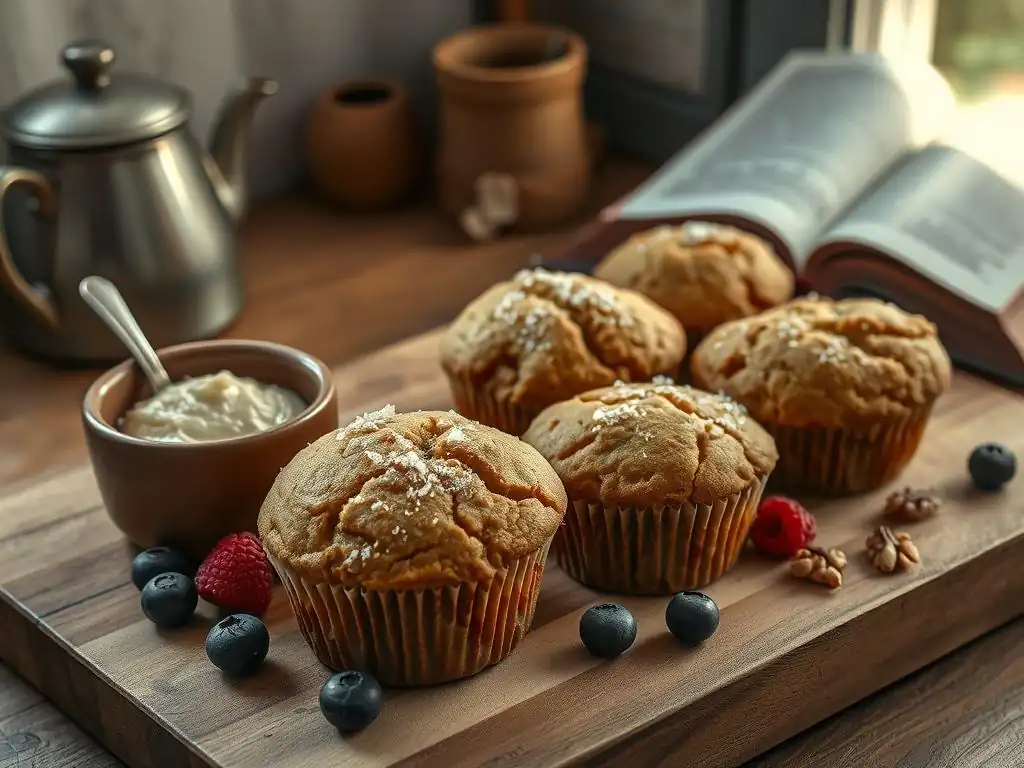
Crafting delicious sourdough discard muffins begins with selecting the right ingredients. This sourdough discard muffins recipe relies on a combination of standard baking staples and your unique sourdough discard. The success of the muffins hinges on the quality and freshness of these components.
For instance, using fresh baking powder and baking soda is crucial, as they provide the primary lift in this recipe, compensating for the lower leavening power of the discard. Similarly, using good quality flour, whether all-purpose or a blend, will impact the final texture. Pay attention to the state of your discard – while it doesn't need to be active, it should be relatively fresh (stored in the fridge for no more than about a week or two for optimal flavor) and at room temperature for easier mixing.
The specific amounts in a sourdough discard muffins recipe can vary slightly depending on the hydration of your starter and desired yield, but a typical recipe might call for around 1 cup (about 200-250 grams) of sourdough discard. You'll also need flour (around 1.5 to 2 cups), sugar (from 1/2 to 1 cup, depending on how sweet you like them), eggs (1 or 2), a liquid fat like melted butter or oil (1/3 to 1/2 cup), milk or buttermilk (1/2 to 3/4 cup), baking powder (1-2 teaspoons), baking soda (1/2 - 1 teaspoon), and salt (1/4 teaspoon).
Vanilla extract is also a common addition for flavor. Having all your ingredients measured and ready before you start mixing ensures a smooth baking process and better results.
Essential Ingredients for Flavor and Texture
The essential ingredients in a sourdough discard muffins recipe work together to create the desired flavor and texture profile. Your sourdough discard is paramount for that signature tangy note and moist crumb. The amount and age of your discard will influence the intensity of the tang; older discard (up to about 7-10 days refrigerated) often has a stronger flavor than younger discard. Flour provides the structure, while sugar adds sweetness, tenderness, and helps with browning. Eggs bind the ingredients and contribute richness.
Liquid fat, such as melted butter or vegetable oil, is key for moisture and tenderness. Melted butter offers a richer flavor profile, while oil tends to result in a slightly lighter, moister crumb. Milk or buttermilk adds necessary liquid to hydrate the flour and other ingredients; buttermilk's acidity can also react with baking soda for extra lift and tenderness. Baking powder and baking soda are the non-negotiable leaveners here, ensuring your muffins rise properly and aren't dense. The salt balances the sweetness and enhances all the other flavors.
Optional Add-ins: Customizing Your Muffins
One of the best things about a basic sourdough discard muffins recipe is how easily it can be customized with various add-ins. These additions allow you to tailor the muffins to your personal preferences or seasonal ingredients. For a classic sweet muffin, common add-ins include fresh or frozen berries (like blueberries, raspberries, or chopped strawberries), chocolate chips (milk, dark, or white), nuts (chopped walnuts, pecans, or almonds), or dried fruit (raisins, cranberries, or chopped apricots).
When using add-ins, consider their moisture content and size. For example, if using frozen berries, tossing them in a tablespoon of flour before adding to the batter can help prevent them from sinking to the bottom and bleeding color excessively. Chop larger fruits like apples or bananas into small, uniform pieces.
Spices like cinnamon, nutmeg, or cardamom can be added to the dry ingredients for extra warmth and flavor, especially when pairing with fruits like apples or pumpkin. Don't overload the batter with too many add-ins; typically, 1/2 cup to 1 cup per batch is sufficient to ensure the muffins bake through properly and maintain their structure.
Step-by-Step Guide: Baking Your Sourdough Discard Muffins
Baking a batch of sourdough discard muffins is a straightforward process that follows the standard muffin method. The key is to avoid overmixing the batter, which can lead to tough muffins. Start by preheating your oven and preparing your muffin tin. Greasing the tin or lining it with paper liners makes removal much easier. Many bakers prefer liners for less mess and easy portability. Ensure your sourdough discard is at room temperature; if it's cold from the fridge, microwave it for a few seconds or let it sit out for an hour before starting.
The process generally involves mixing the dry ingredients in one bowl and the wet ingredients (including the discard) in another, then combining the two mixtures briefly. This two-bowl method helps ensure that the leaveners, salt, and sugar are evenly distributed throughout the flour before being introduced to the liquid. Once the wet and dry ingredients meet, the chemical reactions begin, so quick, gentle handling is preferred.
Preparing the Sourdough Discard Batter
To prepare the sourdough discard batter, begin by whisking together your dry ingredients in a medium bowl. This typically includes flour, sugar, baking powder, baking soda, and salt. If you're adding any dry spices like cinnamon, include them here as well. Whisking helps aerate the flour slightly and ensures the leaveners are evenly distributed, which is vital for a good rise in your sourdough discard muffins recipe.
In a separate, larger bowl, whisk together the wet ingredients: your room temperature sourdough discard, eggs, melted butter or oil, and milk or buttermilk. Add vanilla extract if using. Whisk until these wet ingredients are well combined and homogenous. Now, pour the wet ingredients into the bowl with the dry ingredients.
Using a spatula or wooden spoon, gently fold the ingredients together just until no dry streaks of flour remain. A few lumps are perfectly acceptable and even desirable; overmixing develops gluten, resulting in tough muffins. If adding optional ingredients like berries or chocolate chips, fold them in gently at the very end.
Baking the Perfect Sourdough Discard Muffins: Temperature and Time
Baking sourdough discard muffins at the correct temperature and for the right duration is crucial for achieving a beautiful rise and a perfectly cooked interior. A common technique for muffins is to start with a higher temperature for the first few minutes to encourage a rapid rise, creating those desirable domed tops, and then reduce the temperature to ensure the inside cooks through without the outside burning. For a standard sourdough discard muffins recipe, preheating your oven to 400°F (200°C) or even 425°F (220°C) is often recommended.
Once the muffins are in the oven, bake at the initial high temperature for about 5-7 minutes. Then, while the muffins remain in the oven, reduce the temperature to 375°F (190°C) and continue baking for another 15-20 minutes, or until a toothpick inserted into the center of a muffin comes out clean. The total baking time will typically range from 20 to 27 minutes, depending on your oven and the size of your muffins.
Visually, the muffins should appear golden brown and the tops should spring back lightly when gently touched. Using a consistent oven temperature and monitoring closely will help you bake the perfect batch.
Cooling and Storing Your Homemade Muffins
Proper cooling and storage are essential steps to ensure your sourdough discard muffins maintain their delicious taste and texture. Once the muffins are baked and pass the toothpick test, remove the muffin tin from the oven. Let the muffins cool in the tin for just a few minutes, typically 5 to 10 minutes. This brief resting period allows them to firm up slightly before being removed. Trying to take them out too soon might cause them to break apart.
After the initial cooling in the tin, carefully transfer the muffins to a wire cooling rack to cool completely. Allowing them to cool on a rack ensures air circulates around all sides, preventing condensation from making the bottoms soggy. Once fully cooled, which might take 30 minutes to an hour, your sourdough discard muffins are ready to enjoy. For storage, place cooled muffins in an airtight container at room temperature.
They are best enjoyed within 2-3 days. If you won't eat them all within this timeframe, they freeze beautifully. Wrap individual muffins tightly in plastic wrap, then place them in a freezer-safe bag or container. Frozen muffins can last for up to 3 months; thaw at room temperature or warm gently in a microwave or oven.
Troubleshooting Your Sourdough Discard Muffins
Common Problems and Solutions for Sourdough Baking
Even with a reliable sourdough discard muffins recipe, encountering issues during baking is part of the learning process. Unlike bread baking where the starter's activity is paramount, problems with discard muffins are more often related to standard muffin techniques or ingredient interactions. Understanding common pitfalls can help you quickly diagnose and fix problems. For instance, issues with texture like density or dryness, or problems with rise, are typically related to mixing technique, ingredient ratios, or leavener freshness rather than the discard's activity level itself.
One frequent issue bakers face is achieving a consistent result. This can be influenced by factors like oven temperature fluctuations, the specific type of flour used, or even the humidity in your kitchen. Keeping notes on your baking process – like the temperature of your discard, the exact measurements used, and the actual baking time in your oven – can be incredibly helpful for troubleshooting and refining your sourdough discard muffins recipe over time. Don's be discouraged by a less-than-perfect batch; each bake offers valuable insights.
My Muffins Are Too Dense: Troubleshooting Tips
If your sourdough discard muffins turn out dense or heavy, there are a few likely culprits. The most common reason for dense muffins is overmixing the batter. When you mix wet and dry ingredients, gluten begins to develop in the flour. Excessive mixing overdevelops this gluten, resulting in a tough, dense texture instead of a tender one. Remember to mix only until the dry ingredients are just incorporated, even if a few small lumps remain. This is a fundamental rule for any muffin recipe, including a sourdough discard muffins recipe.
Another potential cause for density could be inactive or insufficient leaveners. While the discard adds flavor and moisture, the baking powder and baking soda are responsible for the lift. Check the expiration dates on your baking powder and baking soda. To test baking powder, add a teaspoon to hot water; it should bubble vigorously.
To test baking soda, add a teaspoon to vinegar; it should fizz immediately. If your leaveners are old, replace them. Also, ensure you used the correct amounts specified in the sourdough discard muffins recipe. Using too much discard relative to other ingredients without adjusting leaveners can also contribute to a heavier crumb.
My Muffins Are Too Dry: Hydration Solutions
Dry sourdough discard muffins can be disappointing, especially when you're aiming for that moist crumb that discard can help provide. Dryness is often a result of either not enough liquid in the batter or overbaking. Ensure you've accurately measured your liquid ingredients (milk/buttermilk, eggs, melted butter/oil, and the discard itself). The hydration level of your discard can vary; a very thick discard might require slightly more liquid overall in the recipe compared to a runnier one. Pay attention to the consistency of the batter – it should be thick but pourable or scoopable, not stiff.
Overbaking is another primary cause of dry muffins. Baking for too long or at too high a temperature (after the initial boost) can evaporate too much moisture from the muffins. Begin checking for doneness at the earlier end of the suggested baking time range (e.g., at 20 minutes if the range is 20-25 minutes).
Use the toothpick test: a few moist crumbs clinging to the toothpick are fine, but liquid batter or a completely clean toothpick might indicate under- or over-baking, respectively. Adjust your baking time based on your specific oven, as oven temperatures can vary significantly from the dial setting. Using a digital oven thermometer can help you verify your oven's actual temperature.
My Muffins Didn't Rise Properly: Baking Powder and Sourdough Discard Activity
If your sourdough discard muffins came out flat or didn't achieve that characteristic dome, the issue is most likely with your leavening agents. As mentioned earlier, in a sourdough discard muffins recipe, the primary lift comes from the chemical leaveners: baking powder and baking soda. Ensure both are fresh and active.
Baking powder reacts when combined with liquid and again when heated, providing a consistent lift throughout the bake. Baking soda reacts with acidic ingredients (like buttermilk, brown sugar, or the discard itself) as soon as it's mixed, and also contributes to lift in the oven. Using the correct ratios as specified in the recipe is crucial.
While the discard itself doesn't provide significant leavening in this context, using a very old or inactive discard might slightly impact the reaction with baking soda if the acidity has diminished. However, this effect is usually minimal compared to the impact of stale baking powder or soda. Check your measurements carefully; accidentally swapping baking powder and baking soda amounts, or forgetting one entirely, will significantly impact the rise. Also, ensure your batter wasn't overmixed, as this can deflate some of the initial air pockets created by the leaveners before baking.
Flavor Variations: Expanding Your Sourdough Discard Muffin Repertoire

Sweet Sourdough Discard Muffin Variations
The basic sourdough discard muffins recipe provides a perfect canvas for creating a wide array of sweet flavors. The subtle tang of the discard pairs beautifully with many sweet additions, balancing richness and sweetness. Experimenting with different fruits, spices, and confectionery items allows you to keep your discard baking exciting and cater to various tastes. These variations prove that discard is incredibly versatile and can be used in much more than just pancakes or crackers.
To create sweet variations, you typically add the flavoring ingredients along with the optional add-ins when you gently fold the wet and dry ingredients together. Ensure any fruit is cut into appropriate sizes – berries can be left whole or halved, while larger fruits like apples need to be diced. Spices are usually added to the dry ingredients. The amount of added sugar in the base recipe might be adjusted slightly depending on the sweetness of your add-ins, but often the standard amount works well to complement the fruit or chocolate.
Sourdough Discard Blueberry Muffins
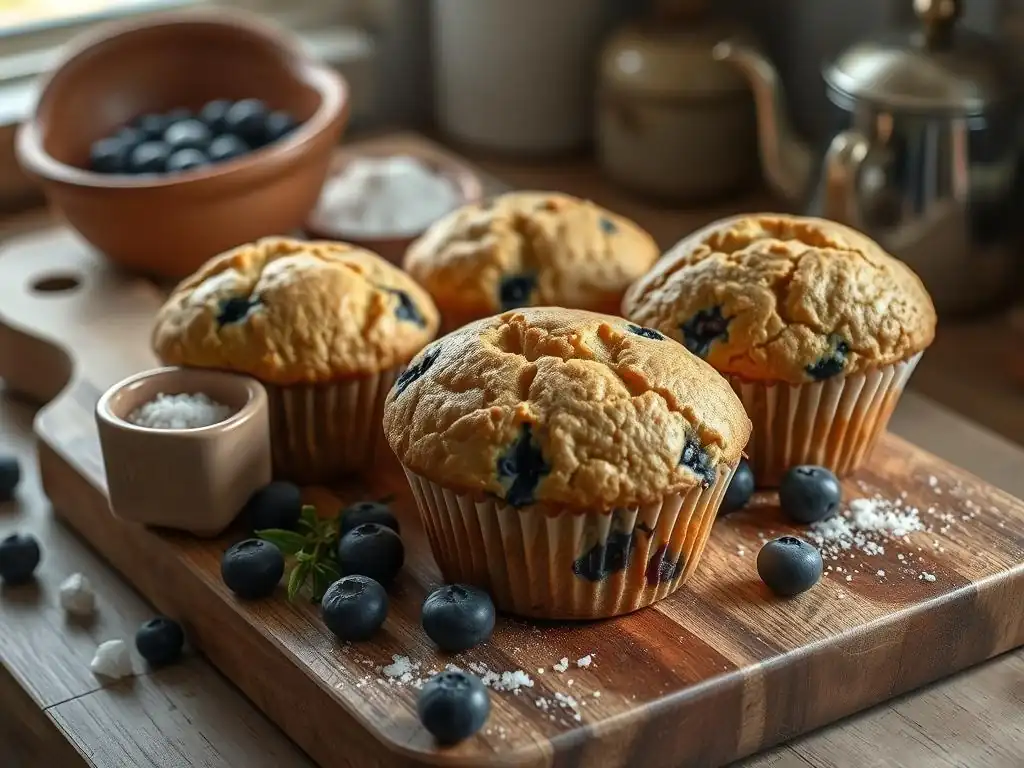
Sourdough discard blueberry muffins are a classic for a reason. The burst of juicy blueberries combined with the tender, slightly tangy muffin base is simply delightful. To make them, follow the basic sourdough discard muffins recipe and gently fold in about 1 cup to 1.5 cups of fresh or frozen blueberries at the end of mixing. If using frozen blueberries, do not thaw them first; add them directly to the batter, perhaps tossing them in a tablespoon of flour beforehand to prevent sinking.
The acidity of the blueberries also interacts nicely with the baking soda and the discard, potentially contributing to a slightly better rise and a more vibrant color. Bake according to the standard temperature and time guidelines. The blueberries will soften and release some of their juice, keeping the muffins extra moist. This variation is a staple for using discard and is consistently a crowd-pleaser, highlighting how well the unique flavor of sourdough discard complements sweet, fruity additions.
Sourdough Discard Chocolate Chip Muffins
For chocolate lovers, transforming your basic sourdough discard muffins recipe into chocolate chip muffins is a must-try. The slight tang from the discard provides a sophisticated contrast to the sweet, melting chocolate chips. You can use any type of chocolate chip – semi-sweet, milk, dark, or even white chocolate – or a combination. Mini chocolate chips distribute more evenly throughout the batter, while larger chunks create pockets of melted chocolate goodness.
Simply fold in about 1 cup to 1.5 cups of your preferred chocolate chips into the batter just before portioning it into the muffin tin. For an extra touch, sprinkle a few extra chocolate chips on top of each filled muffin cup before baking. This ensures you see those tempting chocolate pools on the finished muffins. Bake as directed in the standard sourdough discard muffins recipe. The warmth of the discard batter helps the chocolate chips melt beautifully during baking, resulting in moist, decadent muffins.
Sourdough Discard Apple Cinnamon Muffins
Sourdough discard apple cinnamon muffins are perfect for autumn or whenever you're craving warm, spiced flavors. The combination of sweet, tender apple pieces, warming cinnamon, and the subtle tang of discard creates a comforting and incredibly flavorful muffin. Use firm apples that hold their shape well when baked, such as Honeycrisp, Granny Smith, or Fuji, peeled and diced into small cubes (about 1/4 to 1/2 inch).
To make these, add 1 to 2 teaspoons of ground cinnamon (or a mix of cinnamon, nutmeg, and allspice) to the dry ingredients. Then, gently fold in about 1 cup of diced apple pieces into the prepared batter. You can also add 1/2 cup of chopped walnuts or pecans for extra crunch. Bake using the standard sourdough discard muffins recipe instructions. The apples will soften and become jammy, infusing the muffins with their sweet flavor while the cinnamon enhances the overall aroma and taste.
Savory Sourdough Discard Muffin Variations
While sweet sourdough discard muffins are popular, the versatility of discard extends beautifully to savory applications. The inherent tanginess of the discard makes it a natural fit for savory flavors like cheese, herbs, and vegetables, providing a depth that is often missing in standard savory quick breads. These variations are excellent served alongside soups, stews, or salads, or simply enjoyed on their own as a flavorful snack. They demonstrate the breadth of possibilities within a single sourdough discard muffins recipe base.
To create savory variations, you'll typically reduce the amount of sugar in the base recipe significantly (often to just a tablespoon or two, or even omit it entirely) and add savory ingredients to the batter. Cheese, chopped herbs, cooked vegetables, or even cooked meats like bacon or sausage can be incorporated. Ensure any vegetables are cooked and drained of excess moisture before adding them to prevent a watery batter. The baking time and temperature usually remain the same as the sweet version.
Sourdough Discard Cheese and Herb Muffins
Sourdough discard cheese and herb muffins are incredibly flavorful and satisfying. The sharp or nutty taste of cheese combined with fragrant herbs perfectly complements the tang of the discard. Good cheese options include sharp cheddar, Gruyère, Parmesan, or a blend. Fresh herbs like chives, rosemary, thyme, or parsley work best, but dried herbs can also be used (use about one-third the amount of fresh).
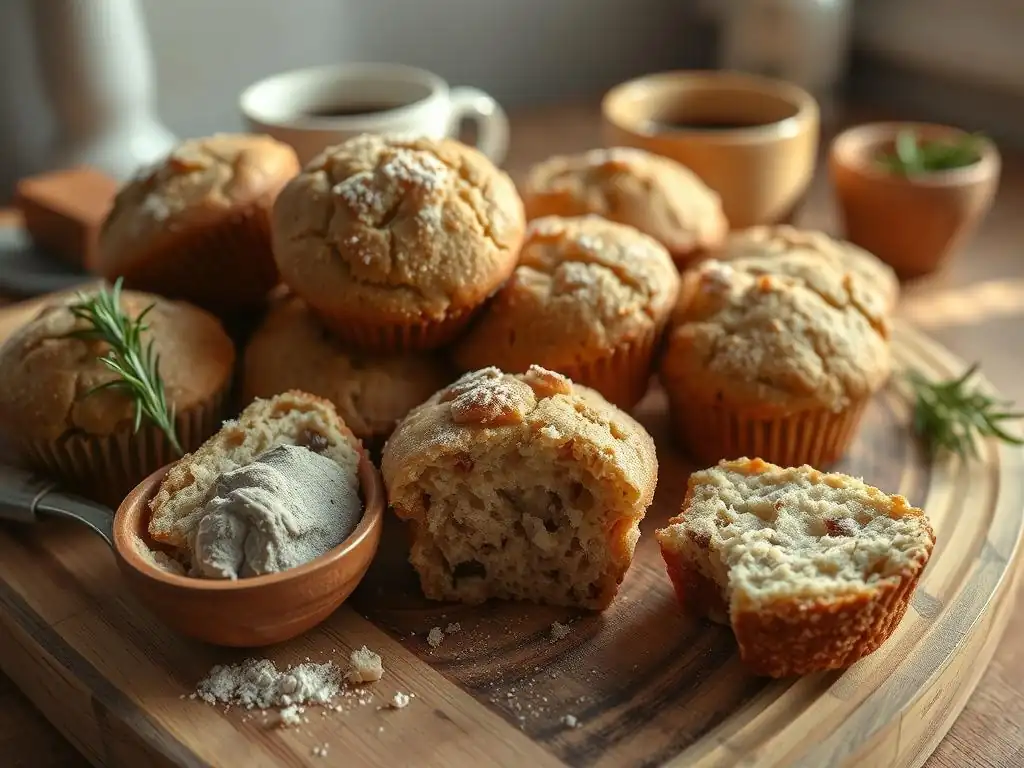
Reduce the sugar in the basic sourdough discard muffins recipe to just 1-2 tablespoons or omit it. Gently fold in about 1 cup of shredded cheese and 2-3 tablespoons of chopped fresh herbs (or 1-2 teaspoons dried) into the batter. You can also add a pinch of black pepper or a dash of garlic powder for extra flavor. Bake as per the standard instructions. These muffins are wonderful warm, with the cheese slightly melted, and pair excellently with a light meal or as a standalone snack.
Sourdough Discard Spinach and Feta Muffins
Drawing inspiration from Mediterranean flavors, sourdough discard spinach and feta muffins offer a delightful combination of salty, tangy, and savory notes. Feta cheese provides a salty bite, while spinach adds moisture and a touch of earthy flavor. Ensure the spinach is cooked and thoroughly drained to remove excess water, which could make the muffins soggy.
Again, reduce or omit the sugar from the base sourdough discard muffins recipe. Sauté about 1 cup of fresh spinach (or 1/2 cup frozen, thawed and squeezed dry) until wilted, then chop it finely. Crumble about 1/2 to 3/4 cup of feta cheese. Gently fold the cooked spinach and crumbled feta into the muffin batter. You might also add a pinch of dill or oregano to enhance the Mediterranean profile. Bake according to the standard recipe instructions. These muffins are particularly good for brunch or packed in a lunchbox.
Tips and Tricks for the Best Sourdough Discard Muffins
The Secret to Moist and Flavorful Muffins
Achieving consistently moist and flavorful sourdough discard muffins relies on a few key techniques. Firstly, do not overmix the batter. Overmixing develops gluten, which leads to a tough, dry texture. Mix just until the dry ingredients are incorporated. Secondly, ensure you are using the correct amount of fat (melted butter or oil) and liquid (milk/buttermilk, eggs, discard) as specified in your sourdough discard muffins recipe. These components are crucial for moisture. Using buttermilk instead of regular milk can also enhance tenderness and moisture due to its acidity.
Thirdly, pay attention to your discard. While its activity isn't the main concern, its hydration level and age can impact the final result. A thicker discard might require a slight adjustment in liquid. Using discard that has been refrigerated for a few days (up to about a week or ten days) often provides a more pronounced tangy flavor than very fresh discard, contributing to the overall flavor profile. Finally, avoid overbaking. Baking just until a toothpick comes out clean ensures the muffins are cooked through without drying out.
Maximizing Sourdough Flavor in Your Muffins
If you want to really highlight the unique tang of your sourdough starter in your sourdough discard muffins recipe, there are a couple of strategies you can employ. The most significant factor is the age of your discard. Discard that has been stored in the refrigerator for several days to a week or two will typically develop a stronger, more acidic flavor than discard used immediately after refrigeration. Using this older discard will result in a more pronounced sourdough tang in your finished muffins.
Another tip is to consider the hydration of your starter. A lower hydration starter (thicker) might produce discard with a slightly different flavor profile than a higher hydration one (runnier). Experimenting with discard from different hydration levels might reveal a preference. While you shouldn't expect the intense sourness of a long-fermented loaf, using slightly older discard is the most effective way to maximize that subtle, desirable sourdough note in your muffins. Some bakers even find letting the mixed batter rest for 15-30 minutes before baking can deepen the flavor slightly, though this isn't strictly necessary for a delicious result.
Adjusting the Recipe for Different Sourdough Starters
Sourdough starters vary widely depending on the flour used, hydration level, climate, and feeding schedule. This means your sourdough discard might be different from someone else's, particularly in terms of hydration (the ratio of water to flour by weight). Most standard sourdough discard muffins recipes assume a 100% hydration starter (equal parts flour and water). If your starter is maintained at a different hydration, you might need to make slight adjustments to the recipe's liquid or flour content.
For instance, if you use a very stiff starter (e.g., 50% hydration), your discard will be much thicker and contain less water than 100% hydration discard. You might need to add a little extra milk or other liquid to achieve the correct batter consistency. Conversely, if you use a very wet starter (e.g., 150% hydration), your discard will be runnier and contain more water.
You might need to slightly reduce the amount of added liquid or increase the flour amount by a tablespoon or two to compensate. The goal is a thick but scoopable batter. Pay attention to the batter's consistency described in your sourdough discard muffins recipe and adjust gradually if needed.
Sourdough Discard Muffin Recipe: Printable Version
Printable Recipe Card
Conclusion: Enjoying Your Homemade Sourdough Discard Muffins
You've now mastered the art of transforming your sourdough discard into delicious, moist, and flavorful muffins! Following this simple sourdough discard muffins recipe not only provides a wonderful way to use up that often-accumulating discard but also allows you to enjoy a unique baked good with a delightful tang. From classic blueberry to savory cheese and herb, the possibilities for customization are vast, ensuring you'll never get bored of using up your discard.
Baking sourdough discard muffins is a rewarding process that requires minimal effort for maximum payoff. It's a perfect entry point into using sourdough discard in recipes beyond bread and a testament to the versatility of your starter. So, the next time you feed your starter, save that discard with excitement, knowing it's destined for a batch of incredible muffins. Share them with friends and family, or simply savor them yourself with a cup of coffee or tea. Enjoy your homemade sourdough discard muffins!
Frequently Asked Questions
What exactly is sourdough discard and can I use it in other recipes?
Sourdough discard is the portion of your sourdough starter that you remove before feeding it. Yes, you can use it in many recipes, adding a unique tang and moist texture to baked goods.
Why use sourdough discard in muffins specifically?
Sourdough discard adds a subtle tang and extra moisture to muffins, resulting in a more flavorful and tender bake. It's also a great way to reduce food waste!
Is there a difference in texture or taste when using discard versus a traditional muffin recipe?
Yes, muffins made with sourdough discard often have a slightly chewier texture and a more complex, tangy flavor than those made without.
Can I substitute anything for the sourdough discard in this recipe?
While the discard is key to the recipe's flavor, you could try using plain yogurt or buttermilk, but the taste and texture will differ. Adjust liquid accordingly.
How long will these sourdough discard muffins stay fresh?
When stored properly in an airtight container, these muffins will stay fresh for 2-3 days at room temperature, or up to a week in the refrigerator.
Final Reflection: The Unexpected Bounty of Sourdough Discard
The humble sourdough discard, once a symbol of baking waste, is now revealed as a treasure trove of flavor and possibility. This simple recipe for sourdough discard muffins proves that embracing imperfection can lead to surprisingly delicious results, transforming what was once destined for the trash into a delightful treat. The ease of this recipe makes it accessible to even the most novice bakers, proving that sustainable baking practices don't have to be complicated.
The journey of transforming sourdough discard into something useful has resonated deeply with me, reflecting a larger societal shift towards mindful consumption and reducing food waste. It's a small act, but it speaks volumes about our relationship with food and resources. Waste not, want not,
an old adage, takes on new meaning when applied to the kitchen. This recipe is a testament to the power of resourcefulness and the joy of finding unexpected culinary gems in the seemingly mundane.
Now, I invite you to consider your own kitchen practices. What seemingly insignificant ingredients or byproducts could be transformed into something delicious and meaningful? Don't let the potential of your sourdough discard, or any other kitchen "waste," go to waste. Experiment, adapt, and discover the hidden potential within your own culinary landscape. Embrace the unexpected bounty, and let your kitchen become a place of creativity and mindful consumption.
Unleash the Flavor: Bake Your Sourdough Discard Magic!
Thanks for joining us on this delicious journey into sourdough discard! You've learned how to transform what was once waste into wonderfully tasty muffins. Now it's time to put your new skills to the test!
- Bake your own batch of sourdough discard muffins: Use the recipe you just learned and experiment with your favorite additions – blueberries, chocolate chips, even savory herbs! This is your chance to shine!
- Share your baking triumphs: Show off your creations on social media using #BakeWithEaseDiscard. Let's inspire others to avoid waste and embrace deliciousness!
- Explore our other sourdough recipes: Discover more ways to utilize your discard and elevate your baking game on BakeWithEase.com.
Ready to transform your discard into something truly magical? What creative twist will you add to your next batch of muffins?