
Tunnels in Your Cake? Understanding Overmixing

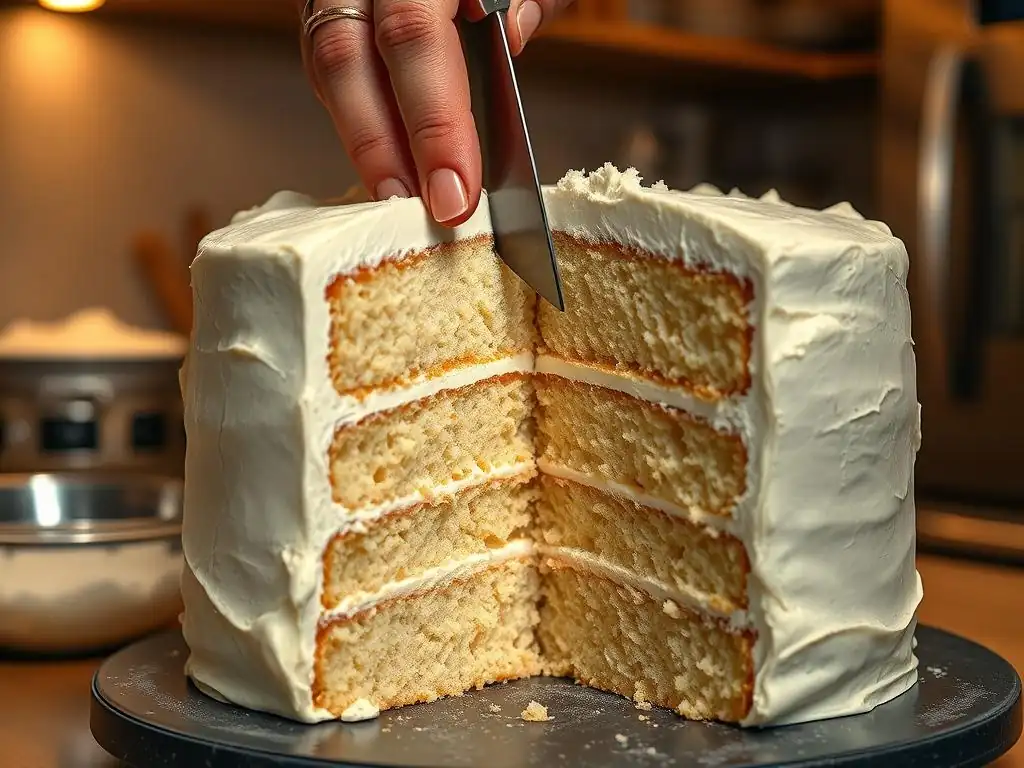
Welcome to BakeWithEase, where we unlock the secrets to baking success! Ever wondered why your cakes sometimes develop those pesky tunnels? We're diving deep into a common baking blunder: overmixing. Discover exactly what overmixing cake batter causes, and learn how to avoid it with our simple tips and techniques. Get ready to bake perfect, tunnel-free cakes every time!
- Dense Cakes and Tunnels: Understanding Overmixing
- Bake Better Cakes: Troubleshooting Overmixing
- What Causes Tunnels in Cakes? The Overmixing Problem
- Identifying Overmixed Cake Batter: Signs
- The Science Behind Overmixing
- Preventing Overmixing: Baking Techniques
- Essential Baking Equipment
- Recovering from Overmixing: Can You Save the Batter?
- Alternative Baking Methods: Avoiding Overmixing
- Recipe Examples: Avoiding Overmixing
- Mastering Cake Baking: Avoiding Common Mistakes
- Bake Better Cakes: Your Guide to Perfect Cakes
- Frequently Asked Questions
- Final Reflection: The Unsung Tragedy of the Overmixed Cake
- Unlock Perfectly Light Cakes: Stop Overmixing Today!
Dense Cakes and Tunnels: Understanding Overmixing
Welcome back to BakeWithEase! Ever cut into a beautiful cake, only to find strange tunnels running through it, or worse, a texture that's tough and dense instead of light and fluffy? You're not alone! This is a super common baking challenge, and often, the culprit boils down to one simple mistake: overmixing your cake batter. Let's dive into why this happens and how to achieve that perfect crumb every time.
Bake Better Cakes: Troubleshooting Overmixing
Achieving a tender, moist cake requires a delicate balance of ingredients and technique. While getting the measurements right is crucial, how you mix those ingredients together is equally important. Overmixing the batter is a frequent cause of disappointing cake textures, leading to issues like those dreaded tunnels and a heavy, rubbery feel. Understanding the science behind mixing will empower you to bake better cakes consistently.
What Causes Tunnels in Cakes? The Overmixing Problem
Those unsightly tunnels and the tough texture in your cake are direct consequences of developing too much gluten during the mixing process. Unlike bread, where strong gluten is desired for structure, cakes rely on a tender crumb. When you mix cake batter excessively, you activate and strengthen the gluten proteins in the flour, leading to undesirable results. Simply put, overmixing cake batter causes these common problems.
Overmixing Cake Batter Causes Dense Cakes with Tunnels
When flour is combined with liquid and agitated, gluten proteins (glutenin and gliadin) link together to form a network. In bread making, this network is developed through kneading to create chewiness and structure. However, in cakes, a tender, delicate structure is preferred. Overmixing intensifies this gluten development far beyond what is needed for a cake. This excessive gluten network becomes rigid and elastic.
As the cake bakes and leavening agents produce gas, this strong gluten network resists expansion. Instead of rising evenly with a fine, open crumb, the batter struggles against the tight structure. The gas tries to escape through the paths of least resistance, often creating large, irregular air pockets or "tunnels" within the dense cake. The overall texture becomes tough, heavy, and rubbery, a clear sign that overmixing cake batter causes significant structural issues.
Gluten Development: How Overmixing Affects Cake Texture
Flour contains protein, typically around 8-11% for all-purpose flour and even lower for cake flour (around 6-8%). When this protein interacts with liquid and mechanical action (mixing), gluten strands begin to form. The longer and more vigorously you mix, the more developed and stronger this gluten network becomes. Think of it like tiny elastic bands forming and tightening throughout your batter.
For a tender cake, you want just enough gluten development to provide a little structure, but not so much that it makes the cake tough. Overmixing pushes this development too far. The resulting strong, elastic network traps air bubbles inefficiently and resists the gentle rise needed for a soft crumb. This over-development of gluten is the primary reason why overmixing cake batter causes a less-than-ideal texture, resulting in a cake that might look okay on the outside but is disappointingly dense and riddled with tunnels inside.
Identifying Overmixed Cake Batter: Signs
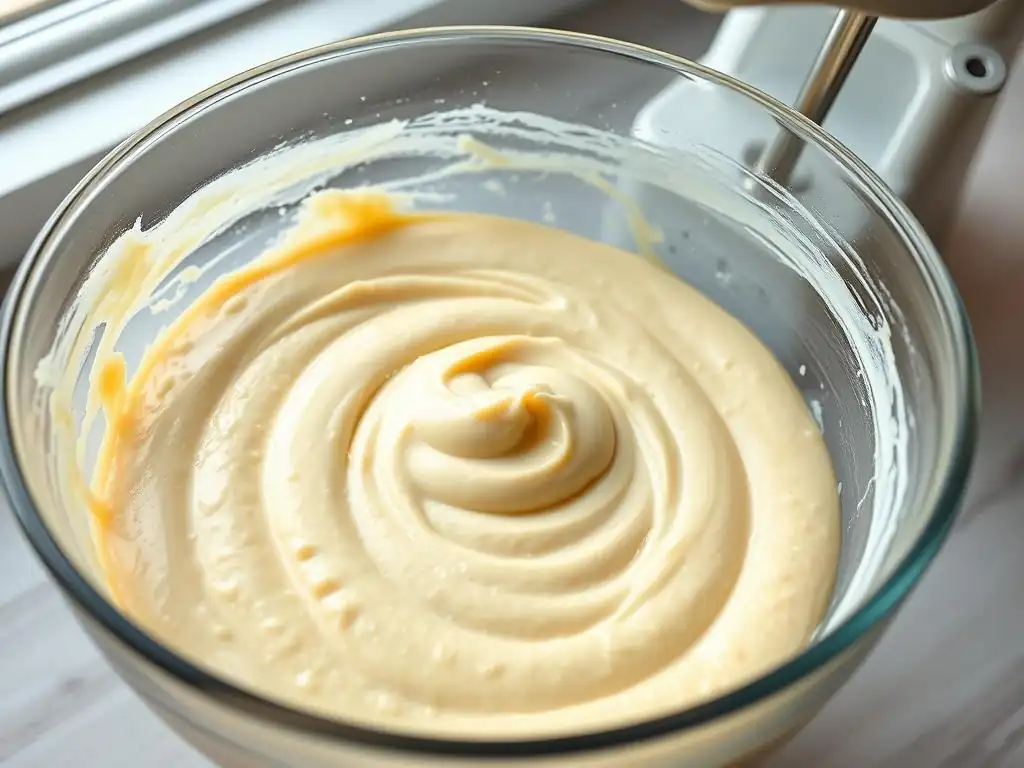
Spotting overmixed batter before it goes into the oven can save you from a disappointing cake. There are several tell-tale signs you can look for, both visually and in the texture of the batter itself. Learning to recognize these cues is a key step in preventing dense cakes and tunnels caused by overmixing.
Recognizing Visual Cues of Overmixed Batter
One of the most common visual signs of overmixed cake batter is a change in its appearance and consistency. Properly mixed cake batter, especially after the flour is added, should look somewhat thick but still flowing, often described as having a slightly lumpy appearance. You might see small flecks of flour that haven't been perfectly incorporated, and that's usually okay!
In contrast, overmixed batter will appear very smooth and elastic. It might look shiny or glossy, and when you lift the beater or spatula, the batter might stretch or fall off in a continuous ribbon rather than breaking off in chunks. The more you mix past the point of just combined, the more uniform and paste-like the batter becomes, losing that desirable slightly rustic look of correctly mixed batter. This smooth, elastic look is a strong indicator that overmixing cake batter causes the gluten to develop too much.
Texture Test: How Overmixed Batter Feels
Beyond just looking at the batter, feeling its texture can also tell you if you've overmixed. Properly mixed batter, especially when using the creaming method, should feel relatively soft and somewhat airy from the initial creaming of butter and sugar. When you add the dry and wet ingredients alternately, the goal is to mix just until combined.
Overmixed batter, on the other hand, will feel noticeably different. It will often feel thicker, heavier, and almost sticky or gummy to the touch. If you rub a small amount between your fingers, you might sense a slight elasticity or resistance, similar to a very loose bread dough. This feeling comes directly from the over-developed gluten network. If your batter has transformed from a soft, fluffy mixture into something that feels dense and sticky, you've likely gone too far, confirming that overmixing cake batter causes this undesirable texture change.
The Science Behind Overmixing
Understanding the fundamental science behind how ingredients interact during mixing is crucial for preventing overmixing. It's not just about following a recipe; it's about knowing why you perform certain steps and the impact they have on the final product.
Understanding Gluten Development in Cake Batter
As mentioned earlier, gluten development occurs when the proteins glutenin and gliadin in flour combine with liquid and are agitated. Think of these proteins as tiny, coiled springs. When they get wet, they start to uncoil and link up. Mechanical action, like mixing, encourages these links to form and strengthen, creating a complex, elastic network. This network is what gives bread its chewiness and structure.
In cake baking, however, we want a tender, crumbly texture, not a chewy one. We want a minimum of gluten development – just enough to hold the cake together. Overmixing provides too much mechanical action after the flour is added, causing excessive linking and strengthening of the gluten network. This results in a batter that is too elastic and tough, which prevents the cake from rising properly and contributes to a dense crumb and the formation of tunnels. This is the core scientific reason why overmixing cake batter causes structural problems.
Overmixing's Impact on Cake's Leavening
Leavening agents, such as baking soda and baking powder, create gases (like carbon dioxide) that expand when heated in the oven. This expansion is what makes a cake rise and creates its light, airy texture. These gases get trapped within the batter's structure, forming tiny bubbles that expand during baking.
When the batter is overmixed, the over-developed, elastic gluten network becomes too strong and rigid. It resists the expansion of the gas bubbles produced by the leavening agents. Instead of allowing the cake to rise evenly and gently, the stiff gluten structure forces the expanding gases to find the path of least resistance, often coalescing into larger bubbles that shoot upwards, forming those characteristic tunnels.
Furthermore, the dense structure itself hinders the overall rise, resulting in a cake that is not only tunneled but also shorter and heavier than it should be. The impact of overmixing cake batter causes a significant disruption to the leavening process, leading to poor volume and texture.
Preventing Overmixing: Baking Techniques
The good news is that preventing overmixing is entirely within your control! By adopting mindful mixing techniques, you can drastically improve the texture of your cakes. It's all about knowing when to start mixing and, more importantly, when to stop.
Gentle Mixing Techniques for Light Cakes
The key to preventing overmixing, especially after adding the dry ingredients (which contain the flour), is to use gentle mixing techniques. Once the flour is introduced, the goal is simply to combine it with the wet ingredients until no dry streaks remain. This usually takes very little time, often just 30-60 seconds on a low speed for a stand mixer or a few gentle stirs by hand.
Avoid turning your mixer up to high speed after adding flour. This rapid agitation develops gluten quickly. Instead, use the lowest speed necessary to just bring the ingredients together. For many recipes, incorporating the dry ingredients is the final mixing step before pouring the batter into the pan. This stage should be brief and gentle to ensure you don't trigger the issues that overmixing cake batter causes.
Folding Ingredients Correctly
Folding is a technique often used in baking, particularly when adding delicate ingredients like whipped egg whites or whipped cream, but it's also useful when incorporating the final dry ingredients into a cake batter, especially if you're using a hand mixer or mixing by hand. Folding involves using a spatula to gently cut down through the center of the batter, scoop up some batter from the bottom, and fold it over the top. You then rotate the bowl and repeat.
This method is much gentler than stirring or beating and significantly reduces the mechanical action on the flour. When adding dry ingredients, you can often mix most of it in on low speed, then switch to folding in the last few streaks of flour by hand with a spatula. This minimal agitation ensures that the gluten network doesn't over-develop, helping you avoid the common problems that overmixing cake batter causes.
When to Stop Mixing: Visual Cues and Timing
Knowing exactly when to stop mixing is perhaps the most critical skill in preventing overmixing. As discussed earlier, look for visual cues: stop mixing as soon as the last streaks of dry flour disappear into the batter. The batter doesn't need to be perfectly smooth; in fact, a slightly lumpy batter is often a sign you've stopped at the right time.
Timing can also be a rough guide, though visual cues are more reliable as mixing times vary based on mixer speed and batch size. For most standard cake recipes using a stand mixer, the flour incorporation stage should only take about 30-60 seconds on low speed. Anything significantly longer than that, especially if the batter starts looking glossy or wrapping around the paddle attachment, is a strong indicator that you are venturing into overmixing territory. Trust your eyes more than a timer during this crucial step to prevent the issues overmixing cake batter causes.
Essential Baking Equipment
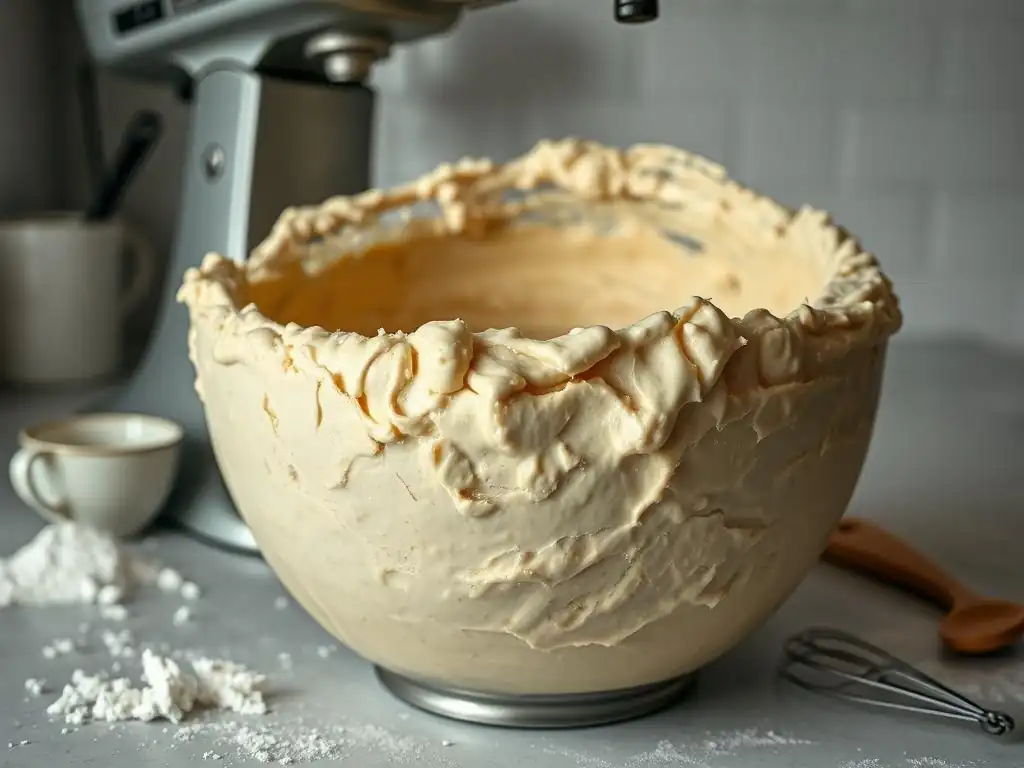
The tools you use can also play a role in how easily you might overmix your batter. Understanding the difference between equipment and how to use them effectively is part of mastering cake baking.
Choosing the Right Mixer and Attachments
For cake batter, a stand mixer is a powerful tool, but its power also makes overmixing easier if you're not careful. When mixing cake batter, the paddle attachment is typically used. The whisk attachment is generally reserved for whipping air into ingredients like egg whites or cream, or for very light batters like sponge cakes before flour is added. Using a whisk for a standard cake batter after flour is added can actually increase gluten development due to its aggressive action.
If using a stand mixer, always use the lowest speed when incorporating the dry ingredients. This minimizes the mechanical action on the flour. If you're concerned about overmixing, consider using a hand mixer or finishing the mixing by hand with a spatula after most of the flour is incorporated.
Hand Mixing vs. Machine Mixing
Mixing cake batter by hand offers more control and makes it harder to accidentally overmix, simply because you can feel the batter's consistency directly and your physical effort limits the speed and duration of mixing. A whisk is good for combining wet ingredients and incorporating air initially, while a spatula or wooden spoon is best for folding in dry ingredients.
Machine mixing (stand or hand mixer) is faster and more convenient, especially for creaming butter and sugar or mixing large batches. However, the speed and power of a machine mean you must be vigilant and stop mixing the moment the dry ingredients are just combined. Overmixing cake batter causes problems much faster with a machine than by hand. For delicate batters or if you're new to baking, starting with hand mixing for the final stages can be a great way to get a feel for the correct batter consistency.
Recovering from Overmixing: Can You Save the Batter?
So, you think you might have overmixed? Don't panic immediately! While you can't completely reverse the gluten development that overmixing cake batter causes, there might be some limited steps you can take, though success is not guaranteed.
Techniques to Improve Overmixed Cake Batter [Limitations]
Once gluten has developed excessively, it's very difficult to relax those bonds significantly in a cake batter context. Unlike bread dough which can sometimes be rested, cake batter doesn't benefit from resting in the same way, and resting can even negatively impact chemical leaveners. However, one potential technique, though with significant limitations, is to try adding a tiny bit more liquid (like milk or buttermilk) if the batter feels excessively stiff. This can sometimes help loosen the batter slightly, but it won't undo the gluten development and can throw off your recipe's moisture balance.
Another approach, only applicable in specific recipes where it makes sense, might be to gently fold in a very small amount of a tenderizing agent like melted butter or oil, if the recipe already contains these. Again, this is a risky technique and won't fix the core problem that overmixing cake batter causes – the over-developed gluten structure. The best "technique" is honestly damage control and managing expectations.
Recognizing Unsalvageable Batter
Unfortunately, there comes a point where the batter is likely unsalvageable for a tender cake. If your batter is extremely elastic, gummy, and tough, and stretches significantly when lifted, the gluten network is too strong. Trying to bake this will almost certainly result in a dense, rubbery cake with prominent tunnels.
Don't waste your time and ingredients baking batter that is clearly overmixed. While it might be disappointing, recognizing unsalvageable batter is part of the learning process. It's a sign that you've unfortunately experienced firsthand what overmixing cake batter causes. Take note of the batter's look and feel so you can avoid it next time. Sometimes, the best approach is to start fresh.
Alternative Baking Methods: Avoiding Overmixing
Beyond careful mixing techniques, certain ingredients and recipe types inherently reduce the risk of overmixing. Exploring these can be helpful, especially if you've struggled with overmixing in the past.
No-Mix Cake Recipes
Some cake recipes are specifically designed to minimize or eliminate traditional mixing steps, making them naturally resistant to overmixing. Dump cakes, for example, often involve layering ingredients without much mixing at all. Another category includes cakes where dry ingredients are whisked together, wet ingredients are whisked together, and then the two are just combined with minimal stirring.
These recipes often rely more heavily on chemical leaveners and sometimes use fats or liquids differently to create tenderness without relying on a developed gluten structure. While they might not produce the exact same texture as a classic creamed cake, they are a fantastic option if you want to avoid the issues that overmixing cake batter causes.
Using Cake Flour to Reduce Gluten Development
The type of flour you use significantly impacts gluten development. Cake flour has a lower protein content (typically 6-8%) compared to all-purpose flour (8-11%). Less protein means less potential for gluten formation. Recipes specifically calling for cake flour are designed to produce a very tender crumb.
Using cake flour makes it harder to overdevelop gluten, even if you mix slightly longer than ideal. While it doesn't make the batter immune to overmixing cake batter causes problems entirely, it provides a buffer and makes achieving a tender cake more forgiving. If you frequently struggle with tough cakes, trying recipes that use cake flour or substituting it (following reliable substitution guidelines) can be a helpful strategy.
Recipe Examples: Avoiding Overmixing
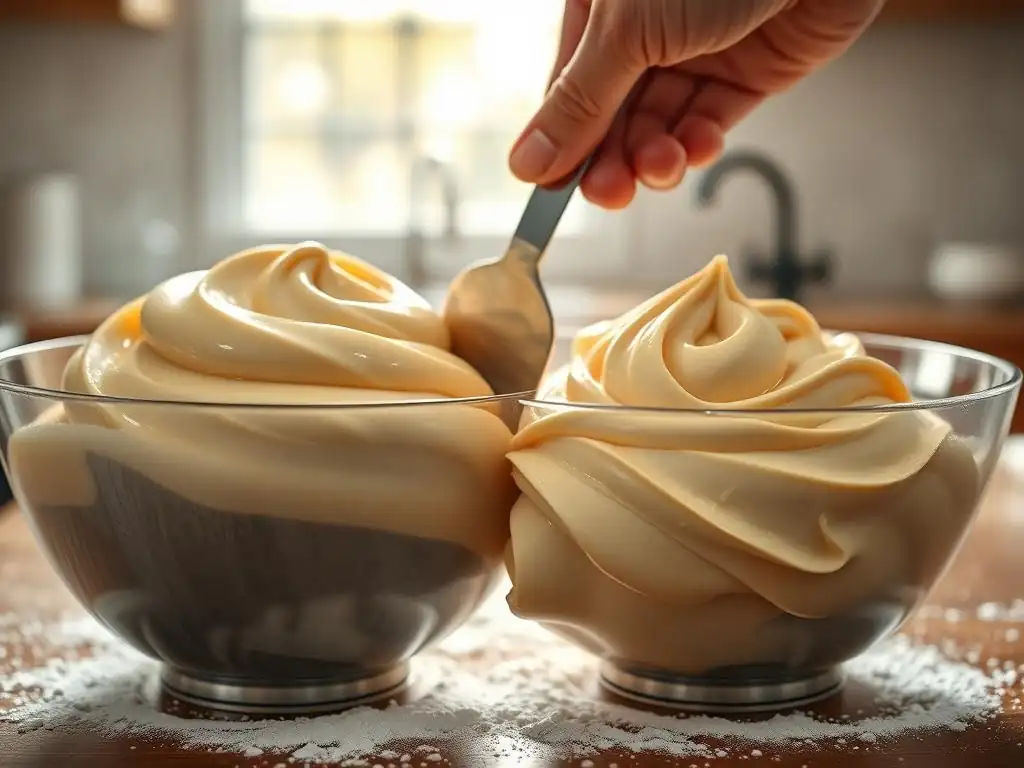
Let's look at how these principles apply to popular cake types. Whether you're baking a rich chocolate cake or a delicate vanilla one, the same core principles of gentle mixing apply.
Avoiding Overmixing in Chocolate Cake
Chocolate cakes often contain cocoa powder, which is dry and needs to be fully incorporated. This might tempt you to mix longer. However, cocoa powder, like flour, should be added along with the dry ingredients and mixed just until combined. Many chocolate cakes use the "reverse creaming" method, where dry ingredients (including sugar and cocoa) are mixed with softened butter first, then wet ingredients are added. This method coats the flour particles with fat, inhibiting gluten development and making the cake very tender and less prone to problems overmixing cake batter causes.
If using the standard creaming method for chocolate cake, add your dry ingredients (flour, cocoa, baking soda/powder, salt) in alternating additions with wet ingredients (like milk or buttermilk). Mix on the lowest speed only until no dry streaks are visible. Resist the urge to keep mixing until the batter is perfectly smooth; a few small lumps are fine and preferable to an overmixed batter.
Preventing Tunnels in Vanilla Cake
Vanilla cakes, particularly those made with the classic creaming method (creaming butter and sugar until light and fluffy, then adding eggs, then alternating dry and wet ingredients), are particularly susceptible to overmixing after the flour is added. Because the batter is lighter in color, it's easier to see those last streaks of flour, which can sometimes lead bakers to mix longer than necessary.
The critical stage for preventing tunnels in vanilla cake is the final incorporation of dry ingredients. Add the flour mixture in 2-3 additions, alternating with your liquid (like milk). Mix on the lowest speed of your mixer or gently fold by hand. Stop the very moment you no longer see dry flour. The batter will still look slightly textured, not perfectly smooth. This brief mixing time is key to preventing the strong gluten network that overmixing cake batter causes, ensuring a fine, even crumb and avoiding tunnels.
Mastering Cake Baking: Avoiding Common Mistakes
Overmixing is just one piece of the puzzle in baking perfect cakes, but it's a significant one. By understanding why it happens and how to prevent it, you're well on your way to baking success.
Beyond Overmixing: Factors Affecting Cake Texture
While overmixing cake batter causes major texture issues, other factors also play a role. Using the wrong type of flour, incorrect ingredient measurements (especially too much flour or not enough fat), baking at the wrong temperature, or opening the oven door too early can all affect your cake's texture and rise. Ensure your leavening agents are fresh, your ingredients are at the correct temperature (like room temperature butter and eggs), and you follow the recipe instructions carefully.
- Ingredient Temperature: Room temperature ingredients emulsify better, leading to a smoother batter.
- Accurate Measurement: Use a scale for flour for the most accurate results. Volume measurements can be inconsistent.
- Oven Temperature: An inaccurate oven temperature can affect how the cake rises and sets.
- Leavener Freshness: Baking powder and soda lose potency over time.
Addressing these alongside mindful mixing will significantly improve your cake outcomes.
Practice: Refining Your Baking Skills
Like any skill, mastering cake baking takes practice. Don't be discouraged if your first attempt isn't perfect. Pay attention to the look and feel of your batter at each stage. Note what happens when you mix for different durations. Did stopping sooner result in a better texture? Did mixing longer truly lead to toughness?
Keep experimenting with different recipes and techniques. Try mixing a favorite recipe by hand one time and with a machine another time (being careful with the machine). The more you bake and observe, the better you'll become at recognizing the signs of correctly mixed batter and confidently preventing the common problems that overmixing cake batter causes.
Bake Better Cakes: Your Guide to Perfect Cakes
You now have the knowledge to combat one of the most common cake-baking frustrations: overmixing. Remember that achieving a tender, moist cake is about respecting the ingredients and the process. By using gentle techniques, knowing when to stop mixing, and being aware of the signs of overmixed batter, you can avoid dense, tunneled cakes. Keep practicing, keep baking, and enjoy the journey to perfect cakes with BakeWithEase!
Frequently Asked Questions
What exactly happens when you overmix cake batter?
Overmixing develops the gluten in the flour too much. This leads to a tougher cake texture and those dreaded tunnels.
How can I tell if I've overmixed my cake batter?
The batter might look shiny and elastic instead of light and fluffy. Also, it might take on a gluey consistency, which isn't ideal.
What type of cakes are most susceptible to overmixing?
Cakes made with all-purpose flour, which has a higher gluten content, are more prone to problems from overmixing than those using cake flour.
What are the signs of overmixing in the baked cake itself?
Tunnels or large holes will be visible within the cake. The cake will also be dense, tough, and potentially dry, instead of tender and moist.
How can I prevent overmixing cake batter in the first place?
Combine dry and wet ingredients until just combined. Stop mixing as soon as the flour disappears; a few lumps are perfectly acceptable.
Final Reflection: The Unsung Tragedy of the Overmixed Cake
The seemingly simple act of mixing cake batter holds a power far exceeding its gentle appearance; overmixing, a subtle yet devastating force, can transform a potential masterpiece into a dense, rubbery disappointment. This isn't just about achieving the perfect texture; it's about understanding the fundamental chemistry at play, a chemistry that impacts not only our baking success but also our appreciation for the delicate balance required in many creative endeavors.
The impact of overmixing extends far beyond the individual kitchen. It speaks to a broader cultural obsession with perfection, often leading to anxiety and frustration when results don't meet unrealistic expectations. Perfection is not attainable, but if we chase perfection we can catch excellence.
This quote, while not directly about baking, perfectly encapsulates the spirit of mindful baking and the acceptance of imperfections that can lead to a richer, more satisfying experience. The journey of learning to avoid overmixing is a journey of learning to appreciate the process, the subtle nuances, and the beauty of imperfection.
Now, consider your own baking – or any creative pursuit. What are the "tunnels" in your cake? What are the areas where you might be overdoing it, striving for an unattainable ideal? I invite you to reflect on this, to consciously slow down, and to embrace the process, trusting the ingredients and the recipe, rather than forcing the outcome. The next time you bake, remember the delicate balance, and let the joy of the process, rather than the pressure of perfection, guide your hand. The result might just surprise you.
Unlock Perfectly Light Cakes: Stop Overmixing Today!
Thanks for taking the time to learn about the sneaky dangers of overmixing! You've now got the knowledge to avoid dense, tough cakes – a game-changer for your baking. Ready to put your new skills to the test?
- Bake a test cake today: Use your newfound knowledge to create a light and airy masterpiece. Pay close attention to the batter's consistency.
- Share your baking triumph (or learning experience!) on social media: Use #BakeWithEase and tag us – we'd love to see your results!
- Experiment with different mixing techniques: Try the "reverse creaming" method or a gentle fold next time to further refine your baking skills.
What unique mixing technique will you try next to perfect your cake recipe?