
The Science Behind Why Baked Goods Go Stale (And How to Stop It)

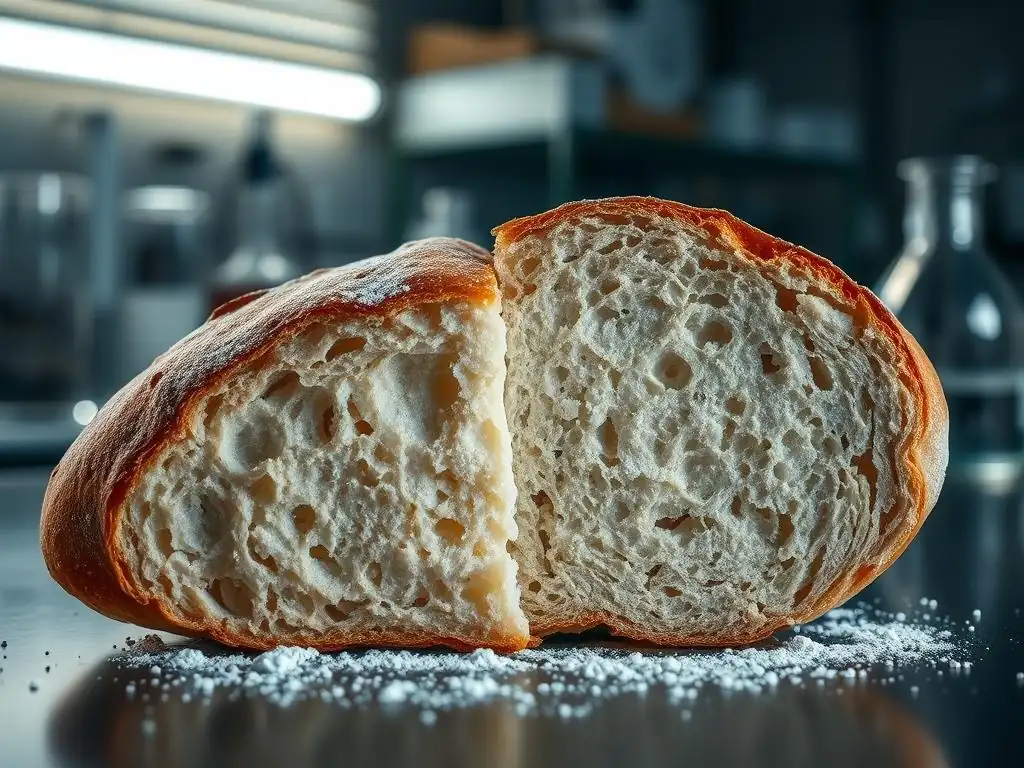
Welcome to BakeWithEase, your guide to confident baking! Ever wondered why your perfectly baked masterpiece turns from delightful to disappointing in a matter of days? Dive into our latest article, "The Science Behind Why Baked Goods Go Stale (And How to Stop It)," and unlock the secrets to keeping your creations fresh and delicious for longer. Discover the surprising science at play and learn practical tips to conquer the challenges of staling. Ready to keep those treats irresistible? Let's get baking!
- Understanding and Preventing Staling in Baked Goods
- The Science of Bread Staling
- The Science of Cake and Cookie Staling
- Factors Influencing Staling Rate
- Practical Strategies to Prevent Staling
- Reviving Stale Baked Goods
- Advanced Techniques for Extending Shelf Life
- Common Misconceptions About Staling
- Mastering Storage for Optimal Freshness
- Frequently Asked Questions
- Final Reflection: The Enduring Allure (and Science) of Fresh Bread
- Unlock the Secrets to Perfectly Fresh Baked Goods!
Understanding and Preventing Staling in Baked Goods
Welcome back to BakeWithEase! We've all experienced the disappointment of biting into a once-perfect loaf or cake only to find it dry, crumbly, or hard. This isn't just a matter of it "drying out"; it's a complex process known as staling. Understanding why baked goods stale is the first step to keeping your creations fresher for longer. Let's dive into the science and practical tips to combat this common issue.
The Science of Bread Staling
Bread staling is perhaps the most commonly observed form of baked goods deterioration. It's a rapid process that begins almost immediately after baking.
What is Bread Staling? A Chemical and Physical Process
Bread staling is fundamentally the process by which bread loses its desirable fresh qualities, becoming firm, dry, and eventually hard. Contrary to popular belief, it's not solely about losing moisture. While moisture redistribution plays a role, the primary culprit is a change in the structure of the starch molecules within the bread. This structural change is largely irreversible under normal conditions, leading to the perceived dryness and rigidity, even if the total moisture content hasn't drastically decreased.
This transformation happens at a molecular level. During baking, starch granules absorb water and gelatinize, forming a soft, elastic network. As the bread cools and ages, the starch molecules, particularly amylopectin, begin to re-crystallize or "retrograde." This re-crystallization forces water out of the starch network, causing the crumb to stiffen and become less yielding. The process is both chemical (molecular changes) and physical (changes in texture and structure).
Starch Retrogradation: The Primary Cause of Bread Staling
Starch retrogradation is the scientific term for the re-crystallization of starch molecules after they have been gelatinized during baking. Specifically, the amylose component of starch retrogrades relatively quickly upon cooling, contributing to the initial firming of the crust and crumb. However, the slower retrogradation of amylopectin is the main driver of long-term staling. As amylopectin chains align and form crystalline structures, they expel water that was previously bound within the gelatinized starch network.
This expelled water migrates from the crumb towards the crust, which is why the crust might become less crisp over time while the crumb becomes harder and drier in texture. The rate of amylopectin retrogradation is highly dependent on temperature. It occurs most rapidly at temperatures just above freezing, roughly between 30°F and 45°F (-1°C to 7°C), which is a critical point when considering storage methods and why baked goods stale faster in certain conditions.
Moisture Content and Distribution: Impact on Bread Texture
While starch retrogradation is the main chemical cause of staling, moisture content and its distribution within the loaf significantly impact the perceived texture and rate of staling. A typical loaf of white bread, for example, might have a moisture content around 35-40% after cooling. As staling progresses, this total moisture doesn't necessarily decrease significantly if the bread is stored in a sealed environment, but the water moves.
Moisture migrates from the relatively moist crumb to the drier crust, and even from the center of the loaf towards the edges. This internal migration contributes to the crumb becoming dry and dense while the crust may soften. If the bread is stored in an open environment, external moisture loss will also occur, accelerating the drying aspect of staling. Maintaining appropriate internal moisture and preventing external moisture loss through proper storage is crucial in slowing down why baked goods stale.
Staling affects cakes and cookies differently than bread due to their unique ingredient ratios, particularly higher levels of sugar and fat.
Cake Staling: Factors Affecting Moisture Retention
Cake staling, similar to bread, involves starch retrogradation but is significantly influenced by sugar and fat. The high sugar content in cakes competes with starch for water during baking, resulting in less starch gelatinization initially. Sugar also acts as a humectant, attracting and holding onto moisture, which helps keep the cake soft and moist for a longer period compared to bread. Fats, like butter or oil, also interfere with starch network formation and coat starch granules, further inhibiting retrogradation and contributing to tenderness and moisture retention.
Despite these protective factors, cakes do eventually stale. The retrogradation of the limited gelatinized starch still occurs, albeit slower than in bread. More importantly, moisture loss from the cake to the surrounding environment is a major contributor to perceived staleness in cakes. A cake with a high fat and sugar content, like a pound cake (often 1:1:1:1 ratio of flour, sugar, butter, eggs), will typically stay moist and tender for several days longer than a lean sponge cake, demonstrating how ingredients influence why baked goods stale.
Cookie staling is quite different from bread or cake staling. Instead of becoming hard and dry due to starch retrogradation, many types of cookies, especially crisp ones, tend to soften over time as they absorb moisture from the atmosphere. This is particularly true in humid environments. The high sugar and fat content in cookies also contributes to their texture; sugar crystallization can affect crispness, and fats can migrate and affect mouthfeel.
For soft, chewy cookies, staling might involve becoming harder as they lose moisture to the environment or, conversely, becoming soggy if stored improperly in a humid place. Flavor changes also occur as volatile aromatic compounds dissipate over time or react with oxygen. Understanding these distinct processes helps explain why baked goods stale in varied ways depending on their type and composition.
Gluten, the protein network formed in wheat flour doughs, plays a crucial role in the structure of bread but a less dominant one in many cakes and cookies due to lower protein flour use, higher fat/sugar content, and different mixing methods that limit gluten development. In cakes, a tender, fine crumb is desired, so gluten development is minimized. The network formed by eggs, sugar, and starch is more significant. Sugar's ability to interfere with both gluten and starch hydration contributes to the tender texture and slower staling rate compared to bread.
Sugars also affect the water activity (Aw) of baked goods. Lower water activity inhibits microbial growth and certain chemical reactions, contributing to a longer shelf life. In cookies, high sugar concentration can lead to a lower Aw, which helps preserve them but also makes them prone to absorbing external moisture if the ambient humidity is higher than their Aw, leading to softening. Conversely, if the ambient humidity is lower, they can lose moisture and become excessively hard. These interactions between ingredients and environment are key to understanding why baked goods stale.
Factors Influencing Staling Rate
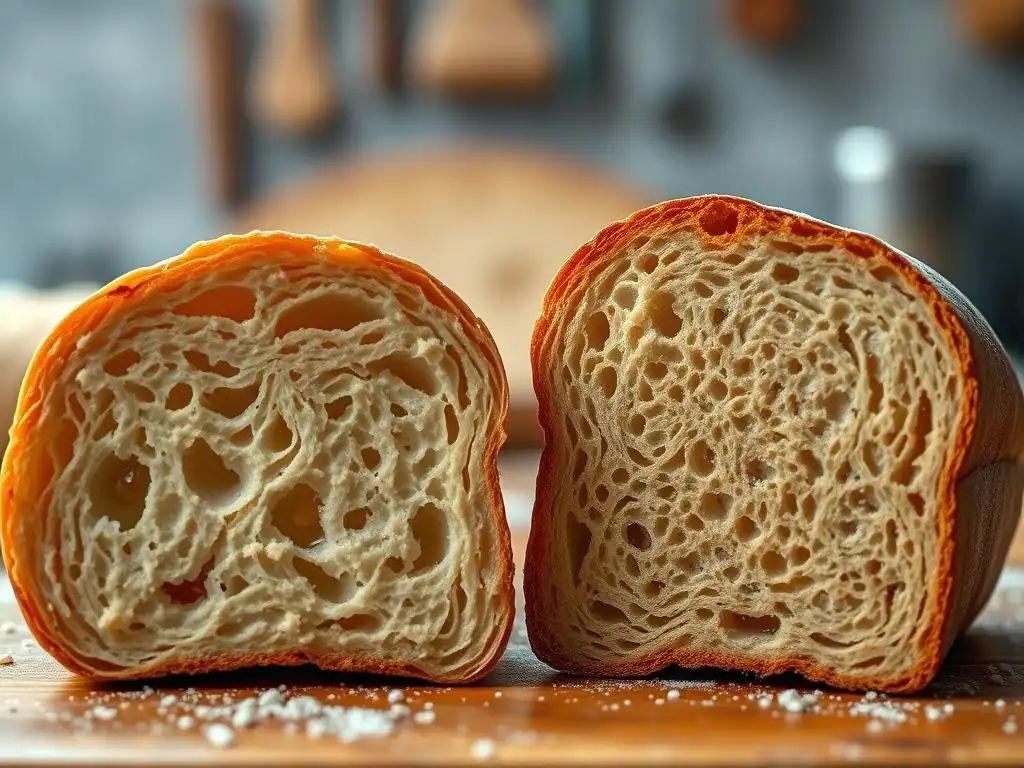
Several external and internal factors influence how quickly baked goods lose their fresh qualities.
Temperature Effects on Staling Kinetics
Temperature is perhaps the most significant environmental factor affecting the rate of staling, especially in bread. As mentioned, starch retrogradation, the primary cause of bread staling, occurs most rapidly at temperatures just above freezing, specifically between approximately 30°F and 45°F (-1°C to 7°C). This is why baked goods stale faster when stored in the refrigerator compared to room temperature.
At warmer temperatures (above 50°F/10°C), the rate of retrogradation slows down considerably. At freezing temperatures (32°F/0°C and below), retrogradation is almost completely halted. This is why freezing is the most effective method for long-term storage to prevent staling. For example, a loaf of bread stored at room temperature (around 70°F/21°C) might feel noticeably stale in 24-48 hours, while the same loaf stored in the refrigerator might show signs of staling within just 6-12 hours.
Humidity and its Influence on Baked Goods
Humidity plays a dual role in the staling process, depending on the type of baked good. For bread, storing it in a humid environment or a sealed bag helps prevent external moisture loss, which is beneficial. However, it doesn't prevent internal moisture migration or starch retrogradation. In fact, high humidity can sometimes make the crust less appealing.
For cookies, humidity is often detrimental to texture. Crisp cookies absorb moisture from a humid environment, losing their crispness and becoming soft. Soft cookies, on the other hand, might become soggy. Cakes benefit from being stored in a relatively sealed container to retain their internal moisture, but excessive humidity can lead to a sticky surface. Managing the environmental humidity around your baked goods is crucial in controlling why baked goods stale.
Ingredient Selection and its Impact on Shelf Life
The choice and proportion of ingredients significantly impact how quickly a baked good will stale. Ingredients like fats (butter, oil, shortening) and sugars are known to delay staling. Fats interfere with gluten development and coat starch granules, hindering retrogradation. Sugars act as humectants, retaining moisture. Ingredients high in moisture or those that bind water effectively, such as eggs, dairy (milk, yogurt, sour cream), and certain fruits or vegetables (like pumpkin or zucchini in quick breads), also contribute to a moister product that stales slower.
Conversely, lean baked goods with minimal fat and sugar, like a classic French baguette (just flour, water, yeast, salt), will stale very rapidly, often within hours, primarily due to fast starch retrogradation and moisture loss from the exposed crust. Adding ingredients like lecithin or certain emulsifiers (often found in commercial baked goods) can also inhibit staling by interfering with starch retrogradation. This highlights how recipe formulation directly impacts why baked goods stale and their eventual shelf life.
Practical Strategies to Prevent Staling
Knowing the science helps us develop effective strategies to keep our baked goods fresh.
Optimal Bread Storage Techniques for Freshness
To keep bread fresh, the goal is to slow down starch retrogradation and prevent excessive moisture loss or gain.
- Store bread at room temperature, not in the refrigerator. As discussed, refrigeration accelerates staling.
- Once cut, store the bread in a sealed plastic bag or a bread box. A plastic bag retains moisture, keeping the crumb softer, though it can soften the crust. A bread box allows some airflow, helping keep the crust firmer while still offering some protection.
- For longer storage, freezing is the best option. Wrap the cooled bread tightly in plastic wrap, then place it in a freezer bag or aluminum foil.
Consider a typical sandwich loaf. Stored unwrapped on the counter, it might be hard and dry in a day. In the fridge, it could feel stale even faster. Stored properly in a sealed bag at room temperature, it might remain reasonably fresh for 2-3 days. Freezing, however, can preserve its quality for several weeks or even months. This demonstrates the impact of storage on why baked goods stale.
Cakes and cookies require different storage approaches depending on their texture and frosting.
- Cakes: Store cakes, especially those with frosting, in an airtight container at room temperature. The container prevents moisture loss and protects the frosting. If the cake contains perishable fillings or frostings (like cream cheese frosting or fresh fruit), it should be refrigerated, accepting that the cake crumb may firm up slightly (though often less noticeably than bread due to high sugar/fat). Let refrigerated cake sit at room temperature for 20-30 minutes before serving for best texture.
- Cookies: Store crisp cookies in a loosely covered container to allow some air circulation and prevent them from absorbing too much moisture. Store soft or chewy cookies in an airtight container to retain their moisture. If storing different types together, store crisp and soft cookies separately; storing them together will cause the crisp ones to soften and the soft ones to harden.
Proper storage is key to maintaining the intended texture of cakes and cookies and preventing the changes that occur as why baked goods stale takes effect. A batch of chocolate chip cookies stored correctly can stay chewy for 3-4 days, while the same cookies left exposed could become hard and dry in less than 24 hours.
Freezing: An Effective Method for Long-Term Storage
Freezing is the most effective method for significantly extending the shelf life of most baked goods and is the best way to halt the staling process. Freezing temperatures (below 32°F/0°C) essentially stop the movement and re-crystallization of starch molecules (retrogradation) and significantly slow down moisture migration and microbial growth.
To freeze baked goods effectively, ensure they are completely cooled first. Wrap them tightly in plastic wrap, then in aluminum foil or place them in a freezer-safe bag or container. This double layer of protection helps prevent freezer burn, which is surface dehydration. Most baked goods can be frozen for 1-3 months without significant loss of quality. To thaw, simply remove from the freezer and let them sit at room temperature in their wrapping until thawed. This minimizes condensation on the surface. Freezing is a reliable way to bypass the typical reasons why baked goods stale quickly.
Reviving Stale Baked Goods
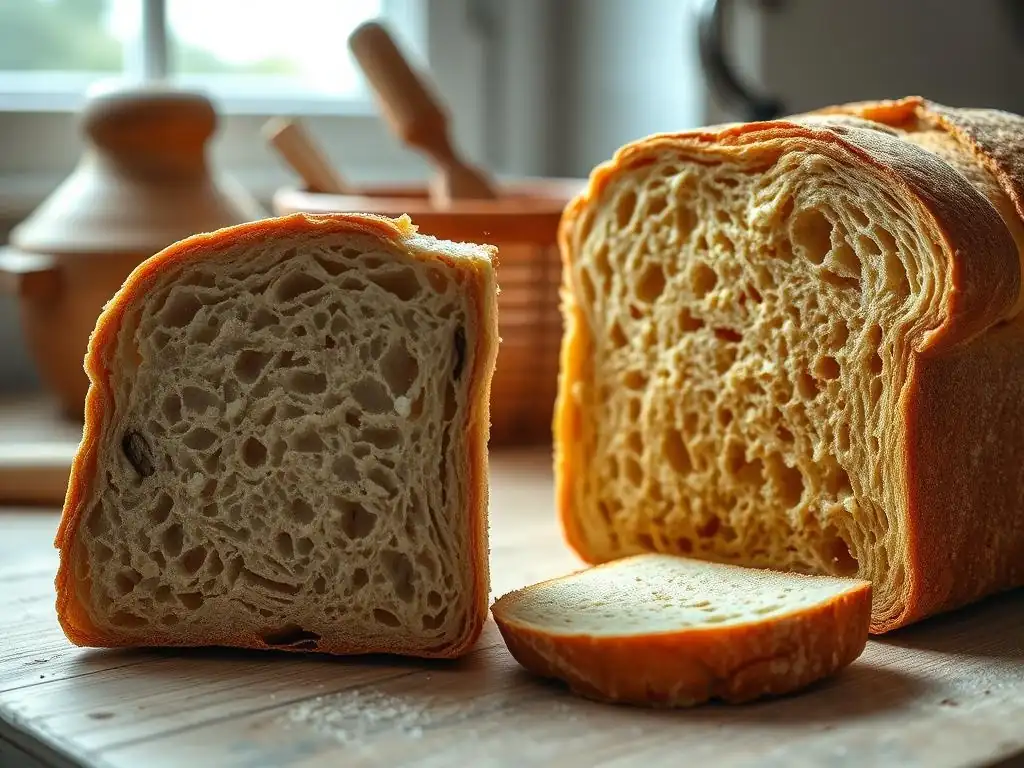
Sometimes, despite our best efforts, baked goods become stale. But don't despair! Often, they can be revived.
Refreshing Stale Bread: Techniques for Rehydration
Stale bread can often be refreshed by reintroducing moisture and briefly heating it. The heat helps to temporarily reverse some of the starch retrogradation, making the crumb softer again.
- Method 1 (Whole Loaf/Large Piece): Briefly run the stale bread under cool water, ensuring the crust is damp but not soaked. Place the bread directly on an oven rack in a preheated oven at 300-350°F (150-175°C) for 5-10 minutes, or until the crust is crisp again and the interior feels softer. Serve immediately, as it will harden again as it cools.
- Method 2 (Slices): Lightly mist slices of bread with water or milk, then toast them in a toaster, oven, or on a skillet until warm and slightly crisped.
These methods work best for bread that is merely stale (firm, dry crumb) rather than moldy. The effect is temporary because the starch will re-retrograde as it cools, but it's a great way to make stale bread edible for a meal. This helps combat the effects of why baked goods stale.
Dry cakes and cookies are usually suffering from moisture loss. Reintroducing moisture can help.
- For Cakes: If a cake is slightly dry, warming individual slices briefly in the microwave (just a few seconds) can soften them. For a whole cake, you can try brushing a simple syrup (equal parts sugar and water, heated until sugar dissolves and cooled) onto the layers, especially before frosting. Storing a slice of bread or an apple wedge in the cake container (not touching the cake) can also help by transferring moisture, though this is a slower process and the bread/apple piece will need replacing.
- For Cookies: Place dry cookies in an airtight container with a slice of bread or an apple wedge for a few hours or overnight. The cookies will absorb moisture from the bread/apple slice, becoming softer. Remove the bread/apple once the cookies reach the desired texture to prevent them from becoming soggy.
These techniques can help mitigate the dryness that contributes to why baked goods stale and becomes unappealing.
Bread Pudding Recipe Utilizing Stale Bread
Stale bread is perfect for dishes like bread pudding or French toast because the dry, firm texture allows it to absorb liquids without becoming mushy. Here’s a simple bread pudding concept:
- Ingredients: Cubed stale bread (about 4-6 cups), 4 eggs, 2 cups milk (or half-and-half), 1/2 cup sugar, 1 tsp vanilla extract, 1/2 tsp cinnamon, pinch of salt, optional additions like raisins, chocolate chips, or nuts.
- Instructions: Whisk together the eggs, milk, sugar, vanilla, cinnamon, and salt in a large bowl. Add the cubed bread and any optional additions, stirring to coat the bread completely. Let it sit for 15-30 minutes to allow the bread to soak up the custard mixture. Pour the mixture into a greased baking dish. Bake in a preheated oven at 350°F (175°C) for 40-50 minutes, or until the center is set and the top is golden brown.
This is a classic example of how understanding why baked goods stale can lead to delicious ways to repurpose them instead of discarding them.
Advanced Techniques for Extending Shelf Life
Beyond basic storage, bakers and food scientists employ more advanced techniques to combat staling.
The Role of Hydrocolloids in Reducing Staling
Hydrocolloids are a group of substances (like gums, starches, and fibers) that thicken or gel in the presence of water. They are often used in commercial baking to improve texture and extend shelf life by controlling moisture and interfering with starch retrogradation. Common examples include guar gum, xanthan gum, and modified starches.
These ingredients work by binding water more effectively than flour starch alone, keeping moisture within the crumb structure. They also physically interfere with the re-alignment of starch molecules, slowing down the retrogradation process. For instance, adding a small percentage (often less than 1%) of a hydrocolloid like xanthan gum to a bread recipe can significantly improve its softness and moisture retention over several days, directly combating why baked goods stale.
Optimizing Recipes for Extended Freshness
Recipe formulation itself can be optimized to create baked goods that resist staling. This involves adjusting the ratios of ingredients known to inhibit staling.
- Increase fat content: Higher fat levels (e.g., using oil instead of butter, or adding extra butter/shortening) interfere with starch and gluten development, leading to a tender product that stales slower.
- Increase sugar content: Sugar acts as a humectant, drawing and holding moisture. Higher sugar levels keep products softer and moister.
- Use ingredients high in moisture or water-binding capacity: Adding ingredients like mashed potatoes, yogurt, sour cream, or fruit purees can improve moisture retention.
- Use different flours or starches: Some flours or added starches (like potato starch or tapioca starch) can alter the staling rate compared to pure wheat flour.
By carefully adjusting these components, bakers can design recipes that inherently have a longer fresh life, addressing some fundamental reasons why baked goods stale. For example, a brioche, rich in butter and eggs, will stay fresh much longer than a lean ciabatta.
The high fat content in many cookie recipes plays a crucial role in their texture and how they age. Fats shorten the gluten strands (hence the term "shortening") and coat flour particles, inhibiting gluten development. This contributes to the tender or crumbly texture of cookies. More importantly for staling, fats create a barrier that slows down moisture movement within the cookie and between the cookie and the environment.
For chewy cookies, maintaining moisture is key. Recipes with higher ratios of butter or oil, and often brown sugar (which contains molasses and holds moisture better than white sugar), tend to stay chewier for longer. The fat helps prevent them from drying out and becoming hard. Conversely, very low-fat cookies might become hard and brittle quickly. This demonstrates how fat content directly impacts the specific way why baked goods stale manifests in cookies.
Common Misconceptions About Staling
There are several popular beliefs about staling that aren't entirely accurate. Let's clear those up.
Myth: Staling is Simply Drying Out
As we've explored, staling is much more than just drying. While moisture loss is a component, especially if baked goods are stored improperly, the primary driver of staling in bread and cakes is the re-crystallization of starch molecules (retrogradation). This process happens even if the total moisture content remains relatively stable, causing the crumb to stiffen and feel dry because the water is no longer available to lubricate the starch structure.
You can test this by comparing a loaf of bread left open to the air (which will dry out and become hard) with a loaf stored in a sealed bag in the refrigerator (which will also become hard and stale, but likely won't lose significant moisture). Both are stale, but the mechanisms contributing to their texture are different. This highlights the complexity behind why baked goods stale beyond simple dehydration.
Myth: Refrigeration Prevents Staling
This is one of the most common and counterproductive myths. As detailed earlier, refrigeration temperatures (around 30-45°F or -1-7°C) are actually the optimal temperature range for starch retrogradation to occur most rapidly in bread. Therefore, storing bread in the refrigerator will cause it to become stale much faster than storing it at room temperature.
While refrigeration is necessary for baked goods with perishable fillings or frostings, or in very hot, humid climates where mold is a concern, it is generally detrimental to the texture of plain bread. If you need to store bread for longer than a few days, freezing is the correct method to halt staling, not refrigeration. Understanding this is crucial to avoiding the common mistake that explains why baked goods stale prematurely in many homes.
Myth: All Baked Goods Stale at the Same Rate
The rate and even the way baked goods stale vary significantly depending on their composition. A lean, crusty bread like a baguette can become noticeably stale within hours. A rich, high-fat, high-sugar pound cake can remain moist and tender for a week or more. Crisp cookies might soften as they "stale" by absorbing moisture, while bread hardens as it loses "available" moisture from the crumb.
The differences in ingredient ratios (fat, sugar, protein, moisture), baking methods, and structure all influence the staling process. This is why baked goods stale at vastly different rates and exhibit varied changes in texture and flavor as they age. Recognizing these differences helps in choosing appropriate storage methods for each type of bake.
Mastering Storage for Optimal Freshness
Effective storage is your best defense against staling and keeping your bakes delicious.
Developing a Storage Schedule for Various Baked Goods
A good strategy is to have a plan for how long you expect different types of baked goods to stay fresh and how you will store them.
- Lean Breads (Bagels, French Bread, Crusty Loaves): Best eaten within 6-24 hours. Store cut side down on a board or in a paper bag for minimal impact on crust, or freeze immediately if not eating right away.
- Enriched Breads (Sandwich Bread, Brioche, Challah): Can stay relatively fresh for 2-4 days at room temperature in a sealed bag or bread box. Freeze for longer storage.
- Cakes (without perishable frosting/filling): Store in an airtight container at room temperature for 3-5 days.
- Cakes (with perishable frosting/filling): Store in an airtight container in the refrigerator for 3-4 days.
- Crisp Cookies: Store in a loosely covered container at room temperature for 1-2 weeks.
- Soft/Chewy Cookies: Store in an airtight container at room temperature for 3-5 days.
Having a general idea of the typical shelf life and knowing why baked goods stale helps you plan your baking and consumption schedule.
Selecting Appropriate Containers for Different Bakes
The container you use significantly impacts moisture exchange and thus, staling.
- Bread: Plastic bags are good for retaining moisture in the crumb, but can soften the crust. Bread boxes offer a balance of airflow and protection. Paper bags are best for preserving a crisp crust but lead to faster drying of the crumb.
- Cakes: Airtight plastic or glass containers, or cake carriers, are ideal for preventing moisture loss.
- Cookies: Use airtight containers for soft/chewy cookies. Use containers with a slightly loose lid or a paper towel lining for crisp cookies to manage moisture.
- Freezing: Use freezer-safe plastic wrap, aluminum foil, and freezer bags or rigid containers to prevent freezer burn.
Choosing the right container is a simple yet effective step in controlling the environmental factors that contribute to why baked goods stale.
Explore Additional Baking Resources and Recipes
Understanding why baked goods stale is a key part of becoming a better baker. By learning about the science of staling and implementing proper storage techniques, you can enjoy your homemade breads, cakes, and cookies at their best for as long as possible. BakeWithEase offers many resources on baking techniques, ingredient science, and storage tips. Don't let staling ruin your hard work! Explore our recipes and guides to perfect your bakes and keep them fresher, longer.
Frequently Asked Questions
Why do baked goods become stale?
Staling is primarily due to starch retrogradation, where starch molecules recrystallize and become less soluble. This process leads to a loss of moisture and a change in texture.
What role does moisture play in the staling process?
As starch recrystallizes, it expels water molecules, causing the baked good to become dry and firm. Maintaining appropriate moisture levels is key to preventing staling.
Does freezing baked goods prevent staling entirely?
Freezing significantly slows down staling by inhibiting the starch retrogradation process. However, it doesn't stop it completely; some staling can still occur during long-term storage.
How does the type of flour used affect staling?
Flours with higher protein content, such as bread flour, tend to stale more quickly than those with lower protein content, like cake flour, due to their different starch structures.
What are some practical tips to delay the staling of baked goods?
Storing baked goods in airtight containers, freezing them properly, and using humectants like honey or molasses can help retain moisture and slow down the staling process.
Final Reflection: The Enduring Allure (and Science) of Fresh Bread
The science of staling isn't just about avoiding a soggy bottom; it's about understanding the delicate balance between chemistry and culinary delight. The seemingly simple process of bread going stale reveals a complex interplay of starch retrogradation and moisture loss, impacting not only texture but also our sensory experience of this everyday food. This knowledge, far from being niche, holds the key to unlocking a world of fresher, more enjoyable baked goods.
The impact of understanding staling extends far beyond the individual kitchen. It influences the baking industry, driving innovation in preservation techniques and ingredient selection. It shapes our cultural relationship with bread, a staple food throughout history. Bread is the staff of life,
a proverb often repeated, highlights its fundamental role in human sustenance and culture. Yet, the science behind maintaining its freshness often goes unnoticed, underscoring the need for greater awareness of the processes that impact our food.
Consider the implications of this knowledge. You now possess the tools to combat the frustrating reality of stale bread. By understanding the mechanisms of staling, you can actively participate in preserving the deliciousness of your baked creations, whether it's a simple loaf of sourdough or an elaborate pastry. Take control of your baking experience; experiment with the techniques discussed, and savor the difference. The journey to perfectly fresh baked goods begins with understanding the science behind their inevitable decline.
Unlock the Secrets to Perfectly Fresh Baked Goods!
Thanks for exploring the science behind keeping baked goods fresh! You now have the knowledge to ensure your creations taste their best for longer. Ready to test your newfound skills?
- Master the art of proper storage: Experiment with different techniques—such as airtight containers or freezing—to find what works best for your favorite recipes. This is your key to consistently fresh baked goods.
- Share your baking wisdom: Tell your friends and family about these helpful tips. Imagine the wonderful compliments you'll receive!
- Consider trying a new recipe using these storage tips for an exceptional baked treat.
So, what delicious treat will you bake next, armed with your knowledge of keeping baked goods fresh?