
Your Essential Guide to Swapping Wheat Flour for GlutenFree

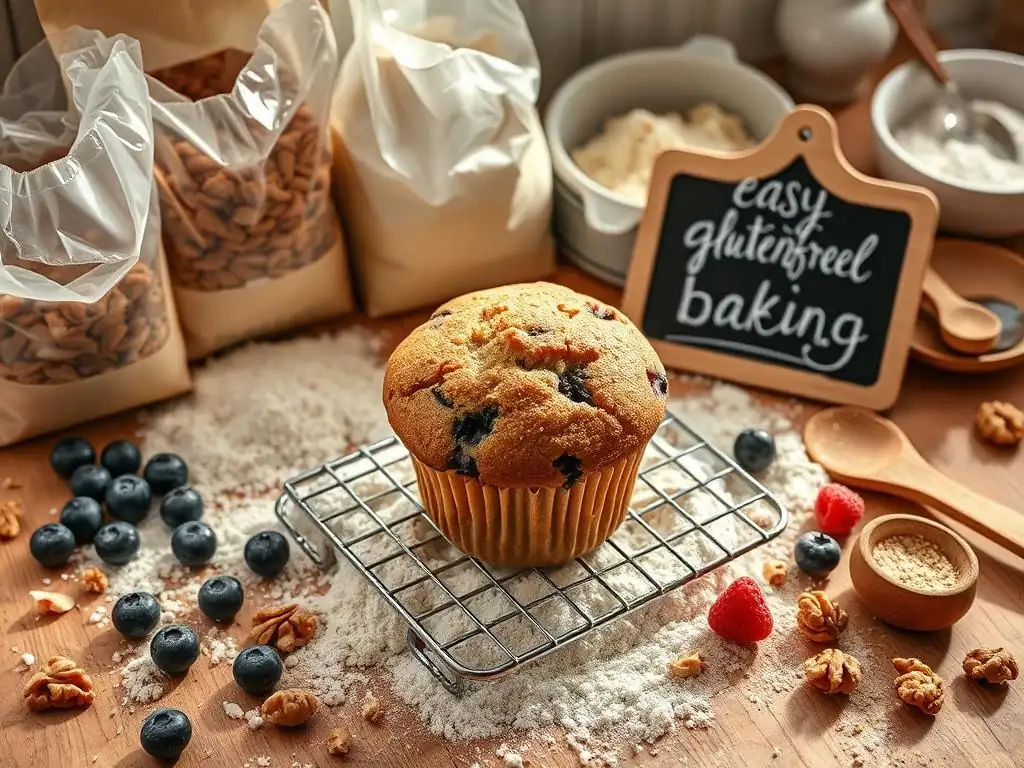
Welcome to BakeWithEase, your sanctuary for stress-free baking! Ever wondered if achieving that perfect rise and texture with gluten-free ingredients was truly possible? It is! Dive into our guide, " Your Essential Guide to Swapping Wheat Flour for GlutenFree," and unlock the secrets to gluten-free flour substitutions made easy. Discover how to effortlessly transform your favorite recipes, ensuring delectable results every time. Intrigued? Let's get baking!
- Gluten-Free Flour Options and Their Properties
-
Frequently Asked Questions
- What is the most important factor to consider when making gluten-free flour substitutions?
- What are some common gluten-free flour blends recommended by BakeWithEase?
- Can I substitute gluten-free flour 1:1 for wheat flour in any recipe?
- What role does xanthan gum play in gluten-free baking according to BakeWithEase?
- What are some tips for ensuring a successful gluten-free baking experience?
- Final Reflection: Embracing the Gluten-Free Flour Revolution
- Unleash Your Gluten-Free Baking Potential!
Gluten-Free Flour Options and Their Properties
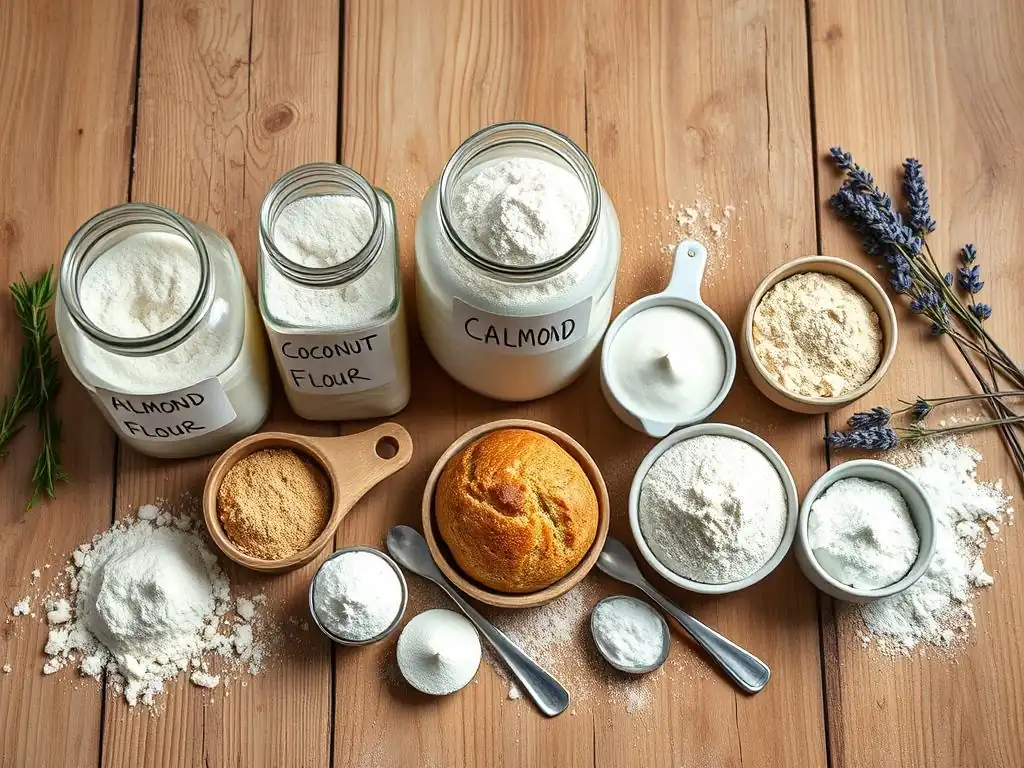
Navigating the world of gluten-free baking begins with understanding the diverse array of flours available. Unlike traditional wheat flour, which contains gluten and provides structure and elasticity on its own, gluten-free flours each have unique properties. They vary widely in texture, flavor, absorption rates, and nutritional profiles. Mastering gluten-free flour substitutions easy involves getting to know these individual characteristics and how they interact when combined.
Choosing the right gluten-free flour, or more commonly, a blend of flours, is crucial for achieving desirable results in your baking. Some flours are excellent for binding, while others provide structure, tenderness, or specific flavors. Successfully making glutenfree flour substitutions easy often requires using a combination to mimic the multifaceted role of wheat flour. This section explores some of the most popular and effective gluten-free flours and blends you can use in your kitchen.
All-Purpose Gluten-Free Flour Blends
Commercial all-purpose gluten-free flour blends are designed to simplify glutenfree flour substitutions easy. These blends typically combine several single gluten-free flours and starches, often including rice flour, tapioca starch, potato starch, and sometimes sorghum or millet flour. The aim is to create a mix that can be substituted for wheat flour in many recipes, often on a 1:1 volume basis, though weight-based substitutions are generally more accurate for consistent results.
While convenient, it's important to note that not all commercial blends are created equal. Their performance can vary significantly depending on the ratio of flours and starches used. Some blends are formulated specifically for cakes and cookies, providing tenderness, while others might be better suited for breads or muffins, offering more structure.
For successful and easy glutenfree flour substitutions, try a few different reputable brands to see which performs best in the types of recipes you bake most often. Using a blend specifically recommended for a certain type of baked good can significantly improve outcomes compared to a generic "all-purpose" mix.
Single Gluten-Free Flours
Working with single gluten-free flours allows for greater control over the texture, flavor, and nutritional content of your baked goods. While using single flours requires more understanding of their individual properties and how to combine them effectively to make glutenfree flour substitutions easy, it opens up a world of customization. Blending your own gluten-free flour mix can cater to specific dietary needs or flavor preferences, moving beyond the limitations of pre-made blends.
Mastering the art of blending single gluten-free flours involves understanding which flours provide structure, which offer tenderness, and which act as binders. A typical homemade blend might include a base flour (like rice or sorghum), a starch (like tapioca or potato), and potentially a protein-rich flour (like almond or oat). Experimentation is key to finding the perfect balance for different recipes, but once you understand the fundamentals, creating effective glutenfree flour substitutions easy becomes much more intuitive.
Rice Flour
Rice flour, available in white and brown varieties, is a staple in many gluten-free blends. White rice flour is finely ground from polished rice and has a neutral flavor, making it versatile for many applications. It tends to produce a slightly crisp texture, which is desirable in cookies and shortbread. Brown rice flour, made from whole grain rice, has a nuttier flavor and provides more fiber and nutrients.
Both types of rice flour can absorb a significant amount of liquid during baking. However, if not finely ground, they can leave a slightly gritty texture in baked goods. Using superfine rice flour can mitigate this. While rice flour provides some structure, it lacks elasticity, which is why it's almost always combined with other flours and starches when making glutenfree flour substitutions easy in recipes like cakes or breads. It often constitutes a large portion, sometimes 40-50%, of a balanced gluten-free flour blend.
Tapioca Starch/Flour
Tapioca starch, often labeled as tapioca flour, is derived from the cassava root. It is a light, white powder that acts as an excellent thickener and binder in gluten-free baking. When heated, it becomes gummy and slightly chewy, which helps provide elasticity and structure to baked goods that lack gluten. It's essential for achieving that desirable slight chewiness in cookies and contributing to a crispy crust on breads or pastries.
Due to its binding properties, tapioca starch is a crucial component in most gluten-free flour blends, typically making up 20-30% of the mix. It helps hold ingredients together and prevents baked goods from becoming too crumbly. While it's a starch and doesn't contribute much in terms of protein or fiber, its functional properties are invaluable for making glutenfree flour substitutions easy and effective, especially in recipes where a bit of stretch or chew is desired.
Potato Starch
Potato starch is another white, powdery starch commonly used in gluten-free baking. It is extracted from potatoes and is known for its ability to absorb and retain moisture, contributing to a tender and moist crumb in baked goods. Like tapioca starch, it acts as a binder and helps to prevent dryness and crumbling, common challenges in gluten-free baking.
Potato starch is often used in conjunction with tapioca starch and other flours in gluten-free blends. It helps balance the chewiness provided by tapioca with softness and tenderness. It typically makes up about 15-25% of a balanced gluten-free flour mix. Its neutral flavor ensures it doesn't overpower other ingredients, making it a versatile option when aiming for easy glutenfree flour substitutions that yield soft, moist results in cakes, muffins, and quick breads.
Cornstarch
Cornstarch is a very common starch derived from corn. It is a fine, white powder primarily used as a thickener in sauces and gravies, but it also plays a role in gluten-free baking. In baked goods, a small amount of cornstarch can help tenderize the crumb, similar to how it's used in traditional wheat-based recipes like shortbread or some cake recipes.
While not always a primary component of gluten-free flour blends, cornstarch can be used in smaller quantities (perhaps 5-10% of a blend) to add tenderness and a smooth texture. It doesn't provide the same level of binding or chewiness as tapioca or potato starch, so it's less frequently used as the main starch in gluten-free blends aiming for structural integrity. However, for achieving a delicate, melt-in-your-mouth texture, it can be a useful addition when making glutenfree flour substitutions easy for certain types of pastries or cookies.
Almond Flour
Almond flour, made from ground sweet almonds, is a popular gluten-free option, especially in low-carb baking. It's available as blanched (skins removed) or unblanched (skins on). Blanched almond flour is finer and lighter in color, producing a more delicate texture, while unblanched adds more texture and nutrients. Almond flour is rich in fat and protein, which contributes to moisture, richness, and a slightly nutty flavor in baked goods.
Due to its high fat content, almond flour behaves differently than grain-based flours. It absorbs less liquid and can brown more quickly. When using almond flour for glutenfree flour substitutions easy, especially if it's a significant portion of the recipe, you may need to slightly reduce the amount of added fat (like butter or oil) and potentially lower the baking temperature to prevent over-browning. It works exceptionally well in cakes, muffins, and cookies, providing a tender crumb and delicious flavor, and is often used in recipes like macarons or financiers where its unique properties shine.
Oat Flour
Oat flour is made from ground oats. It's important to use certified gluten-free oats and oat flour if baking for someone with celiac disease, as oats are often cross-contaminated with wheat during processing. Oat flour has a slightly sweet, nutty flavor and adds moisture and chewiness to baked goods. It also provides fiber and nutrients, making it a healthier option compared to some refined flours and starches.
Oat flour can absorb a fair amount of liquid and helps bind ingredients together, though it doesn't provide the same structure as wheat gluten. It works well in muffins, quick breads, cookies, and pancakes. When making glutenfree flour substitutions easy with oat flour, it's often combined with other flours and starches to achieve a balanced texture. It can sometimes make baked goods dense if used as the sole flour, so blending it with lighter flours and starches is usually recommended for optimal results.
Sorghum Flour
Sorghum flour is a whole grain flour with a mild, slightly sweet flavor and a smooth texture. It's considered a good "neutral" gluten-free flour that works well in blends, providing structure and a tender crumb without an overpowering taste. Sorghum is an ancient grain that is naturally gluten-free and relatively high in protein and fiber compared to rice flour.
This flour performs well in a variety of baked goods, including breads, cakes, cookies, and muffins. It helps provide structure and body to gluten-free recipes. When creating glutenfree flour substitutions easy with sorghum flour, it's often used as a base flour, making up a significant portion of a flour blend (perhaps 25-40%), balanced with starches and other flours to achieve the desired texture and rise. Its mild flavor makes it a versatile choice for many different types of recipes.
Buckwheat Flour
Despite its name, buckwheat is not related to wheat and is naturally gluten-free. Buckwheat flour has a strong, earthy, and slightly bitter flavor that works well in rustic baked goods like pancakes, crepes, and some breads. It can be used in both light and dark forms, depending on whether the hulls were removed before grinding. Dark buckwheat flour has a more intense flavor and color.
Buckwheat flour is relatively high in fiber and protein. When used in baking, it tends to make goods more dense. For this reason, it is often used in combination with lighter flours and starches when making glutenfree flour substitutions easy for recipes like cakes or muffins. It typically makes up a smaller percentage of a gluten-free blend, perhaps 10-20%, adding flavor and nutritional value rather than being the primary structural component.
Teff Flour
Teff is an ancient grain originating from Ethiopia and Eritrea. Teff flour is very small-grained and comes in both ivory and brown varieties, with the brown type having a stronger, earthier flavor. It is a highly nutritious whole grain flour, rich in iron, calcium, and protein. Teff flour adds a unique, slightly molasses-like flavor to baked goods and contributes to a dense, moist texture.
Because of its strong flavor and density, teff flour is usually used in smaller quantities in gluten-free blends, typically making up 10-15% of the mix. It works well in recipes where its distinct flavor is desired, such as injera (Ethiopian flatbread) or rustic breads, muffins, and cookies. Using teff flour can add complexity and nutritional value when exploring easy glutenfree flour substitutions, especially in recipes that benefit from a heartier texture and flavor profile.
Frequently Asked Questions
What is the most important factor to consider when making gluten-free flour substitutions?
The most important factor is understanding that gluten-free flours lack gluten's binding properties. You'll need to use binding agents like xanthan gum or guar gum to compensate and prevent crumbly results.
What are some common gluten-free flour blends recommended by BakeWithEase?
BakeWithEase recommends using pre-made gluten-free flour blends designed for all-purpose use. These blends often contain a mix of rice flour, tapioca starch, and potato starch, offering a balanced texture.
Can I substitute gluten-free flour 1:1 for wheat flour in any recipe?
No, a 1:1 substitution isn't always successful. Gluten-free flours absorb moisture differently. Adjustments to liquid and binding agents are often necessary for the best results.
What role does xanthan gum play in gluten-free baking according to BakeWithEase?
Xanthan gum acts as a gluten replacement, providing structure and preventing the final product from crumbling. BakeWithEase emphasizes its importance for achieving a desirable texture.
What are some tips for ensuring a successful gluten-free baking experience?
BakeWithEase suggests carefully measuring ingredients, using a digital scale for accuracy. Also, allow gluten-free baked goods to cool completely before slicing, as they tend to be more fragile when warm.
Final Reflection: Embracing the Gluten-Free Flour Revolution
The shift towards gluten-free baking isn't just a trend; it's a necessity for millions and a conscious choice for many more. Understanding the nuances of gluten-free flour substitutions is no longer a niche skill, but a valuable tool for creating delicious and healthy baked goods for everyone. This accessibility empowers individuals to take control of their diets and culinary experiences.
The journey into the world of gluten-free baking has been both challenging and rewarding. It's highlighted the incredible diversity of flours available and the creativity required to achieve the desired texture and taste. The best way to find yourself is to lose yourself in the service of others.
While this quote doesn't directly relate to gluten-free baking, it speaks to the broader theme of embracing change and finding new possibilities within limitations. The exploration of different gluten-free flours mirrors this journey of self-discovery, pushing boundaries and leading to unexpected culinary delights.
Now, it's your turn. Don't be intimidated by the seemingly complex world of gluten-free baking. Take the knowledge you've gained from this guide, experiment with different flour blends, and discover the joy of creating delicious and healthy treats tailored to your needs and preferences. Embrace the challenge, celebrate the successes, and most importantly, enjoy the process of expanding your culinary horizons. The world of gluten-free baking awaits!
Unleash Your Gluten-Free Baking Potential!
Thanks for taking the time to explore the world of gluten-free baking with us! We hope you've gained valuable insights and feel more confident in swapping wheat flour. Ready to put your new knowledge into practice?
- Bake your first gluten-free masterpiece! Try one of the recipes we mentioned – or even better, experiment with your own creations using your newfound knowledge. See what delicious surprises you can discover!
- Share your baking journey! Tell us about your experience (and show us your creations!) on our social media channels. We’d love to see your successes and learn from your experiments.
- Consider exploring different gluten-free flour blends to find your perfect match. Each one bakes differently, offering a unique texture and flavor.
What exciting gluten-free recipe are you going to tackle first?