
Flax Egg vs. Chia Egg: Know When to Use Each for Success

Welcome to BakeWithEase, your kitchen companion for unlocking baking brilliance! Are you intrigued by the secrets to vegan baking and plant-based substitutions? Dive in and discover the power of nature's binders in our latest article, " Flax Egg vs. Chia Egg: Know When to Use Each for Success." Unsure which works best in your favorite recipes? Let's explore the nuances of these egg alternatives and elevate your baking game, one delicious, plant-powered creation at a time!
- Flax Egg vs. Chia Egg: Know When to Use Each for Baking Success
- Understanding Vegan Egg Substitutes in Baking: Flaxseed Meal and Chia Seeds
-
What is a Flax Egg? A Baker's Guide
- Defining the Flax Egg: Ground Flaxseed as an Egg Replacement
- How to Make a Flax Egg: A Simple Recipe
- Flax Egg Recipe: Step-by-Step Instructions
- The Texture and Properties of a Flax Egg in Baking
- Defining the Chia Egg: Chia Seeds as an Egg Replacement
- How to Make a Chia Egg: A Simple Recipe
- Chia Egg Recipe: Step-by-Step Instructions
- The Texture and Properties of a Chia Egg in Baking
- Flax Egg vs. Chia Egg: A Detailed Comparison for Baking
-
When to Use a Flax Egg in Baking: Best Applications
- Flax Egg for Dense Baked Goods: Cookies, Brownies
- Flax Egg for Recipes Requiring a Nutty Flavor
- Recipes Where Flax Eggs Excel: Vegan Chocolate Chip Cookies
- Chia Egg for Light and Airy Baked Goods: Muffins, Cakes
- Chia Egg for Recipes Requiring Less Texture
- Recipes Where Chia Eggs Excel: Vegan Vanilla Cake
- Achieving Baking Success with Flax Eggs and Chia Eggs: Tips and Tricks
- Troubleshooting: Common Issues with Flax and Chia Egg Recipes
- Mastering the Flax Egg Chia Egg Recipe: Conclusion
-
Frequently Asked Questions
- What exactly are flax eggs and chia eggs in baking?
- When is it best to use a flax egg versus a chia egg in a BakeWithEase recipe?
- How do I make a flax egg or chia egg using instructions from BakeWithEase?
- Can I substitute a flax egg or chia egg in any baking recipe on BakeWithEase?
- What are the nutritional benefits of using flax eggs or chia eggs as highlighted on BakeWithEase?
- Final Reflection: Unlocking the Power of Plant-Based Baking
- Unlock Your Baking Potential: Master the Flax & Chia Egg!
Flax Egg vs. Chia Egg: Know When to Use Each for Baking Success
Understanding Vegan Egg Substitutes in Baking: Flaxseed Meal and Chia Seeds
Embarking on the journey of vegan baking often requires finding reliable substitutes for traditional ingredients like eggs. Eggs play several roles in baking: they bind ingredients together, provide moisture, add richness, and contribute to leavening and structure. Without them, baked goods can fall flat, crumble, or become overly dense. Fortunately, nature provides excellent alternatives in the form of seeds – specifically, flaxseeds and chia seeds. When ground and mixed with water, these humble seeds transform into a gel-like consistency that mimics some of the binding properties of eggs, opening up a world of possibilities for delicious plant-based treats.
Flaxseed meal, derived from ground flaxseeds, and whole or ground chia seeds offer distinct advantages as vegan egg replacements. Both create a gelatinous mixture when hydrated, acting primarily as binders in recipes. However, their subtle differences in texture, binding strength, and impact on the final product mean that one might be better suited than the other depending on the specific recipe you're tackling.
Understanding these nuances is key to mastering vegan baking and achieving consistently successful results, whether you're making cookies, muffins, cakes, or breads. This guide will help you navigate the world of the flax egg and chia egg recipe, ensuring you pick the right substitute every time.
What is a Flax Egg? A Baker's Guide
Defining the Flax Egg: Ground Flaxseed as an Egg Replacement
A flax egg is a popular vegan substitute created by combining ground flaxseed (often called flaxseed meal) with water. When ground flaxseed is mixed with liquid, the soluble fiber in the flaxseed forms a mucilaginous, gel-like substance. This gel possesses adhesive properties that help bind ingredients together in baked goods, mimicking one of the primary functions of a chicken egg. It's a simple yet effective trick widely used in plant-based baking to add structure and prevent crumbling.
The term "flax egg" is a convenient shorthand for this mixture, representing its functional similarity to an egg in many recipes. Using ground flaxseed is essential because whole flaxseeds will not absorb water and form the necessary gel effectively; they would simply remain hard seeds within your baked goods. The binding power comes from the increased surface area of the ground meal allowing for better hydration and gel formation. This makes the flax egg a go-to option for many a vegan baking recipe, particularly those where a slightly denser texture is desirable.
How to Make a Flax Egg: A Simple Recipe
Creating a flax egg is remarkably simple, requiring just two ingredients and a few minutes of waiting time. The standard ratio for substituting one large chicken egg is typically one tablespoon of ground flaxseed meal combined with three tablespoons of water. This ratio is widely accepted as a starting point for most recipes where a single egg replacement is needed. The process involves whisking the two ingredients together and then allowing the mixture to sit for 5 to 10 minutes.
During this resting period, the ground flaxseed absorbs the water and begins to swell, transforming from a liquid mixture into a thick, gelatinous consistency similar to that of a conventional egg white. The resulting flax egg is then ready to be incorporated into your batter or dough just as you would a regular egg. This simple flax egg recipe provides a reliable binder for numerous baked goods, making it a staple in the vegan baker's repertoire.
Flax Egg Recipe: Step-by-Step Instructions
Here's a simple, step-by-step guide to making a single flax egg:
- Measure the Ingredients: Start with 1 tablespoon of finely ground flaxseed meal. Ensure the flaxseed is ground; whole seeds will not work. Measure 3 tablespoons of cold or room-temperature water.
- Combine: In a small bowl or cup, whisk together the ground flaxseed meal and the water. Make sure there are no dry clumps of flaxseed meal remaining.
- Rest: Let the mixture sit undisturbed for 5 to 10 minutes. As it rests, you will observe it thickening into a gel-like consistency. The longer it sits (up to about 15 minutes), the thicker it will become.
- Use: Once the mixture has reached a gelatinous texture, it's ready to be added to your recipe in place of one egg. Use it immediately after it has thickened.
This straightforward flax egg recipe is your basic building block for many vegan baked goods. If a recipe calls for two eggs, simply double the quantities, using 2 tablespoons of ground flaxseed meal and 6 tablespoons of water. Always prepare the flax egg just before you need it for the best results, as it can continue to thicken over time.
The Texture and Properties of a Flax Egg in Baking
A flax egg provides a distinct texture to baked goods, often contributing to a slightly denser, chewier result. The gel itself is thick and somewhat viscous, with tiny specks of the flaxseed meal visible throughout. Because it's made from ground seeds, it also introduces a subtle nutty flavor, which can be a welcome addition in certain recipes like whole-grain muffins or cookies.
In terms of function, the flax egg excels as a binder. It helps hold ingredients together, preventing cookies from crumbling excessively or loaves from falling apart. However, it doesn't provide significant leavening or aeration, unlike a conventional egg which can trap air when beaten. Therefore, recipes relying heavily on eggs for lift (like fluffy cakes or meringues) may require additional leavening agents or a different egg substitute when using a flax egg. Its best applications are typically in recipes where density and binding are the primary roles of the egg, such as brownies, muffins, and certain types of bread.
Defining the Chia Egg: Chia Seeds as an Egg Replacement
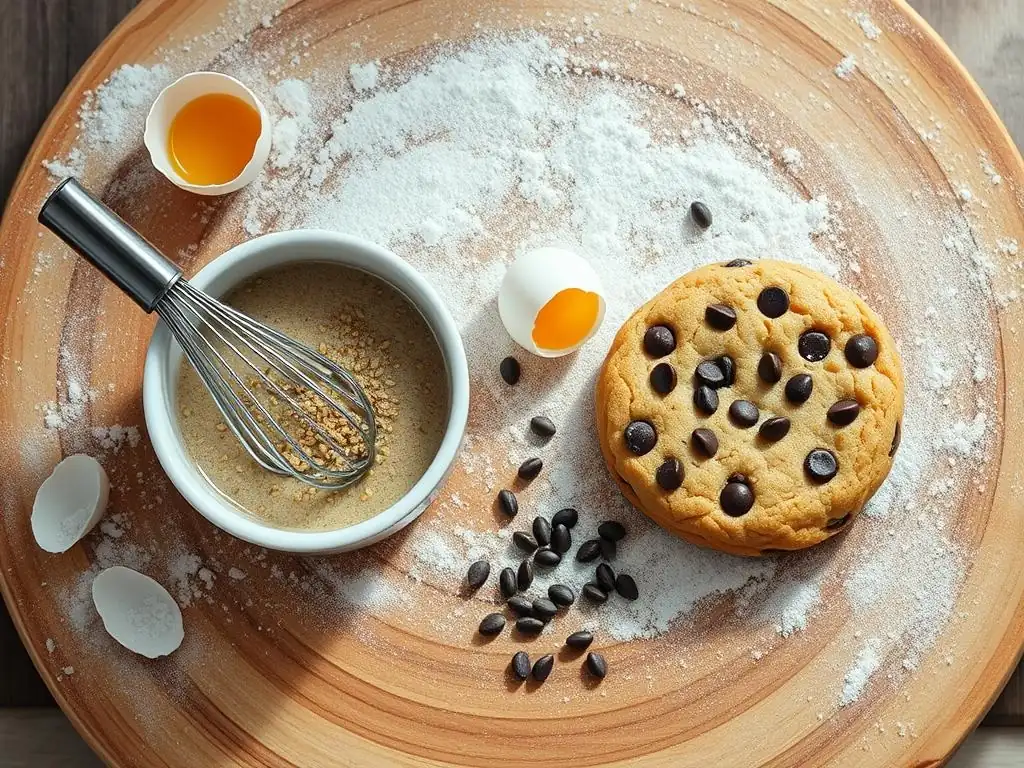
A chia egg is another effective vegan egg substitute made by combining chia seeds (either whole or ground) with water. Similar to flaxseeds, chia seeds contain soluble fiber that forms a gel when hydrated. This gel works as a binder in baking, helping to hold ingredients together in the absence of traditional eggs. Chia seeds are known for their incredible ability to absorb liquid, swelling up to 10-12 times their weight in water, which is what creates the necessary gelatinous texture.
While both flax and chia seeds form a gel, chia seeds tend to create a slightly thicker, more tapioca-like gel, especially if left whole. The term "chia egg" refers specifically to this hydrated mixture used functionally as an egg replacement in vegan recipes. Chia seeds are a versatile ingredient, and their use as an egg substitute is one of their most popular applications in plant-based cooking and baking. Learning the simple chia egg recipe is a valuable skill for any vegan baker.
How to Make a Chia Egg: A Simple Recipe
Making a chia egg follows the same basic principle as making a flax egg, using a similar ratio of seeds to water. For a substitute equivalent to one large chicken egg, the standard chia egg recipe calls for 1 tablespoon of chia seeds (whole or ground) mixed with 3 tablespoons of water. The process is straightforward: combine the seeds and water, stir, and let the mixture sit.
The time required for the chia egg to thicken is also around 5 to 10 minutes, just like a flax egg. During this time, the chia seeds absorb the liquid and develop the characteristic gel-like coating that surrounds each seed. While you can use whole chia seeds, grinding them first can sometimes create a smoother, more uniform gel, though many bakers find whole seeds work perfectly well and even contribute an interesting texture. This easy chia egg recipe provides a reliable binder for various baked goods, making it another indispensable tool for vegan baking.
Chia Egg Recipe: Step-by-Step Instructions
Here is a simple, step-by-step guide to preparing a single chia egg:
- Measure the Ingredients: Start with 1 tablespoon of chia seeds (whole or ground). Measure 3 tablespoons of cold or room-temperature water.
- Combine: In a small bowl or cup, whisk or stir together the chia seeds and the water. Stir well initially to prevent the seeds from clumping at the bottom.
- Rest: Let the mixture sit undisturbed for 5 to 10 minutes. Stir again after a few minutes to ensure the seeds are evenly hydrated. The mixture will thicken into a gel.
- Use: Once the mixture has reached a gelatinous consistency, it is ready to be used in your recipe in place of one egg. Use it relatively soon after it has thickened.
This simple chia egg recipe is your standard method for replacing one egg in a vegan recipe. If your recipe requires more than one egg, simply scale up the ingredients proportionally (e.g., 2 tbsp chia seeds + 6 tbsp water for two eggs). Preparing the chia egg right before you need it ensures the best consistency for incorporating into your batter.
The Texture and Properties of a Chia Egg in Baking
The texture of a chia egg, especially when made with whole seeds, is distinct. It's a thick, somewhat slimy gel dotted with visible, slightly chewy chia seeds. If ground chia seeds are used, the texture will be smoother but still retain a slight grittiness. Unlike flaxseed meal, whole chia seeds remain intact within the gel, which can be noticeable in the final baked product.
Functionally, the chia egg is an excellent binder, comparable to the flax egg. It helps hold ingredients together and adds moisture. However, like the flax egg, it doesn't significantly contribute to leavening.
Chia seeds have a milder flavor profile compared to flaxseeds; they are generally considered more neutral, though some detect a very subtle earthy taste. This makes the chia egg a good choice when you want the binding properties without introducing a noticeable nutty flavor. It works well in muffins, cakes, and other baked goods where a less prominent seed texture might be preferred, particularly if using ground chia seeds.
Flax Egg vs. Chia Egg: A Detailed Comparison for Baking
Choosing between a flax egg and a chia egg often comes down to subtle differences that can impact the final outcome of your baked goods. While both serve effectively as binders in many vegan recipes, understanding their specific properties allows you to make the best substitution choice for optimal results. Factors like nutritional content, binding strength, textural contribution, and flavor impact all play a role in determining which "egg" is right for your particular flax egg chia egg recipe.
Both substitutes are valuable tools in the vegan baker's arsenal, offering unique benefits. Sometimes, one simply performs better than the other in a specific type of recipe due to its inherent characteristics. Let's delve deeper into how these two popular vegan egg alternatives compare across key baking considerations.
Nutritional Profiles: Flax Seed vs. Chia Seed in Vegan Baking
Both flax seeds and chia seeds are nutritional powerhouses, particularly rich in fiber and omega-3 fatty acids (specifically ALA). When used as egg substitutes, they contribute these beneficial nutrients to your baked goods, making them slightly healthier than recipes using conventional eggs or other less nutrient-dense binders.
Comparing them directly, flax seeds are often cited for having a higher concentration of lignans, compounds with antioxidant properties. Chia seeds, on the other hand, are known for being a complete protein source, containing all nine essential amino acids, though the quantity used in an egg substitute is relatively small. Both offer similar amounts of fiber and healthy fats per tablespoon.
For instance, a tablespoon of ground flaxseed contains roughly 3 grams of fiber and 2.4 grams of omega-3s, while a tablespoon of chia seeds offers about 4 grams of fiber and around 2.5 grams of omega-3s. The nutritional boost is a great bonus when using either as your go-to flax egg chia egg recipe binder.
Binding Properties: Which Egg Substitute Binds Better?
Both flax eggs and chia eggs are excellent binders, arguably their primary function in vegan baking. They both create a strong gel that holds ingredients together effectively, preventing crumbly textures. However, some bakers find that flax eggs provide a slightly stronger, more cohesive bind, potentially due to the fineness of the ground meal compared to whole chia seeds.
The gel formed by flaxseed meal tends to be very smooth and homogenous (assuming the flax is finely ground), integrating seamlessly into batters and doughs. The gel from chia seeds, especially whole ones, is thicker and more jelly-like, with the seeds suspended within it.
While both bind well, the different gel structures can influence how evenly the binding is distributed throughout the mixture. For recipes requiring a very firm set or significant structure, some bakers lean towards the flax egg for its perceived superior binding strength, making it a common choice for dense baked goods like vegan meatloaves or certain cookie recipes.
Texture and Moisture: Flax Egg vs. Chia Egg in Baked Goods
The texture imparted by flax eggs and chia eggs differs noticeably in the final baked product. A flax egg, made from ground meal, tends to blend in more smoothly, though it can contribute to a slightly denser crumb structure. The fine particles distribute throughout the batter, leading to a uniform binding and a moist, sometimes slightly chewy texture.
A chia egg, particularly one made with whole seeds, will leave visible, tiny seeds throughout your baked goods. These seeds can add a slight crunch or chewiness, depending on how they are used. The gel itself can also contribute to moisture. If using ground chia seeds, the texture will be less noticeable but still potentially slightly grittier than with flax. The choice often depends on whether you mind the presence of the seeds in your final product; for a completely smooth texture, finely ground flaxseed is usually preferred over whole chia seeds.
Flavor Impact: Does Flax or Chia Alter the Taste?
Yes, both flax eggs and chia eggs can subtly alter the flavor of your baked goods, although the degree varies and is often quite mild. Flaxseed meal has a distinct, slightly nutty and earthy flavor. This flavor is more pronounced than that of chia seeds and can be noticeable in recipes with delicate flavors, like a light vanilla cake. However, in recipes with stronger flavors, such as chocolate brownies or spice muffins, the flax flavor is often masked.
Chia seeds have a much milder, more neutral flavor profile. While some might detect a very subtle earthy note, it is generally far less noticeable than the flavor of flaxseed. This makes the chia egg a better choice for baked goods where you want the flavor of the main ingredients to shine through without any interference from the binder. If you are making a recipe where a clean, neutral taste is paramount, the chia egg is often the preferred vegan egg substitute.
When to Use a Flax Egg in Baking: Best Applications
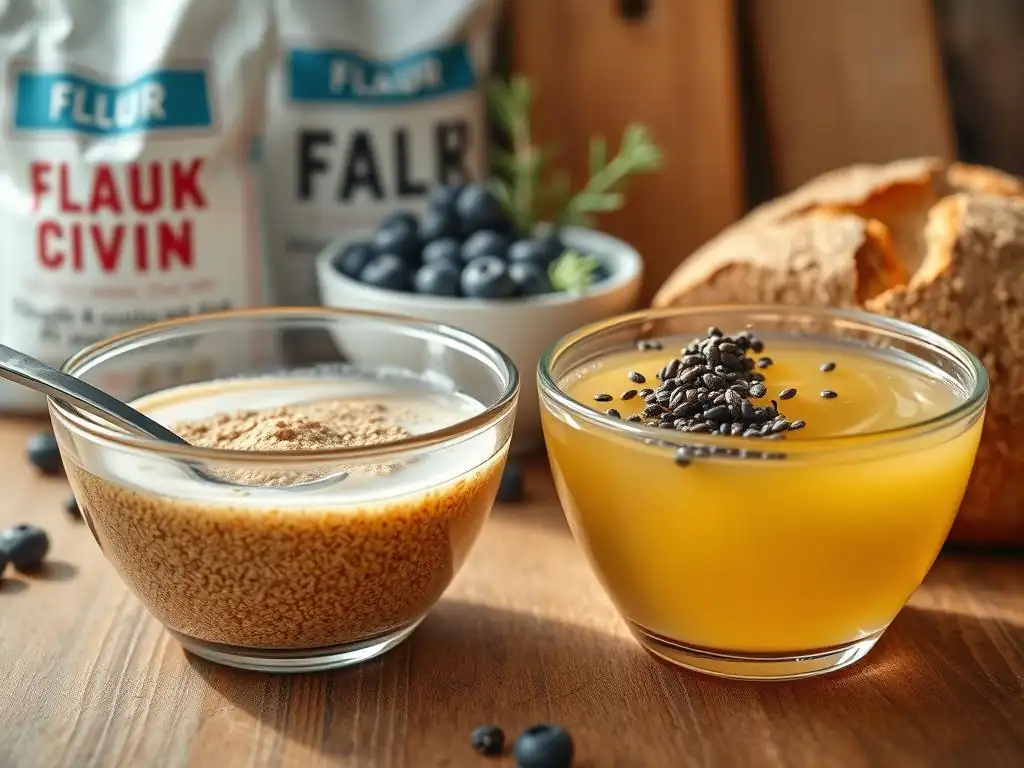
Understanding the unique properties of the flax egg helps determine where it shines brightest in vegan baking. Its strong binding power and contribution to a slightly denser, chewier texture make it ideal for specific types of baked goods. Furthermore, the subtle nutty flavor of flaxseed meal can complement certain flavor profiles beautifully. Choosing the right binder is a crucial step in perfecting your flax egg chia egg recipe.
The flax egg is particularly well-suited for recipes that benefit from a robust binder to prevent crumbling or those where a slightly heartier texture is desired. Let's explore some of the best applications for this versatile vegan egg substitute.
Flax eggs are an excellent choice for dense baked goods like cookies and brownies. In these recipes, the primary role of the egg is often binding ingredients together and providing moisture, rather than leavening. The strong gel formed by ground flaxseed effectively holds the dough or batter together, resulting in cookies that don't spread excessively and brownies that are fudgy and cohesive.
For example, in a classic vegan chocolate chip cookie recipe, substituting a flax egg for the conventional egg helps create that satisfyingly chewy texture. The binding action prevents the cookies from becoming too fragile or crumbly once baked. Similarly, in rich, dense vegan brownie recipes, the flax egg provides the necessary structure to hold the moist batter together, contributing to a dense, decadent result. Many successful vegan cookie and brownie recipes specifically call for a flax egg because of its reliability in these applications.
Flax Egg for Recipes Requiring a Nutty Flavor
The inherent nutty flavor of flaxseed meal makes the flax egg a fantastic choice for recipes where this flavor profile is welcome or can be easily masked. This is often the case in whole-grain baked goods, spiced items, or recipes incorporating other nutty elements.
Consider recipes like whole wheat muffins, oat cookies, or spiced quick breads (like pumpkin or banana bread). The subtle nutty undertone from the flax egg complements the flavors of whole grains, oats, and warming spices like cinnamon and nutmeg. In recipes featuring nuts or seeds prominently, the flax flavor simply blends in. Using a flax egg in these instances not only provides the necessary binding but also enhances the overall flavor complexity in a harmonious way.
Vegan Chocolate Chip Cookies are a prime example where a flax egg often excels. The goal is usually a cookie that is chewy in the center and slightly crisp on the edges, with enough structure to hold together. The flax egg provides exactly the kind of binding needed to achieve this texture.
A typical vegan chocolate chip cookie recipe might use 1 or 2 flax eggs (1 tbsp ground flax + 3 tbsp water per egg) to replace the conventional eggs. The flax gel helps create a cohesive dough that's easy to handle and prevents the cookies from crumbling after baking. While other substitutes can work, the flax egg is a tried-and-true method for achieving that classic chewy cookie texture that many bakers aim for. It's often the first vegan egg substitute recommended for this popular treat.
Just as flax eggs have their strengths, chia eggs are particularly well-suited for certain baking scenarios. Their milder flavor and the specific texture of their gel make them preferable in recipes where a less noticeable binder is desired, or where a lighter texture is the goal (though neither flax nor chia provide significant lift). Understanding when to reach for the chia egg is key to expanding your vegan baking success, especially when tackling a new flax egg chia egg recipe.
Chia eggs are often favored in recipes where the appearance of seeds is acceptable or even desirable, or where a very neutral flavor is needed. Let's look at some of the best applications for this versatile vegan egg substitute.
Chia Egg for Light and Airy Baked Goods: Muffins, Cakes
While neither flax nor chia eggs are leavening agents, the chia egg is often preferred over the flax egg in recipes aiming for a lighter, more delicate crumb structure, such as muffins and cakes. The chia gel, particularly when made with whole seeds, seems to interfere slightly less with the development of a tender crumb compared to the sometimes denser texture imparted by finely ground flax meal.
In vegan muffin recipes, a chia egg can provide sufficient binding to hold the batter together without making the muffins overly heavy or gummy. Similarly, in vegan cake recipes where other leavening agents like baking powder and baking soda are doing the heavy lifting for rise, a chia egg can serve as an effective binder and moisture provider without adding the density that flax can sometimes contribute. The key is that it binds without adding significant weight or hindering the action of chemical leaveners as much as potentially denser binders might.
Chia Egg for Recipes Requiring Less Texture
If you prefer your baked goods to have a smooth, uniform texture without any noticeable seediness, using ground chia seeds to make a chia egg can be a good option. However, even when ground, chia seeds can sometimes leave a slight grittiness. If any texture from the seed is undesirable, and you need a neutral flavor, the chia egg (even ground) might be less ideal than other substitutes like applesauce or mashed banana, but it still offers superior binding.
Compared to a flax egg made with ground flaxseed, a chia egg made with whole seeds will definitely introduce texture in the form of the seeds themselves. If this texture is acceptable or even desired (like in some rustic bread or muffin recipes), then the chia egg with whole seeds is perfectly suitable. The choice here depends entirely on your preference for the final texture of your baked goods.
Recipes Where Chia Eggs Excel: Vegan Vanilla Cake
Vegan Vanilla Cake is a prime example of a recipe where a chia egg, particularly one made from ground chia seeds, might be preferred. Vanilla cake has a delicate flavor profile that can easily be overpowered by the nutty taste of flaxseed. The goal for a vanilla cake is typically a light, tender crumb and a clean, sweet flavor.
Using a chia egg provides the necessary binding and moisture without introducing a strong competing flavor. While it won't provide lift (that comes from baking powder/soda), it helps hold the cake structure together. If you use ground chia seeds, the textural impact is minimized, allowing the tender crumb to be the star. This makes the chia egg a reliable choice for vegan cakes and other light-colored, delicately flavored baked goods where a neutral binder is essential for a successful outcome.
Achieving Baking Success with Flax Eggs and Chia Eggs: Tips and Tricks
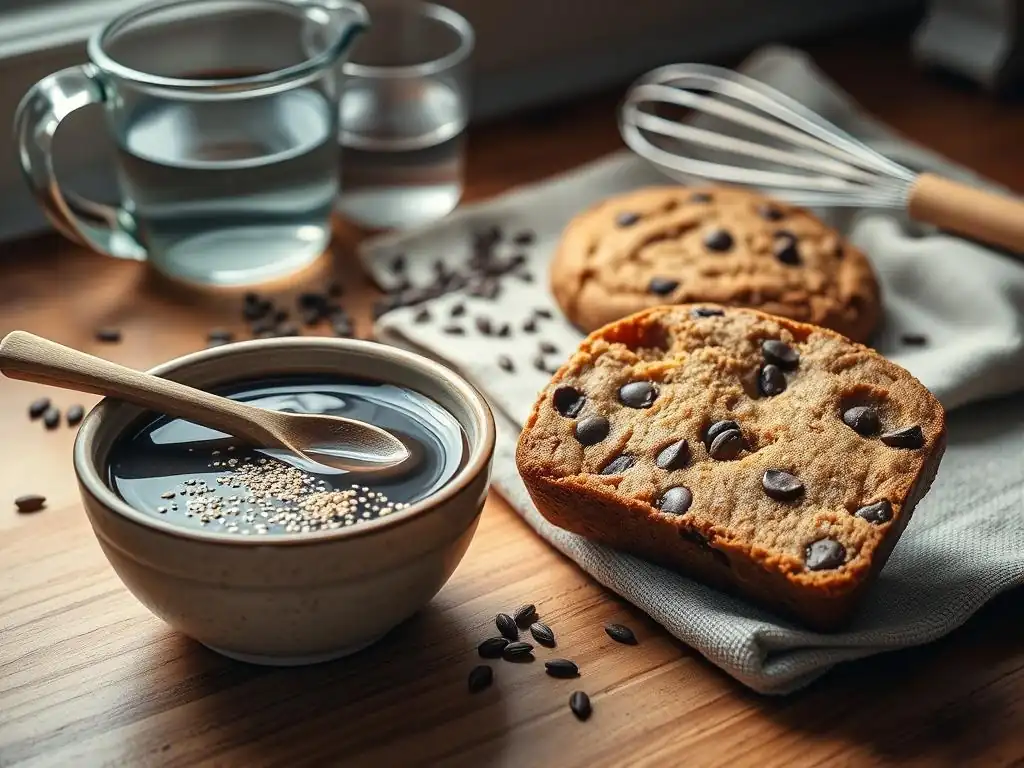
Mastering the use of flax eggs and chia eggs in your vegan baking involves more than just knowing the basic recipe. A few key tips and tricks can help ensure consistent success and help you troubleshoot common issues. These binders are fantastic, but they behave slightly differently from conventional eggs, and understanding these differences is crucial for perfecting any flax egg chia egg recipe.
From getting the right consistency of the gel to adjusting for the added moisture and properly storing your seeds, paying attention to these details can significantly impact the quality of your final baked goods. Let's dive into some practical advice for working with these popular vegan egg substitutes.
Hydration is Key: Getting the Right Consistency
The success of a flax egg or chia egg relies entirely on proper hydration. The 1 tablespoon of seed to 3 tablespoons of water ratio is a standard guideline, but slight variations in seed grind size or water temperature can affect the final gel consistency. The goal is a mixture that is thick and gelatinous, similar to a slightly runny egg white, but not overly watery or overly paste-like.
If your mixture seems too thin after 10 minutes, try letting it sit for a few more minutes, or add a tiny pinch more ground seed. If it seems too thick, you can add a tiny drop or two more water and stir. Consistency is key; a mixture that is too thin won't bind effectively, potentially leading to crumbly baked goods. A mixture that is too thick might not distribute evenly in the batter and could contribute to a dense texture. Always prepare your "egg" and check its consistency before adding it to your recipe.
Adjusting Liquid Content: Compensating for Added Moisture
When replacing eggs with flax or chia eggs, it's important to remember that you are adding liquid to the recipe (3 tablespoons of water per "egg"). Traditional eggs contain protein and fat which contribute to structure and richness, but less free water compared to the 3 tablespoons you're adding with the seed substitute. This extra liquid can sometimes affect the overall hydration of your batter or dough.
In many standard recipes, the slight increase in liquid is negligible, especially if only replacing one egg. However, in recipes sensitive to moisture levels, or when replacing multiple eggs, you might need to slightly reduce other liquids in the recipe (like plant-based milk or water) to compensate. This often requires a bit of trial and error with specific recipes.
Pay attention to the consistency of your batter or dough; it should resemble the consistency you'd expect if using conventional eggs. If it seems too wet, slightly reduce the liquid next time you make that specific flax egg chia egg recipe.
Storing Flaxseed and Chia Seeds for Optimal Freshness
Proper storage of your flaxseed meal and chia seeds is vital for maintaining their freshness and nutritional value, as well as their ability to form a proper gel. Both seeds are high in healthy fats, which can become rancid if exposed to air, light, and heat for extended periods. Rancid seeds will have an off-putting smell and taste and may not perform as well as binders.
It is best to store both ground flaxseed meal and chia seeds in an airtight container. Keeping them in the refrigerator or even the freezer is highly recommended to extend their shelf life significantly. While whole chia seeds are more stable than ground flaxseed meal, refrigeration is still a good practice. If you grind your own flaxseeds, only grind a small amount at a time and store the meal in the fridge or freezer. Properly stored seeds ensure that your flax egg and chia egg recipes turn out perfectly every time.
Troubleshooting: Common Issues with Flax and Chia Egg Recipes
Even with the right ratios and techniques, sometimes things don't go exactly as planned when using vegan egg substitutes. Common issues include baked goods turning out gummy or too dry. Understanding why these problems occur can help you adjust your flax egg chia egg recipe or technique for better results next time.
These issues are often related to the unique properties of flax and chia gels compared to conventional eggs, particularly their binding strength and moisture contribution. Let's explore some common troubleshooting scenarios and how to address them to achieve the desired texture and consistency in your vegan baked goods.
My Baked Goods are Gummy: What Went Wrong?
If your baked goods made with a flax egg or chia egg turn out gummy, there are a few potential culprits. One common reason is using too much of the seed-water mixture. While the standard 1:3 ratio is generally reliable, adding too much "egg" can over-bind the ingredients and contribute excess moisture, resulting in a dense, gummy texture. Ensure you are accurately measuring both the seed and the water according to the recipe's recommendation (usually 1 tbsp seed + 3 tbsp water per egg).
Another factor can be overmixing the batter or dough once the flax or chia egg is added. Overmixing can develop gluten unnecessarily, especially in recipes using wheat flour, leading to a tough, gummy texture. Mix just until the ingredients are combined. Finally, sometimes the specific recipe isn't ideally suited for flax or chia eggs, particularly if it relies heavily on eggs for leavening. In such cases, the dense binder can weigh down the batter. Consider if a different egg substitute might be better for that specific type of baked good in the future.
My Baked Goods are Too Dry: What Went Wrong?
Conversely, if your baked goods are too dry when using a flax or chia egg, several factors could be at play. One possibility is that your flax or chia egg mixture wasn't properly hydrated or didn't sit long enough to form a sufficient gel. If the mixture is too thin, it won't bind effectively, and the seeds might absorb moisture from the batter during baking, leading to dryness. Ensure your gel is thick and viscous before adding it to the recipe.
Another cause could be that the recipe itself is simply too dry for a vegan adaptation using these binders without adjustment. Remember that while flax and chia eggs add moisture, they don't contribute fat and richness in the same way as a conventional egg yolk.
If a recipe relies on eggs for significant moisture and richness, you might need to add a little extra fat (like vegan butter or oil) or a splash more liquid to the overall recipe to compensate when using a flax egg chia egg recipe substitute. Overbaking is also a frequent cause of dryness, regardless of the egg substitute used.
Achieving Perfect Texture with Vegan Egg Substitutes
Achieving the perfect texture with flax eggs and chia eggs often comes down to understanding their limitations and strengths, and sometimes a little experimentation. These binders excel at holding things together and adding moisture, but they won't replicate the leavening, richness, or delicate structure that eggs provide in some recipes.
For recipes where lift is crucial (like airy cakes), you might need to rely more heavily on chemical leaveners or consider alternative substitutes like aquafaba or commercial egg replacers specifically designed for aeration. For richness, adding a bit more fat can help. When using flax or chia eggs, always ensure your gel is the right consistency.
Start with tried-and-true vegan recipes that specifically call for a flax egg or chia egg, as these recipes have been developed and tested with these substitutes in mind. As you gain experience, you'll learn how to adapt other recipes by making small adjustments to liquid or fat content to achieve the desired texture.
Mastering the Flax Egg Chia Egg Recipe: Conclusion
Successfully incorporating flax eggs and chia eggs into your vegan baking opens up a world of delicious possibilities. These simple, plant-based binders are nutritional powerhouses that effectively replace the binding function of traditional eggs in many recipes. By understanding the subtle differences between the two – the slightly stronger bind and nutty flavor of flax versus the milder flavor and distinct texture of chia – you can confidently choose the best substitute for your specific baking project.
Whether you're aiming for chewy cookies, fudgy brownies, tender muffins, or moist cakes, selecting the appropriate flax egg or chia egg recipe substitute is a critical step. While they primarily act as binders and moisture providers, they contribute unique characteristics that can enhance or detract from the final product depending on the recipe. Embrace the learning process, pay attention to consistency, and don't be afraid to experiment.
Choosing the Right Vegan Egg Substitute for Your Needs
Deciding between a flax egg and a chia egg ultimately depends on the requirements of your specific recipe and your desired outcome. For dense, chewy baked goods like cookies and brownies, or recipes where a nutty flavor is welcome, the flax egg is often the superior choice due to its strong binding and complementary taste.
For lighter textures in muffins and cakes, or in recipes where a neutral flavor is paramount, the chia egg is generally preferred. Consider whether the visible texture of whole chia seeds is acceptable, or if grinding them is necessary for a smoother result. Remember that neither substitute provides significant leavening, so ensure your recipe incorporates sufficient baking powder or soda if lift is needed. Understanding these distinctions empowers you to make informed choices for every vegan baking adventure.
Baking with Ease: Embrace Flax and Chia Seed Eggs
Baking with Ease is all about simplifying the process and achieving delicious results without unnecessary complexity. Flax eggs and chia eggs embody this philosophy; they are easy to make, require minimal ingredients, and are highly effective in their primary role as binders. Incorporating them into your repertoire is a straightforward step towards mastering vegan baking.
Don't be intimidated by the idea of replacing eggs. With the simple flax egg chia egg recipe ratios (1 tbsp seed + 3 tbsp water per egg) and the tips outlined here, you are well-equipped to tackle a wide range of vegan baked goods. Experiment with both substitutes, observe how they behave in different recipes, and soon you'll instinctively know which "egg" is the perfect fit for your next baking creation. Happy baking!
Frequently Asked Questions
What exactly are flax eggs and chia eggs in baking?
Flax eggs and chia eggs are vegan egg replacements made by combining ground flaxseed or chia seeds with water. This mixture forms a gel-like consistency that mimics the binding properties of eggs in baking. They are a great substitute for conventional eggs in many recipes.
When is it best to use a flax egg versus a chia egg in a BakeWithEase recipe?
Generally, use flax eggs when you want a more nutty flavor and a slightly denser texture. Chia eggs are better when you want a more neutral flavor and a slightly lighter texture. Consider the recipe's overall flavor profile.
How do I make a flax egg or chia egg using instructions from BakeWithEase?
The basic recipe involves mixing 1 tablespoon of ground flaxseed or chia seeds with 3 tablespoons of water. Let it sit for about 5-10 minutes until it becomes a gelatinous consistency. This constitutes one egg replacement.
Can I substitute a flax egg or chia egg in any baking recipe on BakeWithEase?
While effective in many recipes, they work best in baked goods like cookies, muffins, and quick breads. They are less suitable for recipes where eggs are crucial for structure, like meringues or soufflés. Experimentation is key!
What are the nutritional benefits of using flax eggs or chia eggs as highlighted on BakeWithEase?
Flax and chia seeds are excellent sources of fiber, omega-3 fatty acids, and antioxidants. Using them as egg replacements can boost the nutritional value of your baked goods compared to using traditional eggs. They are a healthier alternative.
Final Reflection: Unlocking the Power of Plant-Based Baking
The quest for the perfect vegan egg replacement is far from over, but understanding the nuances of flax and chia eggs is a significant step forward in creating delicious and successful plant-based recipes. The subtle differences in texture, flavor, and binding properties between these two common alternatives highlight the importance of mindful ingredient selection in baking. Choosing the right egg replacement isn't just about substitution; it's about achieving optimal results.
The ongoing exploration of plant-based alternatives reflects a growing awareness of both dietary needs and environmental concerns. This shift in culinary practices is more than just a trend; it's a cultural movement, driven by a desire for healthier, more sustainable options. The future of food is plant-based,
a statement often heard in discussions about sustainability and ethical consumption, underscores the significance of mastering techniques like using flax and chia eggs effectively. This knowledge empowers us to participate actively in shaping a more conscious and compassionate food system.
Now, consider your own baking journey. What recipes have you experimented with using flax or chia eggs? What challenges did you encounter, and what triumphs did you celebrate? I encourage you to continue exploring the world of plant-based baking, experimenting with different ratios and applications of these versatile ingredients. Don't be afraid to fail—each experiment brings you closer to mastering the art of creating delicious and satisfying vegan treats. The journey of culinary discovery is a rewarding one, and the power to create lies within your hands.
Unlock Your Baking Potential: Master the Flax & Chia Egg!
Thanks for diving into the world of flax and chia eggs! You've now got the knowledge to choose the perfect egg replacement for your baking adventures. Ready to put your newfound expertise to the test?
- Bake your dream recipe: Choose a recipe you've been eyeing and swap out the traditional eggs for a flax or chia egg, depending on the desired outcome. This is your chance to experiment and discover which works best for you!
- Share your baking triumph (or tale!): Snap a photo of your creation and tell us about your experience – what did you bake? Did you prefer flax or chia? We love hearing from our community!
- Explore more egg-cellent substitutions: Want to learn about other amazing egg replacements? Check out our other articles on baking secrets!
What unique baking creation will you whip up with your newfound egg-substitution knowledge? Let us know in the comments!