
Why Adding Mixins Affects Your Bread Rise (And How to Adjust)

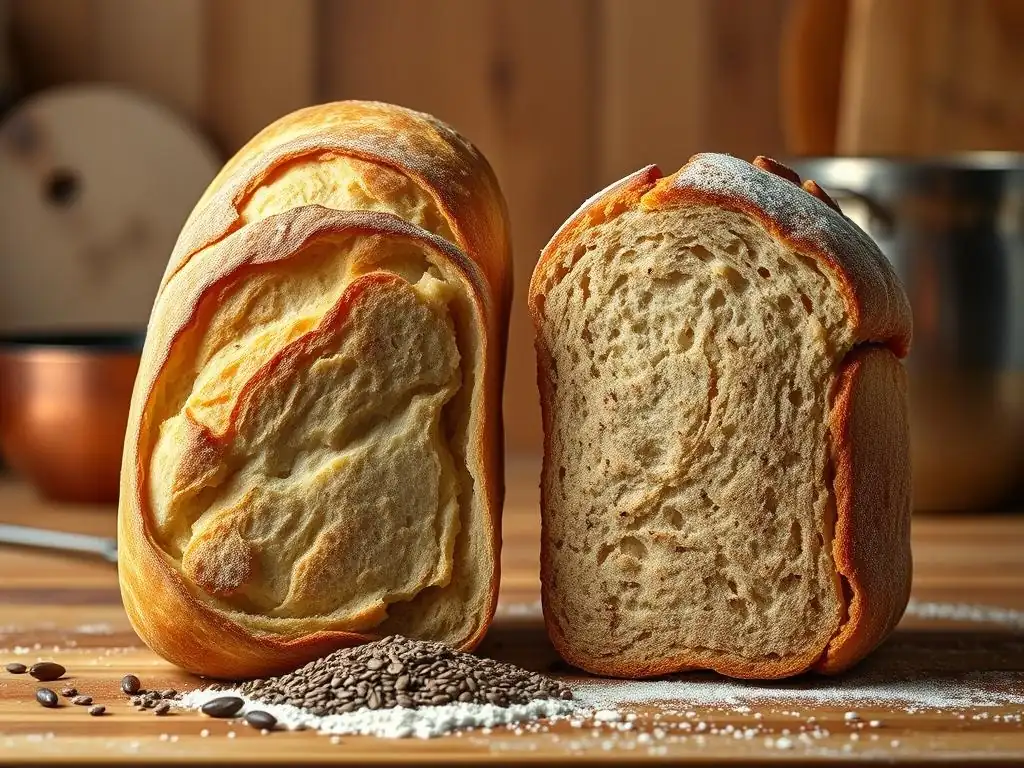
Welcome to BakeWithEase, your trusted guide to effortless baking! Ever wondered why those delicious mix-ins you add to your bread seem to sabotage its rise? We're diving deep into the science behind it, revealing exactly why adding mix-ins affects bread rise and, more importantly, providing you with the expert adjustments you need to bake perfect loaves every time. Get ready to unlock the secrets to baking success!
- Why Adding Mixins Affects Your Bread Rise (And How to Adjust) - BakeWithEase.com
- Common Bread Mix-ins and Their Effect on Rise
- Troubleshooting Bread Rise Problems with Mix-ins
- Adjusting Your Bread Recipe for Successful Mix-in Incorporation
- Techniques for Incorporating Mix-ins Properly
- Specific Recipe Adjustments for Popular Mix-in Breads
- Tips for Achieving a Perfect Bread Rise Every Time, Even with Mix-ins
- Conclusion: Mastering Bread Baking with Mix-ins
-
Frequently Asked Questions
- What exactly are mix-ins in the context of bread baking?
- How can mix-ins negatively impact the rise of my bread?
- Which types of mix-ins are most likely to cause problems with bread rise?
- How can I adjust my bread recipe to compensate for the addition of mix-ins?
- What are some best practices for incorporating mix-ins into bread dough to minimize rise issues?
- Final Reflection: The Unexpected Alchemy of Mixins in Bread Baking
- Unleash Your Inner Baker: Master the Mixin' Magic!
Why Adding Mixins Affects Your Bread Rise (And How to Adjust) - BakeWithEase.com
What are Mixins in Bread Baking?
Mixins in bread baking refer to any ingredients added to the basic flour, water, yeast, and salt dough structure. These additions go beyond the foundational components and are included to enhance flavor, texture, and nutritional value. Common examples range from dried or fresh fruits, various nuts and seeds, herbs, spices, cheeses, and even chocolate.
The inclusion of these mixins significantly alters the composition and behavior of the dough. Unlike the core ingredients which form the dough's essential structure and facilitate the rise, mixins introduce variables such as additional moisture or dryness, fats, sugars, and physical bulk. Understanding how these elements interact with the fundamental processes of yeast fermentation and gluten development is crucial for predicting and managing how mixins affect bread rise.
The Role of Yeast in Bread Dough Rise
Yeast is a living microorganism essential for leavening bread. It consumes sugars in the dough (both naturally present in flour and added sugars) and produces carbon dioxide gas and alcohol through a process called fermentation. This gas gets trapped within the gluten network of the dough, causing it to expand and rise. The rate of yeast activity is influenced by temperature, available sugar, and moisture levels.
When you add mixins, you introduce new factors that can impact yeast performance. Sugary mixins, like dried fruits or chocolate, provide extra food for the yeast, potentially leading to a faster initial rise but also potentially exhausting the yeast prematurely or creating an overly acidic environment if fermentation isn't managed. On the other hand, certain spices or high concentrations of salt (from cheese or olives) can inhibit yeast activity, slowing down or even stopping the rise. This direct interaction with the yeast's food source and environment is a primary way mixins affect bread rise.
How Gluten Development is Affected by Add-ins
Gluten is the protein network formed when water is mixed with flour and kneaded. This network is elastic and strong, capable of trapping the carbon dioxide gas produced by the yeast, which is what gives bread its structure and airy texture. Proper gluten development is vital for a good rise and crumb structure.
Mixins can interfere with gluten development in several ways. Ingredients high in fat, such as nuts, seeds, or cheese, can coat the gluten strands, preventing them from linking together effectively. Dry mixins, like dried fruits or seeds, can absorb moisture intended for hydrating the flour, leading to a drier dough where gluten struggles to form properly. Large or sharp mixins can physically cut the delicate gluten strands during kneading and fermentation. All these factors weaken the gluten network, making it less capable of holding gas, and thus significantly impacting how mixins affect bread rise.
Common Bread Mix-ins and Their Effect on Rise
Fruits and Dried Fruits: Sugar Content and Hydration
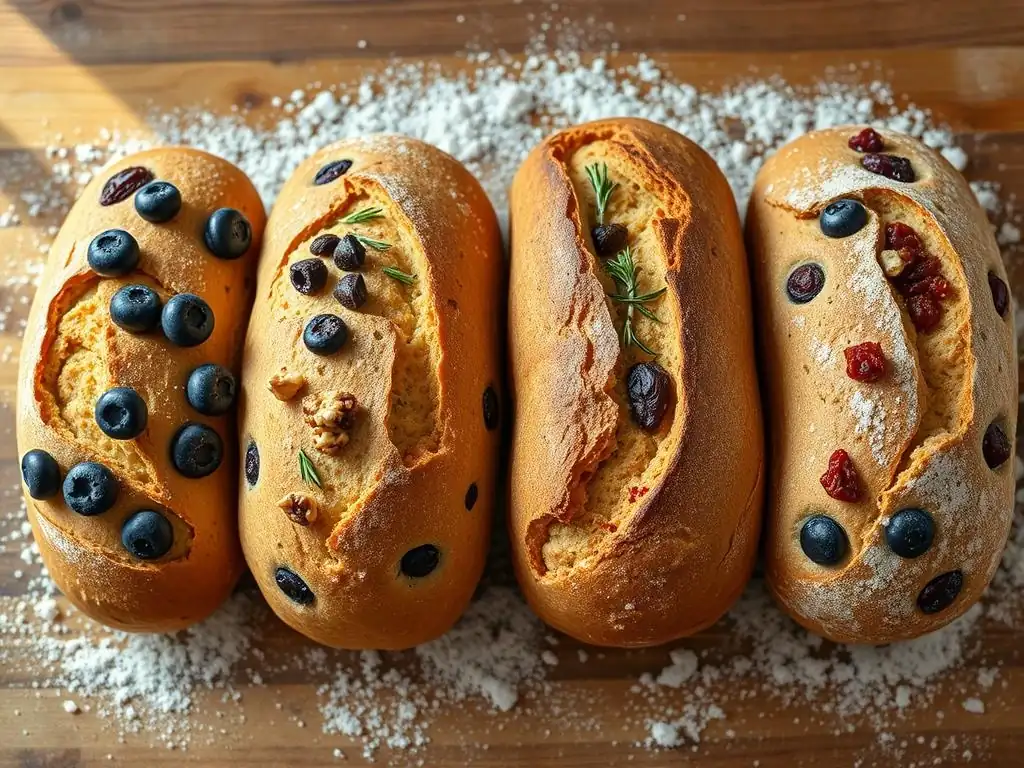
Fruits, especially dried fruits like raisins, cranberries, or apricots, are common mixins. Their primary impact comes from their sugar content and their ability to absorb or release moisture. Dried fruits are particularly problematic as they are very dry and will aggressively pull water from the surrounding dough during mixing and proofing. This reduces the overall hydration available for gluten development and can lead to a denser bread texture.
Beyond hydration, the concentrated sugars in dried fruits provide a readily available food source for yeast. While this can initially boost fermentation, too much sugar can also stress the yeast, potentially slowing down the later stages of the rise or leading to an overly sweet dough that ferments too quickly. Fresh fruits add moisture, which needs to be accounted for in the recipe's liquid content, and their enzymes can sometimes interact with gluten, although this is less common with typical bread fruits.
Nuts and Seeds: Oil Content and Structure
Nuts and seeds are popular for adding crunch and flavor, but their high oil or fat content can negatively impact bread rise. Fats coat the gluten strands, similar to how butter or oil added during kneading affects dough. This coating hinders the formation of a strong, continuous gluten network necessary to trap gas. The result is often a dough that doesn't develop as much elasticity or volume during proofing.
Furthermore, the physical structure of nuts and seeds plays a role. Sharp edges on chopped nuts or hard seeds can physically snip the developing gluten strands as the dough is kneaded and expands. While adding them later in the kneading process helps, a high proportion of nuts and seeds adds significant weight and can disrupt the delicate gluten structure, contributing to a less airy crumb and explaining why these mixins affect bread rise by weighing it down.
Herbs and Spices: Potential Enzyme Activity
Herbs and spices are typically added in smaller quantities than fruits or nuts, so their physical impact on dough structure is minimal. However, some herbs and spices contain compounds or enzymes that can affect yeast activity or gluten structure. For instance, some studies suggest that high concentrations of cinnamon can contain glutathione, a compound that weakens the gluten network, leading to a decreased rise.
While the effect is often less pronounced than that of fatty or sugary mixins, it's worth noting, especially when using larger amounts of certain potent spices. Most common bread herbs like rosemary, thyme, or oregano have little to no discernible negative effect on yeast or gluten in typical quantities and primarily contribute flavor. Understanding the specific properties of the herbs and spices you use can help troubleshoot unexpected rise issues.
Cheeses: Moisture and Fat Content
Cheese introduces both moisture and fat into bread dough, and its effect on rise depends heavily on the type of cheese. Softer cheeses with higher moisture content, like shredded cheddar or mozzarella, add liquid that needs to be considered in the overall hydration. This extra moisture can initially help with dough hydration but might make the dough stickier.
Harder cheeses or those with higher fat content, like Parmesan or aged cheddar, introduce more fat. As with nuts and seeds, this fat can interfere with gluten development by coating the protein strands. Melted cheese during baking can also alter the final crumb structure. The salt content in most cheeses is another factor; while salt is necessary for controlling yeast activity and strengthening gluten, too much can inhibit fermentation, impacting how these mixins affect bread rise.
Chocolate: Sugar and Fat Considerations
Adding chocolate, whether chips, chunks, or swirls, brings both sugar and fat into the dough. The sugar content provides additional food for the yeast, which can initially accelerate fermentation. However, as noted with dried fruits, too much sugar can stress the yeast.
The fat content in chocolate (cocoa butter) also behaves similarly to other fats, potentially coating gluten strands and hindering development. Chocolate chips or chunks add physical weight and can disrupt the gluten network. When chocolate melts during baking, it can create pockets within the crumb, which might slightly alter the texture but the primary impact on rise comes from the sugar and fat introduced during the proofing stages.
Troubleshooting Bread Rise Problems with Mix-ins
Identifying the Cause of Poor Bread Rise
When your bread with mixins doesn't rise as expected, the first step is to consider which mixins were used and in what quantity. Think about the potential issues: did you add a lot of dried fruit (hydration/sugar)? A large amount of nuts or cheese (fat/weight)? Was the dough particularly sticky or difficult to knead (hydration imbalance or gluten disruption)? Observing the dough's texture immediately after mixing and its behavior during the initial rise (bulk fermentation) can provide clues.
A dense, heavy dough that didn't expand much likely points to issues with gluten development or excessive weight/fat from the mixins. A dough that initially rose quickly but then collapsed might indicate yeast stress from too much sugar or an overly long proofing time due to the mixins altering fermentation speed. Understanding the specific properties of your mixins helps narrow down whether the problem lies with hydration, gluten, or yeast activity.
Common Scenarios: Dense Fruit Bread, Heavy Seed Loaf
A classic scenario is the "dense fruit bread." This often happens because the dried fruit absorbs too much moisture from the dough, leaving insufficient liquid for proper gluten development. The sugar content can also cause the yeast to work too fast initially, leading to a weak rise later. The resulting loaf is heavy and lacks the open, airy texture of a well-risen bread.
Another common issue is a "heavy seed loaf." This is frequently due to the high fat content of seeds (like sunflower or pumpkin seeds) interfering with gluten formation and the physical weight of a large quantity of seeds weighing down the dough. The sharp edges of seeds can also potentially damage the gluten network. The dough feels substantial but doesn't achieve significant volume during proofing, resulting in a loaf that is squat and dense. Recognizing these common outcomes helps troubleshoot specific mixin-related rise problems.
Adjusting Your Bread Recipe for Successful Mix-in Incorporation
Increase Hydration to Compensate for Dry Mix-ins
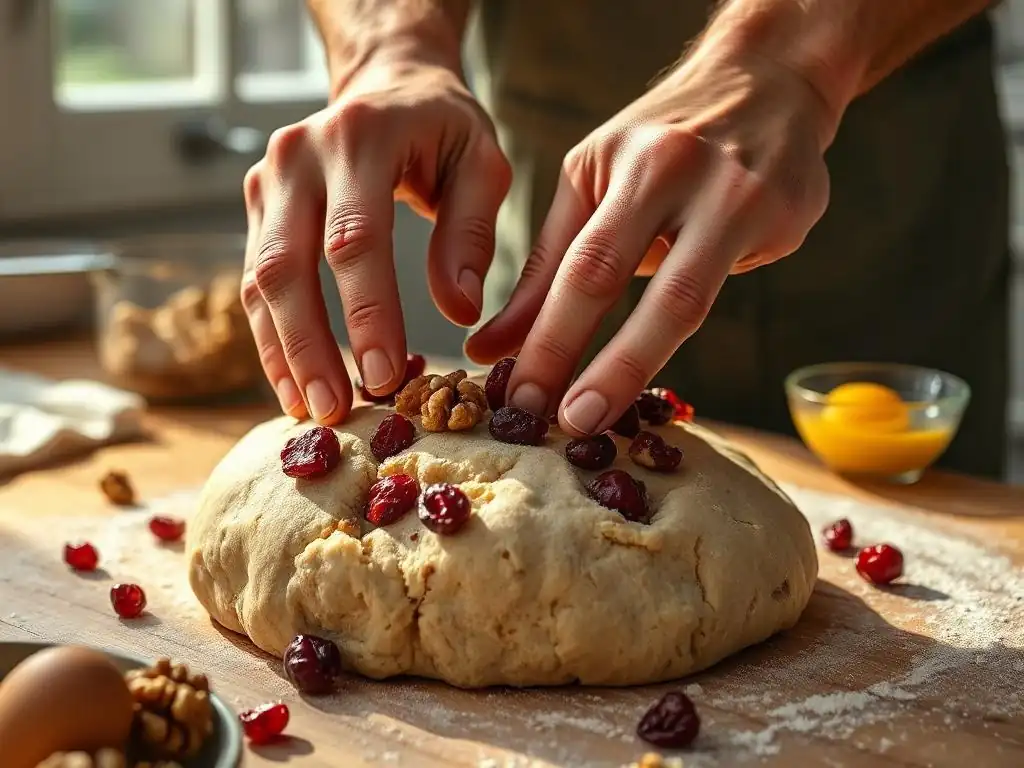
When adding dry mixins like dried fruits, nuts, or seeds, they will absorb moisture from your dough. To prevent this from negatively impacting gluten development and overall dough hydration, you often need to increase the liquid in your recipe slightly. A good starting point is to add an extra tablespoon or two of water or milk per cup of dry mixins you're incorporating.
The exact amount needed will vary depending on the specific mixin and your base recipe's hydration level. It's often best to add this extra liquid gradually during the initial mixing phase, observing the dough consistency. The goal is to achieve a dough hydration similar to what the recipe would yield without the dry additions, ensuring the flour has enough moisture to form a strong gluten network capable of trapping gas for a good rise.
Adjusting Yeast Quantity for Added Sugars
Mixins high in sugar, such as dried fruits or chocolate, provide extra food for the yeast. While a small boost isn't usually a problem, a significant amount of added sugar can cause the yeast to ferment too rapidly or become stressed. This can lead to an initial vigorous rise followed by a collapse, or an off-flavor in the final bread.
For recipes with a large proportion of sugary mixins, you might consider slightly reducing the amount of yeast called for in the recipe, perhaps by 10-15%. Alternatively, pay closer attention to fermentation times and temperatures, potentially using cooler water or proofing in a slightly cooler spot to slow down the yeast activity and ensure a more controlled and sustained rise.
Optimize Kneading Time for Gluten Development
Adding mixins, especially those with fat or sharp edges like nuts and seeds, can interfere with the formation of the gluten network. To compensate for this disruption, you might need to ensure your dough is kneaded thoroughly to develop sufficient gluten strength before the mixins are fully incorporated.
While you shouldn't over-knead, ensuring the dough passes the windowpane test (stretching a small piece thinly without tearing) before adding mixins is a good practice. After adding mixins, knead just enough to distribute them evenly. This optimized kneading approach helps build a robust gluten structure capable of supporting the weight and disruption introduced by the mixins, which is key to how mixins affect bread rise.
Controlling Dough Temperature for Optimal Fermentation
Temperature plays a critical role in yeast activity. A consistently warm environment (typically 75-80°F or 24-27°C) is ideal for yeast to ferment and produce gas efficiently. When you add mixins, especially those that are cold (like cheese straight from the fridge) or those that alter the dough's thermal mass, maintaining this optimal temperature becomes even more important.
Ensure your water is the correct temperature when mixing and find a warm, draft-free spot for proofing. Using a thermometer to check the dough's internal temperature can be helpful. If your mixins cooled the dough significantly, it will take longer to rise, so patience and temperature control are vital for a successful outcome.
The Importance of Proofing Time with Mix-ins
Proofing, or the final rise before baking, allows the dough to achieve its final volume and develop flavor. When incorporating mixins, especially heavy ones, the dough may rise more slowly than a plain dough because the mixins add weight and can interfere with gas retention.
Therefore, it's crucial to rely on visual cues and the "poke test" rather than strictly adhering to the time specified in a recipe designed for plain bread. The dough should look significantly increased in volume (often doubled, but check recipe specifics) and a gentle poke should leave an indentation that springs back slowly. Be prepared to extend the proofing time, potentially by 30-60 minutes or even longer, depending on the type and quantity of mixins used.
Techniques for Incorporating Mix-ins Properly
When to Add Mix-ins During the Kneading Process
The timing of adding mixins is crucial to minimize their negative impact on gluten development. It's generally recommended to add most mixins towards the end of the kneading process, rather than at the beginning with the main ingredients. This allows the gluten network to start forming without immediate disruption from fats, sharp edges, or excessive dryness/moisture introduced by the mixins.
Add mixins during the last few minutes of kneading, whether by hand or machine. Knead just long enough to ensure they are evenly distributed throughout the dough. For very delicate or large mixins, you might even gently fold them in during the first few folds of the bulk fermentation, rather than intensive kneading.
Even Distribution of Mix-ins for Consistent Rise
Uneven distribution of mixins can lead to inconsistent dough rise and a poor crumb structure in the final loaf. Clumps of heavy mixins in one area can weigh down that part of the dough, preventing it from rising properly, while other areas rise normally, resulting in a lopsided or dense loaf.
To achieve even distribution, flatten the dough gently into a rectangle after initial kneading but before adding mixins. Sprinkle the mixins evenly over the surface, then fold the dough over itself (like an envelope or letter) and continue kneading or folding just until the mixins are dispersed throughout the mass. This technique helps ensure every slice of your bread has a good balance of mixins and that the weight and structure are distributed evenly, leading to a more consistent rise.
Preventing Mix-ins from Sinking to the Bottom
A common frustration is finding all the mixins pooled at the bottom of the loaf after baking. This happens when the dough's gluten structure isn't strong enough to hold the weight of the mixins, or when the dough is over-proofed and its structure has weakened.
Several techniques can help prevent sinking. Ensuring adequate gluten development through proper kneading is key. You can also try coating heavier mixins like nuts, seeds, or chocolate chips lightly in a tablespoon or two of flour before adding them to the dough; the flour helps them adhere to the dough structure. Finally, avoid over-proofing; dough that has proofed too long loses some of its structural integrity and is more likely to let mixins sink.
Specific Recipe Adjustments for Popular Mix-in Breads
Cranberry Walnut Bread: Adjustments and Tips
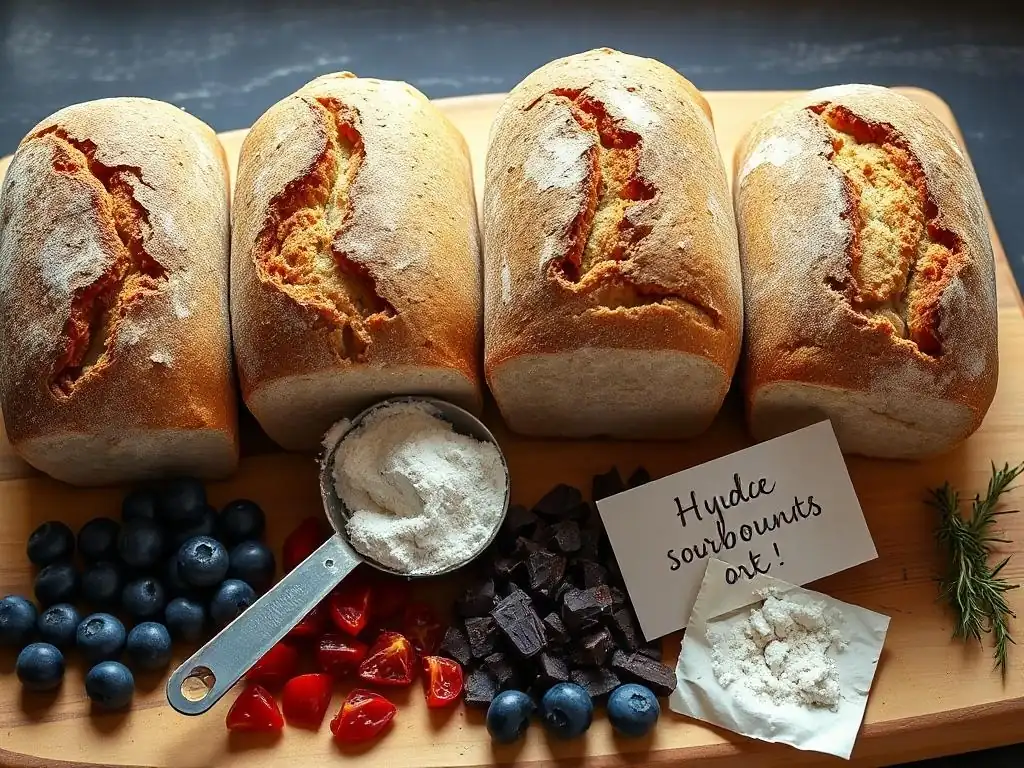
For Cranberry Walnut Bread, address the hydration issue from dried cranberries and the fat/structure issue from walnuts. It's highly recommended to rehydrate dried cranberries before adding them. Soak them in hot water or juice for 15-20 minutes, then drain thoroughly. This prevents them from stealing moisture from your dough.
For walnuts, you can lightly toast them for flavor, but ensure they are cool before adding. Consider coating both the drained cranberries and the walnuts lightly in flour before incorporating them into the dough during the last few minutes of kneading. You might also slightly increase the recipe's water content by 1-2 tablespoons per cup of mixins to account for any residual dryness and ensure a good dough consistency for optimal rise.
Olive and Rosemary Bread: Adjustments and Tips
Olive and Rosemary bread primarily deals with the moisture and salt from olives and the flavor from rosemary. Ensure olives are well-drained, especially if they were packed in brine. Excess moisture from olives can make the dough sticky and hard to handle, affecting gluten development.
Since olives are salty, consider slightly reducing the salt added to your dough, perhaps by 1/4 to 1/2 teaspoon per cup of olives, depending on how salty the olives are. Rosemary, typically added dried or fresh in small amounts, usually doesn't significantly impact the rise but adds wonderful flavor. Incorporate olives and rosemary towards the end of kneading for even distribution and minimal disruption.
Tips for Achieving a Perfect Bread Rise Every Time, Even with Mix-ins
Measuring Ingredients Accurately
Precision in baking is always important, but it becomes even more critical when you introduce variables like mixins. Using a kitchen scale to weigh flour and other dry ingredients (like mixins) is far more accurate than using volume measures (cups), as flour can be compacted differently. Weighing liquids is also recommended.
Accurate measurements ensure your dough has the correct hydration level and the right balance of ingredients for yeast activity and gluten development. When dealing with mixins that affect these factors, starting with a precisely measured base dough gives you the best chance for success and makes it easier to identify if a problem stems from the mixins or the foundational recipe.
Using High-Quality Ingredients
The quality and freshness of your core ingredients significantly impact bread rise. Ensure your yeast is fresh and active; expired or inactive yeast is a primary cause of poor rise, regardless of mixins. Good quality bread flour with a higher protein content will develop a stronger gluten network, which is better equipped to handle the weight and potential disruption from mixins.
While mixins add flavor, they can't compensate for weak foundational ingredients. Using fresh, vibrant herbs, good quality nuts and seeds, and flavorful cheese will not only improve the taste but also interact more predictably with your dough. Starting with reliable ingredients sets you up for success when learning how mixins affect bread rise and how to mitigate those effects.
Monitoring Dough Temperature
Maintaining the correct dough temperature throughout the process is vital for consistent yeast activity. Aim for a dough temperature between 75°F and 80°F (24°C-27°C) after mixing. Use a thermometer to check your water temperature and room temperature.
During bulk fermentation and proofing, find a warm, draft-free spot. A slightly cooler temperature will simply slow down the rise, requiring more time, while temperatures too hot can kill the yeast. Consistency in temperature control helps ensure the yeast ferments at a predictable rate, allowing the gluten structure time to develop and hold the gas, even with the challenges mixins introduce.
Practicing Patience During Proofing
One of the biggest mistakes bakers make is rushing the proofing stage. With mixins, the dough often takes longer to rise due to added weight, interference with gluten, or altered yeast activity. Relying solely on the clock can lead to under-proofed bread with poor volume and a dense texture.
Learn to judge proofing readiness by the dough's appearance (significantly increased in volume) and the poke test (a gentle poke leaves an indentation that springs back slowly). Be patient and allow the dough the time it needs, which might be considerably longer than a plain dough. This patience is rewarded with better volume, texture, and flavor in your finished loaf.
Conclusion: Mastering Bread Baking with Mix-ins
Enjoying Experimentation and Flavorful Bread
Understanding how mixins affect bread rise is a key step in becoming a more confident and skilled bread baker. While these additions introduce variables that can challenge the traditional rise process by impacting hydration, gluten development, and yeast activity, they also open up a world of flavor and texture possibilities.
By applying the adjustments and techniques discussed – from rehydrating dried fruits and coating nuts to optimizing kneading and extending proofing time – you can successfully incorporate a wide array of ingredients into your loaves. Don't be afraid to experiment with different mixins and observe how your dough responds. Each loaf is a learning opportunity, and with a little knowledge and practice, you can master the art of baking delicious, well-risen bread filled with your favorite additions.
Frequently Asked Questions
What exactly are mix-ins in the context of bread baking?
Mix-ins are additional ingredients like fruits, nuts, seeds, or chocolate chips added to bread dough to enhance flavor and texture. They are incorporated after the initial dough development.
How can mix-ins negatively impact the rise of my bread?
Mix-ins can physically interfere with the gluten network development, weakening it and hindering the dough's ability to trap gas. Additionally, some mix-ins may absorb moisture needed for yeast activity.
Which types of mix-ins are most likely to cause problems with bread rise?
Heavy, oily, or sugary mix-ins are typically the culprits. Excessive weight can collapse the gluten structure, while oils interfere with gluten formation, and sugar can draw moisture away from the yeast.
How can I adjust my bread recipe to compensate for the addition of mix-ins?
You can adjust by slightly increasing the amount of yeast to compensate for any slowed fermentation. You might also need to add a little extra liquid to account for moisture absorption by the mix-ins.
What are some best practices for incorporating mix-ins into bread dough to minimize rise issues?
Gently knead the mix-ins in after the dough has mostly developed its gluten. Avoid over-kneading after adding them. Also, consider toasting nuts and seeds beforehand to enhance their flavor and reduce moisture content.
Final Reflection: The Unexpected Alchemy of Mixins in Bread Baking
The seemingly simple act of adding mix-ins to bread dough profoundly impacts its rise, a fact often overlooked by even experienced bakers. Understanding this interaction is crucial, not just for achieving the perfect loaf, but for unlocking a deeper appreciation of the delicate balance within the baking process. Ignoring the impact of mix-ins can lead to dense, disappointing results, while mastering their influence unlocks a world of creative possibilities.
The journey of exploring how mix-ins affect bread rise has been a fascinating one, revealing the subtle interplay between hydration, gluten development, and the physical properties of added ingredients. It's a reminder that baking is not a precise science, but a delicate art requiring intuition and adaptation. The best bakers are those who understand the why, not just the how.
– This quote, while not directly about mix-ins, perfectly encapsulates the importance of understanding the underlying principles at play. The impact of this knowledge extends beyond just bread; it highlights the importance of understanding the interconnectedness of elements in any creative endeavor.
Now, consider your next baking project. Will you simply add your favorite mix-ins, or will you thoughtfully consider their impact on the rise of your bread? I encourage you to experiment, to observe, and to learn from each loaf you bake. By understanding the principles outlined in this article, you'll not only improve your baking skills but also cultivate a deeper appreciation for the transformative power of even the smallest ingredient. Embrace the alchemy, and let your bread rise to new heights!
Unleash Your Inner Baker: Master the Mixin' Magic!
Thanks for taking the time to explore the fascinating world of mixins and their impact on bread rise! You've now gained valuable insights into a key baking technique. Ready to put your new knowledge to the test?
- Experiment with different mixins: Try adding various ingredients—from fruits and nuts to herbs and spices—and observe how they affect your dough's rise and overall texture. Note your findings! This is where the real baking magic happens.
- Share your baking triumphs (and tribulations!): Let's build a community of bakers! Tell us about your experiences with mixins in the comments below. What worked best? What didn't?
- Challenge yourself with a new recipe: Use your newfound understanding to tackle a bread recipe that incorporates mixins—maybe even one you’ve avoided before!
What exciting mixin combinations will you create next?