
Baker's Guide to Couverture Chocolate: Is It Worth It?

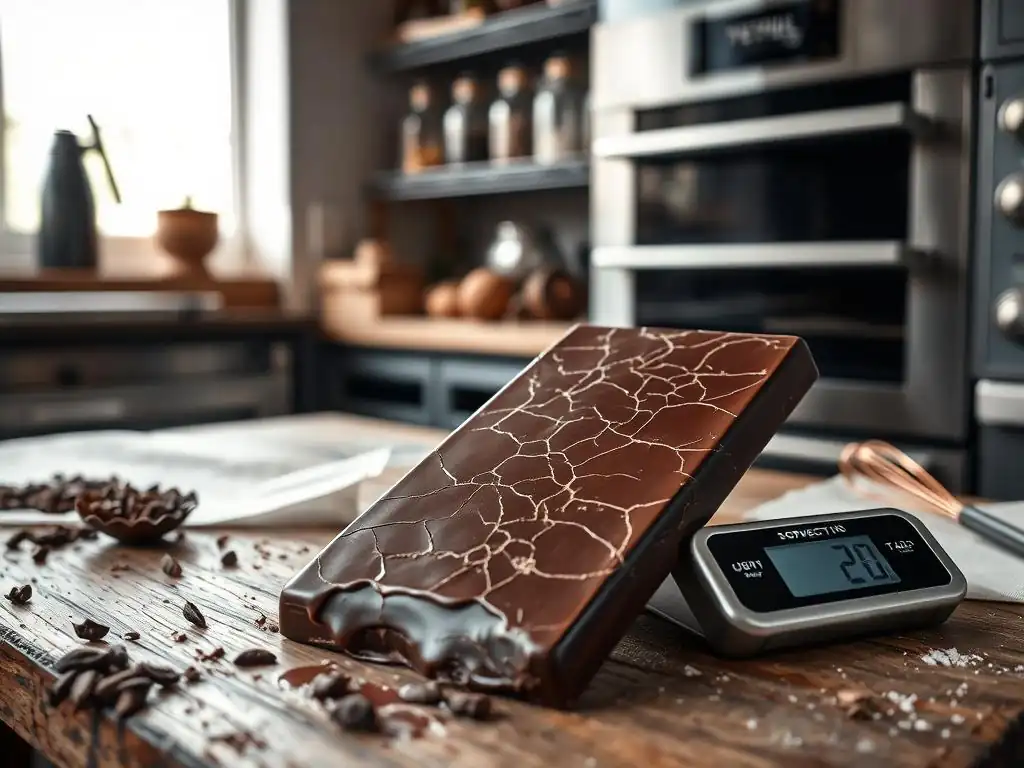
Welcome to BakeWithEase, your haven for all things baking! Are you ready to elevate your desserts from simply delicious to truly extraordinary? In this baking tips and hacks guide, we're diving deep into the world of chocolate. Specifically, we're tackling the age-old question: Is couverture chocolate worth the extra cost and effort? Prepare to unlock the secrets of this professional baker's favorite and discover if it's the key to your most decadent creations yet. Read on to find out!
- What is Callebaut Chocolate and Why Should Bakers Care?
-
Frequently Asked Questions
- Is couverture chocolate truly worth the extra cost for home bakers?
- How does couverture chocolate differ from regular baking chocolate?
- What are some specific baking applications where using couverture chocolate is highly recommended?
- Where can I typically purchase couverture chocolate?
- What are some tips for properly tempering couverture chocolate at home?
- Final Reflection: The Enduring Allure of Couverture Chocolate
- Unlock the Secrets of Luxurious Couverture Chocolate!
What is Callebaut Chocolate and Why Should Bakers Care?
Defining Callebaut Chocolate: A Baker's Perspective
Callebaut chocolate is a renowned Belgian chocolate brand, highly regarded by professional bakers and chocolatiers worldwide. For those serious about their craft, understanding what sets Callebaut apart is crucial. It's primarily known for producing high-quality couverture chocolate, which is chocolate with a higher percentage of cocoa butter compared to standard eating or baking chocolate. This characteristic is key to its performance in various baking applications. Available commonly in convenient 'callets' (small drops or buttons), it's designed for easy melting and consistent results.
From a baker's standpoint, Callebaut represents reliability and a certain standard of quality. Founded in 1911, the brand has built a century-long reputation based on consistency batch after batch. This uniformity is vital when you're trying to replicate a recipe perfectly every time, whether you're making delicate truffles or a rich chocolate cake. While some might wonder, "Is Callebaut chocolate worth the extra cost? ", its widespread adoption in professional settings suggests that many believe the quality justifies the investment for achieving superior results.
Understanding the Importance of Cocoa Butter in Callebaut Chocolate
The defining feature of Callebaut, as a couverture chocolate, is its elevated cocoa butter content. Cocoa butter is the natural fat extracted from the cocoa bean, and its presence dictates much of chocolate's behavior, especially when melted and cooled. Standard chocolate typically contains around 18-20% cocoa butter, while couverture like Callebaut contains significantly more, often ranging from 31% up to 39% or even higher for specific varieties like white chocolate. This higher fat content contributes to a smoother texture, a richer mouthfeel, and a more intense chocolate flavor release as it melts beautifully on the tongue.
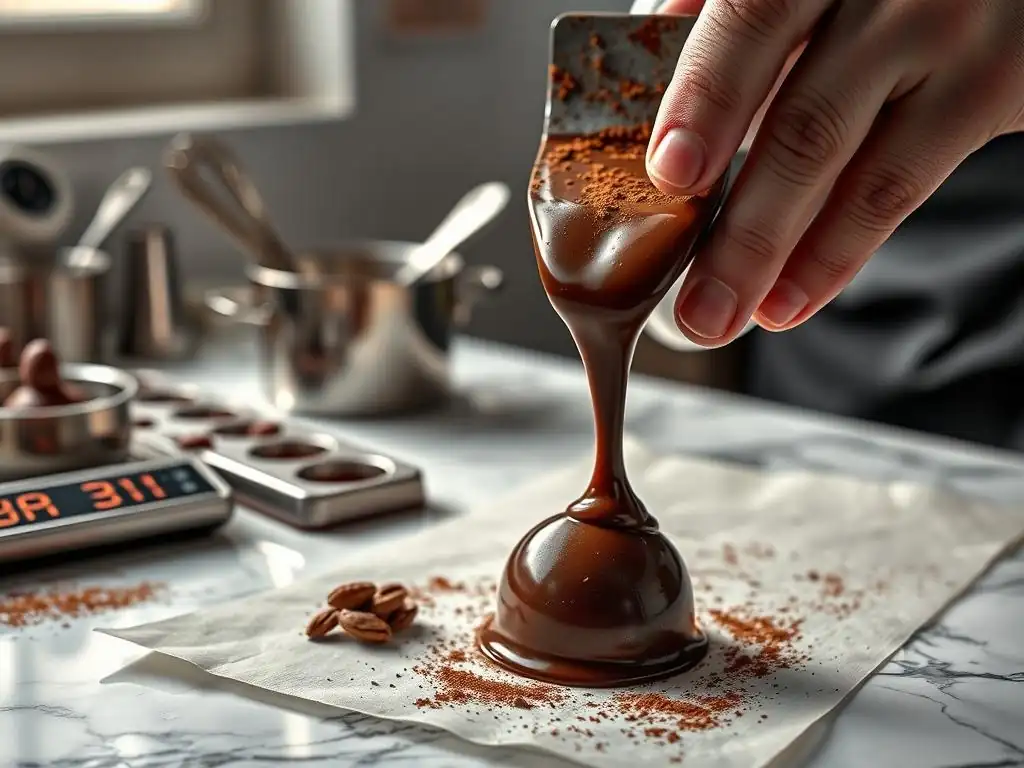
For baking, this higher cocoa butter percentage is fundamental. It allows the chocolate to melt more fluidly, making it ideal for dipping, coating, and creating smooth ganaches. Crucially, it's also what makes the chocolate temperable.
Tempering is the process of carefully heating and cooling chocolate to stabilize the cocoa butter crystals, resulting in a finished product that is glossy, snaps cleanly when broken, and resists melting at room temperature. Without sufficient cocoa butter, chocolate cannot be properly tempered, limiting its use in certain applications. Understanding this is key when evaluating if Callebaut chocolate is worth the effort for your specific baking project.
Callebaut Chocolate vs. Other Chocolate Types: Key Differences for Baking
When comparing Callebaut couverture chocolate to other types commonly found in grocery stores, the primary difference lies in composition, particularly the cocoa butter content. Standard baking chocolate or chocolate chips often have stabilizers, less cocoa butter, or sometimes even added vegetable fats to make them easier to use (e.g., preventing chips from melting fully in cookies). Compound chocolate, on the other hand, replaces cocoa butter entirely with vegetable oils; it melts easily but lacks the complex flavor, smooth texture, and tempering capabilities of real chocolate.
For bakers, these differences have significant implications. Using Callebaut means working with chocolate that is designed for performance and optimal flavor. Its higher cocoa butter content ensures a superior melt and allows for proper tempering, which is essential for achieving a professional finish on confections, dipped items, and decorations.
While a standard chocolate chip might suffice for adding pockets of chocolate to a cookie, it won't give you the same smooth ganache or the beautiful snap and shine of a well-tempered Callebaut coating. Deciding whether Callebaut chocolate is worth it often comes down to the desired outcome: is convenience paramount, or is a professional finish and exceptional flavor the goal?
Frequently Asked Questions
Is couverture chocolate truly worth the extra cost for home bakers?
Yes, for certain recipes! Couverture chocolate contains a higher percentage of cocoa butter, resulting in a superior melt, shine, and snap. This makes it ideal for dipping, coating, and molding.
How does couverture chocolate differ from regular baking chocolate?
The main difference lies in the cocoa butter content. Couverture has a higher percentage, typically between 32% and 39%, while regular baking chocolate has less. This impacts the texture and flavor.
What are some specific baking applications where using couverture chocolate is highly recommended?
It's highly recommended for making chocolate truffles, chocolate-covered strawberries, and molded chocolates. The superior melt and snap are crucial for these applications.
Where can I typically purchase couverture chocolate?
You can find it at specialty baking supply stores, online retailers that specialize in baking ingredients, and sometimes in the baking section of well-stocked grocery stores. Look for labels indicating "couverture" or "high cocoa butter content".
What are some tips for properly tempering couverture chocolate at home?
Use a double boiler or microwave in short intervals, stirring frequently. Monitor the temperature with a chocolate thermometer to ensure you reach the correct tempering temperatures for the specific type of couverture chocolate.
Final Reflection: The Enduring Allure of Couverture Chocolate
The pursuit of the perfect chocolate experience is a timeless one, and the question of whether couverture chocolate is "worth it" ultimately boils down to a personal appreciation for quality and craftsmanship. The journey through the nuances of cocoa butter percentages, conching processes, and the resulting flavor profiles reveals that couverture chocolate isn't merely an ingredient; it's a statement. It's a commitment to excellence that elevates the simplest dessert into an unforgettable experience.
The impact of couverture chocolate extends far beyond the individual palate. It represents a dedication to artisanal techniques and a respect for the origins of cacao, connecting us to a rich history and global community of chocolate makers. The best chocolate is not just about the taste, but the story behind it.
This quote perfectly encapsulates the emotional resonance of couverture chocolate, reminding us that the experience transcends mere indulgence. It's about appreciating the artistry, the dedication, and the journey from bean to bar.
So, is couverture chocolate worth it? The answer, dear reader, lies within you. Consider the moments you want to savor, the memories you want to create. Think about the difference between a simple chocolate chip cookie and one made with the rich depth of couverture. Embrace the opportunity to elevate your culinary experiences, to indulge in the finer things, and to discover the profound satisfaction of working with truly exceptional ingredients. The journey towards discovering your own answer is, in itself, a rewarding one.
Unlock the Secrets of Luxurious Couverture Chocolate!
Thanks for exploring the world of couverture chocolate with us! We hope you now have a clearer understanding of its unique qualities and potential in your baking. Ready to elevate your creations?
- Indulge in a Couverture Chocolate Tasting: Order a small selection of different types and percentages to experience the nuances firsthand. This is the best way to truly appreciate the difference.
- Share Your Couverture Creations: Show off your baking prowess using #BakeWithEaseCouverture on social media – we can’t wait to see what you make!
- Experiment with a New Recipe: Try a recipe that specifically calls for couverture chocolate – the results will speak for themselves!
So, what decadent dessert will you create with your newfound couverture knowledge?