Corn Syrup in Baking: The Secret to Chewy and Moist Treats
🌟 Discover how cheery corn syrup baking recipes can transform your treats into irresistibly chewy and moist delights. At BakeWithEase.com, unlock simple…
Read article
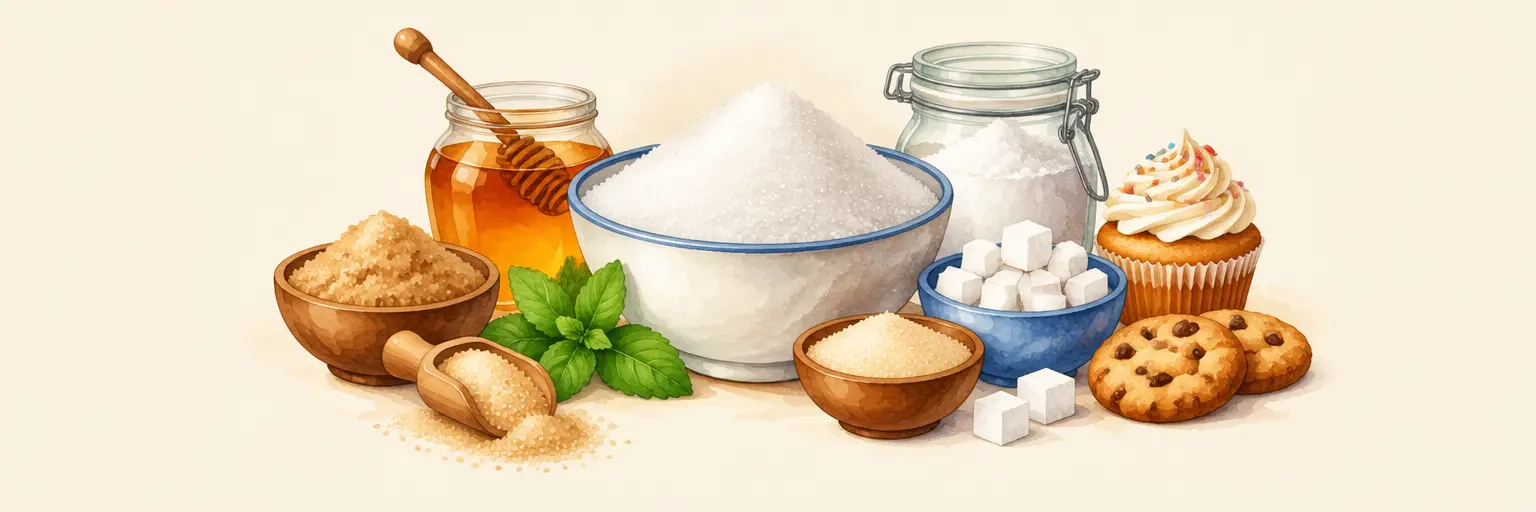
Unlock the secret to perfectly tender cakes, chewy cookies, and flaky pastries by mastering sugar and sweeteners in baking—the true science behind every golden crumb. From granulated and brown sugar to honey, maple syrup, and alternative sweeteners, each choice impacts moisture, caramelization, texture, and browning in ways that can make or break your bake. 🍰 Discover how to swap ingredients without sacrificing structure, why certain sugars create crisp edges versus soft centers, and how to balance sweetness with acidity for depth of flavor. Whether you’re a beginner exploring basic ratios or a pro experimenting with liquid sweeteners, these baking hacks simplify complex techniques into easy wins. Learn to adjust oven times, handle sticky conversions, and avoid common pitfalls like gritty frostings or overly dense loaves. Elevate your next batch of muffins, breads, or desserts with confidence—because the right sweetener isn’t just about taste; it’s the key to achieving bakery-quality results at home. ✨ Start sweetening smarter today!
🌟 Discover how cheery corn syrup baking recipes can transform your treats into irresistibly chewy and moist delights. At BakeWithEase.com, unlock simple…
Read article
🌟 Discover how easy sugar substitution recipes can transform your baking with simple, effective swaps. BakeWithEase.com offers expert tips and step-by-step guides…
Read article
😊 Discover how to reduce sugar in your baked goods without sacrificing flavor or texture. BakeWithEase.com offers expert tips and low sugar…
Read article
😊 Discover how sugar enhances baking flavor by elevating the taste and aroma of your creations. BakeWithEase.com offers simple tips and recipes…
Read article
🌿 Discover the world of natural sugar substitutes baking, where healthier, delicious alternatives to white sugar elevate your pastries and treats. BakeWithEase.com…
Read article
😊 Discover how sugar acts as a natural preservative, helping to extend cake shelf life and keep your baked goods fresher longer.…
Read article
🍰 Discover the best sugar for cake recipes and other baking projects in BakeWithEase.com’s comprehensive guide. Learn how different sugars influence texture…
Read article
😊 Discover how sugar creates structure in baked goods and why sugar substitution baking tips are essential for successful alternatives. Learn the…
Read article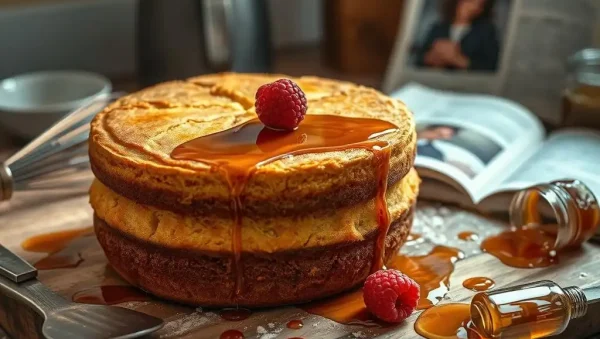
😊 Discover essential baking syrup troubleshooting tips to conquer sticky situations with confidence. At BakeWithEase.com, learn simple techniques to perfect your pastries,…
Read article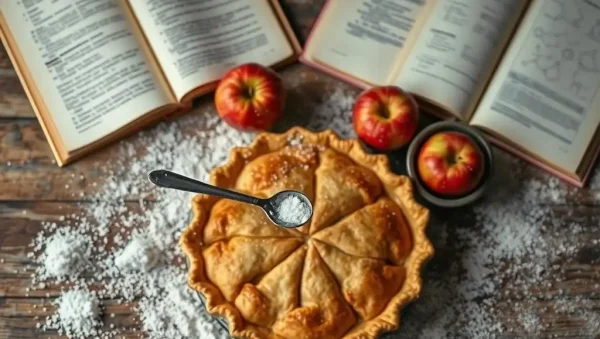
🍰 Discover the truth about sugar substitutes baking recipes and how they impact taste, texture, and health. BakeWithEase.com guides you through smart…
Read article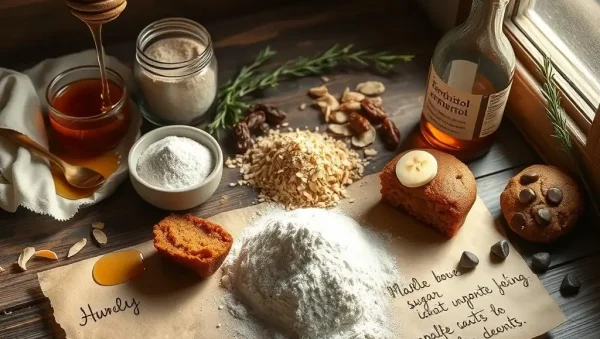
😊 Discover effortless sugar substitutions for baking recipes with BakeWithEase.com. Our comprehensive chart simplifies the art of swapping sweeteners, making it easier…
Read article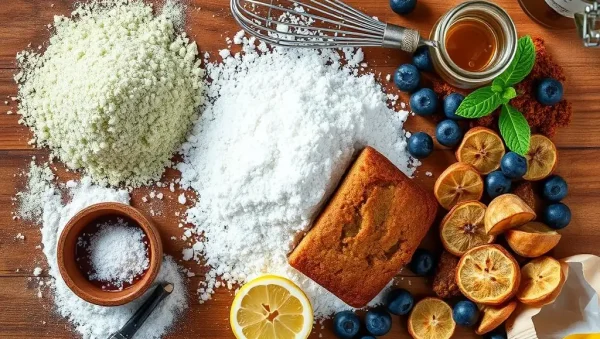
🌟 Discover the best sweetener for baking—whether stevia, erythritol, or monk fruit—each offering unique benefits for healthier, delicious treats. BakeWithEase.com guides you…
Read articleWhen it comes to baking, sugar is far more than just a sweetener—it’s a structural powerhouse that affects texture, color, moisture, and even leavening. Understanding the nuances of different sugars and alternative sweeteners can elevate your cakes, cookies, and breads from good to bakery-quality. In this guide, we’ll break down the science and practical hacks for using granulated, brown, liquid, and natural sweeteners, helping you make smarter substitutions and troubleshoot common baking mishaps with confidence.
Granulated sugar is the workhorse of baking, providing sweetness, tenderness, and that golden-brown crust through caramelization. It also helps cream butter into a fluffy base, trapping air for a light crumb. Brown sugar, on the other hand, contains molasses, which adds moisture, a deeper flavor, and a chewier texture—perfect for cookies and dense cakes. Knowing when to use each is a key baking hack.
Swap brown sugar for white in a 1:1 ratio, but expect a more moist and flavorful result. For a quick DIY brown sugar, mix 1 tablespoon of molasses per cup of white sugar. Conversely, if you only have brown, adding a teaspoon of cornstarch per cup can help mimic the dryness of white sugar. Always store brown sugar in an airtight container with a slice of bread to keep it soft and clump-free.
Liquid sweeteners bring unique flavors and moisture but also alter the liquid-to-dry ratio in your batter. Honey, maple syrup, and agave are all sweeter than granulated sugar, so you’ll use less—typically ¾ cup per 1 cup of sugar. They also add a distinct taste that can complement spices, nuts, and fruits in recipes like gingerbread or granola.
When substituting, reduce other liquids by 2-3 tablespoons per cup of liquid sweetener and lower your oven temperature by 25°F to prevent over-browning. Add a pinch of baking soda to neutralize acidity if using honey or maple syrup, which can affect leavening. For a neutral option, use light corn syrup or golden syrup, but remember they are less flavorful and more about texture than taste.
Low-calorie or keto-friendly sweeteners like stevia, erythritol, and monk fruit are popular for health-conscious bakers. However, they behave differently: erythritol provides bulk and browns well but can have a cooling aftertaste, while stevia is intensely sweet (use 1 teaspoon powder per cup of sugar) and lacks browning properties. Monk fruit blends often include erythritol for volume.
For best results, use a 1:1 baking blend that includes a bulking agent like erythritol or inulin. Add a tablespoon of molasses or honey to promote browning and improve texture. Be aware that these sweeteners don’t caramelize the same way, so cookies may spread more or stay pale. Always check the packaging for conversion charts, and start with ¾ of the recommended amount, tasting as you go.
Demerara and turbinado sugars are coarse, crunchy crystals that add a delightful snap on top of muffins or crumbles. They are less processed than white sugar, retaining some molasses and a subtle caramel note. Powdered sugar (or confectioners’ sugar) contains cornstarch, which absorbs moisture—perfect for icings, dusting, and stabilizing whipped cream.
Use demerara or turbinado for decorative toppings or in recipes where a crunchy texture is desired, like cookie coatings. For powdered sugar, never substitute granulated unless you grind it in a blender with a bit of cornstarch (1 cup sugar + 1 tablespoon cornstarch). Sift powdered sugar before use to avoid lumps, and remember that it dissolves faster, making it ideal for buttercream frostings that need a silky finish.
Substituting sugar isn’t just about sweetness; it’s about managing moisture, acidity, and browning. For example, replacing sugar with applesauce (1:1) works for cakes but adds extra liquid—reduce other liquids by ¼ cup. Mashed banana or dates can add natural sweetness but also alter flavor and fiber content. Always adjust baking time and temperature when making swaps.
Store all sugars in a cool, dry place, but keep brown sugar in an airtight container with a terra-cotta disk to maintain softness. Granulated sugar lasts indefinitely if sealed, while liquid sweeteners can crystallize over time—warm them gently in a water bath to re-liquify. For powdered sugar, sift before every use to remove clumps. Label all homemade blends with dates to ensure freshness.
Ever had cookies that spread too much or cakes that collapse? Sugar is often the culprit. Too much sugar can cause over-spreading because it liquefies faster and delays protein setting. Too little sugar may lead to dense, tough textures. If your baked goods are too brown, reduce sugar or lower oven temp. If they’re dry, add a tablespoon of honey or corn syrup to retain moisture.
For crumbly textures, reduce sugar and add an extra egg or a splash of milk. If your frosting is grainy, your powdered sugar may have absorbed moisture—sift and add a teaspoon of cornstarch. Always measure sugar by weight for accuracy (1 cup granulated = 200g). When in doubt, test small batches and keep notes on what works for your environment and oven.
Yes, but not 1:1. Use ¾ cup honey per 1 cup sugar, reduce liquids by 3 tablespoons, lower oven by 25°F, and add a pinch of baking soda to balance acidity. Honey also browns faster, so watch your bake time closely.
A 1:1 erythritol-based blend (like Swerve) works best for bulk and texture. Add a tablespoon of molasses for browning. Avoid pure stevia or monk fruit as they lack volume and can make baked goods dry or bitter.
Brown sugar hardens when moisture evaporates. Store it in an airtight container with a slice of bread, a damp paper towel, or a terra-cotta disk. Microwave it with a wet towel for 10-20 seconds to soften quickly.
No, it also contains about 3% cornstarch to prevent caking. You can make your own by blending 1 cup granulated sugar with 1 tablespoon cornstarch until fine, but sift well to avoid graininess in frostings.
Reduce sugar by 1-2 tablespoons, chill your dough for 30 minutes, and ensure your butter isn’t too soft. Also, use a higher ratio of brown sugar to white, as molasses absorbs moisture and holds cookies together better.