Is Your Cake Too Crumbly? Binding Issues Solved
✨ Struggling with a crumbly cake? Discover effective crumbly cake binding solutions that ensure your cake stays moist and cohesive. BakeWithEase.com offers…
Read article
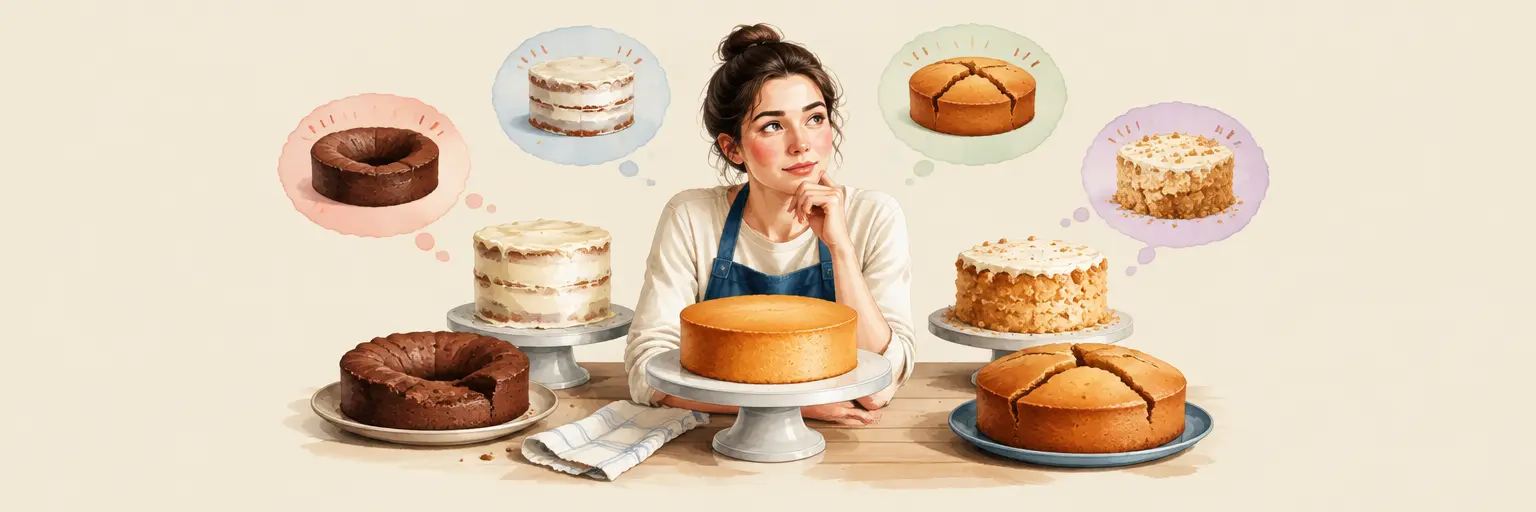
Struggling with a sunken center, a cracked top, or a dense, dry crumb? You’re not alone! 🍰 Our troubleshooting guide covers the most common cake pitfalls with simple, actionable fixes to ensure every bake comes out light, moist, and picture-perfect. From over-mixing and oven temperature to ingredient ratios, learn how to identify the *exact* problem and correct it fast—whether you’re a beginner or a seasoned pro. Bake with confidence and turn any baking disaster into a delicious triumph! ✨
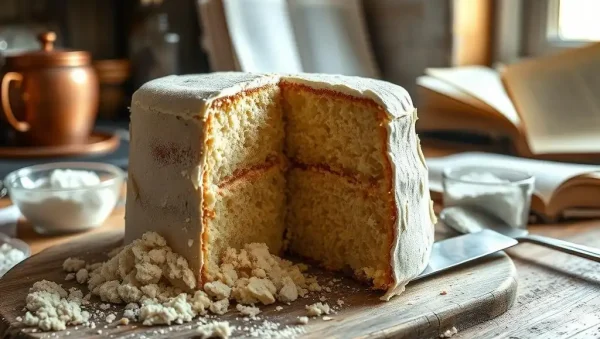
✨ Struggling with a crumbly cake? Discover effective crumbly cake binding solutions that ensure your cake stays moist and cohesive. BakeWithEase.com offers…
Read article
😊 Struggling with a vegan cake dense texture? Discover common issues and simple fixes to achieve light, fluffy vegan cakes. BakeWithEase.com is…
Read article
😊 Dive into the essential differences in baking with our guide on baking soda vs. powder. Learn how these leavening agents impact…
Read article
🔧 Struggling with cake issues post-baking? Discover essential cake baking troubleshooting tips to salvage and improve your creations, even with limited options.…
Read article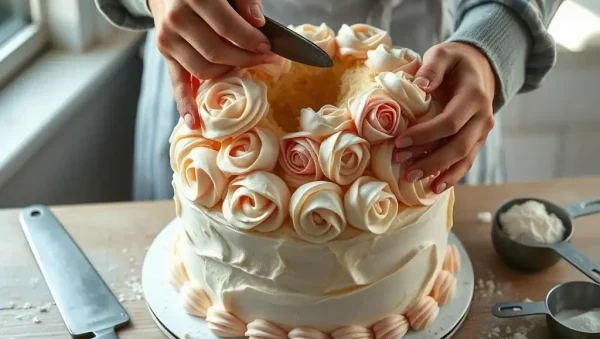
😊 Struggling with cake frosting too soft? BakeWithEase.com is your ultimate guide to troubleshooting common baking issues, offering simple tips and techniques…
Read article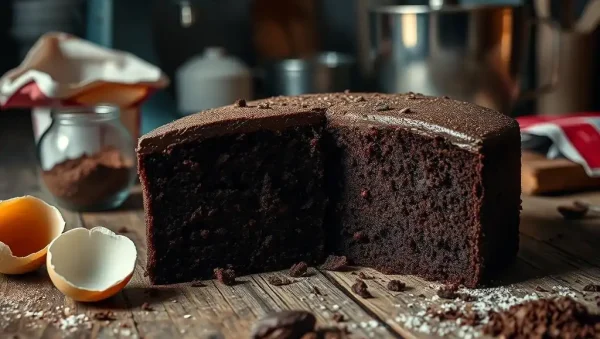
😊 Discover essential dry chocolate cake tips to keep your desserts moist and delicious. Learn simple techniques and common pitfalls to avoid,…
Read article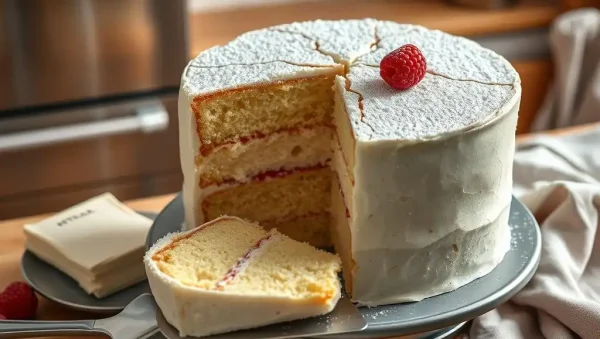
😊 Discover the common causes behind cracked cake tops and learn the "Cracked cake tops fix easy" methods to achieve smooth, professional-looking…
Read article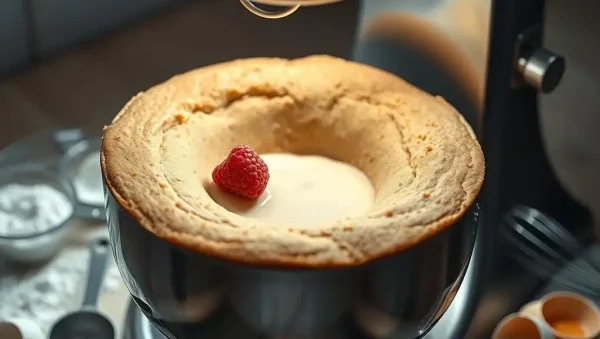
🔍 Struggling with "Why cake sinks center"? Discover common causes behind this baking mystery and learn simple techniques to ensure your cakes…
Read article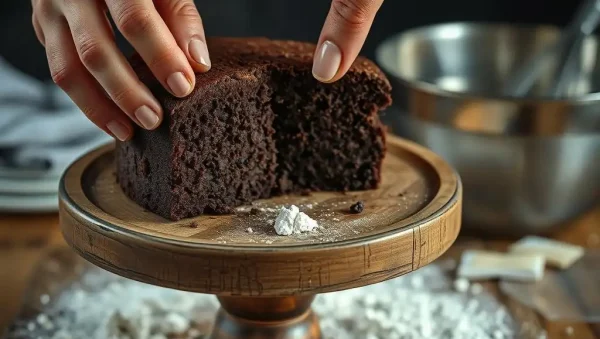
😊 Struggling with a tough cake? Discover why cake is tough by understanding gluten development. Proper mixing, ingredient ratios, and baking techniques…
Read article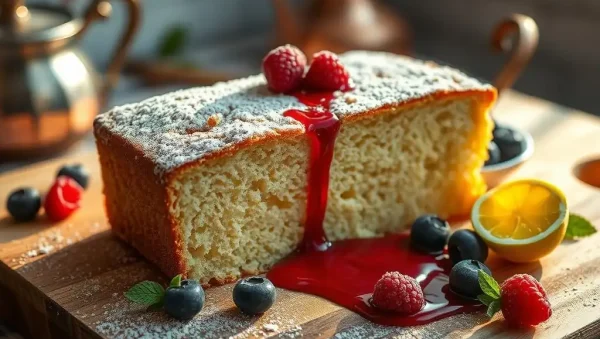
😊 Discover effective tips on how to moisten dry cake and revive its moistness with simple techniques. BakeWithEase.com guides you through easy…
Read article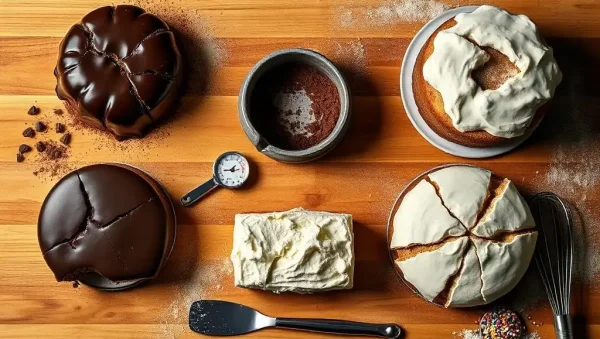
🍰 Discover practical solutions to the five most common cake baking problems with BakeWithEase.com. From uneven layers to sinking centers, learn expert…
Read article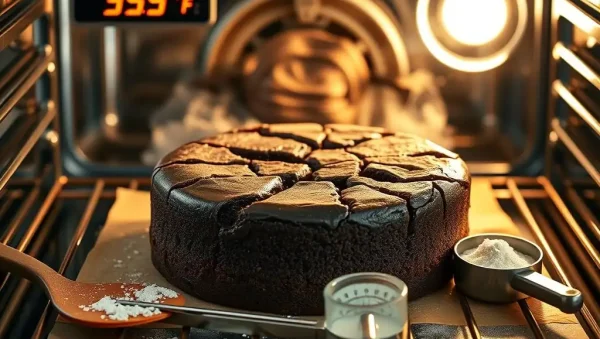
🔥 Discover how oven temperature calibration problems can sabotage your cake success. Proper calibration ensures your baked goods turn out perfectly every…
Read articleWelcome to BakeWithEase’s dedicated guide for troubleshooting common cake problems. Even seasoned bakers face sunken centers, dry crumbs, or cracked tops. This subcategory transforms baking frustration into confident solutions. Whether you’re a beginner tackling a first layer cake or a pro perfecting a sourdough sponge, you’ll find actionable fixes for texture, rise, and appearance. Explore step-by-step diagnosis, ingredient science, and oven hacks that save time and ingredients. Let’s turn every “oops” into an award-worthy bake with clear, practical advice.
A sunken middle is the most common cake complaint. Usually, it stems from underbaking, opening the oven door too early, or using expired leavening agents. When the structure isn’t set, the center falls as it cools. Also, overmixing your batter develops gluten, creating a tough crumb that traps air unevenly.
To prevent this, always preheat fully and resist peeking for the first 20 minutes. Test doneness with a toothpick—it should come out clean, not just dry. If your cake sinks after baking, level it with a serrated knife and repurpose the scraps for trifle. Check your baking powder’s freshness every three months for reliable lift.
Dry cakes often result from overbaking, too much flour, or insufficient fat. When you measure flour with a scoop, you can add up to 20% more than needed. Instead, spoon and level it, or better, use a kitchen scale. Also, butter and sugar should be creamed until pale and fluffy to create air pockets that hold moisture.
Try adding a simple syrup (equal parts sugar and water, boiled and brushed) after baking to revive dryness. Incorporate sour cream, buttermilk, or yogurt in place of milk for extra tenderness. For dense crumb, reduce oven temperature by 15°F (10°C) and bake slightly longer—this prevents a hard exterior while the inside cooks gently.
If your cake domes aggressively or cracks, your oven is likely too hot. High heat sets the outer shell quickly, forcing the batter to burst through as it expands. Another culprit is overmixing, which creates too much gluten and stretches the structure. Also, a rack placed too high exposes the cake to top-down heat.
Fix this by lowering your oven temperature by 10–20°F (5–10°C) and using a cake strip (or wet towel) around the pan for even heat. Bake on the middle rack. For level tops, after the cake is done, press it gently with a clean tea towel while warm to flatten. Or, simply trim the dome and use it for cake pops.
A gummy, wet streak in the middle usually means the batter was under-cooked or your pan’s insulation trapped steam. This often happens with dense batters like chocolate or banana cakes that take longer to set. Also, adding too many wet ingredients—like eggs or milk—without enough flour creates a pudding-like center.
To avoid this, always follow the recipe’s liquid-to-dry ratio and check doneness in two spots (center and near the edge). Lower your oven rack to ensure bottom heat cooks the core. If a gummy layer remains, bake 5–7 minutes longer, tenting with foil to prevent burning. Once cooled, slice around the problem and serve the cooked portions.
Lopsided cakes occur from uneven heat distribution, an unleveled batter surface, or a warped pan. If your oven has hot spots, rotate the pan halfway through baking. Also, avoid filling the pan more than two-thirds, as excess batter spills over. For perfectly level layers, use a scale to divide batter equally.
Wrap your pan with a damp baking strip to reduce heat from the edges, promoting a flat rise. After baking, cool cakes upside down on a wire rack to flatten the top. For severe unevenness, use a serrated knife to trim layers before stacking—this guarantees a stable, beautiful torte.
Frosting slipping off your cake usually means the cake is too warm or too crumbly, or the frosting is too thin. Crumb coat first with a thin layer of buttercream, chill for 15 minutes, then apply a thicker finish. This creates a “glue” that locks crumbs and provides grip. If your frosting melts, your kitchen may be too hot, or the butter was over-whipped.
Use cold, stiff buttercream (with more powdered sugar) for warmer climates. Refrigerate the frosted cake for 30 minutes to set. Avoid adding liquids like milk to frosting on humid days. Instead, add cornstarch for stability. For a quick fix, press the cake into a bowl of cocoa powder or nuts to cover sliding frosting aesthetically.
The most common cause is opening the oven door too early, creating a rapid temperature drop. Also, expired baking powder or an overmixed batter can fail to hold rise. Ensure your oven is calibrated and test the toothpick in the center. If it sinks, level it and use as a base for a trifle.
This happens when your oven runs hot or you bake on a dark pan. Lower the temperature by 20°F and use an insulated or light-colored pan. For immediate rescue, cover the top with foil mid-bake, then continue until internal center reaches 210°F. Always test with a skewer.
Yes—brush it with a simple syrup made of 1/2 cup sugar and 1/2 cup water boiled. Or use a milk and vanilla soak. For layering, add jam or curd between layers. Once crumbly, pulse in a food processor with butter and use as cheesecake crust.
A dense bottom often comes from too much liquid that separates, or from mixing cocoa powder with hot water incorrectly. Ensure cocoa is sifted with flour, not added separately. Also, overmixing after adding eggs can deflate air. Bake at 325°F for a more even structure.
Grease the pan thoroughly with shortening or butter, then dust with flour or cocoa powder. Use parchment paper circles at the base for extra insurance. Avoid substituting spray with flour sprays that may not cover corners. Cool in the pan for 10 minutes, then invert while slightly warm.