How to Store Dough: From Cookie Dough to Bread Dough, Keep it Fresh
🧁 Discover essential tips on storing bread dough properly to keep it fresh and flavorful. Whether it's cookie or bread dough, learn…
Read article
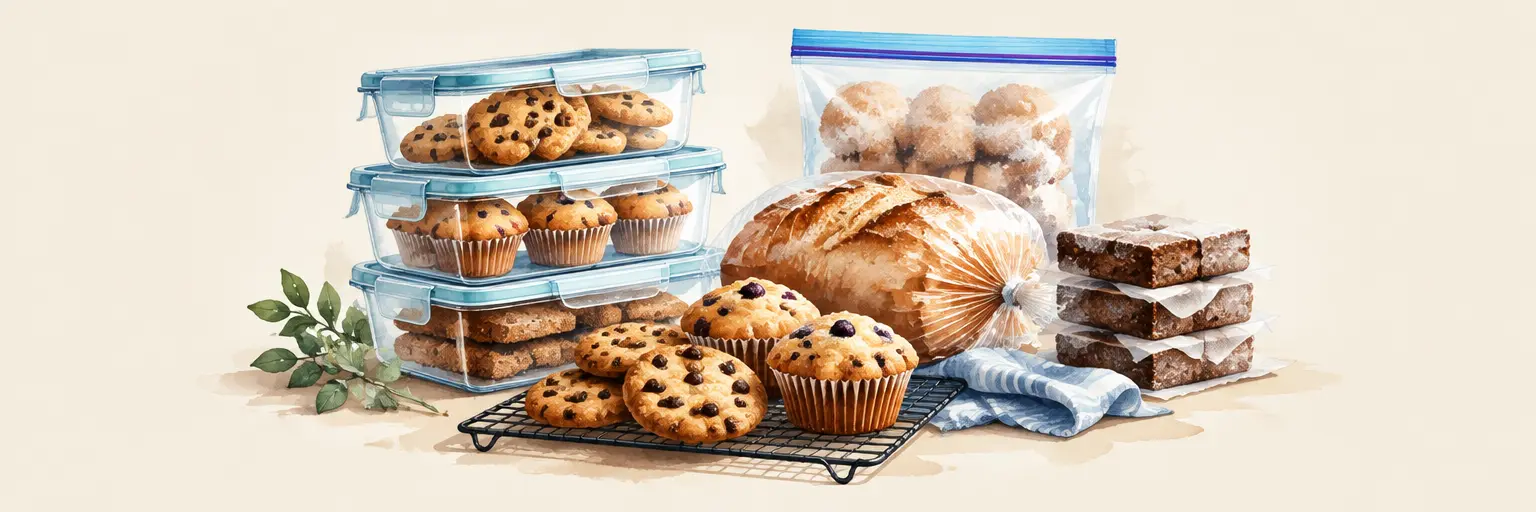
Master the art of keeping your creations fresh with smart, practical methods for storing and freezing baked goods—the secret to making every batch last longer and taste just-baked. Whether you’re preserving a tender cake, crispy cookies, or a crusty loaf, understand the right wrapping techniques to lock in moisture or maintain crunch, and learn which treats freeze beautifully versus those best enjoyed fresh. Discover how to cool items completely before freezing to prevent ice crystals, use double-layer protection against freezer burn, and thaw at room temperature for optimal texture. With these essential baking tips and hacks, you’ll reduce waste, save time, and always have a homemade snack ready—perfect for meal prep, gifting, or unexpected guests. Unlock the pro-level secrets to extend shelf life without sacrificing flavor or quality, ensuring your hard work in the oven rewards you for weeks to come.
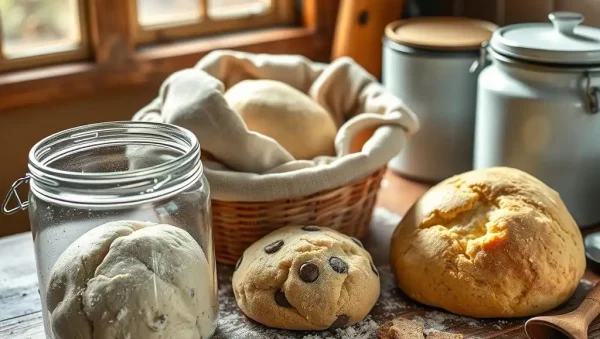
🧁 Discover essential tips on storing bread dough properly to keep it fresh and flavorful. Whether it's cookie or bread dough, learn…
Read article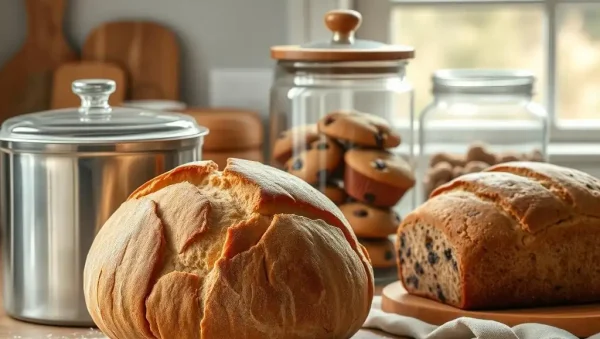
😊 Discover the best container for sourdough bread to ensure your baked goods stay fresh and delicious. BakeWithEase.com offers expert tips on…
Read article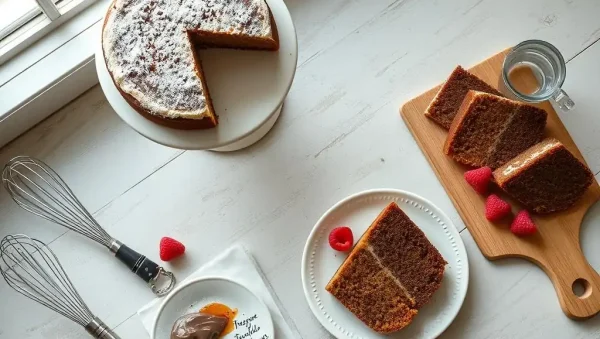
😊 Discover expert tips on freezing baked goods flavor without sacrificing freshness. BakeWithEase.com guides you through simple techniques to preserve your treats'…
Read article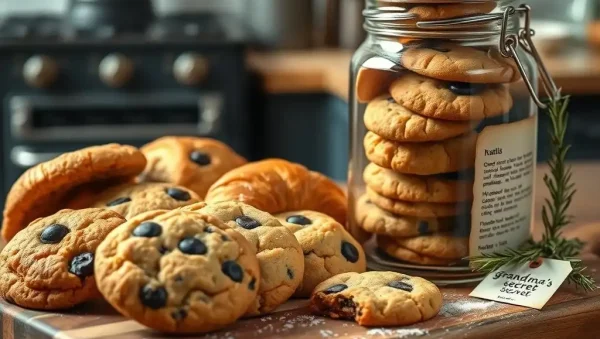
😊 Discover expert tips on how to keep cookies fresh longer with simple storage techniques. BakeWithEase.com helps bakers of all levels preserve…
Read article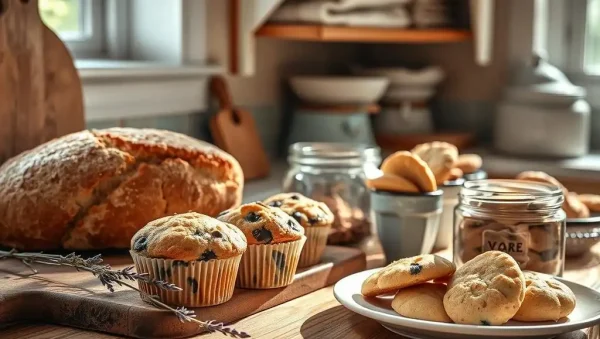
😊 Discover easy ways to keep your baked goods fresh without a fridge! Our tips on storing baked goods without fridge help…
Read article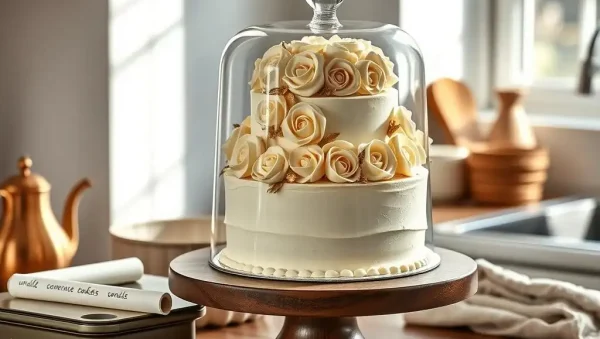
😊 Discover essential decorated cake storage tips to keep your masterpiece fresh and flavorful. Learn expert techniques from BakeWithEase.com to preserve your…
Read article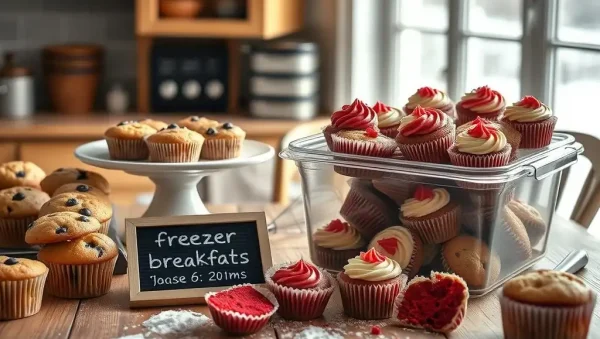
🥐 Discover how freezing muffins and cupcakes can revolutionize your breakfast routine. Freezing muffins cupcakes breakfast-ready ensures quick, tasty mornings—perfect for busy…
Read article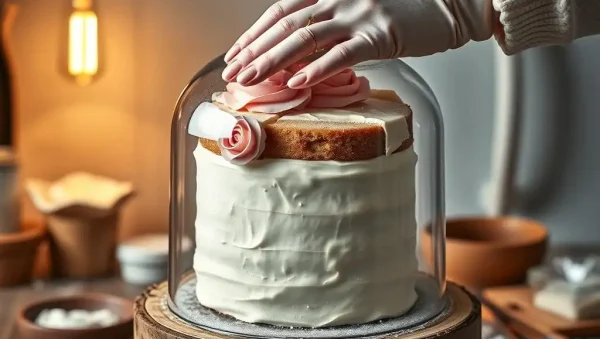
😊 Discover how freezing cake for later can preserve freshness and flavors effortlessly. BakeWithEase.com guides you through simple techniques to store and…
Read article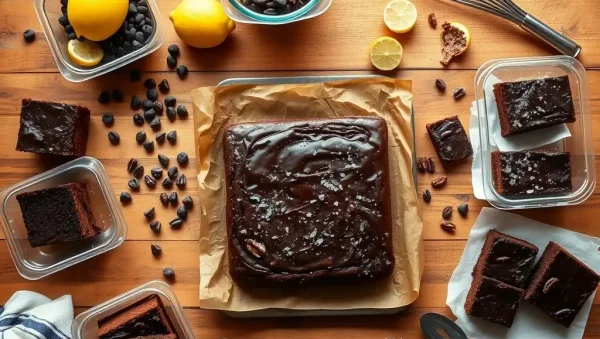
🥧 Discover the convenience of freezing brownies and bars with our expert "Freezing brownies bars recipes" tips. Prepare desserts in advance and…
Read article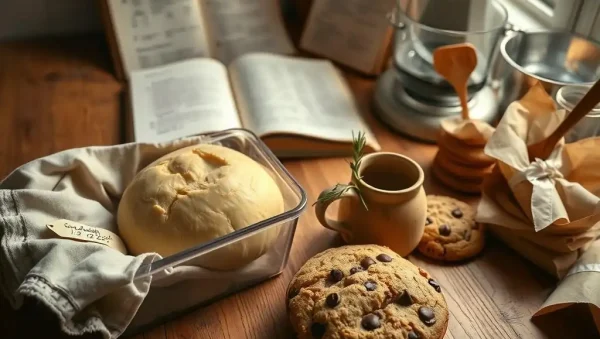
🍞 Discover the convenience of our freezing bread dough recipe at BakeWithEase.com, allowing you to enjoy fresh homemade bread and cookies in…
Read article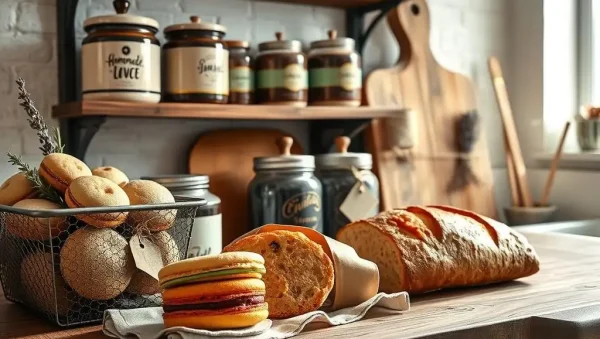
😊 Discover innovative baked goods storage tips to keep your treats fresh and delicious longer. From creative containers to optimal environments, BakeWithEase.com…
Read article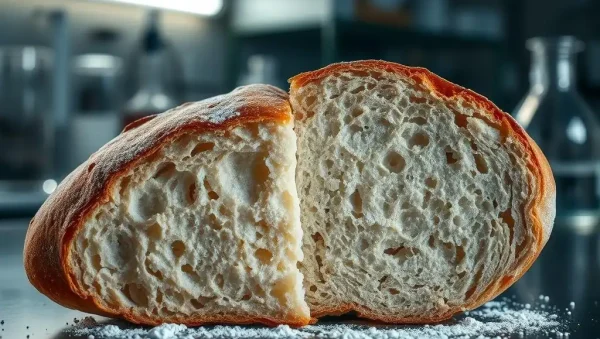
😊 Discover the science behind why baked goods stale, learning how moisture loss and staling processes affect freshness. BakeWithEase.com explores practical tips…
Read articleMastering the art of baking doesn’t end when you pull the tray from the oven. Proper storage and freezing techniques are the secret to preserving texture, flavor, and moisture—whether you’re meal-prepping for the week or saving a special cake for a future celebration. In this guide, we’ll explore the best practices for storing and freezing everything from crusty bread to delicate pastries, so you can enjoy your homemade creations at their peak, anytime.
Bread is a living product, even after baking. To keep crusty loaves crisp for 1–2 days, store them in a paper bag at room temperature—never plastic, which traps moisture and softens the crust. For longer storage, slice the bread and freeze it in an airtight freezer bag, pressing out all air. Thaw slices directly in a toaster or oven at 350°F (175°C) for 5–7 minutes to revive that crackly exterior. Avoid refrigerating bread, as the cold accelerates staling and dries out the crumb. For sourdough or rustic loaves, wrap tightly in foil before freezing to prevent freezer burn.
Soft rolls, brioche, and sandwich bread freeze beautifully for up to 3 months. Wrap each loaf or roll individually in plastic wrap, then place in a zip-top freezer bag. To thaw, leave at room temperature for 1–2 hours or warm in a 300°F (150°C) oven for 10 minutes. This method locks in the tender crumb and buttery richness. Remember to label with the date and type—frozen baked goods can absorb odors if not sealed properly. For best results, freeze on the day of baking, not after several days at room temperature.
Unfrosted cakes and cupcakes can be stored at room temperature for 2–3 days in an airtight container or cake dome. For longer freshness, freeze unfrosted layers tightly wrapped in plastic wrap, then foil, for up to 3 months. Thaw cakes in the refrigerator overnight to avoid condensation, then bring to room temperature before frosting. Frosted cakes, especially with buttercream or cream cheese, should be chilled first to set the frosting, then wrapped loosely in plastic wrap and frozen—use within 2 months. For cupcakes, freeze them on a baking sheet, then transfer to a freezer bag; thaw and re-frost for a bakery-fresh look.
Chocolate cakes and carrot cakes freeze exceptionally well due to their higher fat content, which maintains moisture. Always place a sheet of parchment between stacked layers to prevent sticking. For ganache-covered cakes, freeze uncovered for 30 minutes to set the glaze, then wrap carefully. To serve, thaw in the fridge overnight, and refresh fruit-topped cakes by adding fresh fruit after thawing, as frozen berries may weep. This method ensures each slice feels just-baked and indulgent.
Baked cookies and bars have different rules based on texture. Crunchy cookies (like biscotti) keep best in an airtight tin with a paper towel to absorb humidity; they’ll stay crisp for 1–2 weeks. Chewy cookies (like chocolate chip) store well in a sealed container with a slice of bread—the bread releases moisture, keeping them soft for up to 5 days. For freezing, arrange cookies in a single layer on a baking sheet, freeze until solid, then transfer to a freezer bag with parchment between layers; they’ll last 3 months. Thaw at room temperature for 15–20 minutes, or pop them in the microwave for 10 seconds for a warm treat.
Bar cookies like brownies and lemon bars freeze beautifully. Cut them into individual servings, wrap each in plastic wrap, then place in a freezer-safe bag; thaw at room temperature for 30 minutes. For gooey bars, underbake by 2–3 minutes before freezing to prevent them from drying out. Never freeze cookies with creamy fillings or royal icing—these components change texture. Instead, freeze the plain cookie and add glaze after thawing. This method lets you bake a big batch once and enjoy fresh-tasting cookies for months.
Pies with fruit fillings freeze beautifully, but only if baked first. Cool the pie completely, then wrap the entire dish in plastic wrap, followed by foil; freeze for up to 4 months. Reheat in a 375°F (190°C) oven for 20–25 minutes to re-crisp the crust. Unbaked pies can be frozen directly, but add 15–20 minutes to the baking time without thawing. For pastries like croissants and danishes, freeze them unbaked after shaping—this yields the freshest results. Place on a tray, freeze solid, then bag them; bake from frozen at 375°F for 12–15 minutes, adding a few extra minutes. For baked pastries, freeze in airtight containers for up to 1 month and reheat in a toaster oven to revive the flaky texture.
Never freeze pies with meringue topping—the meringue collapses and weeps. Instead, prepare the meringue fresh after thawing the pie. For cream pies or custard pies, avoid freezing entirely; their texture becomes watery. Fruit pies are the champs here, especially apple, cherry, and peach. To prevent soggy bottoms, blind bake the crust for 10 minutes before adding the filling if you plan to freeze. Always store pies on a flat surface in the freezer to avoid warping the pan, and label with the bake date for easy rotation.
Before freezing any baked good, ensure it’s completely cool; wrapping warm items traps condensation and leads to sogginess or freezer burn. Invest in high-quality airtight containers and heavy-duty freezer bags—double-wrap delicate items like éclairs or cream puffs in parchment first to protect their shape. Use a vacuum sealer if available; it removes all air and extends shelf life by several months. Keep a freezer inventory with dates and contents, and arrange items so you can access older ones first (FIFO). Avoid refreezing thawed baked goods; the texture degrades quickly. Finally, freeze in single-serving portions when possible, so you only thaw what you need—this preserves freshness and reduces waste.
For gluten-free or low-sugar baked goods, note that they may freeze faster and thaw more crumbly; add a sprinkle of cornstarch to the batter before baking to improve freeze-thaw stability. When storing at room temperature, always keep baked goods in a cool, dry place away from direct sunlight. Check for mold after 3–5 days at ambient temperature, especially in humid climates. For long-term “pantry” storage of dry items like biscotti or rusks, use a ventilated container with a silica packet to absorb excess moisture. These small habits ensure your hard work in the kitchen pays off with every single bite, even weeks later.
Yes, you can freeze bread dough after its first rise. Punch it down, shape into a ball, and wrap tightly in plastic wrap, then place in a freezer bag. Thaw overnight in the fridge, then let it rise again at room temperature for 1–2 hours before baking. This works for most yeast doughs except high-hydration sourdough, which may lose structure.
Most baked goods maintain peak quality for 1–3 months in the freezer. Cookies and breads last up to 3 months, cakes and pies up to 4 months, and pastries like croissants up to 2 months. After that, they’re still safe to eat but may taste stale or develop ice crystals. Always label with the date.
Thaw frosted or unfrosted cakes in the refrigerator overnight—this slow process prevents condensation from making the cake soggy. Bring the cake to room temperature for 30–60 minutes before serving. If your cake is unfrosted, you can also thaw it at room temperature for 1–2 hours in its wrapping.
Yes, but it’s better to freeze unfrosted cookies. Royal icing and glaze can crack or become sticky after freezing. If you must freeze frosted cookies, place them in a single layer, freeze until solid, then wrap individually with parchment and store in an airtight container. Thaw in the fridge to minimize condensation.
Freezer burn occurs when air reaches the food’s surface, causing dehydration and dry, white patches. Prevent it by wrapping baked goods tightly in plastic wrap, then foil, or using a vacuum sealer. Remove as much air as possible from bags, and always keep the freezer at 0°F (-18°C) or below. Avoid opening the freezer frequently.