Proofing Perfection: How to Get the Ideal Rise for Your Pizza Dough
😊 Achieving the perfect pizza dough rise is essential for a flawless crust. BakeWithEase.com offers expert tips and techniques to help you…
Read article
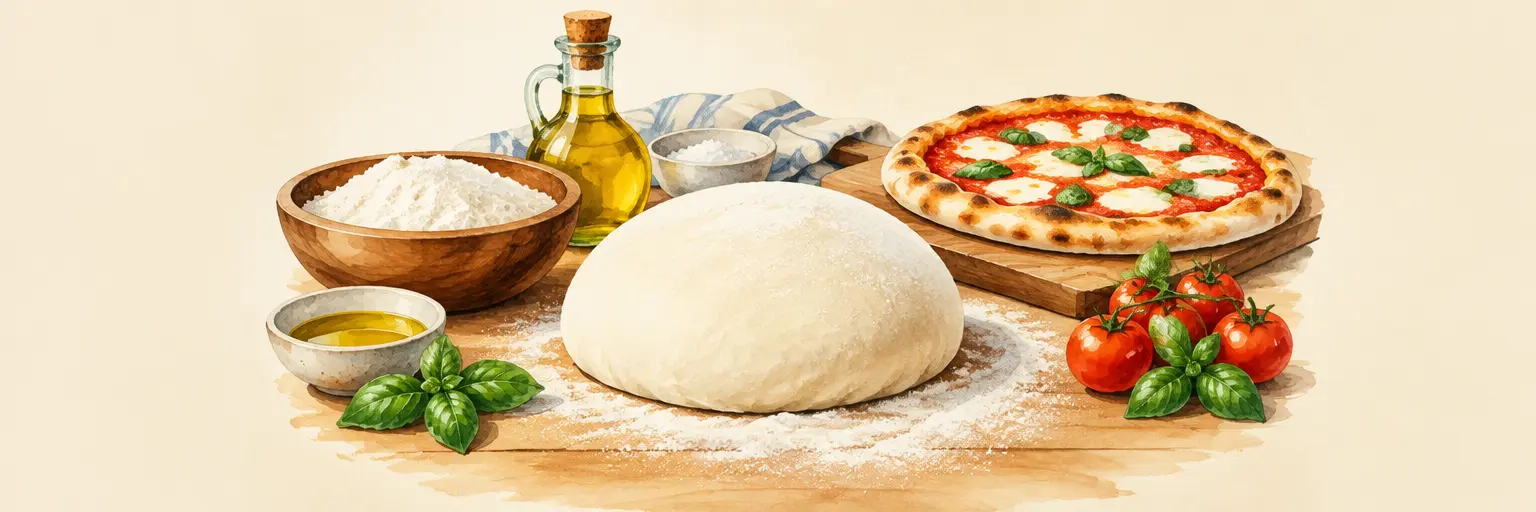
Unlock the secret to crispy, chewy, and irresistibly flavorful pizza right in your own kitchen with our Homemade Pizza Dough Guide. This isn’t just a recipe—it’s a crash course in mastering the foundation of great pizza, perfect for intermediate bakers ready to elevate their game. From choosing the right flour and yeast to nailing the ideal fermentation time, we break down every step with pro tips that guarantee a puffy, golden crust every time. Whether you crave a thin, crackly base or a thick, airy Sicilian-style slab, this guide covers hydration levels, kneading techniques, and shaping secrets that professional pizzaiolos swear by. Say goodbye to takeout and hello to restaurant-quality results, all using simple, everyday ingredients. Dive in and transform your oven into a wood-fired wonder—your future Friday night pizzas will thank you! 🍕✨
😊 Achieving the perfect pizza dough rise is essential for a flawless crust. BakeWithEase.com offers expert tips and techniques to help you…
Read article
🍕 Discover the ultimate easy homemade pizza dough recipe on BakeWithEase.com, your trusted resource for mastering baking skills. Perfect for all levels,…
Read article
🍕 Discover how to elevate your homemade pizza with our easy sourdough pizza dough recipe, transforming good dough into a flavorful, artisanal…
Read article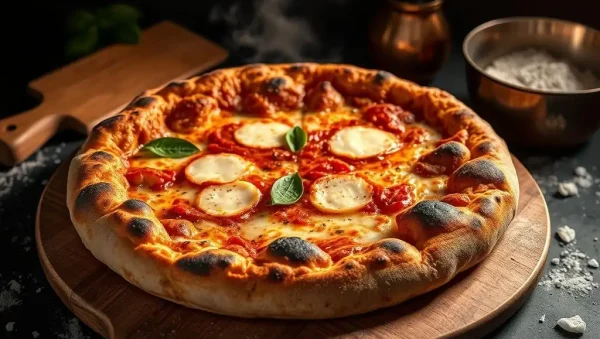
🔥 Discover the crispy pizza dough secrets that will elevate your homemade pizza. BakeWithEase.com reveals simple tips and techniques to achieve that…
Read article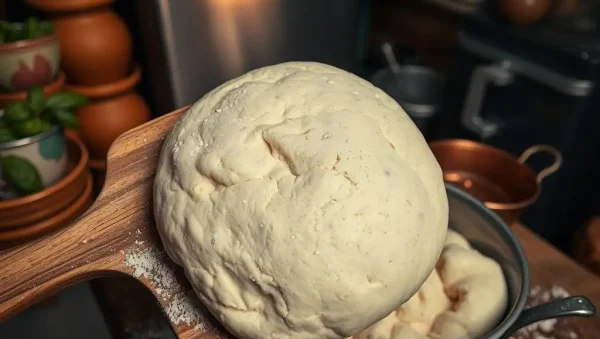
🌟 Discover how cold fermentation pizza dough enhances flavor, texture, and digestibility. BakeWithEase.com reveals simple techniques to elevate your homemade pizza, making…
Read article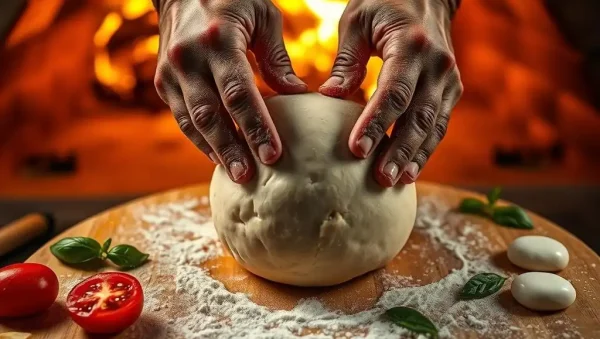
🍕 Discover the secrets of making authentic Neapolitan pizza dough with our easy-to-follow Neapolitan pizza dough recipe. Perfect your technique and ingredients…
Read article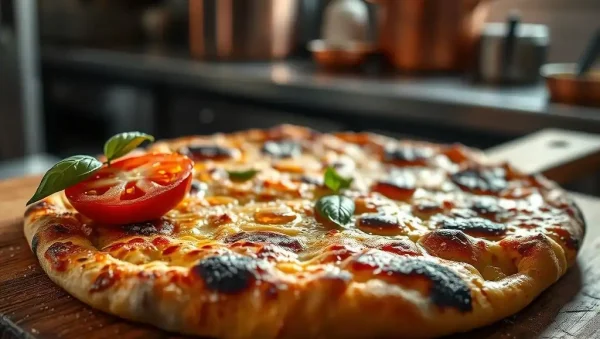
😊 Discover how a simple sweet pizza dough recipe can elevate your baking! BakeWithEase.com guides you through adding sweeteners to enrich flavor,…
Read article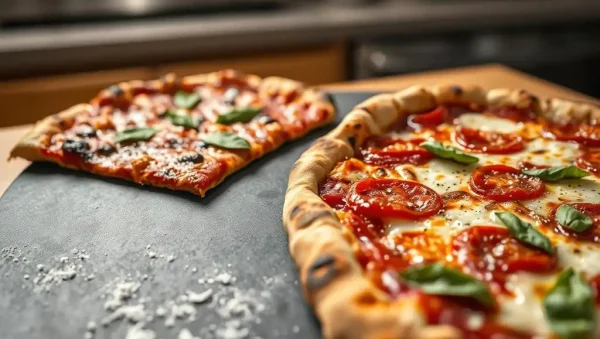
🍕 Discover how using a pizza stone or steel transforms your pizza stone dough texture, resulting in a crispier crust and more…
Read article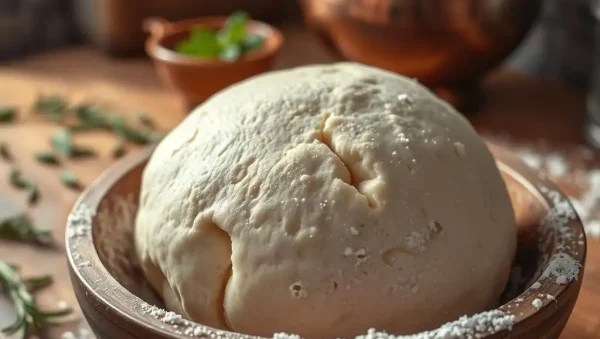
😊 Resting pizza dough properly is essential for achieving perfect texture and flavor. Allowing the dough to rest after kneading relaxes gluten,…
Read article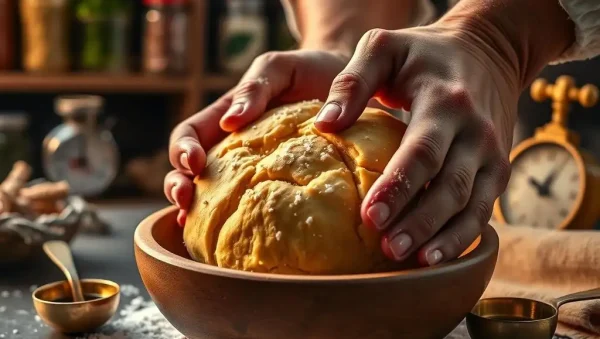
🌟 Discover how to season pizza dough by skillfully incorporating oil and salt to elevate flavor. BakeWithEase.com guides you through simple techniques…
Read article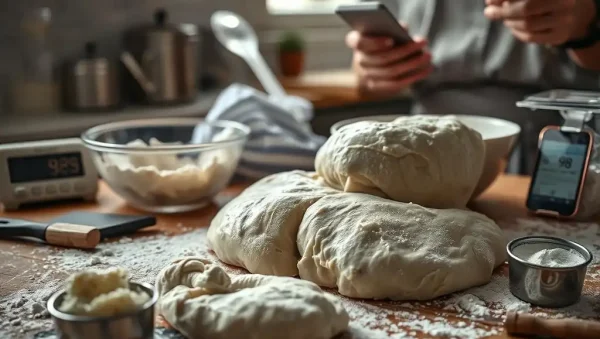
😊 Struggling with sticky pizza dough troubleshooting? Discover simple tips to fix common issues like stickiness, toughness, or lack of rising. BakeWithEase.com…
Read article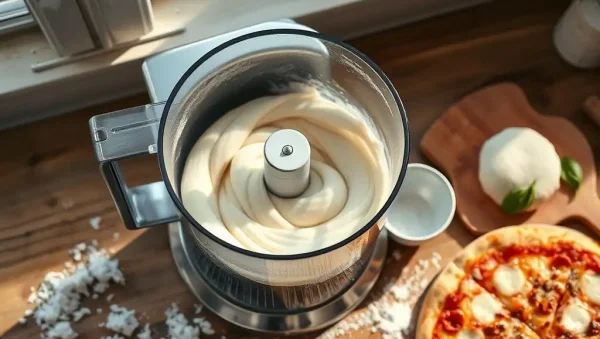
😊 Discover how to effortlessly create perfect pizza dough using a food processor with our easy Food Processor Pizza Dough Recipe. Bake…
Read articleWelcome to the Homemade Pizza Dough Guide, the heart of BakeWithEase’s Intermediate Baking category. Here, we move beyond the basics to transform you from a casual baker into a confident pizza artisan. You’ll learn the science of fermentation, the magic of gluten development, and the secrets behind a blistered, chewy, and flavorful crust. Whether you crave a Neapolitan-style thin base or a thick, airy Sicilian slab, this guide equips you with professional techniques using everyday ingredients.
Flour is the backbone of any great pizza dough, and as an intermediate baker, you’ll learn that not all wheat is equal. This section dives into protein content, which directly affects gluten formation. For a classic chewy Neapolitan crust, you’ll want “00” flour—finely milled with high protein. For a crispier, chewier New York-style pizza, bread flour (12-13% protein) is your best friend. We break down how to blend flours and adjust hydration for your desired outcome.
Expect practical guidance on measuring by weight versus volume, understanding the role of malted barley or enzymes in commercial flours, and how to store your flour to maintain freshness. You’ll also discover why incorporating a small amount of whole wheat or rye can add nutty depth without compromising structure. By the end, you’ll be able to read any flour bag and instantly know whether it’s suitable for pizza, and how to tweak your recipe accordingly.
Hydration—the ratio of water to flour—is the single most impactful variable in your dough’s texture. This guide explains the difference between 60% hydration (drier, easier for beginners) and 75% hydration (sticky but yields airy, open crumb). You’ll learn how to use the autolyse method, which mixes flour and water alone for 20-30 minutes before adding salt and yeast. This step relaxes gluten, reduces mixing time, and improves flavor development.
We walk you through visual and tactile cues to gauge hydration, such as dough stickiness and windowpane test results. You’ll also discover how temperature affects water absorption and why you should use cold or warm water based on ambient kitchen conditions. With our step-by-step charts, you can confidently adjust hydration for crisp thin crusts or pillowy thick ones, ensuring your dough behaves predictably every time you bake.
Fermentation is where flavor happens, and as an intermediate baker, you’ll move beyond rapid-rise yeast. This section compares cold fermentation (24-72 hours in the fridge) with a shorter room-temperature rise. Cold proofing slows yeast activity, allowing enzymes to break down starches into complex sugars, yielding a deeper, slightly tangy flavor reminiscent of artisan pizzerias. We explain how to schedule your dough making around your life, not the other way around.
You’ll explore the signs of over- and under-proofed dough—dome shape, bubbles, and elasticity—and learn to salvage mistakes like a pro. We also cover the role of preferments like poolish or biga, which add even more complexity. Expect clear timelines for different proofing methods, plus tips on using your home fridge’s temperature zones to your advantage. By mastering fermentation, you’ll create crust that’s not just food but a conversation piece.
Shaping is an art that affects final crumb and rise. Here, we teach you how to gently coax dough into rounds without deflating precious gas bubbles. You’ll learn the bench stretch and fold method for developing strength, then the hand-stretching technique that creates a puffy cornicione (crust rim) while leaving the center thin. We share tips on using semolina or rice flour for dusting to prevent sticking without adding bitterness.
Visual guides help you recognize when dough is relaxed enough to stretch—if it snaps back, you need more rest. We also address common pitfalls like tearing, uneven thickness, and dough that shrinks in the oven. Additionally, you’ll learn how to use a rolling pin only for specific styles (like cracker-thin) and why hand-stretching gives superior texture. With these techniques, you’ll achieve restaurant-quality rounds with crispy edges and a chewy interior every single time.
Even the best dough needs the right baking environment. This section covers maximizing your home oven’s heat—cranking it to 550°F (or 500°F if that’s your max) and using a preheated pizza stone or steel for intense bottom heat. We compare materials: steel conducts heat faster for a darker, crisper undercrust, while stone retains heat longer for a chewier bite. You’ll learn why preheating for at least 45-60 minutes is non-negotiable.
We also explain the broiler method for high-heat Neapolitan-style baking in home ovens, plus how to use a pizza peel with parchment paper for easy transfer. Expect tips on managing oven racks, rotating pies for even browning, and checking for doneness by spotting leopard-spotted char. Additionally, we cover alternative setups like cast-iron skillets for pan pizzas and outdoor ovens. By understanding your equipment, you’ll extract maximum performance from your oven, achieving that sought-after puffed crust and melted cheese perfection.
For a standard recipe, let dough proof at room temperature (about 70°F) for 1.5 to 2 hours, or until it doubles in size. If using cold fermentation, you’ll proof in the fridge for 24-72 hours, then let it sit at room temp for 30-60 minutes before shaping. Always judge by volume and elasticity, not just time.
Yes, but the texture will be less chewy than bread flour. All-purpose flour has lower protein, so crusts are crisper and more tender. For best results, add vital wheat gluten (1 teaspoon per cup) or accept a thinner, cracker-like base. For Neapolitan-style, use “00” flour for authenticity.
Stickiness often means you’re at a higher hydration level or the dough hasn’t fully developed gluten. Try using a bench scraper and dusting your hands with flour, not adding more flour to the dough. Let it rest 15 minutes if it’s tearing; that relaxes gluten. Alternatively, reduce hydration next time by 2-3%.
After bulk fermentation, portion the dough into balls, lightly coat with olive oil, and wrap each in plastic wrap or an airtight bag. Freeze for up to 3 months. Thaw overnight in the fridge, then let it sit at room temp for 1 hour before shaping. For best flavor, freeze after cold fermentation.
Use a pizza steel and preheat at 550°F for at least 1 hour. After baking 7-9 minutes, switch on the broiler for the last 1-2 minutes, watching closely to avoid burning. Alternatively, bake directly on a hot cast-iron skillet. High heat and quick cooking create that leopard-spot char.