The Secret to a Shiny, Professional Viennoiserie Finish
✨ Discover the secret to achieving a dazzling, professional finish with our expert tips on the perfect shiny viennoiserie pastry glaze. Elevate…
Read article
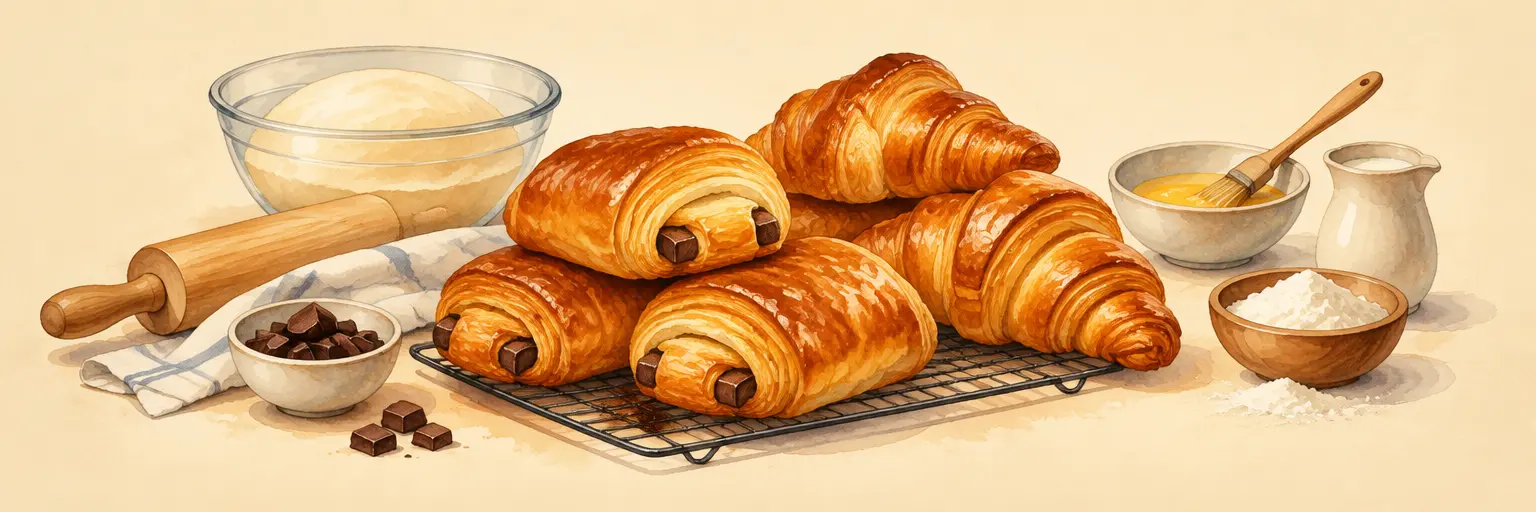
Craving flaky, golden layers with a molten chocolate heart? Master the art of Pain au Chocolat & Viennoiseries with our step-by-step guides that turn butter, flour, and time into bakery-worthy perfection. From classic croissants to buttery brioche and danishes, we break down lamination, proofing, and shaping so you can achieve that crisp, airy crumb right in your home kitchen. Whether you’re a confident home baker ready to tackle laminated dough or simply want to elevate your weekend brunch, these intermediate-friendly techniques make French pastry feel approachable—no pastry stone required. Unlock the secrets to shattering crusts, tender interiors, and that unmistakable aroma of fresh butter and yeast, all with easy-to-find ingredients and clear troubleshooting tips. Dive in to impress with every golden swirl. ✨🥐
✨ Discover the secret to achieving a dazzling, professional finish with our expert tips on the perfect shiny viennoiserie pastry glaze. Elevate…
Read article
✨ Discover how to achieve that irresistible golden egg wash pain au chocolat with our expert tips. Perfect your pastry’s shine and…
Read article
✨ Choosing the right butter for viennoiseries lamination is crucial for achieving perfect flaky layers and rich flavor. BakeWithEase.com provides expert tips…
Read article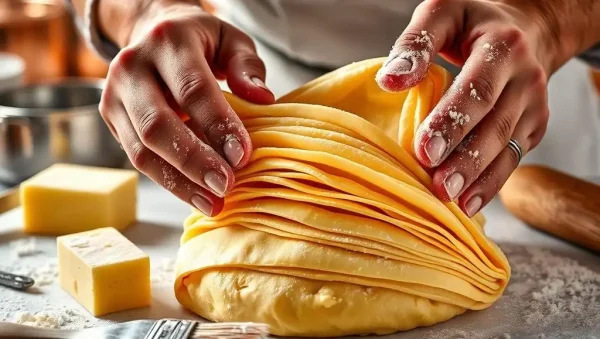
🥐 Discover the essential role of cold butter lamination techniques in achieving flaky, tender pastries. BakeWithEase.com guides you through simple, effective methods…
Read article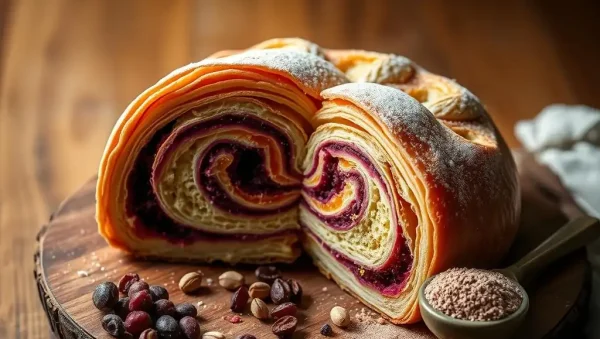
🌟 Discover innovative ways to elevate your butterfree viennoiserie dough flavors beyond traditional butter. BakeWithEase.com offers expert tips and simple techniques to…
Read article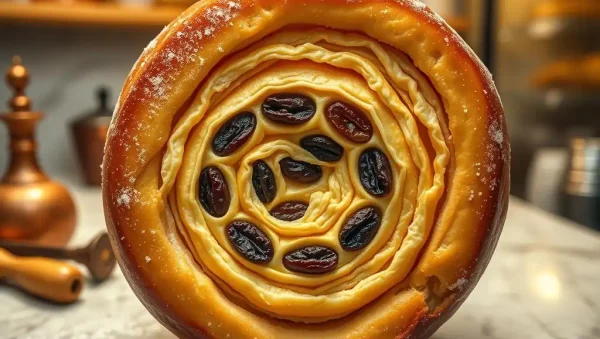
🍰 Discover the secrets to creating a perfect spiral pastry dough with BakeWithEase.com. Our expert tips and step-by-step guidance will help you…
Read article
😊 Discover the art of baking with our "Almond Croissants (TwiceBaked): A Viennoiserie Masterpiece Recipe" on BakeWithEase.com. Perfect your almond croissant recipe…
Read article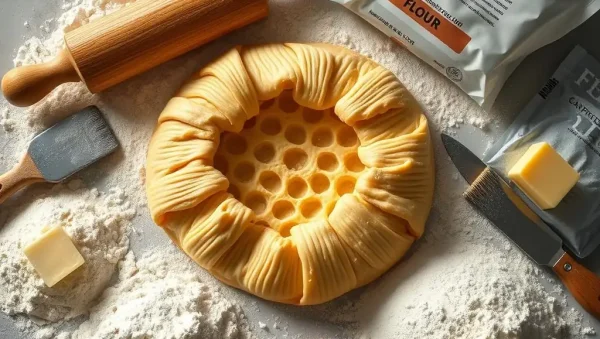
🌟 Discover the ideal flour for croissant dough to achieve flaky, tender layers. BakeWithEase.com guides you through selecting the perfect flour for…
Read article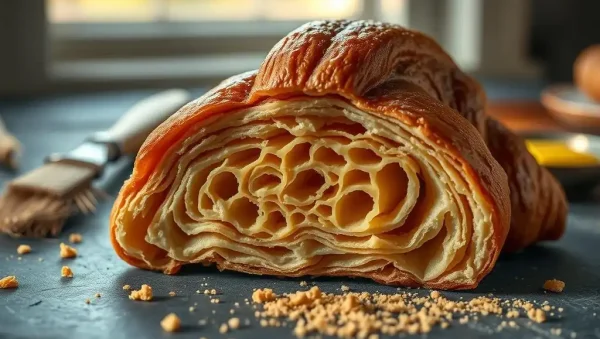
😊 Discover the Flaky Viennoiserie Texture Secrets that will elevate your baked goods. BakeWithEase.com offers simple tips and techniques to master the…
Read article
😊 Discover the delightful world of pain au chocolat baking tips with BakeWithEase.com, your trusted guide. From perfect dough to the first…
Read article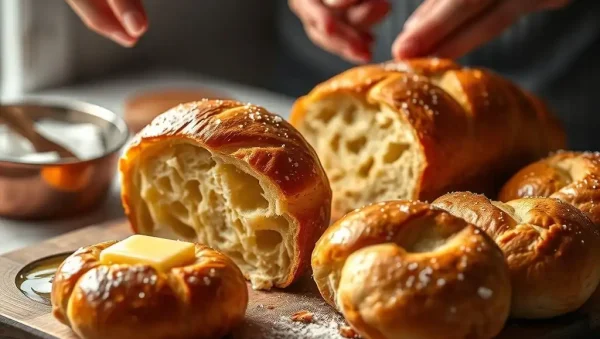
😊 Discover a variety of easy intermediate brioche recipes rolls on BakeWithEase.com, perfect for bakers looking to elevate their skills. From loaves…
Read article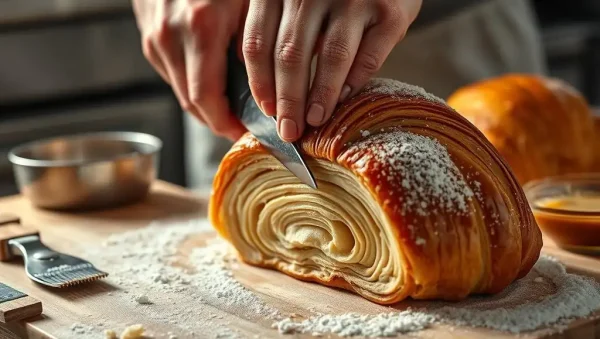
😊 Discover the secrets of viennoiseries shaping techniques easy, enabling you to cut and shape flaky layers without deflating your pastry. BakeWithEase.com…
Read articleWelcome to the buttery, flaky heart of French pastry. In this Intermediate Baking subcategory, we demystify the art of laminated dough, guiding you through crisp, golden croissants, decadent pain au chocolat, and other viennoiseries. Whether you're troubleshooting a dough that won't rise or seeking a reliable weekend project, you'll find precise techniques, troubleshooting tips, and ingredient insights to help you bake bakery-quality pastries with confidence.
Lamination is the process of folding butter into dough to create hundreds of thin, distinct layers. When baked, the water in the butter turns to steam, pushing the layers apart to create that signature airy, shattering texture. In this section, you’ll learn about the key role of temperature — keeping both your dough and butter block cold is non-negotiable to prevent melting and ensure even layers. We’ll also explain the ideal butter fat content (82% or higher) and how to perform simple, double, and triple folds without overworking your gluten.
You’ll also discover how resting times between folds impact gluten relaxation and dough elasticity, which directly affects your final rise. This knowledge is your foundation for troubleshooting issues like uneven layers or butter leaking during baking. Expect practical, step-by-step advice on using a kitchen scale, a rolling pin, and a marble or metal surface to maintain the perfect chill—turning a technically challenging process into a rewarding, repeatable skill.
Pain au chocolat is simply a rectangular piece of laminated dough wrapped around two batons of high-quality dark chocolate. The magic lies in the ratio of dough to filling and the sealing technique. Here, we highlight how to choose chocolate with at least 70% cocoa to avoid excessive sweetness and ensure it melts into a rich, molten center without burning. We’ll guide you through cutting precise rectangles, positioning the batons, and rolling to perfect tightness—loose rolls cause hollows, while too-tight rolls restrict rise.
You’ll also learn the secrète of egg wash application: a light, even coat twice, with a slight drying pause, yields a mahogany sheen without soggy spots. We discuss alternative fillings like almond cream or hazelnut praline for creative twists, while keeping the classic method intact. From proofing times (2-3 hours at room temperature or overnight in the fridge) to baking at 375°F (190°C) with steam, this section ensures your chocolate batons are evenly distributed and your crust shatters beautifully.
Proofing is where most home bakers struggle with viennoiseries. Over-proofed dough collapses and tastes yeasty; under-proofed dough bakes dense and pale. The ideal environment is warm (75–80°F) and humid—we’ll show you how to create a makeshift proofing box using a bowl of hot water in your oven (with the light on). You’ll learn the “jiggle test”: gently shake the tray; if the pastry wobbles like jelly, it’s ready for the oven. This section also covers cold proofing overnight, which deepens flavor and simplifies morning baking schedules.
When baking, oven temperature and steam matter. We recommend preheating to 425°F (220°C) for 10 minutes, then dropping to 375°F (190°C) to allow even browning. Adding a shallow pan of boiling water at the bottom of the oven creates the humidity needed for maximum lift. You’ll also find guidance on rotating trays halfway through and using a digital thermometer to ensure the internal temperature reaches 200°F (95°C) without over-darkening the surface—so every pastry is crisp, golden, and irresistibly flaky.
Beyond the classic duo, this subcategory introduces you to pain aux raisins (with custard and plump raisins), chaussons aux pommes (apple turnovers), and brioche-based viennoiseries. For pain aux raisins, we focus on making a thick crème pâtissière that won’t soggy the dough, and we teach you to soak raisins in rum or orange liqueur for a burst of flavor. The shaping technique—rolling a large sheet, spreading the cream, sprinkling raisins, then slicing into spirals—is broken down into manageable steps.
You’ll also explore alternative shapes like croissant twists or almond-filled braids, which add visual appeal without extra complexity. We share troubleshooting tips for common issues: cream leaking during baking (seal edges well), raisins burning on top (press them in gently), and spirals unrolling (chill before baking). These variations build your confidence and repertoire, making you a versatile pastry chef in your own kitchen, ready to impress at any brunch.
Laminated pastry requires no specialized machines, but a few tools make the process smoother. We recommend a heavy rolling pin (marble or metal), a bench scraper, a digital scale, and a pastry brush. A laser thermometer helps check butter and dough temperatures, and a large cutting board that fits in your fridge is a game-changer for resting. In our troubleshooting section, we address the most common failures: “my croissants are flat,” “butter is oozing out,” and “my layers are not visible.”
For flat pastries, we’ll guide you to assess yeast freshness and proofing time. For butter leakage, we explain how too-warm dough or rapid rolling can rupture layers—chill more between folds. For unseen layers, we suggest using a magnifying glass to inspect cross-sections and adjusting your fold count. You’ll also learn how to rescue a broken dough (chill and re-roll) and when it’s better to start over—saving you time and frustration. This practical approach ensures that even first-time attempts yield delicious results.
You can, but regular butter contains more water and less fat, making it harder to laminate evenly. European-style butter (82% fat or higher) is firmer at room temperature and produces flakier layers. If using regular, avoid over-melting and chill it with the dough frequently. The texture will be slightly less crispy, but still enjoyable.
This usually happens when the dough is rolled too tightly around the chocolate, or the chocolate batons are not pressed firmly into the dough before rolling. Ensure the dough is evenly thick, place the batons about 1 inch apart, and press them gently to eliminate gaps. Also, avoid over-proofing, as excess gas can create cavities.
Baked viennoiseries are best eaten within 6-8 hours. Store them in a paper bag at room temperature for up to one day; avoid plastic bags, which make them soggy. To reheat, place in a 300°F (150°C) oven for 5 minutes to restore crispness. You can freeze unbaked shaped pastries for up to two months—just proof overnight in the fridge before baking.
Yes, a stand mixer with a dough hook works well for the initial kneading stage, as it saves time. However, the lamination (folding butter into layers) must be done by hand to control thickness and temperature. A bread machine is not ideal for laminating dough, but you can use it only for the first mix and then proceed manually.
Minor tears are fixable—brush a thin layer of flour over the tear, then gently press with your rolling pin. If the tear is large, fold the dough and chill for 20 minutes before rerolling. Tearing often occurs because the dough is too cold or too dry; mist it lightly with water and let it rest for 5 minutes before rolling again.