Cookies Crisp on Edges But Soggy in Center? Balance Crispness
🍪 Struggling with crispy cookies edges center? Discover expert tips at BakeWithEase.com to achieve perfectly balanced cookies—crispy edges and a soft, chewy…
Read article
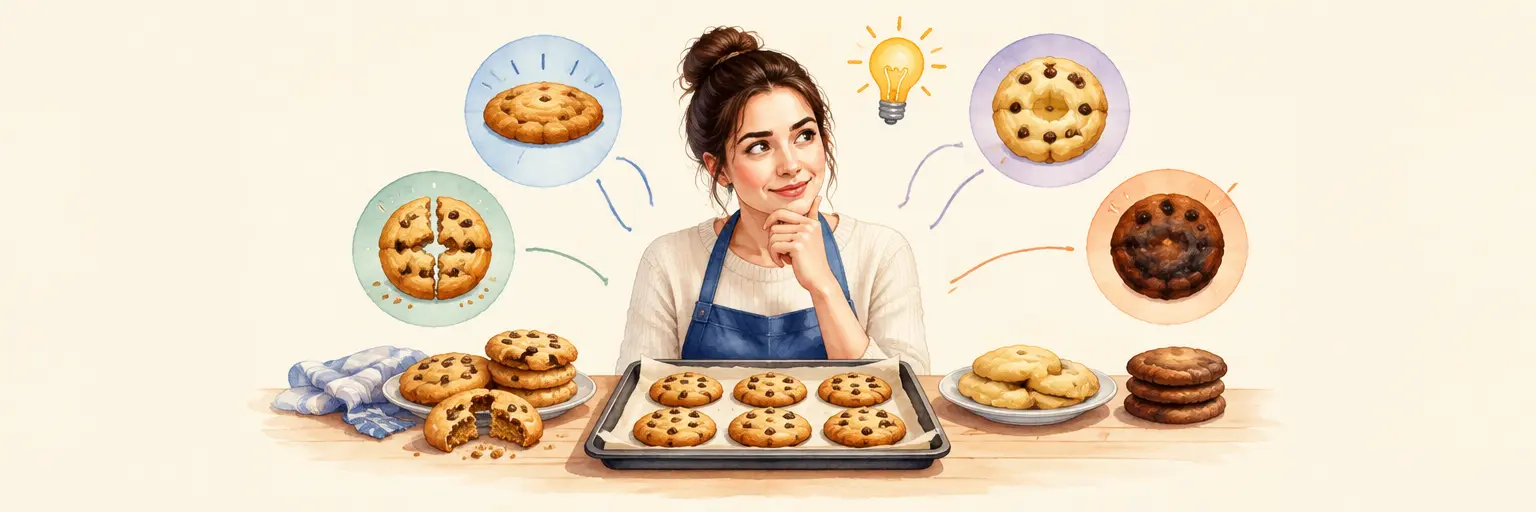
Baking perfect cookies is an art, and even the most seasoned bakers face a crumbly, flat, or burnt batch now and then. Whether your treats spread too much, turn out rock-hard, or come out doughy in the center, our troubleshooting guide is here to save the day. Dive into simple, actionable hacks that fix texture, flavor, and baking time issues—so you can achieve golden, chewy, and irresistibly delicious cookies every single time. From oven temperature calibration to chilling dough techniques, master the science behind flawless bakes with BakeWithEase.
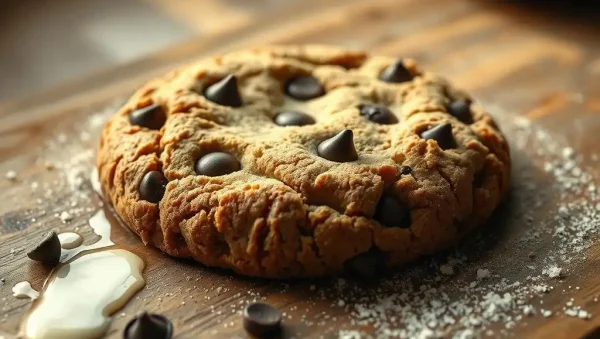
🍪 Struggling with crispy cookies edges center? Discover expert tips at BakeWithEase.com to achieve perfectly balanced cookies—crispy edges and a soft, chewy…
Read article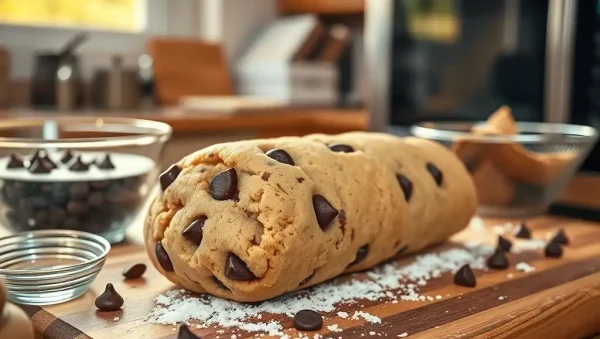
😊 Discover expert tips on how to thaw frozen cookie dough fast without compromising quality. BakeWithEase.com guides you through simple methods to…
Read article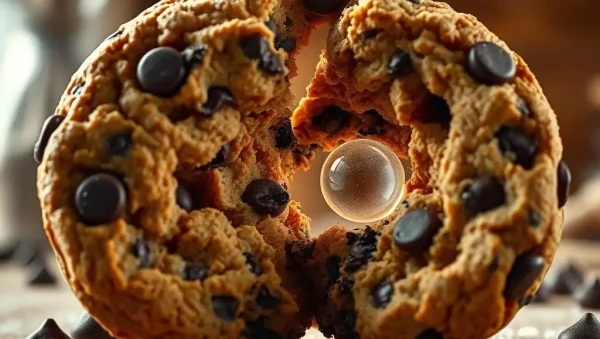
✨ Discover why cookies have tunnels and how gas bubbles form inside, creating hollow pockets. Learn simple tips to eliminate these unwanted…
Read article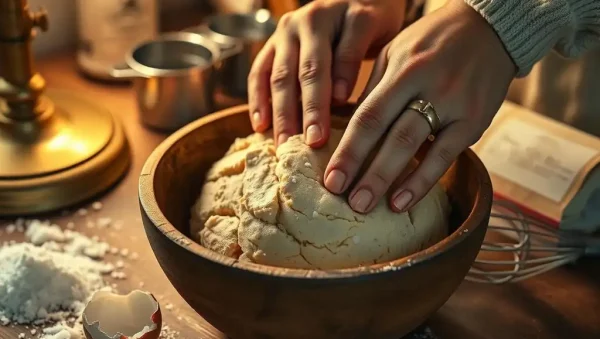
🧁 Struggling with over salted icebox cookie dough? Discover quick and effective tips to rescue your dough before baking, ensuring perfectly balanced…
Read article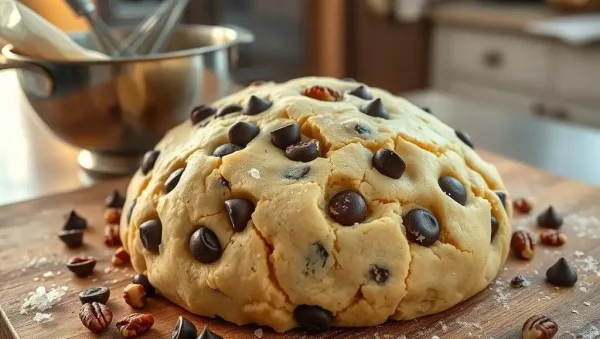
🌟 Discover how chilling cookie dough spreads can dramatically improve your cookies' texture and appearance. BakeWithEase.com guides you through simple techniques to…
Read article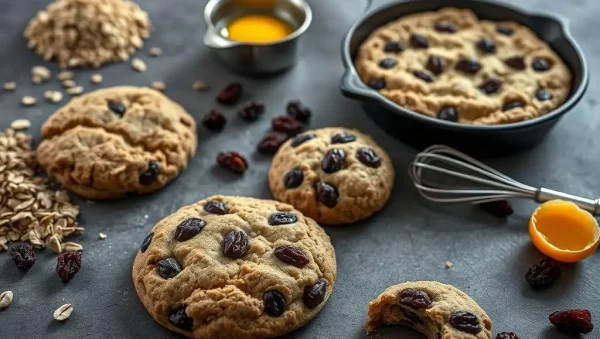
😊 Struggling with dense oatmeal raisin cookies? Discover the Dense Oatmeal Raisin Cookies Fix—simple tips and techniques to improve texture, ensure perfect…
Read article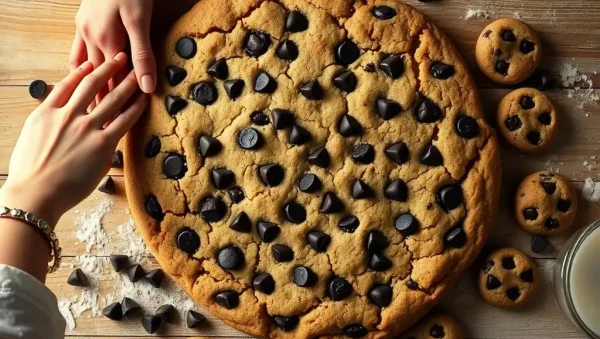
😊 Struggling with your chocolate chip cookies spreading into a mess? Discover the top 7 expert chocolate chip cookies spreading fix tips…
Read article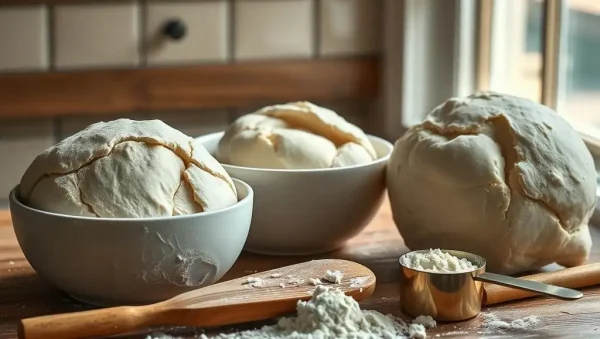
😊 Achieving perfect sourdough dough mixing is essential for optimal texture and flavor. Overmixing can toughen the dough, while undermixing prevents proper…
Read article
✨ Discover the secrets behind spice cookies flavor imbalance—why your cookies sometimes turn out bland or overpowering. BakeWithEase.com guides you through simple…
Read article
🌟 Struggling with perfect sugar cookies high altitude? Discover essential tips and techniques to adapt your baking for thin air, ensuring consistently…
Read article
😊 Struggling with frozen cookie dough spreading too much? Discover essential frozen cookie dough spreading tips to set perfect shapes before baking.…
Read article
😊 Discover how to master easy cookie recipe scaling without sacrificing texture. BakeWithEase.com offers expert tips and simple techniques to perfectly adjust…
Read articleCookies are a beloved bake, but even experienced bakers face flat, dry, or crumbly results. This subcategory of BakeWithEase.com’s “Baking Tips & Hacks” is your ultimate guide to diagnosing and fixing the most frequent cookie mishaps. From spread-out discs to burnt bottoms, we break down the science behind each issue and offer actionable, simple solutions. Whether you’re a beginner tackling chocolate chip classics or a pro perfecting a crisp snap, these troubleshooting tips will elevate your cookie game, saving you time and ingredients.
Flat cookies are a top complaint, often stemming from overly warm butter or dough. When butter melts too quickly in the oven, cookies spread before structure sets. Key culprits include using melted butter instead of softened, skipping a proper chill, or an oversized baking sheet causing heat to radiate unevenly.
To fix this, refrigerate your dough for at least 30 minutes before baking. Use cold, cubed butter and ensure your baking soda or baking powder is fresh. Also, avoid greasing the sheet—use a silicone mat or parchment paper. For chewier outcomes, increase the flour-to-fat ratio slightly, and always preheat the oven fully for a stable initial heat burst that sets edges quickly.
Dry cookies usually result from overbaking, too much flour, or insufficient fat. Even a minute too long in the oven can evaporate moisture. Over-measuring flour is a silent saboteur—use a spoon-and-level method, not a scooping technique that compacts flour.
Pull cookies out when the edges are set but the centers still look slightly underdone; they’ll continue baking on the hot tray. Add one extra egg yolk to your next batch for extra moisture and chewiness. Store cookies with a slice of fresh bread to reintroduce softness. Reduce oven temperature to 325°F (163°C) for gentler baking, and avoid using vegetable oil unless your recipe specifies it, as butter provides both flavor and moisture retention.
Greasy cookies often signal an imbalance between fat and dry ingredients. Using generic margarine or over-creaming butter and sugar can trap excess air, leading to oil separation. High-fat butters (like European-style with 82% fat) can sometimes cause this too if your dough is too warm.
To fix, reduce butter by 1-2 tablespoons or add an extra ¼ cup of flour. Ensure your butter is at a cool room temperature (around 65°F/18°C) and cream it just until fluffy—over-creaming adds too much air. Chill the dough thoroughly before baking, and use a light hand when mixing add-ins like chocolate chips, which can release oil. Also, clean baking sheets after each batch; residual grease from previous bakes transfers directly to new cookies.
Cakelike cookies happen when too much baking powder (not soda) is used, or when you incorporate too many eggs or over-beat the dough. Excess air and leavening create a muffin-like rise, ruining that dense, chewy texture.
Switch to baking soda alone for a flatter profile, and reduce eggs by one white or use just yolks. Avoid whipping the dough—mix until ingredients are just combined. If your recipe calls for cream of tartar, balance it correctly. For a chewy center, add a tablespoon of cornstarch to your dry mix. Also, consider pressing cookies slightly flat before baking to prevent tall domes. A short rest in the fridge (20 minutes) also relaxes gluten, promoting even spread.
Uneven baking usually traces to dark, thin, or non-insulated cookie sheets. Dark metal absorbs and transfers heat aggressively, burning bottoms before centers set. Also, placing dough on a hot tray accelerates bottom scorching.
Switch to light-colored, heavy-gauge aluminum or insulated sheets. Line with parchment paper instead of greasing. Bake on the middle rack, not the lower one. If cookies are consistently raw inside, reduce oven temp by 15°F and extend baking time slightly. Always cool sheets between batches—a hot tray melts dough instantly. Additionally, avoid over-sizing dough balls; aim for uniform 1.5-inch rounds for even thermal penetration.
Sticky cookies often come from underbaking or using excessive brown sugar or honey. High humidity also affects sugar crystallization, leaving a tacky surface. Moisture retention is a common culprit in cookie stone-hardening or gluey textures.
Check your oven’s actual temperature with an independent thermometer—many run cool. Bake until edges are golden, not pale. Add a little more flour if your dough seems wet. Let cookies cool completely on the tray, then transfer to a wire rack; moving too early traps steam. To reduce stickiness, replace half the brown sugar with white granulated sugar. In humid climates, store cookies in an airtight container with a silica pack or a dry paper towel to absorb moisture after they’ve fully cooled.
Chilling solidifies the fat, preventing excessive spread during baking. It also allows flour to hydrate fully, developing better flavor and a chewier texture. Cold dough bakes more evenly, with less chance of burnt edges. Minimum 30 minutes is key for drop cookies; overnight is ideal for complex flavors.
Not directly—they have different strengths and acid responses. Baking soda needs an acid (like brown sugar or buttermilk) to activate; baking powder includes its own acid. Swap only if you adjust quantities: 1 teaspoon baking soda equals 2-3 teaspoons baking powder, but the taste changes. For best results, follow your recipe’s leavener.
Add 1-2 tablespoons of milk, water, or an extra egg yolk, mixing gently until combined. Alternatively, melt 1 tablespoon of butter into the dough. Do not overmix—this strengthens gluten and worsens dryness. If dough is still crumbly after adding liquid, chill it for 15 minutes before shaping.
Insufficient grease or non-stick coating failure are common. Use parchment paper, a silicone mat, or lightly buttered aluminum foil. Ensure sheets are clean—residue from prior batches creates sticky patches. Also, wait 2-3 minutes after baking before removing cookies, letting them firm up without tearing.
Keep them in an airtight container at room temperature. Soft cookies pair with a slice of bread to retain moisture; crispy cookies stay crisp with a paper towel in the lid. Separate strong-flavored varieties (like mint) from delicate ones. Freeze baked cookies for up to 3 months, but thaw on the counter unopened.