No Lift? Fix Flat Vegan Cakes with These Substitutes
😊 Struggling with a vegan cake flat fix? Discover easy substitutes and expert tips to restore your cake’s perfect rise. BakeWithEase.com guides…
Read article
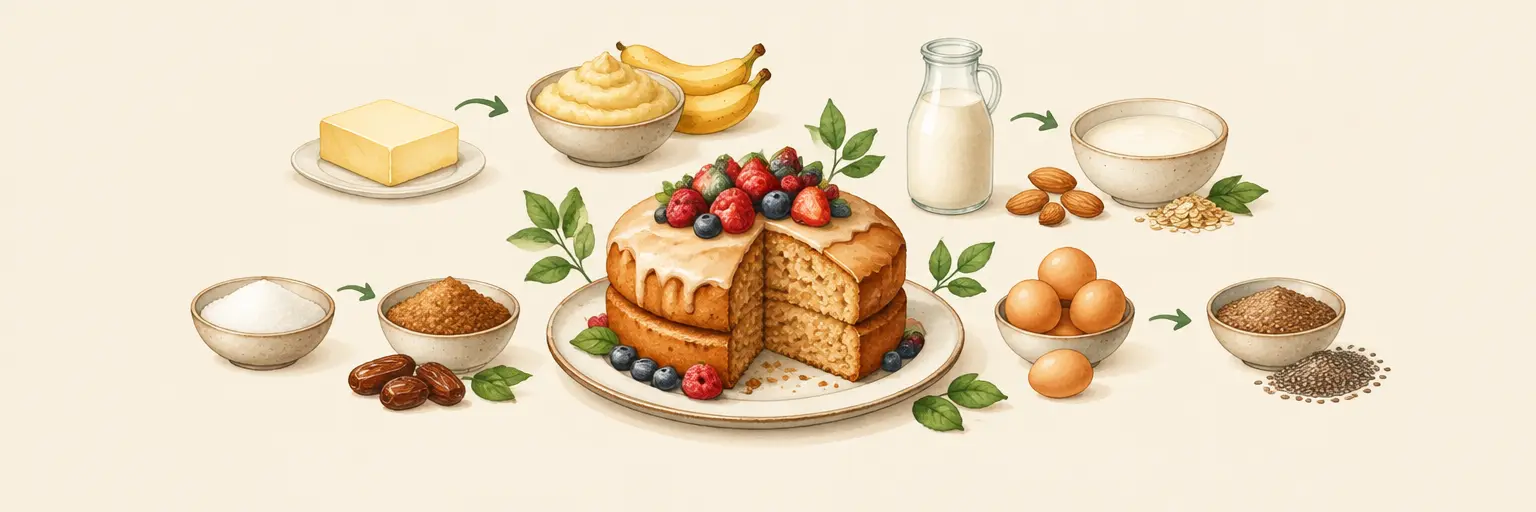
Discover the secrets to fluffy, moist, and delicious vegan baked goods with our expert guide to vegan baking substitutions! Whether you’re fully plant-based or simply out of eggs and butter, we’ve got you covered with simple swaps for milk, eggs, and fats that don’t compromise texture or taste. From flax eggs to aquafaba and coconut oil, learn how to adapt any recipe into a vegan masterpiece. Perfect for cakes, cookies, breads, and pastries—unlock the science behind each substitute and bake with confidence, every time. 🍰🌱
😊 Struggling with a vegan cake flat fix? Discover easy substitutes and expert tips to restore your cake’s perfect rise. BakeWithEase.com guides…
Read article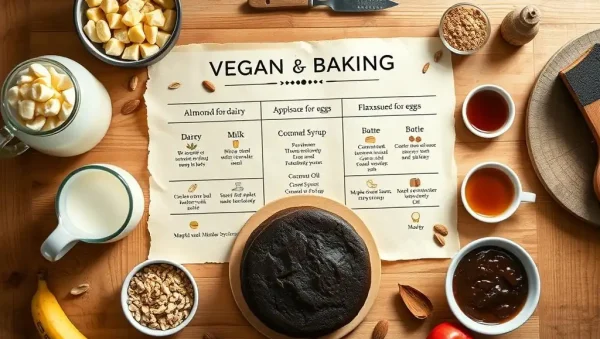
😊 Discover BakeWithEase.com’s Vegan Baking Substitution Guide, your essential resource for effortlessly swapping ingredients in plant-based recipes. Perfect for bakers of all…
Read article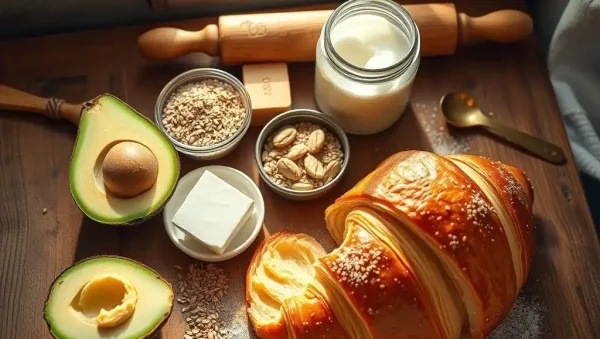
🌱 Discover essential vegan baking fat tips to achieve tender, flaky results in your pastries and breads. BakeWithEase.com offers simple techniques and…
Read article
🌱 Discover how DIY vegan baking ingredient substitutions can help you save money and personalize your treats. BakeWithEase.com offers simple tips and…
Read article
🌱 Discover game-changing vegan cake leavening tips that ensure your baked goods rise perfectly every time. BakeWithEase.com offers simple, effective hacks to…
Read article
✨ Struggling with dry vegan bakes? Discover easy vegan bake dryness solutions that can transform your recipes. Simple swaps and tips will…
Read article
📝 Discover essential vegan baking substitution rules to ensure your recipes turn out perfect. Learn when not to substitute ingredients, preserving the…
Read article
🌱 Discover delightful vegan honey substitute recipes at BakeWithEase.com, your ultimate baking resource. Learn easy, tasty alternatives to honey for all your…
Read article
🌱 Discover essential vegan baking egg substitutes that ensure your baked goods stay moist, fluffy, and delicious. Perfect for beginners and experts…
Read article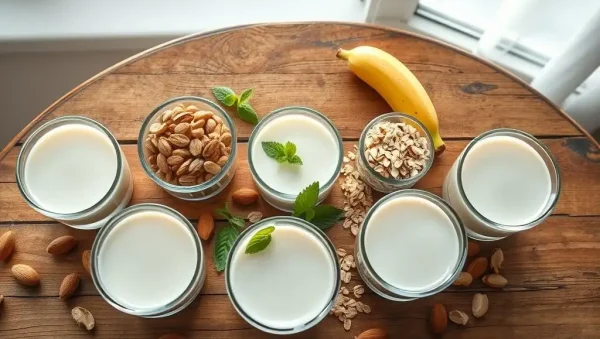
🌱 Discover essential vegan milk texture recipes to elevate your baking, ensuring perfect moisture and creaminess in every pastry, bread, and cake.…
Read article
🌱 Discover clever vegan baking ingredient swaps to enhance flavor without compromising your favorite treats. This article shares extract hacks and tips…
Read article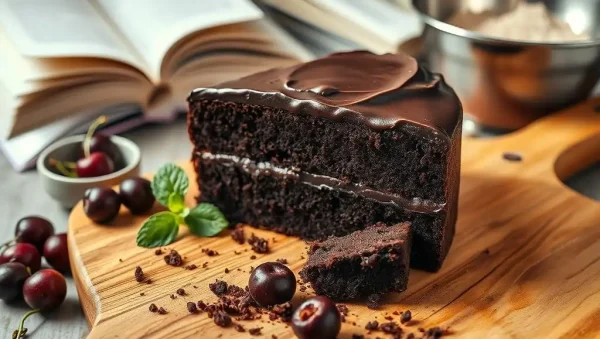
🌱 Discover easy, step-by-step techniques to veganize your favorite chocolate cake and other beloved recipes. BakeWithEase.com helps bakers of all levels transform…
Read articleWelcome to the Vegan Baking Substitutions hub at BakeWithEase.com! Whether you’re a seasoned plant-based baker or simply out of eggs and butter, this guide transforms your kitchen into a dairy-free, egg-free powerhouse. Discover how to replace traditional ingredients without sacrificing texture, flavor, or rise. From flax eggs to aquafaba, we’ve curated practical swaps that work in cakes, cookies, breads, and pastries. Say goodbye to dense, dry results and hello to moist, fluffy bakes that everyone—vegan or not—will love. Dive into the essentials below and unlock the secrets to effortless plant-based baking.
Eggs provide structure, moisture, and leavening, but vegan alternatives can mimic these roles perfectly. The most versatile swap is the flax egg (1 tbsp ground flaxseed + 3 tbsp water), ideal for cookies, muffins, and quick breads. For lighter, airier cakes, try aquafaba—the liquid from canned chickpeas—which whips like egg whites for meringues or macarons. Mashed banana or applesauce adds moisture and slight sweetness, suitable for dense loaf cakes. Chia seeds work similarly to flax, though they create a slightly gummier texture. Always consider your recipe’s purpose: use a binding swap for drop cookies, a leavening swap for sponges, and a moisture swap for brownies.
When substituting, keep in mind that commercial egg replacers (like Ener-G) are excellent for neutral-tasting baked goods. For every egg, replace with one of these options and reduce liquid slightly if using purees. Test a batch first—your favorite chocolate chip cookie recipe might prefer flax over banana for a crisper edge. Alternatively, silken tofu blended until smooth provides richness in cheesecakes or custards. Always mix your substitution separately before adding to the batter to ensure even distribution. With these tools, you’ll never miss an egg again.
Swapping dairy for plant-based alternatives is simpler than you think. For milk, unsweetened almond or oat milk works in most cakes and muffins, though oat milk’s higher sugar content can enhance browning. Soy milk, with its higher protein content, is best for breads and yeasted doughs, promoting a strong gluten structure. For buttermilk, add 1 tbsp lemon juice or vinegar to any plant milk and let it sit for 5 minutes. When it comes to butter, vegan butter sticks (like Earth Balance) provide the same fat content and creaming abilities as dairy butter—perfect for cookies and pie crusts. Coconut oil (refined for neutral flavor) works well in brownies but can make doughs softer; chill before baking.
For heavy cream in frostings or sauces, use full-fat coconut cream (chilled, then whipped) or blended cashews with a splash of plant milk. Sour cream can be replaced with plain vegan yogurt or blended silken tofu with lemon juice. Remember that fat is essential for tenderness, so don’t reduce oil or butter in recipes without adding another fat source. For a flaky pastry, use cold vegan butter cut into flour, just as you would with dairy. Always check labels for added sugars or stabilizers that might affect flavor. Experiment with different brands to find your favorite—your scones will thank you.
Honey is a common baking ingredient, but vegans can choose from an array of plant-based liquid sweeteners. Maple syrup adds a rich, robust flavor ideal for granola bars or gingerbread; agave nectar is milder and sweeter, so reduce the amount by 25%. Brown rice syrup is less sweet and helps bind granola. For granulated sugar, check that it’s vegan—some brands filter through bone char. Use organic cane sugar to ensure no animal products. In recipes requiring brown sugar, mix white sugar with a bit of molasses for that caramel note. For binding, date paste (blended dates with water) is a fantastic option, adding fiber and moisture to energy bites or cookies.
Liquid sweeteners increase browning and moisture, so reduce other liquids slightly. For every 1 cup honey, use ¾ cup maple syrup or agave and decrease oven temperature by 25°F to prevent over-browning. Alternatively, coconut sugar is a granulated option that mimics brown sugar’s flavor, though it’s less sweet. For meringue-style toppings, aquafaba works with sugar to create glossy peaks. If your recipe calls for corn syrup, use golden syrup or a mixture of agave and molasses. Always taste your batter—some sweeteners are stronger than others. With these additions, your vegan baked goods will be perfectly balanced.
Beyond butter, many oils and nut butters bring both flavor and function to vegan bakes. Neutral oils like canola or sunflower are perfect for cakes, ensuring a moist crumb without altering taste. Coconut oil adds a subtle tropical note—use refined for neutrality or virgin for a coconut twist in cookies or crusts. For richness, peanut or almond butter can replace part of the fat, adding protein and chewiness to brownies or cookies. Avocado puree is a surprising yet excellent substitute in chocolate recipes, adding creaminess with a healthy boost. Nut butters also act as emulsifiers, helping combine wet and dry ingredients smoothly.
When swapping fats, maintain the total fat content. Replace 1 cup butter with ¾ cup oil (since oil is 100% fat, while butter is ~80%). For coconut oil, melt it gently before adding. For half the fat, use applesauce or mashed banana in quick breads or muffins, but expect a denser texture. Chilled coconut cream can replace heavy cream in frostings, while tahini adds a savory depth to blonde brownies. Always cream solid fats (like vegan butter) with sugar until light and fluffy for proper aeration. With these versatile fats, your pastries will be tender, flavorful, and perfectly plant-based.
Vegan baking doesn’t mean bland—use ingredients like vanilla bean paste, citrus zest, and spices to elevate your bakes. For a richer “buttery” flavor, add a pinch of nutritional yeast (yes, really!) to savory breads. For chocolate treats, use high-quality cocoa powder and add instant espresso powder to deepen flavor. Baking powder and baking soda are naturally vegan, but check their aluminum-free versions for clean taste. For leavening, vinegar and baking soda together create carbon dioxide—use 1 tsp baking soda with 1 tbsp vinegar per cup of plant milk for a fluffy rise. Cream of tartar (from grapes) helps stabilize aquafaba meringues.
To enhance browning without eggs, brush dough with a mix of plant milk and maple syrup before baking. Molasses can add depth to gingerbread or BBQ-flavored crackers. For chewy cookies, use a blend of cornstarch and water to mimic egg proteins. Try blackstrap molasses for iron-rich cookies or brown rice vinegar for acidity in gluten-free bakes. Remember that acidic ingredients (like lemon juice) react with baking soda for lift, while baking powder works alone. Test your leavening freshness—old powder loses potency. With these boosts, every vegan bake will be full of character.
Yes, but adjust liquid and temperature. Use ¾ cup coconut oil per 1 cup butter, and chill doughs before baking to prevent spreading. Coconut oil works best in brownies, quick breads, and pie crusts, but may alter flavor—use refined for neutral taste.
For fluffy cakes, aquafaba is your top choice—whip it to soft peaks before folding. Alternatively, use a commercial egg replacer (like Ener-G) mixed with water for 1 egg per serving. Both provide structure and rise without heaviness.
Oat milk is thicker and slightly sweeter, making it better for muffins and biscuits. Almond milk works well in lighter cakes and cookies. Soy milk has the highest protein, ideal for yeast breads and custards. Choose based on your recipe’s texture needs.
Add 1 tablespoon of lemon juice or white vinegar to 1 cup of plant milk—let it sit for 5 minutes until curdled. This works perfectly for pancakes, soda bread, and biscuits. For richer results, use soy or oat milk.
No, use ¾ cup maple syrup for every 1 cup sugar, and reduce other liquids by 3 tablespoons. Lower baking temperature by 25°F to avoid over-browning. Maple syrup adds moisture and a distinct flavor, best in spice cakes or muffins.