Baking GlutenFree: Your Guide to Alternative Flour Types
🌟 Discover the ultimate Glutenfree Baking Flour Guide on BakeWithEase.com, your essential resource for mastering gluten-free recipes. Learn about alternative flours, tips,…
Read article
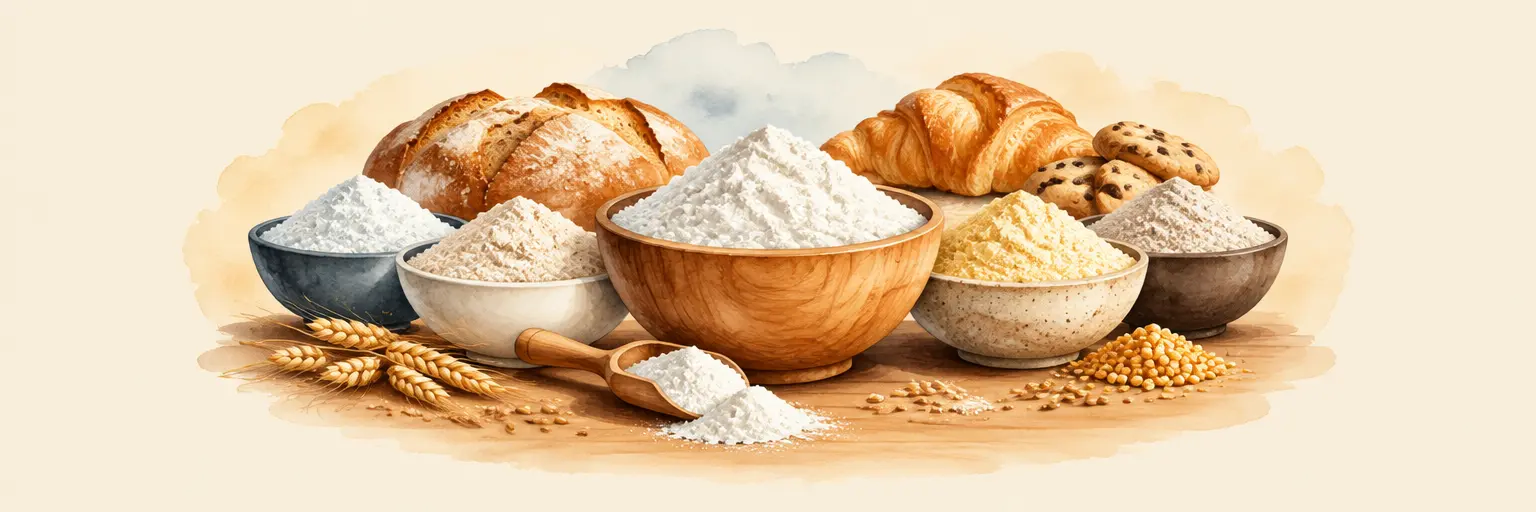
Choosing the right flour can make or break your bake, and mastering the science behind it is the secret to achieving light, airy cakes and crusty artisan loaves. From protein-packed bread flour to delicate cake flour, each variety brings its own personality to your recipes. 🍞✨ Dive into our simple, step-by-step guides to understand how gluten, milling, and starch affect texture, hydration, and rise—so you can confidently swap, substitute, or perfect any dough. Whether you’re a beginner or a seasoned sourdough pro, our insider tips will help you unlock the full potential of every bag in your pantry. #BakingScience #FlourPower #BakeWithEase
🌟 Discover the ultimate Glutenfree Baking Flour Guide on BakeWithEase.com, your essential resource for mastering gluten-free recipes. Learn about alternative flours, tips,…
Read article
🌟 Discover how choosing the right flour types can elevate your baking success. BakeWithEase.com guides you through essential techniques and ingredients, ensuring…
Read article
🌟 Discover how to select the best flour for sourdough bread and other baked delights. BakeWithEase.com guides you through choosing the perfect…
Read article
🌾 Discover the versatility of oat flour baking recipes with BakeWithEase.com, your ultimate guide to creating delicious pastries, breads, and cookies. Perfect…
Read article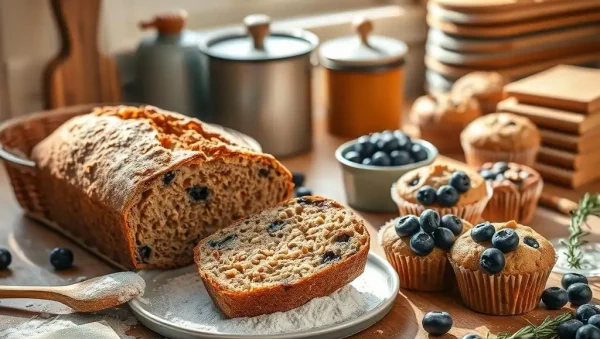
🌟 Discover essential whole wheat baking tips to create healthier, lighter treats without sacrificing flavor. BakeWithEase.com guides you through simple techniques and…
Read article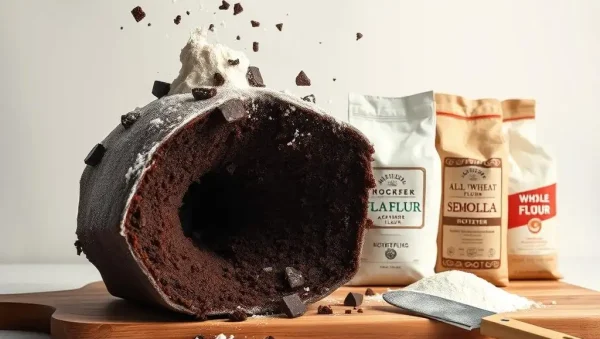
😊 Struggling with a fallen cake? Discover how your flour choice can be the key to preventing cake falling. At BakeWithEase.com, learn…
Read article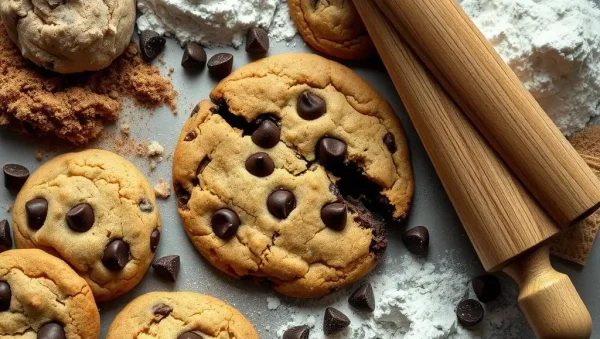
🍪 Discover the secrets to perfecting your chewy crispy cookie recipe with expert tips on flour selection and baking techniques. BakeWithEase.com is…
Read article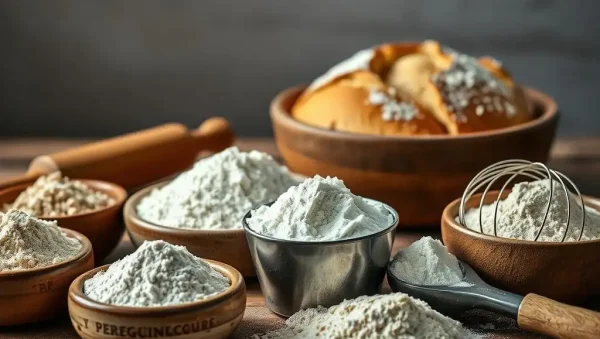
😊 Discover how flour protein baking impact influences your baked goods' texture and structure. At BakeWithEase.com, learn simple tips to select the…
Read article
🌾 Discover essential glutenfree flour baking tips for perfect sorghum and millet flour baked goods. BakeWithEase.com guides you through simple techniques and…
Read article
🌟 Discover expert all-purpose flour substitution tips to effortlessly adapt your baking recipes. BakeWithEase.com guides you through seamless ingredient swaps, ensuring your…
Read article
🌟 Discover how protein percentages in flour influence baking results and perfect your craft with high protein flour recipes. BakeWithEase.com offers expert…
Read article
✨ Discover the best flour for baking recipes with BakeWithEase.com, your ultimate guide to mastering bread, cakes, and cookies. Unlock simple techniques,…
Read articleFlour is the backbone of baking, yet it’s often the most misunderstood ingredient. At BakeWithEase, we break down the science and art of choosing the right flour for every recipe—from airy cakes to chewy artisan breads. This subcategory is your complete guide to flour types, protein content, gluten development, and how to substitute flours like a pro. Whether you’re a beginner asking “what’s the difference?” or a seasoned baker seeking precision, you’ll find actionable insights, easy-to-understand comparisons, and baking hacks that elevate every batch. Dive in to unlock the secret to better texture, flavor, and structure in your baked goods.
All-purpose flour is the chameleon of the baking world, with a protein content around 10-12% that strikes a balance between tender crumb and structural strength. It’s perfect for cookies, muffins, pancakes, and even some breads when you’re in a pinch. At BakeWithEase, we’ll show you how brands differ slightly (e.g., bleached vs. unbleached) and how that impacts absorption and rise. Expect practical charts on when to reach for AP flour versus alternatives, plus tips for measuring without a scale—because fluffing and spooning is non-negotiable for accuracy.
You’ll also learn how to adjust AP flour for higher-protein needs by adding vital wheat gluten or for softer textures by substituting a portion with cake flour. This section demystifies why some recipes explicitly demand AP and others say “any flour works.” We’ll include a quick test to identify your flour’s protein content at home, ensuring you never guess again. Perfect for everyday bakers who want consistent results without buying ten different bags.
Cake flour (7-9% protein) and pastry flour (8-10%) are the keys to delicate, melt-in-your-mouth textures. If your cakes come out dense or your pie crusts tough, the culprit is likely using the wrong flour. Here, we dive into why lower protein means less gluten formation, which translates to a tender bite. You’ll discover how to substitute cake flour using cornstarch and AP flour (a classic hack: 1 cup AP minus 2 tbsp + 2 tbsp cornstarch). We also explore when to choose pastry flour for biscuits, scones, and shortcrusts—where flakiness matters more than cakey height.
Expect step-by-step guides on sifting, which aerates and distributes the fine particles evenly, and why cold butter works better with low-protein flours. We’ll share a foolproof chiffon cake recipe that showcases cake flour’s magic, plus a savory tart that proves pastry flour isn’t just for sweets. Learn to read labels for “soft wheat” or “milled from soft red winter wheat” to identify true pastry-grade flours in stores. This is your shortcut to professional-level tenderness at home.
Bread flour (12-14% protein) is a baker’s best friend for chewy crusts and open crumb structures in sourdough, baguettes, and pizza dough. High-gluten flours (14%+) take it even further, ideal for chewy bagels or artisan loaves requiring extensive kneading. This section explains the role of glutenin and gliadin proteins—how hydration and fermentation develop them. We provide hydration ratio charts and mixing times for different bread flours, plus how to boost AP flour with vital wheat gluten for emergency bread baking. You’ll also learn why over-kneading with bread flour can lead to toughness, and how to spot the “windowpane test” for perfect gluten development.
Beyond basics, we compare fresh-milled vs. store-bought bread flour, discussing enzyme activity and ash content that impact flavor. Practical projects include a no-knead overnight loaf that leverages bread flour’s strength, and a focaccia recipe with a crisp-chewy contrast. We also tackle whole wheat bread flour—which has less gluten potential despite higher protein—and how to combine it with bread flour for lighter results. Whether you’re a sourdough devotee or a pizza night hero, this guide ensures your dough behaves predictably.
Whole wheat flour retains the bran, germ, and endosperm, offering fiber and nuttier flavor—but it’s trickier to bake with due to lower gluten and higher absorption. Spelt, einkorn, and kamut are ancient grains with unique protein structures, often tolerated better by sensitive stomachs. This subcategory covers how to hydrate whole grain flours (resting the autolyse for 20-30 minutes) and boost structure with steam or additives. You’ll learn substitution ratios for swapping refined flours with whole grains without gummy results—typically replace 25-50% initially. We also explain how to store whole grains to prevent rancidity, extending freshness for months.
Expect comparative flavor profiles: spelt’s mild sweetness, einkorn’s buttery notes, and whole wheat’s robust earthiness. We share a rustic 100% whole wheat sandwich bread that stays soft for days, plus a spelt chocolate chip cookie that rivals the classic. For gluten-free bakers, we include a brief crossover on sorghum and teff—but emphasize that ancient grains still contain gluten. Through sensory tests (smell, touch, visual crumb), you’ll learn to adjust hydration by eye, not just recipe directions. This is your gateway to healthier, tastier baking with ancient grains.
Gluten-free flours like rice, almond, coconut, and oat each bring distinct textures and hydration needs. Baking without gluten requires a blend, not a single swap. This section demystifies creating your own mix—typically a starch (tapioca or potato), a protein flour (brown rice or almond), and a binder (xanthan gum). We provide ready-to-use ratios for cakes, cookies, and bread, plus store-bought blend reviews. You’ll learn why almond flour’s high fat yields moist batters, while coconut flour absorbs five times its weight in liquid—so never 1:1 replace. Expect troubleshooting for gritty textures and crumbly slices, solved with resting batters or adding psyllium husk.
We also cover oat flour’s beta-glucan benefits and how to make your own by grinding rolled oats. For egg-free bakers, we combine flax eggs with gluten-free flours to mimic structure. Practical recipes include a fluffy almond flour lemon cake, a crusty gluten-free artisan loaf using a rice/tapioca blend, and paleo-friendly coconut flour brownies. We’ll clarify label reading for cross-contamination and certified GF options. With our cheat sheets and troubleshooting tables, you’ll feel confident baking for dietary needs—without sacrificing taste or texture.
Yes, but expect a denser texture. Bread flour’s higher protein creates more gluten, giving more chew. If substituting AP, reduce liquid slightly or add vital wheat gluten (1 tsp per cup) to mimic bread flour. For pizza or bagels, AP works but will be softer. For cakes, swap bread flour with caution—it may toughen the crumb. Always check protein percentages on the bag.
Fluff the flour with a spoon, then gently spoon it into a dry measuring cup without packing. Level off with a flat edge. Never scoop directly from the bag—that compacts flour, adding up to 20% extra. For best accuracy, use a kitchen scale: 1 cup AP flour = 120g, bread flour = 127g, cake flour = 114g.
Bleached flour is chemically treated to age faster, resulting in whiter color and softer texture—ideal for cakes and pastries. Unbleached flour ages naturally and has slightly higher protein, better for breads and flaky crusts. They’re interchangeable in most recipes, but bleached may absorb less liquid, so adjust hydration if using unbleached in a delicate cake.
Whole wheat flour’s bran and germ cut gluten strands and absorb more water. Increase hydration by 10-20% (add 2-3 tbsp liquid per cup), and use a 30-minute autolyse rest. Also, replace 25% of whole wheat with bread flour for lighter results. Adding honey or oil helps retain moisture and mask bitterness.
Yes, if certified gluten-free by a trusted third party, like GFCO. Always check for “may contain wheat” or shared equipment warnings. At home, keep separate utensils and toasters to avoid cross-contamination. For recipes, use a blend containing xanthan gum, or add it separately (about ½ tsp per cup of flour) to mimic gluten’s elasticity.